
The Gupta Empire's Contribution to Philosophy: Cultural and Intellectual Growth

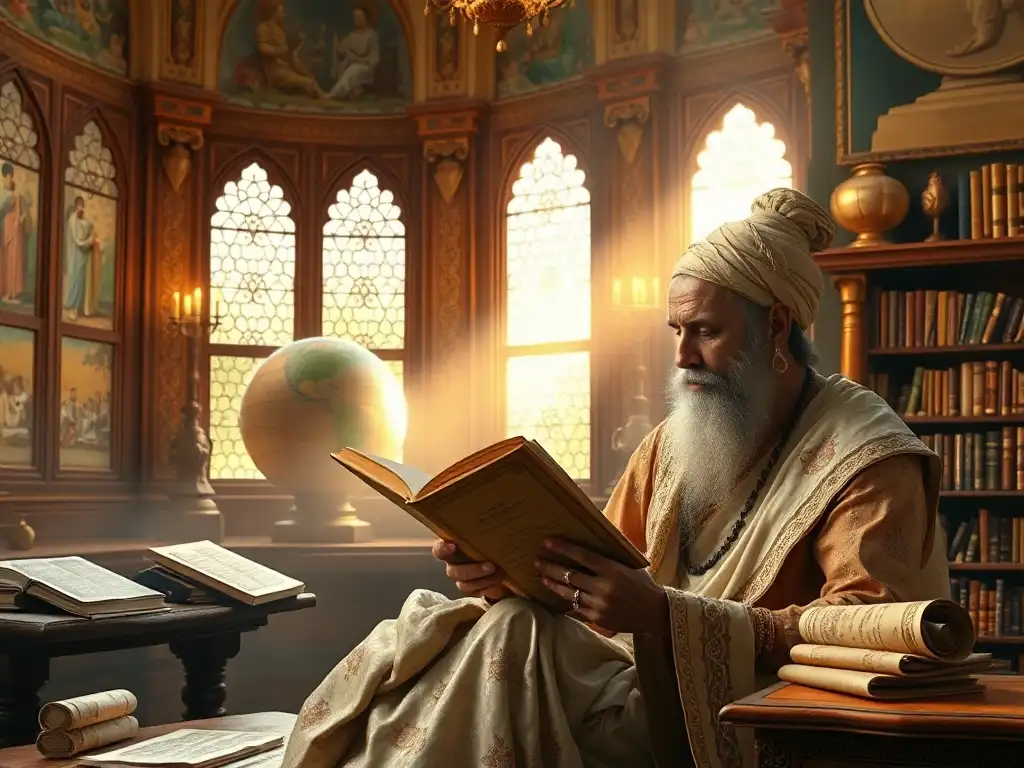
Welcome to Ancient India History, where we embark on a fascinating journey through time to uncover the rich tapestry of ancient Indian civilizations. Today, we delve into the profound philosophical contributions of the Gupta Empire, a period marked by remarkable cultural and intellectual growth. What made this era a beacon of enlightenment, and how did it shape the philosophies that resonate even today? Join us as we peel back the layers of history and explore the impactful ideas that emerged during this golden age. Your adventure into the depths of ancient wisdom starts here!

Introduction to the Gupta Empire and Its Philosophical Influence
The Gupta Empire, often referred to as the "Golden Age" of ancient India, spanned from approximately 320 to 550 CE and was marked by significant advancements in various fields, including art, science, and notably, philosophy. This era witnessed a profound cultural and intellectual flourishing that laid the foundation for many philosophical ideas that would resonate throughout India and beyond.
The contributions of the Gupta Empire to philosophy are not merely academic; they reflect a comprehensive synthesis of earlier traditions and innovative thought that shaped Indian philosophical discourse for centuries to come. By exploring the philosophical contributions of this period, we can better understand the intricate tapestry of ideas that emerged, influencing not only India but also the broader philosophical landscape of the world.
Overview of the Gupta Empire
The Gupta Empire emerged as a dominant force in ancient India after the decline of the Maurya Empire. Founded by Maharaja Sri Gupta, it reached its zenith under the rule of notable emperors such as Chandragupta II and Samudragupta. The empire was characterized by:
- Territorial Expansion: The Gupta Empire encompassed a vast territory, including modern-day northern and central India.
- Cultural Renaissance: This period saw a resurgence in arts and literature, with significant contributions from scholars like Kalidasa and Aryabhata.
- Political Stability: Relative peace and stability during this era allowed for the flourishing of trade and intellectual pursuits.
The Gupta rulers were known for their patronage of the arts and philosophy, fostering an environment where intellectual debates and philosophical inquiries thrived.
Importance of Philosophy in Ancient Indian Civilizations
Philosophy in ancient India was not merely an academic pursuit; it was deeply intertwined with the spiritual and cultural fabric of society. Key aspects include:
- Spiritual Inquiry: Philosophical thought often revolved around questions of existence, morality, and the nature of reality, reflecting the profound spiritual quest of individuals.
- Cultural Integration: Philosophy served as a bridge connecting various religious and cultural traditions, facilitating dialogue and mutual understanding among diverse groups.
- Influence on Society: The philosophical ideas developed during this period influenced legal systems, social norms, and educational frameworks, leaving a lasting legacy on Indian civilization.
The Gupta Empire, with its rich intellectual heritage, played a crucial role in the evolution of philosophy, encouraging critical thinking and the exploration of existential questions.
The Roots of Gupta Empire Philosophy Contributions
Understanding the philosophical contributions of the Gupta Empire requires an examination of its historical context and the influences that shaped its intellectual landscape.
Historical Context of the Gupta Period
The historical backdrop of the Gupta Empire provided fertile ground for philosophical development. Key factors include:
- Political Unity: The consolidation of power under Gupta rule created a stable environment conducive to scholarly activities.
- Trade and Commerce: Increased trade routes facilitated cultural exchanges, bringing in diverse ideas and perspectives from neighboring regions.
- Educational Institutions: The establishment of renowned centers of learning, such as Nalanda, attracted scholars from across the subcontinent and beyond, promoting rigorous philosophical discourse.
This confluence of factors enabled the Gupta Empire to emerge as a vibrant center of philosophical thought, producing significant contributions that would influence future generations.
Influences from Earlier Indian Philosophical Traditions
The Gupta Empire's philosophy was not created in isolation; it built upon the rich tapestry of earlier Indian philosophical traditions. Important influences include:
- Vedic Philosophy: The foundational texts of the Vedas introduced concepts of dharma, karma, and the nature of the self, which continued to resonate during the Gupta period.
- Buddhism and Jainism: The philosophical inquiries of these traditions, especially concerning ethics and metaphysics, left a profound impact on Gupta thinkers.
- Sankhya and Yoga: These systems of thought provided frameworks for understanding the nature of consciousness and the universe, further enriching Gupta philosophical discourse.
By synthesizing these diverse influences, the Gupta Empire's philosophers were able to create a dynamic intellectual environment that not only preserved but also advanced philosophical thought in ancient India.
Major Philosophical Schools During the Gupta Empire
The Gupta Empire, often termed the "Golden Age" of India, witnessed a flourishing of philosophical thought that profoundly shaped Indian culture and intellectual traditions. This era saw the emergence and evolution of several major philosophical schools, each contributing unique perspectives on metaphysics, ethics, and epistemology. Among these schools, Advaita Vedanta, Buddhist philosophy, and Jain philosophy played pivotal roles, influencing both contemporary society and future generations.
Advaita Vedanta and Its Evolution
Advaita Vedanta, a non-dualistic school of thought primarily associated with the philosopher Adi Shankaracharya, gained significant prominence during the Gupta period. This philosophical system posits that the ultimate reality (Brahman) is singular and that the individual self (Atman) is not distinct from it. Shankaracharya's teachings emphasized the importance of self-realization and the pursuit of knowledge (jnana) as means to attain liberation (moksha).
Moreover, during the Gupta Empire, Advaita Vedanta evolved through dialogues with other philosophical traditions, especially Buddhism. This interaction led to a richer understanding of concepts such as illusion (Maya) and the nature of reality. The commentaries produced by later thinkers like Padmapada and Sureśvara further refined Advaita thought, solidifying its influence in Indian philosophy and establishing a framework for subsequent Hindu philosophical inquiry.
The Rise of Buddhist Philosophy in Gupta Society
Buddhist philosophy also experienced notable growth during the Gupta Empire, reflecting the period's cultural pluralism. The emergence of Mahayana Buddhism brought forth new philosophical ideas, including the concept of emptiness (śūnyatā) and the nature of consciousness. Prominent figures such as Nagarjuna and Vasubandhu emerged, advocating for a more nuanced understanding of reality that transcended the binary distinctions prevalent in earlier thought.
The Gupta rulers were patrons of Buddhism, which facilitated the establishment of monasteries and educational institutions that became centers of philosophical discourse. This environment nurtured a vibrant exchange of ideas, contributing to the evolution of Buddhist logic and epistemology. The integration of Buddhist thought into mainstream philosophical discussions during this era laid the groundwork for future debates on metaphysics and ethics in Indian philosophy.
Jain Philosophy and Its Integration into Gupta Thought
Jain philosophy, with its emphasis on non-violence (ahimsa), truth (satya), and asceticism, also flourished during the Gupta Empire. The period saw significant interactions between Jain thinkers and other philosophical schools, leading to a deeper exploration of ethical principles and metaphysical inquiries. The texts by Jain philosophers like Haribhadra and Akalanka contributed to a rich corpus of literature that emphasized the importance of introspection and moral conduct.
Moreover, the Gupta Empire's cultural ethos, which celebrated pluralism and tolerance, allowed for Jain philosophical ideas to integrate into broader philosophical debates. This collaboration enriched discussions on the nature of the soul (jiva) and the universe (lok), influencing both religious practices and philosophical thought across various traditions.
Key Philosophers of the Gupta Empire

The Gupta Empire was home to several influential philosophers who played pivotal roles in shaping philosophical discourse. Their contributions spanned various fields, including metaphysics, ethics, and epistemology, and their legacies continue to resonate in Indian philosophy today.
Notable Philosophers and Their Contributions
Among the notable philosophers of this period, Adi Shankaracharya stands out for his foundational work in Advaita Vedanta. His commentaries on the Upanishads and Brahma Sutras established a systematic approach to Hindu philosophy that emphasized the unity of Atman and Brahman.
In the realm of Buddhism, Nagarjuna's development of the concept of emptiness revolutionized Buddhist thought and provided a framework for understanding the nature of reality. His dialectical method influenced not only Buddhism but also later philosophical developments in India.
Jain thinkers like Kundakunda and Haribhadra also made significant contributions by elaborating on the principles of non-violence and the nature of reality. Their works emphasized the importance of ethical living and the pursuit of spiritual knowledge, enriching the philosophical landscape of the Gupta period.
The Legacy of These Thinkers in Indian Philosophy
The philosophers of the Gupta Empire left an indelible mark on Indian philosophy, establishing frameworks that would influence generations of thinkers. The synthesis of ideas from various schools fostered a rich intellectual environment, where debates on metaphysics, ethics, and epistemology flourished.
The contributions of these thinkers laid the groundwork for future philosophical developments in India, including the resurgence of interest in Advaita Vedanta in the medieval period and the continued evolution of Buddhist and Jain thought. Their emphasis on inquiry, dialogue, and ethical living remains relevant today, underscoring the Gupta Empire's lasting impact on the philosophical canon of ancient India.
Cultural Impacts of Gupta Empire Philosophy Contributions
The Gupta Empire, often referred to as the Golden Age of India, was a period marked by remarkable advancements in various fields, including philosophy. The philosophical contributions during this era significantly impacted culture, shaping the intellectual framework of Indian society. The emphasis on rational thought, ethics, and the nature of existence fostered an environment where debates flourished and new ideas emerged. Key philosophical schools, such as Vedanta and Samkhya, gained prominence, influencing not just scholarly pursuits but also everyday life, social norms, and religious practices.
Philosophy during the Gupta period was deeply intertwined with the arts and sciences. The fusion of philosophical thought with other disciplines led to holistic advancements in astronomy, mathematics, and medicine. This interconnectedness encouraged a culture of inquiry, where philosophical questions informed artistic expressions and vice versa. As a result, the Gupta Empire produced a rich tapestry of cultural achievements, including intricate sculptures, detailed texts, and profound treatises that reflected the philosophical ethos of the time.
The Role of Education and Learning in Gupta Society
Education played a pivotal role in the Gupta Empire, serving as a conduit for philosophical thought and intellectual growth. Institutions like Nalanda University emerged as renowned centers of learning, attracting scholars from across Asia. These institutions were not only places for academic instruction but also hubs for philosophical debate and exploration. Students engaged with texts on logic, metaphysics, and epistemology, fostering a spirit of inquiry and critical thinking.
The curriculum at these educational institutions was comprehensive, covering a range of subjects, including philosophy, mathematics, astronomy, and medicine. Teachers, often revered as sages, encouraged students to question established norms and seek deeper understanding. This emphasis on education cultivated a literate society that valued knowledge, ultimately leading to significant advancements in various fields.
The Interplay Between Philosophy and Art During the Gupta Period
The Gupta period witnessed a remarkable interplay between philosophy and art, where philosophical ideas found expression through various artistic mediums. Sculptors and painters drew inspiration from philosophical texts, infusing their works with deeper meanings and symbolic representations. For instance, the depictions of deities in temple art often conveyed complex philosophical concepts related to the nature of reality and the universe.
Artistic endeavors during this time were not merely aesthetic; they served as a means to communicate philosophical ideas to a broader audience. The intricate carvings in temples and the narratives depicted in murals often reflected the philosophical discourse of the time, making complex ideas accessible to the layperson. This blending of philosophy and art enriched Gupta culture, creating a legacy that continues to influence Indian art and philosophy today.
Influence on Literature and Poetry
The philosophical contributions of the Gupta Empire also had a profound impact on literature and poetry. The era saw the emergence of notable literary figures such as Kalidasa, whose works often incorporated philosophical themes, exploring concepts like love, nature, and the human condition. Poetry became a medium through which philosophical ideas were disseminated, allowing for a reflection on existential questions and moral dilemmas.
Literature during this period was characterized by its depth and sophistication, with authors employing nuanced language to convey complex philosophical ideas. The blend of narrative and philosophy in literary works encouraged readers to engage with profound questions about life, ethics, and the universe. This literary tradition laid the groundwork for future generations of writers and thinkers, solidifying the Gupta Empire's contributions to the field of literature.
The Global Influence of Gupta Philosophy
The philosophical advancements of the Gupta Empire extended beyond Indian borders, influencing neighboring civilizations and contributing to a broader intellectual discourse. As trade routes flourished, ideas and texts traveled, allowing Gupta philosophy to reach new audiences and integrate with diverse philosophical traditions. This cross-cultural exchange enriched both Indian philosophy and the philosophies of neighboring regions.
How Gupta Philosophy Affected Neighboring Civilizations
The impact of Gupta philosophy on neighboring civilizations was significant, especially in areas such as Southeast Asia. Buddhist philosophy, which thrived during the Gupta period, spread to countries like Indonesia and Cambodia, where it influenced local belief systems and cultural practices. The philosophical ideas regarding ethics, governance, and spirituality found resonance in these regions, leading to the establishment of Buddhist kingdoms and the construction of magnificent temples.
Additionally, the dialogues between Gupta thinkers and scholars from other cultures fostered a rich exchange of ideas. This interaction not only spread Indian philosophical concepts but also allowed for the adoption and adaptation of foreign ideas, creating a dynamic intellectual landscape. The legacy of Gupta philosophy can thus be seen as a foundational element in the philosophical development of various cultures beyond India.
Contributions to Islamic and Western Philosophical Thought
The philosophical contributions of the Gupta Empire also played a role in shaping Islamic and Western philosophical thought. During the medieval period, Muslim scholars translated and preserved many Indian philosophical texts, integrating them into the broader Islamic intellectual tradition. Concepts from Gupta philosophy, particularly those related to ethics and metaphysics, influenced prominent Islamic philosophers such as Al-Farabi and Avicenna.
Similarly, the Renaissance in Europe saw a revival of interest in ancient philosophies, including those from the Gupta period. The transmission of knowledge through Islamic scholars facilitated the incorporation of Indian philosophical ideas into Western thought, paving the way for new philosophical inquiries and debates. Thus, the Gupta Empire's contributions to philosophy not only enriched Indian culture but also left an indelible mark on global philosophical development, fostering a legacy of intellectual exchange that continues to resonate today.
Conclusion: The Enduring Legacy of Gupta Empire Philosophy

The Gupta Empire, often referred to as the Golden Age of India, left a profound impact on the realm of philosophy that resonates through the corridors of time. Its intellectual pursuits fostered an environment where ideas flourished, leading to significant advancements in various fields, including metaphysics, ethics, and epistemology. The philosophical contributions of this era were not only pivotal in shaping Indian thought but also influenced global philosophical traditions.
During this period, scholars like Aryabhata and Varahamihira made strides in mathematics and astronomy, while figures such as Kalidasa and Bhasa contributed to literature, all of which were underpinned by philosophical inquiry. This synthesis of philosophy with other disciplines created a holistic worldview that emphasized the interconnectedness of knowledge, culture, and spirituality. As a result, the philosophies developed during the Gupta period continue to be studied and respected for their depth and insight.
Summary of Key Contributions
The Gupta Empire's philosophy can be encapsulated through several key contributions:
- Advancements in Logic and Reasoning: Philosophers like Dharmakirti were instrumental in developing theories of logic and epistemology, which laid the groundwork for future philosophical inquiry in both Indian and global contexts.
- Development of the Concept of Dharma: The philosophical discussions surrounding dharma (duty, morality) during this period provided a framework for ethical governance and personal conduct, influencing societal norms and practices.
- Integration of Spirituality and Philosophy: The period saw a blending of spiritual and philosophical thought, particularly through the works of philosophers like Adi Shankaracharya, who emphasized non-dualism and the unity of the self with the ultimate reality.
- Contributions to Arts and Aesthetics: Philosophical discourses on aesthetics and the nature of beauty were prominent, with significant contributions from poets and playwrights, leading to a rich cultural tapestry that celebrated art as a form of philosophical expression.
These contributions reflect a robust intellectual tradition that not only advanced philosophical thought but also enriched the cultural fabric of the Gupta Empire, ensuring its place in history as a beacon of intellectual achievement.
Reflections on the Impact of Gupta Philosophy on Modern Thought
The philosophical advancements during the Gupta Empire have had a lasting influence on modern thought, particularly in areas concerning ethics, metaphysics, and epistemology. The emphasis on rationality and empirical observation in philosophical discourse can be seen as a precursor to modern scientific methodologies.
Furthermore, the concept of dharma continues to resonate within contemporary discussions around morality and ethics, influencing various global philosophical traditions. The ideas of unity and non-duality proposed by Gupta philosophers have also found a place in modern spiritual and philosophical dialogues, bridging Eastern and Western thought.
In academia, the works from this period are increasingly being revisited, highlighting their relevance in addressing current philosophical questions. Scholars and philosophers today draw upon the rich heritage of Gupta philosophy, recognizing its contributions to discussions about consciousness, identity, and the nature of reality.
The philosophical legacy of the Gupta Empire remains a vital part of the intellectual landscape, inspiring both reflection and innovation in modern philosophical pursuits. Its enduring influence is a testament to the richness of ideas that emerged during this remarkable era in ancient Indian history.
- Introduction to the Gupta Empire and Its Philosophical Influence
- The Roots of Gupta Empire Philosophy Contributions
- Major Philosophical Schools During the Gupta Empire
- Key Philosophers of the Gupta Empire
- Cultural Impacts of Gupta Empire Philosophy Contributions
- The Global Influence of Gupta Philosophy
- Conclusion: The Enduring Legacy of Gupta Empire Philosophy
- Summary of Key Contributions
- Reflections on the Impact of Gupta Philosophy on Modern Thought
- What were the main philosophical contributions of the Gupta Empire?
- How did the Gupta Empire influence the development of Indian philosophy?
- Who were the prominent philosophers during the Gupta Empire?
- How did religion influence philosophy in the Gupta Empire?
- What is the legacy of Gupta Empire philosophy today?
Frequently Asked Questions
What were the main philosophical contributions of the Gupta Empire?
The Gupta Empire is known for its profound contributions to philosophy, particularly in the fields of metaphysics, epistemology, and ethics, which laid the groundwork for future Indian philosophical thought.
How did the Gupta Empire influence the development of Indian philosophy?
The Gupta period saw a flourishing of intellectual growth and cultural exchange, leading to the integration of various philosophical schools, such as Advaita Vedanta and Buddhism, enhancing the depth of Indian philosophical discourse.
Who were the prominent philosophers during the Gupta Empire?
Notable philosophers like Aryabhata, known for his work in mathematics and astronomy, and Vatsyayana, who wrote the Kama Sutra, significantly impacted Indian philosophy and contributed to its intellectual legacy.
How did religion influence philosophy in the Gupta Empire?
Religion played a crucial role in shaping philosophical thought during the Gupta period, as Hinduism, Buddhism, and Jainism each offered distinct perspectives that enriched philosophical dialogues and practices.
What is the legacy of Gupta Empire philosophy today?
The philosophical contributions of the Gupta Empire continue to influence modern Indian philosophy and are foundational to many contemporary discussions on ethics, metaphysics, and the nature of reality.
Final Reflection: The Enduring Legacy of Gupta Empire Philosophy
The Gupta Empire's contributions to philosophy remain profoundly relevant today, as they laid the groundwork for intellectual thought that transcends time and culture. In an age where philosophical discourse shapes our understanding of ethics, governance, and human existence, the insights from this golden era of Indian history continue to resonate. The Gupta philosophers not only enriched their own society but also provided a framework that influences contemporary debates on morality and knowledge.
Culturally and socially, the philosophies developed during the Gupta Empire have woven themselves into the fabric of modern thought. The emphasis on reason, debate, and the pursuit of knowledge during this period has inspired countless generations. As we navigate the complexities of the modern world, we can draw upon the wisdom of Gupta thinkers to address contemporary issues. Philosophy is the love of wisdom, and the Gupta Empire exemplified this pursuit in its most profound forms.
This quote encapsulates the essence of their contributions, reminding us that the quest for understanding is timeless and universal.
As you reflect on the teachings and philosophies of the Gupta Empire, consider how these ancient ideas can inform your own life and decisions. Embrace the challenge to think critically, engage in meaningful discussions, and cultivate a love for wisdom in your daily interactions. By doing so, you not only honor the legacy of the Gupta philosophers but also contribute to a richer, more thoughtful world.
Unveil the Philosophical Treasures of the Gupta Empire!
Thank you for immersing yourself in the rich tapestry of the Gupta Empire's contributions to philosophy! Your interest in this golden age of cultural and intellectual growth is vital for understanding the profound impact it has had on civilizations today. Now, let’s take the next steps together to deepen your exploration.
- Dive deeper by reading and discussing selected philosophical texts from this era with friends or in online forums to foster engagement.
- Join a community where you can share insights and exchange ideas about the philosophical developments of ancient civilizations; platforms like social media groups or local history clubs are excellent places to start.
- Visit a museum or an online virtual exhibit to experience artifacts and narratives related to the Gupta period, allowing history to come alive!
As you reflect on these remarkable contributions to philosophy, consider this: How can the philosophical insights of the Gupta Empire influence your perspective on modern challenges? We’d love to hear your thoughts!