
The Aesthetics of Gupta Architecture: Harmony and Balance

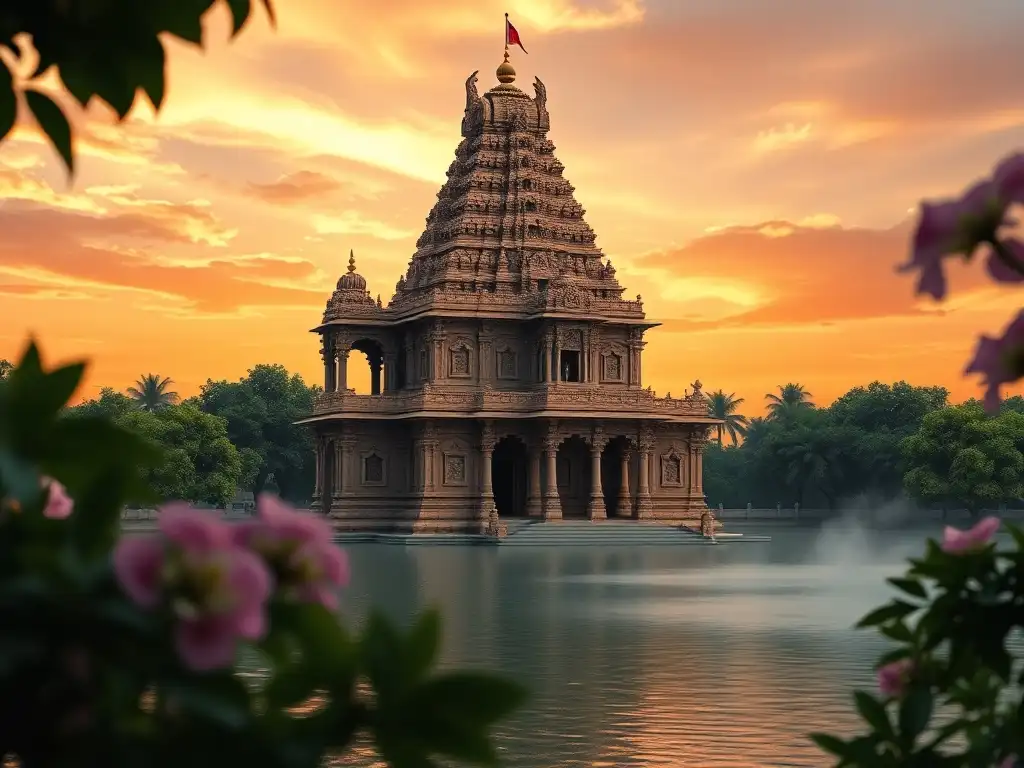
Welcome to Ancient India History, where we invite you to embark on a captivating journey through the vibrant tapestry of ancient Indian civilizations. In this exploration, we delve into the intricate design principles of Gupta architecture, a remarkable testament to the era's aesthetic values of harmony and balance. What secrets lie within the structures that have withstood the test of time?
Discover how these architectural marvels not only shaped the physical landscape but also reflected the profound cultural ethos of their time. Join us as we uncover the beauty and ingenuity of Gupta architecture, sparking your curiosity to learn more about the incredible legacy of ancient India.
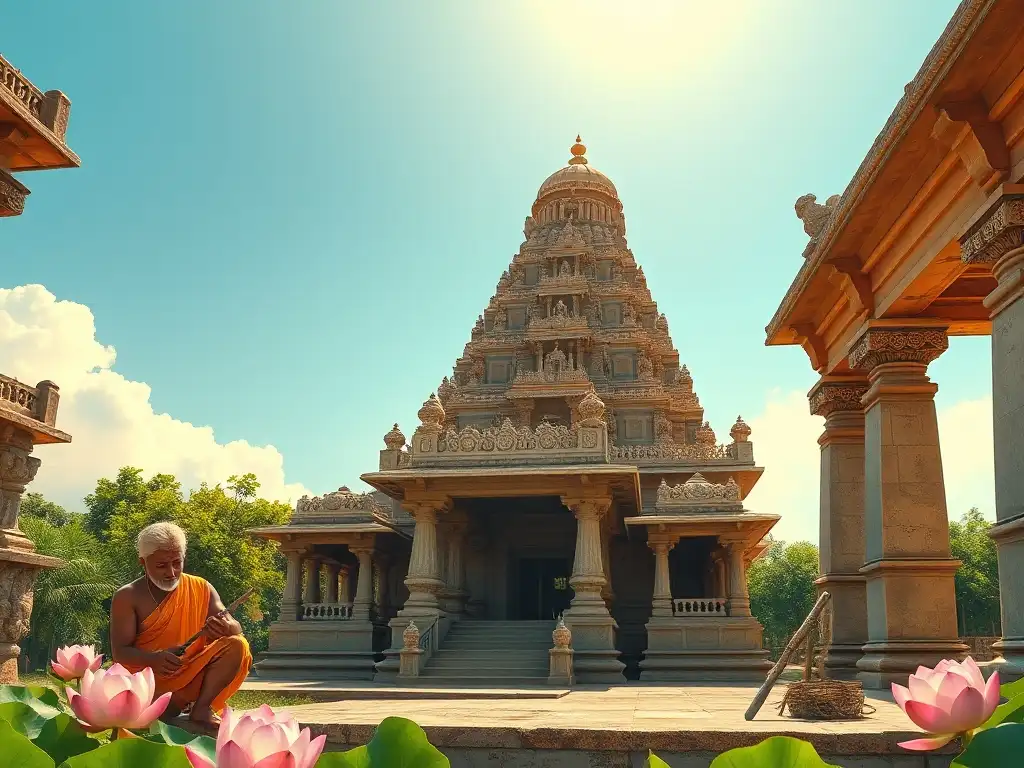
The Gupta Empire, often referred to as the Golden Age of India, flourished between the 4th and 6th centuries CE, marking a pivotal period in the evolution of Indian art and culture. One of the most remarkable aspects of this era is its architecture, which reflects a unique blend of aesthetic beauty, functional design, and spiritual significance.
The principles of Gupta architecture design are not merely technical guidelines but are deeply rooted in the philosophical ideals of harmony and balance. This article explores the intricate design principles that characterize Gupta architecture, examining how symmetry, geometric patterns, and the integration of natural elements come together to create structures that resonate with elegance and tranquility.
Understanding Gupta Architecture
Overview of Gupta Empire Architecture
Gupta architecture is distinguished by its innovative use of materials and techniques, leading to the construction of impressive temples, stupas, and monasteries. Notable structures, such as the temples at Khajuraho and the Dasavatara Temple in Deogarh, showcase intricate carvings and a refined aesthetic that exemplifies the era's artistic achievements. The architectural style is marked by a transition from earlier styles, incorporating elements that emphasize verticality, intricate relief work, and a harmonious relationship with their surroundings.
Historical Context of Gupta Architecture
The Gupta Empire's architecture evolved in a context rich with cultural and religious influences. With the rise of Hinduism and Buddhism during this period, architectural designs began to reflect the prevailing religious sentiments. Temples served not only as places of worship but also as cultural hubs, fostering artistic expression and community engagement. The patronage of rulers and affluent merchants further contributed to the flourishing of architectural innovation, enabling skilled artisans to experiment with design while adhering to the underlying principles of balance and symmetry.
Key Design Principles in Gupta Architecture
Symmetry and Proportion in Gupta Architecture
One of the defining features of Gupta architecture is its emphasis on symmetry and proportion. Structures are often designed around a central axis, creating a sense of equilibrium that is visually appealing and spiritually uplifting. This principle can be observed in the layout of temple complexes, where the main shrine is flanked by subsidiary shrines, forming a coherent and harmonious ensemble that invites contemplation and devotion.
Use of Geometric Patterns in Gupta Design
Geometric patterns play a crucial role in Gupta architecture, enhancing the aesthetic appeal of structures while also symbolizing cosmic order. Intricate motifs, such as lotus petals and mandalas, are commonly found in temple carvings and relief sculptures. These designs not only beautify the surface but also embody deeper philosophical concepts, illustrating the relationship between the universe and the divine.
The Role of Natural Elements in Gupta Architecture
Incorporating natural elements into architectural design is another hallmark of Gupta architecture. Temples are often situated in scenic locations, enhancing the spiritual experience of worshippers. The use of light and shadow, along with the thoughtful placement of windows and openings, creates a dynamic interplay that changes throughout the day, further emphasizing the architecture's connection to the natural world. This integration of natural elements fosters a sense of tranquility, reinforcing the ideals of harmony and balance that are central to Gupta design principles.
Major Features of Gupta Architectural Style
The Gupta period, often referred to as the Golden Age of India, is marked by a distinct architectural style that emphasizes harmony, balance, and intricate detail. Key features of Gupta architecture include:
- Proportion and Symmetry: Gupta architecture adheres to strict proportionality, creating structures that are visually pleasing and balanced. This symmetry is evident in the layout of temples and public buildings, where every element is meticulously placed to enhance aesthetic appeal.
- Use of Stone: The Gupta builders predominantly used stone, particularly sandstone, which allowed for intricate carvings and durable constructions. The fine craftsmanship of stonework is a hallmark of this era, showcasing a high level of skill and artistry.
- Curvilinear Roofs: The distinctive curvilinear roofs, often seen in temple architecture, are a significant feature. These roofs, with their fluted profiles, create a sense of verticality and draw the eye upward, symbolizing a connection between the earthly and the divine.
- Decorative Elements: Gupta architecture is rich in decorative motifs, including floral patterns, animal figures, and mythological scenes. These embellishments not only enhance the visual appeal but also convey deeper cultural and spiritual meanings.
- Integration with Nature: Structures were often designed to harmonize with their natural surroundings. Temples were strategically placed in scenic locations, reflecting a reverence for nature and the cosmos.
Temples: The Pinnacle of Gupta Architecture
Temples during the Gupta period represent the zenith of architectural achievement, embodying both spiritual and artistic excellence. They are characterized by several defining features:
- Shikhara Design: The shikhara, or the towering spire of the temple, is a prominent element. Typically rising in a curvilinear form, it symbolizes Mount Meru, the axis of the universe in Hindu cosmology. This design not only serves a structural purpose but also holds profound spiritual significance.
- Sanctum Sanctorum (Garbhagriha): At the heart of Gupta temples is the garbhagriha, where the main deity is enshrined. This inner sanctum is often surrounded by a circumambulatory path, allowing devotees to perform pradakshina (circumambulation) as a form of worship.
- Elaborate Pillars and Mandapas: The use of intricately carved pillars and mandapas (pillared halls) enhances the grandeur of temples. These elements are not only functional but also serve as canvases for elaborate carvings that depict various deities and mythological stories.
- Influence of Local Styles: While the Gupta style has its unique characteristics, it also absorbed local architectural influences, resulting in diverse temple designs across different regions. This regional variation adds to the richness of Gupta temple architecture.
Urban Planning and Layout in Gupta Cities
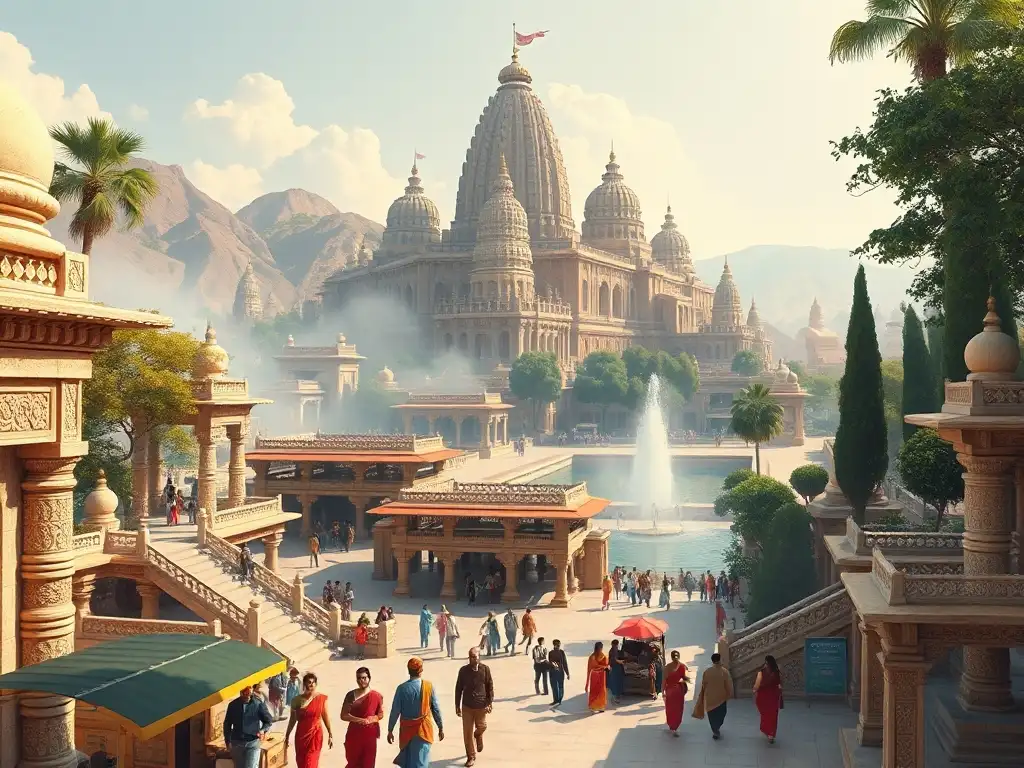
The urban planning of Gupta cities reflects a sophisticated understanding of space, functionality, and aesthetics. Key aspects include:
- Grid Patterns: Gupta cities were often laid out in a grid pattern, facilitating organized urban living. Streets were aligned with cardinal directions, enhancing navigation and accessibility.
- Public Spaces: Well-defined public spaces, including marketplaces, gardens, and assembly areas, played a crucial role in urban life. These areas fostered social interactions and community engagement, reflecting the cultural vibrancy of Gupta society.
- Water Management Systems: Advanced water management systems, including reservoirs and drainage, demonstrated the Gupta's engineering prowess. These systems ensured a reliable water supply for both domestic use and agricultural activities.
- Residential Architecture: Homes were typically constructed using locally available materials, with an emphasis on ventilation and natural light. The layout of residential areas promoted harmony with the environment, reflecting the broader aesthetic principles of Gupta architecture.
Cultural Significance of Gupta Architecture
Gupta architecture transcends mere construction; it serves as a reflection of the cultural, spiritual, and social ethos of the time. Its significance can be understood through several lenses:
- Religious Expression: Temples were not only places of worship but also served as cultural hubs where various religious and social activities took place. They played a vital role in the dissemination of religious ideas and practices.
- Artistic Flourishing: The Gupta period is renowned for its artistic achievements, and architecture is a testament to this flourishing. The intricate carvings and sculptures found in temples and public buildings reflect the high artistic standards of the time.
- Cultural Identity: Gupta architecture helped in establishing a sense of cultural identity among the populace. The styles and motifs used were often reflective of local traditions and beliefs, fostering a sense of belonging and pride.
- Legacy of Knowledge: The architectural advancements of the Gupta period laid the foundation for future generations, influencing subsequent styles and construction techniques across India.
Symbolism of Harmony and Balance in Gupta Designs
The principles of harmony and balance are central to the aesthetic philosophy of Gupta architecture. These concepts manifest in various ways:
- Spatial Harmony: The careful arrangement of structures and open spaces creates a sense of harmony within the urban landscape. This spatial organization promotes a peaceful coexistence of built and natural environments.
- Symbolic Proportions: The use of proportionality in design reflects philosophical ideas of balance in life. The ratios and dimensions of buildings resonate with the principles of cosmic order, mirroring the universe's structure.
- Integration of Art and Function: Gupta architecture seamlessly blends artistic expression with functionality. Every decorative element serves a dual purpose, enhancing both the visual appeal and the spiritual experience of the worshippers.
- Reflective of Cosmology: The architectural elements often symbolize cosmic principles, such as the shikhara representing Mount Meru, reinforcing the spiritual connection between the material and the divine.
Influence of Gupta Architecture on Later Indian Styles

The impact of Gupta architecture extends far beyond its era, influencing subsequent architectural styles and traditions across India. Key influences include:
- Template for Future Temples: The design principles established during the Gupta period set the standard for temple architecture in later periods, including the Chola and Vijayanagara empires. Many features, such as the shikhara and intricate carvings, became hallmarks of subsequent styles.
- Regional Variations: As Gupta architectural principles spread, they adapted to local contexts, resulting in diverse regional styles that incorporated indigenous elements while retaining core Gupta characteristics.
- Cultural Continuity: The elements of harmony and balance continued to resonate in later Indian architecture, reflecting an enduring cultural legacy that values aesthetics alongside functionality.
- Influence on Buddhist Architecture: Gupta architectural innovations also impacted Buddhist structures, leading to the development of stupas and monastic complexes that integrated earlier Gupta designs with Buddhist symbolism.
The architectural achievements of the Gupta Empire represent a pinnacle of ancient Indian craftsmanship and cultural expression, with principles that continue to influence Indian architecture today.
Case Studies of Notable Gupta Architectural Sites
The Gupta Empire, often heralded as a golden age of Indian history, boasts a significant architectural legacy that reflects the principles of harmony and balance. Among the most notable examples of Gupta architecture are the temples of Khajuraho and the Ajanta Caves. These sites not only exemplify the aesthetic values of the time but also provide insights into the cultural and religious milieu of the Gupta period.
The Temples of Khajuraho
The Khajuraho temple complex, a UNESCO World Heritage Site, is a stunning collection of Hindu and Jain temples built between 950 and 1050 AD during the rule of the Chandela dynasty. The architectural design of these temples is characterized by intricate carvings, elaborate sculptures, and a unique layout that emphasizes verticality and symmetry.
- Architectural Features:
- Shikhara: The towering spires of the temples, known as shikharas, symbolize Mount Meru, the axis of the universe in Hindu cosmology. The shikhara's design promotes a sense of ascension and spiritual elevation.
- Mandapa: The entrance porches, or mandapas, serve as transitional spaces between the outside world and the sanctum sanctorum, enhancing the experience of entering the divine realm.
- Symbolism and Decoration:
- The temples are adorned with exquisite carvings depicting various deities, celestial beings, and scenes from everyday life, reflecting the harmonious relationship between the divine and the mundane.
- The erotic sculptures, often misinterpreted, symbolize the integration of art, spirituality, and the celebration of life, showcasing the Gupta belief in the sacredness of human experiences.
The Ajanta Caves: A Marvel of Gupta Architecture
The Ajanta Caves, another UNESCO World Heritage Site, represent a pinnacle of Buddhist rock-cut architecture and artistry during the Gupta period. Dating back to the 2nd century BCE to the 6th century CE, these caves are renowned for their intricate frescoes and sculptures that embody the aesthetic principles of balance and harmony.
- Cave Architecture:
- The layout of the caves is meticulously designed to create a serene and contemplative environment. The chaityas (prayer halls) and viharas (monasteries) are carved from solid rock, showcasing the remarkable skill and craftsmanship of Gupta artisans.
- The use of natural light within the caves enhances the spiritual ambiance, allowing for a dynamic interplay between shadow and light, which is essential in Buddhist architectural philosophy.
- Artistic Excellence:
- The wall paintings of Ajanta depict Jataka tales, illustrating the previous lives of the Buddha, which are rich in color and detail. The fluidity of the figures and the use of perspective demonstrate advanced artistic techniques.
- The sculptures found in the caves, particularly the depiction of the Bodhisattvas, exhibit a blend of grace and realism, highlighting the Gupta mastery in conveying emotion and divine beauty.
Conclusion
The Gupta Empire's architectural achievements are a testament to its cultural sophistication and artistic prowess. The principles of harmony and balance, evident in both the temples of Khajuraho and the Ajanta Caves, continue to resonate in the study of ancient Indian architecture.
The Lasting Legacy of Gupta Architecture Design Principles
The design principles of Gupta architecture have left an indelible mark on subsequent architectural styles in India and beyond. The emphasis on symmetry, proportion, and the integration of natural elements can be seen in later periods, influencing not only Hindu and Jain temple architecture but also Islamic and Indo-Saracenic styles.
- Influence on Later Architecture:
- The principles of balance and harmony established during the Gupta period laid the groundwork for features seen in the medieval temples of South India and the intricate designs of Mughal architecture.
- The architectural innovations of the Gupta era also inspired craftsmen and builders in Southeast Asia, where many structures reflect Gupta aesthetics.
Reflection on the Aesthetic Values of the Gupta Empire
The aesthetic values of the Gupta Empire reflect a profound understanding of beauty that transcends mere visual appeal. The integration of art, spirituality, and everyday life in Gupta architecture embodies a holistic worldview, celebrating the interconnectedness of existence.
- Cultural Significance:
- The sculptures and reliefs serve not only as decoration but as a means of storytelling, imparting moral lessons and religious teachings to the onlooker.
- The architectural designs fostered communal spaces that encouraged social interaction and spiritual engagement, emphasizing the Gupta belief in the collective experience of beauty and divinity.
The aesthetics of Gupta architecture are characterized by their commitment to harmony and balance, leaving a legacy that continues to inspire and influence architectural practices today.
- Understanding Gupta Architecture
- Key Design Principles in Gupta Architecture
- Major Features of Gupta Architectural Style
- Temples: The Pinnacle of Gupta Architecture
- Urban Planning and Layout in Gupta Cities
- Cultural Significance of Gupta Architecture
- Symbolism of Harmony and Balance in Gupta Designs
- Influence of Gupta Architecture on Later Indian Styles
- Case Studies of Notable Gupta Architectural Sites
- Conclusion
Frequently Asked Questions
What are the main features of Gupta architecture?
Gupta architecture is characterized by harmony and balance, with an emphasis on symmetry and proportion. Temples often exhibit intricate carvings and a well-planned spatial layout.
How did Gupta architecture influence later styles?
The design principles established during the Gupta period laid the groundwork for future Indian architecture, influencing styles such as Chola and Mughal architecture through their emphasis on ornamentation and structural innovation.
What role did religion play in Gupta architecture?
Religion significantly influenced Gupta architecture, with many structures built as Hindu and Buddhist temples. These buildings served as places of worship, reflecting the spiritual and cultural values of the time.
Are there any notable examples of Gupta architecture?
Yes, some of the most notable examples include the Dasavatara Temple in Deogarh and the Udayagiri Caves, which showcase the aesthetic principles of harmony and balance typical of the Gupta period.
How did sculpture contribute to Gupta architecture?
Sculpture played a vital role in Gupta architecture, enhancing the visual appeal of temples. Intricate carvings and statues reflected religious themes and depicted scenes from mythology, adding depth to the architectural design.
Final Reflection: Embracing Harmony and Balance in Gupta Architecture
The principles of Gupta architecture resonate profoundly in today's world, where the quest for balance and harmony is more relevant than ever. As we navigate through the complexities of modern life, the timeless design principles of Gupta architecture remind us of the beauty that emerges from symmetry and proportion. This ancient wisdom offers a lens through which we can appreciate not only architectural forms but also the spaces we inhabit daily, urging us to seek equilibrium in our environments.
Clearly, the influence of Gupta architecture extends beyond its historical context, shaping contemporary cultural and social landscapes. The emphasis on harmony and balance in design encourages us to reflect on our surroundings and the impact they have on our well-being. As architect Louis Kahn once said, A great building must begin with the unmeasurable, must go through measurable means when it is being designed and in the end must be unmeasurable.
This quote encapsulates the essence of Gupta architecture, which transcends mere aesthetics to touch the very core of human experience and interaction with space.
As you contemplate the lessons of Gupta architecture, I invite you to reflect on how you can incorporate principles of harmony and balance into your own life. Consider the spaces you create, the relationships you nurture, and the choices you make. By embracing these design principles, you can cultivate a sense of peace and order in your surroundings, leading to a more fulfilling and harmonious existence. Let the legacy of Gupta architecture inspire you to seek balance in all aspects of your life, creating a world that reflects the beauty of symmetry and proportion.
Embrace the Beauty of Gupta Architecture Today!
Thank you for diving into the fascinating world of Gupta architecture! You've uncovered the elegant harmony and balance that defines this remarkable period in ancient India's history. Now, it’s time to bring this inspiration into your life and share it with others.
Here’s how you can take action:
- Explore your local architectural heritage by visiting historical buildings or exhibitions that showcase the principles of balance and beauty.
- Share this article with friends or on social media to spark conversations about the significance of ancient architectural styles.
- Engage with online forums or local groups dedicated to ancient history, where you can share your insights and learn from others who are passionate about architecture.
What aspect of Gupta architecture intrigues you the most, and how can you incorporate those principles of harmony and balance into your daily life?