
The Spiritual Journey of Indian Art: From Creation to Worship

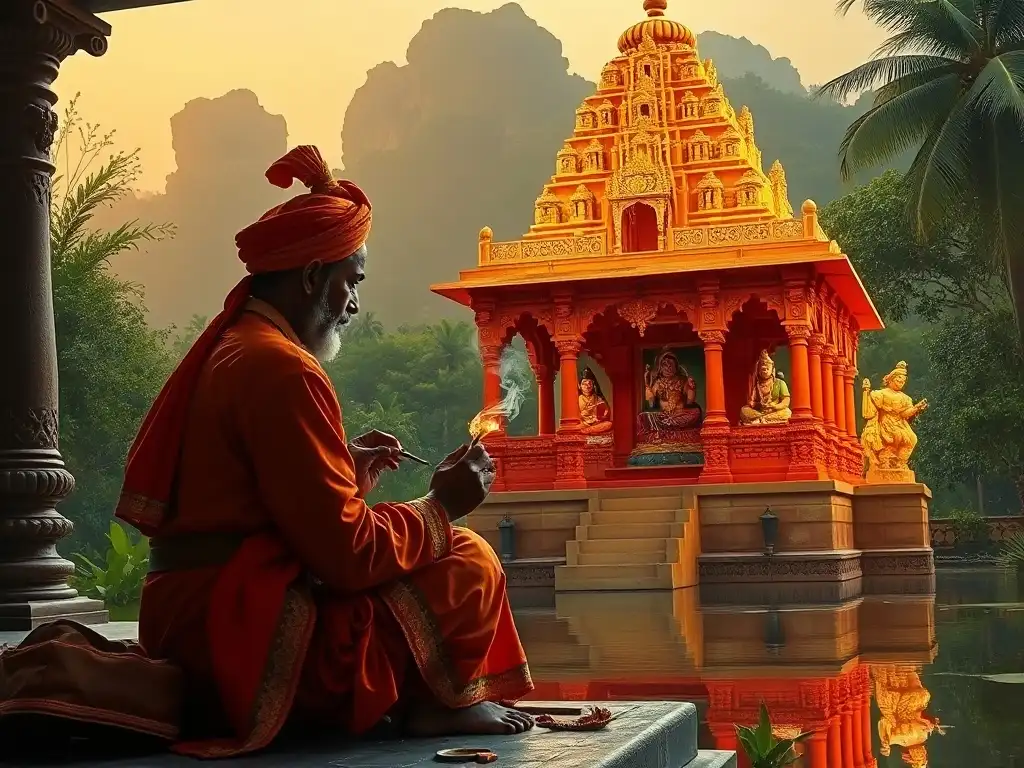
Welcome to Ancient India History, where we embark on a fascinating journey through the rich tapestry of India's past. Here, we delve into the spiritual significance of Indian art, exploring how creativity and devotion intertwined in the ancient world. From the intricate carvings of the Indus Valley to the exquisite sculptures of the Gupta Empire, each piece tells a story steeped in history and philosophy.
Join us as we uncover the profound connections between art and spirituality, igniting your curiosity and encouraging you to explore the depths of Indian civilization further. What secrets lie within the strokes of a brush or the chisel of a stone? Let's find out together!
Introduction to Indian Art Spiritual Significance
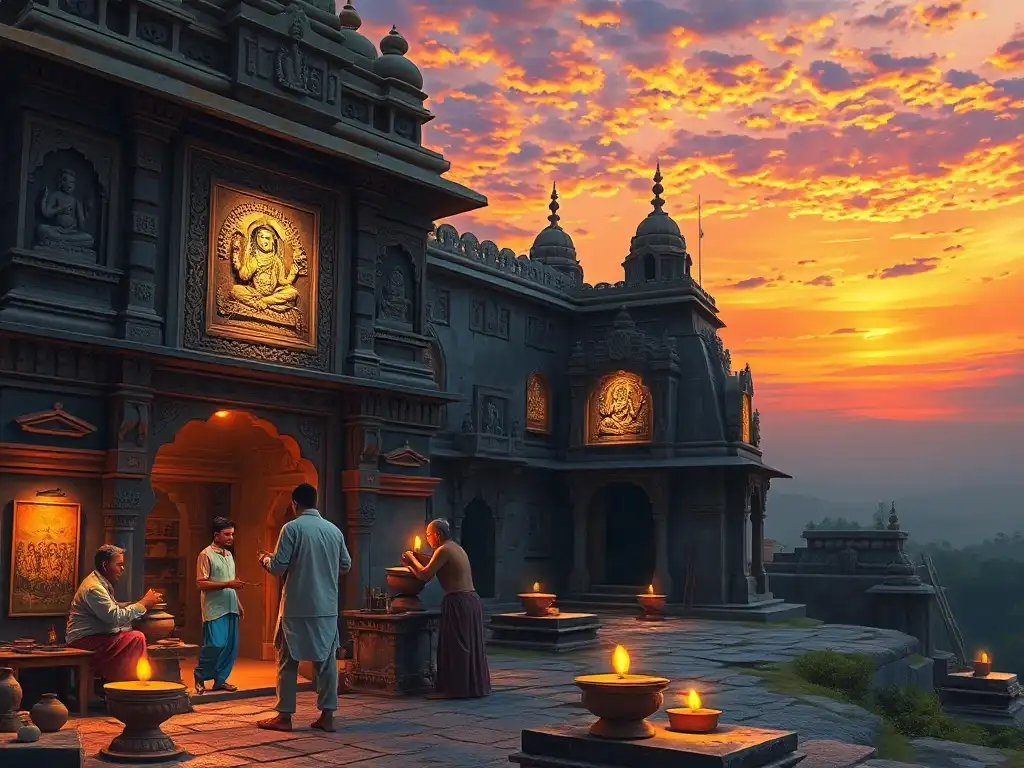
The journey of Indian art is a profound exploration of spirituality interwoven with creativity, reflecting the rich tapestry of beliefs and rituals that have shaped ancient Indian civilizations. From the intricate carvings of temples to the vibrant frescoes adorning the walls of ancient palaces, each art form serves not merely as a visual representation but as a conduit for spiritual expression and reverence.
The spiritual significance of Indian art is deeply rooted in the cultural ethos, encapsulating the philosophies, traditions, and religious practices that define the Indian subcontinent's historical narrative. As we delve into this fascinating journey, we will uncover how art has been a mirror of spirituality, revealing the intricate connections between the divine and human experiences throughout history.
Understanding the Essence of Indian Art
Indian art encompasses a diverse range of forms, from sculpture and painting to textiles and pottery, all of which share a common thread of spiritual significance. The essence of Indian art lies in its ability to transcend mere aesthetics, inviting viewers to engage in a deeper dialogue with the divine. Key elements include:
- Symbolism: Each motif and color used in Indian art carries profound meanings, often linked to spiritual beliefs. For instance, the lotus symbolizes purity and spiritual awakening, while the peacock represents grace and beauty.
- Narrative: Many artworks tell stories from ancient texts, such as the Vedas and Puranas, depicting deities, mythological events, and moral lessons that illuminate the spiritual journey of mankind.
- Ritualistic Function: Art is often created with a specific purpose in mind, serving as an offering during rituals or festivals, thus enhancing the spiritual ambiance of these occasions.
Through these facets, we can see how Indian art operates as a spiritual language, expressing the inexpressible and connecting individuals to higher realms of consciousness.
The Role of Spirituality in Ancient Indian Civilization
Spirituality has always played a central role in shaping the cultural landscape of ancient India. The various philosophical schools and religious traditions, including Hinduism, Buddhism, and Jainism, profoundly influenced artistic expressions. The following points highlight this relationship:
- Integration of Art and Religion: Temples were not merely places of worship but also hubs of artistic expression, where sculptures and paintings depicted religious narratives and were integral to the spiritual experience.
- Philosophical Underpinnings: The concept of dharma (duty) and the pursuit of moksha (liberation) informed artistic endeavors, driving artists to create works that reflect moral and ethical values.
- Community Engagement: Art served as a communal activity, bringing together artisans, priests, and devotees in a shared spiritual quest, fostering a sense of unity and collective identity.
This intricate interplay between spirituality and artistry has laid the foundation for a rich artistic heritage that continues to inspire and resonate with people today.
Historical Context of Indian Art
To fully appreciate the spiritual journey of Indian art, it is essential to examine its historical context. The evolution of art in India is marked by various phases, each contributing to the spiritual fabric of the civilization.
Prehistoric Art and Its Spiritual Foundations
The roots of Indian art can be traced back to prehistoric times, where cave paintings and rock engravings reveal early humans' desire to communicate their spiritual beliefs and experiences. Key aspects include:
- Cave Paintings: Sites like Bhimbetka and Ajanta showcase early artistic expressions depicting animals and human figures, often believed to be linked to hunting rituals and spiritual practices.
- Symbolic Representations: The use of handprints and geometric patterns possibly served as symbols of protection and fertility, indicating a deep-seated spiritual significance.
- Connection to Nature: Prehistoric art reflects an intrinsic connection to nature, portraying the reverence with which early humans viewed the natural world, often attributing spiritual qualities to animals and landscapes.
These early forms of expression lay the groundwork for the sophisticated artistic traditions that would follow, rooted in the spiritual beliefs of their creators.
The Influence of Religion on Indian Art Forms
As Indian civilization progressed, the influence of religion became increasingly prominent in shaping art forms across the subcontinent. The following elements illustrate this evolution:
- Hindu Art: Richly adorned temples, intricate sculptures of deities, and elaborate carvings reflect the deep devotion and complex mythology inherent in Hinduism.
- Buddhist Art: The emergence of Buddhism introduced unique artistic elements, such as stupas and mandalas, which served as visual representations of spiritual teachings and practices.
- Jain Art: Jain temples are renowned for their exquisite marble carvings and attention to detail, emphasizing non-violence and the pursuit of spiritual purity.
This evolution highlights how religious beliefs not only influenced the subject matter of Indian art but also dictated the themes, styles, and techniques employed by artists, culminating in a rich legacy of spiritual expression that continues to resonate through centuries.
Major Indian Art Forms and Their Spiritual Significance
Indian art has evolved through millennia, deeply intertwined with the spiritual fabric of the civilization. Each art form embodies profound meanings and reflects the beliefs and practices of ancient Indian society. The major art forms—sculpture, painting, and architecture—serve as a testament to the spiritual journey of Indian culture, offering insights into the divine and the metaphysical.
These art forms are not merely aesthetic expressions; they are significant carriers of religious narratives, cultural identity, and philosophical teachings. From the intricate carvings in temples to the vivid colors of traditional paintings, and the majestic structures of sacred spaces, each element is imbued with spiritual significance. This connection to the divine is a cornerstone in understanding the role of art in Indian history.
Sculpture: Carving Spiritual Narratives
Sculpture in ancient India is a rich and diverse art form that communicates spiritual narratives through intricate carvings and forms. Originating in the Indus Valley Civilization, sculpture has been a profound medium for expressing religious motifs, deities, and mythological tales.
Key Aspects:
- Religious Iconography: Sculptures often depict gods and goddesses from Hinduism, Buddhism, and Jainism, serving as objects of worship and devotion. For instance, the exquisite sculptures found in the temples of Khajuraho and the monumental Buddhas of Bamiyan reflect deep spiritual significance.
- Narrative Reliefs: Many sculptures are designed in relief form, telling stories from epics like the Mahabharata and Ramayana. These narratives not only serve as artistic expressions but also educate worshippers about moral and philosophical ideals inherent in these texts.
- Symbolism: The use of symbols, such as the lotus representing purity and divine beauty, enhances the spiritual dimension of sculptures. Each element is meticulously crafted to convey deeper meanings.
In essence, Indian sculpture stands as a bridge between the earthly and the divine, allowing devotees to connect with spiritual narratives on a profound level.
Painting: A Visual Representation of the Divine
Indian painting serves as a vibrant medium through which the divine is visually represented, capturing the essence of spiritual beliefs and religious practices. Various styles, such as Madhubani, Tanjore, and Mughal paintings, showcase the rich tapestry of Indian spirituality.
Key Aspects:
- Depiction of Deities: Paintings often feature divine beings, illustrated in various forms and poses, conveying their attributes and stories. This not only serves as an artistic endeavor but also as a form of devotion, inviting the viewer to meditate on the divine presence.
- Symbolic Colors and Patterns: Colors in Indian paintings are not random; they hold spiritual significance. For example, the color blue often represents the divine and infinity, particularly in depictions of Lord Krishna. Patterns and motifs are also imbued with meaning, enhancing the spiritual narrative.
- Integration with Rituals: Many paintings are created as part of rituals, such as Pooja (worship) ceremonies. They are often hung in homes and temples, serving as focal points for devotion.
Through painting, spiritual concepts are articulated and celebrated, making the divine accessible to all who engage with these vibrant works of art.
Architecture: Sacred Spaces in Indian Culture
Architecture in ancient India is a testament to the spiritual significance imbued within the design of temples, monasteries, and palaces. These structures are not merely functional; they are designed to elevate the human experience, connecting the physical realm with the spiritual.
Key Aspects:
- Temple Architecture: Temples are designed as microcosms of the universe, with specific layouts that reflect cosmic principles. The placement of deities within the sanctum sanctorum aligns with astrological beliefs, creating a sacred space for worship.
- Symbolic Geometry: The use of geometric patterns and sacred proportions in temple design reflects the belief in cosmic order. The mandala, for example, is a diagram representing the universe, used as a spiritual symbol in temple layouts.
- Cultural Reflection: Architectural marvels, such as the Brihadeeswarar Temple and the Hampi ruins, embody the cultural and spiritual ethos of their time. They serve as sites for pilgrimage, where the architecture itself becomes an integral part of the worship experience.
Indian architecture creates sacred spaces that invite individuals to engage in spiritual practices, underscoring the significance of art in the quest for the divine.
The Role of Indian Art in Religious Practices
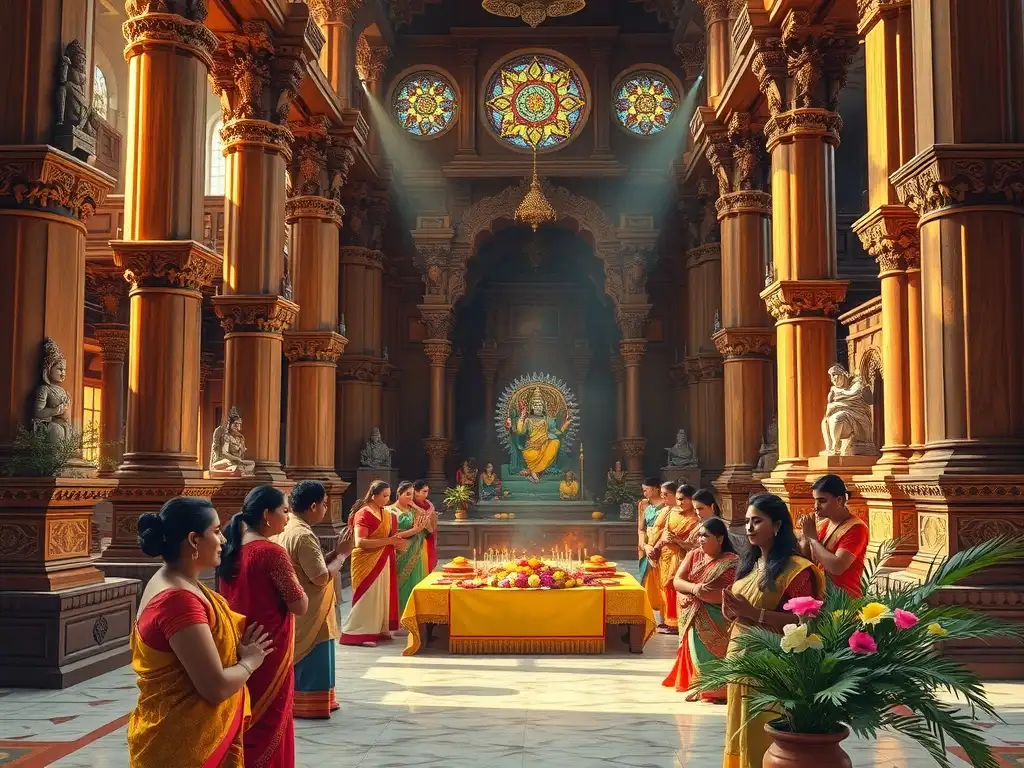
Indian art plays a pivotal role in shaping and enhancing religious practices, acting as a conduit for spiritual expression and devotion. Art is not only a reflection of spirituality but also a vital component of religious rituals and community life.
Art as a Medium of Worship
Art serves as a profound medium of worship in Indian culture, facilitating a deeper connection between the worshipper and the divine. Through various forms, art becomes a powerful tool for devotion, enhancing the spiritual experience.
Key Aspects:
- Ritualistic Use: Artworks, including sculptures and paintings, are often incorporated into rituals, serving as focal points during worship. For example, idols are adorned with flowers and offerings during Pooja, transforming them into living embodiments of the divine.
- Community Engagement: Artistic practices, such as the creation of rangoli (colorful floor designs) during festivals, foster community participation in religious celebrations. These acts of creation become collective expressions of faith and devotion.
- Spiritual Education: Art also serves an educational purpose, illustrating religious stories and teachings that instill moral values and cultural identity. This is particularly evident in temple carvings and illustrated manuscripts, which communicate spiritual lessons to the community.
Indian art's spiritual significance is vast, serving not only as a means of worship but also as a vital part of cultural identity and community life. The interplay between art and spirituality continues to influence Indian society, reflecting its rich heritage and ongoing journey toward the divine.
The Evolution of Indian Art Through Time
The evolution of Indian art is a profound narrative that intertwines with the spiritual journey of its people. From the ancient cave paintings of the Indus Valley Civilization to the intricate sculptures of temples during the Gupta Empire, Indian art has continually reflected the diverse spiritual beliefs and practices of its time. This artistic evolution is not just a chronology of styles or techniques; it is a reflection of the changing spiritual landscapes, philosophies, and cultural interactions that have shaped the subcontinent over millennia.
As we trace this evolution, we observe how art has served as a medium for expressing devotion, showcasing divine narratives, and embodying the philosophical underpinnings of various religions, including Hinduism, Buddhism, and Jainism. Each period saw the emergence of distinct styles that were deeply linked to the prevailing spiritual ideologies, revealing how Indian art has always aimed to connect the material and spiritual realms.
From Ancient to Medieval Indian Art: A Spiritual Transition
The transition from ancient to medieval Indian art marks a significant shift in the spiritual representations and themes depicted in various art forms. During the ancient period, art was predominantly influenced by the religious practices of the Indus Valley Civilization and the subsequent Vedic traditions. Early sculptures and seals often depicted naturalistic figures and motifs that symbolized fertility and protection, reflecting a deep connection with nature and spirituality.
As we move into the medieval period, particularly with the rise of Buddhism and the patronage of various dynasties, the themes began to evolve. The introduction of large-scale stone carvings, stupas, and intricate temple architectures showcased a more organized and elaborate approach to spiritual expression. The narrative art found in Buddhist caves like Ajanta and Ellora illustrates Jataka tales, embodying moral and philosophical lessons that resonate with spiritual seekers.
This transition also saw the rise of temple art, where deities were sculpted with immense detail, serving as focal points for worship. The shift from depicting natural elements to divine representations signifies a deeper spiritual engagement, as art became a crucial element in rituals and religious practices.
The Influence of Different Dynasties on Spiritual Art Forms
Various dynasties across Indian history have left indelible marks on the spiritual art forms that emerged during their reigns. The Mauryan Empire, under Emperor Ashoka, was pivotal in promoting Buddhist art, leading to the creation of stupas and monolithic pillars adorned with intricate carvings that conveyed spiritual messages. The Lion Capital of Ashoka, now a national emblem, symbolizes this artistic and spiritual legacy.
The Gupta period, often referred to as the Golden Age of India, saw the flourishing of Hindu art. Temples built during this time, such as those in Khajuraho and Udaipur, featured exquisite reliefs and sculptures that depicted various deities and mythological stories, reinforcing the spiritual significance of worship through art.
The Chola dynasty further contributed to this evolution with their bronze sculptures, particularly the famous Nataraja, which captured the dynamic interplay of movement and divinity. Each dynasty not only enriched the aesthetic quality of Indian art but also deepened its spiritual essence, making it a vital part of cultural identity and religious practice.
Conclusion: The Enduring Spiritual Legacy of Indian Art
The spiritual legacy of Indian art is enduring and multifaceted, serving as both a reflection of the past and a source of inspiration for contemporary practices. This legacy is not merely historical; it continues to influence the spiritual lives of millions across the globe. Indian art has transcended its temporal and geographical boundaries, inviting a universal appreciation for its beauty and depth.
The Continuing Influence of Indian Art in Modern Spiritual Practices
In modern times, the influence of traditional Indian art forms can be seen in various spiritual practices. Yoga studios often incorporate ancient sculptures and paintings that evoke a sense of peace and connection to the divine. Similarly, modern spiritual movements draw upon traditional motifs and symbols to create spaces that inspire meditation and mindfulness.
The resurgence of interest in traditional art forms, such as Madhubani and Warli paintings, has also allowed practitioners and artists to reconnect with age-old spiritual themes, fostering a sense of continuity and belonging in an increasingly globalized world. This blending of old and new illustrates how Indian art continues to serve as a bridge between past spiritual traditions and contemporary practices.
Preserving the Spiritual Significance of Indian Art Forms Today
Today, the preservation of Indian art forms is crucial for maintaining their spiritual significance. Organizations and communities are working tirelessly to safeguard traditional techniques, promote artisan skills, and educate new generations about the rich heritage of Indian art.
Workshops, exhibitions, and cultural festivals celebrate these art forms, ensuring they remain relevant and appreciated. Initiatives to digitize ancient manuscripts and art pieces also contribute to their preservation, allowing wider access to these spiritual treasures.
In doing so, not only is the aesthetic beauty of Indian art preserved, but its profound spiritual significance continues to resonate, inspiring future generations to explore the intricate relationship between art and spirituality in the Indian context.
- Introduction to Indian Art Spiritual Significance
- Historical Context of Indian Art
- Major Indian Art Forms and Their Spiritual Significance
- The Role of Indian Art in Religious Practices
- The Evolution of Indian Art Through Time
- Conclusion: The Enduring Spiritual Legacy of Indian Art
- What is the spiritual significance of Indian art?
- How did the Indus Valley civilization influence Indian art?
- What role did the Gupta Empire play in the development of Indian art?
- How does Indian art reflect the diversity of cultural influences?
- What materials were commonly used in ancient Indian art?
Frequently Asked Questions
What is the spiritual significance of Indian art?
The spiritual significance of Indian art lies in its ability to convey religious beliefs and philosophical concepts, often serving as a medium for worship and meditation.
How did the Indus Valley civilization influence Indian art?
The Indus Valley civilization set the foundation for Indian art through its advanced craftsmanship and use of symbolism, influencing subsequent artistic traditions in the region.
What role did the Gupta Empire play in the development of Indian art?
The Gupta Empire is known for a golden age in Indian art, marked by the creation of exquisite sculptures and temple architecture that emphasized spiritual themes.
How does Indian art reflect the diversity of cultural influences?
Indian art reflects a rich tapestry of cultural influences, incorporating elements from Hinduism, Buddhism, and Islam, showcasing a blend of spiritual expressions.
What materials were commonly used in ancient Indian art?
Ancient Indian artists utilized a variety of materials, including stone, wood, metal, and clay, to create both functional and decorative pieces imbued with spiritual meaning.
Final Reflection: The Enduring Spiritual Significance of Indian Art
The spiritual significance of Indian art resonates profoundly in today's world, where the quest for meaning and connection is more crucial than ever. As we navigate a fast-paced, technology-driven society, the timeless traditions and rituals encapsulated in Indian art offer a sanctuary for reflection and understanding. The intricate designs and vibrant colors serve not just as aesthetic expressions but as gateways to deeper spiritual experiences, reminding us that art can transcend mere visual appeal and become a medium for divine connection.
Cultural narratives woven through Indian art continue to shape our collective consciousness, inviting us to explore the sacred in our everyday lives. The spiritual journey depicted in these artistic expressions fosters a sense of belonging and reverence for the divine. As the renowned artist Anish Kapoor once said, Art is a way of seeing the world, a way of understanding what it means to be human.
This perspective highlights how Indian art not only reflects spiritual beliefs but also influences contemporary dialogues about identity, culture, and the human experience.
As we reflect on the profound lessons embedded in the spiritual journey of Indian art, I invite you to embrace the beauty and significance of these creations in your own life. Consider how you can incorporate the principles of mindfulness, reverence, and creativity into your daily routine. Let the stories told through Indian art inspire you to seek deeper connections with yourself, others, and the world around you. In doing so, you honor not just the artistry but the spiritual legacy that continues to enrich our lives today.
Embrace Your Artistic Spirit Today!
Thank you for exploring the profound connection between spirituality and Indian art with us. We hope you gained valuable insights into how these creations serve as bridges between the sacred and the aesthetic. Now, it’s time to take action and immerse yourself deeper into this fascinating journey!
- Create your own piece of art inspired by the spiritual themes discussed—let your creativity flow and bring forth something that reflects your unique vision!
- Join a local art community or workshop where you can share and learn about spiritual art from fellow enthusiasts.
- Explore more by visiting temples, galleries, or exhibitions that showcase Indian spiritual art; take the time to document your experiences and insights!
What aspects of spirituality would you like to express through your art? We invite you to share your thoughts and join the conversation below!