
The Craft of Stone Carving: Techniques and Traditions in Ancient India

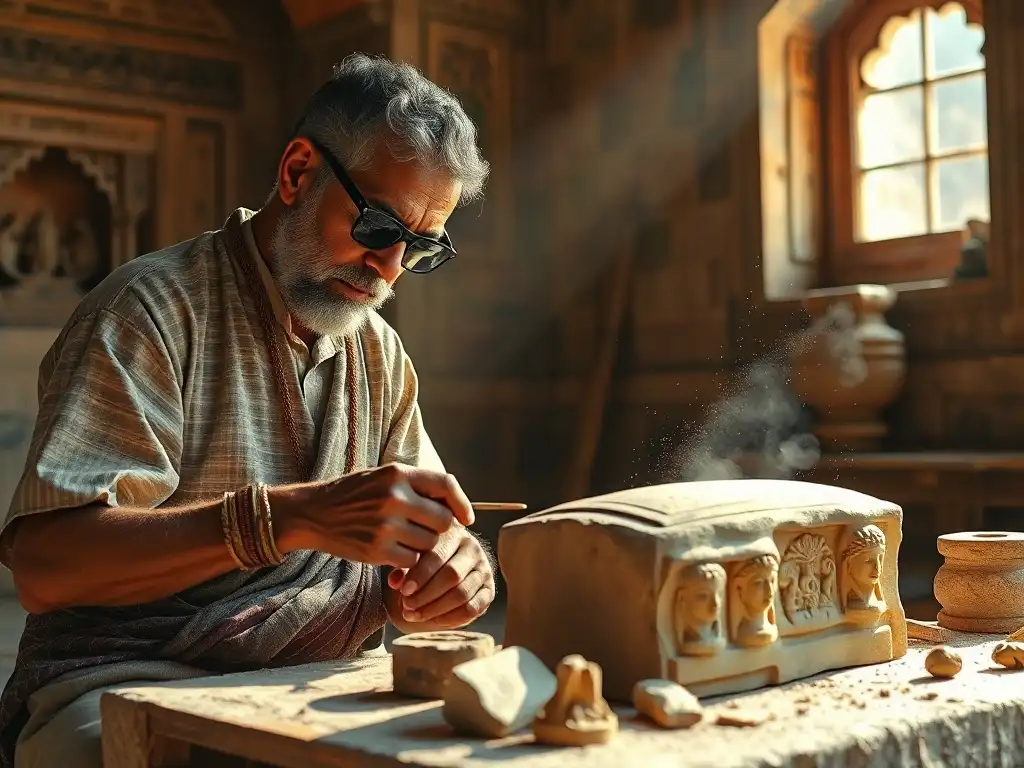
Welcome to Ancient India History, where we embark on a fascinating journey through the rich tapestry of ancient Indian civilizations! From the majestic Indus Valley to the illustrious Gupta Empire, our exploration reveals the profound cultural heritage and artistic brilliance that shaped this remarkable land. In our featured article, “The Craft of Stone Carving: Techniques and Traditions in Ancient India,” we delve into the intricate ancient Indian stone carving techniques that not only adorned temples and monuments but also conveyed deep philosophical meanings.
Join us as we uncover the secrets of these time-honored traditions and discover how they continue to inspire contemporary art and architecture. Your adventure into the past begins now!
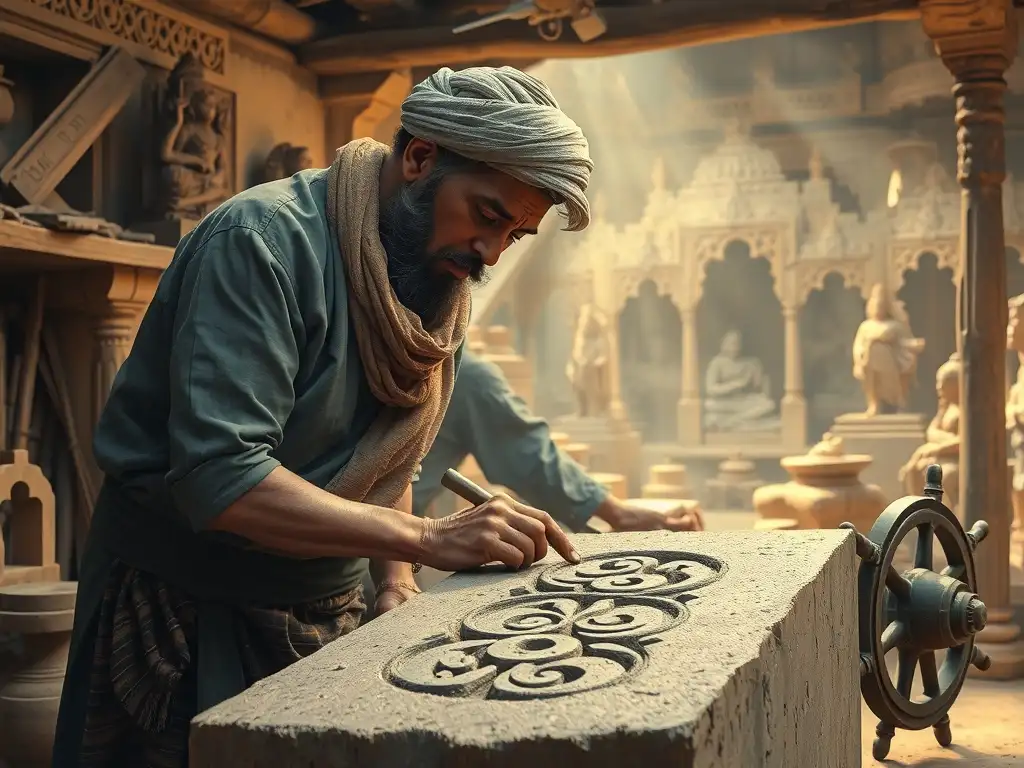
Introduction to Ancient Indian Stone Carving Techniques
The art of stone carving has been a significant aspect of ancient Indian civilization, reflecting the rich cultural heritage and artistic prowess of the period. From the meticulous craftsmanship of the Indus Valley civilization to the intricate sculptures of the Gupta Empire, ancient Indian stone carving techniques showcase a diverse range of styles and methods that have evolved over millennia.
This article delves into the various techniques employed by artisans, the cultural significance of their work, and how these traditions have influenced contemporary practices. By exploring the intricacies of ancient Indian stone carving techniques, we gain insight into an art form that not only embodies aesthetic beauty but also serves as a testament to the enduring legacy of Indian culture.
Overview of Stone Carving in Ancient India
Stone carving in ancient India can be traced back to prehistoric times, with evidence of rudimentary tools and techniques used by early artisans. As civilizations progressed, so did the complexity and sophistication of stone carving. Key historical sites, such as the rock-cut caves of Ajanta and Ellora, illustrate the advanced skills of sculptors who transformed solid rock into intricate figures and ornate reliefs.
The primary materials used included limestone, sandstone, and granite, each chosen for its availability and durability. Carvings often depicted deities, mythological scenes, and everyday life, serving both decorative and religious purposes. The techniques varied, with artisans employing tools made from metal and stone to achieve a range of textures and details.
Importance of Stone Carving in Indian Art Forms
Stone carving is more than just an artistic endeavor; it is a vital component of Indian cultural identity. This craft not only reflects the aesthetic sensibilities of different periods but also encapsulates spiritual beliefs and social narratives. Temples adorned with intricate stone carvings serve as enduring symbols of devotion, while sculptures in public spaces convey cultural stories and historical events.
Moreover, stone carving techniques have fostered a sense of community among artisans, who often inherited skills and traditions from previous generations. These practices have contributed to a rich tapestry of regional styles and innovations, ensuring that the craft remains a vibrant part of India's artistic legacy.
Historical Context of Stone Carving in Ancient India
Origins of Stone Carving Techniques in India
The origins of stone carving techniques in India can be traced back to the Neolithic period, where early humans began to shape stones for practical uses. As societies evolved, so did the methods of carving, influenced by factors such as trade, cultural exchanges, and religious developments. The Indus Valley civilization, which thrived around 2500 BCE, is notable for its use of stone seals and sculptures, indicating an early understanding of artistic expression through stone.
The subsequent rise of major empires, including the Maurya and Gupta, saw a significant advancement in stone carving techniques, with artisans developing precise methods to create large-scale sculptures and architectural elements. These early techniques laid the foundation for the intricate art forms that would characterize later Indian history.
Evolution of Stone Carving Through Different Eras
The evolution of stone carving in ancient India reflects broader historical and cultural shifts. During the Mauryan period (circa 322–185 BCE), the introduction of polished stone and monumental sculptures marked a turning point in the craft. The famous Ashoka Pillars, with their intricate carvings and inscriptions, exemplify the technical sophistication of the time.
Moving into the Gupta period (circa 320–550 CE), stone carving reached new heights, characterized by the depiction of divine figures and elaborate narratives. The techniques employed during this era demonstrated a mastery of proportion and detail, influencing subsequent styles in Indian art.
Over the centuries, regional variations emerged, with distinct techniques and motifs reflecting local traditions and beliefs. The enduring influence of these ancient practices is evident in contemporary stone carving, as modern artisans continue to draw inspiration from their rich heritage.
Tools and Materials Used in Ancient Indian Stone Carving
Stone carving in ancient India was not only a practical craft but also a profound artistic expression that required specific tools and materials. The artisans of this era crafted intricate sculptures, temple facades, and architectural elements using a variety of tools and stones, which greatly influenced the outcome of their work. Understanding these tools and materials provides insight into the skills and techniques employed by ancient stone carvers.
Common Tools Employed by Ancient Stone Carvers
The tools used by ancient Indian stone carvers were primarily handcrafted and evolved over centuries. Here are some of the most common tools:
- Chisels: These were essential for shaping and detailing stone. Different types of chisels, such as point chisels, flat chisels, and tooth chisels, were used for various purposes, from rough shaping to intricate detailing.
- Hammers: Used in conjunction with chisels, hammers were typically made of iron or stone. They varied in size and weight, allowing artisans to exert different levels of force depending on the task.
- Drills: Simple hand drills were used to create holes or to start the carving process. These drills were often made from metal and required manual rotation.
- Files and Rasps: These tools helped refine surfaces and add finishing touches to the carvings. They were used for smoothing and polishing the stone.
- Measuring Tools: Accurate measurements were crucial in stone carving. Tools such as calipers or wooden guides helped artisans maintain proportions and symmetry in their work.
These tools, combined with the skill of the artisans, enabled the creation of remarkable stone sculptures that have withstood the test of time.
Types of Stones Used in Ancient Indian Sculptures
The choice of stone was pivotal in the stone carving process. Ancient Indian artisans utilized various types of stones, each offering distinct characteristics. Some of the most commonly used stones include:
- Sandstone: Widely used due to its availability and workability, sandstone was favored for its soft texture, allowing for detailed carvings. It was often used in temples and public structures.
- Limestone: Known for its fine grain, limestone was another popular choice. Its uniform texture made it ideal for intricate designs and smooth finishes.
- Granite: Renowned for its durability, granite posed challenges due to its hardness but, when mastered, allowed for monumental sculptures and architectural elements that have endured for centuries.
- Marble: This luxurious stone was used in later periods, particularly during the Mughal era. Its aesthetic appeal and ability to hold fine details made it a preferred material for opulent structures.
The selection of stone not only affected the carving techniques employed but also contributed to the overall beauty and longevity of the artwork.
Traditional Techniques of Ancient Indian Stone Carving
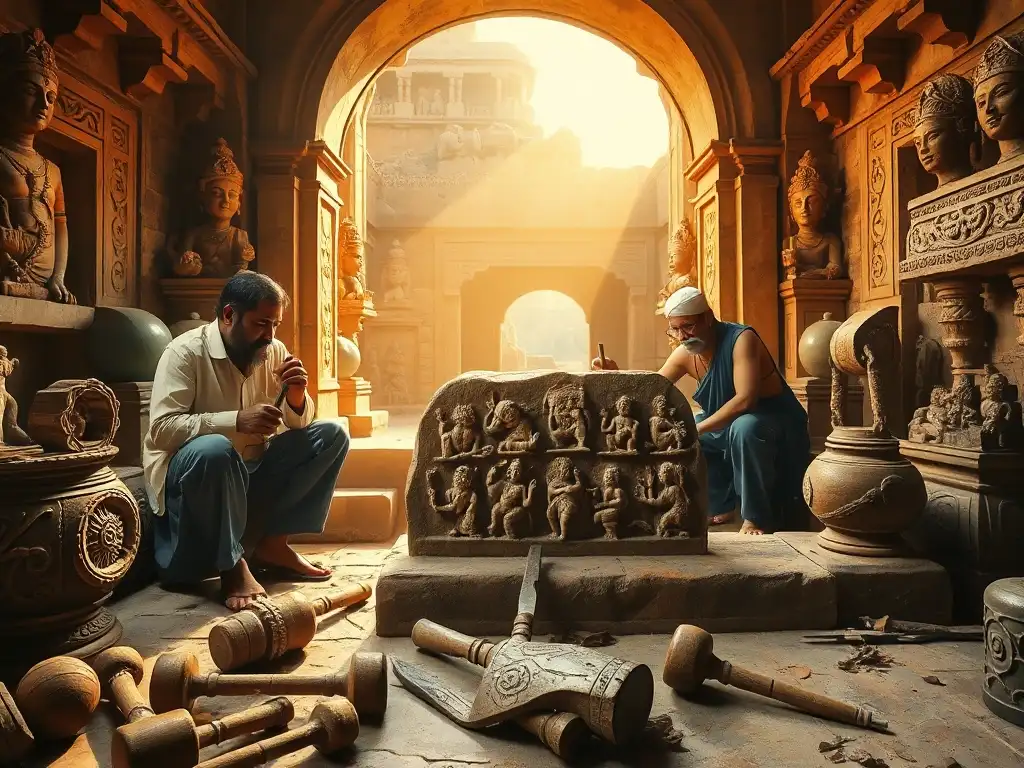
The techniques of stone carving in ancient India were developed over millennia and were often passed down through generations. These techniques can be categorized into basic practices that formed the foundation of stone carving and advanced styles that showcased the artisans' expertise.
Basic Techniques in Stone Carving
The fundamental techniques of stone carving involved several steps:
- Block Preparation: The first step was to select and prepare the stone block. Artisans would inspect the stone for flaws and determine the best orientation for carving.
- Rough Shaping: Using larger chisels and hammers, the carver would remove excess stone, creating a rough outline of the desired shape.
- Detailing: Once the basic form was established, finer chisels were employed to add details, such as facial features or decorative elements. This required a steady hand and an eye for precision.
- Smoothing and Polishing: Finally, tools like files and sandpaper were used to smooth the surface and achieve a polished finish. This step was crucial for enhancing the visual appeal of the sculpture.
These basic techniques laid the groundwork for more complex methods and styles that would follow.
Advanced Techniques and Styles
As the craft of stone carving evolved, so did the sophistication of the techniques and styles. Some of the advanced techniques included:
- Inlay Work: This technique involved embedding precious stones or metals into the surface of the sculpture, creating intricate designs that added depth and color.
- Relief Carving: Artisans developed skills in creating high and low relief sculptures, allowing for dynamic compositions that brought figures and scenes to life.
- Chiseling Techniques: Advanced chiseling methods, such as undercutting, created shadows and depth, enhancing the three-dimensionality of the sculptures.
- Polychrome Sculpture: In certain periods, stone carvings were painted with vibrant colors, a technique that required additional skills in both carving and painting.
These advanced techniques not only showcased the artisans' technical prowess but also reflected the rich cultural narratives and religious themes prevalent in ancient Indian art. The legacy of these practices continues to inspire artists and historians today.
Regional Variations in Stone Carving Techniques
The art of stone carving in ancient India showcases remarkable regional variations that reflect the diverse cultural, historical, and geographical contexts of the subcontinent. Each region developed its distinct styles and techniques, influenced by the available materials, local traditions, and the specific requirements of patrons.
In the northern regions, particularly in Rajasthan and Uttar Pradesh, intricate carvings are characterized by detailed floral and geometric patterns, often seen in the sandstone used for the construction of temples and palaces. The famous Jain temples in Ranakpur and the Hawa Mahal in Jaipur are prime examples of this artistry.
Conversely, southern India, particularly in Tamil Nadu and Karnataka, is renowned for its granite sculptures, which often depict deities in dynamic poses. The temples of Mahabalipuram and the intricate carvings of Hampi reflect a mastery of stone that was both artistic and functional, serving religious purposes as well as enhancing the visual appeal of the architecture.
In the eastern regions, such as Odisha and West Bengal, stone carving techniques are distinctly influenced by the Kalinga style. The temples of Konark and the intricate carvings of Khajuraho showcase a blend of eroticism and spirituality, illustrating the cultural narratives of the time.
Stone Carving Styles Across Different Indian Regions
- North India:
- Materials Used: Sandstone, marble
- Notable Techniques: Chiseling, polishing
- Examples: Red Fort, Akbar’s Tomb
- South India:
- Materials Used: Granite, limestone
- Notable Techniques: Relief carving, inlay work
- Examples: Brihadeeswarar Temple, Hampi
- East India:
- Materials Used: Laterite, sandstone
- Notable Techniques: Bas-relief, intricate detailing
- Examples: Sun Temple, Jagannath Temple
- West India:
- Materials Used: Basalt, sandstone
- Notable Techniques: Sculpture in the round, stone masonry
- Examples: Elephanta Caves, Ajanta Caves
Cultural Significance of Stone Carving in Ancient India
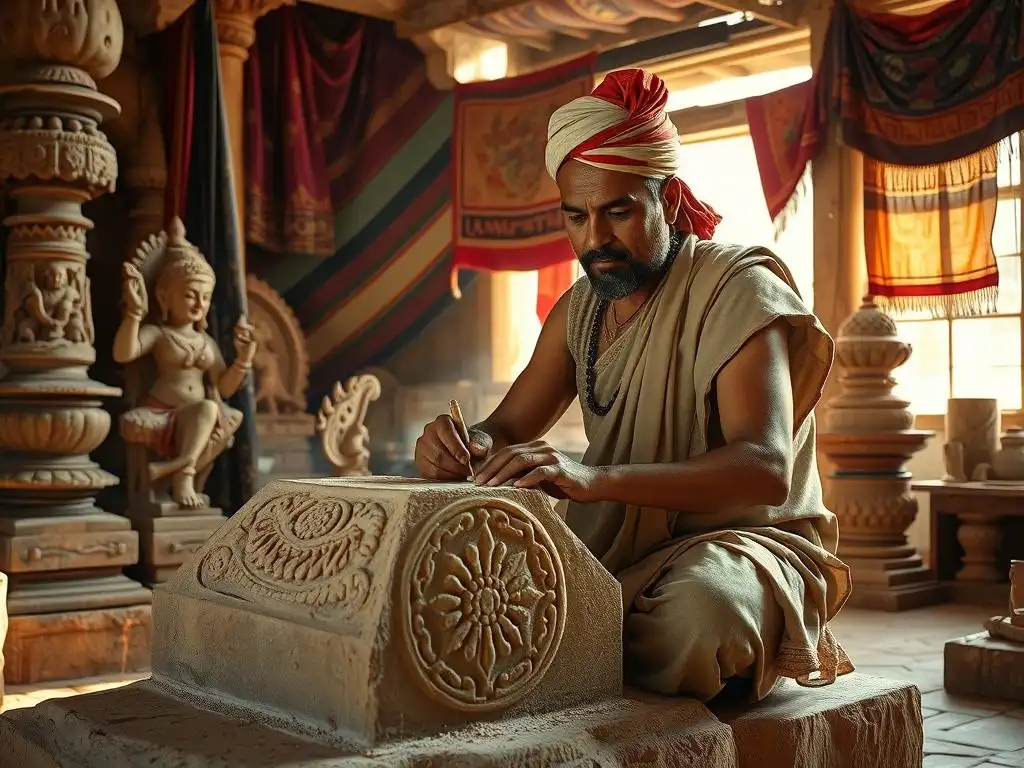
Stone carving in ancient India was not merely an artistic endeavor but a means of expressing cultural identity and spiritual beliefs. The craftsmanship involved in stone carving was often seen as a sacred act, imbued with the intention of connecting the material world with the divine.
The symbolic nature of stone carvings extended beyond aesthetics; they served as visual representations of mythological themes, historical narratives, and social values. As a result, these carvings played a crucial role in preserving and transmitting cultural heritage, reflecting the philosophies and traditions of various communities.
Moreover, the craftsmanship of stone carving was often associated with specific social classes and guilds, establishing a legacy that was passed down through generations. This art form not only showcased the technical skills of artisans but also highlighted the socio-economic dynamics of the ancient Indian society.
Religious and Spiritual Symbolism in Stone Carvings
Religious and spiritual symbolism is at the heart of many ancient Indian stone carvings. Carvings of deities, mythical creatures, and sacred motifs were prevalent in temples and other religious sites, serving both decorative and devotional purposes.
- Deities and Divine Figures: Many stone sculptures depict gods and goddesses, illustrating their attributes and stories. For example, the iconic sculptures of Lord Shiva in various poses embody his multiple aspects, from the creator to the destroyer.
- Mythological Narratives: Carvings often narrate stories from Hindu epics like the Mahabharata and Ramayana, allowing devotees to engage with these narratives in a tactile way. These visual stories reinforced moral and ethical teachings embedded in the texts.
- Sacred Geometry: The use of geometric patterns and mandalas in stone carvings reflects a deep understanding of cosmology and the universe, symbolizing the connection between the earthly and the divine.
Role of Stone Carvings in Temples and Architecture
Stone carvings played an integral role in the architectural landscape of ancient India, particularly in the construction of temples. These carvings were not only decorative but also served functional purposes, enhancing the spiritual experience of worshippers.
- Structural Elements: Carvings on pillars, doorways, and walls provided structural integrity while adding aesthetic value. The intricate designs often guided the eye upward, creating a sense of elevation towards the divine.
- Narrative and Didactic Functions: Many temples featured stone carvings that told stories through visual art, educating the public about religious myths and moral lessons. This narrative function made temples not just places of worship but also centers of learning.
- Ritualistic Significance: Certain carvings were believed to have protective or auspicious qualities, reinforcing their importance in the spiritual architecture of temples. The placement and design of these carvings were often dictated by religious texts, ensuring that they aligned with cosmic principles.
The craft of stone carving in ancient India is a rich tapestry woven from regional styles, cultural significance, and a deep spiritual connection, making it a vital part of the country’s artistic heritage.
Preservation of Ancient Indian Stone Carving Techniques
The preservation of ancient Indian stone carving techniques is crucial for maintaining the cultural heritage and artistic expressions of India. These techniques, which date back thousands of years, embody the skills, creativity, and spiritual significance of various civilizations, particularly during the Indus Valley, Maurya, and Gupta periods. As modernity progresses, ensuring that these age-old practices are not lost is a significant challenge faced by artisans, historians, and cultural organizations.
Challenges in Preserving Traditional Techniques
One of the primary challenges in preserving traditional stone carving techniques is the rapid urbanization and industrialization of India. As cities expand, historical sites and artisan communities often face destruction or neglect. Additionally, the younger generation is increasingly drawn to modern professions, leading to a decline in the number of practitioners willing to learn these intricate skills.
Moreover, the materials and tools used in ancient stone carving are becoming scarce. Traditional tools made from iron and other local materials are being replaced by modern machinery, which, while efficient, alters the authenticity and texture of the carvings. The lack of adequate documentation and formal training programs further complicates the transmission of these ancient techniques, making it difficult to maintain the quality and fidelity of the craft.
Modern Efforts to Revive Ancient Stone Carving Crafts
In response to these challenges, various organizations and cultural institutions are actively working to revive ancient stone carving crafts. Workshops and training programs are being established to educate young artisans about traditional methods. Initiatives such as the Crafts Council of India promote the importance of preserving these skills through exhibitions, grants, and mentorship opportunities.
Additionally, collaborations between artisans and contemporary artists are fostering innovative approaches that respect traditional techniques while also appealing to modern aesthetics. These initiatives not only help in reviving interest in stone carving but also encourage sustainable practices that ensure the longevity of the craft.
Conclusion: The Legacy of Ancient Indian Stone Carving Techniques
The legacy of ancient Indian stone carving techniques is a testament to the artistic mastery and cultural richness of Indian civilizations. These techniques have influenced various art forms and continue to resonate within contemporary practices. As we explore the intricate carvings found in temples, monuments, and sculptures, we uncover stories of devotion, power, and daily life that have transcended time.
Impact on Contemporary Indian Art Forms
The impact of ancient Indian stone carving techniques on contemporary art forms is profound. Many modern artists draw inspiration from the intricate designs and motifs of ancient stone carvings, integrating them into their work. This fusion of traditional techniques with contemporary styles not only revitalizes interest in the craft but also helps in establishing a unique identity for Indian art on the global stage.
Moreover, these ancient practices are increasingly recognized in art education, where they serve as a foundation for teaching various forms of sculpture and design. By incorporating these techniques into contemporary art forms, artists can explore new narratives while paying homage to India's rich artistic heritage.
Final Thoughts on the Importance of Preserving Ancient Techniques
Preserving ancient Indian stone carving techniques is not merely about maintaining a craft; it is about safeguarding a vital part of India's cultural identity. These techniques connect us to our past, echoing the values, beliefs, and aesthetics of our ancestors. As we move forward, it is imperative to support initiatives that promote these traditional skills, ensuring that future generations can appreciate and continue this rich artistic legacy. By valuing and preserving these techniques, we not only honor our history but also enrich our contemporary cultural landscape.
- Introduction to Ancient Indian Stone Carving Techniques
- Historical Context of Stone Carving in Ancient India
- Tools and Materials Used in Ancient Indian Stone Carving
- Traditional Techniques of Ancient Indian Stone Carving
- Regional Variations in Stone Carving Techniques
- Stone Carving Styles Across Different Indian Regions
- Cultural Significance of Stone Carving in Ancient India
- Preservation of Ancient Indian Stone Carving Techniques
- Conclusion: The Legacy of Ancient Indian Stone Carving Techniques
Frequently Asked Questions
What are ancient Indian stone carving techniques?
Ancient Indian stone carving techniques refer to the methods and styles used by artisans to create intricate sculptures and architectural details from stone, showcasing the artistic heritage of various Indian civilizations.
How did the Indus Valley influence stone carving?
The Indus Valley Civilization laid the foundation for stone carving in India, utilizing techniques that emphasized precision and aesthetic appeal, which later evolved in subsequent cultures, like the Maurya and Gupta empires.
What materials were commonly used in stone carving?
Artisans in ancient India primarily used local stones such as sandstone, limestone, and granite, chosen for their durability and workability, allowing for detailed and lasting sculptures.
Can we see examples of ancient Indian stone carvings today?
Yes, many historical sites and temples across India, such as those in Khajuraho and Hampi, showcase remarkable examples of ancient Indian stone carving, preserving the artistic traditions of the time.
What role did religion play in stone carving?
Religion significantly influenced stone carving in ancient India, with many sculptures depicting deities and mythological scenes, reflecting the spiritual beliefs and cultural values of society at that time.
Final Reflection: The Enduring Legacy of Ancient Indian Stone Carving Techniques
The artistry and precision of ancient Indian stone carving techniques resonate profoundly in today's world, reminding us of the intricate relationship between culture and craftsmanship. As we navigate a fast-paced, technology-driven society, the timeless skills and traditions of stone carving serve as a testament to human creativity and perseverance. The beauty of these techniques not only enriches our historical understanding but also inspires contemporary artisans to explore the depths of their own craft.
The influence of ancient Indian stone carving extends far beyond its historical context, shaping the cultural landscape and artistic expressions of modern times. From temples adorned with intricate sculptures to contemporary art installations, the legacy of these techniques continues to inspire artists and craftsmen alike. As the renowned sculptor Anish Kapoor once said, The material is the message; it speaks of the culture from which it comes.
This sentiment underscores the importance of preserving and celebrating these ancient practices, as they provide a window into the values and beliefs of a civilization that thrived thousands of years ago.
As we reflect on the significance of ancient Indian stone carving techniques, I invite you to consider how these age-old practices can inform your own creative journey. Take a moment to explore the materials and techniques that resonate with you, and allow the wisdom of the past to guide your artistic expression. Whether you are an artist, a historian, or simply a lover of culture, embracing the lessons of ancient craftsmanship can enrich your understanding of creativity and inspire you to forge your own path in the world of art.
Unveil the Art of Stone Carving Today!
Thank you for exploring the intricate world of stone carving in ancient India with us! We hope you’ve gained a deeper appreciation for this timeless craft and its rich traditions. Now it’s time to take the next step and immerse yourself in this ancient art.
- Join a local stone carving workshop to experience the techniques firsthand – there’s no better way to connect with history!
- Share your newfound knowledge with friends or on social media to inspire others to appreciate these artistic traditions.
- Visit historical sites and museums that showcase stunning stone sculptures, allowing you to witness their beauty and craftsmanship up close.
What unique stone carving techniques do you think could be revived in today’s world? We invite you to share your thoughts below!