
Gupta Music and Dance: The Rhythms That Enchanted a Nation

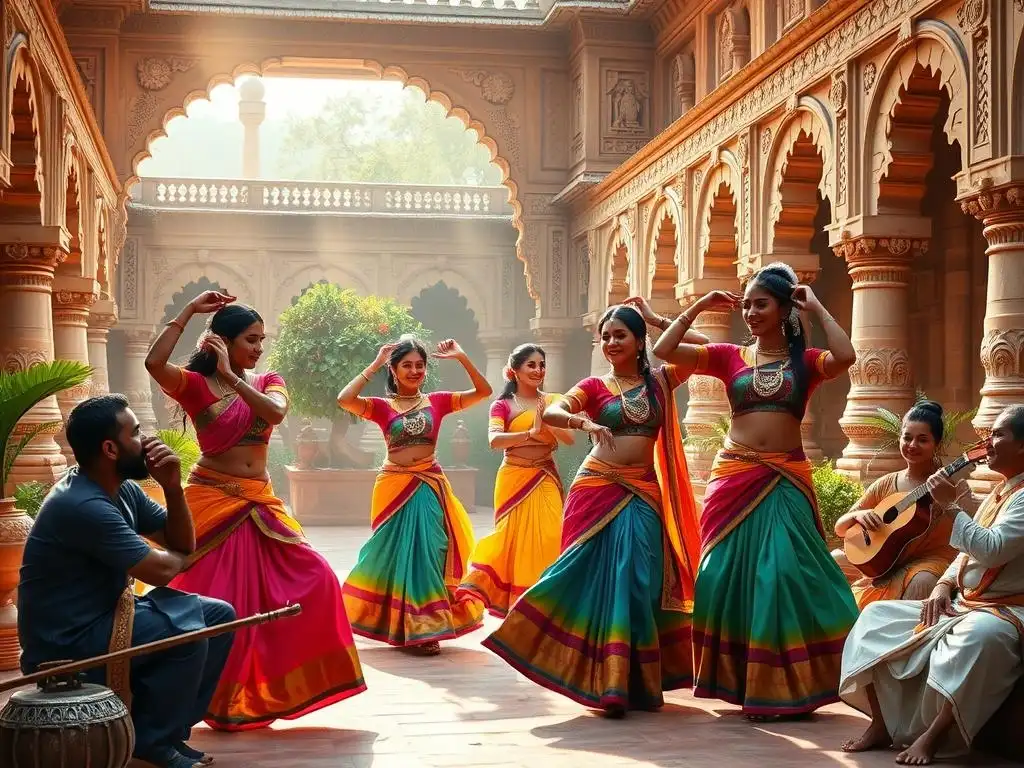
Welcome to Ancient India History, where we invite you to embark on a captivating journey through the rich and diverse tapestry of ancient Indian civilizations. In our featured article, "Gupta Music and Dance: The Rhythms That Enchanted a Nation," we delve into the enchanting world of the Gupta Empire, exploring how its vibrant musical traditions and intricate dance forms not only shaped cultural expression but also left an indelible mark on history. Prepare to uncover the sounds and movements that captivated a nation, and let your curiosity lead you deeper into the fascinating legacy of ancient India.
-
Gupta Empire Music and Dance: An Overview of Cultural Heritage
- Historical Context of the Gupta Empire
- The Significance of Music in the Gupta Empire
- Dance Forms of the Gupta Empire
- Themes and Styles in Gupta Music
- The Evolution of Dance in the Gupta Period
- Historical Development of Dance Forms
- Prominent Dance Figures of the Gupta Era
- Interconnections Between Gupta Music and Dance
- Legacy of Gupta Music and Dance
- Conclusion: The Enduring Rhythms of the Gupta Empire
-
Frequently Asked Questions
- What characterized Gupta Empire music and dance?
- How did music and dance contribute to cultural identity in the Gupta Empire?
- What types of instruments were popular during the Gupta period?
- Were there any significant dance forms developed in the Gupta Empire?
- How did the Gupta Empire influence future generations in terms of music and dance?
- Final Reflection: The Enduring Legacy of Gupta Empire Music and Dance
- Unleash Your Inner Rhythm and Celebrate Cultural Heritage!
Gupta Empire Music and Dance: An Overview of Cultural Heritage
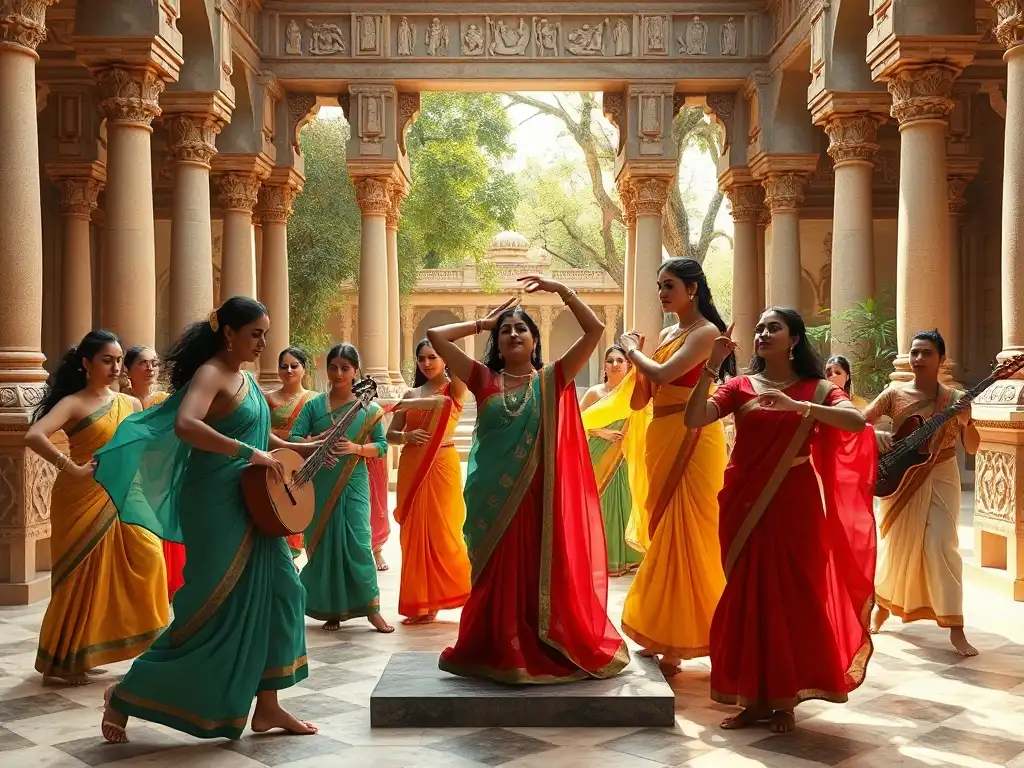
The Gupta Empire, often referred to as the Golden Age of India, was a period marked by significant advancements in art, science, and culture that flourished from approximately 320 to 550 CE. Amongst its rich tapestry of achievements, music and dance played a pivotal role, serving not only as forms of entertainment but also as vital expressions of spirituality, social structure, and cultural identity.
The Gupta Empire music and dance are emblematic of the era, reflecting the vibrancy of Indian civilization and its profound connection to the arts. This article delves into the historical context, significance, and characteristics of music and dance during this remarkable period, illuminating how these art forms enchanted a nation and left an indelible mark on the cultural heritage of India.
Historical Context of the Gupta Empire
The Gupta Empire, with its capital at Pataliputra, emerged as a formidable power in northern India, establishing a vast territory that stretched across much of the Indian subcontinent. This era was characterized by political stability, economic prosperity, and cultural efflorescence, which collectively fostered an environment conducive to artistic expression.
The Rise of the Gupta Empire
Founded by Maharaja Sri Gupta, the Gupta Empire gained prominence under the reign of Chandragupta I. This period saw the consolidation of territories, with subsequent rulers such as Samudragupta and Chandragupta II further expanding the empire’s reach. The Gupta rulers were known for their patronage of the arts, leading to an unprecedented flourishing of cultural activities. This patronage extended not only to music and dance but also to literature, architecture, and philosophy.
Cultural Flourishing during the Gupta Period
The Gupta period is often hailed as a golden age for Indian culture, with advancements in various disciplines. The arts, including sculpture, painting, and dance, saw remarkable development. The influence of Hinduism and Buddhism during this time significantly shaped the themes and styles of artistic expression. Temples adorned with intricate carvings and sculptures became venues for musical and dance performances, intertwining spirituality and art in a way that celebrated the divine.
The Significance of Music in the Gupta Empire
Music during the Gupta Empire was deeply embedded in the social and religious fabric of society. It was an essential aspect of ceremonies, festivals, and daily life, reflecting the spiritual and emotional states of individuals and communities.
Role of Music in Society
Music served multiple purposes in Gupta society. It was a medium for storytelling, a tool for education, and a means of social cohesion. The performance of music was often accompanied by dance, creating a multisensory experience that engaged audiences on various levels. Additionally, music played a role in religious rituals, enhancing the spiritual atmosphere of temples and gatherings. It was not uncommon for musicians and dancers to be held in high esteem, often supported by royal patronage.
Instruments of the Gupta Era
The Gupta era witnessed the use of a diverse array of musical instruments, many of which have evolved into the classical forms recognized today. Notable instruments included:
- Veena: A string instrument symbolizing divine connection.
- Mridangam: A percussion instrument essential for rhythm in performances.
- Bansuri: The bamboo flute, known for its melodious sound.
- Dholak: A two-headed drum used in folk and classical music.
Each instrument contributed to the rich soundscape of Gupta music, and their use varied across different regions and occasions, reflecting the diversity of Indian culture at the time.
As we explore the captivating world of Gupta Empire music and dance, we will uncover how these art forms not only entertained but also conveyed profound messages, shaping the cultural narrative of ancient India.
Dance Forms of the Gupta Empire
The Gupta Empire, often referred to as the Golden Age of India, was a period marked by significant advancements in various fields, including the arts. Dance during this era was not merely a form of entertainment; it was intricately woven into the fabric of religious rituals, social gatherings, and royal courts. The dance forms that emerged during the Gupta period laid the foundation for many classical styles that are celebrated in India today.
Traditional Dance Styles
Among the traditional dance styles that flourished in the Gupta Empire, Natya stands out as a prominent form. It is believed to have been codified in the ancient treatise, the Natya Shastra, attributed to the sage Bharata Muni. This text outlined the principles of dramatic arts, including dance, music, and theater, emphasizing the importance of expression and storytelling.
Another significant dance style was Sanskrit dance, which often featured movements that mimicked the grace of the deities worshipped in temples. Dancers adorned in elaborate costumes and jewelry would perform in front of religious idols, creating a divine atmosphere. These performances not only entertained but also served as a means of spiritual devotion.
Furthermore, folk dances played a vital role in the cultural landscape of the Gupta Empire. These dances were often performed during festivals and communal celebrations, reflecting the daily lives and traditions of the people. They fostered a sense of community and were a means of preserving cultural narratives through generations.
Influence of Dance on Gupta Culture
The influence of dance on Gupta culture was profound, as it served as a medium for expressing societal values, spiritual beliefs, and historical narratives. Dances were often associated with the worship of deities, reinforcing the connection between the divine and the mundane. The performance of dance in temples became a sacred act, where dancers embodied the essence of the gods, thus elevating their status in society.
Additionally, dance became a reflection of the social hierarchy within Gupta society. It was often performed at royal courts, showcasing the splendor of the empire. The patronage of dance by emperors and nobility not only provided a platform for artists but also solidified their power and influence. As a result, dance evolved into a symbol of cultural identity, representing the Gupta Empire's rich heritage and artistic achievements.
Themes and Styles in Gupta Music
Music during the Gupta Empire was a harmonious blend of spiritual, cultural, and secular influences. It played a pivotal role in various aspects of life, from religious ceremonies to theatrical performances, enriching the overall cultural tapestry of the time.
Spiritual and Religious Influences in Music
Spirituality deeply influenced Gupta music, with compositions often dedicated to deities and used in rituals and prayers. The melodies sung in temples were believed to invoke divine presence and blessings. Instruments such as the veena and mridangam were commonly used in these religious contexts, creating a sacred ambiance that enhanced the spiritual experience.
The Samaveda, one of the four Vedas, is particularly significant in this context, as it contains hymns meant to be sung. These hymns not only conveyed devotion but also reflected the philosophical and metaphysical ideas of the time. As a result, music became an essential part of religious life, guiding the faithful in their spiritual journeys.
Secular Music and Its Impact
In addition to its religious significance, secular music thrived during the Gupta Empire, reflecting the everyday lives and emotions of the people. This genre encompassed a variety of themes, from love and romance to celebrations of nature and life. Ghazals and bhajans emerged as popular forms, captivating audiences with their lyrical beauty and emotional depth.
The impact of secular music was far-reaching, as it fostered a sense of community and shared experience among listeners. Public performances often took place during festivals and gatherings, allowing people from diverse backgrounds to come together and celebrate their culture. This communal aspect contributed to the preservation of oral traditions and stories, ensuring that the rich cultural legacy of the Gupta Empire continued to thrive long after its decline.
The Evolution of Dance in the Gupta Period
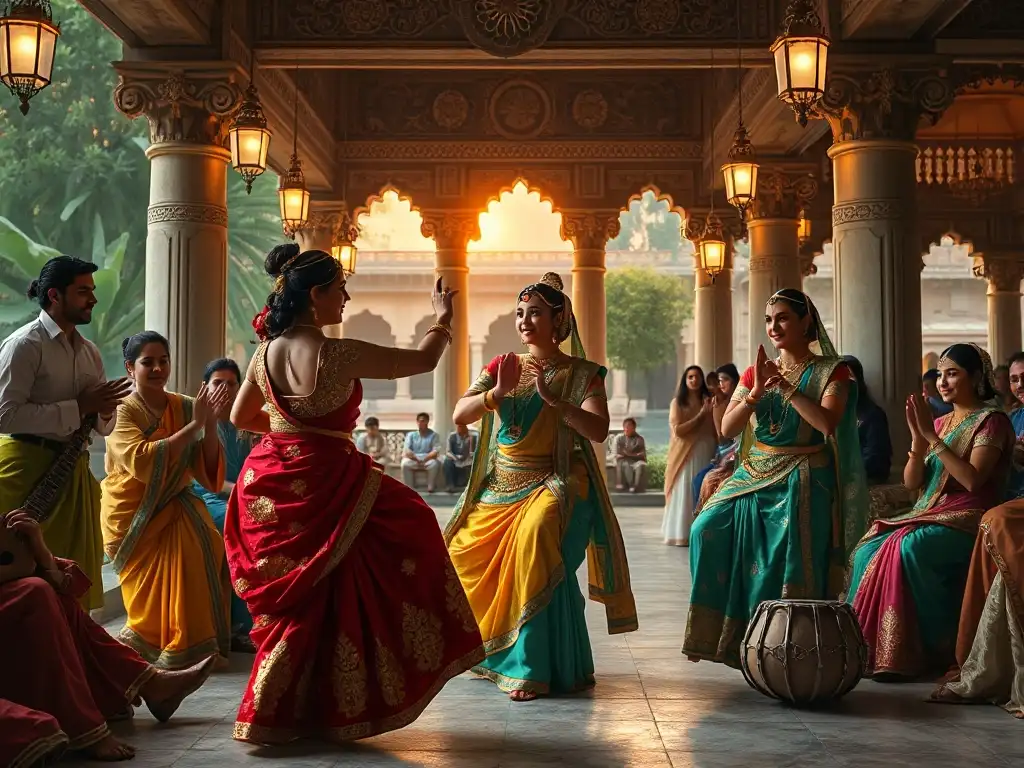
The Gupta Empire, known for its remarkable contributions to art, science, and culture, also played a pivotal role in the evolution of dance. This period, approximately from the 4th to the 6th centuries CE, witnessed a flourishing of artistic expression, with dance emerging as a significant cultural practice. Influenced by earlier traditions, Gupta dance forms evolved into more structured and sophisticated styles, reflecting the aesthetic values of the time.
The dance during the Gupta period was not merely a form of entertainment; it was intertwined with religious and social rituals. Temples became the focal points for dance performances, where dancers, often women, showcased their skills in front of deities and worshippers. This integration of dance into religious practices contributed to its development, as it began to encompass various themes from mythology and spirituality.
Historical Development of Dance Forms
Several dance forms began to take shape during the Gupta era, each characterized by unique movements and expressions. Among these, two prominent styles emerged:
- Classical Dance: This style was heavily influenced by Natya Shastra, an ancient treatise on performing arts attributed to Bharata Muni. Classical dance emphasized intricate footwork, expressive gestures (mudras), and facial expressions (abhinaya), all designed to convey emotional narratives.
- Folk Dance: Folk dances during this period were rooted in local traditions and were often performed during festivals and community gatherings. These dances celebrated everyday life and seasonal changes, incorporating vibrant costumes and communal participation.
The blending of these forms laid the groundwork for future Indian classical dance traditions, such as Bharatanatyam and Kathak, which continue to thrive today.
Prominent Dance Figures of the Gupta Era
The Gupta period was marked by several legendary dancers and choreographers who made significant contributions to the dance landscape. Among them:
- Vishnu Sharma: Regarded as a master of classical dance, Vishnu Sharma is credited with codifying several dance techniques that would influence generations to come. His performances were renowned for their grace and storytelling ability.
- Saraswati Devi: A revered figure, she was known for her devotional dances dedicated to the goddess Saraswati. Her style encapsulated the spiritual essence of dance, inspiring many to pursue this art form.
These figures not only excelled in their craft but also played a crucial role in promoting dance as an esteemed art form within Gupta society.
Interconnections Between Gupta Music and Dance
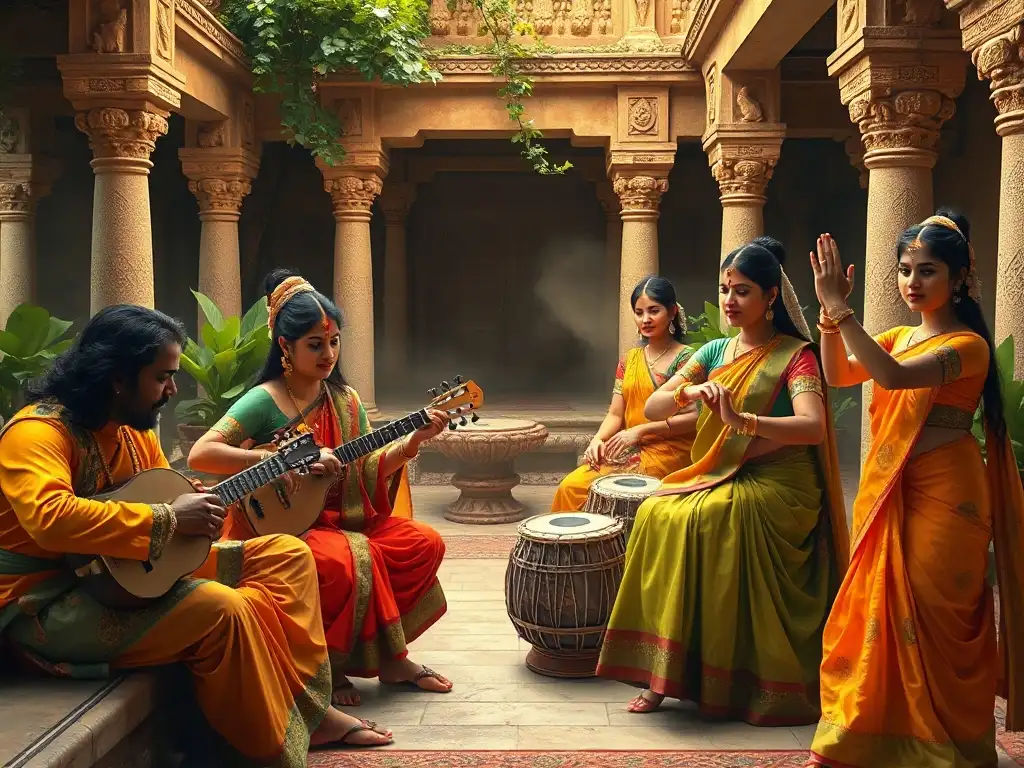
The Gupta Empire's culture was characterized by a deep interconnection between music and dance, where each art form complemented the other. Music provided the essential framework for dance performances, enhancing the overall experience and emotional impact on the audience.
How Music Enhanced Dance Performances
Music in the Gupta era was intricate, featuring a variety of instruments such as the veena, flute, and mridangam. These instruments created a rich tapestry of sound that accompanied dance performances, setting the mood and rhythm. The synchronization of music and dance allowed performers to express emotions more vividly, making performances not just a visual spectacle but a holistic sensory experience.
Moreover, the lyrical content of the songs often drew from mythology and poetry, providing dancers with narratives to interpret through their movements. This synergy between music and dance contributed to a more profound cultural experience, engaging audiences on multiple levels.
The Importance of Rhythm in Gupta Arts
Rhythm was the backbone of both music and dance in the Gupta Empire, serving as a vital element that brought structure and coherence to performances. The concept of tala (rhythmic cycles) was essential, as it dictated the timing of movements and musical phrases.
Dancers were trained to internalize complex rhythms, allowing them to execute precise footwork and intricate hand gestures. The ability to maintain rhythm while interpreting music added an additional layer of artistry, showcasing the dancer's skill and dedication.
The interplay of rhythm, music, and dance during the Gupta period not only enriched cultural life but also laid the foundation for future artistic expressions in India. This era remains a testament to the enduring legacy of Gupta Empire music and dance, which continues to inspire artists and enthusiasts around the world.
Legacy of Gupta Music and Dance
The Gupta Empire, often referred to as the "Golden Age" of India, was marked by significant advancements in various fields, including music and dance. The legacy of Gupta music and dance is profound and has left an indelible mark on Indian cultural heritage. Music during this period was not just a form of entertainment; it played a crucial role in religious rituals, royal ceremonies, and public festivities, showcasing the deep interconnection between art and daily life.
Instruments such as the veena, flute, and drums were commonly used, and the melodies composed during this era reflected the sophistication and complexity of Gupta music. Dance, too, was an essential aspect of cultural expression, with forms that incorporated storytelling through intricate movements and expressions. The classical dance forms that emerged during this time laid the groundwork for future styles, emphasizing the importance of rhythm, grace, and narrative.
The Gupta period also saw the codification of musical theory in texts such as the Natya Shastra, attributed to Bharata Muni. This text provided guidelines on music, dance, and drama, influencing not only the arts during the Gupta Empire but also the subsequent developments in Indian classical arts. The emphasis on performance, aesthetics, and emotional expression established a framework that would resonate through the ages.
Influence on Subsequent Indian Art Forms
The influence of Gupta music and dance on later Indian art forms is unmistakable. The principles established during the Gupta period can be seen in various classical dance styles that emerged in subsequent centuries, such as Bharatanatyam, Odissi, and Kathak. These forms retained the intricate footwork, expressive gestures, and emotive storytelling that were hallmarks of Gupta dance.
Musical traditions also evolved, with the raagas and talas pioneered during the Gupta era becoming foundational elements in Hindustani classical music. The integration of narrative and emotional depth in music and dance from this period set a standard for future artists, ensuring that the essence of Gupta creativity continued to inspire generations.
Furthermore, the Gupta emphasis on artistic patronage fostered a cultural environment that encouraged innovation and experimentation. This legacy of support for the arts can be traced through various Indian kingdoms that followed, which sought to emulate the rich artistic traditions established during the Gupta Empire.
Preservation of Gupta Cultural Practices
The preservation of Gupta cultural practices can be attributed to the oral traditions and the written records that survived through the centuries. Many of the texts from the Gupta period, including treatises on music and dance, have been meticulously copied and studied, ensuring that the knowledge of these art forms has been passed down.
Moreover, temples and frescoes from the Gupta period depict musicians and dancers, serving as visual documentation of the art forms that flourished in ancient India. These artistic representations have been invaluable for historians and scholars, providing insight into the styles, attire, and instruments used during the Gupta Empire.
Festivals and rituals that have roots in Gupta traditions continue to be celebrated in contemporary India. This continuity demonstrates how the cultural practices of the Gupta Empire have been woven into the fabric of Indian society, allowing for the preservation and evolution of these artistic expressions over time.
Conclusion: The Enduring Rhythms of the Gupta Empire
The music and dance of the Gupta Empire represent a critical chapter in the history of Indian art and culture. The innovative spirit and artistic achievements of this period not only enriched the cultural tapestry of ancient India but also established a legacy that endures to this day.
Reflection on Gupta Music and Dance's Contributions to Indian Heritage
Gupta music and dance contributed significantly to the rich heritage of India by integrating various elements of spirituality, aesthetics, and narrative. The emphasis on performance and the emotional connection between the artist and the audience became fundamental aspects of Indian art forms. These contributions have influenced not only the subsequent artistic expressions in India but also have resonated in global artistic traditions.
By reflecting on the Gupta Empire's artistic legacy, we can appreciate the depth and richness of Indian culture, recognizing how these early forms of music and dance continue to inspire and inform contemporary practices.
The Continued Relevance of Gupta Cultural Practices Today
The cultural practices from the Gupta Empire remain relevant in today's society, with classical music and dance forms still celebrated and practiced across India. Annual festivals, performances, and educational institutions dedicated to these art forms ensure that the rhythms of the Gupta Empire resonate in modern times.
Moreover, the global interest in Indian classical arts has led to a resurgence of traditional music and dance, fostering a deeper appreciation for the cultural roots established during the Gupta period. This ongoing engagement with Gupta heritage not only enriches the cultural landscape of India but also highlights the timelessness of the artistic expressions that emerged during this golden era.
Frequently Asked Questions
What characterized Gupta Empire music and dance?
Gupta Empire music and dance were marked by intricate rhythms and melodic compositions. They played a significant role in both religious and social ceremonies, showcasing the cultural richness of the period.
How did music and dance contribute to cultural identity in the Gupta Empire?
Music and dance served as a vital way to express cultural identity within the Gupta Empire. They reflected the values, traditions, and aesthetic sensibilities of the society, uniting people through shared experiences.
What types of instruments were popular during the Gupta period?
During the Gupta period, various musical instruments like the veena, mridangam, and flutes were commonly used. These instruments contributed to a rich musical tradition that influenced later Indian classical music.
Were there any significant dance forms developed in the Gupta Empire?
Yes, the Gupta Empire saw the emergence of classical dance forms that emphasized graceful movements and storytelling. These dances often accompanied music during religious and cultural festivities.
How did the Gupta Empire influence future generations in terms of music and dance?
The Gupta Empire laid the foundation for Indian classical music and dance, influencing later dynasties and cultural practices. Its emphasis on artistic expression continues to resonate in modern-day Indian arts.
Final Reflection: The Enduring Legacy of Gupta Empire Music and Dance
**The rhythms and melodies of the Gupta Empire resonate far beyond their historical context, reminding us that music and dance are not merely forms of entertainment but powerful vehicles of cultural expression. Today, as we navigate a world increasingly defined by globalization, the significance of these ancient art forms becomes even more pronounced. They serve as a bridge connecting us to our past, illuminating the rich tapestry of human experience that has shaped our societies.
The influence of Gupta music and dance continues to echo through contemporary culture, inspiring artists and performers across the globe. The intricate rhythms and graceful movements that once captivated audiences in ancient India now find their place in modern performances, showcasing the timeless nature of these traditions. As the renowned musician Ravi Shankar once said, Music knows no boundaries; it transcends time and space.
This sentiment captures the essence of how Gupta art forms have not only survived but thrived, adapting to new contexts while retaining their core beauty.
As we reflect on the significance of Gupta Empire music and dance, let us consider how we can incorporate these lessons into our own lives. Take a moment to explore the art forms that resonate with you, whether through learning, performing, or simply appreciating their beauty. By engaging with these traditions, we honor the past while enriching our present, ensuring that the rhythms that once enchanted a nation continue to inspire future generations.
Unleash Your Inner Rhythm and Celebrate Cultural Heritage!
Thank you for diving into the enchanting world of Gupta music and dance! You’ve explored the rich tapestry of rhythms that have shaped India's artistic heritage. Now, it's time to take that inspiration and bring it into your life and community.
Here are some actionable steps you can take:
- Join a local dance class or musical workshop to experience the vibrant traditions of Gupta firsthand and connect with others who share your passion.
- Share your newfound knowledge with friends and family by organizing an evening dedicated to Gupta music and dance, complete with performances and engaging discussions.
- Explore further by delving into the stories of other ancient cultural influences in your area and discovering how they’ve shaped modern expressions in the arts.
What is one way you plan to incorporate the rhythms of Gupta music and dance into your life or community?