
Literature Flourishes: The Remarkable Writers of the Gupta Empire

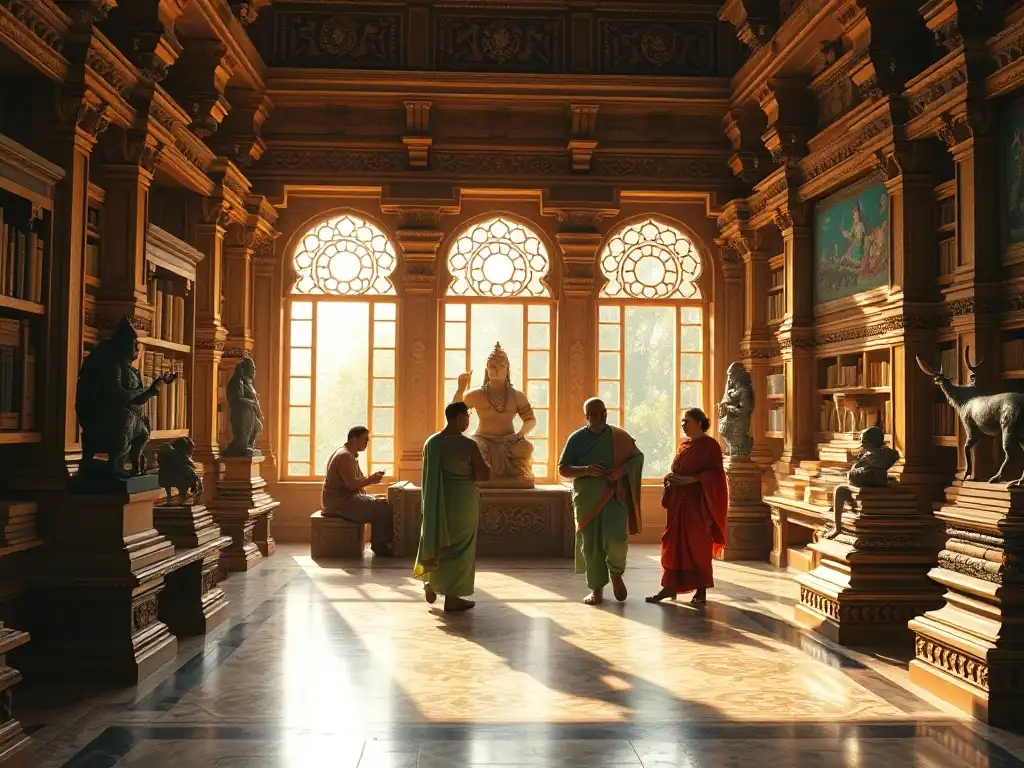
Welcome to Ancient India History, where we embark on a captivating journey through the rich tapestry of ancient Indian civilizations. Today, we delve into the Gupta Empire, a golden age of literary brilliance and cultural flowering. Discover the remarkable writers and their profound contributions that shaped the literary landscape of this era.
What secrets do their words hold? Unravel the legacy of these literary giants as we explore how their work continues to resonate in the corridors of history. Join us as we unlock the treasures of Gupta Empire literature and inspire your curiosity to delve deeper into this fascinating chapter of our past!
- Introduction to Gupta Empire Literature and Writers
- The Flourishing of Literature During the Gupta Empire
- Notable Writers of the Gupta Empire
- The Role of Poetry in Gupta Literature
- Historical Context and Patronage of Literature
- Conclusion: The Lasting Legacy of Gupta Empire Literature and Writers
- Recommended Further Reading on Gupta Empire Literature
- Frequently Asked Questions
- Final Reflection: The Enduring Legacy of Gupta Empire Literature
- Ignite Your Passion for Ancient Literature!
Introduction to Gupta Empire Literature and Writers
The Gupta Empire, often referred to as the "Golden Age" of India, was a period marked by significant advancements in various fields, including art, science, and most notably, literature. Flourishing between approximately 320 to 550 CE, this era witnessed the emergence of remarkable writers and literary works that not only enriched the cultural tapestry of ancient India but also laid the foundation for future literary traditions.
The contributions of these writers epitomize the intellectual vibrancy of the time, reflecting the societal values, philosophical thoughts, and artistic expressions prevalent in the Gupta Empire. This article delves into the rich literary heritage of the Gupta period, highlighting the key figures and their influential works that encapsulate the essence of Gupta Empire literature and writers.
Overview of the Gupta Empire's Golden Age
The Gupta Empire is often celebrated for its unparalleled achievements in various domains, including science, mathematics, and philosophy. This golden age is characterized by:
- Political Stability: Under the leadership of notable rulers such as Chandragupta I and his descendants, the Gupta Empire experienced a period of political unity and relative peace, fostering an environment conducive to intellectual pursuits.
- Patronage of the Arts: The Gupta rulers were great patrons of the arts and literature, encouraging scholars and artists to explore various themes, ideas, and forms of expression. This patronage was crucial for the blossoming of literature during this time.
- Literary Diversity: The literature produced during the Gupta Empire encompassed various genres, including poetry, drama, and philosophical texts. Writers such as Kalidasa, Bhasa, and Aryabhata made significant contributions that continue to be revered in Indian literature.
This golden age not only enhanced literary creativity but also facilitated the exchange of ideas and cultural practices across regions, making the Gupta Empire a beacon of knowledge in ancient India.
Importance of Literature in Ancient India
Literature played a pivotal role in shaping the cultural and intellectual landscape of ancient India. Its significance can be understood through the following aspects:
- Cultural Reflection: Literary works often reflect the values, beliefs, and social structures of their time. They serve as a mirror to society, allowing us to understand the ethos of ancient Indian civilizations.
- Philosophical Insights: Many literary texts from the Gupta period delve into philosophical inquiries, exploring themes such as morality, duty, and the nature of reality. These works contributed to the rich tapestry of Indian philosophy, influencing generations of thinkers.
- Preservation of Knowledge: Literature acted as a vessel for preserving knowledge across generations. Texts on science, mathematics, and medicine from this period have provided invaluable insights into ancient Indian advancements that continue to inform modern scholarship.
- Artistic Expression: The Gupta period saw the emergence of poetic forms and dramatic literature, which not only entertained but also educated audiences. The interplay of drama and poetry enriched the cultural experience of the society, making literature a vital part of public life.
The Gupta Empire's literary contributions are a testament to its cultural and intellectual prowess. The writers of this era not only shaped the literary landscape of ancient India but also left a lasting legacy that continues to inspire and influence literature today.
The Flourishing of Literature During the Gupta Empire
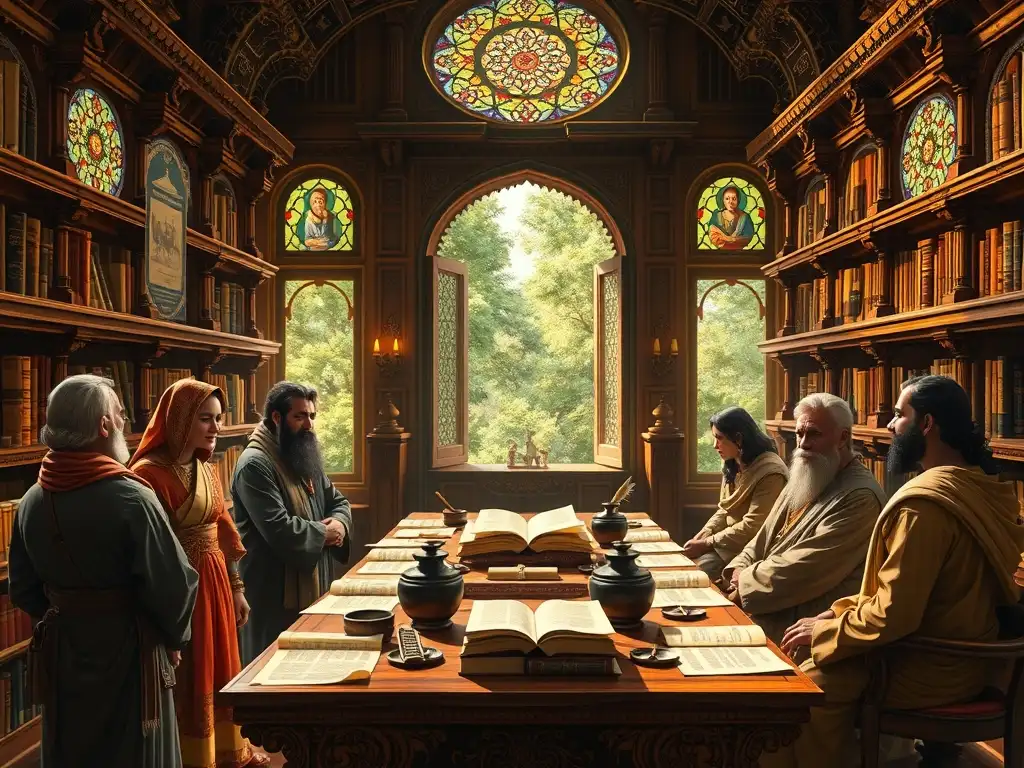
The Gupta Empire, often referred to as the Golden Age of India, witnessed a remarkable flourishing of literature that has had a lasting impact on the cultural and intellectual landscape of the region. This period, spanning from approximately 320 to 550 CE, was marked by significant advancements in various fields, including science, mathematics, and, notably, literature. The Gupta rulers were great patrons of the arts and education, which led to the emergence of a vibrant literary tradition that celebrated diverse themes ranging from mythology to human experience.
During this time, writers and poets were encouraged to explore their creativity, resulting in a rich tapestry of literary works. Classical Sanskrit became the medium of expression, and its grammatical and stylistic refinement laid the groundwork for future generations of writers. The literature produced during the Gupta Empire not only reflects the aesthetic sensibilities of the time but also reveals insights into the social, political, and philosophical currents that shaped ancient Indian society.
Characteristics of Gupta Empire Literature
Gupta Empire literature is characterized by several distinct features that contribute to its uniqueness and significance:
- Sanskrit Language: The use of classical Sanskrit became prominent, showcasing its grammatical sophistication and versatility. This period saw the emergence of various literary forms, including poetry, drama, and prose.
- Dramatic Expressions: One of the hallmarks of Gupta literature is the proliferation of plays and dramas. Renowned playwrights like Kalidasa and Bhāsa crafted masterpieces that combined intricate storytelling with poetic finesse. Kalidasa's play "Shakuntala" remains a quintessential example of this era's theatrical brilliance.
- Poetic Styles: Poets of the Gupta period explored various poetic styles, including Kāvya, which emphasizes aesthetic beauty and rhythmic structure. The use of metaphor, simile, and other literary devices enriched the literary landscape, allowing writers to convey profound emotions and complex ideas.
- Themes and Subjects: Gupta literature often delved into themes of love, nature, heroism, and mythology. The narratives frequently intertwined human experiences with celestial and divine elements, reflecting the cultural ethos of the time.
- Historical and Cultural Context: Many literary works served as commentaries on social norms, political scenarios, and philosophical inquiries. Writers utilized their craft to critique societal issues, celebrate victories, and explore the human condition.
Influence of Religion and Philosophy on Literary Works
The literary output during the Gupta Empire was profoundly influenced by the prevailing religious and philosophical ideologies of the time:
- Hinduism: As a predominant religion, Hindu themes and narratives significantly shaped the literary canon. Epics like the Mahabharata and the Ramayana influenced countless writers, leading to adaptations and reinterpretations that echoed throughout Gupta literature.
- Buddhism: The Gupta period also saw a resurgence in Buddhist literature. Works like the Buddhacharita by Asvaghosa not only celebrated the life of the Buddha but also sought to convey moral teachings and philosophical insights through narrative art.
- Philosophical Discourses: The literature of this period often reflected the philosophical debates of the time, including discussions on dharma (duty), karma (action), and the nature of reality. Writers engaged with ideas from Vedanta, Nyaya, and other philosophical schools, enriching literary discourse.
- Patronage and Support: The Gupta rulers' support for religious institutions fostered an environment where literary talents could thrive. Temples and monasteries became centers of learning, attracting scholars and writers who contributed to the literary milieu.
Gupta Empire literature stands as a testament to the cultural richness of the time, blending artistic expression with profound philosophical inquiry. The contributions of writers during this era continue to resonate in contemporary literary traditions, showcasing the enduring legacy of ancient Indian civilization.
Notable Writers of the Gupta Empire
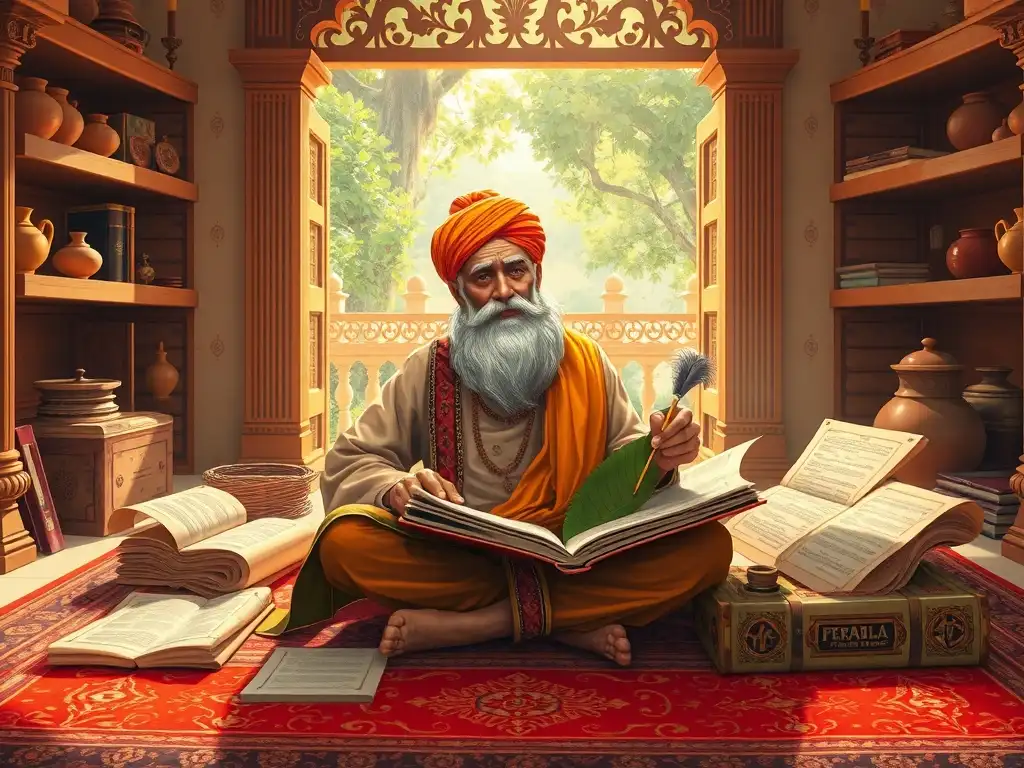
The Gupta Empire, often hailed as the Golden Age of Indian culture, witnessed an unparalleled flourishing of literature. This period was characterized by the emergence of remarkable writers who made significant contributions to Sanskrit literature. Among these illustrious figures, Kalidasa and Bhasa stand out as pioneers whose works not only enriched literary traditions but also influenced subsequent generations of writers and thinkers.
Kalidasa: The Master of Sanskrit Drama and Poetry
Kalidasa, often regarded as the greatest poet and playwright of ancient India, epitomizes the literary brilliance of the Gupta Empire. His mastery of language and profound understanding of human emotions enabled him to create timeless works that still resonate with audiences today.
Major Works of Kalidasa
Kalidasa's repertoire includes several notable texts, each contributing uniquely to the landscape of Indian literature:
- Shakuntala: A celebrated play that tells the romantic tale of Shakuntala and King Dushyanta. It is renowned for its poetic beauty and emotional depth.
- Meghaduta: A lyrical poem that narrates the longing of a separated lover, using nature and vivid imagery to express emotions.
- Raghuvamsa: An epic poem detailing the lineage of the Raghu dynasty, showcasing Kalidasa’s command over narrative and verse.
- Kumarasambhava: A grand poem chronicling the birth of Kartikeya, the son of Shiva and Parvati, which blends mythology with exquisite poetic form.
Kalidasa's works are distinguished by their intricate characterizations, rich metaphors, and a deep connection to nature, making them invaluable to the study of Gupta Empire literature and writers.
Impact on Indian Literature and Culture
Kalidasa's influence extends far beyond his lifetime. His works have shaped the trajectory of Indian literature, inspiring countless poets and playwrights. The themes of love, nature, and human emotion prevalent in his writings have become foundational elements in the broader canon of Indian literature. Furthermore, his ability to blend drama with poetry set a precedent for future literary forms, ensuring that his legacy is felt across various genres and styles. The reverence for Kalidasa is evident in how he continues to be studied and celebrated in modern times, affirming his status as a cultural icon of the Gupta period.
Bhasa: The Pioneer of Sanskrit Drama
Bhasa, another significant figure of the Gupta Empire, is often credited with laying the groundwork for Sanskrit drama. His innovative approach to storytelling and character development has made him a crucial influence in the realm of Indian theater.
Key Contributions to Gupta Literature
Bhasa's contributions to literature are marked by his unique ability to craft plays that explore complex themes and emotions. Some of his most notable works include:
- Svapnavasavadattam: A romantic drama that revolves around themes of love, separation, and reunion, showcasing intricate plot devices.
- Pratima-natakam: A play that highlights the themes of loyalty and betrayal, offering insights into human relationships.
- Karna Satyavrata: A work that reflects on moral dilemmas and the consequences of one's choices, emphasizing Bhasa's deep philosophical insights.
Bhasa’s plays are characterized by their dynamic characters and engaging dialogues, which helped to establish a richer theatrical tradition during the Gupta period.
Themes and Styles in Bhasa's Works
Bhasa's writings are noted for their exploration of various themes, including:
- Heroism and Valor: Many of his plays highlight the qualities of a hero, showcasing bravery and moral integrity.
- Love and Relationships: Bhasa delves into the complexities of love, often portraying the emotional dilemmas faced by his characters.
- Philosophical Reflections: His works frequently incorporate philosophical discussions, prompting audiences to consider moral and ethical questions.
Bhasa's style, marked by its rhythmic verse and dramatic flair, not only set a benchmark for subsequent Sanskrit playwrights but also illustrated the rich cultural tapestry of the Gupta Empire. The legacy of Bhasa in Gupta literature is evident in the enduring nature of his themes and the continued performance of his plays in contemporary times.
The Gupta Empire's literary landscape was profoundly shaped by the contributions of writers like Kalidasa and Bhasa. Their works not only reflect the cultural richness of the period but also laid the groundwork for future literary traditions in India.
Aryabhata: Literature and Science Intertwined
Aryabhata, an eminent mathematician and astronomer of the Gupta Empire, is not only celebrated for his groundbreaking contributions to mathematics and astronomy but also for the literary aspect of his work. Born in 476 CE, Aryabhata's seminal text, the Aryabhatiya, serves as a cornerstone in the intersection of literature and science during this golden age of Indian civilization.
His writing exemplifies the intricate relationship between poetic expression and scientific inquiry, making complex concepts accessible and engaging through verse. The Aryabhatiya is structured in a way that combines rigorous mathematical theory with a lyrical quality, reflecting the aesthetic values of the time.
Contributions to Mathematical and Astronomical Literature
In his notable work, Aryabhata presented various mathematical concepts, including the place value system and the concept of zero, which were revolutionary for the period. His astronomical observations, particularly regarding the rotation of the Earth and the calculation of eclipses, were meticulously documented. Aryabhata's approach to mathematics was not purely theoretical; he applied these principles to real-world astronomical phenomena.
This integration of literature and science allowed for a broader understanding of complex subjects, making them more relatable to scholars and laypeople alike. His use of verse helped to ensure that these ideas were memorized and transmitted through generations, contributing significantly to the body of knowledge in mathematics and astronomy.
Legacy of Aryabhata in Historical Context
The legacy of Aryabhata extends far beyond his immediate contributions. His works influenced not only subsequent Indian mathematicians and astronomers but also scholars across the globe. The Aryabhatiya was translated into Arabic and later into Latin, thereby reaching a wider audience and impacting the fields of mathematics and astronomy in the Islamic Golden Age and the European Renaissance.
Aryabhata's innovative ideas laid the groundwork for future scientific endeavors and established a precedent for the fusion of literature and science in ancient Indian scholarship. His ability to convey complex ideas through poetic form resonates with the educational values of the Gupta Empire, highlighting the importance of literary expression in the pursuit of knowledge.
Vishnu Sharma: The Fables of the Panchatantra
Vishnu Sharma, another iconic figure in Gupta literature, is best known as the author of the Panchatantra, a collection of interrelated animal fables that impart moral lessons through engaging storytelling. Compiled around the 3rd century CE, the Panchatantra serves as a crucial literary work that reflects the cultural and intellectual landscape of the Gupta Empire. The text is divided into five books, each presenting various tales featuring animals that exemplify human virtues and vices, making complex moral dilemmas accessible to readers of all ages.
Overview of the Panchatantra Tales
The tales of the Panchatantra are rich with allegorical content, where animals often represent human characteristics. For instance, the clever fox, the wise owl, and the cunning jackal feature prominently, each embodying different traits that lead to moral conclusions. The narrative style, characterized by a straightforward, engaging approach, captivates audiences while imparting wisdom. The stories traverse themes of friendship, loyalty, deceit, and the importance of wisdom, providing timeless lessons that remain relevant even today. This literary work has been translated into numerous languages and adapted into various forms of storytelling, illustrating its enduring appeal.
Moral Lessons and Cultural Significance
The moral lessons embedded within the Panchatantra are profound and reflect the ethical values of Gupta society. Each tale concludes with a moral, emphasizing values such as prudence, perseverance, and the importance of learning from experience. The cultural significance of the Panchatantra lies in its role as an educational tool; it was used to teach children about ethics and social conduct in an engaging manner.
Furthermore, the Panchatantra highlights the Gupta Empire's emphasis on knowledge and wisdom as fundamental virtues, reinforcing the idea that literature plays a pivotal role in shaping moral and ethical understanding. The enduring popularity of the Panchatantra across cultures underscores its importance as a literary masterpiece that transcends time and geography.
The Role of Poetry in Gupta Literature
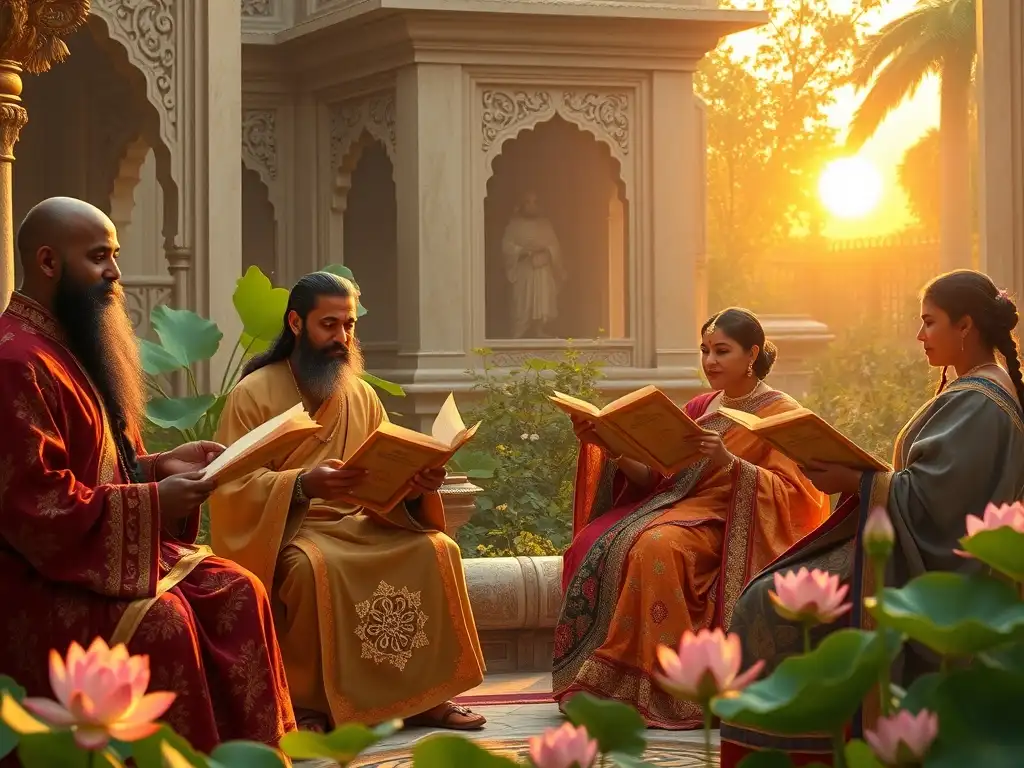
The Gupta Empire is often heralded as a Golden Age of Indian culture, particularly in the realm of literature. One of the most significant contributions of this era was the flourishing of poetry, which served not only as a form of artistic expression but also as a vehicle for social commentary, religious devotion, and philosophical exploration. The Gupta period saw an unprecedented rise in the production of literary works, with poetry playing a central role in this cultural renaissance.
Poetry during the Gupta Empire was characterized by its lyrical quality, intricate meter, and thematic diversity. It encapsulated the ethos of the time, reflecting the ideals, beliefs, and everyday realities of society. The prominence of poets such as Kalidasa and Bharavi, among others, illustrated the high regard for poetic craftsmanship, which was intertwined with the patronage of kings and the influence of religious institutions.
Epic Poetry and Its Influence on Society
Epic poetry was a prominent literary form during the Gupta Empire, serving as both a source of entertainment and a means of imparting moral and ethical lessons to society. The epics from this era often drew inspiration from earlier texts like the Mahabharata and Ramayana, but they also introduced new narratives and characters that resonated with contemporary audiences.
- Themes and Morals: Gupta epic poetry frequently explored themes such as heroism, duty (dharma), the consequences of moral choices, and the nature of love. These themes not only entertained but also provided ethical guidance, helping shape societal values.
- Cultural Reflection: The characters and stories in epic poetry often mirrored the complexities of Gupta society, including issues of caste, gender relations, and the role of the king. For example, Kalidasa's Shakuntala presents a nuanced view of love and duty, reflecting the cultural norms of the time.
- Influence on Arts and Performance: The popularity of epic poetry during the Gupta period also influenced other art forms, such as dance and drama. Poets would often collaborate with performers, leading to the creation of elaborate theatrical productions that brought epic narratives to life.
This intertwining of poetry with societal values and entertainment illustrates the profound impact of epic poetry in the Gupta Empire, reinforcing its significance in both literary and cultural contexts.
Forms of Poetry Popular in the Gupta Era
The Gupta Empire witnessed the emergence of various forms of poetry, each with its unique characteristics and appeal. These forms not only showcased the versatility of poets but also catered to the diverse tastes of the audience. Below are some of the most popular forms of poetry during this period:
- Sanskrit Drama:
- Definition: A blend of poetry and performance, Sanskrit dramas incorporated poetic dialogues and songs to enhance the narrative.
- Example: Works like Kalidasa's Shakuntala exemplify this form, where the poetic structure elevates the emotional depth of the story.
- Lyric Poetry (Ghazal and Stotra):
- Definition: Short, personal poems that express love, devotion, and longing, often intended for musical accompaniment.
- Example: The Ghazal, characterized by its emotive expressions, became popular in the Gupta period, often focusing on themes of separation and union.
- Mahakavya (Epic Poetry):
- Definition: A grand narrative poem that combines mythological themes with historical events, typically written in a highly stylized and ornate language.
- Example: Asvaghosa's Buddhacharita is an example of Mahakavya that narrates the life of Buddha while intertwining poetic elegance with narrative complexity.
- Khandakavya (Shorter Epic):
- Definition: A shorter form of epic poetry that retains the grandeur of Mahakavya but is more accessible in length and complexity.
- Example: Bharavi’s Kiratarjuniya captures the essence of heroic tales in a more condensed format, making it popular among a wider audience.
The diversity of poetic forms during the Gupta Empire not only enriched the literary landscape but also ensured that poetry remained a vital part of cultural expression, influencing generations to come. This era's literary achievements underline the significance of Gupta Empire literature and writers in shaping the trajectory of Indian literature as a whole.
Historical Context and Patronage of Literature
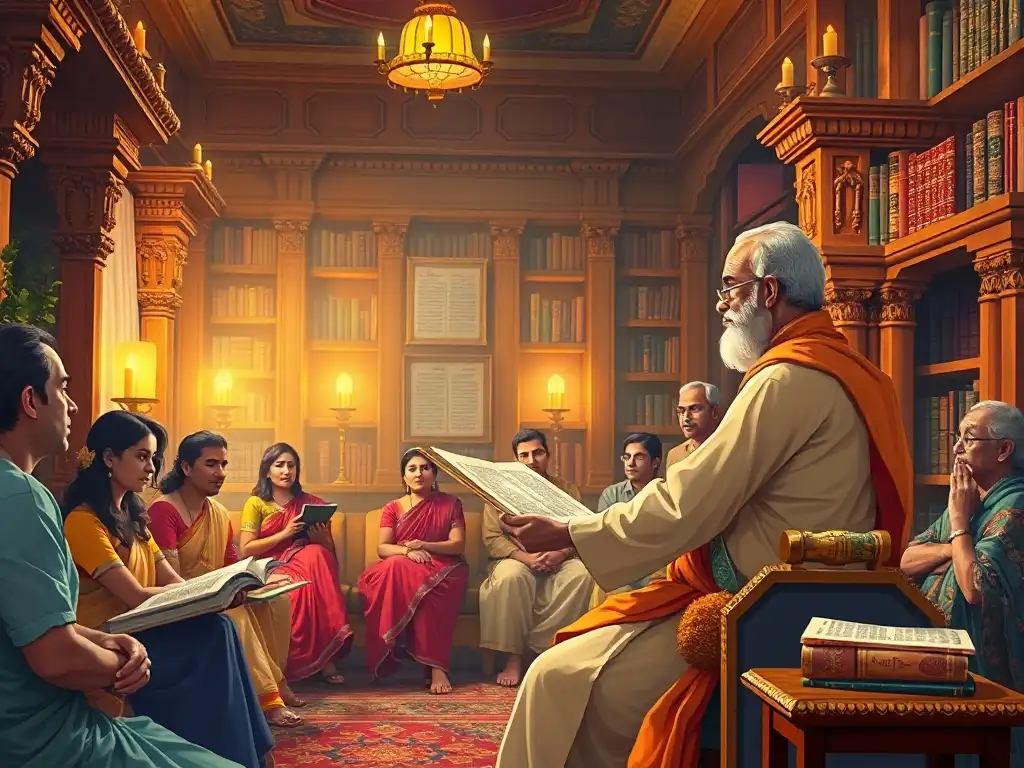
The Gupta Empire, often referred to as the "Golden Age" of India, spanned from approximately 320 to 550 CE. This period is marked by remarkable advancements in various fields, particularly in literature, arts, and sciences. The Gupta rulers were instrumental in fostering a cultural renaissance that led to the flourishing of literature. They established an environment that encouraged intellectual pursuits, with royal patronage playing a pivotal role in enriching the literary landscape of the time.
Royal patronage during the Gupta period was not merely a support system; it was a catalyst for literary innovation. Emperors like Chandragupta II and his successors actively sought out talented writers, poets, and scholars, providing them with the resources and platforms necessary to thrive. This support came in various forms, including financial grants, land allocations, and the establishment of literary academies.
The Role of Royal Patronage in Promoting Literature
One of the key aspects of the Gupta Empire's influence on literature was the direct involvement of the monarchy in promoting literary activities. The emperors themselves were often patrons of the arts and engaged in literary pursuits. For instance, Chandragupta II, known for his patronage of Kalidasa, one of the greatest Sanskrit poets and dramatists, exemplifies this relationship. Under royal auspices, Kalidasa produced iconic works such as:
- Shakuntala: A celebrated play that reflects the themes of love and destiny.
- Meghaduta: A lyrical poem that showcases exquisite imagery and emotional depth.
The Gupta kings recognized that literature not only served as an entertainment medium but also as a means of legitimizing their rule and enhancing their cultural stature. By supporting great literary figures, they crafted a legacy that intertwined their reigns with the artistic accomplishments of the period.
Furthermore, the royal courts served as hubs for literary gatherings, where poets and scholars would present their works, engage in debates, and collaborate on various projects. This environment fostered creativity and innovation, leading to the production of remarkable literary texts that are revered even today.
Literary Circles and Cultural Exchanges in the Gupta Empire
The Gupta Empire was characterized by vibrant literary circles, where intellectuals gathered to share ideas, critique each other’s works, and engage in discussions that transcended regional boundaries. These circles were often composed of diverse groups of writers, scholars, and philosophers who contributed to a rich tapestry of thought.
- Literary Academies: One of the most notable centers of learning was the Nalanda University, which attracted scholars from various parts of the world, including China and Southeast Asia. This institution played a crucial role in the dissemination of knowledge, encouraging the exchange of ideas that enriched Gupta literature.
- Cultural Exchanges: The Gupta Empire's extensive trade routes facilitated cultural exchanges with neighboring regions, leading to the infusion of new ideas and themes into Indian literature. The interaction with foreign cultures expanded the literary horizon, as seen in works that incorporated elements from Greek and Persian literature.
Moreover, the flourishing of various literary genres, including poetry, drama, and prose, reflected the progressive and inclusive nature of Gupta society. Works such as the Panchatantra, which combines moral lessons with entertaining narratives, emerged during this time, showcasing the synthesis of local and global literary traditions.
The Gupta Empire's literature and writers flourished due to the robust support of royal patronage and the dynamic literary circles fostered by cultural exchanges. This era not only produced timeless literary masterpieces but also laid the groundwork for subsequent generations of writers, ensuring that Gupta literature continues to be celebrated as a vital part of ancient Indian heritage.
Conclusion: The Lasting Legacy of Gupta Empire Literature and Writers
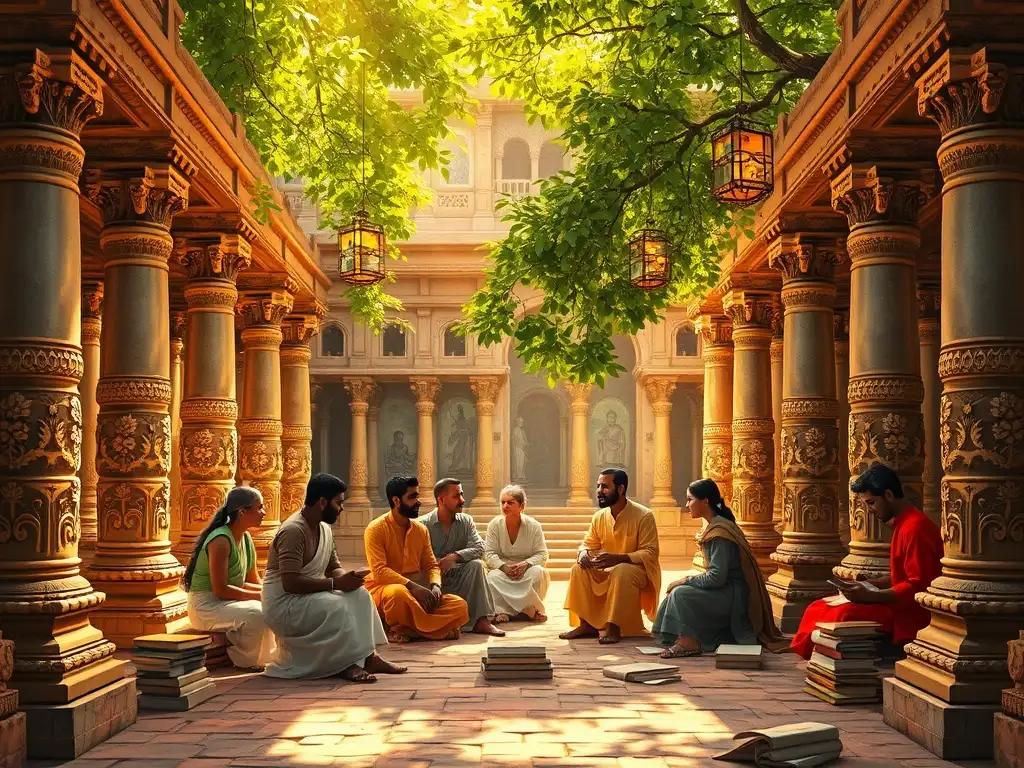
The Gupta Empire, often referred to as the Golden Age of India, was marked by remarkable advancements in various fields, particularly literature. The period saw an unprecedented flourish in literary creativity, with writers and poets producing works that not only reflected the culture and values of their time but also laid the foundation for future literary traditions. The impact of Gupta Empire literature extends beyond its immediate historical context, influencing languages, storytelling techniques, and poetic forms for centuries to come.
The enduring legacy of Gupta writers can be seen in the literary canons of subsequent Indian empires and the broader Indian subcontinent. From the intricate plays of Kalidasa to the philosophical discourses of Aryabhata, the contributions made during this era continue to resonate in contemporary literature and arts.
How Gupta Literature Influenced Future Generations
Gupta literature served as a catalyst for the evolution of literary forms and genres in India. The works produced during this time not only inspired future writers but also shaped the very structure of Indian narratives. Here are some key influences:
- Development of Drama: The plays of Kalidasa, such as Shakuntala, established a template for Indian drama, emphasizing emotional depth and character development. This influence is evident in later dramatic works across various Indian languages.
- Poetic Innovation: The use of metaphors and similes in Gupta poetry set a standard for subsequent poets. The lyrical expressions and thematic richness found in Gupta works are echoed in later poetic traditions, including those of the Bhakti movement.
- Philosophical Texts: The philosophical underpinnings in Gupta literature, particularly in texts like Bhagavad Gita, influenced the spiritual and philosophical discourse in later Indian thought. The methods of argumentation and narrative style became critical in shaping theological and philosophical literature.
- Fables and Folklore: The Gupta era's focus on storytelling, as seen in works like the Panchatantra, has had a lasting impact on Indian folklore and moral literature, influencing countless generations and providing timeless lessons through entertaining narratives.
The Relevance of Gupta Writers in Contemporary Culture
The significance of Gupta writers remains palpable in modern culture, where their works are not only studied but also celebrated in various forms of art and media. Their relevance can be observed in several ways:
- Cultural Festivals and Performances: Many contemporary theater companies and cultural festivals in India showcase plays inspired by Gupta-era literature, bringing ancient narratives to life for modern audiences. This revival highlights the timeless nature of themes such as love, duty, and morality.
- Literary Studies and Education: The texts from the Gupta period are integral parts of academic curricula in literature and history courses globally. Scholars and students continue to explore and analyze the works of Gupta writers, fostering a deeper understanding of ancient Indian civilization.
- Adaptations and Translations: Numerous adaptations of Gupta literature into modern languages and formats—such as films, novels, and graphic novels—demonstrate the enduring appeal of these works. They resonate with contemporary values and issues, bridging the gap between past and present.
- Inspiration for Modern Writers: Contemporary authors draw inspiration from the narrative techniques and thematic explorations of Gupta writers. This intertextual dialogue enriches modern literature and fosters a renewed appreciation for ancient Indian literary heritage.
The Gupta Empire literature and writers have left an indelible mark on the literary landscape of India and beyond. Their contributions not only reflect the vibrant culture of their time but also continue to inspire and influence generations across the globe.
Recommended Further Reading on Gupta Empire Literature
Books and Resources for Deepening Knowledge
To truly appreciate the literary achievements of the Gupta Empire, it is essential to explore a range of resources that provide insights into the period's writers and their works. Below is a curated list of recommended books and resources that delve into Gupta Empire literature, offering both historical context and critical analysis:
- "The Golden Age of India: A History of the Gupta Empire" by R. C. Majumdar
- This comprehensive volume provides an in-depth examination of the Gupta Empire, including its cultural and literary contributions. It is crucial for understanding the socio-political backdrop against which the literature flourished.
- "Sanskrit Literature: A Critical Survey" by J. S. Speyer
- This book offers a critical overview of Sanskrit literature, focusing on the key texts and authors from the Gupta period. It includes analyses of prominent works and their influence on later Indian literature.
- "Kalidasa: The Playwright Poet" by A. N. Dandekar
- A focused study on Kalidasa, one of the most celebrated writers of the Gupta Empire. This resource examines his major works, themes, and contributions to Indian drama and poetry.
- "The History of Indian Literature" by A. K. Ramanujan
- Ramanujan’s work encompasses various aspects of Indian literature, including significant texts from the Gupta period. It is an excellent resource for those looking to understand the broader literary landscape of ancient India.
- Online Resources:
- Digital Library of India: Offers access to numerous texts from the Gupta period, some of which include translated works of prominent writers.
- Internet Archive: Houses a collection of historical texts and analyses that focus on Gupta literature and its impact.
Important Literary Critiques and Analyses
Understanding Gupta Empire literature involves engaging with critical analyses that highlight the themes, styles, and cultural significance of the era's writings. Below are some essential critiques and analyses that provide deeper insights:
- "The Poetics of Sanskrit Drama" by M. B. Srikantaiah
- This analysis explores the structure and aesthetics of Sanskrit drama during the Gupta period, particularly the works of Kalidasa. It details the unique narrative techniques and thematic richness that characterize Gupta literature.
- "Cultural Reflections in Gupta Literature" by N. P. Sharma
- Sharma's work discusses how Gupta literature reflects the social and cultural dynamics of its time. It emphasizes the interconnectedness of literature with religion, philosophy, and governance during the Gupta Empire.
- "Women in Gupta Literature" by R. R. Menon
- This critique focuses on the portrayal of women in Gupta-era texts, analyzing how literature mirrored the status and roles of women in society. It provides a nuanced understanding of gender dynamics in ancient Indian literature.
- "The Influence of Gupta Literature on Subsequent Indian Writings" by K. L. Ghosh
- Ghosh examines the lasting impact of Gupta literature on later Indian writers and literary traditions, illustrating how the themes and styles developed during this golden age continued to resonate in subsequent periods.
These resources and critiques offer a comprehensive foundation for those interested in exploring the rich literary heritage of the Gupta Empire, enhancing the understanding of its remarkable writers and their contributions to ancient Indian civilization.
Frequently Asked Questions
What was the significance of literature during the Gupta Empire?
The Gupta Empire is often referred to as the Golden Age of Indian literature, where profound works in poetry, drama, and philosophy were created, influencing later Indian literature.
Who were some notable writers from the Gupta Empire?
Prominent writers included Kalidasa, known for his plays and poems, and Bhasa, who wrote influential dramas, showcasing the rich literary tradition of the era.
How did Gupta literature reflect the culture of the time?
Gupta literature often explored themes of love, nature, and mythology, reflecting the cultural richness and spiritual depth of Indian society during this period.
What were the primary literary forms during the Gupta Empire?
The primary literary forms included poetry, drama, and prose, with significant contributions made to Sanskrit literature, elevating its status and complexity.
How did the Gupta Empire influence future literature?
The literary advancements and styles established during the Gupta period laid the foundation for subsequent literary movements, not just in India but across the world, influencing many later writers and poets.
Final Reflection: The Enduring Legacy of Gupta Empire Literature
The remarkable writers of the Gupta Empire have left an indelible mark on the tapestry of world literature, showcasing a vibrant cultural renaissance that resonates even in today's literary landscape. As we explore the profound contributions of this era, it becomes clear that the themes of love, morality, and human experience articulated by these writers continue to inspire and influence contemporary storytelling. The richness of Gupta literature not only reflects the intellectual prowess of its time but also serves as a testament to the timeless nature of human creativity.
The influence of Gupta Empire literature extends far beyond its historical context, shaping the cultural and social narratives of subsequent generations. From the poetic verses of Kalidasa to the philosophical musings of Aryabhata, these writers have woven a complex fabric of thought that invites us to reflect on our own lives and societies. Their works remind us that literature is not merely a reflection of the past, but a living dialogue that transcends time. A great book is a great friend,
said Victor Hugo, and indeed, the writings from the Gupta period continue to be companions on our journey of understanding and exploration.
As we conclude our exploration of Gupta Empire literature, I invite you to reflect on the lessons embedded within these timeless works. Consider how the themes of love, duty, and the quest for knowledge resonate in your own life. Let the wisdom of these ancient writers inspire you to cultivate your own voice and contribute to the ongoing narrative of human experience. Embrace the power of literature to bridge cultures and generations, and carry forward the legacy of the Gupta Empire by sharing stories that matter, both today and for the future.
Ignite Your Passion for Ancient Literature!
Thank you for diving into the vibrant world of the Gupta Empire’s literary heritage. We hope you found inspiration in the remarkable achievements of these ancient writers and their lasting impact on literature.
Now, let’s turn that inspiration into action! Here are a few steps to explore further and deepen your connection with this fascinating topic:
- Delve Deeper: Choose a writer from the Gupta period and read a work that exemplifies their unique style or themes.
- Join the Conversation: Share your favorite Gupta writer or work in the comments below to connect with fellow literature enthusiasts.
- Explore Related Cultures: Research the literary traditions of neighboring regions during the Gupta period to uncover shared influences and distinctive styles!
As you reflect on the rich tapestry of Gupta literature, consider: Which aspects of their writings resonate with you the most, and how can you incorporate those insights into your own writing or creative pursuits?