
Material Science in the Mauryan Era: Innovations in Construction and Art

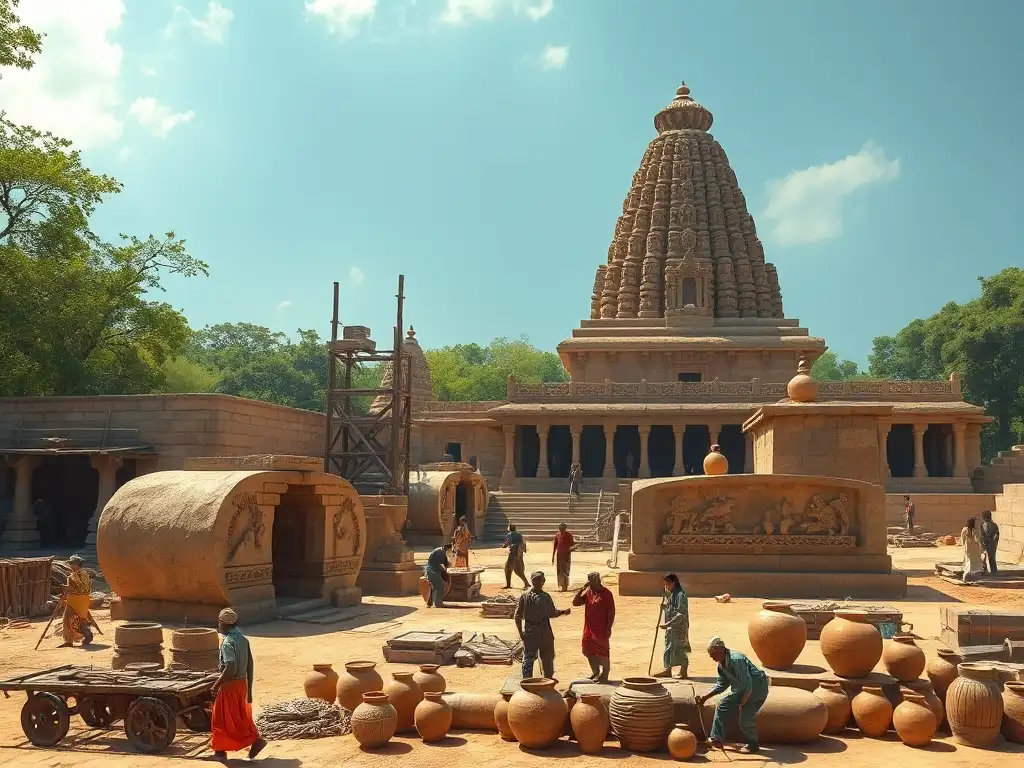
Welcome to Ancient India History, where we embark on a captivating journey through the rich tapestry of ancient Indian civilizations. Dive into our latest exploration of Material Science in Ancient India, and uncover the remarkable innovations that flourished during the Mauryan Era. From groundbreaking construction techniques to exquisite artistic expressions, discover how these advancements shaped not only their society but also laid the groundwork for future generations. Are you ready to unravel the secrets of a bygone era? Let your curiosity guide you as you delve deeper into this fascinating topic!
- Material Science in Ancient India: An Overview of the Mauryan Era
- Innovations in Construction During the Mauryan Era
- Artistic Innovations and Material Science
- The Role of Trade in Material Science Development
- Conclusion: Legacy of Material Science in Ancient India
- Further Reading and Resources
-
Frequently Asked Questions
- What is the focus of the article "Material Science in the Mauryan Era"?
- How did material science contribute to construction in ancient India?
- What were some key materials used in the Mauryan Era?
- How did art and architecture reflect material science in this period?
- Why is the study of material science in ancient India important today?
- Final Reflection: The Enduring Legacy of Material Science in Ancient India
- Unveil the Innovations of the Mauryan Era!
Material Science in Ancient India: An Overview of the Mauryan Era

Exploring the rich tapestry of ancient Indian history reveals a profound understanding of material science, particularly during the Mauryan Era (c. 322-185 BCE). This period, known for its unparalleled advancements in technology and culture, witnessed significant innovations in construction and art, driven by an evolving comprehension of materials.
The Mauryan Empire, under the leadership of notable emperors like Chandragupta Maurya and Ashoka, not only expanded its territorial boundaries but also cultivated a sophisticated knowledge of metallurgy and material science that laid the groundwork for future developments. This article delves into the intricate world of material science in ancient India, shedding light on its pivotal role during the Mauryan period and its lasting impact on architecture, sculpture, and society.
Introduction to Material Science in Ancient India
Understanding the concept of material science in ancient India involves examining the various materials utilized for construction and artistic endeavors. Material science encompasses the study of materials' properties, their applications, and the innovations that arise from their manipulation. In the context of the Mauryan Era, the advancements in metallurgy, stonework, and other material technologies highlight a remarkable level of sophistication that reflects the civilization's ingenuity and resourcefulness.
Definition and Importance of Material Science
Material science can be defined as the interdisciplinary field that investigates the properties, performance, and applications of materials to develop new technologies and improve existing ones. In ancient India, this discipline played a crucial role in:
- Architectural Innovations: The use of durable materials for monumental structures, such as the famed Ashoka Pillars, showcased advanced engineering skills.
- Artistic Expression: The mastery of various materials, including metals, stones, and ceramics, enabled artisans to create intricate sculptures and decorative items that have survived through millennia.
- Cultural Significance: The materials chosen for construction and art not only reflect technological prowess but also signify the cultural values and beliefs of the time.
By understanding these aspects, we gain insight into how material science influenced the social, economic, and cultural dynamics of ancient Indian civilizations.
Historical Context: The Mauryan Era
The Mauryan Era marked a transformative period in Indian history characterized by unification under a centralized government and extensive trade networks. Notable achievements in material science during this time included:
- Metallurgy: The development of iron smelting techniques led to the production of high-quality iron tools and weapons, facilitating agriculture and warfare.
- Stone Architecture: The use of locally sourced stones, such as sandstone and limestone, for constructing grand edifices and religious monuments illustrated advanced quarrying and sculpting techniques.
- Innovative Techniques: The Mauryan craftsmen employed various methods, including the lost-wax casting technique, to create exquisite bronze sculptures, showcasing their profound understanding of materials.
These innovations not only reflect the technological advancements of the Mauryan Empire but also demonstrate the civilization's ability to harness its natural resources effectively, ultimately contributing to its enduring legacy in the realms of architecture and art.
Innovations in Construction During the Mauryan Era

Use of Advanced Materials in Mauryan Architecture
The Mauryan Era, spanning from 322 to 185 BCE, was a remarkable period in ancient Indian history marked by significant advancements in material science, particularly in construction techniques. The Mauryan architects employed a variety of materials and methods that showcased their innovative spirit and understanding of engineering principles.
Material science in ancient India during this time was characterized by the use of local resources to enhance structural integrity and aesthetic appeal. Key materials included stone, brick, mud, and various binders, each playing a critical role in the construction methods of the period.
Stone and Brick: Innovations in Construction Techniques
The use of stone and brick in Mauryan construction was not merely traditional but showed a profound understanding of material properties. The Mauryans utilized ashlar masonry, where stones were finely cut and fitted together to create durable structures. This technique allowed for greater stability and longevity, as seen in the enduring structures from this era.
- Bricks: The Mauryan period saw the introduction of standardized brick sizes, which facilitated uniformity and ease of construction. The use of burnt bricks, which were stronger and more weather-resistant than unburnt ones, marked a significant improvement in building practices.
- Stone: The Mauryan architects often sourced local stone, including limestone and sandstone, for their monumental projects. The precision in cutting and placement not only enhanced the aesthetic appeal but also contributed to the structural resilience of buildings.
Mud and Mortar: The Role of Binder Materials
In addition to stone and bricks, the use of mud and mortar as binder materials was pivotal in Mauryan architecture.
- Mud: This natural material served as a primary component in many constructions, particularly in rural areas. The application of mud plaster not only provided insulation but also created a smooth finish for the structures.
- Mortar: The Mauryans developed advanced mortar mixes, incorporating lime and other natural binders, which enhanced the bonding strength between bricks and stones. This innovation played a crucial role in the durability of structures, allowing them to withstand the test of time and environmental conditions.
Notable Construction Projects
The innovations in material science during the Mauryan Era are exemplified in several notable construction projects that have withstood the ravages of time.
The Great Stupa at Sanchi: A Marvel of Material Science
The Great Stupa at Sanchi, a UNESCO World Heritage Site, is a stunning example of Mauryan architectural ingenuity. Constructed during the reign of Emperor Ashoka, this monumental structure showcases the advanced use of materials and construction techniques of the time.
- Material Composition: The stupa was built using a combination of brick and stone, where the core was typically made of rubble and stone, while the outer layers were crafted from burnt bricks. This layered approach not only provided structural integrity but also enhanced the aesthetic dimension of the monument.
- Architectural Features: The dome-shaped structure and the intricate carvings on stone pillars demonstrate the sophisticated understanding of geometry and aesthetics that typified Mauryan architecture. The use of high-quality stone for the railing and gateways further emphasizes the importance of material science in their construction practices.
The Mauryan Palaces: Architectural Innovations and Materials Used
The palaces of the Mauryan Empire were another testament to their advanced understanding of material science. These structures were designed not only for grandeur but also for functionality and durability.
- Materials: The primary materials used in the construction of Mauryan palaces included stone, timber, and mud. The use of stone for foundational walls provided stability, while the upper structures often incorporated timber for lighter loads.
- Design and Layout: The palaces featured open courtyards, spacious halls, and intricate carvings that demonstrated a blend of utility and artistic expression. The use of advanced binding agents in plastering techniques allowed for the creation of decorative elements that were both beautiful and enduring.
The Mauryan Era was pivotal in the evolution of material science in ancient India, particularly in construction and architecture. The innovative use of materials such as stone, brick, mud, and advanced binding agents not only revolutionized building practices but also laid the foundation for future architectural endeavors.
Artistic Innovations and Material Science
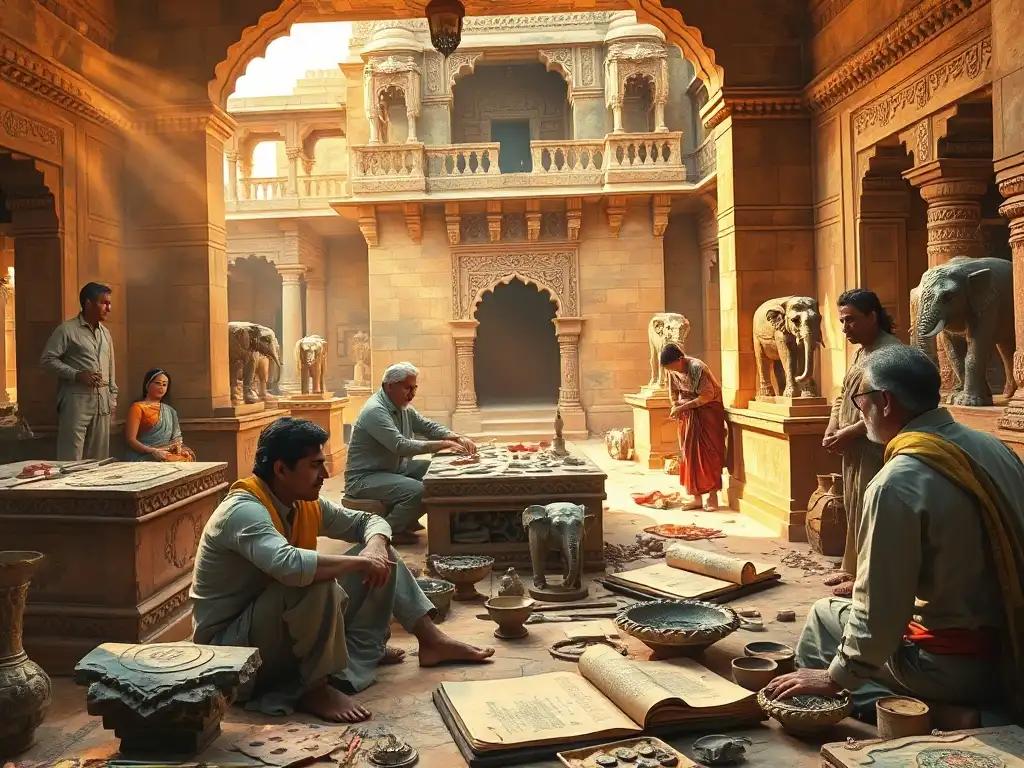
The Mauryan era (circa 322-185 BCE) represents a significant period in Indian history, marked by remarkable advancements in material science, particularly in metallurgy and its application in art and architecture. The innovative spirit of this era is reflected in the intricate craftsmanship and diverse materials used in artistic expressions, from sculpture to architecture. This section delves into the metallurgical techniques and materials employed during this time, as well as the symbolism and functionality imbued in Mauryan art.
Metallurgy in Art: Techniques and Materials
Bronze Casting: Techniques Used in Mauryan Sculpture
Bronze casting during the Mauryan period was a sophisticated process that involved several intricate techniques. The lost-wax casting method was predominantly used, allowing artisans to create detailed sculptures with remarkable precision. This technique involves the following steps:
- Model Creation: An original model of the sculpture was crafted, typically from clay or wax.
- Mold Formation: The model was then encased in a clay mold, which would harden over time.
- Wax Removal: Once the mold was hardened, it was heated to melt and drain the wax, leaving a cavity in the shape of the original model.
- Metal Pouring: Molten bronze was poured into the cavity, filling the space left by the wax.
- Finishing Touches: After cooling, the mold was broken away, revealing the bronze sculpture, which was then polished and detailed.
The artistic finesse achieved through bronze casting is exemplified in the famous statue of the Buddha from the Mauryan period, showcasing both technical skill and aesthetic beauty.
Stone Carving: Tools and Materials Employed
Stone carving was another hallmark of the Mauryan artistic tradition. Artisans utilized a variety of tools and techniques to create intricate stone sculptures and architectural elements. Key aspects include:
- Tools: Harder stones like granite and sandstone required specialized tools such as chisels made from harder materials, which were often made of iron. This advancement in tool making significantly enhanced the precision and detail of stone carvings.
- Materials: The choice of materials varied based on the intended purpose of the artwork. For instance, softer stones like limestone were favored for intricate sculptures, while harder stones were used for structural elements in architecture.
- Techniques: Techniques such as relief carving and inlay work were prevalent. Relief carving involved sculpting figures that projected from the background, while inlay work added colored stones or metals to enhance visual appeal.
The great stupas of Sanchi and the Ashoka pillars serve as monumental examples of Mauryan stone carving, showcasing the era's mastery in both technique and material selection.
Symbolism and Functionality in Mauryan Art
Art in the Mauryan period was not merely decorative; it often carried deep symbolic meanings and served specific functions within society and religion.
The Role of Material Choices in Religious Art
Material choices played a pivotal role in the symbolism of Mauryan art, particularly in religious contexts. Different materials were believed to embody various qualities and spiritual significance:
- Bronze: Associated with durability and strength, bronze statues represented the eternal nature of the divine.
- Stone: Often seen as a solid representation of permanence, stone carvings were used in temples and stupas, signifying the stability of faith.
- Wood and Ivory: Though less common, these materials were used for smaller religious artifacts, symbolizing the transient and delicate aspects of life.
These choices reflect the profound connection between materiality and spirituality, emphasizing how the physical form of art influenced its reception and meaning.
Innovations in Decorative Techniques
The Mauryan era witnessed several innovations in decorative techniques that enhanced the aesthetic appeal of art. Some notable developments included:
- Polychrome Techniques: Artisans began to experiment with polychrome finishes, applying multiple colors to sculptures and reliefs, which added vibrancy and life to their creations.
- Textured Surfaces: The use of varied textures, from smooth finishes to rough-hewn surfaces, allowed for greater visual depth and intrigue in artworks.
- Symbolic Motifs: Incorporating motifs such as lotus flowers, animals, and geometric patterns became prevalent in decorative elements, each symbolizing various philosophical and spiritual concepts.
These innovations not only enriched the visual language of Mauryan art but also served to communicate deeper narratives and cultural values inherent in ancient Indian society.
The artistic innovations during the Mauryan era, underpinned by advanced material science, laid the groundwork for future developments in Indian art and architecture, reflecting a civilization that deeply valued both aesthetic beauty and functional craftsmanship.
The Role of Trade in Material Science Development
Trade Routes and Their Impact on Material Availability
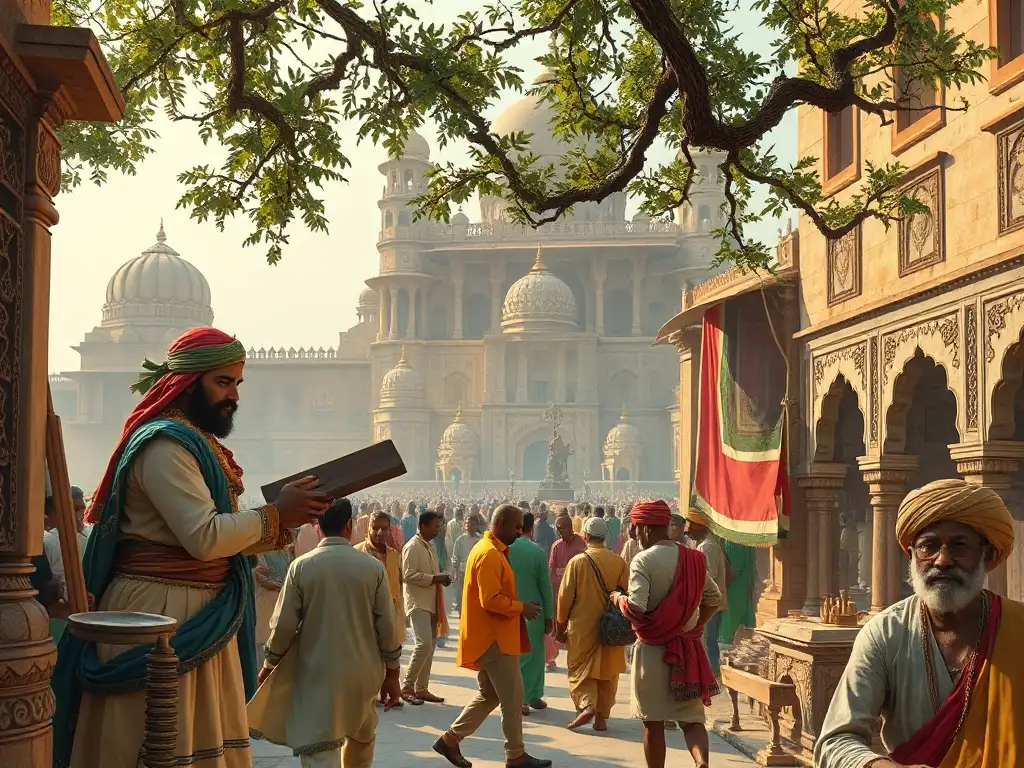
The Mauryan Empire, which thrived from 322 to 185 BCE, was strategically positioned at the crossroads of numerous trade routes that facilitated the exchange of goods and ideas. These routes not only connected ancient India with regions such as Persia, Central Asia, and the Mediterranean but also played a crucial role in the development of material science during this period.
- Silk Route: The famous Silk Road allowed for the introduction of exotic materials, including silk and precious metals. This access led to innovations in metallurgy, as artisans were inspired by foreign techniques and materials.
- Land and Maritime Routes: The extensive land routes and maritime paths along the Indian Ocean enabled the importation of valuable resources such as tin and copper, essential for bronze production. The availability of these materials significantly influenced local craftsmanship.
The establishment of these trade routes led to a vibrant exchange of knowledge, techniques, and materials, fostering advancements in construction and art that characterized the Mauryan era.
Importing Materials: Influence of External Sources
The Mauryan Empire's interaction with neighboring regions allowed it to import various materials that were not readily available locally. This influx of materials had a profound impact on the development of material science.
- Metals:
- Tin: Imported primarily from regions like Afghanistan, tin was essential for bronze-making. The alloying of copper and tin led to stronger tools and weapons.
- Gold and Silver: These precious metals were often acquired through trade with regions like Persia, enhancing the artistic capabilities of Mauryan craftsmen.
- Building Materials:
- Marble and Limestone: Sourced from quarries in the Indian subcontinent and beyond, these materials were crucial for monumental constructions, including the famous Ashoka Pillars and stupas.
The availability of these imported materials allowed artisans to experiment with new techniques, leading to innovations in both construction and decorative arts.
Local Resources: Sustainability and Innovations
While trade brought in external materials, the Mauryan Empire also prioritized the utilization of local resources, showcasing a sustainable approach to material science.
- Stone Carving: Local sandstone and granite were extensively used for architecture and sculpture. The durability of these materials contributed to the longevity of structures like the Sanchi Stupa and the rock-cut caves of Udayagiri.
- Natural Dyes and Pigments: The use of locally sourced natural materials for dyes and pigments demonstrated an innovative approach to art and textile production. The vibrant colors found in Mauryan textiles and pottery reflect a deep understanding of local flora and their properties.
This dual approach of leveraging both imported and local resources not only ensured sustainability but also fostered a unique identity in Mauryan material culture.
Interactions with Other Civilizations
The Mauryan Empire's extensive interactions with various civilizations were instrumental in shaping its material science landscape. These exchanges led to a rich tapestry of cultural and technological advancements.
Cross-Cultural Exchanges in Material Science
The Mauryan Empire was not isolated; it was part of a broader network of cultural and technological exchanges.
- Greek Influence: Following Alexander the Great's campaigns, interactions with Greek artisans introduced new artistic styles and techniques, particularly in sculpture and architecture. The blending of Hellenistic and Indian styles resulted in unique works that enriched the cultural heritage of the time.
- Persian Techniques: The influence of Persian engineering and craftsmanship is evident in the construction techniques used in Mauryan architecture, including the impressive stone masonry that characterized many structures.
These cross-cultural exchanges contributed to the advancement of material science by integrating diverse methodologies and practices.
Influence of Ancient Indian Innovations on Neighboring Regions
The material science innovations developed during the Mauryan era had far-reaching effects beyond its borders.
- Metallurgical Techniques: Indian advancements in metallurgy, particularly in the production of high-quality steel, were influential. The famous Wootz steel, known for its durability and sharpness, became sought after in regions as far away as the Roman Empire.
- Architectural Styles: The architectural innovations, including the use of pillars and stupas, spread to neighboring regions, influencing the construction practices in Southeast Asia. The spread of Buddhism also facilitated the dissemination of these architectural styles, as stupas and monasteries were established across the region.
The Mauryan Empire's material science was significantly shaped by both local innovations and external influences, marking a period of remarkable progress that would echo through history.
Conclusion: Legacy of Material Science in Ancient India

The Mauryan era, spanning from approximately 322 to 185 BCE, marked a significant chapter in the history of material science in ancient India. The innovations in metallurgy and construction during this period not only reflected the technological prowess of the time but also set the foundation for future developments in various fields. The remarkable achievements in material science during the Mauryan dynasty were instrumental in shaping the architectural and artistic legacy that continues to influence modern societies.
Lasting Impact of Mauryan Innovations on Future Civilizations
The advancements made in material science during the Mauryan period had profound implications for subsequent civilizations. Notably, the use of high-quality iron, which was extensively utilized in weaponry and tools, enabled more efficient agricultural practices and enhanced military capabilities. The forging techniques developed during this time allowed for the creation of durable and intricate iron artifacts, which became a model for later metallurgical practices across the Indian subcontinent and beyond.
Moreover, the construction techniques employed in monumental structures, such as the Ashoka Pillars and the stupas, demonstrated an understanding of both aesthetics and functionality. These structures utilized locally sourced materials, showcasing the ingenuity of ancient Indian builders in adapting to their environment. The principles established in the Mauryan era influenced the architectural styles of subsequent dynasties, including the Gupta Empire, which further refined the techniques in both construction and art.
| Innovation | Impact on Future Civilizations |
|---|---|
| High-quality iron tools | Enhanced agriculture and military efficiency |
| Monumental architecture | Inspired subsequent architectural styles and techniques |
| Metallurgical practices | Set standards for quality in metal production |
Reflection on the Significance of Material Science in Ancient Indian History
Material science in ancient India, particularly during the Mauryan era, is a testament to the civilization's advanced understanding of natural resources and their applications. The ability to manipulate materials not only for practical uses but also for artistic expression underscores the sophistication of Indian artisans and engineers.
The study of these ancient innovations offers valuable insights into how societies can thrive through the effective utilization of available materials. The methodologies developed during this period laid the groundwork for future scientific exploration and technological advancements, reflecting a legacy that extends far beyond the Mauryan dynasty.
The contributions of material science in ancient India, particularly during the Mauryan era, are a crucial aspect of understanding the technological and cultural evolution of the region. These innovations not only shaped the immediate environment but also left an indelible mark on the trajectory of human progress, reinforcing the importance of examining the past to appreciate the complexities of material science and its role in the development of civilizations.
Further Reading and Resources
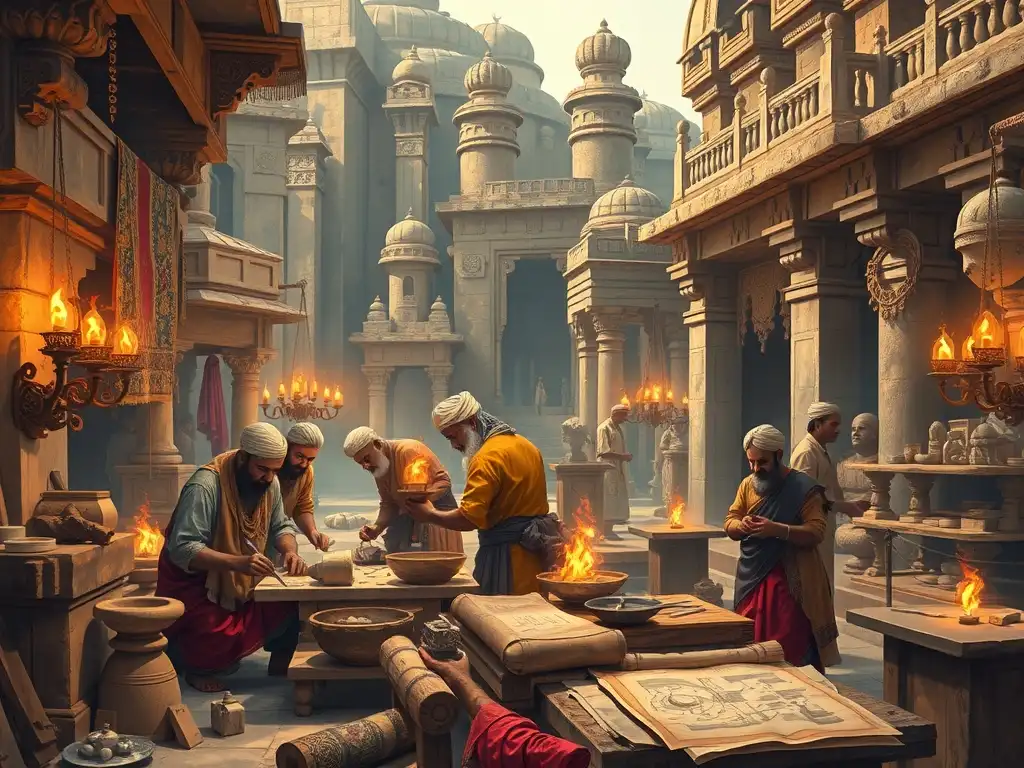
Recommended Books and Articles on Material Science in Ancient India
The study of Material Science in Ancient India, particularly during the Mauryan Era, reveals insightful knowledge about the technological advancements of the time. Below is a curated list of recommended books and articles that delve deeper into this fascinating subject:
- "Metallurgy in Ancient India" by D. P. Agrawal
- This book provides an extensive overview of ancient Indian metallurgy, detailing the techniques and materials used during different periods, including the Mauryan Era.
- "The Indus Valley Civilization: A Contemporary Perspective" by S. K. Sharma
- While focusing on the Indus Valley, this book also touches upon the continuities and innovations in material science that influenced later civilizations, including the Mauryans.
- "Ancient Indian Architecture and Sculpture" by R. S. Sharma
- A detailed exploration of the architectural innovations during the Mauryan period, emphasizing the materials and techniques employed.
- "Iron and Steel in Ancient India" by R. K. Sharma
- This article discusses the advancements in metallurgy during ancient times, highlighting the significance of iron and steel production in the Mauryan Empire.
- "The Science of Construction in Ancient India" by A. P. Singh
- A comprehensive study that explains the construction techniques and materials used in ancient India, particularly during the Mauryan Empire, and their impacts on architecture and society.
Online Resources for Exploring Mauryan Innovations in Construction and Art
The digital age has made it easier to access a wealth of information on Material Science in Ancient India. Here are some valuable online resources that can enhance your understanding of Mauryan innovations in construction and art:
- Digital Library of India
- This extensive digital repository houses a variety of texts and manuscripts related to ancient Indian history, including works on metallurgy and construction techniques.
- The Archaeological Survey of India (ASI) Website
- The ASI provides access to research papers, excavation reports, and resources specifically focused on the Mauryan period, highlighting material innovations and architectural achievements.
- Academia.edu
- A platform where scholars share their research. Search for papers on "Material Science in Ancient India" or "Mauryan Architecture" to find numerous research articles and studies.
- YouTube Channels
- Channels like "Ancient History Documentary" and "History with Hilbert" often feature documentaries and lectures focused on ancient Indian civilizations, including their technological advancements.
- Google Scholar
- Utilize this tool to find peer-reviewed articles on Material Science in Ancient India. Keywords like "Mauryan metallurgy" and "Ancient Indian construction techniques" can lead to valuable academic resources.
By exploring these books and online resources, readers can gain a deeper appreciation of the complexities and innovations in Material Science during the Mauryan Era, enriching their understanding of ancient Indian civilizations.
Frequently Asked Questions
What is the focus of the article "Material Science in the Mauryan Era"?
The article explores innovations in construction and art during the Mauryan Era, highlighting significant advancements in material science that influenced ancient Indian civilization.
How did material science contribute to construction in ancient India?
Material science played a crucial role in developing stronger building materials such as bricks and mortar, which enabled the construction of monumental structures, including temples and palaces.
What were some key materials used in the Mauryan Era?
During the Mauryan Era, materials like iron, stone, and wood were extensively used. Iron was particularly significant for tools and weaponry, showcasing advanced metallurgical techniques.
How did art and architecture reflect material science in this period?
Art and architecture of the Mauryan Era featured intricate designs and durable structures, reflecting the advanced techniques in material science that allowed for both aesthetic beauty and structural integrity.
Why is the study of material science in ancient India important today?
Understanding material science in ancient India provides insights into technological innovations that shaped civilization, influencing modern engineering, architecture, and cultural heritage preservation.
Final Reflection: The Enduring Legacy of Material Science in Ancient India
Material science in ancient India, particularly during the Mauryan era, showcases the remarkable ingenuity and innovation that shaped not only construction techniques but also artistic expression. Today, as we grapple with modern challenges in sustainability and technology, the lessons from this era remind us of the importance of integrating traditional knowledge with contemporary practices. The advancements made in material science during this time were not merely functional; they were a testament to human creativity and resilience.
Cultural and social landscapes have been profoundly influenced by the innovations of the Mauryan era. The techniques and materials developed during this time laid the groundwork for future generations, inspiring countless artisans and builders. As we explore the remnants of this period, we see how these innovations continue to resonate in our architectural and artistic endeavors. The past is not dead; it is living in us, and we are its heirs.
This quote encapsulates the essence of how the Mauryan contributions to material science are woven into the fabric of our cultural identity.
As we reflect on the significance of material science in ancient India, I invite you to consider how these historical innovations can inform our present and future. Let us draw inspiration from the past, embracing the wisdom of ancient practices while innovating for a sustainable tomorrow. Engage with your surroundings, explore local materials, and think creatively about how you can contribute to a legacy of innovation that honors both tradition and progress.
Unveil the Innovations of the Mauryan Era!
Thank you for exploring the fascinating world of material science during the Mauryan era with us! We hope this article has sparked your curiosity about ancient advancements in construction and art. Now, it's time to take your newfound knowledge further.
Here are some exciting ways to dive deeper into the subject and engage with the extraordinary legacy of the Mauryan period:
- Explore the materials used in Mauryan architecture—visit local museums to observe and analyze their incredible artifacts firsthand.
- Join a community discussion: Share what you've learned on social media or in forums dedicated to ancient history; your insights could enrich others’ understanding!
- Surprise yourself by researching how these ancient innovations influence modern construction techniques—there's a deeper connection than you might imagine!
As you reflect on the brilliance of the Mauryan era, consider this: What can we learn from ancient materials and techniques to shape our future innovations? We encourage you to share your thoughts!