
The Interplay of Power and Ethics in the Maurya Empire’s Governance

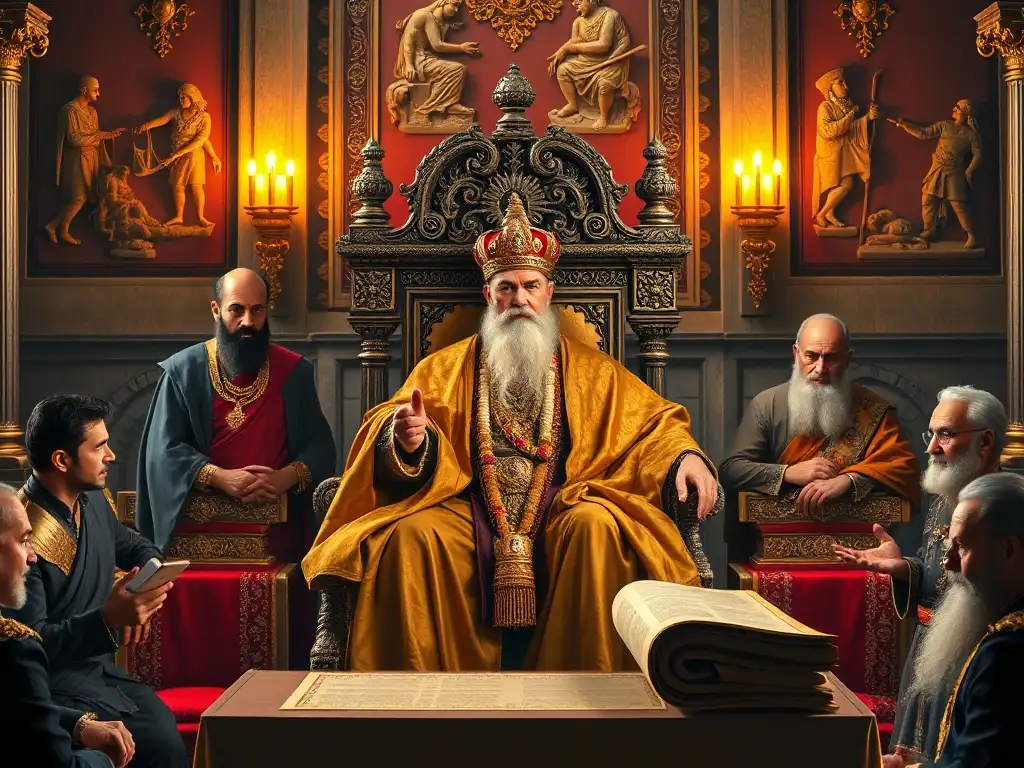
Welcome to Ancient India History, where we delve into the rich tapestry of ancient Indian civilizations. Journey with us as we uncover the profound contributions and diverse cultural heritage that shaped the subcontinent, from the enigmatic Indus Valley to the illustrious Gupta Empire. In our featured article, "The Interplay of Power and Ethics in the Maurya Empire’s Governance," we explore the fascinating dynamics of Maurya Empire governance ethics.
What principles guided one of history's most influential empires? Join us as we unravel the intricate relationship between power and ethical governance that defined this remarkable era, and prepare to ignite your curiosity!

Introduction to the Maurya Empire Governance
The Maurya Empire, one of the most significant and influential empires in ancient Indian history, stands as a testament to the complex interplay of power and ethics in governance. Established in 322 BCE, it thrived under the visionary leadership of its founder, Chandragupta Maurya, and reached its zenith during the reign of his grandson, Ashoka the Great.
The governance of the Maurya Empire was characterized by a sophisticated structure that combined administrative efficiency with ethical considerations, reflecting a unique approach to rule that has profound implications even today. Understanding the Maurya Empire governance ethics requires delving into the intricate balance between authority and moral responsibility that defined its administration.
Overview of the Maurya Empire
The Maurya Empire spanned a vast geographical area across the Indian subcontinent, encompassing diverse cultures and peoples. This empire was not only marked by its expansive territory but also by significant advancements in administration, economy, and culture. At its height, the Maurya Empire controlled most of the Indian subcontinent, stretching from the Himalayas in the north to the Deccan Plateau in the south. The capital, Pataliputra, became a hub of political and cultural activities, hosting scholars, traders, and diplomats.
Key features of the empire included:
- Centralized Administration: The Mauryan governance system was highly organized, with a centralized authority that streamlined decision-making processes.
- Economic Prosperity: The empire's extensive trade networks and agricultural reforms facilitated economic growth, benefiting the state and its citizens.
- Cultural Flourishing: The Maurya period saw the spread of art, architecture, and philosophy, with notable contributions such as the edicts of Ashoka that promoted moral governance.
Importance of Governance in Ancient Civilizations
Governance played a pivotal role in the development and sustainability of ancient civilizations. It served as the backbone of societal structure, influencing everything from law and order to economic prosperity and cultural identity. In the context of ancient Indian civilizations, effective governance was essential for:
- Maintaining Social Order: Proper governance ensured stability and justice, which were crucial for the coexistence of diverse communities.
- Promoting Economic Growth: A well-structured administration fostered trade and agriculture, leading to wealth accumulation and resource management.
- Cultural Integration: Governance facilitated the exchange of ideas and practices, enhancing cultural richness and cohesion.
Understanding the governance models of ancient empires like the Maurya provides valuable insights into the evolution of political thought and ethical considerations in leadership.
Defining Governance Ethics in the Context of the Maurya Empire
Governance ethics refers to the moral principles that guide the actions and decisions of leaders and officials within a governing body. In the context of the Maurya Empire, governance ethics can be understood through the following lenses:
- Moral Responsibility: Leaders were expected to act in the best interest of their subjects, ensuring justice and welfare.
- Rule of Law: The Mauryan administration emphasized adherence to laws that were fair and just, promoting equity among citizens.
- Public Welfare: Ashoka’s policies, particularly after his conversion to Buddhism, highlighted the importance of compassion and ethical governance, advocating for the welfare of all living beings.
The interplay of power and ethics was not merely a theoretical concept but a practical approach that influenced the Maurya Empire's longevity and prosperity.
Historical Context of the Maurya Empire
The Rise of the Maurya Empire
The Maurya Empire emerged in a period marked by political fragmentation and instability following the decline of the Persian Empire and the invasions of Alexander the Great. Chandragupta Maurya capitalized on this chaos, uniting various kingdoms and territories through a combination of military prowess and political acumen. His alliance with influential figures, such as the philosopher Chanakya, laid the groundwork for a powerful administration.
Key milestones in the rise of the Maurya Empire include:
- Consolidation of Power: Through strategic alliances and conquests, Chandragupta established a vast empire, marking the beginning of a new era in Indian history.
- Establishment of a Bureaucracy: The introduction of a structured bureaucracy allowed for efficient governance and resource management.
Key Figures in Maurya Governance
The Maurya Empire was shaped by several key figures whose contributions were instrumental in defining its governance. Notable among them are:
- Chandragupta Maurya: The founder of the empire, known for his military strategy and administrative reforms.
- Chanakya (Kautilya): The chief advisor to Chandragupta, whose treatise, the Arthashastra, outlines principles of governance, economics, and military tactics.
- Ashoka the Great: Chandragupta's grandson, whose reign marked a significant shift towards ethical governance, promoting non-violence and religious tolerance through his edicts.
These leaders not only shaped the political landscape of their time but also left a lasting legacy on the principles of governance that continue to resonate in contemporary discussions on ethics and leadership.
Principles of Governance in the Maurya Empire
The Maurya Empire, one of the largest and most powerful empires in ancient India, established a sophisticated system of governance that emphasized both centralized authority and ethical considerations. The principles of governance in this era were deeply rooted in the idea of Dharma, or righteousness, which guided the actions of rulers and officials alike. The emperor, seen as the ultimate authority, was expected to embody virtues such as justice, compassion, and wisdom, thus setting the ethical tone for the entire administration.
The governance structure was characterized by a well-defined hierarchy, where power was centralized under the emperor. This allowed for efficient decision-making and the implementation of policies across vast territories. However, with great power came great responsibility, and the ethical implications of decisions made at the top had far-reaching effects on the populace. The Mauryan rulers, particularly Ashoka, sought to balance their authoritative power with a commitment to moral governance, demonstrating a unique interplay between strength and ethics.
Centralized Power and Its Implications
Centralized power in the Maurya Empire was a defining feature of its governance model. The emperor wielded significant control over political, military, and economic affairs, enabling swift and decisive action. This concentration of power facilitated the unification of diverse regions under a single administrative framework, promoting stability and prosperity.
However, the implications of such centralization were complex. While it allowed for effective governance, it also created potential avenues for tyranny and abuse of authority. To mitigate these risks, the Mauryan rulers implemented checks and balances through a network of officials and advisors who were tasked with overseeing various administrative functions. This bureaucratic system was designed not only to support the emperor's rule but also to ensure that ethical standards were maintained throughout the governance process.
The Role of the Mauryan Bureaucracy
The Mauryan bureaucracy played a crucial role in the implementation of governance policies and ethical standards. At its core, the bureaucracy was structured into various departments, each responsible for specific functions such as taxation, law enforcement, and public welfare. This division of labor allowed for a more specialized approach to governance, enhancing both efficiency and accountability.
Officials, known as Amatyas, were appointed based on merit and expertise, which was intended to foster a sense of duty and ethical responsibility among those in power. The emphasis on ethical conduct was reinforced through training and adherence to the principles of Dharma, ensuring that bureaucrats remained committed to the welfare of the state and its citizens. This system not only facilitated effective administration but also helped maintain the ethical framework that underpinned Mauryan governance.
Legal Framework and Ethical Standards
The Maurya Empire established a comprehensive legal framework that sought to balance the exercise of power with ethical standards. This framework was largely influenced by the concept of Dharma, which provided a moral basis for laws and governance. Legal codes were designed to protect the rights of individuals while promoting social harmony and justice.
One of the notable features of the Mauryan legal system was its accessibility. Laws were made known to the public, and rulers often communicated directly with their subjects to ensure understanding and adherence. Additionally, the presence of local courts allowed for the resolution of disputes in a manner that was consistent with ethical considerations. By embedding ethical standards within the legal framework, the Maurya Empire aimed to create an environment where justice prevailed and power was wielded responsibly.
The Ethical Dimensions of Maurya Governance
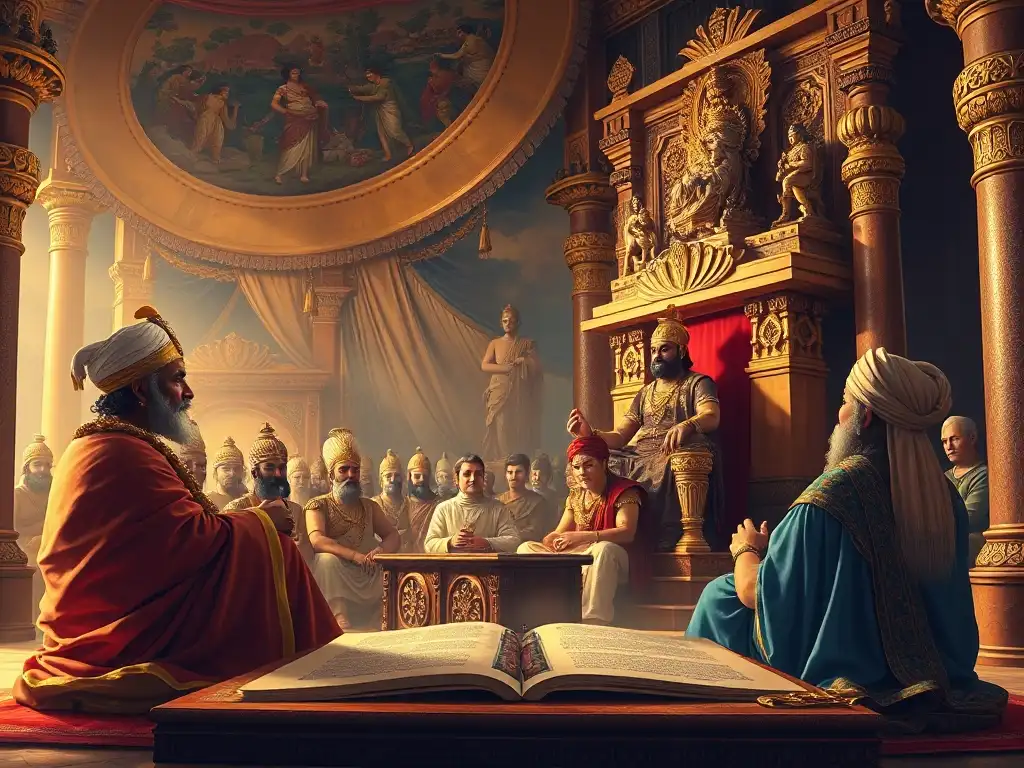
The ethical dimensions of governance in the Maurya Empire were essential to its political philosophy. The rulers recognized that power, if unchecked, could lead to corruption and tyranny. Therefore, they sought to cultivate an ethical approach to governance that emphasized moral responsibility alongside political authority.
Concepts of Dharma in Governance
The concept of Dharma was central to the Mauryan approach to governance. It encompassed not only the moral duties of rulers but also the responsibilities of citizens toward their community and state. Rulers were expected to uphold Dharma by enacting just laws, ensuring the welfare of their subjects, and promoting social equity.
This ethical framework was particularly evident during the reign of Emperor Ashoka, who famously adopted the principles of non-violence and compassion as part of his governance philosophy. Ashoka’s edicts, inscribed on pillars and rocks throughout the empire, served as a public reminder of the ethical responsibilities of both rulers and citizens, reinforcing the idea that governance should be rooted in moral values.
The Impact of Ethics on Political Decisions
Ethics had a profound impact on political decisions within the Maurya Empire. The interplay between power and ethics was evident in the way rulers approached governance, particularly in matters of war, justice, and social policy. Decisions were often influenced by ethical considerations, with rulers weighing the potential consequences of their actions on the well-being of their subjects.
For instance, Ashoka's decision to renounce violence after the Kalinga War was a pivotal moment that illustrated the ethical shift in his governance. This choice not only reflected personal moral beliefs but also set a precedent for future rulers, emphasizing the importance of ethical leadership in maintaining legitimacy and public support.
Balancing Power with Moral Responsibility
The Maurya Empire's governance model highlighted the necessity of balancing power with moral responsibility. Rulers recognized that their authority was not merely a right but a duty to serve the people ethically. This understanding fostered a culture of accountability and transparency, where officials were expected to act in the best interest of the state and its citizens.
In practice, this balance was achieved through various means, including consultation with wise advisors, adherence to ethical codes, and a commitment to public welfare. By aligning power with moral responsibility, the Maurya Empire set a benchmark for ethical governance that resonated throughout its administration and left a lasting legacy in the history of ancient Indian civilizations.
Case Studies in Maurya Governance Ethics
The governance of the Maurya Empire, particularly under leaders like Chandragupta Maurya and his grandson Ashoka, provides pivotal case studies in the interplay of power and ethics. These case studies reflect the complexities of maintaining authority while adhering to ethical standards. By examining specific actions and policies, we can gain insights into how the Mauryan rulers navigated the ethical landscape of governance, balancing the demands of power with the moral imperatives of leadership.
Ashoka’s Edicts: A Testament to Ethical Governance
Ashoka, the third Mauryan emperor, is renowned for his commitment to ethical governance, which he articulated through a series of edicts inscribed on pillars and rocks throughout his empire. These edicts emphasized principles such as non-violence (ahimsa), truthfulness, and compassion for all living beings. Ashoka's conversion to Buddhism after the Kalinga War marked a significant shift in his governance style, where he sought to promote dharma (moral law) as the foundation of his rule.
The edicts served not only as a moral guide for the emperor but also as a way to communicate ethical expectations to his subjects. By advocating for social welfare, respect for all religions, and humane treatment of prisoners, Ashoka’s edicts illustrated his vision for a just society. This approach showcased a unique model of governance where ethical considerations were paramount, influencing future rulers in the region.
The Role of Spies and Espionage: Ethics vs. Power
While Ashoka promoted ethical governance, the Maurya Empire also relied on a sophisticated system of spies and espionage, which raises questions about the ethical implications of such practices. The Arthashastra, attributed to Kautilya (Chanakya), outlines strategies for maintaining power, including the use of undercover agents to gather intelligence on enemies and even allies.
This reliance on espionage reflects the duality of governance in the Maurya Empire: while ethical principles were espoused publicly, the darker aspects of political maneuvering often conflicted with these ideals. The use of spies could be seen as necessary for maintaining order and security; however, it also facilitated corruption and manipulation, challenging the very ethical standards the rulers sought to uphold. The tension between the moral imperatives of governance and the pragmatic use of power illustrates the complexities faced by the Mauryan leaders.
Land Revenue Systems and Their Ethical Implications
The land revenue system in the Maurya Empire was another critical aspect of governance that had significant ethical implications. The empire implemented a structured taxation system, where land was the primary source of revenue. The collection methods varied, with some being fair and equitable, while others were exploitative, depending on the local administration's integrity.
Ethical governance in this context involved ensuring that tax burdens did not disproportionately affect the peasantry. Ashoka’s policies aimed to alleviate the hardships of farmers, promoting fair taxation and providing relief during famines. However, the challenges of corruption and mismanagement at local levels often undermined these ethical goals. The struggle to implement a just land revenue system demonstrates the ongoing conflict between power dynamics and ethical responsibilities within the Mauryan administration.
Challenges to Ethical Governance in the Maurya Empire
Despite the Maurya Empire's efforts to integrate ethical principles into governance, significant challenges persisted. The complexities of ruling a vast and diverse empire often led to ethical dilemmas that tested the integrity of its leaders.
Corruption and Abuse of Power
Corruption was a pervasive issue within the Maurya Empire, impacting the effectiveness of governance and the adherence to ethical standards. Local officials frequently exploited their power for personal gain, leading to widespread dissatisfaction among the populace. The disconnect between the emperor's ethical vision and the actions of corrupt officials created a significant challenge for maintaining moral authority.
Ashoka’s attempts to curb corruption involved appointing honest and capable officials, but the entrenched interests of corrupt practices proved difficult to eradicate. This struggle highlights the inherent challenges faced by leaders in balancing the exercise of power with the need for ethical governance, revealing the vulnerabilities within the Mauryan administrative framework.
Conflicts between Ethical Standards and Political Needs
The Maurya Empire often confronted conflicts between ethical standards and political necessities. Rulers were faced with choices that pitted their moral convictions against the demands of maintaining authority and stability. For instance, Ashoka's commitment to non-violence was tested during conflicts, such as the Kalinga War, which, while initially a military endeavor, later prompted a reevaluation of his approach to governance.
Such conflicts illustrate the complexities of ethical governance, where the pressures of realpolitik frequently challenged the implementation of ethical standards. Leaders had to navigate these tensions carefully, often making compromises that could undermine their ethical commitments.
The Response of Governance to Ethical Dilemmas
In response to the ethical dilemmas faced, the Maurya Empire developed mechanisms for addressing conflicts between power and ethics. The establishment of councils and advisory bodies allowed for more inclusive governance, enabling discussions about ethical practices and policies. Ashoka's edicts themselves served as a form of accountability, aligning the interests of the rulers with the ethical expectations of their subjects.
Moreover, the incorporation of ethical teachings from Buddhism and other philosophies into governance practices provided a moral framework for decision-making. While challenges remained, these responses reflected the Mauryan leadership's attempts to reconcile power with ethics, shaping the legacy of governance in ancient India.
Legacy of Maurya Governance Ethics

The governance ethics of the Maurya Empire, particularly under the reign of Ashoka the Great, left an indelible mark on the political landscape of India. Ashoka’s commitment to Dharma, or moral law, was revolutionary and emphasized the importance of ethical governance. He promoted values such as non-violence, compassion, and respect for all living beings, which were reflected in policies that aimed to improve the welfare of his subjects. The Edicts of Ashoka, inscribed on pillars and rocks throughout the empire, serve as a testament to his ethical governance, advocating for social justice and the moral responsibilities of rulers.
The Mauryan emphasis on ethical governance also set a precedent for future Indian administrations. The principles established during this period underscored the idea that rulers should prioritize the well-being of their citizens over mere power consolidation. By intertwining governance with ethics, the Maurya Empire established a legacy that resonated through subsequent dynasties, influencing their policies and approaches towards administration.
Influence on Subsequent Indian Empires
The ethical framework established during the Maurya Empire significantly influenced later Indian empires, including the Gupta Empire and the Chola dynasty. Rulers who followed Ashoka often sought to emulate his approach to governance, incorporating ethical considerations into their policies. For instance, the Gupta Empire, known for its advancements in arts and sciences, also upheld principles of justice and virtue derived from Mauryan practices.
Moreover, the Maurya legacy can be seen in the administration of the Mughal Empire, where emperors like Akbar adopted policies reflecting inclusivity and moral governance. Akbar’s Din-i Ilahi, which aimed to foster religious tolerance, echoes Ashoka’s commitment to Dharma and respect for diverse beliefs. Thus, the Maurya Empire's governance ethics served as a foundational model for ethical leadership that continued to evolve in Indian history.
The Long-term Impact on Indian Political Philosophy
The Maurya Empire’s governance ethics contributed significantly to the development of Indian political philosophy. The integration of moral values into governance prompted thinkers and leaders throughout the ages to consider the ethical implications of political power. Philosophers such as Chanakya (Kautilya), who served in the Maurya court, emphasized the importance of a ruler's ethical duties. His work, the Arthashastra, while pragmatic and sometimes ruthless, acknowledged that effective governance must also include ethical considerations.
Over the centuries, the dialogue around governance ethics evolved, influencing various schools of thought in Indian philosophy. Concepts of Dharma, justice, and the moral responsibilities of rulers became central themes in later texts and discussions on governance, shaping the political ethos of India and informing the ethical frameworks of modern governance.
Lessons from the Maurya Empire for Modern Governance
The governance ethics of the Maurya Empire offer valuable lessons for contemporary governance. The emphasis on ethical leadership and the welfare of citizens resonates in today’s discussions on governance. Modern leaders can draw inspiration from Ashoka's policies, which prioritized social justice and the moral obligations of rulers.
Additionally, the Mauryan approach highlights the importance of transparency and accountability in governance. By promoting ethical governance, leaders can foster public trust and ensure that power is wielded responsibly. The lessons learned from the Maurya Empire encourage current and future leaders to incorporate ethics into their decision-making processes, ultimately leading to more equitable and just societies.
Conclusion
Summary of Key Insights on Maurya Empire Governance Ethics
The Maurya Empire’s governance ethics were characterized by a profound commitment to moral leadership and the well-being of citizens. Ashoka’s approach to governance, rooted in the principles of Dharma, set a powerful precedent for ethical administration that influenced subsequent Indian empires and shaped the political philosophy of the region. The legacy of the Maurya Empire serves as a reminder of the importance of intertwining ethics with governance, emphasizing that true leadership goes beyond the mere exercise of power.
The Continuing Relevance of Power and Ethics in Governance Today
The interplay of power and ethics in governance remains relevant in today’s world. As societies grapple with issues of corruption, inequality, and governance failures, the lessons from the Maurya Empire urge modern leaders to prioritize ethical considerations in their governance strategies. The enduring emphasis on moral responsibility and the welfare of citizens offers a framework for addressing contemporary challenges, ensuring that power is exercised with integrity and in the service of the public good. The Maurya Empire’s legacy thus continues to inspire thoughtful discourse on the ethical dimensions of governance in the modern era.
References
The governance of the Maurya Empire is a subject rich with historical documentation and scholarly interpretations. Several primary and secondary sources provide insights into the administrative practices, ethical considerations, and political philosophy that characterized this period. Here are some notable references:
Notable Texts on Maurya Empire Governance
-
Arthashastra by Kautilya (Chanakya)
This ancient Indian treatise on statecraft and military strategy provides a comprehensive guide to governance, economics, and politics during the Maurya Empire. Kautilya's insights into power dynamics and ethical governance remain influential.
-
Indica by Megasthenes
Written by the Greek ambassador to the Maurya court, this work offers a unique perspective on the political and social organization of the empire. Megasthenes’ observations highlight the ethical dimensions of governance as perceived by foreign observers.
-
The Mauryas: A Study of Ancient India
This scholarly book delves into the administration and social structure of the Maurya Empire, analyzing the ethical frameworks that guided its rulers. It provides a detailed examination of governance practices and their implications for contemporary society.
-
A History of Ancient India by Romila Thapar
Thapar’s work offers a comprehensive overview of ancient Indian history, including the Maurya Empire. It explores the relationship between power and ethics in governance, shedding light on the moral dilemmas faced by rulers.
-
The Arthashastra: A New Translation by L. N. Sharma
This translation of Kautilya's text includes commentary that contextualizes the ethical considerations within the framework of governance during the Maurya period. It highlights how ethics influenced statecraft.
Further Reading on Ethics in Ancient Indian Civilizations
-
Ethics in Ancient India: A Philosophical Inquiry
This book explores the ethical philosophies that emerged during various Indian civilizations, including the Maurya Empire. It discusses how these philosophies shaped governance and societal norms.
-
The Concept of Dharma in Ancient Indian Thought
This text examines the principle of Dharma (moral duty) within the context of governance. It discusses how ethical considerations influenced rulers’ decisions and policies in ancient India, particularly during the Maurya Empire.
-
Moral and Ethical Dimensions of Power in Ancient Indian Literature
This scholarly article analyzes various ancient texts to uncover the ethical dilemmas faced by leaders in ancient India. It draws connections between literature and governance practices during the Maurya Empire.
-
Ethics and Governance in Ancient India: A Comparative Study
This comparative analysis looks at the ethical frameworks of governance across different ancient Indian empires, including the Maurya Empire. It highlights the interplay between ethics and statecraft.
-
The Influence of Jainism and Buddhism on Mauryan Ethics
This research paper discusses how the moral teachings of Jainism and Buddhism influenced the ethical landscape of the Maurya Empire, shaping its governance and administrative practices.
By examining these texts and studies, readers can gain a deeper understanding of how power and ethics were interwoven in the governance of the Maurya Empire, and how these principles influenced the broader context of ancient Indian civilizations.
- Introduction to the Maurya Empire Governance
- Historical Context of the Maurya Empire
- Principles of Governance in the Maurya Empire
- The Ethical Dimensions of Maurya Governance
- Case Studies in Maurya Governance Ethics
- Challenges to Ethical Governance in the Maurya Empire
- Legacy of Maurya Governance Ethics
- Conclusion
- References
- What was the governance structure of the Maurya Empire?
- How did ethics influence the Maurya Empire's governance?
- What were the key contributions of the Maurya Empire to governance ethics?
- How did the Maurya Empire's ethics relate to its military strategies?
- Why is the study of Maurya Empire governance ethics important today?
Frequently Asked Questions
What was the governance structure of the Maurya Empire?
The Maurya Empire had a well-defined governance structure with a centralized administrative system that included various levels of officials to ensure effective control and management.
How did ethics influence the Maurya Empire's governance?
Ethics played a crucial role in the Maurya Empire's governance, as rulers like Ashoka emphasized moral values and dharma to promote peace and welfare among their subjects.
What were the key contributions of the Maurya Empire to governance ethics?
The Maurya Empire is known for its innovative policies that integrated ethical principles in administration, including the promotion of tolerance and justice as part of governance.
How did the Maurya Empire's ethics relate to its military strategies?
The Maurya Empire's ethics often dictated its military strategies, as leaders like Ashoka advocated for non-violence and sought to limit warfare, promoting instead the expansion of peace.
Why is the study of Maurya Empire governance ethics important today?
Studying Maurya Empire governance ethics provides insights into how ancient civilizations addressed issues of power, morality, and justice, which remain relevant in contemporary discussions on leadership and governance.
Final Reflection: The Enduring Legacy of Maurya Empire Governance Ethics
The exploration of governance ethics within the Maurya Empire reveals profound insights that resonate with contemporary society. In an age where power dynamics continue to shape our political landscapes, understanding how the Maurya Empire balanced authority and ethical governance offers invaluable lessons. The principles established during this era challenge us to reconsider our own systems and the ethical implications of leadership today.
Clearly, the Maurya Empire's governance ethics have left an indelible mark on the cultural and social fabric of subsequent societies. The emphasis on moral leadership and the welfare of the populace serves as a reminder of the responsibilities that come with power. As we navigate our own complex political environments, we can draw inspiration from the words of Chanakya, who stated, There is some self-interest behind every friendship. There is no friendship without self-interests.
This quote underscores the intricate relationship between power and ethics, prompting us to reflect on our motivations and the impact of our decisions on the greater good.
As we conclude this exploration, I invite you to reflect on the lessons of the Maurya Empire and consider how they can be applied in your own life. How can you embody ethical leadership in your personal and professional spheres? The legacy of the Maurya Empire serves as a powerful reminder that governance, whether in ancient times or today, is not merely about wielding power but about uplifting those we serve. Let us strive to cultivate a sense of responsibility and integrity in our actions, ensuring that we honor the ethical foundations laid by those who came before us.
Unveil the Lessons of Power and Ethics!
Thank you for exploring the intriguing dynamics of governance in the Maurya Empire! You’ve discovered how power and ethics shaped a remarkable era in history, and now it’s time to apply that knowledge in meaningful ways.
Here are a few steps you can take to delve deeper and forge significant connections:
- Engage with your community: Join our forum on ancient governance to share your insights and discuss how the principles from the Maurya Empire can be relevant today.
- Research further: Select a notable ruler from the Maurya era and examine their ethical decisions—analyze how these choices impacted their leadership style, and reflect on how those lessons resonate in contemporary leadership.
- Spread the knowledge: Share this article with friends or on social media to encourage discussions about the ongoing relationship between power and ethics throughout history.
As you reflect on these ideas, consider this: In what ways can the ethical governance practices of the Maurya Empire enhance our understanding of modern political leadership?