
The Indus Valley Civilization's Influence on Modern Technology: A Legacy of Innovation

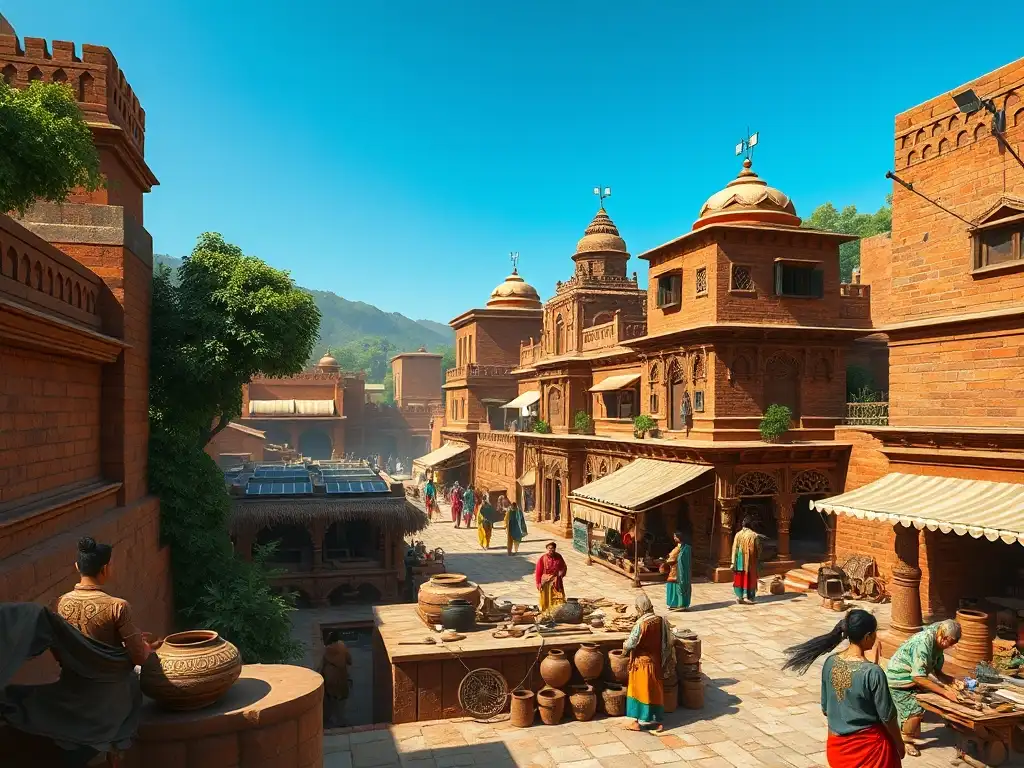
Welcome to Ancient India History, where we embark on a fascinating journey through the rich tapestry of ancient Indian civilizations. Dive into the remarkable world of the Indus Valley Civilization, a society that not only thrived thousands of years ago but also laid the groundwork for modern technological advancements.
In our featured article, “The Indus Valley Civilization's Influence on Modern Technology: A Legacy of Innovation,” we unravel how this ancient culture's ingenuity continues to resonate today. Prepare to be captivated as we explore the intricate connections between the past and the present, igniting your curiosity about the profound legacies that shaped our world.
Introduction to the Indus Valley Civilization
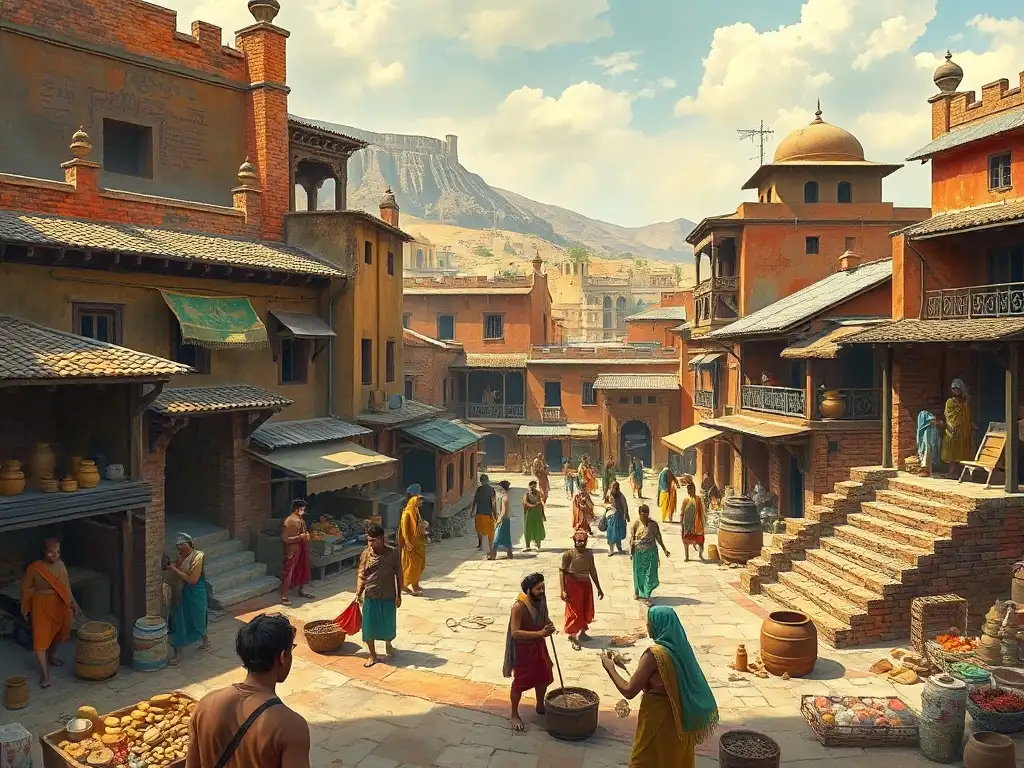
The Indus Valley Civilization (IVC), flourishing between 3300 BCE and 1300 BCE, stands as one of the most remarkable and advanced ancient civilizations. Spanning across parts of modern-day Pakistan and northwest India, the IVC is renowned for its sophisticated urban planning, innovative technologies, and extensive trade networks. As we delve into the influence of Indus Valley civilization technology on modern advancements, it becomes evident that their legacy of innovation has shaped various aspects of contemporary society. By exploring their groundbreaking contributions, we gain insight into how ancient practices have laid the groundwork for modern technological developments.
Overview of the Indus Valley Civilization
The Indus Valley Civilization was one of the world's earliest urban cultures, characterized by well-planned cities such as Harappa and Mohenjo-Daro. Features such as grid-patterned streets, advanced drainage systems, and standardized weights and measures reflect a high degree of organization and sophistication. The civilization is estimated to have supported millions of inhabitants, showcasing a complex society that included artisans, traders, and farmers. Their writing system, although still undeciphered, further indicates a rich cultural and intellectual life.
Significance of Technology in Ancient India
Technology played a pivotal role in shaping the daily lives and societal structures of ancient Indian civilizations. The innovations of the Indus Valley Civilization not only contributed to their economic prosperity but also laid the foundation for future advancements in various fields. The emphasis on sustainability, efficiency, and innovation in IVC technologies offers valuable lessons for contemporary society, especially in the context of environmental challenges and urban planning. Understanding the technological prowess of the Indus Valley helps us appreciate how ancient practices continue to influence modern methodologies and approaches.
Key Technological Innovations of the Indus Valley Civilization
The Indus Valley Civilization was marked by several key technological innovations that have had a lasting impact on various domains, including urban development, agriculture, and trade.
Urban Planning and Infrastructure
One of the most significant achievements of the Indus Valley Civilization was its urban planning. Cities were meticulously designed with:
- Grid layouts: Streets were laid out in a grid pattern, which improved traffic flow and organization.
- Public buildings: Structures such as granaries, baths, and warehouses were constructed to serve communal needs.
- Drainage systems: Advanced drainage systems ensured sanitation and hygiene, setting standards for future urban developments.
These urban planning techniques demonstrated a remarkable understanding of architectural principles and civil engineering, influencing modern urban development strategies.
Water Management Systems
The Indus Valley Civilization excelled in water management, crucial for sustaining agriculture and urban life. Key features included:
- Well systems: Almost every house had access to a well, emphasizing the importance of water supply.
- Drainage networks: Complex drainage systems channeled water away from streets and homes, showcasing advanced engineering skills.
- Irrigation techniques: The use of canals and irrigation helped support agricultural productivity, which was vital for the civilization's economy.
These water management systems laid the groundwork for modern hydraulic engineering and sustainable water resource management.
Metallurgy and Tools
The metallurgical advancements of the Indus Valley Civilization were significant in their time, introducing various innovations:
- Copper and bronze tools: The production of tools and weapons from copper and bronze enhanced agricultural and military capabilities.
- Standardized weights and measures: The development of standardized weights facilitated trade and commerce, leading to economic growth.
- Jewelry and art: Skilled craftsmanship in metallurgy resulted in intricate jewelry and decorative items, reflecting the civilization's artistic achievements.
These metallurgical practices influenced subsequent cultures and continue to be relevant in modern manufacturing techniques.
Trade and Transportation Technologies
Trade and transportation played a vital role in the prosperity of the Indus Valley Civilization, characterized by:
- Trade networks: Extensive trade routes connected the IVC with distant regions, including Mesopotamia and Persia, facilitating the exchange of goods and ideas.
- Transport vehicles: The use of carts and boats improved the movement of goods and people, enhancing commerce.
- Standardized measurements: The implementation of standardized measurements promoted fairness and efficiency in trade practices.
The trade and transportation technologies developed during this era have had a lasting impact, shaping modern economic systems and trade practices.
By examining the technological innovations of the Indus Valley Civilization, we gain a deeper appreciation of their contributions to modern technology. Their legacy of innovation continues to inspire and inform contemporary practices in urban planning, water management, metallurgy, and trade.
The Influence of Indus Valley Civilization Technology on Modern Innovations
The Indus Valley Civilization (IVC), thriving between 3300 BCE and 1300 BCE, is renowned for its remarkable technological advancements that laid the groundwork for various aspects of modern innovation. The ingenuity of the IVC can still be seen in contemporary practices, reflecting a legacy that continues to influence urbanization, water management, metallurgy, trade, and much more. By examining these areas, we can appreciate how the innovations of the past resonate in today’s technological landscape.
Urban Planning: Lessons for Contemporary Cities
The urban planning of the Indus Valley Civilization is considered one of the most sophisticated of its time. Cities like Mohenjo-Daro and Harappa were meticulously laid out in a grid pattern, featuring streets that intersected at right angles. This foresight facilitated efficient movement and resource distribution, setting a precedent for modern city planning.
- Drainage Systems: The advanced drainage systems of the IVC, with covered drains and soak pits, exemplify early public health efforts. These systems inspired modern sanitation engineering, showcasing the importance of hygiene in urban development.
- Zoning Laws: The separation of residential, commercial, and industrial areas in IVC cities is reflected in today’s urban zoning laws, emphasizing organized development that caters to various needs without compromising efficiency or safety.
The lessons learned from the urban planning of the Indus Valley continue to influence contemporary architectural practices and city management strategies worldwide.
Water Conservation Techniques in Today's Context
The Indus Valley Civilization was adept at managing water resources, crucial for their agricultural success. Techniques such as rainwater harvesting and the construction of reservoirs demonstrate an early understanding of sustainable water use.
- Rainwater Harvesting: The ancient methods of collecting and storing rainwater are echoed in modern practices aimed at combating water scarcity in urban areas. Cities today are increasingly adopting similar strategies to ensure a sustainable supply of freshwater, inspired by the IVC's legacy.
- Irrigation Systems: The advanced irrigation techniques employed by the IVC, including the use of canals and wells, laid the groundwork for modern agricultural practices. This historical knowledge informs current methods of efficient water usage in farming, especially in arid regions.
By revisiting these ancient water conservation techniques, modern societies can address contemporary challenges related to water scarcity and sustainability.
Advances in Metallurgy Inspired by Ancient Practices
The metallurgical skills of the Indus Valley Civilization were highly developed, particularly in the production of bronze and copper tools. These advancements not only facilitated agricultural productivity but also influenced various industries.
- Alloy Development: The IVC’s ability to create alloys, such as bronze, paved the way for later advancements in metallurgy. Modern metallurgical practices still rely on principles established during this era, including the significance of alloy composition in enhancing material properties.
- Tool Production: The production of specialized tools for agriculture, crafts, and warfare set a benchmark for future civilizations. Today’s manufacturing techniques can trace their roots back to these early innovations, showcasing how ancient practices shaped contemporary industrial processes.
Aspects of IVC metallurgy continue to inform and inspire modern technological advancements, emphasizing the interconnectedness of historical innovation and current practices.
Trade Practices that Shaped Modern Economic Systems
The Indus Valley Civilization was a hub of trade, with extensive networks connecting them to other ancient cultures. Their sophisticated trade practices laid the foundation for modern economic systems.
- Standardized Weights and Measures: The use of standardized weights and measures by the IVC facilitated fair trade and commerce, a principle that remains essential in today’s global economy. This practice underscores the importance of regulation in economic transactions, ensuring equitable trade.
- Long-Distance Trade: The IVC engaged in long-distance trade with regions such as Mesopotamia, underscoring the significance of trade routes. Modern economic systems owe much to these early trade practices, as they established frameworks for economic interaction that continue to evolve today.
The trade innovations of the Indus Valley Civilization serve as a reminder of the importance of commerce in fostering cultural exchange and economic development.
Comparative Analysis: Indus Valley Civilization vs. Other Ancient Civilizations
To fully appreciate the technological advancements of the Indus Valley Civilization, it is beneficial to compare them with other ancient civilizations. This comparative analysis highlights both unique contributions and common themes in technological progress.
Technological Innovations of Mesopotamia
Mesopotamia, often referred to as the cradle of civilization, was home to significant innovations such as the wheel, cuneiform writing, and advanced irrigation systems. While the IVC excelled in urban planning and water conservation, Mesopotamia’s contributions to transportation and record-keeping were equally vital.
- Writing Systems: The development of cuneiform in Mesopotamia enabled the recording of trade and laws, a concept that influenced the administrative practices of the IVC, where seals were used for trade and identification.
- Agricultural Techniques: Mesopotamian irrigation methods influenced the agricultural practices of the IVC, showcasing a shared understanding of resource management that underscores the importance of innovation in sustaining civilization.
Advances in Ancient Egypt
Ancient Egypt is celebrated for its monumental architecture, including the pyramids, and its advances in medicine and mathematics. The IVC’s focus on urban infrastructure and sanitation complements the Egyptian achievements in building and administration.
- Mathematical Development: The Egyptians developed a decimal system that influenced the IVC's own numeric practices. The shared advancements in mathematics were essential for trade and architectural design in both civilizations.
- Public Health: Like the IVC, ancient Egyptians placed emphasis on public health, with practices such as mummification leading to an understanding of human anatomy that paralleled the IVC’s concerns for hygiene and sanitation.
Influence of Chinese Innovations
The technological innovations of ancient China, such as papermaking, printing, and the compass, present another fascinating comparison. While the IVC focused on urban infrastructure and trade, China made strides in communication and navigation.
- Navigation Techniques: The use of compasses and advanced navigation methods in ancient China highlights the importance of exploration and trade, much like the IVC’s trade networks. Both civilizations recognized the necessity of connecting with others to foster economic growth.
- Agricultural Innovations: Chinese agricultural practices, including the use of rice paddies, echo the IVC's innovations in crop management. The exchange of ideas across cultures can be seen in the evolution of agricultural techniques throughout history.
The Indus Valley Civilization's technology has been foundational in shaping modern innovations, and its comparisons with other ancient civilizations reveal a rich tapestry of shared knowledge and advancements that continue to influence our world today.
Legacy of the Indus Valley Civilization in Modern Science and Technology
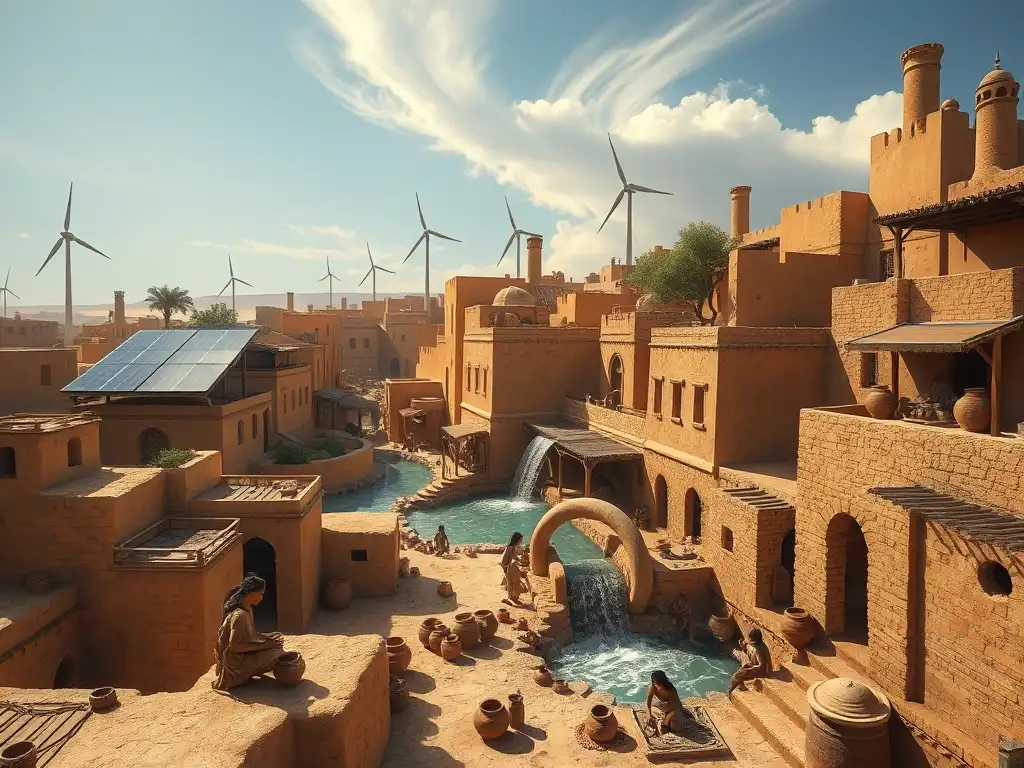
The Indus Valley Civilization (IVC), flourishing around 2500 BCE, is renowned for its sophisticated urban planning, advanced drainage systems, and innovative agricultural techniques. The legacy of IVC technology extends far beyond its time, influencing modern science and technology in various ways. From urban infrastructure to agricultural practices, many contemporary systems can trace their roots back to the ingenious methods developed by the people of the Indus Valley. Their emphasis on sustainability, resource management, and engineering prowess continues to inspire modern innovations across multiple disciplines.
Preservation of Historical Knowledge in Technology
The preservation of ancient knowledge has been pivotal in shaping modern technological advancements. Techniques from the IVC, particularly in metallurgy, pottery, and urban design, have been meticulously documented through archaeological findings. These discoveries provide invaluable insights into how ancient societies utilized resources and addressed challenges in their environments. For instance, the sophisticated drainage systems of Harappa and Mohenjo-Daro illustrate early engineering principles that inform contemporary civil engineering practices. Additionally, the preservation of artifacts, such as seals and weights, showcases the IVC's trade practices and economic systems, which are essential for understanding the evolution of commerce and industry.
Modern Applications of Ancient Techniques
Ancient techniques from the IVC are not merely historical curiosities; they have found modern applications that address current challenges. The principles of sustainable agriculture, as evidenced by the ancient practice of crop rotation and irrigation, are being revisited in the context of modern environmental conservation. For example, the IVC's use of local materials for construction has inspired modern sustainable architecture that prioritizes eco-friendly building practices. Furthermore, the community-centered approach to urban planning seen in IVC cities serves as a model for contemporary urban development, emphasizing green spaces and efficient public utilities.
The Role of Archaeological Discoveries in Understanding Technology
Archaeological discoveries play a crucial role in uncovering the technological prowess of the Indus Valley Civilization. Excavations have revealed an array of tools, pottery, and architectural designs that highlight the advanced nature of IVC society. The study of these artifacts allows researchers to piece together the technological advancements of the time, such as their knowledge of metallurgy and textile production.
Significant finds, such as the beaded jewelry and standardized weights, illustrate the sophistication of trade and crafts, providing a clearer picture of how technology was integrated into daily life. This ongoing research not only enhances our understanding of the IVC but also informs modern technological practices and innovations.
Conclusion: The Lasting Impact of Indus Valley Civilization Technology
The technological innovations of the Indus Valley Civilization have left an indelible mark on modern science and technology. By analyzing their methods and inventions, we can appreciate the foundational role that ancient societies played in shaping contemporary practices. The legacy of the IVC serves as a reminder of the value of historical knowledge in informing current technological advancements.
Reflection on the Importance of Ancient Innovations
Reflecting on the importance of ancient innovations reveals the timeless relevance of the Indus Valley Civilization's contributions. Their emphasis on sustainability, community, and ingenuity resonates with today’s focus on environmentally conscious technology and urban development. Understanding these innovations encourages a holistic view of technology, emphasizing that progress is often built upon the foundations laid by our ancestors.
Future Implications for Technology Inspired by the Past
As we look to the future, the implications of IVC technology remain significant. The lessons learned from ancient practices can guide modern innovations in sustainable living, resource management, and urban planning. By drawing inspiration from the IVC, contemporary engineers and scientists can develop technologies that are not only effective but also respectful of the environment. The study of ancient technologies thus serves as a crucial bridge between the past and the future, offering pathways for innovative solutions grounded in historical wisdom.
Further Reading and Resources on Indus Valley Civilization
The exploration of the Indus Valley Civilization (IVC) opens a window to understanding one of the world's earliest urban cultures, renowned for its innovations in technology and urban planning. To gain deeper insights into this fascinating civilization, a variety of resources are available. Below are some recommended books, articles, and online resources that focus on the IVC's technological influence and legacy.
Recommended Books and Articles
-
"The Indus Civilization: A Contemporary Perspective" by J. M. Kenoyer
This book presents a comprehensive overview of the Indus Valley Civilization, focusing on its urban planning, craftsmanship, and technological advancements. Kenoyer's work is pivotal for understanding how these innovations laid the groundwork for future technologies.
-
"Ancient Cities of the Indus Valley Civilization" by Jonathan Mark Kenoyer
This detailed study delves into the archaeological discoveries of the Indus cities, highlighting their advanced drainage systems, architecture, and urban organization. The insights provided are critical for anyone interested in the technology that emerged from this civilization.
-
"The Archaeology of the Indus Valley Civilization" by Rita Lucarelli
Lucarelli's book offers a thorough examination of the archaeological evidence surrounding the IVC, including artifacts that illustrate the technological prowess of its people.
-
"Indus Valley Civilization: A History of Innovation" (Journal Article)
This journal article analyzes specific technological achievements, such as the use of standardized weights and measures, and their impact on trade and economy, showcasing the IVC's lasting influence on modern practices.
-
Online Academic Journals
Journals such as the Journal of South Asian Studies and Antiquity often publish articles focused on the IVC, providing current research findings and discussions regarding its technological influence.
Online Resources and Documentaries
-
The British Museum's Online Exhibition
The British Museum features an extensive online collection and exhibition dedicated to the Indus Valley Civilization, including virtual tours that showcase artifacts and their technological significance.
-
National Geographic Documentaries
National Geographic has produced several documentaries that explore the Indus Valley Civilization, providing visual insights into its cities, technologies, and cultural practices. These documentaries often highlight the innovations that emerged from the IVC.
-
YouTube Channels
Channels like "History Time" and "The Ancient History Guy" have dedicated episodes discussing the Indus Valley Civilization. These videos often break down complex topics into easily digestible segments, making it accessible for a wider audience.
-
Online Courses
Platforms like Coursera and edX offer courses on ancient civilizations, including the Indus Valley, which cover their technological advancements. These courses often feature lectures from renowned historians and archaeologists.
-
Podcasts
Several history-focused podcasts explore the Indus Valley Civilization, offering discussions on its innovations and influence on modern technology. Recommended podcasts include "The History of India" and "The History of Ancient India."
These resources provide a robust foundation for anyone looking to understand the technological innovations of the Indus Valley Civilization and their lasting impact on modern society.
- Introduction to the Indus Valley Civilization
- Key Technological Innovations of the Indus Valley Civilization
- The Influence of Indus Valley Civilization Technology on Modern Innovations
- Comparative Analysis: Indus Valley Civilization vs. Other Ancient Civilizations
- Legacy of the Indus Valley Civilization in Modern Science and Technology
- Conclusion: The Lasting Impact of Indus Valley Civilization Technology
- Further Reading and Resources on Indus Valley Civilization
- What was the Indus Valley Civilization known for?
- How did the Indus Valley Civilization influence modern technology?
- What were some key technologies developed in the Indus Valley?
- How did trade contribute to the technological development in the Indus Valley?
- What is the legacy of the Indus Valley Civilization in today's technology?
Frequently Asked Questions
What was the Indus Valley Civilization known for?
The Indus Valley Civilization was known for its advanced urban planning, intricate drainage systems, and the use of standardized weights and measures, showcasing their technological skills.
How did the Indus Valley Civilization influence modern technology?
The technological advancements of the Indus Valley Civilization, such as urban infrastructure and metallurgy, laid foundational principles that continue to influence modern engineering and architectural practices.
What were some key technologies developed in the Indus Valley?
Key technologies included brick-making, water management systems, and the creation of seals, which demonstrated their innovation in trade and communication.
How did trade contribute to the technological development in the Indus Valley?
Trade with neighboring regions facilitated the exchange of ideas and materials, enhancing their technological capabilities and allowing for the adaptation of new techniques.
What is the legacy of the Indus Valley Civilization in today's technology?
The legacy of the Indus Valley Civilization can be seen in modern urban design, public health engineering, and sustainable practices, proving that their innovations have had a lasting impact.
Final Reflection: The Enduring Legacy of Indus Valley Civilization Technology
The influence of the Indus Valley Civilization on modern technology is not just a historical footnote; it is a testament to the ingenuity and foresight of our ancestors. As we navigate an increasingly complex technological landscape, understanding the roots of our innovations can provide invaluable insights into how we can shape a sustainable and advanced future. The remarkable engineering, urban planning, and agricultural practices of the Indus Valley Civilization remind us that innovation is a continuous journey, not merely a series of isolated events.
Cultural and social landscapes are often shaped by the innovations of the past, and the Indus Valley Civilization stands as a beacon of this truth. From their sophisticated drainage systems to their standardized weights and measures, the legacy of the Indus Valley continues to resonate in our daily lives. Innovation is the ability to see change as an opportunity – not a threat.
This quote encapsulates the spirit of the Indus Valley, whose forward-thinking approach laid the groundwork for many modern technologies we take for granted today. Their ability to adapt and innovate in response to their environment serves as a powerful reminder of the potential within us all to effect change.
As we reflect on the lessons from the Indus Valley Civilization, I invite you to consider how you can harness the spirit of innovation in your own life. What opportunities for growth and improvement can you identify in your surroundings? Embrace the legacy of the past as a source of inspiration, and let it guide you in your quest for progress. By recognizing the interconnectedness of history and modernity, we can foster a culture of innovation that honors our roots while boldly stepping into the future.
Unleash the Power of Ancient Innovation Today!
Thank you for diving into the fascinating world of the Indus Valley Civilization and its remarkable contributions to modern technology! We hope you’ve gained valuable insights that inspire curiosity about how ancient wisdom continues to shape our lives today. Now it’s time to take that inspiration and put it into action!
- Explore your local library or online archives to discover more about the ways in which ancient innovations influence contemporary technology.
- Share this article with friends and family to spark intriguing discussions about the relevance of history in today’s technological landscape.
- Join a community or forum dedicated to historical innovations, where you can connect with like-minded individuals and deepen your understanding.
How can you apply insights from ancient practices to address a modern-day challenge in your life? We invite you to share your thoughts below!