
The Role of Language and Literature in Ancient India's Cultural Exchanges

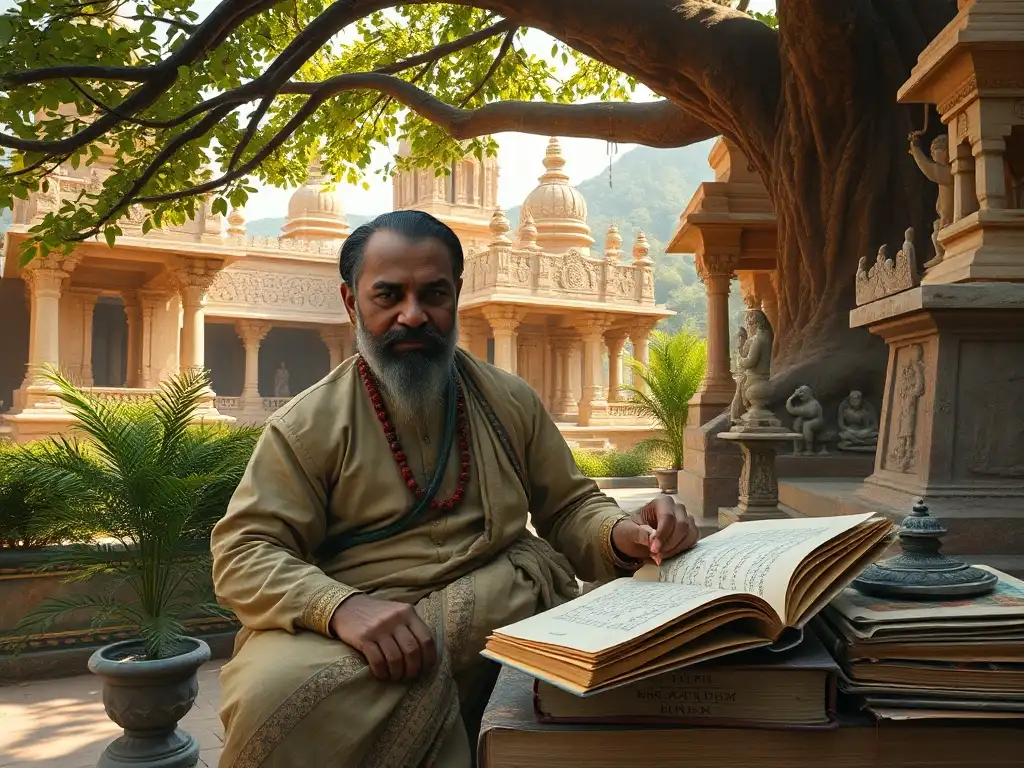
Welcome to Ancient India History, where we embark on an enlightening journey through the vibrant tapestry of ancient Indian civilizations. Dive deep into the fascinating world of ancient Indian language and literature, a powerful medium that shaped cultural exchanges and influenced societies across time and space. Discover how the eloquent verses and rich narratives of this remarkable era not only reflect the ethos of their time but also fostered connections that transcended borders.
Join us as we unravel the intricate stories behind the texts that defined a civilization and continue to resonate today. Your exploration begins here—are you ready to uncover the profound impacts of language and literature in ancient India?
Introduction to Ancient Indian Language and Literature
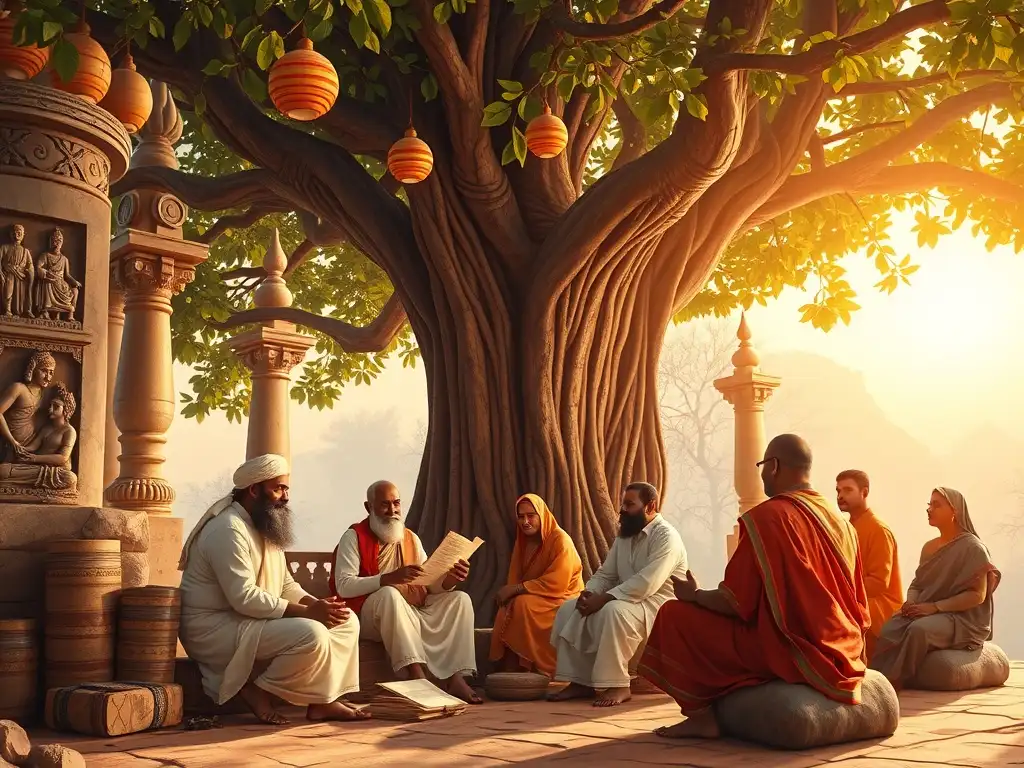
The intricate tapestry of ancient Indian history is woven with the threads of language and literature, which played a pivotal role in shaping cultural exchanges across the subcontinent and beyond. From the early scripts of the Indus Valley civilization to the diverse dialects that emerged throughout the ages, ancient Indian languages acted as a conduit for ideas, philosophies, and narratives that transcended geographical boundaries. This article delves into the significance of ancient Indian language and literature, exploring how they facilitated interactions with neighboring civilizations and contributed to the rich cultural heritage that continues to influence societies today.
Importance of Language in Ancient Indian Civilization
Language was not merely a means of communication in ancient India; it was a profound vessel for culture, religion, and social identity. The Sanskrit language, for instance, emerged as a prominent medium for religious texts, epic poetry, and philosophical discourses. Its influence extended beyond India, shaping the linguistic frameworks of several Southeast Asian cultures.
- Key Functions of Language:
- Cultural Transmission: Language served as a primary tool for passing down traditions, rituals, and knowledge.
- Religious Expression: Sacred texts, such as the Vedas and Upanishads, were composed in Sanskrit, reinforcing the interconnection between language and spirituality.
- Social Unity: A shared language fostered a sense of belonging among diverse groups, promoting unity in a multicultural society.
Overview of Literary Contributions in Ancient India
The literary landscape of ancient India is rich with works that reflect the society's values, beliefs, and aspirations. Notable contributions include:
- Epics: The Mahabharata and Ramayana not only narrate heroic tales but also encapsulate moral and ethical dilemmas.
- Poetry: The works of poets like Kalidasa introduced themes of love, nature, and divine beauty, influencing later generations of writers.
- Philosophical Texts: Texts such as the Bhagavad Gita and Yoga Sutras provided profound insights into human existence and spiritual practice.
These literary forms were instrumental in facilitating dialogues with neighboring cultures, allowing for a rich exchange of ideas and artistic expressions.
Historical Context of Ancient Indian Language and Literature
To fully appreciate the role of language and literature in ancient India's cultural exchanges, it is essential to understand their historical evolution and the socio-political contexts in which they flourished.
Evolution of Language in Ancient India
The evolution of language in ancient India can be traced through various stages:
- Indus Valley Script: The earliest known writing system, although still undeciphered, suggests a form of communication in the Indus Valley civilization.
- Vedic Sanskrit: Emerging around 1500 BCE, it became the language of the Vedas and laid the foundation for classical Sanskrit.
- Prakrit Languages: As society evolved, regional dialects such as Pali and Apabhraṃśa emerged, reflecting the linguistic diversity of the time.
This rich linguistic evolution not only shaped the literary landscape but also facilitated cross-cultural interactions, particularly with neighboring civilizations such as Persia and Greece.
Key Literary Works of Ancient Indian Civilizations
Throughout ancient history, several literary works stand out for their profound impact on culture and philosophy:
- The Vedas: Composed in Sanskrit, these texts are among the oldest scriptures, foundational to Hindu philosophy and rituals.
- The Upanishads: Philosophical treatises that explore the nature of reality and the self, contributing to the spiritual discourse.
- The Jataka Tales: Stories of the previous lives of the Buddha, rich with moral lessons and cultural reflections.
These literary works not only enriched the Indian cultural milieu but also fostered exchanges with other civilizations, enhancing the global appreciation of ancient Indian thought and literature.
Influence of Ancient Indian Language on Neighboring Cultures
The ancient Indian language, particularly Sanskrit, played a pivotal role in shaping the linguistic and cultural landscapes of neighboring civilizations. As a medium of scholarly communication and religious texts, it facilitated exchanges that transcended geographical boundaries. Through trade, conquests, and cultural interactions, the influence of ancient Indian languages can be traced across various regions, leaving an indelible mark on local languages and cultures.
The spread of ancient Indian languages, especially through the efforts of Buddhist missionaries and traders, led to the adoption of several linguistic features in neighboring cultures. This influence is not merely limited to vocabulary but extends to grammar and phonetics, showcasing a profound connection between ancient India and its neighbors. As we explore specific interactions with cultures like Persia and Southeast Asia, we uncover the depth of these linguistic exchanges and their significance in the broader context of cultural exchanges.
Linguistic Exchanges Between Ancient India and Persia
The interactions between ancient India and Persia were characterized by a rich tapestry of linguistic exchanges. Through trade routes, particularly the Silk Road, ideas and languages flowed freely between these two great civilizations. The Persian Empire, renowned for its expansive territory and cultural diversity, absorbed aspects of Indian linguistic heritage, primarily through the interactions of merchants and scholars.
Sanskrit words related to governance, science, and philosophy found their way into the Persian language, enriching its lexicon. Additionally, the Persian influence on Indian languages is evident in various dialects, particularly in regions that were once part of the Persian Empire. Terms related to administration and architecture, like "darbar" (court) and "palanquin" (a type of sedan), are examples of this exchange. This mutual influence not only facilitated trade but also fostered a cultural amalgamation that enriched both civilizations.
The Impact of Sanskrit on Southeast Asian Languages
The influence of Sanskrit extended far beyond the Indian subcontinent, significantly impacting the languages of Southeast Asia. As Indian traders and Buddhist missionaries traveled to regions like present-day Indonesia, Thailand, and Cambodia, they brought with them the Sanskrit language, which became a cornerstone of local literary and religious traditions.
Languages such as Bahasa Indonesia, Thai, and Khmer adopted numerous Sanskrit words, particularly in fields like religion, governance, and art. For instance, the term "raja" (king) and "pura" (city) are derived from Sanskrit and are prevalent in many Southeast Asian languages. The adoption of Sanskrit also facilitated the spread of Hindu and Buddhist ideologies, as seen in the construction of temples and the writing of local epics that echoed the themes of Indian epics. This linguistic influence underscores the vital role of ancient Indian language in shaping the cultural identities of Southeast Asian nations.
Literary Traditions and Their Role in Cultural Exchanges
The literary traditions of ancient India were instrumental in fostering cultural exchanges with neighboring civilizations. Works of literature, whether in the form of epics, poetry, or philosophical texts, acted as vehicles for ideas and values, facilitating a dialogue between cultures. The richness of ancient Indian literature, particularly in Sanskrit, not only served as a reflection of Indian society but also provided a framework for cultural interactions that transcended borders.
Through translations and adaptations, ancient Indian literary works influenced local narratives in various regions. The preservation and dissemination of these texts ensured that the wisdom and creativity of ancient Indian literature continued to resonate across generations and geographies, shaping cultural landscapes far beyond India.
Epic Literature: Mahabharata and Ramayana
The Mahabharata and Ramayana are two of the most significant epics of ancient India, with profound literary and cultural implications. These texts encapsulate the moral, philosophical, and spiritual dimensions of Indian culture and have influenced countless generations across Asia. Their narratives, themes, and characters have been adapted and interpreted in various forms throughout the region.
In Southeast Asia, particularly in countries like Indonesia and Thailand, adaptations of these epics are evident in local literature, shadow puppetry, and dance dramas. The stories of Rama and Krishna have been woven into the cultural fabric of these societies, often reflecting local customs and traditions. This cross-cultural exchange not only enriched local narratives but also fostered a shared cultural heritage that transcended national boundaries.
Poetic Forms: The Contribution of Sanskrit Poetry
Sanskrit poetry has played a crucial role in the cultural exchanges between ancient India and its neighboring civilizations. The rich tradition of poetic forms, including shlokas and prabandhas, showcased the artistic and intellectual achievements of ancient Indian society. This poetic legacy influenced various literary traditions across Asia.
Poetic forms from ancient India inspired local poets in Southeast Asia to explore similar themes of love, nature, and spirituality. The use of meter and rhyme found in Sanskrit poetry set a precedent for local poetic forms, contributing to the development of distinctive literary styles in these cultures. Moreover, the philosophical depth of Sanskrit poetry provided a foundation for the expression of universal themes, fostering a dialogue that resonated across diverse cultures and languages. Through these exchanges, Sanskrit poetry not only enhanced literary traditions but also reinforced the interconnectedness of ancient civilizations.
The Role of Language in Trade and Diplomacy
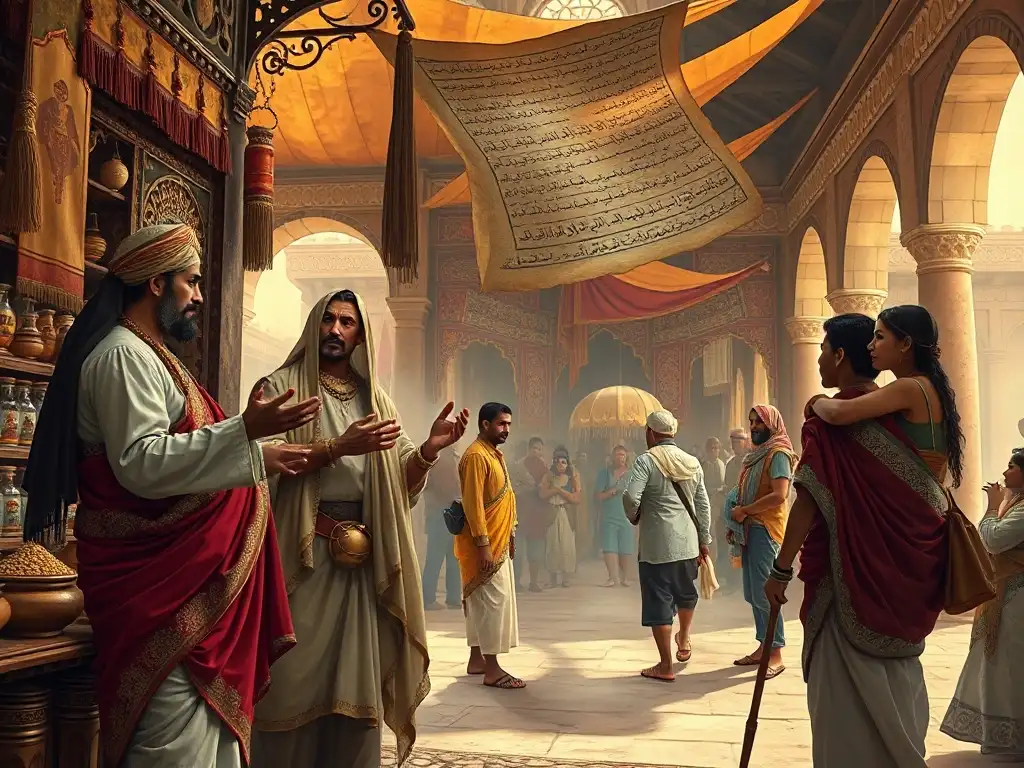
Language played a pivotal role in shaping trade and diplomatic relations in ancient India. As a region that served as a crossroads for various civilizations, the ability to communicate effectively was essential for fostering economic ties and diplomatic engagements. The languages spoken—primarily Sanskrit, Pali, and regional dialects—facilitated not only local commerce but also interactions with distant cultures, thereby enriching the cultural fabric of ancient India.
In the context of trade, merchants utilized specific dialects that were mutually intelligible with neighboring regions. This linguistic agility enabled them to negotiate deals, share information about goods, and navigate complex trade networks that extended across Asia and beyond. Moreover, languages served as a medium for the transmission of cultural values and practices, which were critical in establishing long-lasting relationships between traders from various backgrounds.
Linguistic Adaptations in Trade Routes
The ancient trade routes, such as the Silk Road and the Spice Route, were instrumental in the linguistic evolution of the region. As traders from different cultures met, they often borrowed phrases and terminology from each other's languages. This led to the development of pidgin languages and trade dialects that facilitated smoother communication.
For instance, in ports like Lothal and Sopara, where traders from the Mediterranean, Persia, and Southeast Asia converged, the local dialects absorbed elements from these languages. Words related to commerce, navigation, and goods were adapted, creating a rich tapestry of linguistic exchange that reflected the diversity of interactions.
Diplomatic Correspondence and Literary Diplomacy
Diplomatic correspondence in ancient India often showcased the sophistication of its languages and literary prowess. Rulers communicated through letters written in elegant Sanskrit or Prakrit, which were steeped in literary tradition. These correspondences not only conveyed political messages but also reflected cultural values and philosophies, showcasing the importance of eloquence in diplomacy.
Literary diplomacy involved the use of poetry and prose to establish alliances or resolve conflicts. Texts such as the Arthashastra by Kautilya emphasized the significance of rhetoric and language in statecraft. Rulers recognized that a well-crafted message could influence perceptions and foster goodwill, making language an essential tool in diplomatic strategy.
Cross-Cultural Influences: Language and Literature
The interactions between ancient Indian civilizations and other cultures led to a rich exchange of literary ideas and linguistic practices. This cross-pollination contributed significantly to the development of language and literature in ancient India, showcasing its adaptability and influence.
The Exchange of Literary Ideas with Greek and Roman Cultures
The arrival of Greek scholars and traders in India during the Hellenistic period marked a significant cultural exchange. Indian texts were translated into Greek, and vice versa, leading to a sharing of philosophical and literary concepts. Works like the fables of Panchatantra were translated into Greek, influencing the storytelling traditions of the Mediterranean.
Furthermore, the dialogues between Indian and Greek philosophers, such as the ones recorded by Megasthenes, enriched both cultures. The blending of ideas around ethics, governance, and cosmology laid the groundwork for future intellectual endeavors, demonstrating how language served as a bridge between civilizations.
Influence of Ancient Indian Language on Arab Scholars
The influence of ancient Indian languages extended beyond the subcontinent, particularly impacting Arab scholars during the Islamic Golden Age. Sanskrit texts on mathematics, astronomy, and medicine were translated into Arabic, significantly contributing to the scientific discourse of the time.
Scholars like Al-Khwarizmi and Al-Biruni drew upon Indian mathematical concepts and terminologies, which were instrumental in the development of algebra and trigonometry. This linguistic and intellectual exchange not only enriched the Arab world but also facilitated the transmission of knowledge back to Europe, showcasing the enduring impact of ancient Indian language and literature on global scholarship.
Preservation and Transmission of Knowledge
The preservation and transmission of knowledge in ancient India were profoundly influenced by its diverse languages and literary traditions. Various forms of literature, ranging from scriptures to poetry, played a crucial role in maintaining and sharing the cultural, philosophical, and scientific knowledge of the time. The ancient Indian civilization saw the establishment of several key languages—Sanskrit, Pali, and Prakrit—which served as vehicles for expressing complex ideas and narratives.
These languages not only facilitated communication within the subcontinent but also allowed for exchanges with neighboring civilizations, such as the Greeks, Persians, and later, the Arabs. This cross-cultural interaction enriched the literary landscape of ancient India, leading to the creation of texts that blended ideas and styles, ultimately resulting in a vast repository of knowledge that has influenced generations.
The meticulous efforts to document knowledge through written texts ensured that philosophical treatises, scientific discoveries, and literary works could be preserved for posterity. In addition, the establishment of libraries and the patronage of scholars by various dynasties contributed significantly to this preservation, showcasing the importance of literature as a means of cultural exchange.
Manuscripts and Their Role in Cultural Exchange
Manuscripts in ancient India were pivotal in the preservation and dissemination of knowledge across regions and cultures. Written primarily in languages such as Sanskrit and Pali, these manuscripts encompassed a wide range of topics, including philosophy, mathematics, medicine, and poetry. The art of manuscript writing flourished, especially during the Maurya and Gupta periods, with scholars meticulously copying texts to ensure their survival.
One of the most significant aspects of manuscripts was their role in facilitating cultural exchanges with other civilizations. For example, when Buddhist texts were translated into Chinese, they opened pathways for dialogues between Indian and East Asian cultures. Similarly, the influence of Sanskrit literature on Persian and Arabic texts exemplifies the cross-cultural fertilization that occurred.
The arrival of the printing press later transformed this dynamic, enabling broader access to these texts and further enhancing cultural exchanges. The preservation of manuscripts in ancient India reflects a sophisticated understanding of the importance of language and literature as vehicles for knowledge transfer and intercultural dialogue.
The Role of Oral Traditions in Ancient Indian Literature
Oral traditions played a vital role in the landscape of ancient Indian literature, acting as a precursor to written texts. These traditions were characterized by storytelling, poetry recitals, and the performance of epics, which were passed down through generations. The oral transmission of knowledge not only preserved cultural narratives but also fostered a sense of community and identity among various groups.
Epic tales such as the Mahabharata and Ramayana were initially transmitted orally, highlighting the significance of performance art in ancient Indian society. These stories encapsulated moral lessons, historical events, and cultural values, serving as a collective memory for the people. The oral tradition also allowed for adaptations and variations, which enriched the narratives and made them relevant to different audiences.
Moreover, the interaction between oral and written forms of literature facilitated the spread of ideas beyond regional confines. As these oral traditions began to be documented, they became a bridge for cultural exchanges, allowing for the assimilation of diverse influences and the enhancement of the literary corpus of ancient India.
Conclusion: The Lasting Impact of Ancient Indian Language and Literature
The contributions of ancient Indian language and literature to cultural exchanges have left an indelible mark on the world's literary heritage. The intricate tapestry woven by scholars, poets, and storytellers showcases the richness of human thought and creativity. The legacy of these ancient texts continues to inspire contemporary literature, philosophy, and art, emphasizing the timeless nature of their themes and ideas.
Summary of Cultural Exchanges Influenced by Language and Literature
The cultural exchanges influenced by ancient Indian language and literature are vast and multifaceted. Through trade routes and pilgrimages, texts and ideas traveled beyond the Indian subcontinent, impacting civilizations in Central Asia, the Middle East, and Southeast Asia. The translation of Sanskrit texts into other languages, such as Chinese and Persian, exemplifies how ancient Indian literature facilitated intercultural dialogue.
Moreover, the philosophical concepts found in texts like the Upanishads and the teachings of Buddhism influenced various schools of thought across Asia, fostering a rich intellectual exchange. This interaction not only enhanced the understanding of diverse cultures but also contributed to the development of new literary forms and genres.
Reflection on the Legacy of Ancient Indian Language in Modern Contexts
The legacy of ancient Indian language and literature is still palpable in modern contexts, influencing contemporary writers, scholars, and artists. Languages such as Hindi, Bengali, and Tamil, which have roots in ancient linguistic traditions, continue to flourish and evolve. Literary movements today often draw inspiration from the themes and narratives found in ancient texts, demonstrating their enduring relevance.
Furthermore, the study of ancient Indian literature has become integral to understanding India's cultural identity and heritage. Literary scholars and enthusiasts explore these texts not only for their historical significance but also for their philosophical depth and artistic expression. The impact of ancient Indian languages and literature serves as a testament to the profound connections that transcend time, enriching the global literary landscape while fostering greater appreciation for India's historical contributions to world culture.
- Introduction to Ancient Indian Language and Literature
- Historical Context of Ancient Indian Language and Literature
- Influence of Ancient Indian Language on Neighboring Cultures
- Literary Traditions and Their Role in Cultural Exchanges
- The Role of Language in Trade and Diplomacy
- Cross-Cultural Influences: Language and Literature
- Preservation and Transmission of Knowledge
- Conclusion: The Lasting Impact of Ancient Indian Language and Literature
- What were the primary languages spoken in ancient India?
- How did literature reflect the social and cultural values of ancient Indian civilizations?
- What role did language play in the spread of ideas and culture during ancient times?
- Can you name some notable literary works from ancient India?
- How did ancient Indian literature influence other cultures?
Frequently Asked Questions
What were the primary languages spoken in ancient India?
The primary languages included Sanskrit, Prakrit, and Tamil, each contributing to the rich tapestry of literature and culture across various regions.
Ancient Indian literature often conveyed moral lessons, philosophical thoughts, and societal norms, thereby serving as a mirror to the values and beliefs of the time.
What role did language play in the spread of ideas and culture during ancient times?
Language acted as a vital medium for the exchange of ideas, facilitating trade, religious practices, and cultural interactions among diverse communities.
Can you name some notable literary works from ancient India?
Prominent literary works include the Vedas, Mahabharata, and Ramayana, which not only showcase ancient Indian language but also elaborate on its cultural narratives.
How did ancient Indian literature influence other cultures?
Ancient Indian literature significantly influenced neighboring regions through translations, trade, and cultural exchanges, contributing to the development of literary traditions across Asia.
Final Reflection: The Enduring Legacy of Ancient Indian Language and Literature
The exploration of ancient Indian language and literature reveals their profound impact on cultural exchanges that resonate even today. As we navigate a world increasingly defined by globalization, the ability to communicate across cultures remains paramount. Ancient Indian texts, with their rich narratives and philosophical depth, serve as a reminder of the power of language to bridge divides and foster understanding. The legacy of these literary works is not just historical; it is a living testament to the interconnectedness of human experiences.
Cultural exchanges facilitated by ancient Indian literature have shaped not only regional identities but also global perspectives. The stories, philosophies, and languages of ancient India continue to inspire and influence contemporary thought, art, and literature. As the renowned scholar A.K. Ramanujan once said, A poet is a poet because he can see the world through the eyes of others.
This sentiment encapsulates the essence of ancient Indian literature, which invites readers to explore diverse viewpoints and cultivate empathy across cultures.
As we reflect on the lessons embedded in ancient Indian language and literature, let us consider how we can apply these insights to our own lives. I encourage you to delve into the rich tapestry of stories and philosophies that have shaped human thought throughout history. Embrace the opportunity to learn from the past and engage with diverse narratives, for in doing so, we not only honor the legacy of our ancestors but also contribute to a more compassionate and interconnected world.
Ignite Your Curiosity and Dive Deeper into Ancient India's Legacy!
Thank you for taking the time to explore the fascinating interplay of language and literature in Ancient India! By delving into this rich cultural tapestry, you've gained valuable insights into how these elements shaped societal exchanges and intellectual growth. Now, let’s take those insights and transform them into action!
Here are a few steps you can take to enrich your understanding and connection with this incredible history:
- Join a local or online book club that focuses on Ancient Indian literature to discuss themes and ideas with others who share your passion.
- Share this article with friends and fellow history enthusiasts to spark engaging conversations about the significance of language in cultural exchanges.
- Engage with local museums or cultural organizations by participating in events or exhibitions that celebrate Ancient Indian art and literature, allowing you to broaden your perspective even further.
What aspect of language or literature from Ancient India intrigues you the most? How do you think it has influenced modern cultures?