
Sanskrit’s Influence on Indian Cinema: A Linguistic Exploration

Welcome to Ancient India History, where we embark on a fascinating journey through the vibrant tapestry of ancient Indian civilizations! In this exploration, we delve deep into the intricate connections between Sanskrit and Indian cinema, revealing how this ancient language has shaped the narratives, dialogues, and artistry of one of the world's most dynamic film industries. What secrets does this linguistic journey hold? Join us as we uncover the profound impact of Sanskrit on cinematic storytelling and discover the echoes of a rich cultural heritage in modern films. Ready to dive in? Your adventure begins now!
- Introduction to Sanskrit’s Influence on Indian Cinema
- Historical Context of Sanskrit in Indian Cinema
- Linguistic Contributions of Sanskrit to Indian Cinema
- Themes and Motifs Rooted in Sanskrit Literature
- Case Studies of Notable Films Showcasing Sanskrit Influence
- The Evolution of Sanskrit’s Role in Modern Indian Cinema
- Challenges and Critiques of Sanskrit in Indian Cinema
- Future of Sanskrit in Indian Cinema
- Conclusion: The Lasting Impact of Sanskrit on Indian Cinema
- Frequently Asked Questions
- Final Reflection: The Enduring Legacy of Sanskrit in Indian Cinema
- Unveil the Power of Sanskrit in Cinema!
Introduction to Sanskrit’s Influence on Indian Cinema
Sanskrit, often referred to as the mother of many Indian languages, holds a significant place in the cultural and linguistic heritage of India. Its influences permeate various aspects of Indian society, particularly in the realm of cinema. The intricate relationship between Sanskrit and Indian cinema is not only a fascinating subject but also a vital exploration of how an ancient language has shaped contemporary storytelling, dialogues, and narratives in film.
This article delves into the Sanskrit impact on Indian cinema, examining its historical roots, linguistic contributions, and the ongoing relevance of Sanskrit in the cinematic arts. By understanding this connection, we gain insights into how ancient traditions continue to inform and enrich modern expressions of culture and creativity.
Overview of Sanskrit as an Ancient Language
Sanskrit is one of the oldest languages in the world, with a rich literary tradition that dates back over 3,000 years. It is primarily recognized as the liturgical language of Hinduism, but its influence extends beyond religion into philosophy, science, and the arts.
-
Historical Significance:
Sanskrit serves as the foundation for many modern Indian languages, and its texts, such as the Vedas, Upanishads, and epics like the Mahabharata and Ramayana, are central to Indian culture.
-
Linguistic Features:
Renowned for its grammatical precision and extensive vocabulary, Sanskrit allows for nuanced expression. Its phonetics and syntax have inspired linguistic studies globally, showcasing its relevance across centuries.
-
Cinematic Relevance:
The use of Sanskrit in Indian cinema often reflects themes rooted in mythology, spirituality, and cultural heritage, bridging the gap between ancient texts and contemporary storytelling.
Importance of Studying Sanskrit in Cinema
The integration of Sanskrit into Indian cinema is a critical area of study for several reasons:
-
Cultural Preservation:
By incorporating Sanskrit dialogues and themes, filmmakers help preserve ancient narratives, ensuring that audiences remain connected to their cultural roots. This serves as a reminder of the rich history that underpins modern identity.
-
Artistic Depth:
Sanskrit's profound literary qualities contribute to the artistic depth of films. Its poetic expressions and philosophical ideas can enhance character development and plot complexity, offering audiences a more enriching viewing experience.
-
Linguistic Revival:
The resurgence of interest in Sanskrit within the cinematic domain can contribute to a broader renaissance of the language itself. By exposing new generations to its beauty and intricacies, filmmakers play a crucial role in reviving Sanskrit in contemporary contexts.
-
Interdisciplinary Connections:
The study of Sanskrit in cinema opens avenues for interdisciplinary scholarship, blending linguistics, film studies, cultural studies, and history. This approach allows for a comprehensive understanding of how language shapes and is shaped by cultural production.
The exploration of Sanskrit's influence on Indian cinema not only highlights the linguistic impact but also serves as a gateway to understanding the broader cultural narratives that continue to evolve in the cinematic landscape.
Historical Context of Sanskrit in Indian Cinema
The relationship between Sanskrit and Indian cinema is rooted in the very foundations of Indian culture and heritage. Sanskrit, one of the oldest languages in the world, has been a pivotal component of Indian literature, philosophy, and religious texts.
Its profound influence can be traced back to ancient texts such as the Vedas and Upanishads, which have shaped the moral and ethical fabric of Indian society. As cinema emerged as a powerful medium for storytelling in the early 20th century, the incorporation of Sanskrit reflected both a reverence for tradition and an attempt to connect contemporary narratives with India's rich historical past.
The Role of Sanskrit in Early Indian Films
In the nascent years of Indian cinema, filmmakers often sought to draw upon the cultural heritage encapsulated in Sanskrit. Early films such as "Raja Harishchandra" (1913), directed by Dadasaheb Phalke, were heavily inspired by Hindu epics and texts, showcasing characters and stories derived from Sanskrit literature. The dialogue and songs frequently utilized Sanskrit terms and phrases, which not only enriched the narrative but also resonated with audiences familiar with the language.
Moreover, during this period, Sanskrit served as a bridge between the elite and the masses. While the common populace may not have been fluent in Sanskrit, its presence in films provided a sense of authenticity and cultural depth, appealing to the educated class while simultaneously educating the wider audience about India's spiritual and philosophical traditions. This dual role of Sanskrit helped solidify its significance in the cinematic landscape.
Key Milestones in the Integration of Sanskrit in Cinema
The integration of Sanskrit into Indian cinema has seen several key milestones, each reflecting the evolving relationship between language and film. Some notable instances include:
- Adaptations of Mythological Stories:
- Films like "Bharat Milap" (1954) and "Jai Santoshi Maa" (1975) prominently featured dialogues and songs rooted in Sanskrit, drawing from the rich tapestry of Hindu mythology.
- Artistic Endeavors:
- Directors such as Satyajit Ray and Ritwik Ghatak incorporated Sanskrit themes and motifs into their films, blending traditional narratives with modern storytelling techniques. Their works often highlighted the philosophical underpinnings of Sanskrit literature.
- Cinematic Homage:
- The film "Shree 420" (1955) included a notable sequence where the protagonist references famous Sanskrit shlokas, showcasing the language's enduring relevance in addressing contemporary social issues.
- Resurgence in Modern Cinema:
- In the 21st century, films like "Tumbbad" (2018) and "Brahmastra" (2022) have revived interest in Sanskrit by integrating its lexicon and concepts into their narratives, thus appealing to both nostalgia and curiosity about ancient Indian wisdom.
- Theatrical and Documentary Approaches:
- Documentaries such as "Sanskrit: The Language of the Gods" have explored the impact of Sanskrit on Indian cinema, further solidifying its status as a cultural touchstone.
The Sanskrit impact on Indian cinema is multifaceted, encompassing a blend of historical reverence, artistic expression, and cultural education. As Indian cinema continues to evolve, the echoes of Sanskrit will undoubtedly remain a significant part of its narrative fabric, inspiring future generations of filmmakers and audiences alike.
Linguistic Contributions of Sanskrit to Indian Cinema

Lexical Borrowings: Words and Phrases from Sanskrit
Sanskrit has profoundly influenced the lexicon of Indian cinema, enriching dialogues and enhancing the cultural depth of films. This ancient language serves as a reservoir of vocabulary that filmmakers draw upon to convey emotions, philosophies, and traditional concepts.
Some notable lexical borrowings from Sanskrit include:
- Dharm (धर्म): Signifying duty, righteousness, and moral law, this term is frequently used in films to reflect ethical dilemmas faced by characters.
- Karma (कर्म): A prevalent concept in Indian philosophy, "karma" is often referenced in narratives that explore fate and consequence.
- Moksha (मोक्ष): This term, meaning liberation from the cycle of birth and rebirth, is used in films that delve into existential themes.
- Samsara (संसार): Often highlighted in stories involving the cycle of life and death, "samsara" adds a spiritual dimension to cinematic narratives.
In addition to individual words, entire phrases derived from Sanskrit have become iconic in Indian cinema. For instance, phrases like “Satyam Shivam Sundaram” (सत्यं शिवं सुन्दरं), which translates to "Truth is God, God is Beauty," encapsulate profound philosophical ideas that resonate with audiences.
The use of these lexical elements not only enriches the dialogues but also connects contemporary narratives with the rich tapestry of Indian heritage, allowing filmmakers to evoke a sense of cultural continuity.
Syntax and Style: How Sanskrit Shapes Dialogue in Films
The syntactical structure and stylistic nuances of Sanskrit have also left an indelible mark on the dialogues in Indian cinema. The language's flexibility allows for a variety of sentence structures, which filmmakers utilize to create dramatic effects and convey complex emotions.
- Poetic Structure:
- Chanda (छंद): Many dialogues in films incorporate the rhythmic and metrical patterns typical of Sanskrit poetry. This lends a lyrical quality to the dialogue, making it more impactful.
- Films like Shree 420 and Pyaasa showcase dialogues that echo poetic traditions, enhancing the emotional resonance.
- Elevated Language:
- Archaic Tone: The use of archaic forms and elevated language derived from Sanskrit can imbue characters with a sense of gravitas. Historical dramas often employ this style to align with the period's cultural context, making characters seem more authentic and relatable to their roles.
- For example, in movies like Lagaan, characters often use formal and elevated expressions to reflect their societal status and the gravity of their struggles.
- Use of Metaphors and Symbolism:
- Sanskrit's rich tradition of metaphorical language influences how filmmakers express abstract ideas. Complex themes such as love, sacrifice, and philosophy are often conveyed through metaphorical dialogues that resonate with the audience on multiple levels.
- Cultural References:
- Dialogues often reference Sanskrit literature, epics, and scriptures, which serve to deepen the narrative. Films that explore mythological themes, such as Baahubali, frequently integrate dialogues that evoke stories from the Mahabharata and Ramayana, drawing direct connections between the past and the cinematic portrayal.
The impact of Sanskrit on dialogue and syntax in Indian cinema is a testament to the language's enduring legacy. By weaving its linguistic elements into the fabric of film narratives, directors and screenwriters ensure that the cultural richness of ancient India continues to thrive in contemporary storytelling.
Themes and Motifs Rooted in Sanskrit Literature
The influence of Sanskrit literature on Indian cinema is profound, encapsulating a rich tapestry of themes and motifs that continue to resonate in contemporary storytelling. The deep philosophical insights, moral dilemmas, and complex characterizations found in ancient texts have laid the groundwork for many cinematic narratives. This section explores two primary aspects of Sanskrit's impact on Indian cinema: epic narratives and their adaptations, as well as the symbolism and mythology drawn from Sanskrit texts.
Epic Narratives and Their Cinematic Adaptations
Epic narratives, particularly from texts like the Mahabharata and the Ramayana, have served as foundational pillars for Indian cinema. These stories not only convey moral lessons but also explore the intricacies of human relationships, duty (dharma), and the struggle between good and evil.
- Cinematic Interpretations:
- Films such as Bharat Ek Khoj (1988) and Mahabharat (1988) adapted these epics for the screen, bringing ancient tales to modern audiences.
- The visual portrayal of grand battles, divine interventions, and intricate subplots allows filmmakers to capture the essence of these narratives while introducing innovative cinematic techniques.
- Character Development:
- Characters like Arjuna and Rama are often depicted with a depth that reflects their complex personalities as written in Sanskrit texts. For instance, Arjuna's moral dilemmas in the Bhagavad Gita are portrayed with nuance, showcasing his internal conflicts and evolution.
- The exploration of themes such as sacrifice, honor, and loyalty remains relevant, making these characters timeless icons in Indian cinema.
- Cultural Resonance:
- The enduring popularity of these epics in cinema underscores their cultural significance. The values and lessons derived from these narratives continue to shape societal ideals and norms, influencing new generations.
Symbolism and Mythology: The Influence of Sanskrit Texts
Sanskrit literature is rich in symbolism and mythology, elements that have been seamlessly woven into the fabric of Indian cinema. Understanding these symbols enhances the depth and meaning of films, allowing audiences to connect with the narratives on a profound level.
- Mythological Themes:
- Elements like the concept of maya (illusion) or karma (action and consequence) permeate cinematic storytelling, offering layers of meaning that provoke thought and reflection.
- Films like Devdas (2002) and Lagaan (2001) utilize these themes to explore contemporary issues while drawing parallels with mythological stories.
- Visual Symbolism:
- Cinematographers often employ visual motifs that resonate with Sanskrit literary symbols. For example, the use of light and shadow can symbolize the duality of good and evil, echoing themes found in ancient texts.
- Iconic images, such as the lotus flower representing purity and spiritual awakening, are frequently incorporated in films, enriching the narrative with cultural significance.
- Religious Undertones:
- The incorporation of spiritual elements from texts like the Vedas and Upanishads adds a layer of depth to the storytelling, often aligning character arcs with philosophical inquiries.
- This blend of spirituality and cinema invites audiences to reflect on their beliefs and the moral frameworks within which they operate.
The Sanskrit impact on Indian cinema is not limited to mere adaptations; it encompasses a broader engagement with the themes, symbols, and narratives that continue to shape the Indian cinematic landscape. Through a careful exploration of these elements, filmmakers enrich their stories, ensuring that the legacy of Sanskrit literature endures in the modern age.
Case Studies of Notable Films Showcasing Sanskrit Influence
Film "Siddhartha": An Analysis of Sanskrit Usage
The film "Siddhartha," based on Hermann Hesse's novel, presents a rich tapestry of Buddhist philosophy and Indian spirituality, which is deeply intertwined with the Sanskrit language. The dialogue and narration incorporate Sanskrit terms that are pivotal in conveying the philosophical underpinnings of the story.
Key Elements of Sanskrit Usage in "Siddhartha":
- Philosophical Terminology: Words such as Dharma (righteousness) and Moksha (liberation) are seamlessly integrated into the narrative, enhancing its authenticity and depth. These terms are essential for expressing the core tenets of Buddhism, which originated in the context of ancient Indian philosophy.
- Cultural Resonance: The film employs Sanskrit chants that echo the spiritual practices of the time, grounding the viewer in the historical and cultural context of Siddhartha Gautama's journey.
- Visual and Auditory Impact: The use of Sanskrit not only enriches the dialogue but also serves as a tool for creating a more immersive experience. The sounds of the language evoke a sense of reverence and antiquity, drawing viewers deeper into the story.
Film "Devdas": Cultural References and Their Impact
"Devdas," a classic tale of unrequited love, showcases the profound influence of Sanskrit on its narrative and character development. The film’s dialogue is laced with poetic references and cultural idioms that trace back to Sanskrit literature.
Sanskrit Influence in "Devdas":
- Poetic Language: The script utilizes verses inspired by classical Sanskrit poetry, which adds a lyrical quality to the dialogues. This enhances the emotional gravity of the characters' experiences, making their pain and longing more palpable.
- Cultural Symbolism: Sanskrit references in the film highlight themes of love, loss, and societal norms. For instance, the use of terms like Rasa (aesthetic flavor) reflects the emotional depth of the narrative, connecting the audience to the broader cultural heritage.
- Character Names and Their Significance: The characters' names, often derived from Sanskrit, carry deeper meanings that resonate with their roles in the story. For example, the protagonist's name, Devdas, signifies a "servant of God," which reflects his tragic journey and spiritual quest.
Film "Baahubali": How Sanskrit Enhanced Storytelling
"Baahubali," a monumental cinematic achievement, utilizes Sanskrit not only as a language but as a narrative device that enhances its epic storytelling. The film is replete with references to Indian mythology and history, many of which are articulated through Sanskrit.
Sanskrit’s Role in "Baahubali":
- Thematic Depth: The film’s narrative is steeped in themes of power, duty, and destiny, concepts that are deeply rooted in ancient Indian texts. The use of Sanskrit phrases adds a layer of authenticity to the portrayal of these themes.
- Mythological References: "Baahubali" incorporates names and terminologies from Hindu mythology, with many derived from Sanskrit. This creates a rich intertextuality that resonates with audiences familiar with these stories, thus enhancing their viewing experience.
- Cinematic Techniques: The film employs Sanskrit in its dialogues and chants during key scenes, which elevates the dramatic effect. The strategic use of language not only captures the grandeur of the narrative but also connects the audience to the historical and cultural legacy of ancient India.
These case studies illustrate how the Sanskrit impact on Indian cinema transcends mere language, serving as a profound medium for cultural expression and storytelling. Each film showcases unique elements of Sanskrit that enrich the narrative and deepen the audience's engagement with the story.
The Evolution of Sanskrit’s Role in Modern Indian Cinema
Contemporary Films Incorporating Sanskrit Language
Sanskrit, often considered the mother of many Indian languages, has made notable appearances in contemporary Indian cinema, showcasing its cultural and linguistic significance. Films that incorporate Sanskrit often do so to evoke a sense of tradition, spirituality, or historical authenticity. Here are some prominent examples:
- "Mohenjo Daro" (2016): This film, set in the ancient Indus Valley civilization, uses Sanskrit phrases to enhance its depiction of ancient culture. The use of the language aims to connect audiences with the historical context of the narrative.
- "Bajirao Mastani" (2015): Though primarily in Hindi, this film incorporates Sanskrit dialogues to add depth to its characters and settings, highlighting the historical nuances of the era it portrays.
- "Tumbbad" (2018): This horror film intertwines mythology and folklore, using Sanskrit to deliver chants and incantations, thus creating an authentic atmosphere that resonates with its themes of greed and destiny.
These films demonstrate that the Sanskrit impact on Indian cinema is not merely linguistic but also thematic, enriching narratives and enhancing the viewer's experience.
The Revival of Sanskrit in Film Scripts and Screenplays
In recent years, there has been a noticeable revival of interest in using Sanskrit in film scripts and screenplays. This revival is characterized by a few key trends:
- Cultural Renaissance: Filmmakers are increasingly recognizing the cultural heritage embedded in Sanskrit, leading to its resurgence in scripts that aim to celebrate Indian history and philosophy.
- Educational Initiatives: Institutions have begun offering workshops and courses on Sanskrit, encouraging new generations of filmmakers and writers to explore the language's potential in storytelling.
- Innovative Storytelling: Modern filmmakers are experimenting with Sanskrit to create unique narratives. For instance, the film "Rani Padmini," which is in the works, is expected to include significant elements of the language, thereby attracting audiences interested in historical epics.
Notable Projects Emphasizing Sanskrit
| Film Title | Year | Description |
|---|---|---|
| "Mohenjo Daro" | 2016 | Set in the ancient era, features Sanskrit for authenticity. |
| "Bajirao Mastani" | 2015 | Incorporates Sanskrit dialogues to enhance historical depth. |
| "Rani Padmini" | TBD | Upcoming film expected to prominently feature Sanskrit in its script. |
| "Tumbbad" | 2018 | Utilizes Sanskrit chants to establish an eerie, mythological atmosphere. |
The revival of Sanskrit in film scripts reflects a broader trend in Indian cinema towards embracing the richness of ancient languages, ultimately enhancing the Sanskrit impact on Indian cinema. By integrating Sanskrit, filmmakers not only preserve the language but also enrich their storytelling, connecting modern audiences with India's ancient past.
Challenges and Critiques of Sanskrit in Indian Cinema
Misinterpretations and Misrepresentations of Sanskrit
Sanskrit, often hailed as the classical language of India, has a rich heritage that has significantly influenced various aspects of Indian culture, including cinema. However, its portrayal in films often leads to misinterpretations and misrepresentations.
- Language Complexity: Sanskrit is known for its intricate grammar and vast vocabulary. Many filmmakers may simplify or alter the language for cinematic purposes, which can result in dialogues that lack authenticity. This simplification can mislead audiences about the actual meanings and nuances of the original texts.
- Cultural Context: When Sanskrit phrases or verses are used in films, they are often stripped of their context. For instance, a quote from a classic text may be delivered dramatically, but without the audience understanding its historical or philosophical significance, it can lose its intended impact.
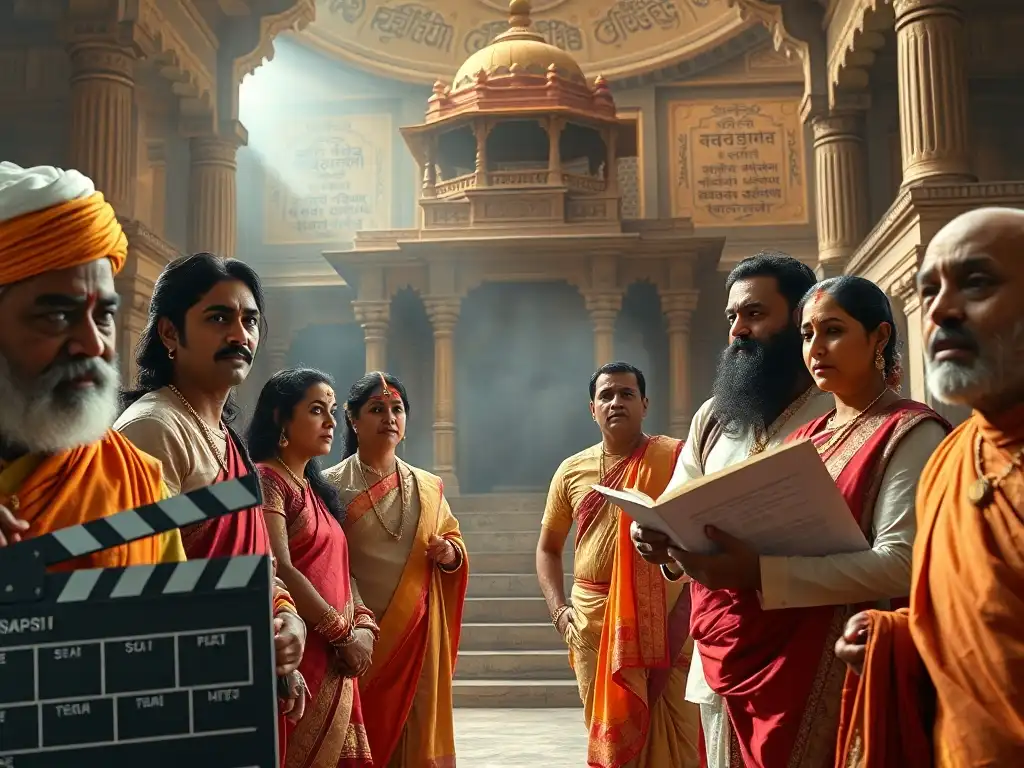
- Visual Representation: Cinematic depictions of Sanskrit often rely on stereotypical imagery, like ancient scrolls or grand temples, which can distort public perception of the language as merely an archaic relic rather than a living, evolving form of communication.
This blend of simplification and exaggeration can lead to a skewed understanding of Sanskrit, particularly among younger audiences who may not have a solid grounding in the language's actual usage and significance.
The Debate on Authenticity in Cinematic Portrayals
The debate on authenticity in the portrayal of Sanskrit in Indian cinema is multi-faceted, involving linguists, filmmakers, and cultural historians.
- Artistic License vs. Authentic Representation: Filmmakers often face the dilemma of balancing artistic expression with the need for authentic representation. While creative freedom is crucial in storytelling, it can sometimes come at the cost of historical and linguistic accuracy.
- Scholarly Involvement: The lack of consultation with scholars and linguists during the scripting process can lead to inaccuracies. For instance, films that attempt to depict ancient texts or philosophies may fail to capture the essence of the original works, leading to a diluted understanding of Sanskrit's depth and richness.
- Audience Expectations: Cinema shapes public perception, and when films misrepresent Sanskrit, it can perpetuate misconceptions. The expectation of entertainment can overshadow the educational potential of incorporating Sanskrit authentically.
While Sanskrit's impact on Indian cinema is profound, it is essential to navigate the challenges and critiques surrounding its portrayal thoughtfully. By fostering a more accurate and respectful representation of the language, filmmakers can contribute to a deeper appreciation of Sanskrit's cultural and historical significance.
Future of Sanskrit in Indian Cinema
The future of Sanskrit in Indian cinema is a fascinating topic that highlights the potential for this ancient language to reinvigorate storytelling in film. As filmmakers continue to explore new narratives, there is a growing awareness of the cultural richness that Sanskrit can bring to contemporary cinema. With its extensive vocabulary and poetic structure, Sanskrit offers filmmakers a unique tool for expressing complex ideas and emotions.
Potential Trends in Language and Culture in Film
As the film industry evolves, several potential trends are emerging that may influence the use of Sanskrit in cinema:
-
Revival of Mythological Narratives:
Filmmakers are increasingly drawing inspiration from ancient texts, epics, and scriptures. Sanskrit can be instrumental in accurately portraying dialogues, chants, and verses that resonate with authenticity.
- Example: Films like "Baahubali" have shown that mythological storytelling can achieve commercial success while respecting cultural roots.
-
Fusion of Languages:
There is a trend towards multilingual films that incorporate various Indian languages, including Sanskrit. This fusion can enhance the narrative depth and appeal to a broader audience.
- Example: A film may feature characters speaking in Hindi, Tamil, and Sanskrit, reflecting India’s linguistic diversity.
-
Educational and Inspirational Content:
Documentaries and educational films that explore ancient Indian philosophies, science, and culture can leverage Sanskrit to present original texts and concepts. This approach offers a deeper understanding of historical contexts and values.
- Example: A documentary on Ayurveda could use Sanskrit terminology to explain medicinal concepts accurately.
-
Revitalization of Classical Arts:
As Indian classical arts gain recognition, there is potential for integrating Sanskrit into dance and music-based films, thereby preserving traditional forms while reaching contemporary audiences.
- Example: Films that showcase Bharatanatyam or Kathak could incorporate Sanskrit lyrics and verses in their soundtracks.
The impact of these trends could lead to a resurgence of interest in Sanskrit, positioning it as a vital component of Indian cinema's future.
Encouraging a New Generation of Film-Makers to Embrace Sanskrit
Encouraging upcoming filmmakers to embrace Sanskrit can be achieved through various initiatives and approaches:
-
Workshops and Training Programs:
Institutions can organize workshops focused on the Sanskrit language and its applications in storytelling. Filmmakers can explore how to effectively integrate Sanskrit dialogues and cultural references into their projects.
-
Collaboration with Linguists and Scholars:
By collaborating with linguists, scholars, and experts in Sanskrit literature, filmmakers can gain insights into the language's nuances, ensuring authenticity in scriptwriting and dialogue delivery.
-
Film Festivals and Competitions:
Hosting festivals that celebrate films featuring Sanskrit elements can motivate filmmakers to experiment with the language. Awards for the best use of Sanskrit in film can also incentivize creativity.
-
Incorporating Sanskrit in Film Schools:
Film schools should consider integrating Sanskrit language studies into their curricula, helping students appreciate its historical significance and potential for modern storytelling.
-
Showcasing Success Stories:
Highlighting successful films that have used Sanskrit effectively can inspire new filmmakers. By sharing these case studies, the industry can showcase the commercial viability of Sanskrit-infused cinema.
By fostering this environment, the film industry can cultivate a new generation of filmmakers who appreciate and utilize Sanskrit, ensuring its continued relevance in Indian cinema.
Conclusion: The Lasting Impact of Sanskrit on Indian Cinema
Sanskrit, often referred to as the mother of many Indian languages, has played a pivotal role in shaping the narrative and thematic structures of Indian cinema. Its influence extends beyond mere dialogue and script, embedding itself into the very essence of storytelling, character development, and cultural representation. The linguistic depth and rich vocabulary of Sanskrit have provided filmmakers with a profound tool for expressing complex emotions and philosophical ideas, often elevating the cinematic experience.
Summary of Key Points on Sanskrit’s Influence
- Cultural Resonance: The utilization of Sanskrit in film has often been a means to connect with the cultural and spiritual roots of India. Films that incorporate Sanskrit dialogues or verses often resonate deeply with audiences, evoking a sense of nostalgia and reverence for ancient traditions.
- Thematic Depth: Many films draw from ancient texts and epics such as the Mahabharata and Ramayana, employing Sanskrit to convey themes of morality, justice, and the human experience. This connection enriches the narrative, allowing for a multifaceted exploration of characters and their dilemmas.
- Linguistic Richness: The intricate structure of Sanskrit allows filmmakers to express nuanced dialogues and complex emotions. This linguistic richness not only enhances character development but also adds layers of meaning to the narrative.
- Revival and Popularization: The resurgence of interest in Sanskrit, especially in the context of cinema, has led to a revival of ancient storytelling forms. This has encouraged new generations to explore their linguistic heritage, fostering a deeper appreciation for the language and its literary treasures.
The Significance of Preserving Sanskrit Heritage in Modern Storytelling
The preservation of Sanskrit heritage in modern storytelling is essential for several reasons:
- Cultural Identity: Sanskrit serves as a cornerstone of Indian identity and cultural heritage. By incorporating it into contemporary narratives, filmmakers can help sustain and promote a sense of belonging to a rich historical continuum.
- Educational Value: Films that integrate Sanskrit can serve as educational tools, bridging the gap between ancient wisdom and modern understanding. They can introduce audiences to the philosophical and literary depths of ancient texts, encouraging exploration and learning.
- Artistic Innovation: By embracing Sanskrit, filmmakers have the opportunity to innovate and experiment with language, creating unique cinematic experiences that challenge conventional storytelling methods. This can lead to the development of a new genre that respects tradition while pushing creative boundaries.
- Global Influence: As Indian cinema gains international recognition, the inclusion of Sanskrit can enhance its appeal by showcasing the depth and diversity of Indian culture. This can foster cross-cultural dialogues and appreciation for India's linguistic heritage on a global scale.
The Sanskrit impact on Indian cinema is profound and multifaceted, contributing significantly to storytelling, cultural identity, and artistic expression. As filmmakers continue to explore this ancient language, they not only revive its heritage but also enrich the cinematic landscape, ensuring that Sanskrit remains a vibrant part of India's cultural tapestry.
Frequently Asked Questions
What is the Sanskrit impact on Indian cinema?
The Sanskrit impact on Indian cinema is significant as it has influenced dialogue, themes, and narratives, enriching cinematic storytelling and connecting films to cultural heritage.
How has Sanskrit literature shaped film scripts?
Many film scripts draw inspiration from Sanskrit literature, incorporating its poetic forms and mythological tales to enhance the depth and emotional resonance of the narrative.
Are there any famous films that prominently feature Sanskrit?
Yes, films like "Mohenjo Daro" and "Tumbbad" incorporate Sanskrit dialogues and references, showcasing its cultural significance and enhancing the film's historical authenticity.
What role does Sanskrit play in Indian classical dance and music in cinema?
Sanskrit serves as a foundation for classical dance and music, often used in songs and performances within films to evoke traditional aesthetics and spiritual themes.
How has modern cinema adapted Sanskrit for contemporary audiences?
Modern cinema adapts Sanskrit by using simplified language and incorporating visual storytelling, making it accessible while preserving its cultural essence and historical relevance.
Final Reflection: The Enduring Legacy of Sanskrit in Indian Cinema
Sanskrit's impact on Indian cinema is not merely a historical footnote but a vibrant thread woven into the fabric of contemporary storytelling. As we explore the intricate relationship between this ancient language and modern film, it becomes evident that Sanskrit continues to shape narratives, enrich dialogues, and inspire filmmakers to draw from its profound philosophical and cultural depths. The resurgence of interest in Sanskrit within cinema reflects a broader movement towards cultural authenticity and a desire to reconnect with India's rich heritage.
Cinema, as a mirror of society, reflects our values, beliefs, and aspirations, and Sanskrit plays a pivotal role in this dialogue. The influence of Sanskrit can be seen in the poetic dialogues of classic films, the thematic depth of contemporary narratives, and the revival of traditional art forms within cinematic expressions. As filmmaker Satyajit Ray once said, “A film is a reflection of the society it is born in.” This notion underscores how the revival of Sanskrit in cinema not only honors our past but also enriches our present, creating a cultural dialogue that resonates with audiences across generations.
As you reflect on the themes presented in this article, consider how you can engage with and appreciate the cultural narratives that shape your own life. Embrace the stories that connect you to your heritage, and seek out films that celebrate the linguistic richness of Sanskrit.
By doing so, you not only honor the legacy of this ancient language but also contribute to a cultural renaissance that values depth, authenticity, and the timeless power of storytelling. Let us carry forward the lessons of our past into the cinematic experiences of the future, ensuring that the impact of Sanskrit continues to illuminate the silver screen for generations to come.
Unveil the Power of Sanskrit in Cinema!
Thank you for immersing yourself in the fascinating world of Sanskrit’s influence on Indian cinema! You've gained valuable insights into how this ancient language has shaped storytelling and cultural expression in film. Now, it's time to take the next steps and explore this beautiful connection further.
- Dive deeper into the enchanting narratives found in films inspired by Sanskrit literature. Choose one and watch it with a renewed perspective!
- Share your thoughts and insights in the comments. Let’s create a dialogue about your favorite films that draw from Sanskrit!
- Join a film club or community that celebrates Indian cinema and its linguistic heritage. Connect with others who share your passion!
What film or piece of literature has opened your eyes to the beauty of Sanskrit in storytelling? Share your experiences below!