
The Role of Inscriptions in Ancient Indian Medicine and Healing Practices

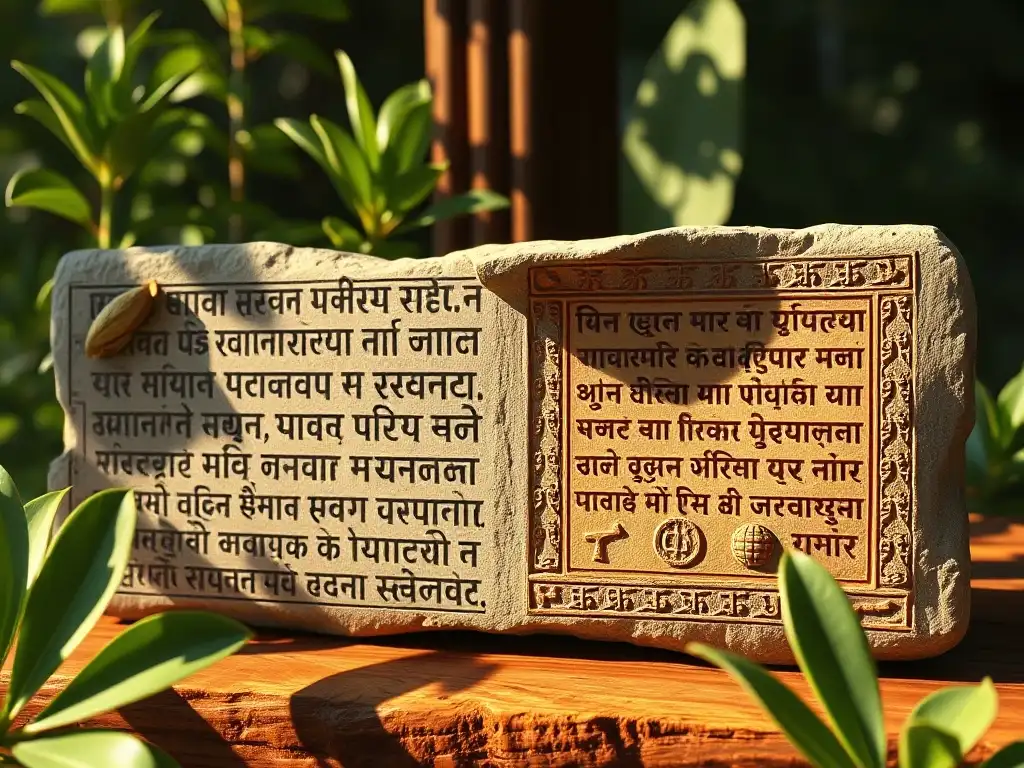
Welcome to Ancient India History, where we delve deep into the captivating tapestry of India's rich heritage. In this article, we invite you to explore the fascinating world of Ancient Indian medical inscriptions, a treasure trove of knowledge that reveals the sophisticated healing practices and medical wisdom of our ancestors. How did these inscriptions shape the health and wellness of ancient civilizations?
Join us on this journey as we uncover the profound impact of language and scripts in the realm of medicine, and discover the secrets that have been etched in stone for millennia. Your adventure into the past begins now!
Introduction to Ancient Indian Medical Inscriptions
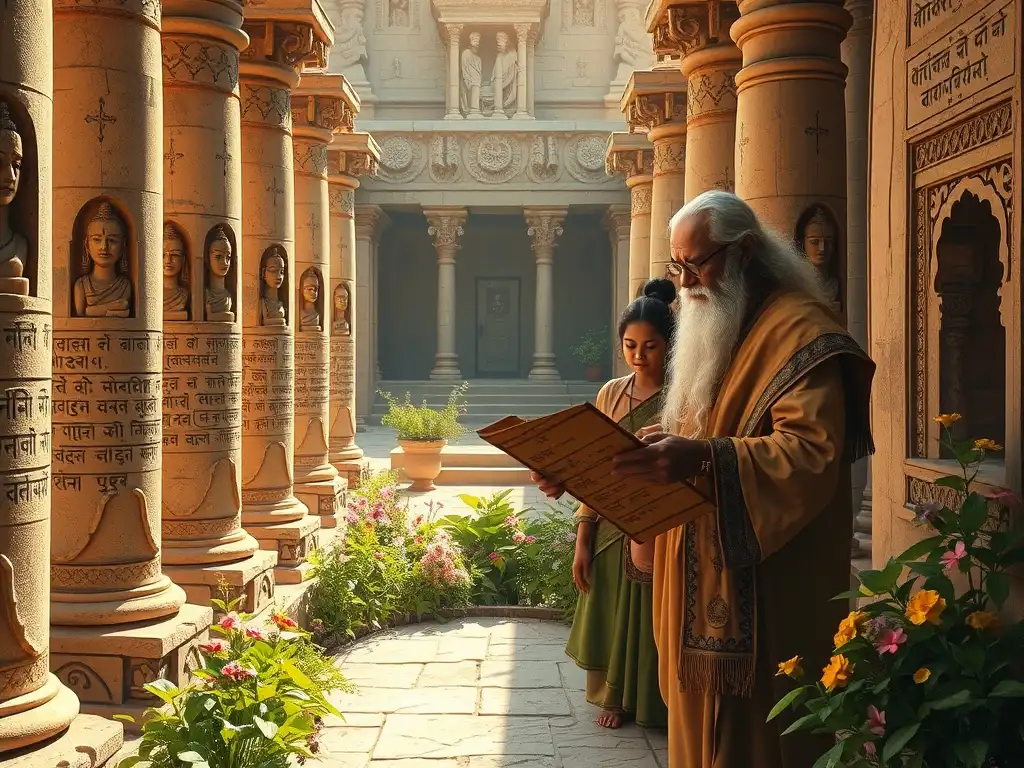
In the rich tapestry of Ancient Indian civilization, the role of inscriptions extends far beyond mere documentation; they serve as vital links to understanding the medical practices and healing traditions of the time. The study of ancient Indian medical inscriptions reveals insights into the sophisticated healthcare systems that thrived in various regions, from the Indus Valley to the Gupta Empire.
These inscriptions, etched in stone or inscribed on metals, provide a unique glimpse into the medicinal knowledge, practices, and cultural beliefs that shaped ancient Indian medicine. By exploring these inscriptions, we uncover not only the medical theories of the past but also the socio-cultural contexts that influenced healing practices.
Overview of Ancient Indian Medicine
Ancient Indian medicine, often referred to as Ayurveda, is one of the oldest healthcare systems in the world. Rooted in holistic principles, Ayurveda combines various healing techniques that address the body, mind, and spirit. The origins of this medical tradition can be traced back to the Vedic texts, where the foundations of health and wellness were established. Key aspects of ancient Indian medicine include:
- Herbal Remedies: Extensive use of plants and herbs for healing.
- Surgical Techniques: Advanced surgical practices documented in texts like the Sushruta Samhita.
- Philosophical Underpinnings: Concepts of balance among bodily doshas (vital energies).
- Spiritual Healing: Integration of spirituality and health, emphasizing the connection between body and soul.
The documentation of these practices through inscriptions highlights their significance in the continuum of medical knowledge.
Importance of Inscriptions in Historical Context
Inscriptions serve as invaluable primary sources for historians and researchers delving into ancient Indian medicine. They provide context and authenticity, helping to validate and date medical practices. The significance of inscriptions can be summarized as follows:
- Cultural Preservation: Inscriptions preserve the knowledge and beliefs of ancient societies.
- Historical Evidence: They offer concrete evidence of medical practices, treatments, and health regulations.
- Language Development: The evolution of scripts used in these inscriptions reflects linguistic and cultural changes over time.
- Interdisciplinary Insights: Inscriptions bridge the gap between history, archaeology, and medicine, offering a multi-faceted understanding of ancient societies.
Understanding these inscriptions is crucial for appreciating the complexity and advancements in ancient Indian medical systems.
Types of Ancient Indian Medical Inscriptions
The diversity of ancient Indian medical inscriptions is vast, encompassing various forms and materials. Each type carries unique significance and contributes to our understanding of medical practices.
Stone Inscriptions and Their Significance
Stone inscriptions are among the oldest forms of documentation found in India. These inscriptions were often carved into temple walls, pillars, or rocks, serving both religious and medical purposes. Important aspects include:
- Durability: Stone inscriptions have withstood the test of time, providing valuable information that is often preserved in its original form.
- Medical Formulas: Many stone inscriptions contain medicinal recipes and healing rituals, showcasing ancient practices.
- Cultural Context: They reflect the intertwining of religion and medicine, illustrating how health was viewed as a divine gift.
Copper Plate Inscriptions in Medical Texts
Copper plates were frequently used for inscribing important texts, including those related to medicine. These inscriptions are significant for several reasons:
- Official Records: Many copper plate inscriptions were grants or records issued by kings, detailing medical practices and the appointment of physicians.
- Detailed Accounts: They often contain extensive information about specific treatments, ailments, and the duties of medical practitioners.
- Preservation of Knowledge: Copper plates have helped preserve ancient medical knowledge that might otherwise have been lost.
Manuscripts and Written Records of Healing Practices
In addition to inscriptions on stone and metal, manuscripts played a crucial role in documenting ancient medical practices. These manuscripts, often written on palm leaves or birch bark, include:
- Comprehensive Texts: Works like the Charaka Samhita and Sushruta Samhita compile extensive medical knowledge, from herbal remedies to surgical techniques.
- Illustrative Content: Many manuscripts contain diagrams and illustrations that provide insights into ancient surgical practices.
- Cultural Heritage: They serve as a testament to the intellectual and cultural richness of ancient Indian civilizations.
In summary, ancient Indian medical inscriptions offer a profound understanding of the historical context, practices, and evolution of medicine in India, enriching our knowledge of this remarkable civilization's contributions to health and healing.
Key Themes in Ancient Indian Medical Inscriptions
Ancient Indian medical inscriptions reveal a wealth of knowledge regarding various healing practices, philosophies, and medicinal preparations used throughout history. These inscriptions highlight several key themes that reflect the sophisticated understanding of health and medicine in ancient Indian civilizations.
- Holistic Approach to Health: Ancient Indian medical inscriptions often emphasize the interconnectedness of body, mind, and spirit. This holistic view is central to traditional Indian medicine, where the balance of physical health and mental well-being is paramount.
- Use of Natural Remedies: Many inscriptions focus on the extensive use of herbal remedies, detailing specific plants and their therapeutic properties. These texts often illustrate the belief in nature’s ability to heal and the importance of preserving it.
- Surgical Techniques: The documentation of surgical practices showcases the advanced knowledge of anatomy and surgical methods in ancient India. Inscriptions provide evidence of complex procedures that were performed with considerable skill.
- Spiritual and Ritualistic Practices: Healing in ancient India was not purely a physical endeavor; it often involved spiritual elements. Many inscriptions reference rituals and prayers, indicating the integral role of spirituality in the healing process.
- Training and Knowledge Transmission: Inscriptions also highlight the importance of education in medicine. They document the lineage of medical practitioners and the transmission of knowledge through generations, ensuring the perpetuation of healing arts.
Herbal Remedies and Their Inscriptions
Herbal remedies form a cornerstone of ancient Indian medical practice, and numerous inscriptions detail the use of various herbs and plants. These inscriptions not only name the plants but also elaborate on their medicinal properties, preparation methods, and dosages.
- Examples of Common Herbs: Inscriptions mention widely-used herbs such as Tulsi (Holy Basil), Ashwagandha (Withania somnifera), and Neem (Azadirachta indica), often accompanied by descriptions of their benefits in treating ailments like fevers, digestive issues, and skin disorders.
- Compiling Knowledge: Texts like the Charaka Samhita and Sushruta Samhita include sections where medicinal formulas are inscribed, offering a glimpse into the empirical knowledge of herbal combinations and their synergistic effects.
- Cultural Significance: The inscriptions also reflect the cultural importance of these herbs, often intertwining their medicinal use with myths and folklore, which elevated their status in society.
Surgical Techniques Documented in Ancient Texts
The surgical practices documented in ancient Indian inscriptions reveal a remarkable level of sophistication in medical procedures. The Sushruta Samhita, considered one of the foundational texts of surgery, serves as a key reference point.
- Detailed Surgical Procedures: Inscriptions describe various surgical techniques, such as the removal of cataracts and the performance of plastic surgeries, showcasing the technical skills of ancient surgeons.
- Anatomical Knowledge: The understanding of human anatomy is well-documented, which is evident in the meticulous descriptions found in surgical manuals. Techniques such as suturing and anesthesia are also mentioned, highlighting the advanced nature of ancient Indian surgery.
- Influence on Modern Surgery: Many surgical techniques documented in these inscriptions have influenced modern surgical practices, indicating the lasting legacy of ancient Indian medical knowledge.
Spiritual and Ritualistic Elements in Healing Practices
Spirituality played a significant role in ancient Indian medicine, as evidenced by numerous inscriptions that intertwine healing practices with religious and ritualistic elements.
- Healing as a Spiritual Journey: Many texts emphasize that healing is not only a physical restoration but also a spiritual journey. Inscriptions often include prayers and mantras that practitioners would recite during treatment.
- Rituals for Health: Inscriptions document various rituals intended to invoke divine blessings for health and wellness. These rituals often involved offerings to deities, illustrating the belief in a higher power's role in healing.
- Mind-Body Connection: The inscriptions reflect an understanding of the mind-body connection, where mental states were believed to affect physical health, leading to practices that combined meditation and physical treatments.
Prominent Ancient Indian Medical Texts and Inscriptions
Ancient Indian medical texts, inscribed on palm leaves, stones, and manuscripts, are invaluable resources that provide insights into the medical knowledge and practices of the time. The most prominent texts include the Charaka Samhita and the Sushruta Samhita, among others.
Charaka Samhita: A Landmark in Medical Inscriptions
The Charaka Samhita is one of the most important texts in Ayurveda, composed around the 2nd century BCE. It serves as a foundational document for understanding ancient Indian medicine.
- Comprehensive Medical Framework: The text outlines a complete medical system, discussing various diseases, their causes, and treatments. It also emphasizes preventive care and lifestyle choices for maintaining health.
- Inscriptions of Knowledge: Many inscriptions from this text detail herbal formulations, diagnostic techniques, and the importance of patient history, showcasing a systematic approach to medicine.
- Philosophy of Healing: The Charaka Samhita also delves into the philosophy behind healing, emphasizing the balance of the three doshas (Vata, Pitta, and Kapha) in achieving overall health.
Sushruta Samhita: Surgery and Healing Documented
The Sushruta Samhita is often referred to as the "father of surgery" and is a critical text that documents surgical techniques and procedures.
- Focus on Surgical Practices: This text provides detailed descriptions of over 300 surgical procedures, including techniques for plastic surgery and the treatment of wounds.
- Anatomical Insights: The Sushruta Samhita offers insights into human anatomy, including descriptions of various body parts and their functions, which were vital for successful surgical interventions.
- Ethical Considerations: Inscriptions from the text also discuss the ethics of surgery, emphasizing the importance of skill, knowledge, and compassion in medical practice.
Other Notable Texts and Their Inscriptions
In addition to the Charaka Samhita and Sushruta Samhita, several other notable texts contribute to our understanding of ancient Indian medicine.
- Ashtanga Hridaya: This text combines the principles of the Charaka and Sushruta and includes inscriptions on various treatments and medicinal preparations.
- Bhava Prakasha: A comprehensive text that includes descriptions of herbal medicines, their preparations, and clinical applications, showcasing the depth of ancient medicinal knowledge.
- Yogaratnakara: This text integrates yoga with Ayurveda, providing inscriptions that detail how physical health can be maintained through yoga practices alongside herbal treatments.
Through these texts and their inscriptions, ancient Indian medicine is revealed as a rich, multi-faceted discipline that laid the groundwork for modern medical practices and continues to influence health and wellness today.
The Contribution of Inscriptions to Understanding Ancient Indian Healing
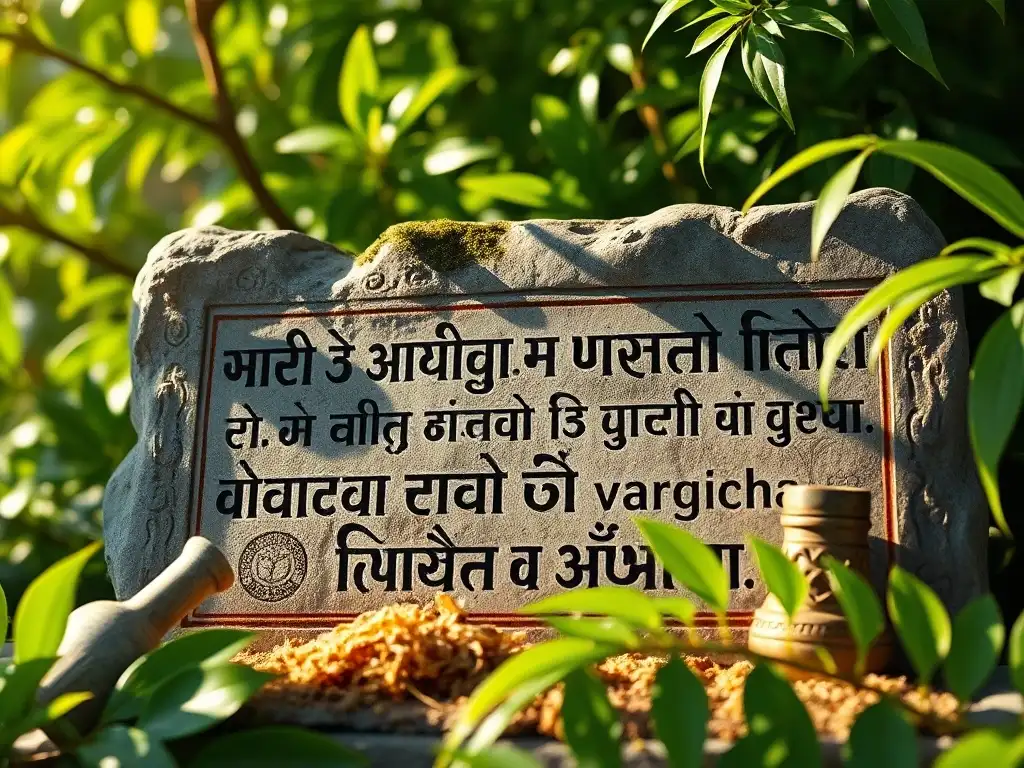
Ancient Indian medical inscriptions serve as invaluable resources for unraveling the complexities of early healing practices and medical knowledge. These inscriptions, etched onto various materials such as stone, metal, and pottery, provide a glimpse into the medical understanding of ancient Indian civilizations. By examining these inscriptions, researchers can piece together a more comprehensive picture of how health and disease were perceived, treated, and integrated into daily life.
Insights into Medical Practices and Treatments
The inscriptions reveal a wealth of information regarding specific medical practices, including herbal remedies, surgical techniques, and therapeutic approaches. For instance, many inscriptions mention the use of particular plants and minerals, detailing their applications in treatments. Texts such as the Sushruta Samhita, which is often referred to in these inscriptions, outline surgical procedures such as rhinoplasty and cataract surgery, showcasing the advanced medical knowledge of the time.
Moreover, the presence of detailed case studies and treatment outcomes in inscriptions highlights not only the methods employed but also the efficacy of these treatments. This rich tapestry of information allows modern researchers to appreciate the sophistication of ancient Indian medicine, which often emphasized a holistic approach to health, integrating physical, mental, and spiritual well-being.
Reflection of Ancient Indian Culture and Beliefs
Inscriptions related to medicine also reflect broader cultural and philosophical beliefs prevalent in ancient Indian society. For example, many inscriptions emphasize the connection between health and spirituality, illustrating how medicine was often intertwined with religious practices. The reverence for certain deities associated with healing, such as Dhanvantari, is commonly noted in inscriptions, indicating that health was viewed as both a physical and spiritual pursuit.
Additionally, the presence of inscriptions in temples and places of worship signifies the importance of medicine within the societal framework. These inscriptions often served as a means to document not only medical knowledge but also the moral and ethical considerations of healing, revealing the values that guided practitioners in their work.
Influence on Modern Medicine and Healing Practices
The legacy of ancient Indian medical inscriptions extends far beyond their historical context; they continue to influence contemporary medicine and healing practices. Concepts such as Ayurveda, which is rooted in ancient texts, have seen a resurgence in modern wellness trends. The principles derived from these inscriptions inform practices like yoga, dietary guidelines, and holistic therapies, offering insights into preventive healthcare.
Moreover, the study of these inscriptions has inspired modern medical practitioners to explore alternative and complementary therapies. As researchers delve deeper into ancient texts, they uncover forgotten remedies and techniques that are being re-evaluated for their potential applications in today's healthcare landscape.
Preservation and Study of Ancient Indian Medical Inscriptions
The preservation and study of ancient Indian medical inscriptions are crucial for safeguarding this rich heritage. Efforts to document and analyze these texts ensure that the knowledge contained within them is not lost to time.
Archaeological Efforts in Discovering Inscriptions
Archaeological excavations across India have unearthed numerous inscriptions that shed light on ancient medical practices. Excavations at sites like Mohenjo-Daro and Harappa have revealed seals and tablets inscribed with medical terminology and remedies, providing significant insights into the health practices of the Indus Valley Civilization.
In addition, ongoing archaeological projects continue to search for inscriptions in lesser-known sites, employing modern technologies like ground-penetrating radar and 3D scanning to locate and analyze inscriptions that might otherwise remain hidden. These efforts highlight the commitment to uncovering and preserving the medical history of ancient India.
Challenges in Interpreting Ancient Texts
Interpreting ancient inscriptions poses several challenges for researchers. The languages and scripts used in these texts, such as Sanskrit, Prakrit, and various regional dialects, require specialized knowledge. Additionally, many inscriptions are incomplete or damaged, making it difficult to reconstruct their full meaning.
Moreover, the cultural and contextual nuances embedded within these texts necessitate a multidisciplinary approach, combining linguistics, archaeology, and anthropology to fully understand the significance of the inscriptions. Scholars must navigate these complexities to accurately interpret the medical practices documented in ancient times.
The Role of Scholars and Researchers in Reviving Ancient Knowledge
Scholars and researchers play a pivotal role in revitalizing ancient Indian medical knowledge through the study of inscriptions. Their work involves not only translating and interpreting texts but also contextualizing them within the broader framework of ancient Indian society.
Collaborative efforts among historians, linguists, and medical professionals have led to new insights into ancient healing practices, often resulting in publications and educational programs that disseminate this knowledge. By bridging the gap between ancient wisdom and modern science, these researchers contribute to a better understanding of the historical foundations of medicine and inspire a renewed appreciation for the contributions of ancient Indian civilizations to the field of health and healing.
Conclusion: The Lasting Legacy of Ancient Indian Medical Inscriptions
The study of ancient Indian medical inscriptions reveals a profound legacy that continues to influence modern medicine. These inscriptions, found in various forms such as stone carvings, palm leaves, and manuscripts, provide invaluable insights into the medical practices, beliefs, and philosophies that shaped ancient Indian healthcare systems. The meticulous recording of medical knowledge and therapeutic practices illustrates a culture deeply invested in the health and well-being of its people.
Through the lens of these inscriptions, we see the integration of spirituality and medicine, showcasing how ancient practitioners viewed health not only as a physical state but as a holistic balance of body and mind. This legacy is evident in contemporary practices, where traditional healing systems like Ayurveda remain prevalent and respected. The ability to decode and interpret these inscriptions allows historians and scholars to piece together the intricate tapestry of ancient Indian civilization, highlighting the significance of its medical advances and their impact on subsequent generations.
Summary of Key Points
- Historical Context: Ancient Indian medical inscriptions date back to the Vedic period and continued through various dynasties, including the Maurya and Gupta empires, reflecting a rich tradition of medical knowledge.
- Content of Inscriptions: These inscriptions often contained detailed descriptions of diseases, treatments, herbal remedies, surgical procedures, and the foundational principles of Ayurveda.
- Cultural Significance: The inscriptions not only document medical practices but also reveal the cultural and philosophical underpinnings of ancient Indian society, emphasizing the holistic approach to health.
- Influence on Modern Medicine: Many principles derived from ancient Indian medical practices resonate in contemporary holistic and alternative medicine, demonstrating the enduring relevance of these inscriptions.
- Preservation and Study: Ongoing efforts to catalog and study these inscriptions contribute to a deeper understanding of ancient Indian civilization and its contributions to global medical knowledge.
The Importance of Inscriptions in Understanding Ancient Indian Civilization
Inscriptions serve as a critical resource for historians and researchers, offering a direct link to the past. In the context of ancient Indian civilization, medical inscriptions are particularly important for several reasons:
- Documentation of Knowledge: They provide a written record of medical knowledge and practices that might otherwise have been lost to time. This documentation allows for the study of the evolution of medical theories and practices in ancient India.
- Cultural Insights: Inscriptions often reflect the societal values, religious beliefs, and cultural practices of the time, offering a broader understanding of how medicine was intertwined with daily life.
- Interdisciplinary Studies: The analysis of these inscriptions bridges multiple fields, including history, anthropology, linguistics, and medicine, fostering a multidisciplinary approach to understanding ancient Indian culture.
- Preservation of Traditional Practices: By studying these inscriptions, modern practitioners can gain insights into traditional healing practices that have withstood the test of time, allowing for the preservation and revitalization of these ancient methods.
- Global Influence: Understanding the contributions of ancient Indian medical inscriptions helps to appreciate the influence of Indian medicine on other cultures and medical systems around the world, highlighting its role in the global history of medicine.
Ancient Indian medical inscriptions are not only a testament to the advanced state of medical knowledge in ancient India but also a vital key to unlocking the complexities of its civilization. Their study continues to be of paramount importance for both historical scholarship and the ongoing evolution of medical practices today.
- Introduction to Ancient Indian Medical Inscriptions
- Types of Ancient Indian Medical Inscriptions
- Key Themes in Ancient Indian Medical Inscriptions
- Prominent Ancient Indian Medical Texts and Inscriptions
- The Contribution of Inscriptions to Understanding Ancient Indian Healing
- Preservation and Study of Ancient Indian Medical Inscriptions
- Conclusion: The Lasting Legacy of Ancient Indian Medical Inscriptions
Frequently Asked Questions
What are ancient Indian medical inscriptions?
Ancient Indian medical inscriptions are texts found on various materials that document medical practices, treatments, and healing rituals used in ancient India. They provide valuable insights into the medical knowledge of that time.
How did inscriptions contribute to ancient Indian medicine?
Inscriptions served as a means of preserving and transmitting medical knowledge across generations. They often detailed herbal remedies, surgical techniques, and philosophical approaches to health and wellness.
What civilizations are known for their medical inscriptions?
The Indus Valley Civilization, Maurya Empire, and Gupta Empire are notable for their contributions to ancient Indian medical inscriptions. These civilizations laid the foundation for Ayurvedic practices and other medical traditions.
Where can ancient medical inscriptions be found today?
Ancient medical inscriptions can be found on stone tablets, temples, and manuscripts across India. They are often housed in museums or archaeological sites, providing a glimpse into the historical practices of ancient medicine.
Why are these inscriptions important for understanding ancient cultures?
These inscriptions offer a window into the healthcare practices, belief systems, and cultural values of ancient Indian civilizations. They help historians and researchers comprehend how medicine was intertwined with spirituality and society.
Final Reflection: The Enduring Legacy of Ancient Indian Medical Inscriptions
The exploration of ancient Indian medical inscriptions reveals a profound connection between historical practices and contemporary healing philosophies. These inscriptions not only document the medical knowledge of their time but also serve as a testament to the sophisticated understanding of health and wellness that has persisted through centuries. In an age where we often seek validation in modern science, it is striking to realize that many principles of healing were articulated thousands of years ago, echoing the wisdom of our ancestors.
Cultural and social landscapes are continuously shaped by the knowledge we inherit, and ancient Indian medical inscriptions play a pivotal role in this ongoing narrative. The insights gleaned from these texts not only inform our understanding of historical practices but also inspire modern approaches to holistic health. As we navigate the complexities of contemporary medicine, we can draw from the rich tapestry of ancient wisdom. The greatest medicine of all is to teach people how not to need it.
– Hippocrates. This quote encapsulates the essence of what these inscriptions represent: a holistic approach to health that emphasizes prevention and balance.
As we reflect on the lessons embedded in ancient Indian medical inscriptions, I invite you to consider how these teachings can be integrated into your own life. Take a moment to explore the healing practices that resonate with you, whether through mindfulness, herbal remedies, or dietary choices. By embracing the wisdom of the past, we can cultivate a more harmonious relationship with our health and well-being. Let the legacy of these inscriptions inspire you to seek balance and understanding in your own healing journey, fostering a deeper connection to both your body and the world around you.
Unlock the Secrets of Ancient Healing!
Thank you for exploring the fascinating world of ancient Indian medicine and healing practices with us! We hope you’ve gained valuable insights into the pivotal role that historical texts and traditions have played in shaping these remarkable practices. Now is the time to dive deeper and bring this knowledge to life!
Here are some actions you can take today:
- Research a specific ancient medicinal text that intrigues you and uncover its significance in today's context.
- Share your newfound knowledge with friends or on social media, inspiring others to learn about traditional healing practices.
- Join a local or online community focused on holistic health and ancient traditions to connect with like-minded enthusiasts.
Which ancient healing practice resonates with you the most, and how do you believe it could influence modern medicine?