
Insider Tips for Navigating the Wonders of Ancient Indian Architecture


Welcome to Ancient India History, where we embark on a captivating journey through the rich tapestry of ancient Indian civilizations. From the awe-inspiring structures of the Indus Valley to the grandeur of the Gupta Empire, this site is your gateway to understanding the remarkable contributions of India’s past. Are you ready to uncover the secrets behind Ancient Indian architecture tips?
Prepare to be inspired as we guide you through the stunning architectural marvels that define a cultural legacy, inviting you to explore the intricate designs and historical significance that await within our latest article. Dive in and let the wonders of ancient India unfold before you!

Introduction to Ancient Indian Architecture Tips
Exploring ancient Indian architecture is akin to stepping into a time machine, where every structure tells a story of rich cultural heritage, artistic mastery, and historical significance. From the monumental temples of Khajuraho to the intricately designed palaces of Jaipur, the architectural marvels of India reflect the diverse influences and innovations of various civilizations over millennia.
Understanding these wonders not only enhances your travel experience but also allows you to appreciate the historical context and craftsmanship behind each site. This article provides essential tips for navigating the intricacies of ancient Indian architecture, ensuring that your journey through these historical landscapes is both enriching and memorable.
Planning Your Trip: Essential Ancient Indian Architecture Tips
When planning your visit to ancient Indian architectural sites, there are several key considerations to keep in mind that can significantly enhance your experience. Here are some essential tips to ensure a smooth and rewarding journey:
Choosing the Right Time to Visit Ancient Sites
- Weather Considerations: The best time to visit ancient sites in India typically spans from October to March, when the weather is more pleasant, making exploration comfortable.
- Festivals and Events: Consider timing your visit to coincide with local festivals, such as the Khajuraho Dance Festival, which showcases traditional dance against the backdrop of stunning temples.
- Crowd Management: Weekdays often see fewer tourists compared to weekends, providing a more serene atmosphere to appreciate these architectural wonders.
Selecting the Best Locations for Ancient Indian Architecture
- Top Architectural Marvels:
- Indus Valley Civilization Sites: Explore the remnants of one of the world's earliest urban settlements, including Harappa and Mohenjo-Daro.
- Ajanta and Ellora Caves: These UNESCO World Heritage Sites offer a glimpse into ancient rock-cut architecture and exquisite frescoes.
- Hampi: Known for its stunning ruins and temples, Hampi is a testament to the grandeur of the Vijayanagara Empire.
- Agra and Fatehpur Sikri: Home to the iconic Taj Mahal and the Mughal architectural brilliance of Fatehpur Sikri.
- Accessibility and Amenities: Research the accessibility of each site, as some may have limited facilities. Opt for locations that offer guided tours or informative signage to enrich your understanding of the architecture.
By keeping these tips in mind, you can ensure that your exploration of ancient Indian architecture is not only enjoyable but also deeply enriching, allowing you to connect with the historical narratives these structures embody.
Essential Preparation for Your Journey into Ancient Indian Architecture
Visiting ancient Indian architecture is not merely a travel experience; it’s an immersion into a rich tapestry of history, culture, and art. To ensure that your journey is both enriching and enjoyable, proper preparation is essential. This involves researching the architectural styles you’ll encounter, understanding the historical context of the sites, and being equipped with the right supplies.
Researching Ancient Indian Architecture
Understanding ancient Indian architecture begins with research. The diverse styles, from the intricate carvings of the temples in Khajuraho to the grandeur of the Mughal structures like the Taj Mahal, require some background knowledge for appreciation. Here are some steps to guide your research:
- Identify Key Sites: Make a list of the architectural wonders you wish to visit, such as the Brihadeeswarar Temple in Thanjavur or the ruins of Hampi.
- Learn About Styles: Familiarize yourself with different architectural styles, including:
- Indo-Aryan
- Dravidian
- Islamic
- Mughal
- Historical Context: Dive into the history of these structures. Understanding the socio-political context during their construction can enhance your appreciation.
- Cultural Significance: Explore how these architectural marvels reflect the beliefs, traditions, and societal values of their time.
Engaging with literature, documentaries, and online resources can deepen your understanding and make your visits more insightful.
Packing Essentials for Exploring Ancient Sites
Packing appropriately for your journey to ancient sites can significantly enhance your experience. Here’s a list of essentials to consider:
- Comfortable Footwear: Since many ancient sites involve walking long distances, sturdy and comfortable shoes are a must.
- Sun Protection: Bring along hats, sunglasses, and sunscreen to protect against the sun, especially during outdoor explorations.
- Water Bottle: Staying hydrated is crucial, particularly in warmer climates. Consider a reusable water bottle to minimize waste.
- Camera and Notepad: Capture memories and take notes about the sites for later reflection. A camera can help document intricate details that you might want to revisit.
- Travel Guidebook or App: A guidebook or a reliable travel app can provide valuable insights and directions.
Being well-prepared will not only make your exploration more enjoyable but also ensure you can fully immerse yourself in the ancient architectural wonders.
Once you've prepared for your journey, exploring ancient Indian architecture on-site requires a thoughtful approach. This involves understanding architectural nuances and deciding how to navigate these historical sites.
Understanding Architectural Styles and Techniques
At the heart of ancient Indian architecture are distinctive styles and techniques that tell stories of the civilizations that built them. Here’s how to enhance your understanding:
- Observe Details: Pay attention to the intricate carvings, sculptures, and relief work. Each design often has a symbolic meaning or story.
- Learn About Materials: Ancient builders used local materials, such as sandstone, limestone, and marble. Understanding the materials can provide insight into the techniques employed.
- Recognize Eras: Different periods in Indian history produced unique architectural styles. For example, the Gupta period is known for its temple architecture, while the Mughal era is famous for its gardens and domes.
- Seek Expert Insights: If possible, engage with local historians or guides who can share detailed knowledge about the structures and their significance.
By honing your observational skills and knowledge of architectural styles, you can gain a deeper appreciation for the sites you visit.
Guided Tours vs. Self-Guided Exploration: Pros and Cons
Deciding whether to join a guided tour or explore ancient sites independently can significantly impact your experience. Here are the pros and cons of each option:
- Guided Tours:
- Pros:
- Access to expert knowledge and historical context.
- Convenience in navigating and managing your schedule.
- Opportunities for group discussions and shared experiences.
- Cons:
- Less flexibility in your itinerary.
- You may miss out on personal moments of reflection.
- Pros:
- Self-Guided Exploration:
- Pros:
- Freedom to explore at your own pace.
- The ability to linger at sites that particularly interest you.
- Opportunities for spontaneous discoveries.
- Cons:
- Risk of missing important historical information without a guide.
- Potential challenges in navigating complex sites.
- Pros:
Ultimately, your choice should align with your travel style and what you hope to gain from your visits. Both options can offer unique experiences, so consider blending both approaches to maximize your exploration of ancient Indian architecture.
Engaging with Local Culture and History
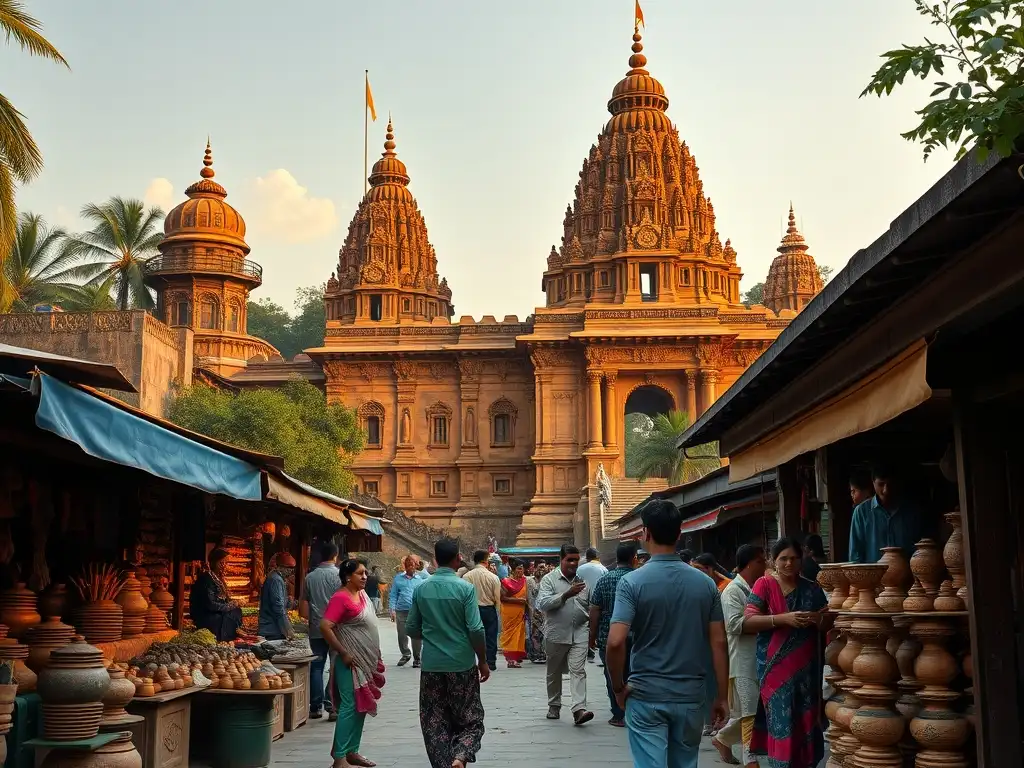
To truly appreciate the grandeur of ancient Indian architecture, it’s essential to engage deeply with the local culture and history surrounding these sites. Ancient Indian architecture is not just about the physical structures; it’s a reflection of the beliefs, traditions, and lifestyles of the civilizations that created them. When visiting iconic sites such as the Ajanta and Ellora caves or the temples of Khajuraho, take time to learn about the stories and legends that have shaped these structures over the centuries.
Participating in local festivals or events can also provide insights into the cultural significance of these architectural wonders. Many sites host annual celebrations that highlight traditional music, dance, and art, allowing visitors to experience the vibrant heritage of the region. Moreover, interacting with local artisans and craftsmen can reveal the techniques and materials used in ancient construction, adding another layer of understanding to your visit.
Connecting with Local Experts: Tips for Immersive Experiences
When exploring ancient Indian architecture, connecting with local experts can significantly enhance your experience. Here are several tips to help you make the most of these interactions:
- Hire a Local Guide: Opt for a knowledgeable local guide who can provide historical context and fascinating anecdotes about the architecture, culture, and people of the area. This personalized insight can turn a simple visit into an enriching journey.
- Attend Workshops or Lectures: Many places offer workshops or lectures led by historians, architects, or cultural experts. Participating in these events can deepen your understanding of architectural styles, construction methods, and the historical significance of the sites.
- Engage with Local Communities: Don’t hesitate to converse with local residents. Their stories and experiences can offer unique perspectives on the architecture and its impact on everyday life.
These connections not only enrich your visit but also foster a deeper appreciation for the enduring legacy of ancient Indian architecture.
Respecting Sacred Spaces: Etiquette Tips for Visitors
Respecting the sacred nature of many ancient Indian sites is paramount for all visitors. Here are some etiquette tips to keep in mind:
- Dress Modestly: Many sites, particularly temples, require visitors to dress modestly. Wear clothing that covers your shoulders and knees as a sign of respect.
- Remove Shoes: It is customary to remove your shoes before entering sacred areas. Look for designated areas for shoe storage to keep the sites clean and respectful.
- Speak Softly: Maintain a calm demeanor and speak softly while exploring sacred spaces. Loud noises can disturb the tranquility of these environments.
- Photography Guidelines: Always check and adhere to photography rules. Some places may prohibit photography to protect the sanctity of the site or due to copyright concerns.
By observing these practices, you show respect for the cultural and spiritual significance of the sites, enhancing both your experience and that of others.
Enhancing Your Experience: Tools and Resources
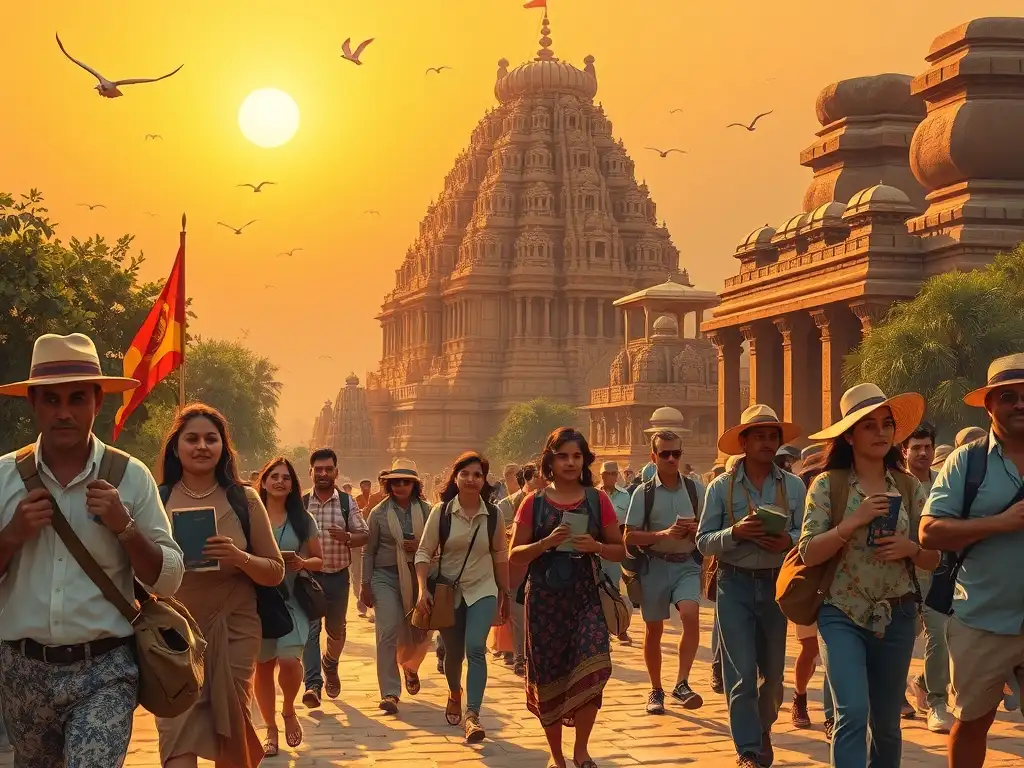
In the digital age, various tools and resources can help you navigate and enhance your experience of ancient Indian architecture. Here are some recommendations:
Recommended Books and Documentaries on Ancient Indian Architecture
Diving into literature and documentaries can provide valuable context and deepen your appreciation for ancient Indian architecture. Here are some notable titles:
- Books:
- "The Wonder That Was India" by A.L. Basham – This classic offers insights into ancient Indian civilization and its architectural achievements.
- "Indian Architecture: Buddhist and Hindu Periods" by Satish Grover – A comprehensive guide to the architectural marvels of ancient India.
- Documentaries:
- "Lost Treasures of India" – This series explores various ancient sites, delving into their historical significance and architectural details.
- "Secrets of the Taj" – A fascinating look at the construction and cultural context of one of the most iconic structures in the world.
These resources can prepare you for your journey and provide a richer understanding of the sites you’ll visit.
Useful Apps for Exploring Ancient Indian Sites
Technology can be a traveler’s best friend. Here are some apps that can enhance your exploration of ancient Indian architecture:
- Google Arts & Culture: This app offers virtual tours of many heritage sites and museums, allowing you to explore before and after your visit.
- Cultural Heritage of India: This app provides detailed information about various historical sites, including architectural styles, historical context, and visitor tips.
- Travel Guides: Various travel guide apps, like TripAdvisor or Lonely Planet, feature user-generated reviews and tips on ancient sites, helping you plan your itinerary effectively.
Using these tools will not only make your visit more enjoyable but also help you connect with the rich heritage of ancient Indian architecture in a meaningful way.
Conclusion: Embracing the Legacy of Ancient Indian Architecture
Exploring ancient Indian architecture is not just a journey through time; it is an opportunity to immerse yourself in the rich tapestry of history, culture, and artistry that defines this vast subcontinent. From the intricately carved temples of Khajuraho to the monumental forts of Rajasthan, each site tells a story of the civilizations that thrived here. By embracing the legacy of these architectural wonders, travelers can gain a deeper appreciation for the ingenuity and skill of the artisans who crafted these masterpieces.
As you walk through the majestic halls of the Ajanta and Ellora caves or stand in awe of the grandeur of the Taj Mahal, take a moment to reflect on the cultural significance and historical context of these structures. Understanding their purpose—be it religious, political, or social—adds layers of meaning to your experience. Engaging with local guides can also illuminate the stories behind the stones, connecting you to the past in a more profound way.
Moreover, respecting the preservation efforts and cultural heritage of these sites is paramount. Sustainable tourism practices ensure that future generations can also experience the beauty of ancient Indian architecture. By choosing to travel mindfully, you contribute to the ongoing legacy of these incredible landmarks.
Call to Action
Are you ready to embark on an unforgettable journey through the wonders of ancient Indian architecture? Start planning your adventure today!
- Research the sites that intrigue you the most and consider their historical significance.
- Engage with local historians or guides to enrich your understanding of the sites.
- Share your experiences and insights with fellow travelers to inspire their journeys.
Remember, every step you take within these ancient walls connects you to the extraordinary legacy of India's architectural marvels. Don’t just visit—experience, learn, and embrace the stories that await you in every corner of this vibrant land! 🌏✨
- Introduction to Ancient Indian Architecture Tips
- Planning Your Trip: Essential Ancient Indian Architecture Tips
- Essential Preparation for Your Journey into Ancient Indian Architecture
- Navigating Ancient Indian Architecture: Tips for On-Site Exploration
- Engaging with Local Culture and History
- Connecting with Local Experts: Tips for Immersive Experiences
- Respecting Sacred Spaces: Etiquette Tips for Visitors
- Enhancing Your Experience: Tools and Resources
- Conclusion: Embracing the Legacy of Ancient Indian Architecture
- Call to Action
- What is Ancient Indian architecture known for?
- Which civilizations contributed to Ancient Indian architecture?
- How can one appreciate Ancient Indian architecture?
- What are some tips for exploring ancient architectural sites in India?
- Are there any preservation efforts for Ancient Indian architecture?
Frequently Asked Questions
What is Ancient Indian architecture known for?
Ancient Indian architecture is known for its intricate carvings, grand temples, and unique styles that reflect the cultural diversity and religious beliefs of the time.
Which civilizations contributed to Ancient Indian architecture?
The Indus Valley Civilization, Maurya Empire, and Gupta Empire are among the most influential, each contributing distinctive elements like urban planning and monumental sculptures.
How can one appreciate Ancient Indian architecture?
To appreciate Ancient Indian architecture, focus on the details in carvings, understand the historical context, and visit sites like Hampi and Khajuraho for firsthand experience.
What are some tips for exploring ancient architectural sites in India?
When exploring, consider hiring a knowledgeable guide, visiting during off-peak hours for less crowding, and carrying a camera to capture the stunning architectural details.
Are there any preservation efforts for Ancient Indian architecture?
Yes, various organizations and the Indian government are actively involved in the preservation and restoration of ancient sites, ensuring that the heritage is maintained for future generations.
Final Reflection: Embracing the Legacy of Ancient Indian Architecture
The intricate beauty and profound wisdom embedded in ancient Indian architecture remain remarkably relevant today. As we navigate our fast-paced modern lives, the timeless principles and artistic expressions found in these structures offer us a unique lens through which to appreciate our cultural heritage and the importance of sustainable design. The lessons learned from ancient architects are not just historical footnotes; they are vital insights that can guide contemporary practices in architecture and urban planning.
The influence of ancient Indian architecture extends far beyond its physical structures; it shapes our cultural identity and informs our understanding of community and spirituality. From the majestic temples that stand as testaments to devotion and artistry to the intricate carvings that tell stories of a bygone era, these architectural marvels continue to inspire generations. Architecture is the learned game, correct and magnificent, of forms assembled in the light.
— Le Corbusier. This quote encapsulates the enduring impact of architectural mastery, urging us to appreciate the harmony between form, function, and the environment.
As you reflect on the insights shared in this article, I invite you to explore the wonders of ancient Indian architecture in your own life. Consider how the principles of balance, sustainability, and cultural storytelling can enrich your personal or professional projects. Whether you are an architect, a student, or simply an admirer of history, let the wisdom of the past inspire your journey forward. Embrace the beauty of ancient designs and allow them to inform your vision for a more connected and meaningful future.
Unlock the Secrets of Ancient Indian Architecture!
Thank you for diving into the fascinating world of Ancient Indian architecture! We hope you’ve gained insights into its rich history and timeless beauty. Now, it’s time to take that knowledge and transform it into action. Here are a few steps you can take to further explore and appreciate these architectural wonders:
- Plan your next visit to a historical site—keep an eye out for local guided tours that can enhance your experience.
- Share your newfound knowledge with friends or family—organize a discussion or an informal presentation about the intriguing elements you discovered.
- Consider volunteering with a local heritage group—help preserve these remarkable structures and engage with your community.
What architectural wonder are you eager to explore next, and how do you plan to share your journey with others?