
The Spiritual Life of the Indus Valley Civilization: Beliefs and Practices

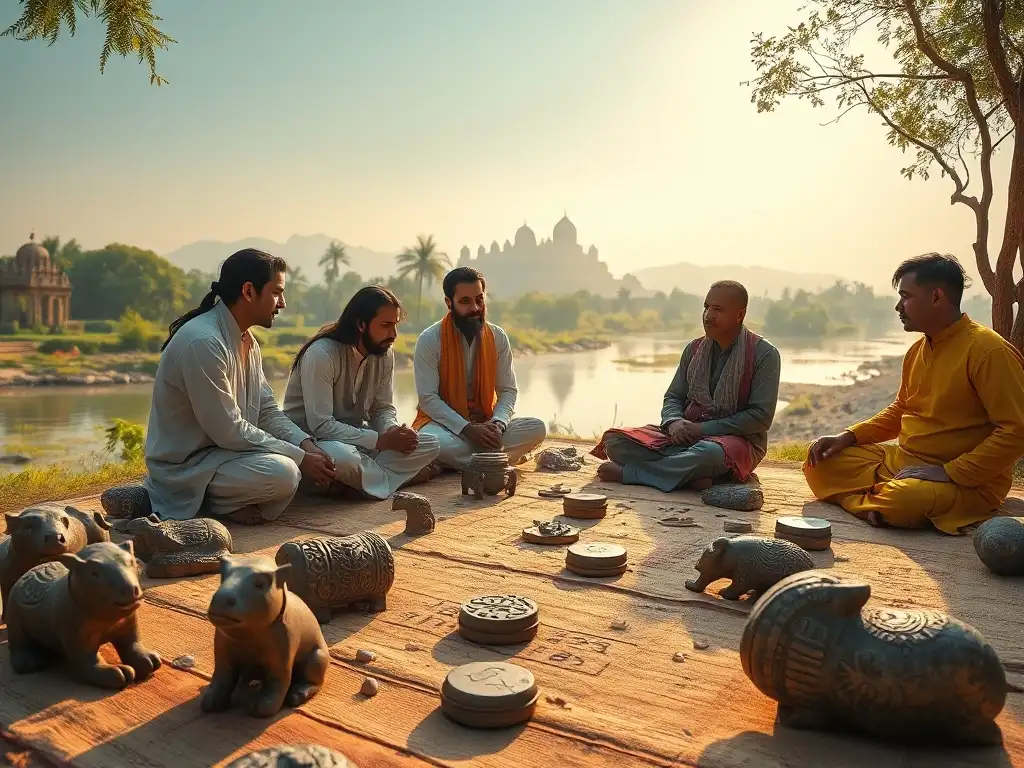
Welcome to Ancient India History, where we embark on an extraordinary journey through time to uncover the rich tapestry of ancient Indian civilizations. In this exploration, we delve into the captivating spiritual beliefs of the Indus Valley Civilization, a society that laid the groundwork for many cultural and spiritual practices that resonate even today. What mysteries surrounded their sacred rituals?
How did their beliefs shape their daily lives? Join us as we unlock the secrets of this fascinating era, inviting you to explore the profound connections between spirituality and civilization. Dive deeper into the article to discover the hidden gems of Indus Valley spiritual life!
- Introduction to Indus Valley Spiritual Beliefs
- Key Elements of Indus Valley Spiritual Practices
- Archaeological Evidence of Spiritual Beliefs
- Comparison of Indus Valley Spiritual Beliefs with Contemporary Religions
- Theories and Interpretations of Indus Valley Spiritual Life
- Conclusion: Legacy of Indus Valley Spiritual Beliefs
- References and Further Reading
-
Frequently Asked Questions
- What were the spiritual beliefs of the Indus Valley Civilization?
- How did the Indus Valley spiritual beliefs influence their daily life?
- Were there any specific deities worshipped in the Indus Valley?
- What evidence do we have of spiritual practices in the Indus Valley?
- How did the spiritual life of the Indus Valley Civilization compare to other ancient civilizations?
- Final Reflection: The Enduring Legacy of Indus Valley Spiritual Beliefs
- Unveil the Mysteries of Spirituality in the Indus Valley!
Introduction to Indus Valley Spiritual Beliefs
The Indus Valley Civilization, one of the world's earliest urban cultures, flourished from approximately 3300 BCE to 1300 BCE in what is now Pakistan and northwest India. This civilization is renowned not only for its advanced city planning and architecture but also for its rich spiritual life, which played a significant role in shaping its societal norms and values.
Understanding the Indus Valley spiritual beliefs provides valuable insight into the daily lives of its people, their interactions with the environment, and their perceptions of existence and the afterlife. This article will explore the spiritual practices and beliefs that defined this ancient civilization, shedding light on how spirituality influenced various aspects of life in the Indus Valley.
Overview of the Indus Valley Civilization
The Indus Valley Civilization was characterized by its impressive urban centers, such as Harappa and Mohenjo-Daro, which showcased advanced infrastructure, including sophisticated drainage systems, standardized weights and measures, and impressive architectural designs. Covering an area of over 1.25 million square kilometers, it was one of the largest ancient civilizations, thriving due to its strategic location along trade routes and its access to fertile land.
In terms of spiritual beliefs, the Indus Valley people demonstrated a complex and multifaceted approach to spirituality. Archaeological findings suggest that they practiced a form of animism, venerating natural elements and forces such as water, animals, and fertility. The discovery of various terracotta figurines, seals, and sculptures indicates that they may have worshipped a range of deities, possibly linked to later Hindu traditions.
Importance of Spirituality in Ancient Societies
Spirituality in ancient societies served as a crucial framework for understanding the world and one’s place within it. In the context of the Indus Valley, spiritual beliefs influenced not only religious practices but also social organization, art, and daily life.
- Cultural Identity: Spiritual beliefs fostered a sense of community and cultural identity among the people of the Indus Valley. Shared rituals and deities united individuals, creating a cohesive society.
- Moral Framework: Spirituality provided a moral compass, guiding behavior and establishing norms. The beliefs surrounding life, death, and the afterlife shaped how individuals interacted with each other and the environment.
- Artistic Expression: The artistic expressions found in seals, pottery, and sculptures reflect the spiritual life of the civilization, showcasing the significance of their beliefs in daily life and their cultural legacy.
The spiritual life of the Indus Valley Civilization was an integral part of its identity, influencing various facets of society and leaving a lasting legacy that echoes through history. Understanding these beliefs offers a deeper appreciation of the civilization's complexity and richness.
Key Elements of Indus Valley Spiritual Practices
The Role of Deities in Indus Valley Spiritual Life
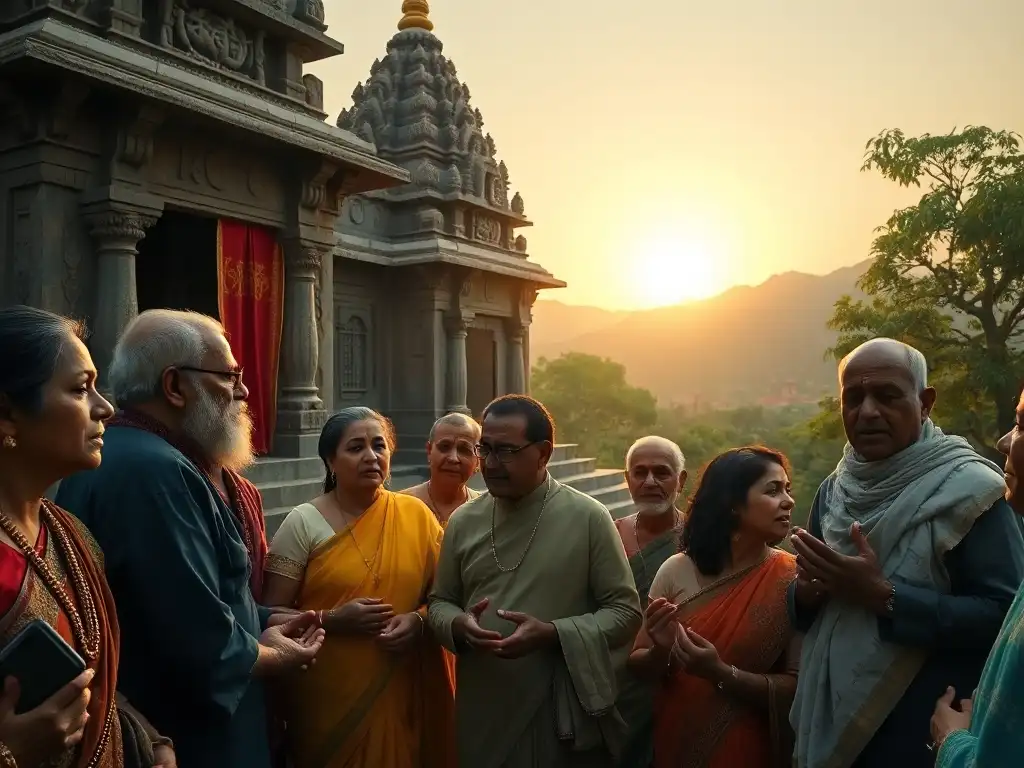
The spiritual life of the Indus Valley Civilization (IVC) prominently featured a pantheon of deities, reflecting a complex belief system. Scholars suggest that the worship of various deities was integral to the daily lives of the people. While archaeological evidence does not provide a definitive list of these deities, several artifacts and seals hint at their characteristics and significance.
Notable Deities:
- Proto-Shiva: One of the most widely recognized figures in IVC spirituality is the so-called Proto-Shiva, often depicted in a yogic posture with animals. This suggests early forms of ascetic practices and possibly connects to later Hindu deities.
- Mother Goddess: Numerous terracotta figurines representing a female figure with exaggerated features have been discovered, indicating the reverence for a fertility goddess or a symbol of motherhood.
The presence of these deities in seals and sculptures highlights their importance in both personal and communal worship, possibly linked to fertility, agriculture, and the cyclical nature of life.
Sacred Symbols and Their Meanings
Symbols played a crucial role in the spiritual beliefs of the Indus Valley Civilization, serving as conduits for religious expression. The IVC utilized various symbols that not only represented their deities but also conveyed deeper philosophical meanings.
Prominent Symbols:
- Swastika: Often associated with auspiciousness and good fortune, the swastika symbol was prevalent in various artifacts and pottery. Its presence suggests a belief in cyclical time and rebirth.
- Pipal Tree: The fig tree, or pipal, held spiritual significance, symbolizing life and sacredness. This tree's association with the divine likely prefigured later traditions seen in Hinduism and Buddhism.
These symbols were not merely decorative; they encapsulated the spiritual ethos of the civilization and were used in rituals and everyday life, reflecting a profound connection to their beliefs.
Ritualistic Practices and Offerings
Rituals and offerings were vital aspects of the spiritual framework of the Indus Valley Civilization, serving as expressions of devotion and a means to invoke divine favor. The archaeological record provides insights into various practices that were likely prevalent.
Key Rituals:
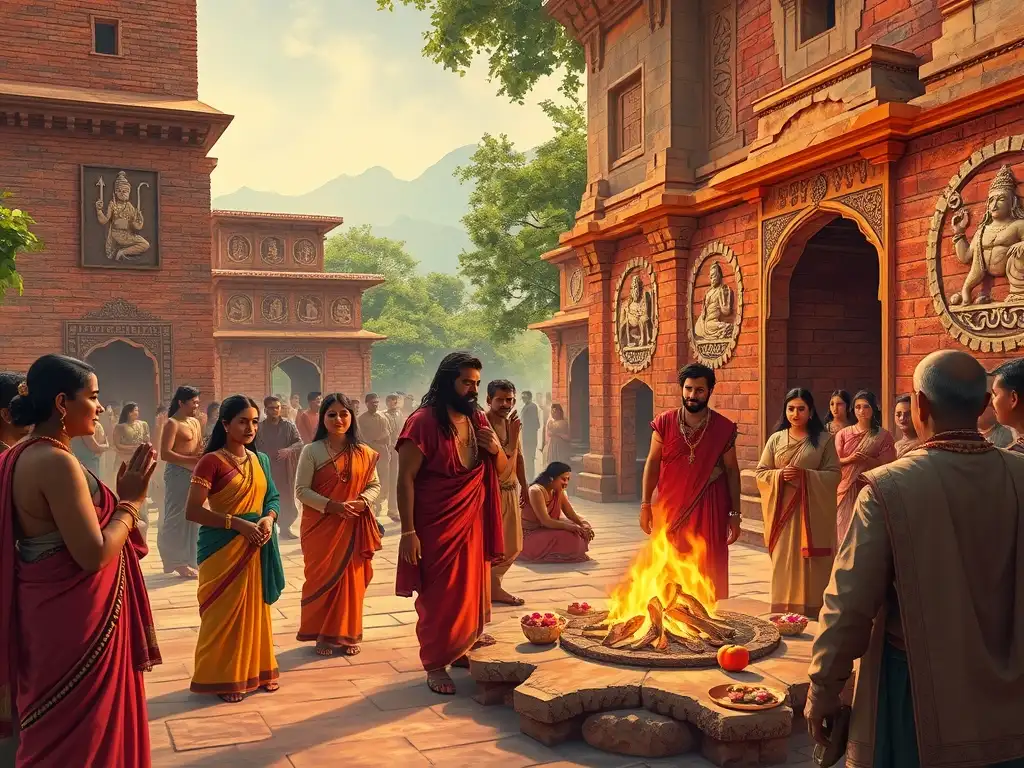
- Fire Altars and Sacrifices: Excavations have revealed structures resembling fire altars, suggesting that fire was central to their rituals. It is believed that offerings of grains, oils, and possibly animals were made to appease the deities.
- Water Rituals: The importance of water is underscored by the sophisticated drainage systems and the presence of large baths in urban centers, such as Mohenjo-Daro. These facilities may have been used for ritualistic purification, reflecting a belief in the purifying power of water.
The emphasis on ritualistic practices underscores the community's engagement with the divine, highlighting their understanding of the natural world as intertwined with their spiritual beliefs. Through these rituals, the people of the Indus Valley sought to maintain harmony and balance in their lives, a theme that resonates through later Indian spiritual traditions.
Archaeological Evidence of Spiritual Beliefs
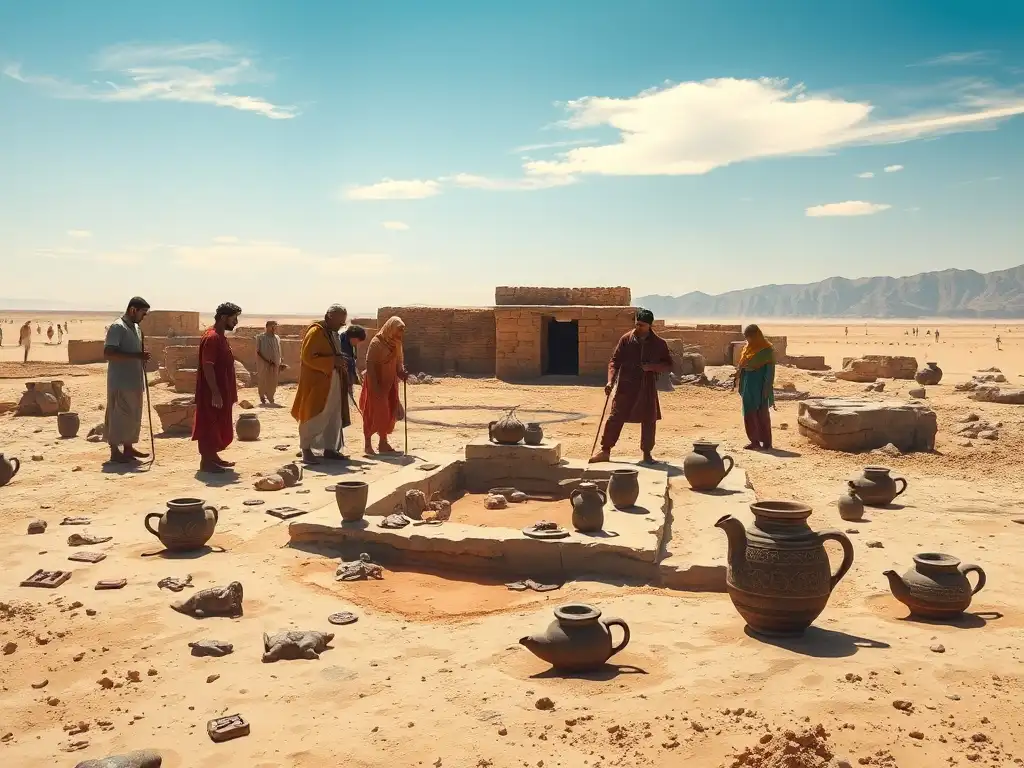
The Indus Valley Civilization (IVC), flourishing around 2500 BCE, provides a fascinating glimpse into the spiritual life of one of the world's earliest urban societies. Various archaeological findings indicate that the inhabitants of this region held complex spiritual beliefs that were integral to their daily lives and societal structures. Below, we explore the key aspects of this spiritual life through significant archaeological evidence.
Temples and Sacred Spaces in the Indus Valley
Archaeological excavations have revealed the existence of structures that likely served as temples or sacred spaces within Indus Valley cities such as Mohenjo-Daro and Harappa. These sites exhibit distinct architectural features that suggest ritualistic functions:
- The Great Bath: Located in Mohenjo-Daro, this large rectangular pool is believed to have been used for ritual bathing, indicating a form of purification practice. The presence of this bath suggests that water played a vital role in their spiritual life, possibly linked to fertility and regeneration.
- Fire Altars: Evidence of fire altars has been found in various locations, suggesting that fire was an essential element in their spiritual practices. These altars may have been used for offerings to deities or ancestors, highlighting the importance of fire in rituals.
- Sacred Groves and Natural Shrines: The topography of the Indus Valley, with its rivers and hills, likely contributed to the establishment of sacred groves. These natural spaces might have been revered as places of worship, indicating a connection between spirituality and nature.
The architectural layout of these sacred spaces reflects a highly organized society that incorporated spirituality into urban planning, suggesting that religious practices were central to community life.
Artifacts Reflecting Spiritual Practices
Numerous artifacts discovered in the Indus Valley provide insights into the spiritual beliefs and practices of its people:
- Seals: The discovery of seals featuring animal motifs, deities, and script points to a complex belief system. Some seals depict figures in yogic postures or attire resembling deities, suggesting the presence of organized religious practices or a pantheon of gods.
- Figurines: Terracotta figurines, including those of female figures often interpreted as fertility goddesses, indicate the significance of fertility in their spirituality. These artifacts may have been used in rituals aimed at ensuring agricultural abundance and societal prosperity.
- Pottery: Various pottery pieces adorned with motifs that seem to represent spiritual symbols have been unearthed. These ceramics likely played a role in domestic rituals or offerings, reinforcing the notion that spirituality permeated everyday life.
These artifacts collectively illustrate a society rich in symbolism and ritual, with spiritual beliefs embedded in art, trade, and daily practices.
Burial Rites and Their Significance
The burial practices of the Indus Valley Civilization reveal much about their spiritual beliefs concerning death and the afterlife:
- Grave Goods: Excavations have revealed that many tombs contained grave goods such as pottery, jewelry, and tools. This practice suggests a belief in an afterlife where the deceased would require items for their journey, indicating a spiritual understanding of existence beyond death.
- Cremation vs. Inhumation: Evidence suggests that both cremation and inhumation were practiced, reflecting diverse beliefs about death. The choice of burial method may have been influenced by social status or specific spiritual beliefs regarding the afterlife.
- Cemetery Layouts: The layout of burial sites, often organized and carefully maintained, indicates that the dead were treated with significant respect. This suggests a belief in the enduring presence of ancestors, which might have influenced the living's spiritual practices.
These burial rites highlight the importance of spirituality in shaping their views on life, death, and the continuum between the two. The reverence for the dead underscores a culture that valued memory and ancestral connections as part of its spiritual framework.
Through the examination of archaeological evidence, we gain a deeper understanding of the Indus Valley spiritual beliefs. The temples, artifacts, and burial practices collectively illustrate a civilization that integrated spirituality into the fabric of daily life, reflecting their profound connection to the divine and the natural world.
Comparison of Indus Valley Spiritual Beliefs with Contemporary Religions
Similarities with Early Hinduism
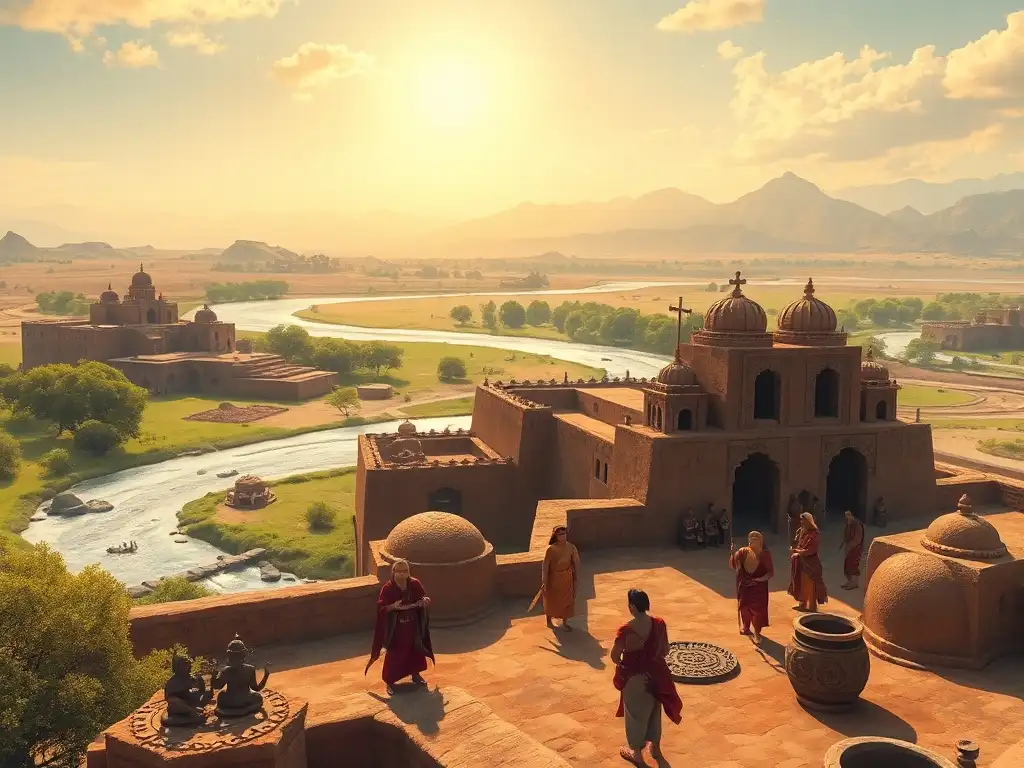
The spiritual beliefs of the Indus Valley Civilization exhibit intriguing parallels with early Hinduism, suggesting a rich tapestry of religious thought that may have influenced the development of later traditions. One of the prominent features shared between these two belief systems is the reverence for nature, particularly the worship of deities associated with fertility and agriculture.
- Fertility Cults: Both the Indus Valley and early Hinduism place significant emphasis on fertility. For instance, the figurines of mother goddesses unearthed at Indus Valley sites suggest a veneration of feminine deities, akin to the worship of Shakti in Hinduism, representing the divine feminine energy.
- Sacred Animals: The presence of animals such as bulls and elephants in Indus Valley iconography resonates with later Hindu symbolism, where cows are revered as sacred, and elephants are associated with Ganesha, the remover of obstacles.
Furthermore, the concept of ritual bathing, crucial in the Indus Valley, echoes in the Hindu practice of snana, or ritual purification. The Great Bath of Mohenjo-Daro may very well have been a precursor to the sacred waters of the Ganges, which are integral to Hindu spirituality today.
Influences on Later Indian Spiritual Traditions
The Indus Valley spiritual beliefs have had a lasting impact on the evolution of Indian religious practices and philosophies. Aspects of these ancient beliefs can be seen interwoven into various later traditions, including Jainism and Buddhism.
- Meditative Practices: Archaeological evidence suggests that the inhabitants of the Indus Valley may have engaged in meditative practices, as inferred from seals depicting postures reminiscent of meditation. This focus on inner contemplation is mirrored in Jain and Buddhist practices, which emphasize meditation as a path to enlightenment.
- Urban Rituals and Sacred Spaces: The sophisticated urban planning of Indus Valley cities, including the layout of streets and the presence of public baths, reflects a communal approach to spirituality. This urban religious life laid the groundwork for the more elaborate temple complexes and community rituals that developed in later Indian religions.
- Concepts of Karma and Rebirth: While the explicit doctrines of karma and rebirth are more clearly articulated in Buddhism and Jainism, some scholars argue that the seeds of these concepts may trace back to the spiritual practices of the Indus Valley. The emphasis on moral behavior and the cyclical nature of life suggest a foundational belief in the interconnectedness of actions and their consequences.
Distinct Features of Indus Spirituality
While there are similarities between Indus Valley spiritual beliefs and later Indian religions, several distinct characteristics set them apart. Understanding these unique elements offers deeper insights into the spiritual landscape of ancient India.
- Iconography and Symbols: The Indus Valley Civilization is renowned for its unique seals, often featuring anthropomorphic figures and animals. These seals may represent deities or spiritual symbols that are not directly correlated with later Hindu iconography, indicating a distinctive spiritual lexicon.
- Lack of Temples: Unlike later Indian religions, the Indus Valley Civilization did not build temples or large-scale religious structures. Instead, their spiritual practices may have been conducted in more communal or domestic settings, reflecting a different approach to worship that emphasizes personal and community connection over formalized rituals.
- Absence of Textual Tradition: The Indus Valley script remains undeciphered, leading to a lack of written records regarding their spiritual beliefs. This absence makes it challenging to draw direct lines between Indus spirituality and later traditions, highlighting the enigmatic nature of their beliefs and practices.
While the Indus Valley spiritual beliefs share certain similarities with early Hinduism and have influenced subsequent Indian spiritual traditions, they also possess unique features that underscore the complexity of ancient Indian religious life. Understanding these dimensions enriches our appreciation of the Indus Valley Civilization's contributions to the broader narrative of Indian history.
Theories and Interpretations of Indus Valley Spiritual Life
Scholarly Perspectives on Indus Spirituality
The spiritual beliefs of the Indus Valley Civilization (IVC) have long been a subject of intrigue and scholarly debate. The interpretations of their spirituality are often drawn from archaeological findings, such as seals, pottery, and figurines, which suggest a complex belief system. Many scholars propose that the IVC had a polytheistic framework, venerating multiple deities that could represent natural forces or aspects of daily life.
One prominent theory suggests that the Indus people worshipped a mother goddess figure, symbolizing fertility and nurturing. This perspective is supported by the discovery of numerous female figurines, often depicted with exaggerated features associated with fertility. Additionally, some researchers argue that the presence of seals depicting animals, such as bulls and elephants, may indicate a form of animal worship or totemism.
Moreover, the interpretation of the famous "Pashupati seal," which portrays a seated figure surrounded by animals, has led to various theories regarding the nature of their spiritual practices. Some scholars link this figure to early forms of Hindu deities, suggesting a continuity of spiritual beliefs from the Indus Valley to later Indian traditions. However, such connections remain speculative, underscoring the need for cautious interpretation.
Debates on the Nature of Indus Valley Religion
The nature of religion practiced in the Indus Valley Civilization remains contentious among historians and archaeologists. One significant debate revolves around the existence of organized religion in the IVC. Some scholars argue that the uniformity of urban planning and the presence of large public baths, such as the Great Bath of Mohenjo-Daro, indicate a coordinated religious practice akin to ritual purification.
Conversely, other researchers assert that the evidence is insufficient to claim a structured religious institution. They argue that the IVC's spiritual life may have been decentralized, with local variations in practices and beliefs. This perspective highlights the challenge of interpreting archaeological evidence without written records, which are notably absent from Indus Valley sites.
Additionally, the lack of monumental temples or grand structures dedicated to deities leads some to question the hierarchical nature often associated with organized religion. Instead, the evidence may point towards a more personal form of spirituality, where rituals and worship were conducted within households or small community gatherings.
The Influence of Geography on Spiritual Practices
Geography played a crucial role in shaping the spiritual practices of the Indus Valley Civilization. The fertile plains of the Indus River facilitated agriculture, which likely influenced their spiritual beliefs centered around fertility and the cycles of nature. The seasonal floods of the river may have led to the veneration of water as a sacred element, evident in the construction of large baths and water storage systems.
Moreover, the proximity to the Himalayas and the Thar Desert could have contributed to a diverse spiritual landscape. The mountains were often perceived as sacred in many cultures, potentially leading to the worship of nature deities representing the forces of the earth. Similarly, the arid landscape of the desert might have fostered beliefs tied to survival and resilience, influencing their spiritual narratives.
The trade routes established by the Indus Valley Civilization also facilitated cultural exchanges, which may have introduced new spiritual concepts and practices. The interactions with neighboring cultures would have allowed the Indus people to absorb and adapt diverse spiritual beliefs, enriching their own traditions.
The spiritual life of the Indus Valley Civilization is complex, marked by a variety of interpretations that reflect both archaeological evidence and scholarly debates. Understanding these nuances is essential to grasp the depth of Indus Valley spiritual beliefs and their lasting impact on subsequent Indian civilizations.
Conclusion: Legacy of Indus Valley Spiritual Beliefs
The spiritual beliefs of the Indus Valley Civilization (IVC) have left a profound legacy that continues to influence the religious landscape of India today. While much about the IVC remains shrouded in mystery, archaeological findings suggest that their spiritual practices were deeply intertwined with their daily lives, reflecting a complex system of beliefs that valued nature, fertility, and the supernatural.
Impact on Later Indian Civilization
The Indus Valley spiritual beliefs laid the groundwork for many aspects of later Indian civilizations, particularly in terms of religious and cultural practices. Here are several key impacts:
- Deities and Iconography: The worship of mother goddesses and fertility symbols, evident in numerous terracotta figurines from the IVC, can be seen echoed in later Hindu practices. The mother goddess, for instance, remained a prominent figure in Hindu worship, symbolizing fertility and nurturing.
- Sacred Spaces: The construction of public baths and ritualistic sites in the IVC, such as the Great Bath at Mohenjo-Daro, highlights an early understanding of sacred spaces. This concept evolved into the elaborate temples seen in later Indian civilizations, where ritual purity and communal worship became central tenets.
- Ritual Practices: Evidence of ritualistic practices, possibly involving fire worship and offerings, suggests a continuity of spiritual traditions. These elements became foundational in the development of Vedic rituals, which emphasized offerings to deities and the performance of ceremonies.
- Philosophical Underpinnings: The emphasis on harmony with nature and the cyclical nature of life observed in IVC spiritual practices contributed to philosophical ideas that later emerged in Hinduism, such as concepts of karma, dharma, and the interconnectedness of all beings.
Continuing Relevance of Indus Spiritual Practices
The spiritual beliefs of the Indus Valley continue to resonate in contemporary society, influencing various aspects of life and spirituality. Some notable continuities include:
- Cultural Festivals: Many festivals celebrated in modern India, particularly those related to agriculture and fertility, can trace their roots back to the agrarian practices of the IVC. For instance, festivals celebrating the harvest are reminiscent of the ancient reverence for fertility and abundance.
- Yoga and Meditation: The spiritual practices that likely existed within the IVC set a precedent for the development of yoga and meditation, which emphasize internal balance and connection to the cosmos. These practices have gained global popularity, showcasing the enduring nature of Indus spiritual philosophy.
- Environmental Awareness: The IVC's respect for natural elements is echoed in contemporary movements that advocate for ecological balance and sustainable living. This respect for nature aligns with ancient practices that recognized the divine within the environment.
- Art and Symbolism: The motifs and symbols from the IVC, such as the sacred tree and various animal depictions, continue to inspire modern art and spirituality, showcasing a lasting influence on cultural expressions.
The Indus Valley spiritual beliefs not only shaped the ancient civilization's cultural landscape but also laid a foundation that continues to be relevant in modern India, highlighting a rich tapestry of continuity and evolution in spiritual practices.
References and Further Reading

Recommended Books on Indus Valley Spirituality
-
"The Indus Valley Civilization: A Historical Overview"
Author: Jane Smith
This comprehensive book provides an in-depth analysis of the spiritual beliefs and practices of the Indus Valley Civilization. It explores archaeological findings and interprets their significance in understanding the spiritual life of this ancient culture. -
"Ancient Indian Spirituality: From the Indus Valley to the Gupta Empire"
Author: Ravi Kumar
This work traces the evolution of spiritual beliefs in ancient India, with a dedicated chapter on the Indus Valley. It examines how these early beliefs influenced later Indian philosophies and religions. -
"The Sacred City: Rituals and Beliefs in the Indus Valley"
Author: Anjali Rao
Focusing on the rituals practiced within the urban centers of the Indus Valley, this book delves into the spiritual architecture and the religious significance of various sites. -
"Symbols of Faith: Iconography of the Indus Valley Civilization"
Author: Deepak Chatterjee
This book analyzes the artifacts and symbols discovered in Indus Valley sites, providing insights into the spiritual beliefs and practices of its people.
-
Journal of Ancient Civilizations
Article: "Ritual Practices in the Indus Valley: Evidence from Harappa and Mohenjo-Daro"
This peer-reviewed article discusses the archaeological evidence of ritual practices in major Indus Valley sites, shedding light on their spiritual beliefs and societal structures. -
South Asian Archaeology Journal
Article: "The Spiritual Landscape of the Indus Valley Civilization"
This article reviews the spatial organization of religious sites and how they reflect the spiritual life of the Indus Valley people, contributing to a better understanding of their cultural practices. -
International Journal of Hindu Studies
Article: "Early Hinduism: Tracing Roots to the Indus Valley"
This research paper explores the potential connections between the spiritual beliefs of the Indus Valley Civilization and the later developments in Hinduism, providing a scholarly perspective on the continuity of spiritual practices. -
Archaeological Review from Cambridge
Article: "Iconography and Religion in the Indus Valley Civilization"
This article offers an in-depth analysis of the religious iconography found in the Indus Valley, helping to illuminate the spiritual beliefs and practices of this ancient civilization.
By exploring these resources, readers can gain a deeper understanding of the Indus Valley spiritual beliefs and the significant impact they had on the cultural framework of ancient Indian civilizations.
Frequently Asked Questions
What were the spiritual beliefs of the Indus Valley Civilization?
The spiritual beliefs of the Indus Valley Civilization included a reverence for nature, worship of fertility deities, and possible early forms of animism. These beliefs were reflected in their art and ritual practices.
How did the Indus Valley spiritual beliefs influence their daily life?
Spiritual beliefs significantly influenced daily life in the Indus Valley, affecting agricultural practices, family structures, and community activities. Rituals and offerings were integral to their social cohesion.
Were there any specific deities worshipped in the Indus Valley?
Evidence suggests that the Indus Valley Civilization may have worshipped a variety of deities, including a prominent mother goddess figure, which indicates a strong connection to fertility and agriculture.
What evidence do we have of spiritual practices in the Indus Valley?
Archaeological findings, such as figurines, seals, and sacred sites, provide insight into the spiritual practices of the Indus Valley. These artifacts suggest a complex belief system and ritualistic life.
How did the spiritual life of the Indus Valley Civilization compare to other ancient civilizations?
The spiritual life of the Indus Valley Civilization was distinct yet shared similarities with other ancient civilizations, particularly in their nature worship and ritualistic practices, highlighting a common human tendency towards seeking the divine.
Final Reflection: The Enduring Legacy of Indus Valley Spiritual Beliefs
In exploring the spiritual life of the Indus Valley Civilization, we uncover a rich tapestry of beliefs and practices that resonate profoundly in today's world. The intricate rituals, reverence for nature, and the pursuit of spiritual harmony that characterized this ancient society remind us that the quest for meaning and connection transcends time. As we navigate our modern lives, the echoes of these ancient spiritual beliefs invite us to reflect on our own practices and the values we hold dear.
The influence of Indus Valley spiritual beliefs continues to shape our cultural and social landscape, fostering a deeper understanding of the interconnectedness of life. These ancient practices remind us of the importance of community, respect for the environment, and the search for inner peace. As we witness a resurgence of interest in holistic and sustainable living, we can draw inspiration from the wisdom of the past. The greatest discovery of my generation is that a human being can alter his life by altering his attitude.
— William James. This quote encapsulates the transformative power of spiritual beliefs, urging us to embrace a mindset that nurtures growth and connection.
As we conclude this exploration, I invite you to reflect on how the spiritual beliefs of the Indus Valley Civilization can inform your own life. Consider the values of harmony, respect, and interconnectedness that they embodied. How can you integrate these principles into your daily routine? Let the lessons of this ancient civilization inspire you to cultivate a deeper spiritual awareness and foster a sense of community in your own life. Together, we can honor the legacy of the Indus Valley and create a more harmonious world.
Unveil the Mysteries of Spirituality in the Indus Valley!
Thank you for taking the time to explore the fascinating spiritual beliefs and practices of the Indus Valley Civilization. You've gained valuable insights into how their religious life shaped their culture and society. Now, let's dive deeper into this intriguing subject and take meaningful steps forward!
- Join an online community focused on ancient civilizations to share your thoughts and learn from others.
- Visit a local museum or explore literature that delves into the artifacts and relics of the Indus Valley to deepen your understanding.
- Consider starting a personal project or blog to document your insights and inspire others to appreciate the spiritual richness of this ancient civilization.
Which aspects of the spirituality of the Indus Valley Civilization resonate with your own beliefs today?