
The Indus Valley Civilization: Unveiling the Rituals of Daily Life and Worship

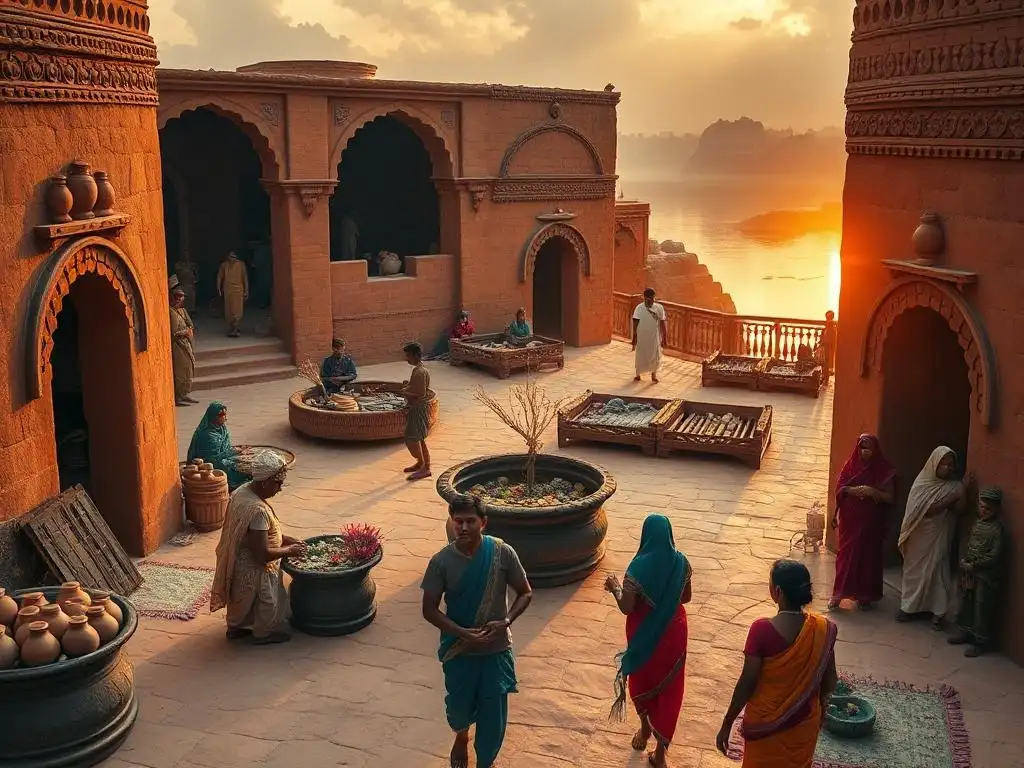
Welcome to Ancient India History, where we embark on a captivating journey through the rich tapestry of ancient Indian civilizations. Today, we delve into the intriguing world of the Indus Valley Civilization, exploring the daily rituals that shaped the lives and spiritual practices of its people. What secrets lie within their daily routines and worship? Join us as we unveil the fascinating customs and traditions that defined this remarkable society, and prepare to be inspired by the profound legacy they have left behind. Dive in to discover more!
Introduction to the Indus Valley Civilization
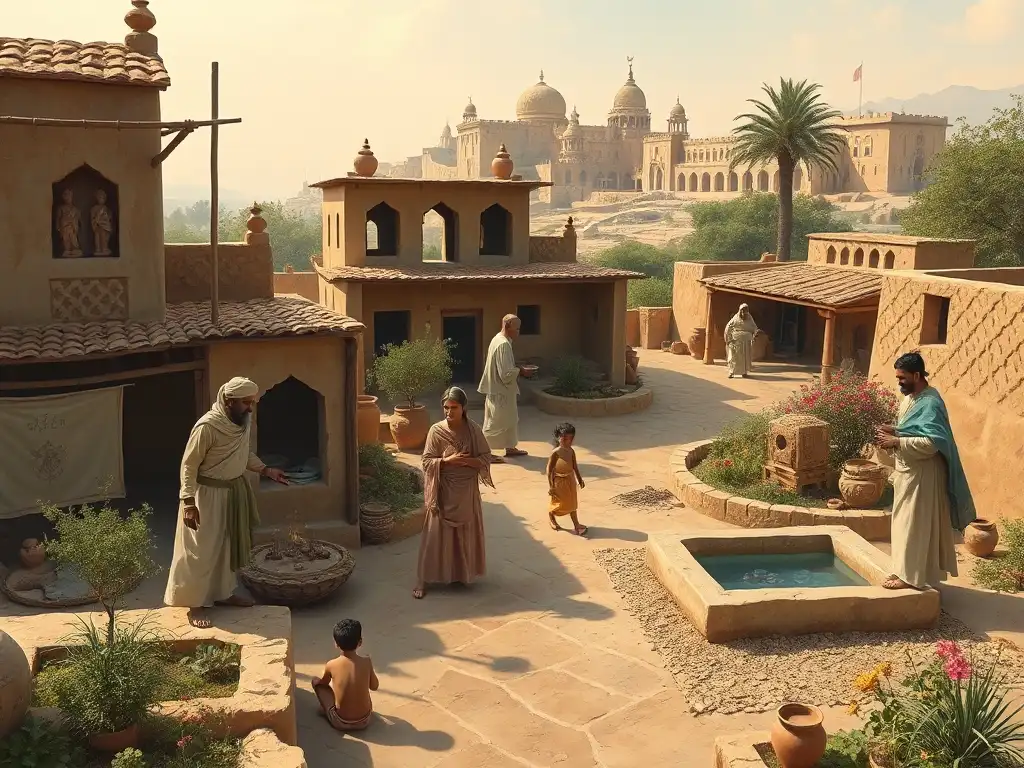
The Indus Valley Civilization (IVC), flourishing around 2500 BCE in what is now modern-day Pakistan and northwest India, represents one of the earliest and most advanced urban cultures of the ancient world. This civilization is renowned not only for its impressive urban planning and architecture but also for its intricate daily rituals and practices that shaped the spiritual and social fabric of its society. Understanding the Indus Valley Civilization daily rituals provides invaluable insights into the lives of its inhabitants, revealing how their beliefs and customs influenced their interactions with the environment, social structures, and economy.
Overview of the Indus Valley Civilization
The Indus Valley Civilization was characterized by its well-planned cities, like Harappa and Mohenjo-Daro, which featured sophisticated drainage systems, granaries, and public baths. Evidence of a script, although still undeciphered, suggests a complex system of communication. The civilization thrived on agriculture, trade, and craftsmanship, indicating a highly developed economy and social organization.
Importance of Daily Life and Rituals in the Indus Valley
Daily life in the Indus Valley was deeply intertwined with religious and cultural rituals. These practices not only provided a sense of identity and continuity but also influenced the way people interacted with one another and their surroundings. Rituals likely played a significant role in agricultural cycles, family life, and community gatherings, showcasing the civilization's commitment to maintaining harmony with both nature and society.
Daily Life in the Indus Valley Civilization
Social Structure and Community Life
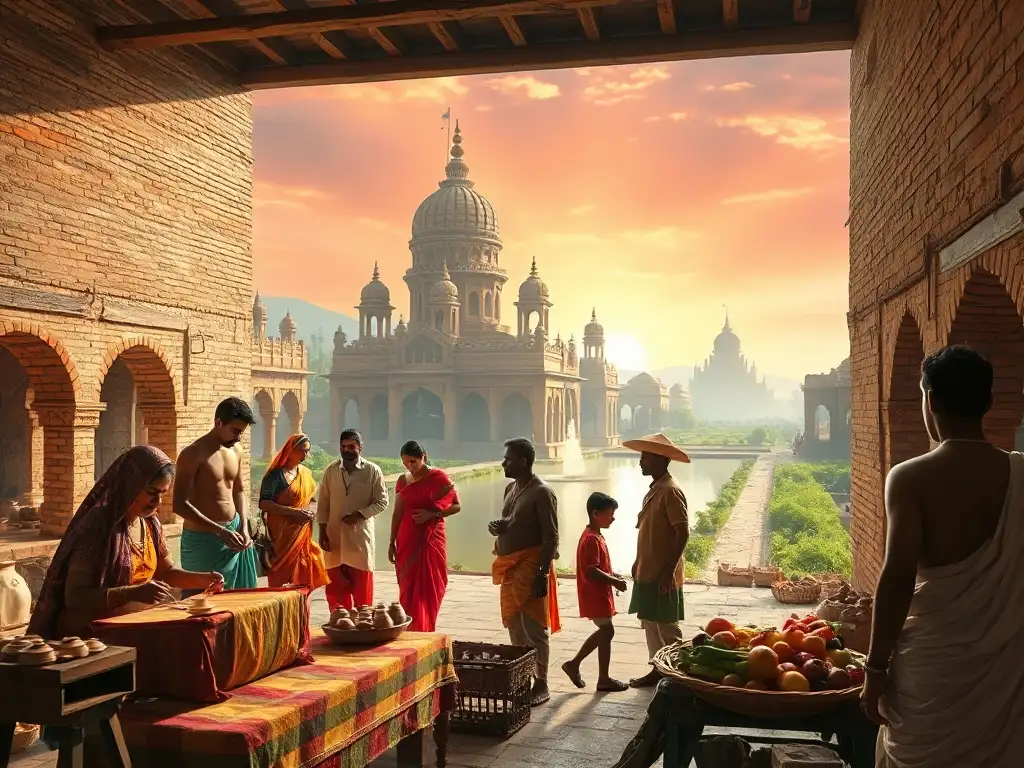
The social structure of the Indus Valley Civilization appears to have been relatively egalitarian, with evidence suggesting a division of labor but not a rigid caste system. Communities were likely organized around extended families, with social cohesion fostered through communal activities and rituals. The presence of large public buildings indicates that communal gatherings and rituals were significant aspects of daily life.
Housing and Urban Planning
The urban design of Indus Valley cities reflects a high degree of planning and organization. Homes were typically built from standardized baked bricks and featured flat roofs. Streets were laid out in a grid pattern, with sophisticated drainage systems. Public spaces, such as baths and granaries, suggest that community hygiene and storage were vital to daily life, reinforcing the importance of communal rituals in maintaining social order.
Occupations and Economic Activities
The economy of the Indus Valley was diverse, encompassing agriculture, trade, and craft production. Evidence indicates that people engaged in farming, textile production, metallurgy, and pottery, with trade routes extending to Mesopotamia and beyond. Daily rituals affiliated with agricultural practices, such as planting and harvesting, likely played a crucial role in the lives of these communities, underscoring the interconnectedness of work and spiritual practices.
The Indus Valley Civilization offers a fascinating glimpse into the daily life and rituals that shaped one of the world's earliest urban societies. Understanding these elements not only enriches our knowledge of ancient India but also enhances our appreciation for the complexities of human civilization.
Rituals and Worship Practices in the Indus Valley Civilization
The Indus Valley Civilization, which thrived around 2500 BCE to 1900 BCE, showcased a rich tapestry of daily rituals and worship practices that reflect the society's complex belief systems and cultural values. Unlike many ancient civilizations, the Indus Valley people left behind no written records, making it challenging to decipher the exact nature of their rituals. However, archaeological discoveries, including seals, figurines, and urban planning, provide valuable insights into their spiritual life.
Archaeological findings indicate that the Indus people engaged in various rites, possibly aimed at connecting with nature and the divine. The use of fire in rituals, evident from the numerous hearths and fire pits found in settlements, suggests the importance of sacrifices and offerings. Furthermore, the presence of terracotta figurines, often depicting female forms, hints at fertility worship and a reverence for women, possibly viewed as life-givers.
Understanding Daily Rituals in the Indus Valley
Daily rituals in the Indus Valley likely revolved around agricultural cycles, seasonal changes, and life events such as birth, marriage, and death. The agricultural calendar dictated their lives, and rituals would have been performed to ensure bountiful harvests and favorable weather conditions. It is plausible that communal prayers and sacrifices were common, fostering a sense of unity among the population.
The evidence of bathing areas and drainage systems in major cities like Mohenjo-Daro suggests a focus on cleanliness and ritual purity. The Great Bath, a large public water reservoir, may have served as a site for purification rituals, emphasizing the importance of water in their spiritual practices. These daily acts of devotion would not only have reinforced their spiritual beliefs but also strengthened social bonds within the community.
Religious Beliefs and Deities
The religious landscape of the Indus Valley Civilization appears to have revolved around a polytheistic belief system. Numerous seals depict figures that might represent deities, including a prominent horned figure often interpreted as a proto-Shiva or a fertility goddess. This suggests that the people may have worshipped a variety of gods associated with nature, fertility, and prosperity.
Moreover, the presence of animal motifs, such as bulls and elephants, in their art and seals indicates reverence for these creatures, possibly viewing them as sacred entities. The worship of female deities, likely linked to fertility and motherhood, points to a matriarchal aspect in their belief systems, reflecting the significance of women in both society and spirituality.
Sacred Spaces and Temples in the Indus Valley
While the Indus Valley Civilization did not build grand temples like those seen in later Indian cultures, evidence suggests the existence of sacred spaces integrated into their urban planning. Structures that might have served ritualistic purposes have been discovered, with the Great Bath in Mohenjo-Daro being a focal point for communal rituals and spiritual cleansing.
Archaeological excavations reveal that some residential areas contained altars and platforms that could have served as places of worship. The layout of cities, with their organized streets and public spaces, reflects a society that valued communal life, likely culminating in gatherings for religious observances.
The Role of Rituals in Society
Rituals played a vital role in the Indus Valley Civilization, acting as a glue that held the community together. These practices were not merely individual acts of devotion but were integral to the social fabric, reinforcing cultural identity and shared beliefs.
Community Gatherings and Festivals
Festivals and communal gatherings were likely key components of life in the Indus Valley. These events would have provided opportunities for the community to come together, celebrate, and participate in collective rituals that honored their deities and the cycles of nature. Such gatherings fostered a sense of belonging and unity within the community, demonstrating the importance of collective worship in reinforcing social ties.
Moreover, festivals might have included agricultural rites, where offerings were made to ensure good harvests, and seasonal celebrations that connected the people to the rhythms of nature. These communal rituals not only marked significant life events but also served as a means of passing down cultural traditions and values to future generations.
Rituals as a Reflection of Culture
The rituals practiced in the Indus Valley Civilization were a mirror reflecting the society's values, beliefs, and worldview. Through their daily rituals and worship practices, the inhabitants expressed their connection to nature, the importance of fertility, and the need for communal harmony.
The use of specific symbols, motifs, and practices in their rituals revealed the civilization's understanding of life, death, and the cosmos. Each ritual served as a narrative that conveyed cultural meanings and reinforced their identity, allowing individuals to connect with both their community and the greater universe.
Gender Roles in Daily Rituals and Worship
Gender roles in the Indus Valley Civilization were intricately linked to their rituals and worship practices. The prominence of female figurines and deities suggests a society that held women in high regard, particularly in the context of fertility and agricultural abundance. Women may have played crucial roles in religious rituals, particularly those related to childbirth and domestic life.
Men, too, likely participated in communal rituals, especially those involving agriculture and animal husbandry. The interplay of gender roles in these rituals would have contributed to a balanced societal structure, where both men and women had distinct but equally important roles in maintaining the spiritual and cultural legacy of the civilization.
The rituals of the Indus Valley Civilization reveal a society deeply engaged with its spiritual beliefs, community life, and cultural identity, laying the groundwork for understanding the complexities of ancient Indian civilizations.
Artifacts and Evidence of Daily Rituals
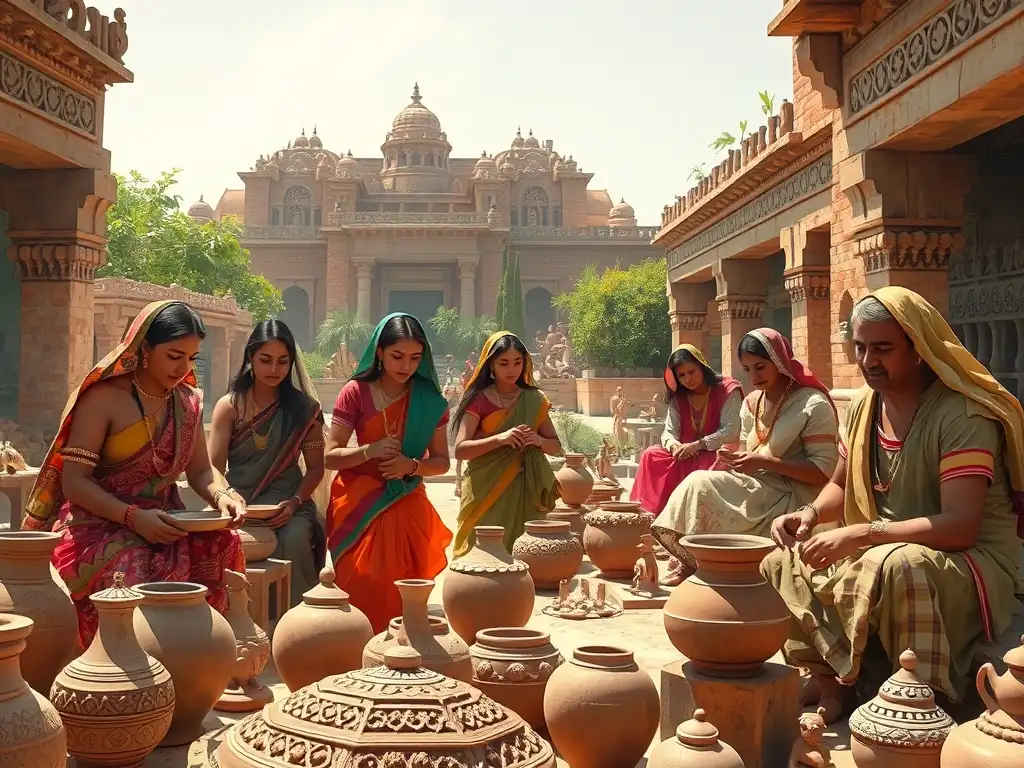
The Indus Valley Civilization (IVC), one of the earliest urban cultures in the world, left behind a wealth of artifacts that provide invaluable insights into their daily rituals and practices. These artifacts, ranging from pottery and seals to figurines, reflect the complexity of life in ancient settlements such as Harappa and Mohenjo-Daro. The evidence reveals a society deeply engaged in ritualistic activities that were intricately woven into their daily lives, suggesting a rich spiritual and cultural tapestry.
Several key types of artifacts have been identified as crucial in understanding the daily rituals of the Indus people. Among these, ceramic vessels, often decorated with intricate designs, were likely used in various ceremonial practices. Additionally, the discovery of terracotta figurines, some representing deities and others depicting animals, hints at the religious beliefs that may have influenced daily life. Seals, too, play a significant role in shedding light on the socio-economic and ritualistic aspects of IVC, showcasing motifs that suggest a strong connection between trade, governance, and worship.
Archaeological Discoveries and Findings
Archaeological excavations across the sites of the Indus Valley have unearthed numerous findings that underscore the significance of daily rituals. Excavations at Mohenjo-Daro have revealed a large public bath, often interpreted as a site for ritual purification and communal gatherings. This suggests that public bathing may have held a ritualistic importance, perhaps linked to spiritual cleansing or communal worship.
In addition to the Great Bath, many residential areas contained altars and hearths, indicating that domestic spaces were also sites of ritualistic practices. The presence of fire pits suggests that fire played a role in daily worship, possibly used for offerings or as part of domestic rituals. These archaeological findings collectively paint a picture of a civilization where daily life was punctuated by rituals that fostered community ties and spiritual connections.
Significance of Seals and Figurines
Seals and figurines from the Indus Valley Civilization are particularly significant as they provide a glimpse into the spiritual beliefs and practices of the society. The seals, often made of steatite, bear intricate carvings that include animals, deities, and script—elements which point to the religious and cultural identity of the IVC.
Many seals depict a horned figure, often interpreted as a priest or a deity, surrounded by animals, suggesting a possible connection to shamanistic practices. The use of seals in trade also indicates that these objects may have played a dual role—serving not only as a means of communication and identification but also as objects of ritual significance.
Terracotta figurines, particularly those representing women, are thought to symbolize fertility and motherhood, hinting at the importance placed on these aspects within their rituals. The varied styles and forms of these figurines suggest that they were used in domestic worship, further emphasizing the intertwining of daily life and spirituality.
Interpretation of Ritualistic Objects
The interpretation of ritualistic objects from the Indus Valley Civilization requires careful analysis, as their meanings can vary widely. Many scholars believe that certain artifacts, such as the aforementioned figurines and seals, were imbued with symbolic meanings that went beyond their functional uses.
For example, the presence of fertility figurines suggests a ritualistic focus on life cycles and agricultural prosperity. Additionally, the alignment of some structures and artifacts with astronomical phenomena hints at a cosmological understanding that informed their rituals.
Furthermore, the ritualistic use of specific materials, such as clay and bronze, may indicate beliefs related to creation and transformation. The crafting of these objects likely involved specialized knowledge, suggesting that certain members of society were tasked with the spiritual and practical responsibilities of ritual practice. This division reinforces the notion of a structured society where rituals played a unifying role.
Conclusion: The Legacy of Indus Valley Civilization Daily Rituals
The daily rituals of the Indus Valley Civilization not only shaped the cultural identity of the people but also left a lasting legacy that would influence subsequent Indian civilizations. The rituals practiced during this period encompassed a rich blend of social, spiritual, and economic elements, forming a foundation for future societal structures.
Impact on Later Indian Civilizations
The impact of the daily rituals from the Indus Valley can be seen in the cultural practices of later Indian civilizations. Many elements of IVC rituals, such as reverence for fertility and agricultural cycles, continued to be significant in Vedic traditions and later Hindu practices. Some scholars argue that the ritualistic use of fire, as evident in the Great Bath, finds resonance in the rituals of fire worship (Yajna) that are central to Hinduism.
Moreover, the artistic styles and iconography of the Indus Valley influenced subsequent artistic expressions in Indian culture, evident in sculptural forms and motifs that persist in later religious art. The emphasis on community and shared rituals laid the groundwork for the communal practices that are integral to Indian society today.
Continuing Influence of Indus Valley Practices on Modern Culture
The influence of the Indus Valley Civilization's daily rituals can still be observed in modern Indian culture. Practices surrounding fertility worship, agricultural festivals, and community rituals reflect ancestral traditions that have evolved yet retain their roots in ancient practices.
Furthermore, some modern spiritual and cultural movements in India draw inspiration from the symbolism found in Indus Valley artifacts, promoting a resurgence of interest in ancient rituals. This continuity illustrates how the foundational practices of the Indus Valley Civilization continue to resonate in contemporary society, highlighting the enduring legacy of their daily rituals.
The rituals of daily life in the Indus Valley Civilization not only enriched their society but also contributed significantly to the cultural fabric of India, influencing generations that followed.
References
Key Sources and Further Reading on the Indus Valley Civilization and Rituals
Understanding the rituals of daily life and worship in the Indus Valley Civilization offers profound insights into one of the world’s earliest urban cultures. Below are some key sources and further reading materials that explore various aspects of the Indus Valley Civilization, including its social structure, religious practices, and daily rituals.
- Books:
- "The Indus Valley Civilization: A Historical Overview" by S. R. Rao
- This comprehensive book provides an in-depth exploration of the archaeological findings in the Indus Valley, including aspects related to daily life and spiritual practices.
- "Ancient India" by Romila Thapar
- Thapar offers a scholarly examination of ancient Indian civilizations, including the Indus Valley, focusing on cultural rituals and societal norms.
- "The Archaeology of the Indus Valley Civilization" by Jonathan Mark Kenoyer
- Kenoyer's work is essential for understanding the archaeological context of the Indus Valley, highlighting daily activities and rituals through artifacts and site analyses.
- "The Indus Valley Civilization: A Historical Overview" by S. R. Rao
- Journal Articles:
- "Ritual and Religion in the Indus Valley: Evidence from Harappan Sites" in the Journal of Archaeological Science
- This article examines the ritualistic aspects of Harappan life, exploring how religious beliefs influenced daily practices.
- "Urban Planning and Ritual in Harappan Society" in the Journal of South Asian Studies
- This paper discusses the relationship between urban planning and religious rituals, providing insights into how the built environment reflected spiritual values.
- "Ritual and Religion in the Indus Valley: Evidence from Harappan Sites" in the Journal of Archaeological Science
- Online Resources:
- The British Museum’s Indus Valley Civilization Collection
- This online repository offers access to artifacts from the Indus Valley, along with descriptions that provide context for daily rituals and religious practices.
- Harappa.com
- A comprehensive website dedicated to the Indus Valley Civilization, featuring articles, images, and discussions centered on various aspects of daily life and religion.
- The British Museum’s Indus Valley Civilization Collection
- Documentaries:
- "The Indus Valley Civilization: A Forgotten History"
- This documentary features expert interviews and archaeological footage, shedding light on the rituals and daily activities of the Indus Valley people.
- "The Indus Valley Civilization: A Forgotten History"
These resources not only enhance the understanding of the "Indus Valley Civilization daily rituals" but also contribute to a broader appreciation of the cultural and historical significance of one of the world's earliest civilizations. Engaging with these materials can deepen your knowledge of how the people of the Indus Valley lived, worshipped, and interacted with their environment.
- Introduction to the Indus Valley Civilization
- Overview of the Indus Valley Civilization
- Importance of Daily Life and Rituals in the Indus Valley
- Daily Life in the Indus Valley Civilization
- Rituals and Worship Practices in the Indus Valley Civilization
- The Role of Rituals in Society
- Artifacts and Evidence of Daily Rituals
- Conclusion: The Legacy of Indus Valley Civilization Daily Rituals
- References
- What was the significance of daily rituals in the Indus Valley Civilization?
- How did the Indus Valley people conduct their daily rituals?
- What were some common themes in the daily rituals of the Indus Valley?
- Were there any specific artifacts related to daily rituals found in the Indus Valley?
- How do we know about the daily rituals of the Indus Valley Civilization?
Frequently Asked Questions
What was the significance of daily rituals in the Indus Valley Civilization?
Daily rituals in the Indus Valley Civilization played a crucial role in spiritual life and helped maintain community bonds, reflecting their religious beliefs and cultural practices.
How did the Indus Valley people conduct their daily rituals?
The people of the Indus Valley likely performed rituals that included offerings, prayers, and purification practices, often using natural elements such as water and fire in their ceremonies.
What were some common themes in the daily rituals of the Indus Valley?
Common themes included fertility, agriculture, and water worship, indicating a deep connection to nature and the environment, which was essential for their survival and prosperity.
Yes, numerous artifacts such as statuettes, ceramic vessels, and seals depict figures and symbols associated with worship, indicating the importance of rituals in their daily lives.
How do we know about the daily rituals of the Indus Valley Civilization?
Archaeological findings, including site excavations and preserved artifacts, provide insights into the daily rituals and practices, although much remains speculative due to the lack of written records.
Final Reflection: Embracing the Echoes of the Indus Valley Civilization
The exploration of the Indus Valley Civilization's daily rituals is not just an academic pursuit; it is a vital connection to our shared human experience. In a world that often feels fragmented, understanding the intricate customs and practices of a society that thrived thousands of years ago reminds us of our common threads. The rituals of daily life and worship in the Indus Valley serve as a testament to the enduring nature of human spirituality and community, revealing that our quest for meaning and connection transcends time and geography.
Cultural heritage shapes our identities and influences our present and future. The daily rituals of the Indus Valley Civilization offer profound insights into the values and beliefs that guided their society. As we navigate our contemporary lives, we can draw parallels between their practices and our own, recognizing the importance of rituals in fostering community and continuity. Rituals are the threads that weave the fabric of our lives, connecting us to our past and guiding us into the future.
This observation underscores the significance of understanding ancient practices, as they continue to resonate within our modern cultural landscape.
As we reflect on the lessons from the Indus Valley Civilization, I invite you to consider the rituals that shape your own life. What practices ground you in your daily routine? How do they connect you to your community and heritage?
By embracing the wisdom of the past, we can cultivate a deeper appreciation for our own rituals and their role in fostering connection, resilience, and understanding in an ever-changing world. Let us honor the legacy of the Indus Valley by integrating meaningful practices into our lives, ensuring that the echoes of their civilization continue to inspire us today and into the future.
Unveil the Mysteries of the Indus Valley Civilization!
Thank you for diving into the fascinating world of the Indus Valley Civilization with us! You've uncovered the rituals and daily life that shaped this ancient society. Now, let's take the next steps together to deepen your understanding and connection to this remarkable chapter in history.
Here’s how you can continue your journey:
- Explore Further: Delve into additional resources on ancient rituals and societal structures by visiting our curated list of articles on the history of Ancient India.
- Join the Conversation: Share your thoughts! Engage with other history enthusiasts in the comments section below or connect with us on social media to discuss your discoveries.
- Try Something New: Visit a local museum or cultural exhibit that showcases artifacts from the Indus Valley. Experience the history up close!
What aspect of the Indus Valley Civilization fascinates you the most and why? We invite you to share your insights with us!