
The Indus Valley Civilization: Pioneers of Urban Artistry

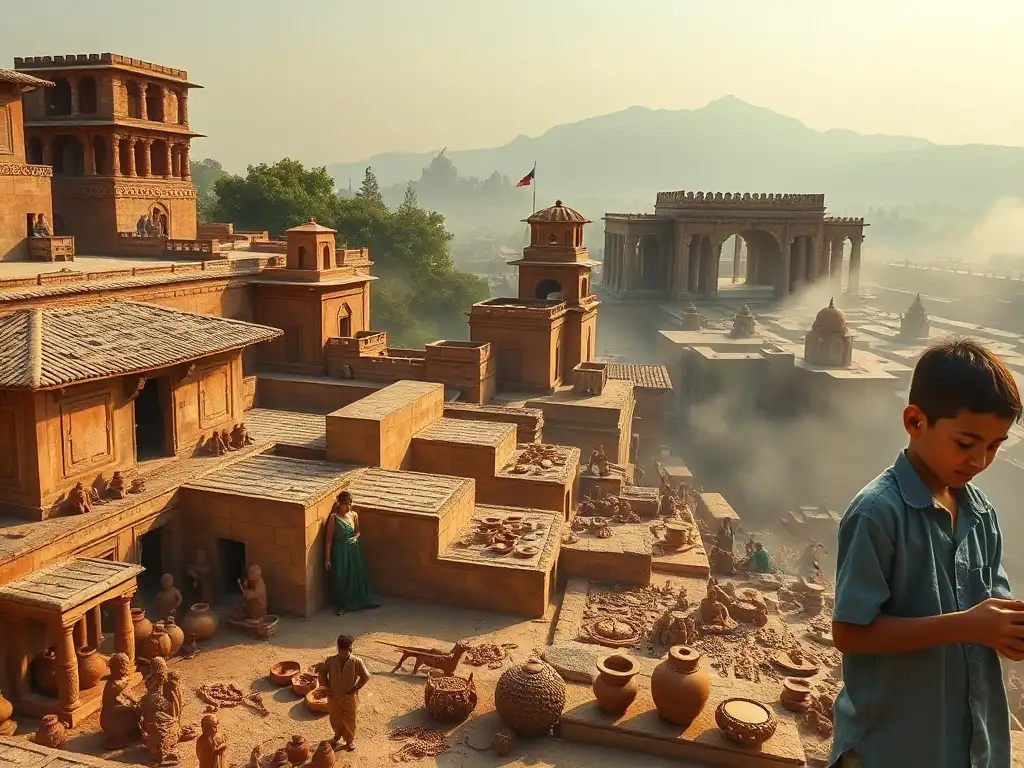
Welcome to Ancient India History, where we embark on an enthralling journey through the vibrant tapestry of ancient Indian civilizations. Here, we delve into the remarkable Indus Valley urban artistry history, a testament to the ingenuity and creativity that flourished in one of the world's earliest urban centers. Uncover the secrets of their sophisticated architecture, intricate crafts, and the cultural legacies that continue to inspire us today.
Prepare to be captivated as we unravel the stories and innovations of the Indus Valley Civilization, inviting you to explore the wonders that shaped the very foundations of urban life. Join us in this exploration, and let the past illuminate your present!
Introduction to Indus Valley Urban Artistry History
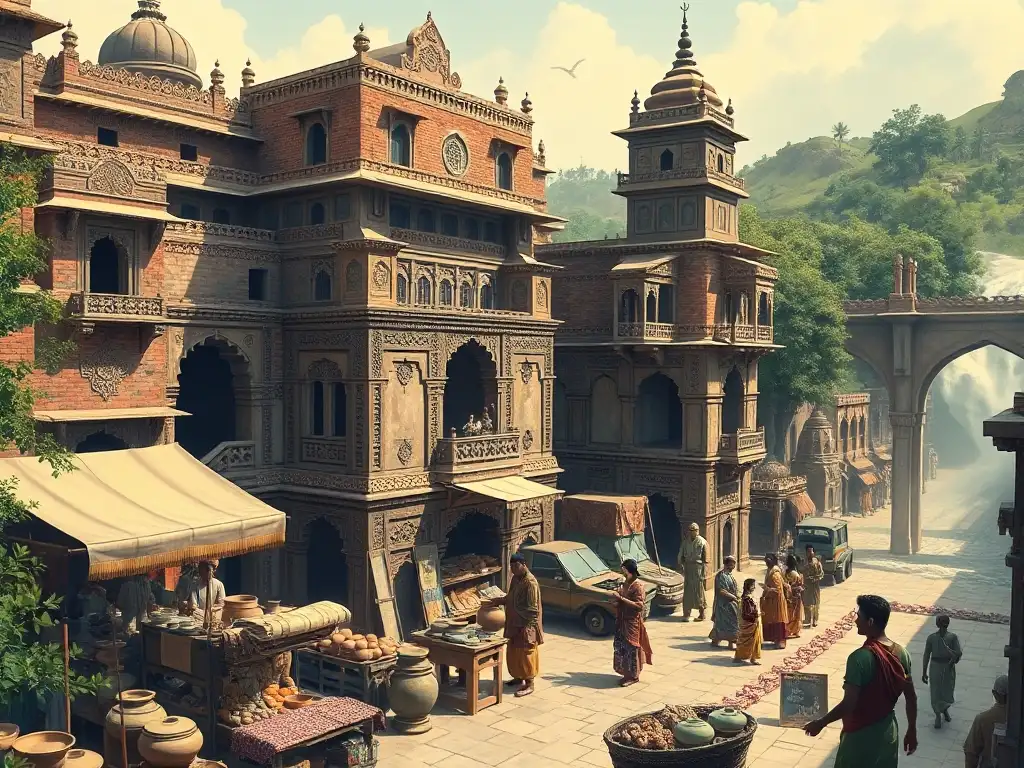
The Indus Valley Civilization stands as one of the most remarkable achievements in the annals of ancient history, showcasing an intricate tapestry of urban artistry that laid the foundation for subsequent civilizations. Flourishing around 2500 BCE in what is now Pakistan and northwest India, this civilization is known for its sophisticated urban planning, rich cultural practices, and remarkable craftsmanship.
The study of Indus Valley urban artistry history not only highlights the aesthetic and functional aspects of their creations but also reflects the social, economic, and political dynamics of the time. This article aims to explore the various facets of urban artistry in the Indus Valley Civilization, providing insights into how these early pioneers influenced art and architecture in the ancient world.
Overview of the Indus Valley Civilization
The Indus Valley Civilization, often referred to as the Harappan Civilization, was one of the world's earliest urban cultures, coexisting with contemporary civilizations such as Mesopotamia and Ancient Egypt. Covering a vast area of approximately 1,250,000 square kilometers, it included major urban centers like Harappa, Mohenjo-Daro, and Dholavira. The civilization is characterized by its advanced urban planning, which featured:
- Grid-patterned streets
- Sophisticated drainage systems
- Public baths and granaries
The inhabitants were adept in trade, agriculture, and craftsmanship, which played a significant role in their societal structure and economic prosperity.
Importance of Urban Artistry in Ancient Societies
Urban artistry in ancient societies, particularly in the Indus Valley, served multiple purposes beyond mere aesthetic appeal. It played a crucial role in:
- Cultural Identity: Art and architecture were expressions of the civilization's values and beliefs, helping to forge a collective identity among its people.
- Social Organization: The design and layout of cities reflected the social hierarchy, with public spaces and religious structures being central to community life.
- Economic Exchange: Artistic goods and architectural innovations facilitated trade, not only enhancing economic ties within the civilization but also with neighboring cultures.
The integration of artistry in urban planning laid the groundwork for future civilizations, influencing styles and techniques that would endure for centuries.
Characteristics of Indus Valley Urban Artistry
The Indus Valley Civilization's urban artistry is marked by several distinctive characteristics that set it apart from other ancient cultures.
Unique Architectural Features of Indus Valley Cities
Indus Valley cities are renowned for their unique architectural features, which include:
- Baked Brick Construction: Unlike their contemporaries who often used mud and thatch, the Harappans utilized fired bricks, allowing for more durable and uniform structures.
- Complex Drainage Systems: The cities showcased advanced drainage systems with covered drains and soak pits, reflecting a sophisticated understanding of urban sanitation.
- Iconic Public Buildings: Structures such as the Great Bath of Mohenjo-Daro and the granaries in Harappa exemplify the functional yet grand architectural style of the era.
These features not only served practical purposes but also demonstrated the civilization's aesthetic sensibilities.
Urban Planning and Infrastructure: A Detailed Look
Urban planning in the Indus Valley Civilization was remarkably advanced for its time. Key aspects include:
- Grid Layout: Cities were meticulously planned with streets laid out in a grid pattern, enhancing accessibility and organization.
- Zoning: Different sectors were designated for residential, commercial, and industrial purposes, indicating a highly organized approach to urban living.
- Public Amenities: The inclusion of public baths, wells, and granaries underlines the importance of communal facilities and infrastructure in daily life.
This strategic urban design contributed to the efficiency and functionality of Harappan cities, setting a precedent for future urban developments.
Artistic Techniques and Materials Used in Indus Valley Art
The artistry of the Indus Valley Civilization reflects a high degree of skill and innovation, characterized by the use of various techniques and materials:
- Terracotta Sculpture: The civilization is famous for its terracotta figurines, which showcase intricate details and were often used in religious practices.
- Bead Making: The craftsmanship of bead making involved materials like semi-precious stones, shells, and metals, indicating advanced trade networks and artistic expertise.
- Seals and Inscriptions: Seals used for trade featured intricate carvings and inscriptions, serving as both artistic expressions and functional items in commerce.
These artistic techniques not only illustrate the creativity of the Indus Valley artisans but also provide insights into their cultural and economic practices.
Major Contributions of the Indus Valley Civilization to Art and Architecture
The Indus Valley Civilization (IVC) is renowned for its remarkable contributions to art and architecture, which laid the groundwork for urban development in ancient India. One of the most significant aspects of this civilization was its advanced urban planning, characterized by sophisticated drainage systems, standardized brick sizes, and multi-storied houses. The use of fired bricks, a notable technological advancement, allowed for the construction of durable structures that have withstood the test of time.
Artistic expression flourished in the IVC, with a variety of crafts such as pottery, bead-making, and metalwork showcasing intricate designs and techniques. The civilization's artisans were skilled in creating detailed seals, often inscribed with symbols and animal motifs, reflecting both artistic finesse and the socio-religious fabric of their society. These contributions not only highlight the ingenuity of the Indus Valley people but also set a precedent for subsequent Indian civilizations in terms of urban artistry and architectural excellence.
Innovations in Urban Design and Planning in the Indus Valley
The urban design of the Indus Valley Civilization was revolutionary, with cities like Harappa and Mohenjo-Daro exemplifying systematic planning. Streets were laid out in a grid pattern, intersecting at right angles, which facilitated movement and organization within the city. The use of advanced drainage systems is particularly notable; houses were equipped with bathrooms that connected to a complex network of drains, demonstrating an understanding of sanitation that was advanced for its time.
Public spaces, including granaries and marketplaces, were strategically designed to serve the community's needs. The presence of large public baths, such as the Great Bath in Mohenjo-Daro, suggests the importance of ritual cleanliness and social gatherings. This innovative approach to urban planning not only improved living conditions but also influenced later urban development in India and beyond.
Influence of Indus Valley Art on Subsequent Indian Civilizations
The artistic legacy of the Indus Valley Civilization significantly influenced subsequent Indian civilizations, particularly in the realms of sculpture, pottery, and textile design. Many motifs and themes found in Indus Valley art, such as animal figures and geometric patterns, reappeared in later cultures, indicating a continuity of stylistic elements.
The intricate craftsmanship of Indus seals, for example, laid the foundation for the iconography seen in later Indian art forms, including those from the Maurya and Gupta periods. Additionally, the emphasis on craftsmanship and local materials can be observed in the thriving arts and crafts movements that followed. The principles of symmetry and proportion established by IVC artisans can still be seen in contemporary Indian art and architecture, highlighting the enduring impact of this ancient civilization.
The Role of Craftsmanship in Indus Valley Urban Artistry
Craftsmanship was pivotal in defining the urban artistry of the Indus Valley Civilization. Artisans specialized in various crafts, including pottery, metallurgy, and textile production, which not only served functional purposes but also reflected the aesthetic values of the society. Pottery from this era is characterized by its distinct shapes and painted decorations, often featuring intricate motifs that indicate a high level of skill and artistic vision.
Additionally, the production of seals, which were used for trade and administrative purposes, showcases the intersection of artistry and functionality. These seals featured detailed carvings of animals and symbolic imagery, demonstrating the artisans' mastery of materials and their understanding of social and economic contexts. The emphasis on quality craftsmanship in everyday objects indicates a culture that valued artistry and innovation, contributing significantly to the urban identity of the Indus Valley.
Notable Sites Reflecting Indus Valley Urban Artistry
The remnants of the Indus Valley Civilization are best exemplified in its notable archaeological sites, each reflecting unique aspects of urban artistry and architectural prowess. These sites provide invaluable insights into the civilization's sophisticated urban planning and artistic achievements.
Mohenjo-Daro: The City of Great Bath and Advanced Architecture
Mohenjo-Daro, one of the most prominent cities of the Indus Valley Civilization, is celebrated for its advanced architecture and urban planning. The Great Bath, a large public water tank, stands as a testament to the city's emphasis on cleanliness and ritual practices. Surrounding this structure are well-planned streets and residential areas, showcasing the skillful use of baked bricks and precise construction techniques.
The uniformity of the city’s layout, with its meticulously constructed homes featuring private wells and drainage systems, illustrates the sophistication of IVC urban design. Artifacts discovered at Mohenjo-Daro, including pottery and figurines, highlight the artistic flair of the inhabitants, marking the city as a significant center of urban artistry.
Harappa: A Hub of Artistic Expression
Harappa is another vital site that reflects the artistic and architectural brilliance of the Indus Valley Civilization. The city is known for its elaborate pottery, terracotta figurines, and intricate beadwork, which demonstrate the high level of artistic skill present among its artisans.
Harappa's layout features wide streets and a clear division of residential and commercial areas, indicating a well-organized urban environment. The discovery of numerous seals adorned with animal motifs and geometric designs underscores the city’s role as a hub of trade and cultural exchange, further enriching the tapestry of Indus Valley urban artistry.
Dholavira: Water Conservation and Urban Planning
Dholavira stands out for its innovative approach to water conservation and urban planning. Located in the arid region of present-day Gujarat, this site showcases a sophisticated water management system, including reservoirs and channels that effectively collected and stored rainwater. This ingenuity reflects an understanding of environmental adaptation crucial for sustaining urban life.
The city's architectural layout is marked by its strategic use of space, with clearly defined districts and impressive stone structures. Dholavira's artistic expressions are evident in its inscriptions and ornamental features, which highlight the civilization's emphasis on aesthetics in urban environments. This site exemplifies how the Indus Valley Civilization harmonized artistry with practical needs, contributing to its legacy as pioneers of urban artistry.
The Symbolism Behind Indus Valley Art
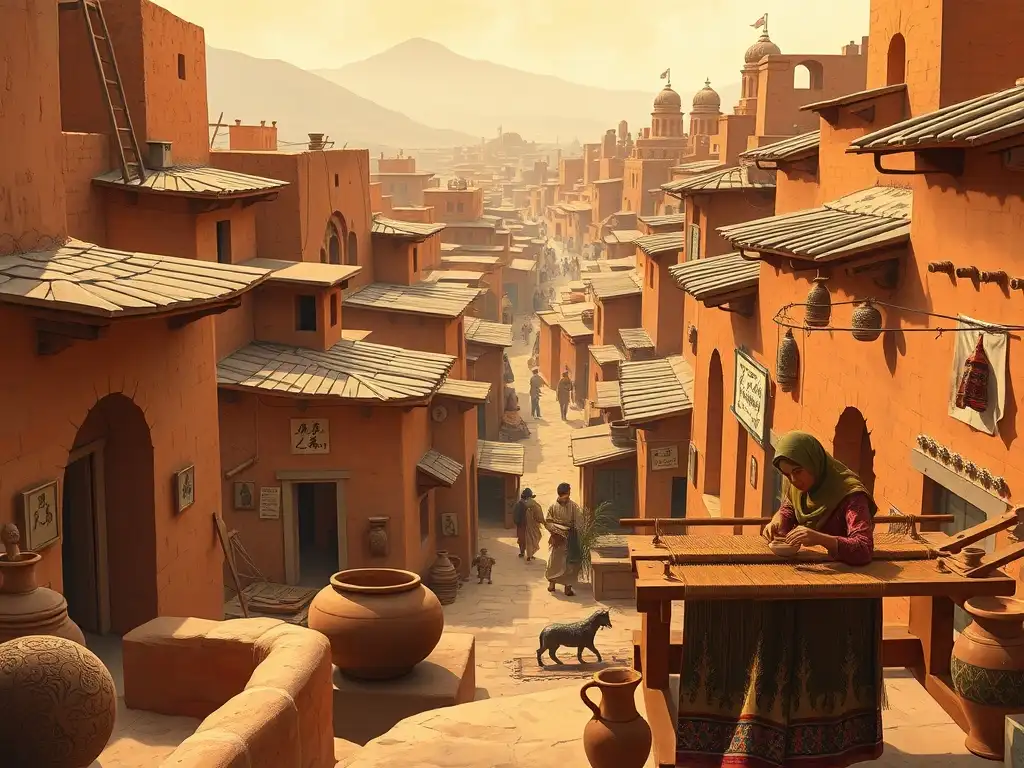
The art of the Indus Valley Civilization (IVC) is renowned for its intricate designs and deep symbolism, reflecting the values, beliefs, and social order of its people. Artifacts such as pottery, sculptures, and seals showcase a sophisticated understanding of aesthetics and craftsmanship, often imbued with spiritual and cultural meanings.
Symbolism in IVC art often revolves around themes of fertility, nature, and divine protection. Common motifs include animals, such as elephants and peacocks, which were likely revered and symbolized strength, grace, or prosperity. Additionally, geometric patterns frequently appear, signifying order and harmony within the urban landscape. These artistic choices not only served decorative purposes but also communicated cultural narratives and societal values, emphasizing the civilization's connection to nature and spirituality.
Motifs and Themes in Indus Valley Sculpture and Pottery
Indus Valley sculpture and pottery reveal a rich tapestry of motifs and themes that provide insight into the civilization's daily life and beliefs. The sculptures, often made from terracotta or bronze, depict human figures, animals, and deities, showcasing a blend of realism and stylization. The male and female figurines reflect societal roles and may indicate the significance of fertility worship in their culture.
Pottery from the Indus Valley is particularly notable for its elaborate designs. The use of painted surfaces often featured intricate patterns, including spirals, floral designs, and animal depictions. These motifs suggest a deep appreciation for beauty and an understanding of aesthetic principles. Furthermore, the variety of pottery styles, from everyday utilitarian ware to ceremonial vessels, indicates a complex social structure where art played a crucial role in both domestic and ritual contexts.
The Significance of Seals in Indus Valley Artistry
Seals from the Indus Valley Civilization are among the most significant artifacts, serving both practical and symbolic purposes. Typically made from steatite and inscribed with intricate designs and symbols, these seals were used for trade and administrative functions. Each seal often features a unique combination of animal motifs, geometric patterns, and inscriptions in the undeciphered Indus script, indicating a sophisticated system of communication.
The symbolism embedded in the seals is particularly noteworthy. Many seals depict mythical creatures, such as the famous "Unicorn" and various animals, believed to represent deities or protectors of trade. The seals not only facilitated commerce but also served as a means of asserting identity and status within the community. Their widespread use across various regions of the Indus Valley underscores the interconnectedness of urban centers and the importance of artistic expression in commerce.
Ritualistic and Cultural Representations in Indus Valley Art
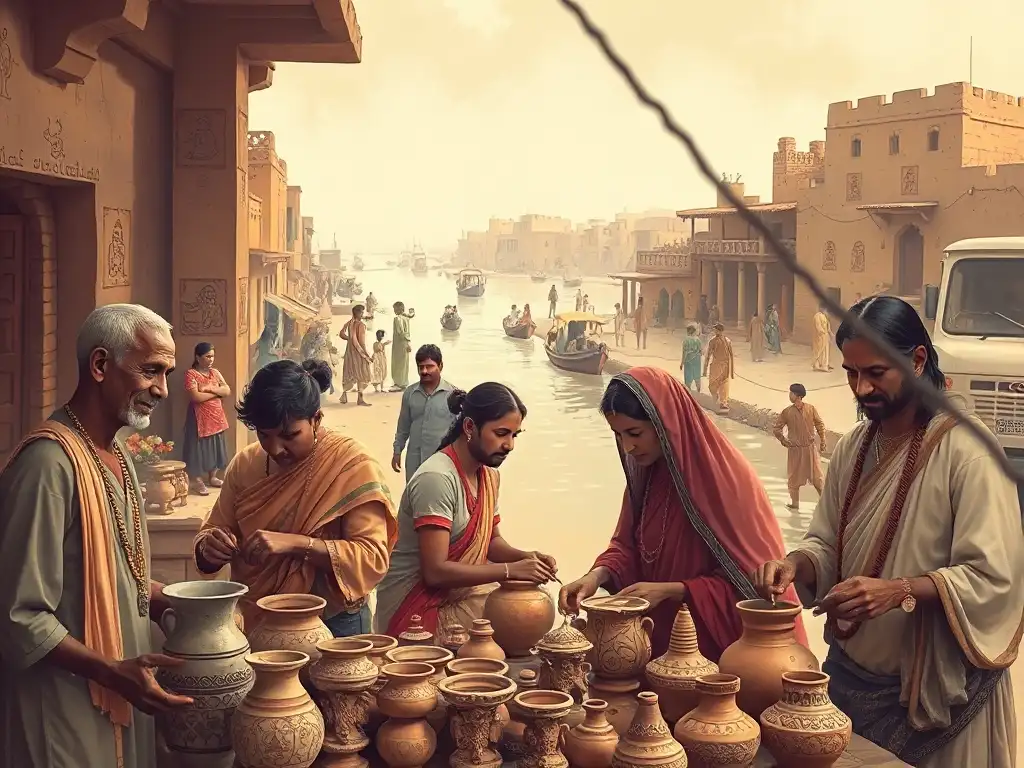
Ritualistic and cultural representations are central to understanding the art of the Indus Valley Civilization. Artifacts such as ritualistic figurines, pottery used in ceremonies, and intricate seals point to a society that placed significant importance on religious and cultural practices.
For instance, the presence of female figurines, often interpreted as fertility idols, hints at the reverence for feminine aspects of life and nature. Additionally, the discovery of fire altars and ceremonial objects indicates that the IVC had complex rituals associated with agriculture, fertility, and possibly ancestor worship. These cultural representations in art not only highlight the spiritual beliefs of the Indus Valley people but also their understanding of the cycles of life and death, underscoring the importance of community and shared beliefs in their daily lives.
The Decline of Indus Valley Urban Artistry
The decline of the Indus Valley Civilization marked a significant turning point in the region's artistic and architectural landscape. By around 1900 BCE, several factors contributed to the waning of this once-thriving civilization, leading to a gradual decline in urban artistry and cultural expression.
The urban centers of the Indus Valley, known for their advanced city planning and intricate artistry, began to experience a downturn as trade networks collapsed, and agricultural practices became unsustainable. This decline was not only economic but also cultural, as the loss of centralized governance likely led to a fragmentation of social structures, ultimately affecting artistic production.
Factors Contributing to the Decline of the Indus Valley Civilization
Several interrelated factors contributed to the decline of the Indus Valley Civilization, which in turn had a profound impact on urban artistry. Climate change, particularly alterations in monsoon patterns, led to agricultural difficulties that undermined the foundation of their economy. As river systems, such as the Sarasvati, began to dry up, the once fertile plains became less hospitable, prompting migrations and the abandonment of urban centers.
Moreover, increased competition for resources, both from within the civilization and from external groups, may have led to social unrest and conflict. The breakdown of trade networks further diminished economic stability, resulting in a decline in the production and patronage of art. As cities became desolate, the artistry that characterized the Indus Valley was left to fade, marking a stark transition in the region's cultural heritage.
The Impact on Artistic Heritage and Architecture Post-Indus Valley
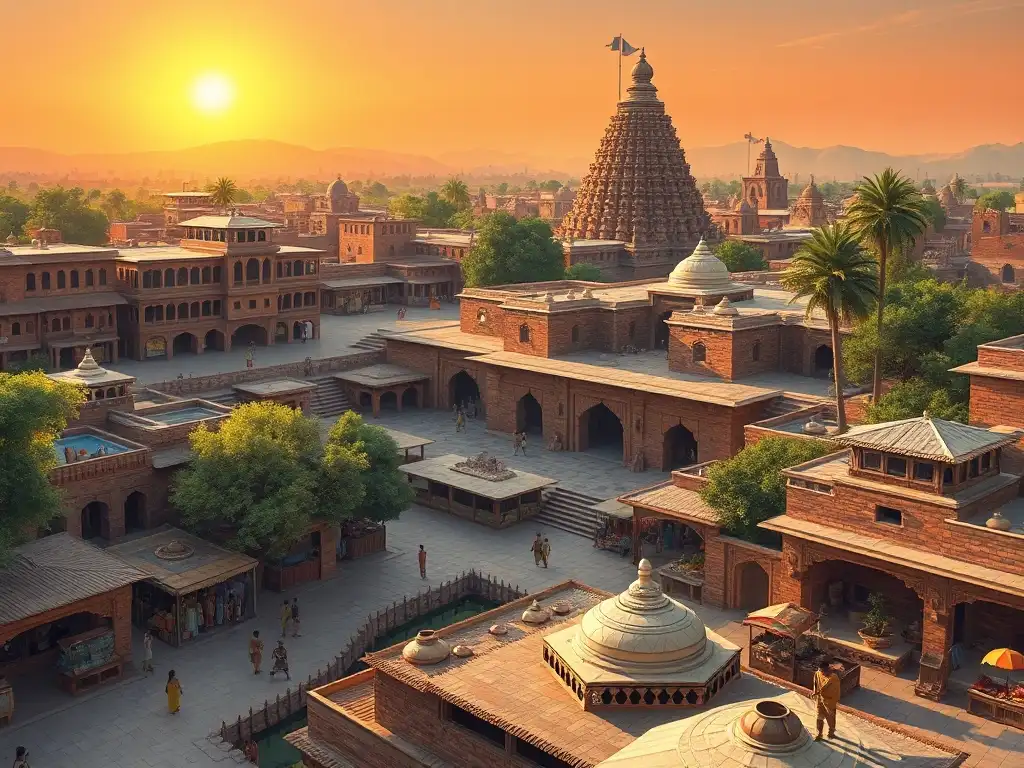
The decline of the Indus Valley Civilization had lasting implications for its artistic heritage and architectural legacy. With the fall of urban centers, the sophisticated techniques and styles that defined IVC artistry were largely lost or transformed. The subsequent cultures in the region, including the Vedic society, exhibited different artistic expressions, often influenced by the remnants of Indus Valley craftsmanship.
Architecturally, the grand urban planning and public works, such as drainage systems and granaries, were not replicated in the same manner by later civilizations. Instead, building styles evolved, incorporating local materials and techniques, which reflected the changing socio-political landscape. The legacy of Indus Valley artistry, however, continued to resonate through motifs and symbols that found their way into later Indian art forms, influencing everything from pottery to sculpture and beyond, ensuring that the spirit of its urban artistry lived on in the cultural fabric of the region.
Conclusion: Legacy of Indus Valley Urban Artistry
The Indus Valley Civilization (IVC) stands as a testament to the ingenuity and creativity of ancient societies, particularly in the realm of urban artistry. The meticulous planning of cities like Harappa and Mohenjo-Daro, combined with their sophisticated drainage systems, standardized weights, and unique artistic expressions, has left an indelible mark on the historical narrative of urban development. The legacy of the IVC is not merely confined to its geographical boundaries; its influence reverberates through the ages, shaping the artistic and architectural practices of subsequent cultures in the Indian subcontinent.
The urban artistry of the Indus Valley is characterized by its harmony with nature, geometric precision, and innovative use of materials. The craftsmanship in pottery, bead-making, and terracotta figurines showcases the high level of skill possessed by its artisans. This legacy not only reflects the aesthetic values of the IVC but also serves as a foundation upon which later Indian civilizations built their own artistic identities.
Enduring Influence on Indian Art and Architecture
The influence of Indus Valley urban artistry can be seen throughout the history of Indian art and architecture. Many design elements, such as intricate motifs, geometric patterns, and the use of baked bricks, were adapted and evolved in later periods. The urban planning concepts introduced by the IVC have continued to inform the layout of cities, emphasizing the importance of infrastructure and sanitation.
For instance, the use of terracotta for sculptures and pottery in the IVC paved the way for similar practices in subsequent Indian artistic traditions. The elaborate carvings and sculptures found in later Indian temples can trace their roots back to the artistic expressions of the Indus Valley. Even modern Indian architecture reflects traces of the IVC's emphasis on functionality and aesthetics, showing how deep-rooted these influences are in the cultural fabric of India.
Reflections on the Indus Valley Civilization's Artistic Legacy in Modern Context
In the contemporary context, the artistic legacy of the Indus Valley Civilization serves as a source of inspiration for artists and architects. The principles of sustainability and harmony with the environment, evident in the urban planning of the IVC, resonate strongly with today’s emphasis on eco-friendly design. Modern urban planners and architects often look back at the IVC's systematic approach to city planning to find solutions for current urban challenges.
Moreover, the resurgence of interest in ancient crafts and materials reflects a broader trend of valuing traditional artistry. The intricate designs of Indus Valley artifacts inspire modern craftspeople, who seek to revive ancient techniques while infusing them with contemporary relevance. By examining and celebrating the artistry of the Indus Valley, we not only honor our heritage but also foster a deeper understanding of the cultural narratives that shape our present.
References
Suggested Readings on Indus Valley Urban Artistry History
- "The Indus Civilization: A Contemporary Perspective": by Gregory Possehl - A comprehensive analysis of the urban development and artistry of the Indus Valley Civilization.
- "The Art and Architecture of Ancient India" by John C. Huntington and Dina Bangdel - This book explores the evolution of art and architecture from the Indus Valley through subsequent periods.
- "Indus Valley Civilization: An Archaeological Perspective": by Rita Lucarelli - A detailed account of archaeological findings and their implications for understanding urban artistry.
Key Archaeological Findings Related to Indus Valley Art and Architecture
- The Great Bath of Mohenjo-Daro: An impressive example of urban engineering, showcasing the civilization's advanced understanding of water management.
- Seals and Figurines: Numerous seals discovered depict intricate carvings, providing insight into the symbolic and artistic expression of the IVC.
- Urban Layout of Harappa: The grid-like city planning of Harappa reveals a sophisticated approach to urban design that prioritized functionality and organization.
The exploration of these findings offers a glimpse into the artistic and architectural prowess of the Indus Valley Civilization, affirming its position as a pioneer in urban artistry.
- Introduction to Indus Valley Urban Artistry History
- Characteristics of Indus Valley Urban Artistry
- Major Contributions of the Indus Valley Civilization to Art and Architecture
- Notable Sites Reflecting Indus Valley Urban Artistry
- The Symbolism Behind Indus Valley Art
- Motifs and Themes in Indus Valley Sculpture and Pottery
- The Significance of Seals in Indus Valley Artistry
- Ritualistic and Cultural Representations in Indus Valley Art
- The Decline of Indus Valley Urban Artistry
- Factors Contributing to the Decline of the Indus Valley Civilization
- The Impact on Artistic Heritage and Architecture Post-Indus Valley
- Conclusion: Legacy of Indus Valley Urban Artistry
- References
- What is the significance of the Indus Valley Civilization in urban artistry?
- How did the Indus Valley artists contribute to culture?
- What materials were commonly used in Indus Valley urban artistry?
- How did the urban layout of the Indus Valley cities reflect their artistry?
- What influence did the Indus Valley Civilization have on later Indian cultures?
Frequently Asked Questions
What is the significance of the Indus Valley Civilization in urban artistry?
The Indus Valley Civilization is renowned for its advanced urban planning, including well-laid streets and sophisticated drainage systems, which highlight its pioneering role in urban artistry.
How did the Indus Valley artists contribute to culture?
Artists of the Indus Valley Civilization created intricate pottery, seal carvings, and sculptures, reflecting their rich cultural heritage and aesthetic sensibilities that influenced later Indian art.
What materials were commonly used in Indus Valley urban artistry?
The Indus Valley artists primarily used materials like terracotta, stone, and metals to create their artistic works, showcasing their skills and the resources available to them.
How did the urban layout of the Indus Valley cities reflect their artistry?
Cities like Mohenjo-Daro and Harappa featured a grid-like layout with public baths and granaries, emphasizing not just functional design but also the artistry involved in urban planning.
What influence did the Indus Valley Civilization have on later Indian cultures?
The artistic innovations and urban planning principles established by the Indus Valley Civilization laid the groundwork for subsequent Indian cultures, influencing architecture, art, and city development throughout history.
Final Reflection: The Enduring Legacy of Indus Valley Urban Artistry
The artistry and urban planning of the Indus Valley Civilization remain profoundly relevant today, as they exemplify the heights of human creativity and innovation in ancient societies. The intricate designs, advanced drainage systems, and urban layouts of cities like Mohenjo-Daro and Harappa not only showcase the ingenuity of their creators but also serve as a reminder of the importance of sustainable and thoughtful urban development in our modern world. The echoes of their craftsmanship resonate through time, urging us to appreciate and learn from the past.
The influence of Indus Valley urban artistry extends beyond mere aesthetics; it has shaped our understanding of urban living and cultural expression. As we navigate the complexities of contemporary urban environments, we can draw inspiration from the harmonious integration of function and beauty found in the Indus Valley. Art is the most beautiful of all lies.
This quote encapsulates the essence of how artistry can transcend time, reminding us that the legacy of the Indus Valley is not just in its physical remnants but also in the ideals it represents for future generations.
As we reflect on the lessons of the Indus Valley Civilization, I invite you to consider how you can incorporate elements of their artistry and thoughtful design into your own life. Whether it’s through appreciating the beauty in your surroundings, advocating for sustainable urban practices, or exploring your own creative expressions, let the legacy of the Indus Valley inspire you to contribute to a world that values artistry and innovation. Embrace the call to action and become a steward of creativity in your community, ensuring that the spirit of the Indus Valley continues to thrive in the modern age.
Unveil the Legacy of the Indus Valley Civilization Today!
Thank you for taking the time to explore the fascinating world of the Indus Valley Civilization! You've uncovered the remarkable achievements of this ancient society and their pioneering contributions to urban artistry. Now, it's time to build on that inspiration and take action!
- Dive deeper into the artistry: Visit your local museum or explore virtual exhibits that showcase artifacts from the Indus Valley. Discover firsthand the brilliance of their craftsmanship and innovation.
- Start a conversation: Share your thoughts or favorite insights from this civilization in our comments section. Engage with fellow history enthusiasts and expand the discussion!
- Create your own artistic project: Inspired by the intricate designs of the Indus Valley? Try your hand at creating your own artwork or craft using similar techniques or themes.
What aspect of the Indus Valley Civilization resonates with you the most, and how will you incorporate that inspiration into your own life?