
Chandragupta's Advisors: The Unsung Heroes of the Maurya Empire

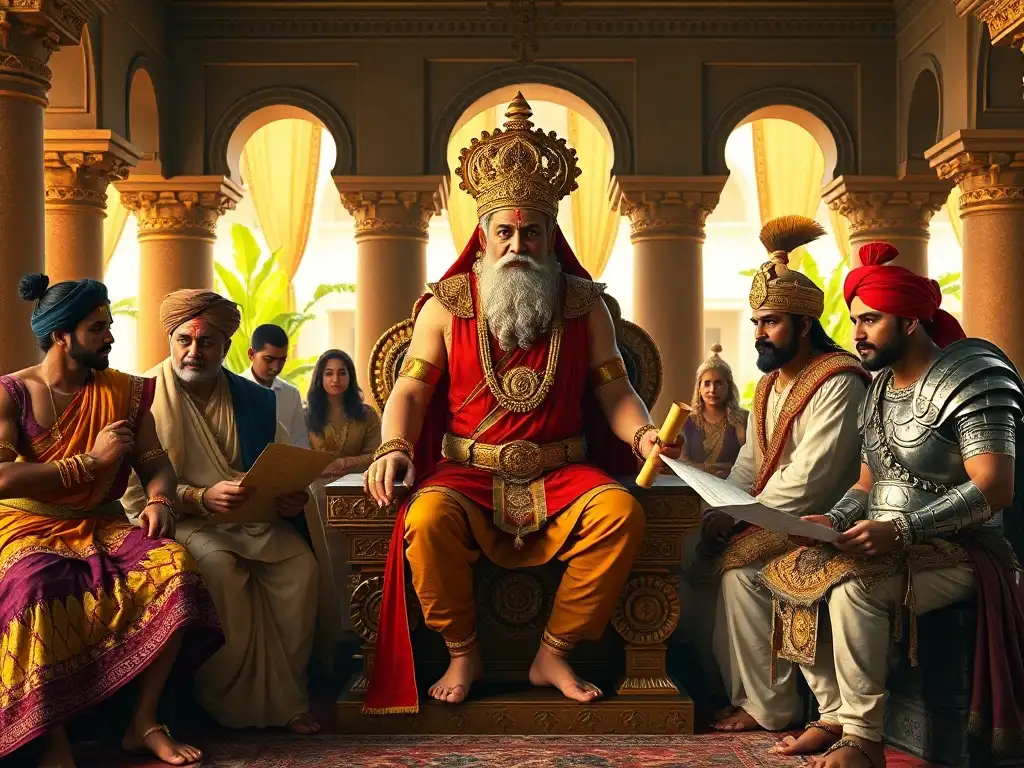
Welcome to Ancient India History, where we embark on a fascinating journey through the rich tapestry of ancient Indian civilizations. Here, we delve into the remarkable stories that shaped the past, from the enigmatic Indus Valley to the illustrious Gupta Empire.
In our featured article, "Chandragupta's Advisors: The Unsung Heroes of the Maurya Empire," we uncover the pivotal roles played by the advisors of Chandragupta Maurya, revealing how their wisdom and strategies forged one of history's greatest empires. Prepare to be intrigued as we explore the layers of history that paved the way for an extraordinary cultural legacy—your adventure into the depths of ancient India begins now!
- Introduction to Chandragupta Maurya and His Advisors
- Key Advisors of Chandragupta Maurya
- The Impact of Chandragupta Maurya's Advisors on the Empire
- The Legacy of Chandragupta Maurya’s Advisors
- Conclusion: The Unsung Heroes of the Maurya Empire
-
Frequently Asked Questions
- What role did Chandragupta Maurya's advisors play in his reign?
- Who were the most notable advisors of Chandragupta Maurya?
- How did Chanakya influence Chandragupta's decisions?
- What contributions did Chandragupta's advisors make to Indian history?
- Why are Chandragupta's advisors considered unsung heroes?
- Final Reflection: The Silent Architects of Power
- Unveil the Legacy of Chandragupta's Advisors!
Introduction to Chandragupta Maurya and His Advisors
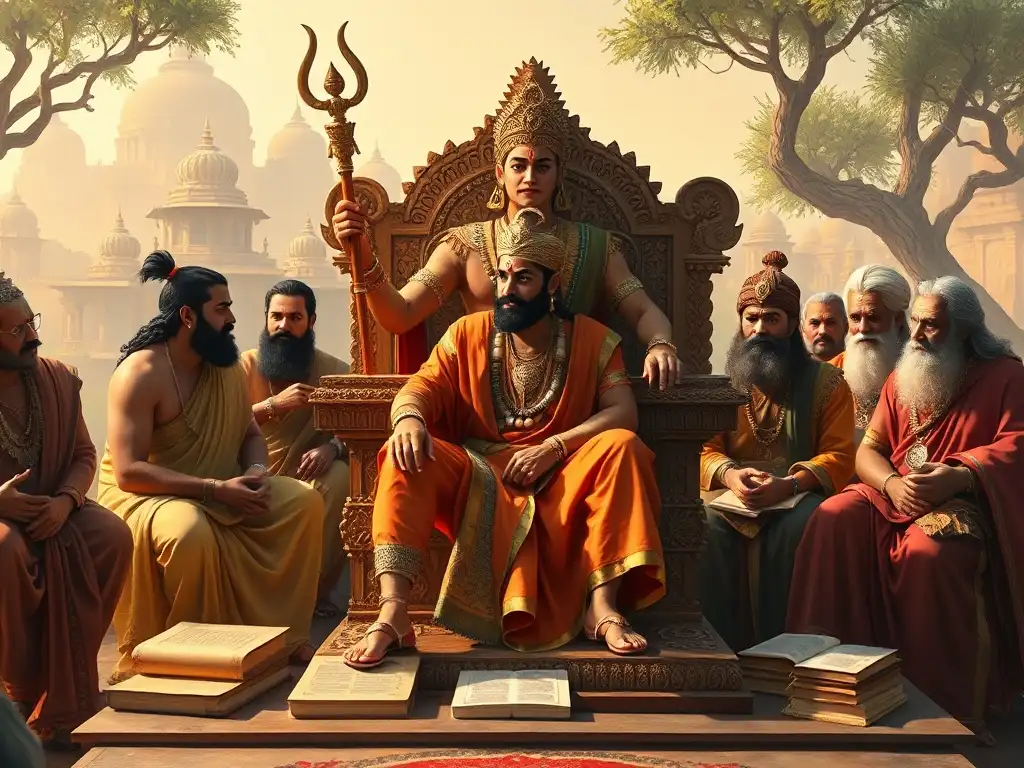
The history of ancient India is filled with remarkable figures and transformative events that shaped the subcontinent's cultural and political landscape. Among these figures, Chandragupta Maurya stands out as a pivotal leader who founded the Maurya Empire around the 4th century BCE. His reign marked a significant turning point, as it paved the way for a unified Indian state and established a legacy that would influence generations to come.
However, while much is discussed about Chandragupta's leadership and accomplishments, the contributions of his advisors often remain in the shadows. This article seeks to shed light on these unsung heroes, exploring how their wisdom and strategic guidance played a vital role in the success of the Maurya Empire.
Overview of the Maurya Empire
The Maurya Empire emerged as one of the largest empires in ancient India, stretching from the northern plains to parts of present-day Afghanistan. Established by Chandragupta Maurya after overthrowing the Nanda Dynasty, the empire laid the groundwork for a centralized administration and extensive trade networks.
Key features of the Maurya Empire include:
- Political Structure: The empire was known for its bureaucratic governance, which ensured effective control over its vast territories. Chandragupta utilized a system of provinces, each managed by governors who reported directly to him.
- Economic Prosperity: The Maurya Empire thrived on agriculture, trade, and commerce. Chandragupta's policies promoted economic growth, resulting in increased wealth and resources that strengthened the empire.
- Cultural Flourishing: Under the Maurya Empire, art, architecture, and literature flourished. Notable examples include the construction of stupas and the spread of Buddhism, particularly during the reign of Chandragupta's grandson, Ashoka.
This remarkable empire not only unified a diverse region but also set the stage for advancements in governance, culture, and trade that would resonate through the ages.
Importance of Chandragupta Maurya's Advisors in History
Chandragupta's success as a ruler was significantly bolstered by the invaluable counsel of his advisors, who played crucial roles in shaping his strategies and decisions. Among them, Chanakya, also known as Kautilya, is perhaps the most renowned. He was not only a shrewd political strategist and philosopher but also the architect of the Maurya Empire's rise.
The importance of Chandragupta Maurya's advisors can be summarized as follows:
- Strategic Planning: Advisors provided insights into military tactics, governance, and diplomacy, enabling Chandragupta to effectively navigate challenges from rival kingdoms and internal dissent.
- Policy Formulation: The advisors’ diverse expertise contributed to the creation of policies that promoted economic stability and social order, essential for sustaining the empire’s growth.
- Cultural Integration: By fostering a sense of unity among various ethnic and cultural groups within the empire, advisors helped to maintain peace and cooperation, which were vital for the empire's longevity.
- Legacy Building: The guidance of these advisors not only influenced Chandragupta's reign but also laid the groundwork for future leaders, ensuring that their impact would be felt in the annals of Indian history.
While Chandragupta Maurya is often celebrated as a great ruler, the role of his advisors in shaping the Maurya Empire cannot be overstated. Understanding their contributions provides a more comprehensive view of this remarkable period in ancient Indian history.
Key Advisors of Chandragupta Maurya
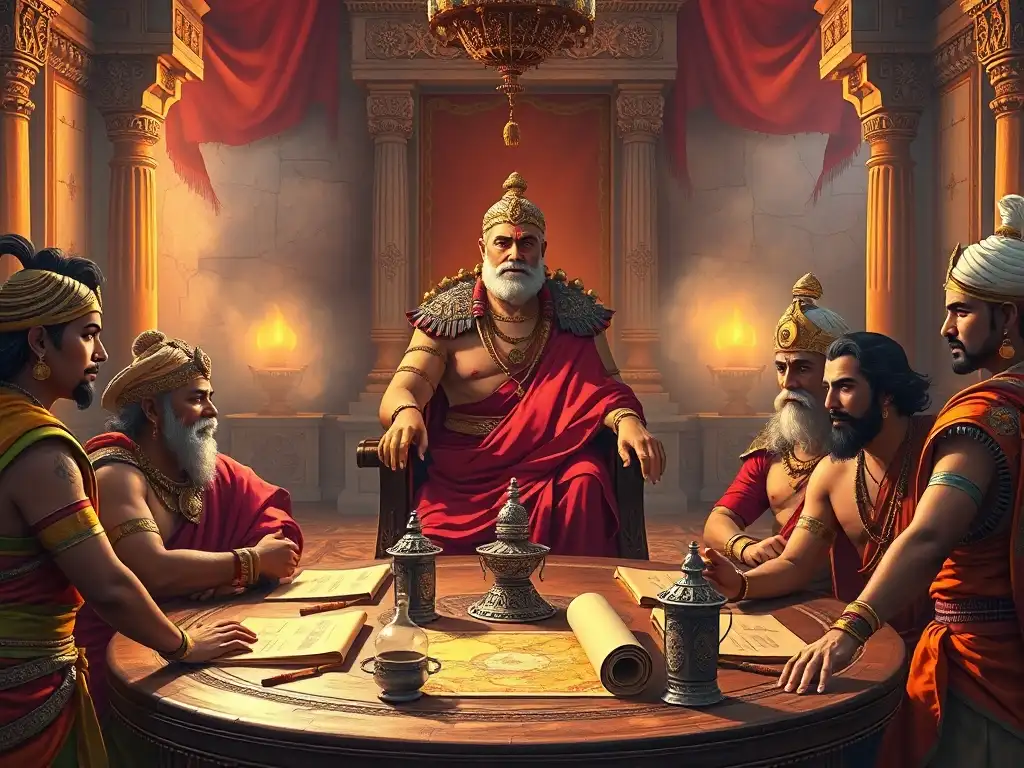
Chanakya: The Mastermind Behind the Throne
Early Life and Background of Chanakya
Chanakya, also known as Kautilya or Vishnugupta, was born in the ancient city of Takshashila, now in modern-day Pakistan. His early education at the prestigious university of Takshashila equipped him with profound knowledge in various fields, including economics, political science, and military strategy. He was a Brahmin by birth, belonging to a family of scholars, which shaped his intellectual prowess and ambition to influence the political landscape of India.
Chanakya’s life took a significant turn when he witnessed the humiliation of his teacher, which fueled his desire for vengeance against the Nanda dynasty that ruled over the Maurya territory. This pivotal moment would set him on a path to not only support Chandragupta Maurya in overthrowing the Nandas but also establish a new political order in ancient India.
Contributions of Chanakya to Chandragupta's Success
Chanakya's role in Chandragupta Maurya's rise to power cannot be overstated. As a master strategist and influential advisor, he provided both tactical guidance and moral support during the formative years of the Maurya Empire. His notable contributions include:
- Political Strategy: Chanakya formulated comprehensive strategies that enabled Chandragupta to gain the support of local rulers and the populace, ensuring a strong base for his military campaigns.
- Military Tactics: He devised innovative military tactics, employing guerrilla warfare techniques that exploited the weaknesses of the Nanda army, leading to decisive victories.
- Administration: Chanakya's insights into statecraft were instrumental in forming the administrative framework of the Maurya Empire. His work, the Arthashastra, remains a seminal text on governance, economics, and military strategy that continues to influence political thought.
- Diplomacy: He emphasized the importance of diplomacy in consolidating power, advising Chandragupta on forming alliances with other kingdoms, which proved crucial in expanding the empire.
Radhagupta: The Strategic Thinker
Role of Radhagupta in the Maurya Empire
Radhagupta emerged as a key figure in the Maurya Empire, serving as a trusted advisor and strategist during Chandragupta's reign. His capabilities in administration and governance complemented Chanakya's military acumen, making him an essential part of the empire's success. Radhagupta was known for his analytical skills and ability to assess situations from multiple perspectives, which allowed him to devise effective solutions to complex issues faced by the empire.
As Chandragupta's advisor, Radhagupta played a vital role in stabilizing the newly formed empire, ensuring that the transition from a fragmented political landscape to a unified empire was executed smoothly. His contributions significantly impacted various aspects of governance, from law enforcement to public welfare.
Key Decisions and Strategies Implemented by Radhagupta
Radhagupta's strategic decisions were crucial in maintaining the integrity and expansion of the Maurya Empire. Some of his key contributions include:
- Administrative Reforms: He initiated reforms that optimized the bureaucratic structure, allowing for efficient governance and better tax collection, which in turn financed military endeavors and public projects.
- Intelligence Network: Radhagupta established an extensive network of spies and informants across the empire, enabling the Maurya administration to stay ahead of potential threats and unrest.
- Crisis Management: During times of rebellion or dissent, he was instrumental in implementing strategies that quelled uprisings swiftly without resorting to excessive violence, preserving the empire's stability.
- Cultural Patronage: Understanding the importance of culture in unifying the diverse populace of the empire, Radhagupta encouraged the patronage of arts and education, leading to a flourishing of culture that solidified the Maurya identity.
Through their combined efforts, Chanakya and Radhagupta not only helped Chandragupta Maurya establish the Maurya Empire but also laid the foundation for what would become one of the most significant empires in ancient Indian history. Their legacies as advisors and strategists continue to be recognized as pivotal elements in the narrative of Chandragupta Maurya advisors history.
Other Notable Advisors and Their Contributions
Beyond the prominent figures in Chandragupta Maurya's administration, several other advisors played significant roles in shaping the Maurya Empire. Their contributions, although less celebrated, were crucial to the stability and expansion of the empire.
One such advisor was Kautilya, also known as Chanakya, whose strategic acumen and political philosophy laid the groundwork for the Maurya Empire's governance. He authored the Arthashastra, a treatise on statecraft and economics, emphasizing the importance of pragmatic governance, espionage, and military strategy. His teachings guided Chandragupta in establishing a centralized administration capable of managing vast territories.
Another notable figure was Patanjali, who, while primarily known for his work in philosophy and linguistics, also advised on cultural integration within the empire. His insights into local customs and languages facilitated smoother governance and fostered loyalty among diverse populations.
Additionally, local leaders from various regions provided invaluable support, leveraging their knowledge of regional dynamics to aid in administration and conflict resolution. This network of advisors ensured that Chandragupta could maintain authority over his empire while addressing the unique needs of its various constituents.
Role of Brahmins and Local Leaders in Governance
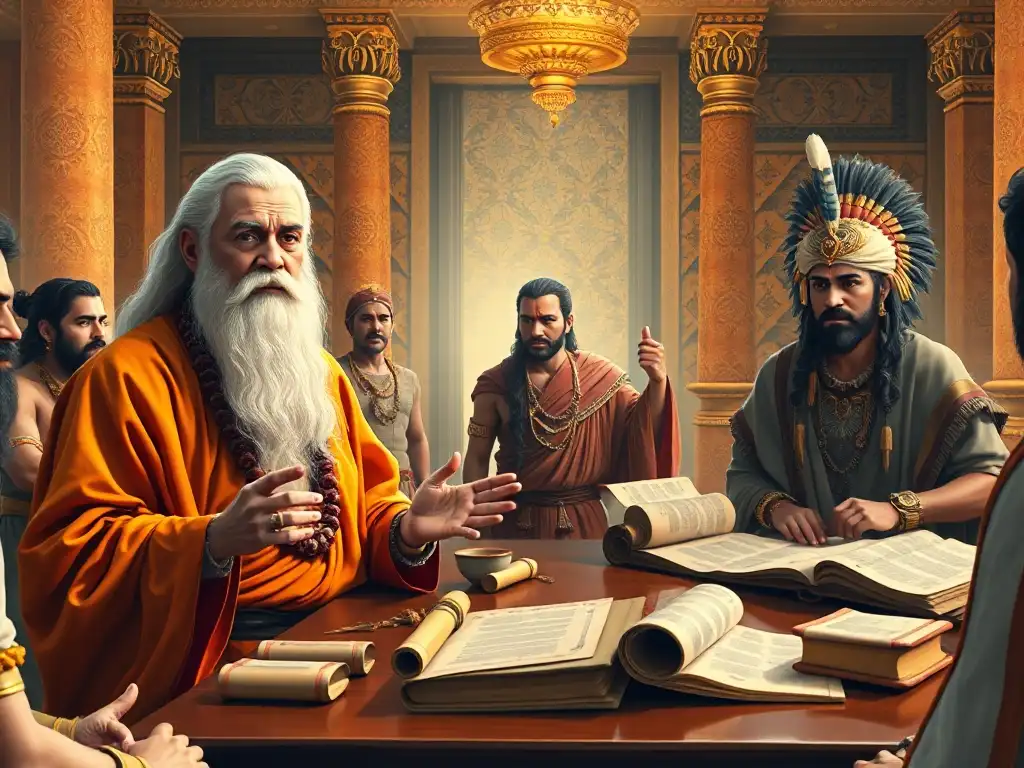
The governance of the Maurya Empire was marked by the significant involvement of Brahmins and local leaders, who together formed a robust administrative backbone. The Brahmins, traditionally associated with religious and educational roles, emerged as key figures in the administration due to their literacy and knowledge of scriptures.
Brahmins served not only as spiritual advisors but also as bureaucrats who managed various aspects of governance, including taxation, land distribution, and legal matters. Their understanding of dharma (righteousness) and statecraft helped to legitimize the Mauryan rule and integrate various cultural practices into a cohesive administrative framework.
Local leaders, often from the warrior or merchant classes, complemented the Brahmins by providing grassroots insights into the needs of their communities. These leaders acted as intermediaries between the central government and the populace, ensuring that local grievances were addressed and that imperial edicts were effectively communicated and enforced. Their loyalty was pivotal in maintaining stability during the empire's expansive growth.
Together, the collaboration between Brahmins and local leaders created a governance system that was both centralized and responsive to regional diversities, a hallmark of the Maurya Empire's success.
Influence of Military Advisors on Chandragupta's Campaigns
The military campaigns of Chandragupta Maurya were significantly influenced by a cadre of skilled military advisors who provided strategic counsel and tactical expertise. These advisors, many of whom were seasoned warriors or tacticians, played a vital role in formulating the military strategies that underpinned Chandragupta's conquests.
One of the most notable military advisors was Kautilya, who, in addition to his political insights, contributed military strategy that emphasized deception, psychological warfare, and the importance of intelligence. His strategies were crucial during the early campaigns against regional powers, allowing Chandragupta to secure victories that expanded the empire's territories.
Additionally, Chandragupta's advisors included former generals from rival kingdoms, whose experience and intimate knowledge of battlefield tactics were invaluable. They helped to train the Mauryan army, introducing advanced techniques and disciplined formations that enhanced the effectiveness of Chandragupta's forces.
The strategic alliances formed through these military advisors also played a critical role in the empire's expansion. By leveraging local military leaders and their forces, Chandragupta could effectively mobilize resources and manpower, ensuring a swift and decisive approach to warfare.
The influence of military advisors was instrumental in shaping the Maurya Empire's early successes, laying a foundation for future stability and expansion under Chandragupta Maurya.
The Impact of Chandragupta Maurya's Advisors on the Empire

The advisors of Chandragupta Maurya played a pivotal role in shaping the Maurya Empire, influencing its administration, military strategies, and cultural landscape. Their contributions were essential in establishing a strong and unified state that laid the foundation for one of the most powerful empires in ancient India.
Administrative Reforms Initiated by Advisors
Chandragupta Maurya's advisors were instrumental in implementing a series of administrative reforms that transformed the governance of the empire. The most notable among them was Kautilya, also known as Chanakya, who authored the Arthashastra, a seminal work on statecraft and economic policy.
- Centralization of Power: Under the guidance of Kautilya, the Maurya Empire adopted a centralized form of governance. This included the establishment of a bureaucratic system that efficiently managed the vast territories of the empire.
- Legal Framework: The advisors helped formulate laws that were crucial for maintaining order and justice. The Arthashastra emphasized the importance of law and order, advising Chandragupta to establish a robust legal system to regulate society.
- Taxation System: A well-structured taxation system was introduced, which was essential for generating revenue. Advisors developed methods to assess land and produce, ensuring that the state was financially stable and capable of supporting its military and infrastructure.
These reforms not only streamlined governance but also created a solid foundation for future administrations, emphasizing the importance of systematic governance in sustaining the empire.
Military Strategies and Their Outcomes
The military prowess of the Maurya Empire can largely be attributed to the strategic insights provided by Chandragupta's advisors, particularly Kautilya and other military leaders. Their innovative strategies and tactical planning led to significant victories against formidable adversaries.
- Guerrilla Warfare: Chandragupta’s advisors advocated for guerrilla tactics, especially against larger, more established armies. This approach enabled smaller Mauryan forces to execute ambushes and surprise attacks, successfully destabilizing adversary positions.
- Formation of Alliances: The advisors emphasized the importance of diplomacy in military campaigns. They forged alliances with local rulers and tribes, which not only bolstered the Mauryan military strength but also minimized resistance during conquests.
- Military Organization: The establishment of a well-organized military structure, with clear hierarchies and roles, was another significant contribution. Advisors implemented rigorous training programs and developed a system for logistics and supply, which was crucial for sustaining prolonged campaigns.
The successful execution of these military strategies allowed Chandragupta to expand his empire across much of the Indian subcontinent, marking the Maurya Empire as one of the largest in ancient history.
Cultural and Economic Contributions of Advisors
Chandragupta Maurya's advisors also played a vital role in fostering cultural and economic development within the empire, contributing to its richness and diversity.
- Promotion of Trade and Commerce: Advisors recognized the importance of trade for economic prosperity. They developed trade routes and promoted commerce, encouraging exchanges with distant regions, which enriched the Mauryan economy.
- Patronage of Arts and Culture: Under the influence of his advisors, Chandragupta became a patron of arts and literature. This period saw advancements in sculpture, architecture, and literature, with the creation of notable works that depicted the cultural ethos of the time.
- Religious Tolerance and Unity: The advisors advised Chandragupta to embrace religious tolerance, which was pivotal in maintaining peace among diverse populations within the empire. This approach not only fostered unity but also encouraged the flourishing of various religious and philosophical ideas.
The impact of Chandragupta Maurya's advisors was profound and multifaceted. Their administrative reforms, military strategies, and cultural contributions were key to the establishment and sustenance of the Maurya Empire, solidifying their legacy as unsung heroes of ancient Indian history.
The Legacy of Chandragupta Maurya’s Advisors
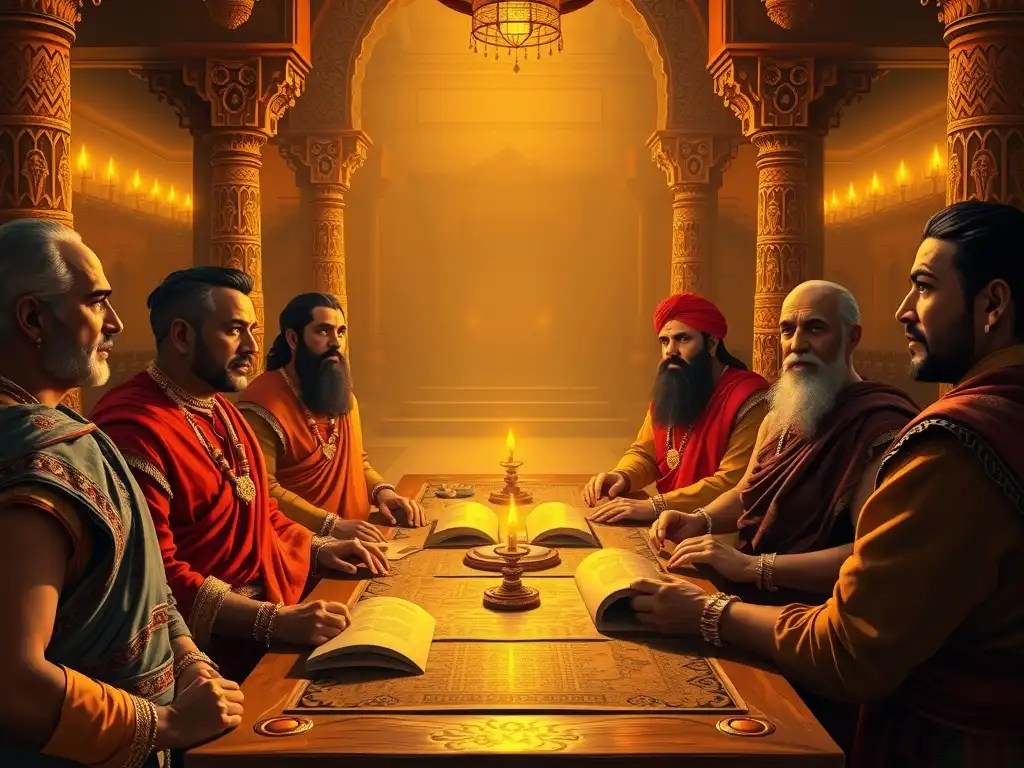
Long-term Effects on Indian Governance and Politics
The advisors of Chandragupta Maurya played a pivotal role in shaping the governance and political landscape of ancient India, with effects that resonate even in contemporary governance structures. Their influence extended beyond the immediate realm of the Maurya Empire, leaving a lasting legacy on the principles of administration, diplomacy, and statecraft.
- Administrative Innovations: The advisors contributed significantly to the establishment of a bureaucratic framework that emphasized efficiency and accountability. This system included:
- Centralized Administration: The centralization of power allowed for more uniform policies and quicker decision-making, which was crucial for managing an expansive empire.
- Taxation Reforms: They implemented a structured taxation system that ensured fair collection and distribution of resources, laying the groundwork for future fiscal policies.
- Diplomatic Strategies: The advisors were instrumental in crafting diplomatic relations that ensured peace and stability within the empire. Their strategies included:
- Alliance Building: By fostering alliances with neighboring states, they minimized conflicts and expanded the Maurya influence peacefully.
- Use of Spies: The establishment of an intelligence network allowed for the monitoring of rival states and internal dissent, a practice that would later be adopted by various Indian empires.
- Political Philosophy: The teachings and philosophies espoused by advisors like Chanakya (Kautilya) in texts such as the Arthashastra have had enduring impacts on Indian political thought. Key aspects include:
- Realpolitik: The pragmatic approach to governance that prioritizes state interests over moral considerations can be traced back to the strategies advocated by these advisors.
- Ethical Governance: Despite their often ruthless methods, the advisors emphasized the importance of effective governance for the welfare of the state, influencing future rulers.
The culmination of these effects is evident in how contemporary Indian governance still echoes the administrative and diplomatic principles established during the Maurya Empire, showcasing the profound impact of Chandragupta’s advisors.
Historical Recognition of Advisors in Maurya Empire History
The historical recognition of Chandragupta Maurya’s advisors remains relatively understated when compared to the emperor himself. However, their contributions are gradually gaining acknowledgment through historical studies and cultural narratives.
- Chanakya’s Role: Often considered the chief advisor, Chanakya (Kautilya) is perhaps the most recognized figure among Chandragupta’s advisors. His work, the Arthashastra, is not only a treatise on statecraft but also a reflection of his deep understanding of power dynamics. Despite his prominence, much of the historical narrative tends to focus on Chandragupta, overshadowing Chanakya’s contributions.
- Collective Contributions: Other advisors, such as Radhagupta and various military generals, played crucial roles that have been less documented. Their efforts in military strategy and administration were vital for maintaining the empire’s stability and expansion. Historical texts often highlight their achievements but do not delve deeply into their lives and individual contributions.
- Modern Scholarship: Recent scholarly work is beginning to reassess the importance of these advisors, leading to a more nuanced understanding of their roles. Research has aimed at uncovering:
- Records and Inscriptions: Archaeological findings and ancient texts are being explored to bring to light the contributions of various advisors.
- Cultural Depictions: Literature and popular media are starting to portray the advisors more prominently, fostering a greater appreciation for their roles in shaping the Maurya Empire.
While the historical narrative has primarily celebrated Chandragupta Maurya, the contributions of his advisors are essential for a comprehensive understanding of the empire’s success. As research continues to evolve, these unsung heroes of the Maurya Empire are gradually receiving the recognition they deserve in the annals of Indian history.
Conclusion: The Unsung Heroes of the Maurya Empire
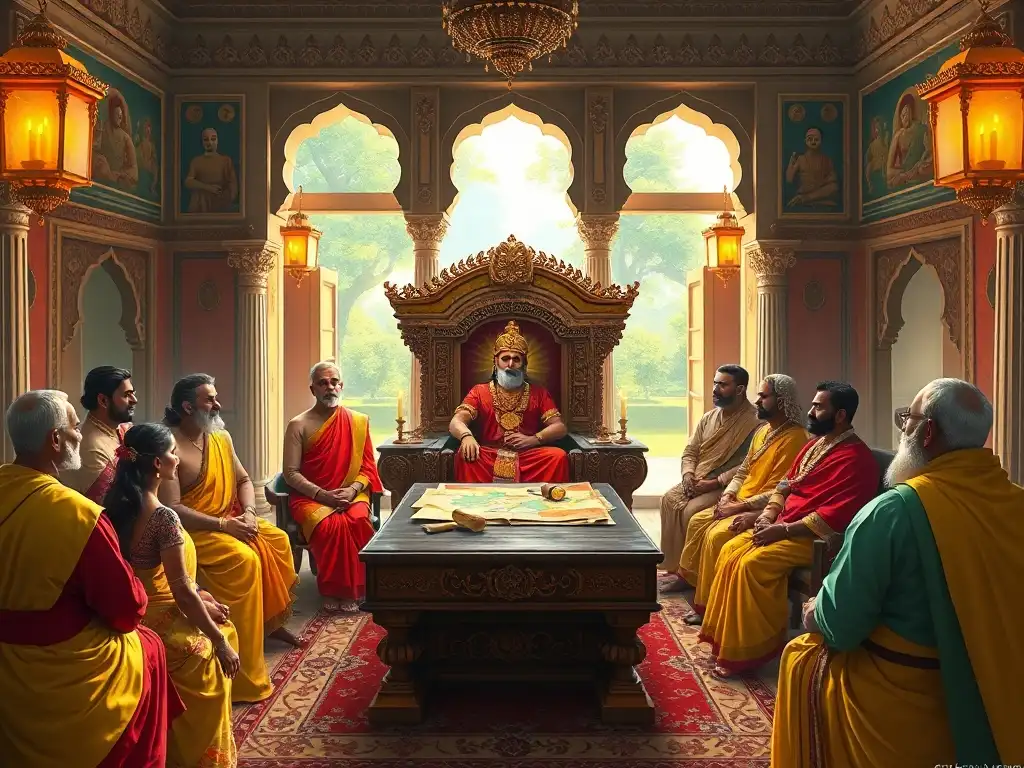
Summary of Contributions and Importance of Advisors
The advisors of Chandragupta Maurya played a pivotal role in shaping the trajectory of the Maurya Empire, which emerged as one of the most significant empires in ancient Indian history. These figures, often overshadowed by their more famous leader, contributed to the administration, military strategy, and socio-political landscape of the empire.
- Kautilya (Chanakya): Perhaps the most renowned advisor, Kautilya was not only a mentor to Chandragupta but also the architect of the Maurya Empire's political strategy. His work, the Arthashastra, outlined principles of governance, economics, and military strategy that remain influential. His guidance was integral in the overthrow of the Nanda dynasty and the establishment of Mauryan rule.
- Military Strategists: Advisors such as Bhadrabahu were instrumental in military planning and execution. Their insights into the art of warfare and tactics allowed Chandragupta to expand the empire's boundaries, securing territories that would lay the foundation for a prosperous realm.
- Administrative Experts: The advisors also included skilled administrators who implemented efficient governance systems. They ensured that the vast empire was managed effectively, focusing on taxation, law, and order, which were crucial for maintaining stability and prosperity.
- Diplomacy and Alliances: The role of advisors extended to diplomatic relations. They forged alliances with neighboring kingdoms and managed foreign affairs, which were essential for the empire's survival and growth.
The contributions of these advisors were not merely supportive; they were foundational. The Maurya Empire's success can be attributed to the collective efforts of these unsung heroes, whose wisdom and strategies helped solidify Chandragupta’s rule.
Reflection on the Role of Chandragupta Maurya's Advisors in Ancient Indian History
The impact of Chandragupta Maurya's advisors on ancient Indian history cannot be overstated. Their strategic foresight and political acumen laid the groundwork for what would become a golden age for India. The Maurya Empire, under their guidance, became a beacon of governance, culture, and economic development.
- Influence on Governance: The advisors emphasized the need for a centralized administration, which was revolutionary for its time. Their methodologies influenced subsequent rulers and established a template for governance that would be emulated in later dynasties across India.
- Cultural Integration: By advising on policies that promoted cultural exchange and integration, these advisors played a crucial role in fostering a rich tapestry of cultural diversity within the empire. This cultural legacy continues to be a defining characteristic of Indian society.
- Legacy of Political Philosophy: The political philosophies espoused by Kautilya and others have endured through centuries. Their ideas about statecraft and ethics in governance are still studied and revered in modern political discourse.
The advisors of Chandragupta Maurya symbolize the importance of collaborative leadership in shaping history. Recognizing their contributions allows us to appreciate the intricate dynamics that propelled the Maurya Empire to greatness. These figures, though less celebrated than Chandragupta himself, are essential to understanding the complexities of ancient Indian governance and society. Their legacy is a testament to the notion that great leaders are often supported by equally great minds, and that history is enriched by the contributions of those who operate behind the scenes.
Frequently Asked Questions
What role did Chandragupta Maurya's advisors play in his reign?
Chandragupta's advisors were crucial in establishing and expanding the Maurya Empire. They provided strategic counsel, military support, and governance expertise, helping to solidify his rule.
Who were the most notable advisors of Chandragupta Maurya?
The most notable advisors included Chanakya, who was instrumental in his rise to power, and several other skilled ministers who contributed to the administration and policies of the empire.
How did Chanakya influence Chandragupta's decisions?
Chanakya, also known as Kautilya, influenced Chandragupta through his political acumen and strategic thinking, guiding him in matters of statecraft and diplomacy, which were vital for the empire's success.
What contributions did Chandragupta's advisors make to Indian history?
The advisors played a key role in shaping the political landscape of ancient India. Their contributions included fostering trade, establishing legal systems, and promoting cultural advancements that would influence future generations.
Why are Chandragupta's advisors considered unsung heroes?
Despite their significant contributions, they often remain in the shadows of historical narratives. Their strategic roles and sacrifices were vital to the Maurya Empire's achievements, yet they rarely receive the recognition they deserve.
Final Reflection: The Silent Architects of Power
The legacy of Chandragupta Maurya's advisors is a testament to the profound impact that strategic counsel can have on the course of history. In an era where the spotlight often shines on rulers and warriors, it is crucial to recognize that the strength of an empire is not solely derived from its leaders but also from the wisdom and guidance of those who stand behind them. The intricate web of political maneuvering and strategic planning laid the groundwork for the Maurya Empire's success, illustrating that the unsung heroes often shape the destiny of nations.
The influence of Chandragupta's advisors extends far beyond the historical context; it resonates within our modern cultural and social landscapes. Their ability to navigate complex political terrains and offer sound advice serves as a reminder of the importance of collaboration and mentorship in any leadership role. As we reflect on this, we are reminded of the words of Chanakya, one of Chandragupta's most notable advisors: There is some self-interest behind every friendship. There is no friendship without self-interests. This is a bitter truth.
This quote encapsulates the intricate balance of relationships in governance, urging us to consider the motivations that drive our interactions today.
As we conclude this exploration of Chandragupta Maurya's advisors, I invite you to reflect on the role of guidance in your own life. Consider the mentors and advisors who have shaped your journey, and think about how you can embody the spirit of these unsung heroes in your own endeavors. Whether in personal relationships, professional settings, or community engagements, let us strive to be the wise counsel that others can rely on, fostering a legacy of support and strength that echoes through time.
Unveil the Legacy of Chandragupta's Advisors!
Thank you for exploring the fascinating story of Chandragupta's advisors with us! By diving into this article, you've gained insight into the crucial roles these unsung heroes played in shaping the Maurya Empire. Now it's time to take that knowledge and step into action!
Here are some steps you can take to deepen your understanding and connect with this rich history:
- Engage with the past: Visit your local library or online resources to find books or documentaries about the Maurya Empire and its key figures. Immersing yourself in their stories can provide inspiration!
- Join a discussion: Share your thoughts on social media or in our comments section about how these advisors influenced modern leadership styles. Engage with fellow history enthusiasts and broaden the conversation!
- Start a blog or journal: Document your insights and learnings about Chandragupta and his advisors. This process can deepen your understanding and inspire others to appreciate the profound impact of historical figures.
As you reflect on these actions, consider this: What lessons from the advisors of Chandragupta can we apply to the leadership challenges we face today? Let's continue the discussion and explore the past together!