
The Role of Bureaucracy in the Maurya Empire: An Ancient Blueprint for Governance

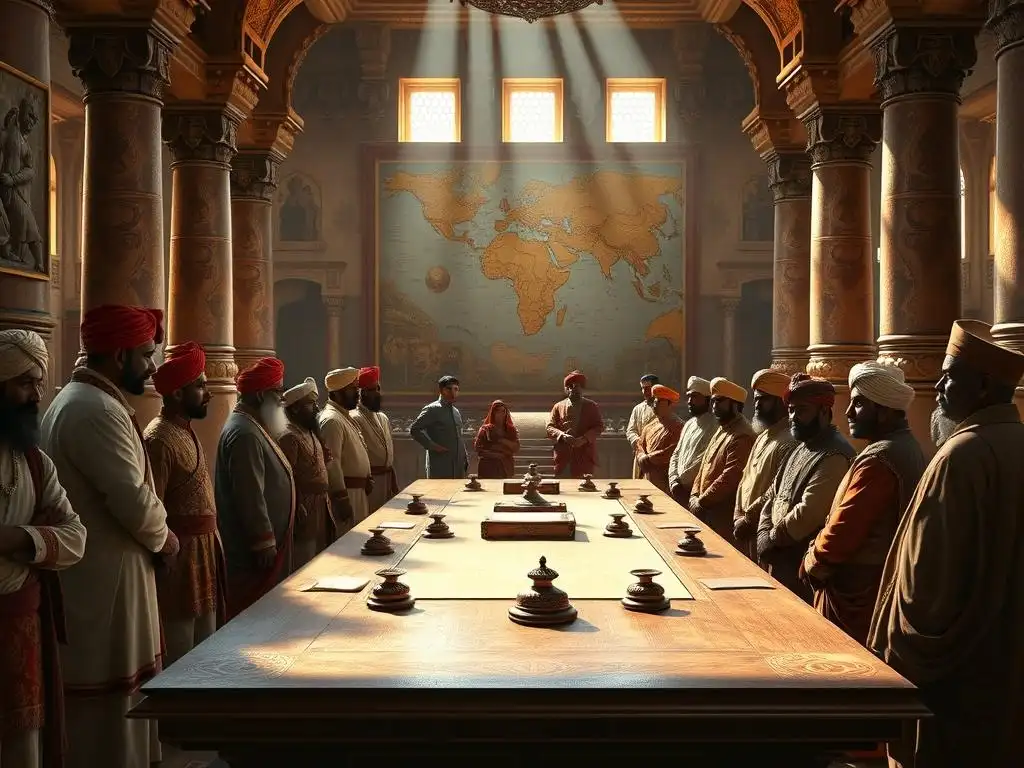
Welcome to Ancient India History, where we embark on a fascinating journey through the rich tapestry of ancient Indian civilizations. Here, you'll uncover the intricate threads of culture, governance, and innovation that have shaped India's past, from the enigmatic Indus Valley to the illustrious Gupta Empire.
In our featured article, "The Role of Bureaucracy in the Maurya Empire: An Ancient Blueprint for Governance," we delve deep into the Maurya Empire's governance structure, revealing how its sophisticated bureaucracy laid the groundwork for effective administration that resonates even today. Prepare to ignite your curiosity and discover the remarkable legacy of one of history's most influential empires!
- Introduction to the Maurya Empire Governance Structure
- Historical Context of the Maurya Empire
- The Bureaucratic Framework of the Maurya Empire
- Key Components of the Maurya Empire Governance Structure
- Functions and Responsibilities of Bureaucratic Officials
- The Impact of Bureaucracy on Governance Efficiency
- Comparison with Other Ancient Indian Governance Structures
- Legacy of the Maurya Empire Governance Structure
- Conclusion
-
Frequently Asked Questions
- What was the governance structure of the Maurya Empire?
- How did the bureaucracy influence the Maurya Empire?
- What were the main features of administration in the Maurya Empire?
- Who were the key figures in the Maurya Empire's bureaucracy?
- How did the Maurya Empire's governance influence later Indian states?
- Final Reflection: The Enduring Legacy of Maurya Empire Governance
- Unveil the Wisdom of Ancient Governance!
Introduction to the Maurya Empire Governance Structure
The Maurya Empire, one of the most significant and expansive empires in ancient India, exemplifies a remarkable period of political sophistication and administrative prowess. Spanning from approximately 322 to 185 BCE, the Maurya Empire was founded by Chandragupta Maurya and reached its zenith under the reign of his grandson, Ashoka the Great.
A pivotal aspect of the empire's success was its intricate governance structure, which not only facilitated effective governance across vast territories but also set a precedent for subsequent Indian political frameworks. Understanding the governance structure of the Maurya Empire provides insight into how bureaucracy operated in ancient India, highlighting its role in maintaining order, implementing policies, and managing diverse populations.
Overview of the Maurya Empire
The Maurya Empire emerged during a tumultuous period in Indian history, characterized by fragmentation and conflict among numerous kingdoms. Chandragupta Maurya, inspired by the teachings of the philosopher Chanakya, established the empire by unifying various regional states. The empire expanded rapidly, encompassing much of the Indian subcontinent, including present-day India, Pakistan, and parts of Afghanistan.
The governance of the Maurya Empire was marked by several key features:
- Centralized Authority: The emperor wielded supreme power, supported by a council of ministers known as the Mantriparishad. This council assisted the emperor in making critical decisions regarding state affairs.
- Provincial Administration: The empire was divided into several provinces, each governed by a Uparika or viceroy, who acted on behalf of the emperor. This hierarchical structure ensured effective communication and implementation of policies across regions.
- Legal Framework: The Maurya Empire established a comprehensive legal code to maintain order and justice, with a focus on fairness and equity, as exemplified in Ashoka’s edicts.
The Maurya Empire's governance structure not only facilitated the management of a vast and diverse population but also promoted economic stability and cultural integration.
Importance of Bureaucracy in Ancient Indian Governance
Bureaucracy played a crucial role in the governance structure of the Maurya Empire, serving as the backbone of effective administration. The empire's bureaucracy was characterized by:
-
Meritocracy: Officials were often appointed based on merit and expertise rather than solely on birthright, which encouraged efficiency and competency in governance.
-
Specialized Departments: Various departments were established to oversee specific functions such as taxation, law enforcement, trade, and public works. This specialization allowed for more focused administration and better resource management.
Department Responsibilities Revenue Collection of taxes and management of state finances Defense Oversight of military operations and border security Trade Regulation of markets and maintenance of trade routes Justice Administration of laws and resolution of disputes -
Communication: The bureaucratic structure facilitated efficient communication between the emperor and provincial governors, ensuring that policies were effectively disseminated and implemented throughout the empire.
The Maurya Empire's governance structure, underpinned by a robust bureaucratic system, was instrumental in fostering stability, growth, and cultural cohesion within ancient Indian society. By examining this historical model, we can gain valuable insights into the principles of governance that have influenced subsequent Indian civilizations.
Historical Context of the Maurya Empire
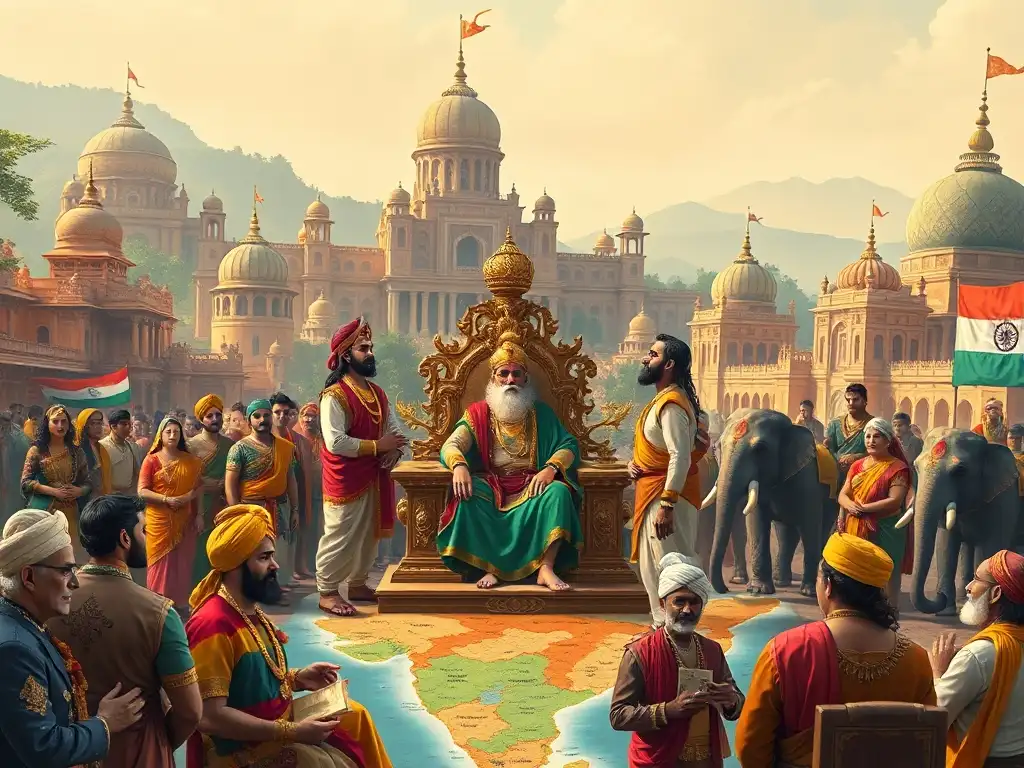
The Maurya Empire, which flourished from 322 to 185 BCE, marked a significant period in ancient Indian history. Established by Chandragupta Maurya, it emerged from the chaos following the decline of the Nanda Dynasty and the fragmentation of several regional powers. The rise of the Maurya Empire can be attributed to a combination of strategic alliances, military conquests, and an adept understanding of governance, which laid the foundation for a centralized bureaucracy that would serve as a model for future empires.
Rise of the Maurya Empire
The inception of the Maurya Empire is often linked to Chandragupta Maurya's ambitions fueled by the teachings of his mentor, Kautilya, also known as Chanakya. Kautilya, a scholar and strategist, provided the intellectual framework for establishing a centralized government capable of managing a vast territory.
- Military Conquests: Chandragupta began his campaign by overthrowing the Nanda Dynasty, which was characterized by its wealth but also by internal strife. He capitalized on the discontent among the Nanda subjects and utilized a formidable army, possibly aided by mercenaries and local chieftains, to solidify his rule.
- Strategic Alliances: Following his ascent to power, Chandragupta formed alliances with various regional rulers, which not only helped expand the empire but also provided a network of support that strengthened his governance structure.
- Administrative Innovations: The Maurya Empire is noted for its sophisticated administrative system, which included a network of officials and a well-defined hierarchy. This system was crucial in maintaining control over diverse regions, each with its own local customs and governance practices.
This combination of military might, strategic alliances, and innovative administration was pivotal in the establishment and expansion of the Maurya Empire, setting a precedent for governance in ancient India.
Key Figures in Maurya Governance
The governance of the Maurya Empire was intricately tied to several key figures who played critical roles in its administration. Their contributions not only shaped the structure of governance but also left an enduring legacy in the realm of political philosophy.
- Chandragupta Maurya: As the founding emperor, Chandragupta's vision for a centralized state was fundamental to the Maurya governance structure. His policies emphasized a strong military presence combined with an efficient bureaucracy that could manage the vast territories of the empire.
- Kautilya (Chanakya): Serving as Chandragupta's chief advisor, Kautilya authored the Arthashastra, a treatise that outlines the principles of statecraft, economics, and military strategy. His insights into governance, including the importance of espionage, diplomacy, and the welfare of the state, became foundational in the administration of the Maurya Empire.
- Bindusara: The son of Chandragupta, Bindusara continued the administrative policies established by his father and Kautilya. His reign saw further consolidation of power and the expansion of the empire.
- Ashoka the Great: Perhaps the most renowned ruler of the Maurya Empire, Ashoka is celebrated for his transformation from a warrior king to a proponent of peace and Buddhism. His edicts reflect a shift towards a more benevolent form of governance that emphasized moral and ethical administration, influencing bureaucratic practices in subsequent Indian states.
These figures played pivotal roles in refining the Maurya Empire governance structure, which was characterized by a mix of centralized authority and local administration, ensuring stability and coherence across a diverse empire.
The Bureaucratic Framework of the Maurya Empire
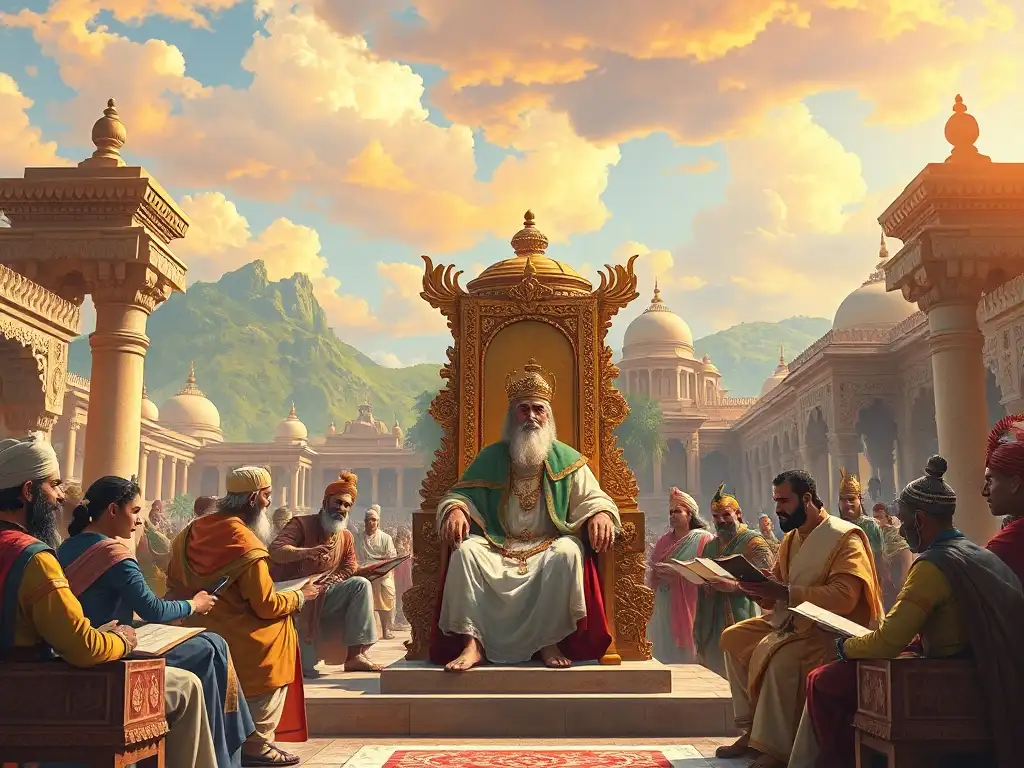
Definition and Role of Bureaucracy in Governance
In the context of the Maurya Empire, bureaucracy refers to the organized system of administration that facilitated effective governance across its vast territories. The role of bureaucracy was pivotal, as it provided a structured approach to manage the diverse needs of the empire's population, which spanned various cultures and regions.
Bureaucracy in the Maurya Empire was characterized by a well-defined hierarchy, where officials were appointed based on merit and their ability to efficiently execute the policies of the emperor. This system ensured that the emperor's directives were implemented consistently across the empire, thus maintaining order and stability. The effectiveness of this bureaucratic structure can be seen in the following key functions:
- Tax Collection: Bureaucrats were responsible for gathering revenue, which was essential for funding public projects and maintaining the military.
- Law Enforcement: Ensuring the enforcement of laws and regulations, thus upholding justice and social order.
- Public Works: Overseeing infrastructure development, such as roads and irrigation systems, which were crucial for economic growth.
- Communication: Maintaining lines of communication between the central authority and local administrators, ensuring that information flowed efficiently.
The Maurya Empire's bureaucracy not only supported governance but also served as a model for future Indian empires, demonstrating the importance of a structured administrative system in managing a large and diverse population.
Structure of the Maurya Administrative System
The administrative system of the Maurya Empire was highly organized and multifaceted, reflecting the complexities of governing a vast empire. At the apex of this structure was the emperor, who wielded absolute power but relied heavily on a network of officials to manage different aspects of governance.
Hierarchical Organization
The Maurya administrative system was characterized by a hierarchical structure, which can be outlined as follows:
- Emperor: The supreme ruler with ultimate authority over the empire.
- Council of Ministers (Mantriparishad): A group of trusted advisors who assisted the emperor in decision-making and policy formulation.
- Provincial Governors (Uparikas): Appointed to govern different provinces (Mahajanapadas), responsible for local administration and maintaining order.
- District Administrators (Pradesika): Oversaw smaller administrative units and implemented policies at the district level.
- Village Headmen (Gramikas): Acted as representatives of local communities, ensuring that village-level issues were addressed and reported to higher authorities.
Specialized Departments
To enhance efficiency, the Maurya Empire also established specialized departments, each responsible for specific governance functions. These included:
- Finance: Managed the empire's revenue collection and expenditure.
- Military Affairs: Oversaw the defense and military organization, crucial for protecting the empire.
- Judiciary: Handled legal matters and disputes, ensuring justice was served.
- Public Works: Responsible for infrastructure development and maintenance of essential services.
Conclusion
The Maurya Empire's governance structure exemplifies a sophisticated bureaucratic model that not only facilitated effective administration but also contributed to the empire's stability and prosperity. By integrating a hierarchical system with specialized departments, the Mauryas were able to manage the complexities of their vast empire, leaving a lasting legacy in the realm of governance.
Key Components of the Maurya Empire Governance Structure

Central Administration and the Role of the Emperor
The Maurya Empire governance structure was heavily centralized, with the emperor at its core. Chandragupta Maurya, the founder of the empire, established a strong authority that set the tone for subsequent rulers, including his grandson Ashoka the Great. The emperor wielded significant power, overseeing all aspects of governance while embodying the state’s ideals.
- Imperial Authority: The emperor was not only a political leader but also a symbol of unity and stability. His decisions were final, and his authority was considered divinely sanctioned. This belief reinforced the emperor's role as the ultimate arbiter of justice and governance.
- Administrative Divisions: The empire was divided into several administrative units, each governed by a set of rules and regulations dictated by the central authority. This ensured that local governance aligned with the overarching policies set by the emperor.
- Record Keeping and Documentation: The Maurya regime emphasized meticulous record-keeping, which was essential for effective administration. The use of written documents facilitated communication between the central administration and various provinces.
“In the Maurya Empire, the emperor was the linchpin of governance, ensuring that the principles of law, justice, and order were maintained across vast territories.”
Provincial Administration and Local Governance
The Maurya Empire’s governance structure extended into provincial administration, which played a crucial role in maintaining order and implementing central policies at the local level.
- Provincial Governors: Each province was headed by a governor, often a member of the royal family or a trusted noble. These governors acted as the emperor's representatives, ensuring that imperial decrees were executed effectively. Their loyalty was critical to the stability of the empire.
- Subdivisions for Local Governance: Provinces were further divided into districts, which were managed by local officials. This hierarchical structure allowed for efficient governance and quick responses to local issues.
- Integration of Local Customs: The Maurya administration recognized the importance of local customs and practices, integrating them into the governance framework. This approach fostered goodwill among diverse populations, contributing to the empire's longevity.
| Administrative Level | Key Responsibilities |
|---|---|
| Emperor | Ultimate authority, policy formulation, and law creation |
| Provincial Governors | Implementation of policies, local law enforcement |
| District Officials | Day-to-day administration, tax collection, public order |
Role of Ministers and Advisors in Maurya Governance
The effectiveness of the Maurya Empire governance structure was further enhanced by a council of ministers and advisors, who provided critical support to the emperor.
- Council of Ministers: This council consisted of experienced advisors who specialized in various fields, including finance, military, law, and agriculture. Their expertise helped the emperor make informed decisions.
- Role of the Chief Minister: Often referred to as the Mahamatra, the chief minister was pivotal in coordinating between the emperor and the council. This individual was responsible for ensuring that the emperor's directives were properly communicated and executed across the empire.
- Advisory Functions: Beyond administrative duties, ministers also played a crucial role in advising the emperor on matters of diplomacy, war, and civil governance. Their insights were invaluable in navigating the complex socio-political landscape of the time.
“The council of ministers in the Maurya Empire was a critical element of governance, blending expertise with royal authority to create a well-rounded administration.”
The Maurya Empire governance structure was characterized by a strong central authority, efficient provincial administration, and a network of skilled advisors, all of which contributed to the empire's remarkable stability and success.
Functions and Responsibilities of Bureaucratic Officials
The bureaucratic framework of the Maurya Empire was vital to its governance structure, establishing a system that allowed for effective administration across vast territories. Each bureaucratic official held specific responsibilities that contributed to the overall stability and prosperity of the empire. Understanding these functions provides insight into how the Maurya Empire maintained control and facilitated growth during its reign.
Tax Collection and Economic Management
One of the primary responsibilities of bureaucratic officials in the Maurya Empire was tax collection. The economic management of the empire relied heavily on a structured taxation system that ensured revenue generation for state functions.
- Types of Taxes:
- Agricultural Tax: The majority of revenue came from taxes levied on agricultural produce, which was a significant part of the economy.
- Trade and Commerce Tax: Merchants were subjected to taxes on goods sold, which boosted the empire's income through commerce.
- Craftsmen and Artisans: Craftsmen also contributed to the economy, paying taxes based on their production.
The collection process involved a detailed hierarchy of officials, who were responsible for:
- Assessment of Taxes: Officials were tasked with evaluating the productivity of lands and businesses to determine appropriate tax rates.
- Collection: Tax collectors, known as Amatyas, ensured that taxes were collected efficiently and accounted for.
- Dispute Resolution: The bureaucratic system included mechanisms for addressing grievances related to tax assessments, reflecting the importance of fairness in economic management.
Law and Order: The Judicial System
The Maurya Empire's bureaucracy also played a crucial role in maintaining law and order through its judicial system. The legal framework was characterized by a combination of local customs and royal edicts, guided by a set of well-defined laws.
- Judicial Hierarchy:
- Rajukas: Local magistrates who handled minor disputes and issues at the village level.
- Amatyas: Senior officials who addressed more serious cases and were responsible for upholding the law on a broader scale.
The responsibilities of these officials included:
- Enforcement of Laws: Ensuring adherence to legal codes and implementing royal decrees.
- Trial Proceedings: Conducting trials and hearings, where officials acted as judges, mediating disputes and administering justice.
- Protection of Rights: Safeguarding the rights of citizens and ensuring that justice was accessible to all, thus fostering loyalty and trust in the governance structure.
Infrastructure Development and Public Works
Infrastructure development was another key area of focus for bureaucratic officials in the Maurya Empire. The administration recognized that a well-maintained infrastructure was essential for economic growth and public welfare.
- Types of Infrastructure Projects:
- Roads and Transportation: Construction of roads facilitated trade and movement, connecting remote areas to major cities.
- Water Management: The development of irrigation systems improved agricultural productivity, crucial for sustaining the economy.
- Public Buildings: Establishment of administrative buildings, schools, and hospitals ensured that public services were accessible to citizens.
Bureaucratic officials were responsible for:
- Planning and Execution: Overseeing the planning of infrastructure projects and ensuring timely completion.
- Resource Allocation: Managing resources and labor for construction projects, balancing the needs of various regions.
- Maintenance: Ensuring that public works were maintained properly to serve the population effectively.
The functions and responsibilities of bureaucratic officials in the Maurya Empire were multifaceted, encompassing tax collection, law enforcement, and infrastructure development. These roles were integral to the Maurya Empire governance structure, contributing to the empire's stability and growth.
The Impact of Bureaucracy on Governance Efficiency

The Maurya Empire, one of the largest and most influential ancient Indian empires, showcased a remarkable governance structure that heavily relied on a well-established bureaucracy. This bureaucratic system was crucial in ensuring the efficient management of vast territories, diverse populations, and complex administrative tasks.
Communication and Information Flow in the Empire
Effective communication and information flow were vital for the Maurya Empire's governance structure. The empire's vast expanse required a robust framework to relay information quickly and accurately across different regions.
- Use of Messengers: The Maurya administration employed a network of messengers, often referred to as dutas, who were responsible for carrying messages between the emperor and local officials. This system allowed for rapid dissemination of orders and reports, ensuring that key decisions reached even the most remote areas of the empire.
- Standardized Reporting: Local governors, or rajukes, were required to submit regular reports on administrative matters, taxation, and law enforcement. This standardized reporting mechanism helped the central authority maintain a grasp on local governance and address issues promptly.
- Infrastructure for Communication: The establishment of well-maintained roads and postal stations facilitated the movement of information and personnel. This infrastructure not only improved communication but also contributed to trade and commerce, further strengthening the empire’s economy.
- Centralized Information Repository: The Maurya Empire utilized a centralized information repository in the form of royal archives where important documents were stored. This allowed for easy access to historical records, policies, and decisions, aiding in informed governance.
The strategies employed for communication and information flow significantly enhanced the efficiency of the Maurya Empire's governance, enabling a cohesive administration that could respond swiftly to challenges.
Decision Making and Policy Implementation
The decision-making process within the Maurya Empire was characterized by systematic and strategic approaches that reinforced the governance structure.
- Council of Ministers: The emperor was supported by a council of ministers, known as the mantriparishad, which included experts from various fields. These advisors played a crucial role in shaping policies, providing insights based on their expertise, and ensuring that decisions were well-informed.
- Decentralized Administration: The empire was divided into provinces, each governed by appointed officials. This decentralization allowed local leaders to make decisions that were best suited to their regions while still adhering to the overarching directives from the central authority.
- Implementation of Policies: The bureaucratic framework facilitated the smooth implementation of policies across the empire. For instance, the taxation system was meticulously planned and executed, with local officials responsible for collection and oversight, ensuring that the revenue reached the central treasury effectively.
- Feedback Mechanisms: The Maurya administration established mechanisms for feedback from local officials regarding the effectiveness of policies. This iterative process allowed for adjustments and refinements, ensuring that governance was responsive to the needs of the populace.
The Maurya Empire's governance structure was intricately linked to its bureaucratic efficiency. Through effective communication and strategic decision-making, the empire not only maintained control over its vast territories but also laid a foundation for governance that influenced subsequent Indian empires.
Comparison with Other Ancient Indian Governance Structures

The governance structure of the Maurya Empire stands out when compared to other ancient Indian civilizations, particularly in its complexity and efficiency. Understanding these differences provides insight into the evolution of administrative practices in the Indian subcontinent.
Bureaucratic Practices in the Gupta Empire
The Gupta Empire, which succeeded the Maurya Empire, is known for its own distinctive bureaucratic practices. While the Maurya Empire governance structure emphasized a centralized administration under the emperor, the Gupta administration leaned towards a more decentralized model.
- Centralized vs. Decentralized:
- The Maurya Empire relied heavily on a centralized bureaucracy, where the emperor held supreme authority, and officials were appointed directly by him. This allowed for uniform policies across vast territories.
- In contrast, the Gupta Empire utilized local governors and officials who had greater autonomy. This decentralized approach fostered local governance and often resulted in more responsive administration to local needs.
- Administrative Divisions:
- The Maurya Empire divided its territory into provinces known as Janapadas, each governed by a Rajuka or Uparika, ensuring direct oversight from the emperor.
- The Gupta Empire, while also divided into provinces, appointed governors who had significant leeway in local affairs, reflecting a shift towards a more regionalized control.
- Taxation and Revenue:
- In the Maurya Empire, taxation was highly organized, with a detailed system for revenue collection that was managed centrally. The Arthashastra, written by Kautilya (Chanakya), outlined methods for effective taxation.
- The Gupta administration maintained a simpler tax system, often based on local customs and practices, which sometimes led to inconsistencies in revenue collection.
- Bureaucratic Roles:
- The Maurya Empire had a defined hierarchy of officials, with roles such as Amatya (ministers), Durgapala (fortress commandants), and Sthanikas (district officials), each with specific duties and responsibilities.
- The Gupta bureaucracy also had specialized roles but included more local leaders and village headmen, reflecting the empire's reliance on local governance structures.
Overall, the Gupta Empire's bureaucratic practices indicate a shift towards regional governance while still retaining some elements of the Maurya Empire's centralized system. This evolution illustrates the adaptability of Indian governance structures in response to changing social and political landscapes.
Differences and Similarities with the Indus Valley Administration
When comparing the Maurya Empire governance structure with that of the Indus Valley Civilization, notable differences and a few similarities emerge.
- Urban Planning vs. Centralized Authority:
- The Indus Valley Civilization is renowned for its advanced urban planning and city governance. Cities like Mohenjo-Daro and Harappa featured sophisticated drainage systems and standardized brick sizes, indicating a highly organized local administration.
- In contrast, the Maurya Empire established a more centralized authority where the emperor had overarching control. The governance was less about urban planning and more focused on managing a vast and diverse population.
- Legal and Administrative Systems:
- The Indus Valley had a system based on trade, agriculture, and craft production, with evidence suggesting a form of collective decision-making among local leaders.
- The Maurya Empire, however, implemented a codified legal system, as articulated in the Arthashastra, which emphasized law and order, state revenue, and military strategy, reflecting a more hierarchical and centralized governance approach.
- Economic Focus:
- The economy of the Indus Valley was primarily based on trade and agriculture, with less emphasis on a structured bureaucratic system.
- The Maurya Empire, meanwhile, had a complex economy supported by a structured bureaucracy that focused on taxation, trade regulation, and state-controlled industries, indicating a significant evolution in governance and economic management.
- Cultural Integration:
- While the Indus Valley Civilization showcased a homogeneous culture with shared urban characteristics, the Maurya Empire embraced cultural diversity, integrating various traditions and practices across its vast territories.
While both the Maurya Empire and the Indus Valley Civilization demonstrated sophisticated governance models for their times, the Maurya Empire's centralized bureaucratic structure, detailed legal frameworks, and economic focus mark a significant advancement in the evolution of governance in ancient India.
Legacy of the Maurya Empire Governance Structure

The Maurya Empire, which flourished from 322 to 185 BCE, is renowned for its sophisticated governance structure that laid the groundwork for subsequent Indian empires. The legacy of this governance model is marked by its innovative bureaucratic practices, efficient administrative divisions, and the promotion of a centralized authority that enhanced the empire's stability and prosperity.
The Mauryan governance structure was characterized by a well-defined hierarchy that facilitated effective administration across its vast territories. Under Emperor Ashoka, the empire reached unprecedented levels of organization, with a network of officials overseeing various regions. This system allowed for the implementation of policies that promoted trade, agriculture, and public welfare, showcasing how governance can directly impact societal progress.
Influence on Later Indian Empires
The governance structure of the Maurya Empire significantly influenced later Indian empires, such as the Gupta Empire. The Guptas adopted many administrative techniques from the Mauryas, including the establishment of a bureaucratic framework that emphasized regional autonomy while maintaining central oversight. This blend of local governance with centralized control became a hallmark of Indian political systems.
One of the enduring legacies was the use of regional governors (Uparikas), who were responsible for maintaining law and order, collecting taxes, and overseeing local administration. This practice not only provided effective governance but also allowed for greater accountability, ensuring that the interests of both the central authority and local populations were represented. The Mauryan emphasis on a structured bureaucracy inspired subsequent rulers to develop similar systems, which persisted well into the medieval period.
Moreover, the Mauryan Empire's focus on meritocracy in appointing bureaucratic officials set a precedent for future administrations. By prioritizing qualifications and capabilities over lineage, later empires were able to cultivate skilled governance that addressed the needs of their subjects more effectively.
Lessons from Maurya Bureaucratic Practices for Modern Governance
The bureaucratic practices of the Maurya Empire offer valuable lessons for modern governance, particularly in the realms of efficiency, accountability, and public service.
- Decentralization with Central Oversight: The Mauryan model demonstrates the effectiveness of decentralization, where local administrators have autonomy while reporting to a central authority. This approach can enhance responsiveness to local issues and promote tailored governance.
- Merit-Based Appointments: Emphasizing qualifications over connections fosters a competent bureaucracy. Modern governments can learn from this by implementing systems that prioritize skills and performance in public service roles, thus improving governance quality.
- Public Welfare Initiatives: The Mauryan Empire, especially under Ashoka, showcased the importance of public welfare programs. Initiatives that focus on health, education, and infrastructure can lead to improved quality of life for citizens and strengthen the bond between the government and the people.
- Use of Technology and Communication: The Mauryan bureaucracy utilized efficient communication channels, such as messengers and written records, to maintain order and disseminate information. Today's governments can leverage technology to enhance transparency, improve service delivery, and engage citizens more effectively.
The legacy of the Maurya Empire’s governance structure serves as a historical blueprint, illustrating how well-organized administration can foster stability, prosperity, and the welfare of society. By reflecting on these ancient practices, modern governments can develop strategies that resonate with the needs and aspirations of their citizens.
Conclusion
Summary of Key Points on Maurya Empire Governance Structure
The Maurya Empire, one of the most significant empires in ancient India, exhibited a sophisticated governance structure that laid the groundwork for future administrative systems. Key points regarding its governance include:
- Centralized Authority: The Maurya Empire was characterized by a strong central authority vested in the emperor. Chandragupta Maurya, the founder, and his successors maintained control over vast territories through a well-defined hierarchy.
- Bureaucratic Organization: The empire's bureaucracy was meticulously organized into various departments, each responsible for specific functions such as revenue collection, law enforcement, and public welfare. This division of labor facilitated effective governance across diverse regions.
- Local Administration: The Maurya Empire implemented a system of local governance through appointed officials known as Amatyas. These officials were crucial in maintaining law and order, managing local resources, and implementing imperial policies at the regional level.
- Use of Spies: An extensive intelligence network, including spies known as Gupati, was established to ensure the emperor was informed about local conditions, public sentiment, and potential threats, further reinforcing central governance.
- Legal and Ethical Framework: The Mauryan legal system, influenced by Arthashastra, emphasized ethical governance. The laws were designed not only to maintain order but also to promote the welfare of the people, reflecting a moral dimension in governance.
Final Thoughts on Bureaucracy as an Ancient Blueprint for Governance
The Maurya Empire’s governance structure serves as an exemplary model of effective administration. Its bureaucratic organization illustrates how a centralized authority, supported by a well-structured administrative framework, can manage vast territories and diverse populations.
The lessons learned from the Mauryan approach to governance are still relevant today. The emphasis on ethical leadership, local administration, and the use of intelligence for state security provides valuable insights into the complexities of governance. As modern states grapple with similar challenges, the historical precedents set by the Maurya Empire highlight the importance of a well-functioning bureaucracy in ensuring stability, prosperity, and justice.
The Maurya Empire governance structure not only shaped ancient Indian civilization but also offers timeless lessons in the art of governance that continue to resonate in contemporary administrative practices.
Frequently Asked Questions
What was the governance structure of the Maurya Empire?
The Maurya Empire's governance structure was highly organized, featuring a centralized authority under the emperor, supported by a vast bureaucracy that managed various administrative functions.
How did the bureaucracy influence the Maurya Empire?
The bureaucracy played a crucial role in maintaining order and implementing policies, ensuring that the emperor's decisions were effectively communicated and enforced throughout the empire.
What were the main features of administration in the Maurya Empire?
Key features of administration included a hierarchical system of officials, rigorous record-keeping, and specialized departments handling finance, agriculture, and law to ensure efficient governance.
Who were the key figures in the Maurya Empire's bureaucracy?
Prominent figures included Chanakya, also known as Kautilya, who was a chief advisor and strategist, and various provincial governors responsible for local administration and law enforcement.
How did the Maurya Empire's governance influence later Indian states?
The governance model established by the Maurya Empire served as a blueprint for later Indian states, emphasizing centralized power, bureaucratic efficiency, and the importance of a well-structured administration.
Final Reflection: The Enduring Legacy of Maurya Empire Governance
The governance structure of the Maurya Empire serves as a profound reminder of how effective bureaucracy can shape a civilization. In today’s world, where governance often grapples with inefficiency and corruption, the Maurya Empire’s sophisticated administrative framework offers valuable lessons. The meticulous organization and strategic implementation of policies during this ancient period exemplify how a well-structured bureaucracy can foster stability and prosperity, making it a relevant topic for contemporary discussions on governance.
The influence of the Maurya Empire's governance structure extends far beyond its historical context, impacting modern administrative practices and political thought. The principles of accountability, hierarchy, and efficiency that characterized the Maurya bureaucracy resonate in today’s governance models. As we navigate the complexities of modern administration, we can draw inspiration from the past. > “The past is not dead; it is not even past.” This quote by William Faulkner encapsulates the idea that historical governance models continue to inform and shape our present and future.
As we reflect on the lessons from the Maurya Empire, I invite you to consider how these principles can be applied in your own life and community. What aspects of effective governance can you implement in your daily interactions or local initiatives? Let the ancient blueprint of the Maurya Empire inspire you to advocate for transparency, efficiency, and accountability in your surroundings. By embracing these ideals, we can contribute to a more just and effective governance structure in our own time, ensuring that the legacy of the Maurya Empire lives on in our actions.
Unveil the Wisdom of Ancient Governance!
Thank you for diving into the fascinating world of the Maurya Empire's bureaucracy! You've explored how ancient practices can inform modern governance, and now it's time to take that knowledge further.
Ready to connect what you've learned? Here are some actionable steps you can take right now:
- Reflect on Your Community: Consider how you can implement efficient systems in local governance. Simple changes could lead to a significant impact, just as they did in ancient times!
- Share Your Insights: Discuss your learnings with friends or on social media. Inspire others to explore the valuable lessons hidden in history!
- Join Our Discussion: Participate in our community forum to exchange ideas and strategies inspired by the governance of the Maurya Empire! Your contributions are essential for fostering an engaging dialogue.
What ancient principles do you believe could transform today’s bureaucratic systems? Share your thoughts below!