
The Role of Music and Performance in Daily Life: Voices from the Indus Valley

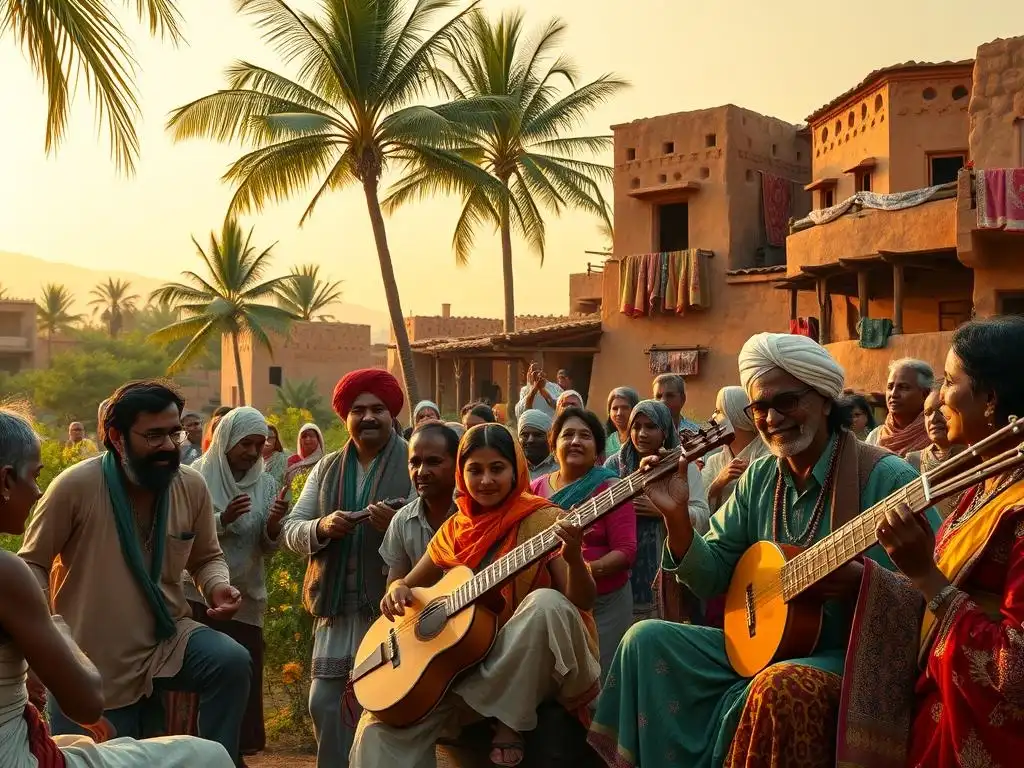
Welcome to Ancient India History, where we embark on a journey through the rich tapestry of India's ancient civilizations. Today, we delve into the harmonious world of Indus Valley music and culture, exploring how melodies and performances shaped daily life in one of the earliest urban societies.
Have you ever wondered what rhythms echoed through the streets of Mohenjo-Daro or how music intertwined with the spiritual and social fabric of the time? Join us as we uncover the vibrant sounds of the Indus Valley and the profound impact they had on its people, inviting you to discover the fascinating intersections of art, life, and history.
Introduction to Indus Valley Music and Culture
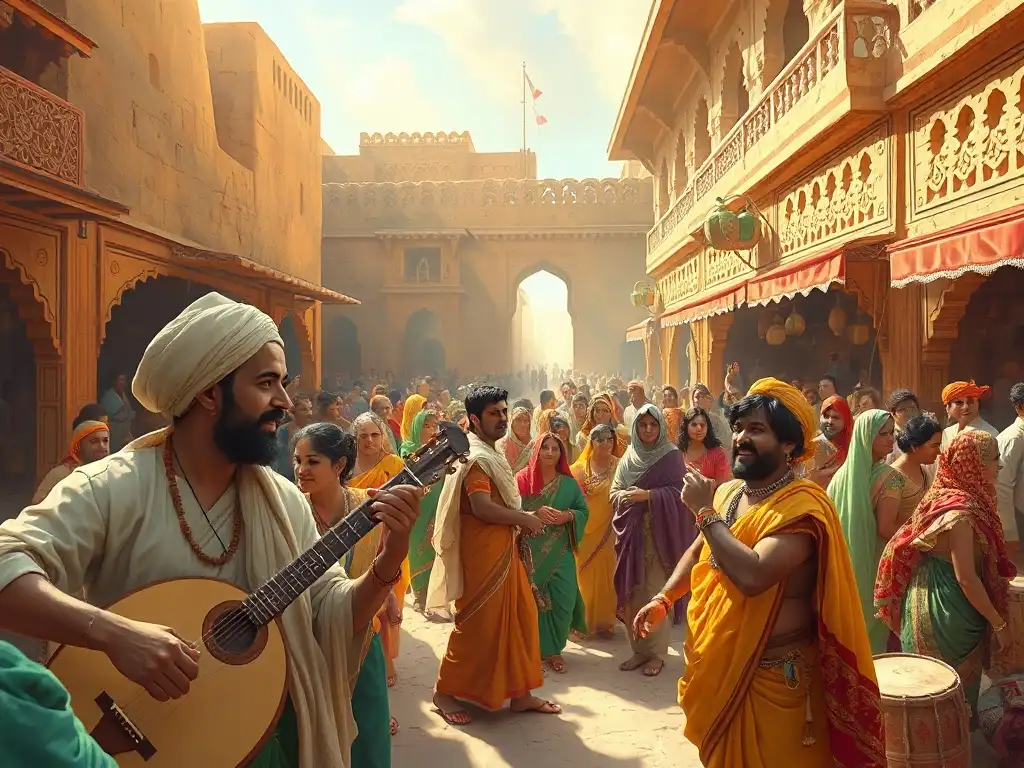
The Indus Valley Civilization, one of the world's earliest urban cultures, flourished between 3300 and 1300 BCE in present-day Pakistan and northwest India. This ancient society is renowned for its advanced urban planning, sophisticated drainage systems, and remarkable craftsmanship. However, an equally significant aspect of their daily life, often overlooked, is the role of music and performance. 🎶 Exploring the nuances of Indus Valley music and culture reveals how these artistic expressions not only provided entertainment but also fostered community bonds and reflected social hierarchies.
Understanding the cultural context of music in the Indus Valley is crucial for appreciating its impact on the civilization's social fabric. As we delve into the various facets of music and performance, we will uncover how these elements shaped the daily lives of individuals and the society as a whole.
Overview of the Indus Valley Civilization
The Indus Valley Civilization was characterized by its well-planned cities, such as Harappa and Mohenjo-Daro, which showcased a high degree of organization and innovation. Key features of this civilization included:
- Urban Planning: Grid-pattern streets, advanced drainage systems, and standardized brick sizes.
- Trade and Economy: Extensive trade networks, including maritime trade, which facilitated cultural exchange.
- Art and Craftsmanship: Skilled artisans produced pottery, jewelry, and seals, many of which depicted musicians and dancers.
This sophisticated society reflected a complex social structure, with evidence suggesting a stratified community that valued artistic expression as part of its cultural identity.
Significance of Music in Ancient Societies
In ancient societies, music served multiple functions beyond mere entertainment. Its significance can be highlighted through the following aspects:
- Social Cohesion: Music often played a role in rituals and communal gatherings, helping to strengthen relationships within the community.
- Cultural Expression: It was a medium through which people expressed their beliefs, traditions, and emotions, contributing to a shared cultural identity.
- Communication: Music acted as a form of non-verbal communication, conveying messages that transcended language barriers.
- Ritualistic Importance: In many cultures, music accompanied religious ceremonies, marking important life events and seasonal celebrations.
The presence of musical instruments and depictions of performers in artifacts from the Indus Valley suggest that music was integral to their daily life, reflecting a rich tapestry of cultural practices.
The Cultural Landscape of the Indus Valley
The cultural landscape of the Indus Valley can be understood through the daily lives of its inhabitants and the social structures that influenced their experiences with music.
Daily Life in the Indus Valley Civilization
Life in the Indus Valley was characterized by a blend of agriculture, trade, and craftsmanship. Key elements of daily life included:
- Agriculture: The fertile plains supported the cultivation of crops like wheat, barley, and cotton, which formed the backbone of their economy.
- Trade: Goods were exchanged not only locally but also with distant regions, bringing in diverse influences.
- Craftsmanship: Artisans specialized in various crafts, including pottery and textiles, often incorporating musical themes into their works.
Amidst these activities, music played a vital role in daily routines, often accompanying agricultural tasks, celebrations, and community gatherings, thus enhancing the cultural experience of the people.
The Influence of Music on Social Structure
Music in the Indus Valley was not just a reflection of daily life; it also influenced the social structure of the civilization. The following points illustrate this dynamic:
- Status and Identity: Musicians and performers likely held a specific status within the community, with their skills contributing to social prestige.
- Ritual Roles: Different social classes might have engaged with music in varied capacities, from performing in religious ceremonies to entertaining at feasts.
- Cultural Exchange: Interaction with neighboring cultures through trade may have led to the incorporation of diverse musical styles and instruments, enriching the local musical landscape.
The exploration of Indus Valley music and culture reveals a vibrant and integral aspect of this ancient civilization, providing insight into the daily lives and societal structures that defined the era. As we continue to investigate further, we will uncover more about the specific musical practices and their enduring legacy.
Forms of Music in the Indus Valley
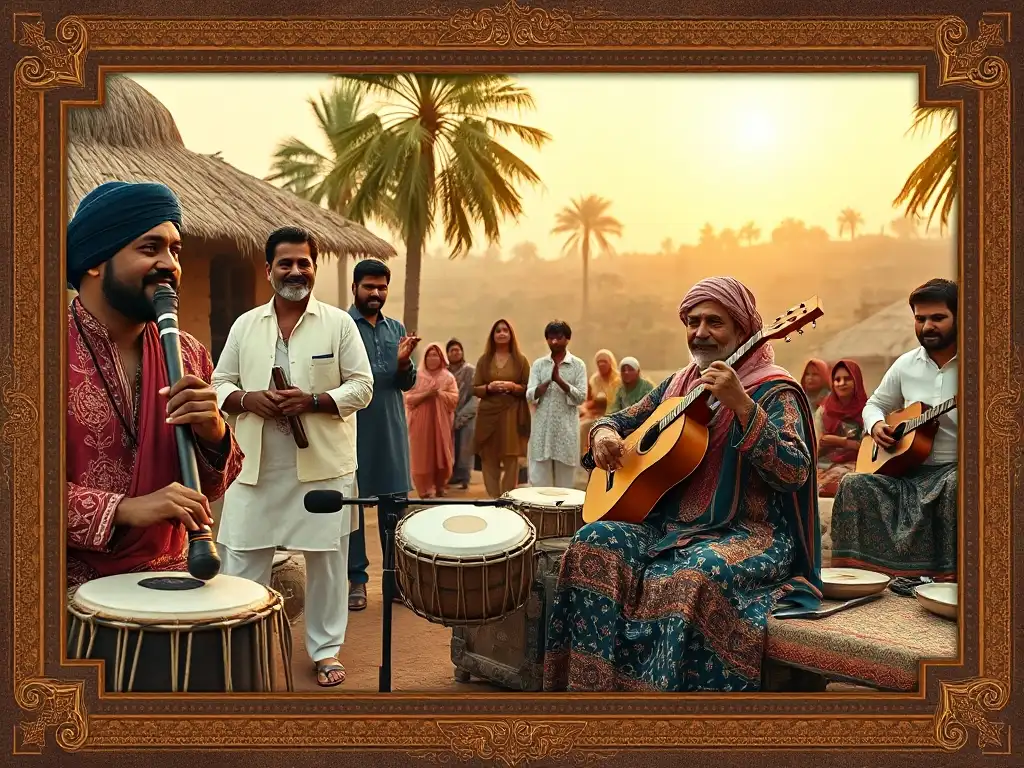
The Indus Valley Civilization, known for its advanced urban planning and rich cultural heritage, also had a vibrant musical tradition that played a significant role in daily life. Although direct evidence of their musical practices is limited, archaeological findings, such as seals and figurines, provide insights into the forms of music that might have existed.
Music in the Indus Valley likely encompassed various genres, including folk songs, ritual music, and possibly even early forms of classical music. The presence of various instruments suggests a diverse musical landscape that was integral to social gatherings, religious ceremonies, and everyday activities. Scholars believe that music served not only as entertainment but also as a means of communication and social cohesion among the inhabitants of this ancient civilization.
Traditional Instruments Used in Indus Valley Music
The instruments used in the Indus Valley reflect both the technological advancements and the cultural practices of the time. Archaeological excavations have uncovered several types of musical instruments, including:
- Percussion Instruments: Drums, such as the dhol, likely played a crucial role in community gatherings and rituals. The use of rhythm in music would have enhanced social interactions and celebrations.
- Wind Instruments: Flutes made from bamboo and other materials have been discovered, indicating that wind instruments were common. These would have been used in both solo and group performances to create melodic sounds.
- String Instruments: While direct evidence of string instruments is sparse, depictions on seals and figurines suggest the existence of early harps or lyres. These instruments would have added a harmonic dimension to musical performances.
The variety of instruments indicates a sophisticated understanding of music and its role within society, highlighting the importance of sound in everyday life and communal activities.
Vocal Styles and Their Significance in Daily Life
Vocal music was an essential aspect of Indus Valley culture, serving various functions that went beyond mere entertainment. It is believed that vocal styles included both solo and choral singing, often accompanied by instruments.
- Folk Songs: These songs likely reflected the daily experiences, joys, and challenges of the people. They were a medium for storytelling, preserving history and traditions through generations.
- Ritual Chants: Music played a pivotal role in religious and spiritual practices, with chants and hymns used during ceremonies to invoke blessings from deities. The use of specific vocal styles likely conveyed deep emotional and spiritual significance.
- Social Commentary: Vocal expressions could also serve as a form of social commentary, addressing community issues or celebrating collective achievements, thus reinforcing social bonds and identity.
The significance of these vocal styles in daily life cannot be overstated, as they were integral to cultural continuity and the expression of communal values.
Performance and Its Role in Indus Valley Society
Performance in the Indus Valley was not merely an artistic endeavor; it was a vital component of social fabric and identity. Music and dance often accompanied various life events, from births and weddings to seasonal festivals, creating a rich tapestry of cultural expression.
Rituals and Celebrations Featuring Music
Music was intricately woven into the fabric of rituals and celebrations in the Indus Valley. Major life events and seasonal festivals would have featured performances that included both music and dance, fostering a sense of community and shared identity.
- Religious Ceremonies: Rituals dedicated to deities often involved music that was believed to enhance the spiritual atmosphere, facilitating communication with the divine.
- Harvest Festivals: Celebrations marking the end of harvests likely included songs and dances that not only expressed gratitude but also reinforced community ties and collective joy.
These performances served as a means to bond the community, celebrate life’s milestones, and reinforce cultural values.
The Importance of Dance and Performance in Cultural Expression
Dance, closely linked with music, was a fundamental aspect of cultural expression in the Indus Valley. The interplay between music and dance allowed for a rich form of storytelling that conveyed cultural narratives and traditions.
- Cultural Identity: Dance performances were a means of expressing cultural identity, showcasing regional styles and community stories. They helped preserve traditions and fostered a sense of belonging among the people.
- Social Cohesion: Group dances promoted social interaction and unity, allowing individuals to collectively participate in cultural practices, strengthening communal bonds.
- Artistic Expression: Dance also provided an outlet for artistic expression, enabling individuals to showcase their skills and creativity, thus enriching the overall cultural landscape.
Music and performance were not just art forms in the Indus Valley but vital components of daily life, deeply embedded in the societal structure, spiritual beliefs, and communal identity.
Thematic Elements in Indus Valley Music and Culture
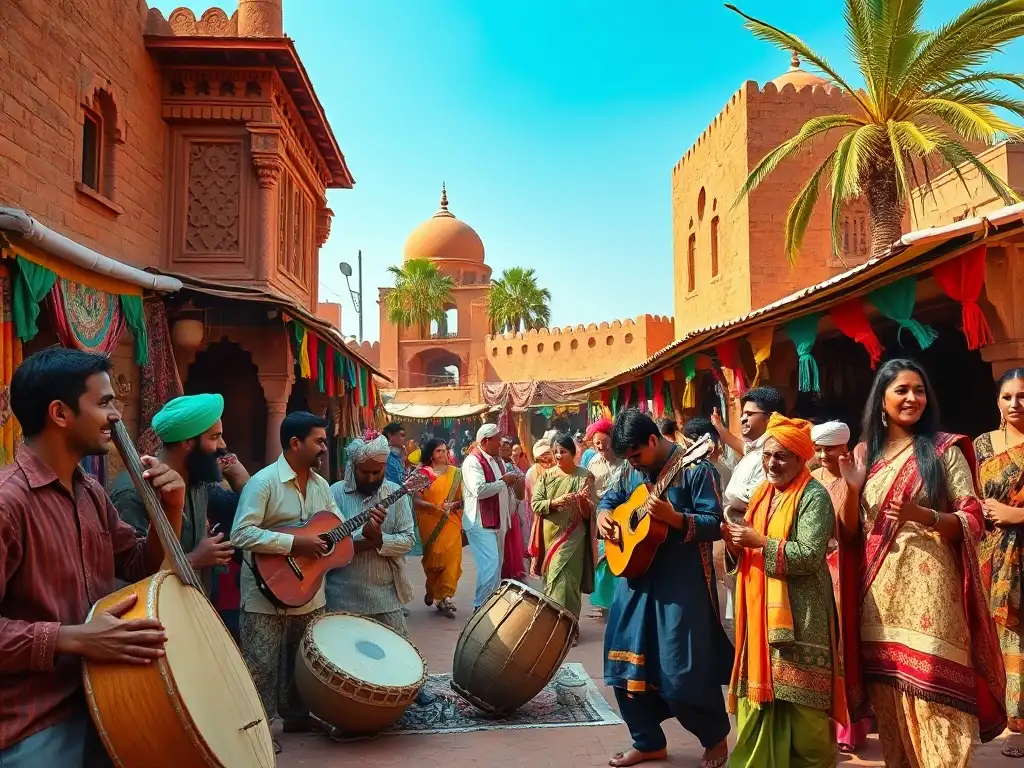
The Indus Valley Civilization, renowned for its advanced urban planning and societal structure, also showcased a rich musical heritage that played a crucial role in its cultural fabric. Various thematic elements characterized the music of this ancient civilization, reflecting its social values, rituals, and daily activities.
1. Spirituality and Rituals
Music in the Indus Valley was likely intertwined with spiritual practices and religious rituals. The use of instruments during ceremonies could have served to invoke deities and create a sacred atmosphere. The reverberation of sound was believed to connect the physical realm with the divine, a concept that resonates with many ancient cultures.
2. Community and Social Cohesion
Music served as a medium for bringing communities together. It fostered a sense of belonging and unity during communal gatherings and celebrations. Whether through dances accompanying harvest festivals or songs sung during communal work, music promoted social interaction and collective identity.
3. Daily Life and Work Songs
Music was also a part of everyday life, with work songs accompanying agricultural tasks, weaving, and pottery. These songs likely provided rhythm and motivation, making labor more enjoyable and less burdensome. They could also convey information about seasonal changes and community responsibilities.
Expressing Emotions through Music
In the context of the Indus Valley, music functioned as a powerful tool for emotional expression. Just as in many cultures, music provided an outlet for feelings of joy, sorrow, love, and longing.
1. Joy and Celebration
Festivals and significant life events, such as marriages and births, were occasions for exuberant music and dance. The sounds of joyous melodies would have filled the air, creating an atmosphere of festivity and togetherness.
2. Grief and Mourning
Conversely, music also had a somber role, serving as a means to express grief and facilitate mourning. Songs created during these times could help individuals process loss, providing comfort through shared experiences and communal support.
3. Love and Romance
Themes of love and romance were likely prevalent in the music of the Indus Valley. Lyrics may have explored feelings of affection and desire, contributing to the rich tapestry of interpersonal relationships within the community.
Music as a Means of Communication and Storytelling
Music in the Indus Valley was not merely for entertainment; it was an essential form of communication and storytelling. This dual role enriched the social and cultural landscape of the civilization.
1. Oral Traditions and Histories
Through music, oral histories and legends were passed down through generations. Songs served as mnemonic devices, helping preserve knowledge about ancestry, significant events, and cultural values. This tradition ensured that the collective memory of the society remained intact.
2. Symbolism and Metaphor
Musical narratives often employed symbolism and metaphor, making complex ideas accessible. For instance, the use of specific instruments or rhythms might convey particular messages or signify important cultural concepts, allowing the community to engage with their heritage deeply.
3. Social Commentary
Music also provided a platform for social commentary, reflecting the values and challenges of the community. Lyrics could address societal issues, norms, and expectations, offering insights into the lives of the people within the Indus Valley.
Archaeological Evidence of Music and Performance
Archaeological findings from the Indus Valley offer fascinating insights into the musical traditions and performance practices of this ancient civilization. The discovery of musical instruments and related artifacts highlights the significance of music in their daily lives.
Discoveries from Indus Valley Sites Related to Music
Excavations at various Indus Valley sites, such as Harappa and Mohenjo-Daro, have revealed a range of artifacts associated with music.
- Instruments: Archaeologists have unearthed clay figurines depicting musicians, as well as various musical instruments such as flutes, drums, and stringed instruments. These findings suggest that music was an integral part of cultural practices.
- Symbols and Iconography: Additionally, seals and pottery often feature motifs that may represent musical activities, indicating the importance of music in social and religious contexts.
- Performance Spaces: Evidence of community gathering spaces, possibly used for performances, further underscores the role of music in communal life.
Interpretation of Artifacts and Their Cultural Implications
The interpretation of musical artifacts from the Indus Valley reveals much about the civilization's cultural priorities and social structures.
1. Social Hierarchy and Music
The presence of sophisticated instruments suggests that music was not only a communal activity but may also have had associations with specific social classes or roles within society. This hierarchy could reflect who had access to musical education and performance.
2. Cultural Exchange
The style and design of musical instruments indicate potential cultural exchanges with neighboring regions. This exchange may have influenced the development of music and performance practices, highlighting the interconnectedness of ancient civilizations.
3. Preservation of Heritage
Ultimately, the archaeological evidence underscores the importance of music in preserving the heritage of the Indus Valley. Through the study of these artifacts, we gain deeper insights into the emotional and social dynamics of a civilization that thrived thousands of years ago, emphasizing that music was indeed a vital thread in the fabric of daily life.
The Legacy of Indus Valley Music and Culture
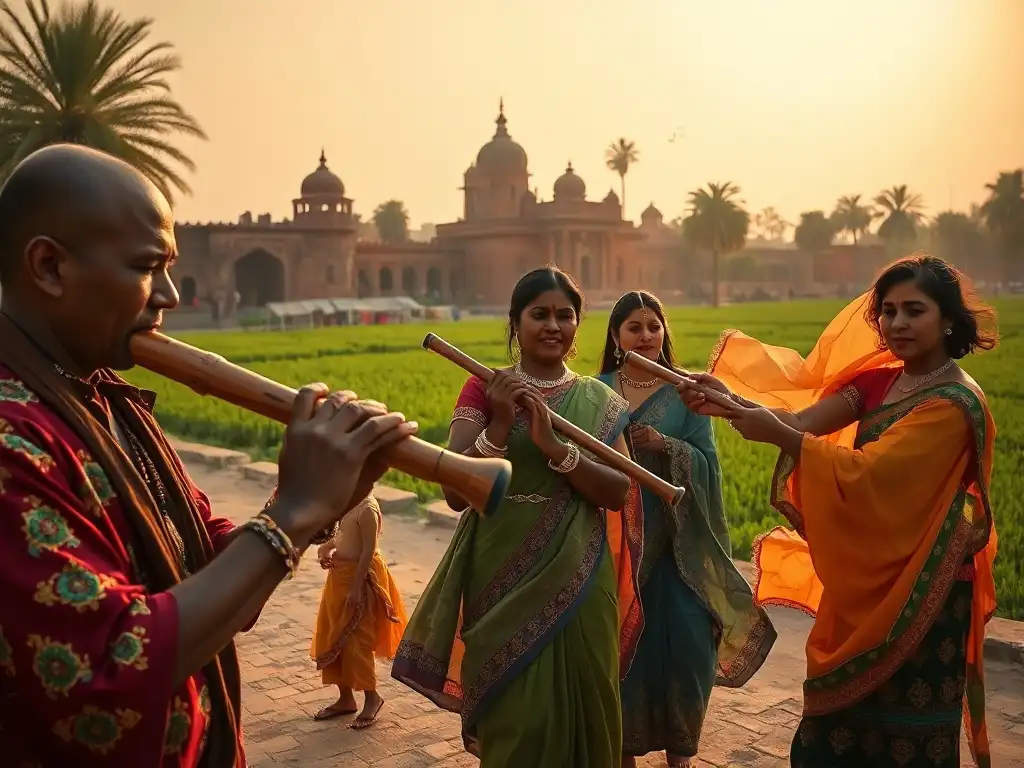
The Indus Valley Civilization, flourishing between 3300 BCE and 1300 BCE, is renowned not only for its advanced urban planning but also for its rich cultural tapestry, which prominently featured music and performance. Archaeological findings, including seals, pottery, and figurines, suggest that music was an integral aspect of daily life and ritualistic practices. Instruments such as flutes, drums, and stringed instruments are thought to have been used, indicating a sophisticated understanding of musical composition and performance.
The cultural expressions of the Indus Valley are believed to have laid the groundwork for subsequent musical traditions in India. The motifs found on seals, depicting musicians and dancers, hint at a society that celebrated the arts as a means of communication and social cohesion. This emphasis on music and performance not only enriched their cultural identity but also influenced the spiritual and communal aspects of life, as music was often intertwined with religious rituals.
Influence on Subsequent Indian Civilizations
The musical practices of the Indus Valley Civilization have left an indelible mark on the music and culture of later Indian civilizations, including the Vedic period and beyond. The transition from the Indus Valley to the Vedic age saw the emergence of new musical forms, yet many elements can be traced back to the earlier civilization. For instance, the use of instruments such as the veena and the mridangam can be linked to the types of percussion and string instruments believed to have existed in the Indus Valley.
Moreover, the themes and narratives found in Indus Valley music can be seen echoed in the vast body of Indian classical music that developed over centuries. The concept of raga (melodic framework) and tala (rhythmic cycle) may have roots in the musical traditions established during the Indus period. By fostering a musical heritage that transcended generations, the Indus Valley provided a foundation for the evolution of diverse musical genres in India.
Conclusion: The Enduring Impact of Indus Valley Music and Culture
Reflection on the Importance of Music in Historical Context
The significance of music within the Indus Valley Civilization cannot be overstated. It was not merely a form of entertainment; it served as a vehicle for expressing emotions, narrating stories, and reinforcing social bonds. Music likely played a role in various facets of life, from agricultural celebrations to religious ceremonies, thus deepening its importance in the historical context. Understanding the role of music in this ancient society allows us to appreciate the complexity of their cultural identity and the ways in which they communicated their experiences.
Future Research Directions on Indus Valley Music and Culture
While much has been uncovered about the musical aspects of the Indus Valley Civilization, there remains a wealth of knowledge yet to be explored. Future research should focus on interdisciplinary approaches, integrating archaeology, anthropology, and musicology to gain deeper insights into the musical traditions of this era. The analysis of artifacts, such as ancient instruments and musical scores, alongside oral traditions can yield valuable information regarding the continuity and transformation of music through time. Furthermore, comparative studies with other ancient civilizations may illuminate the unique contributions of the Indus Valley to the broader spectrum of world music and culture.
- Introduction to Indus Valley Music and Culture
- Overview of the Indus Valley Civilization
- Significance of Music in Ancient Societies
- The Cultural Landscape of the Indus Valley
- Forms of Music in the Indus Valley
- Traditional Instruments Used in Indus Valley Music
- Vocal Styles and Their Significance in Daily Life
- Performance and Its Role in Indus Valley Society
- Thematic Elements in Indus Valley Music and Culture
- Expressing Emotions through Music
- Music as a Means of Communication and Storytelling
- Archaeological Evidence of Music and Performance
- The Legacy of Indus Valley Music and Culture
- Influence on Subsequent Indian Civilizations
- Conclusion: The Enduring Impact of Indus Valley Music and Culture
- What is the significance of music in the Indus Valley civilization?
- How did music influence the culture of the Indus Valley?
- What instruments were commonly used in Indus Valley music?
- How did music contribute to social cohesion in the Indus Valley?
- Are there any surviving examples of Indus Valley music?
Frequently Asked Questions
What is the significance of music in the Indus Valley civilization?
Music played a crucial role in the daily life of the Indus Valley civilization, serving as a means of expression and cultural identity. It was integral to various rituals and social gatherings.
How did music influence the culture of the Indus Valley?
The cultural landscape of the Indus Valley was deeply intertwined with music, as it helped to preserve traditions and stories. This influence can be seen in their art, dance, and communal events.
What instruments were commonly used in Indus Valley music?
While specific instruments from the Indus Valley are not extensively documented, it is believed they used percussion and stringed instruments, reflecting the musical diversity of the time.
Music fostered community bonds by bringing people together during festivals and ceremonies, creating a sense of belonging and shared identity among the inhabitants.
Are there any surviving examples of Indus Valley music?
Unfortunately, there are no direct recordings of Indus Valley music; however, archaeological findings, such as musical instruments and depictions in art, provide insights into their musical traditions.
Final Reflection: The Enduring Legacy of Indus Valley Music and Culture
The exploration of Indus Valley music and culture reveals its profound relevance in today's world, as it serves as a testament to the power of artistic expression in shaping human experience. In a time where the pressures of modern life often drown out the subtleties of creativity, understanding the historical significance of music and performance in the Indus Valley reminds us of the universal language that transcends time and connects us all. The echoes of ancient melodies still resonate, urging us to appreciate the cultural heritage that has laid the foundation for contemporary artistic endeavors.
Culture is not static; it evolves, yet the roots of our artistic expressions remain deeply intertwined with our history. The influence of Indus Valley music and performance can be seen in the vibrant tapestry of modern South Asian arts, where traditional rhythms and melodies continue to inspire new generations of musicians and performers. As noted by cultural historian Dr. Anjali Sharma, The music of our ancestors is not just a relic; it is a living force that shapes our identity and enriches our lives.
This ongoing dialogue between past and present highlights the importance of preserving and celebrating our cultural narratives, ensuring that the voices of the Indus Valley continue to inspire and inform our collective consciousness.
As we reflect on the lessons derived from the rich musical heritage of the Indus Valley, I invite you to consider how you can integrate the spirit of creativity and cultural appreciation into your daily life. Take a moment to explore the music that resonates with you, whether it be through listening, performing, or even creating.
By engaging with the arts, you not only honor the legacy of those who came before us but also contribute to the vibrant cultural landscape of today. Let us embrace the transformative power of music and performance, allowing it to enrich our lives and foster connections that transcend boundaries.
Unleash the Power of Music in Your Life!
Thank you for diving into the vibrant world of music and performance! We hope you’ve discovered insights that inspire you to embrace the rhythmic heartbeat of daily life. Now, it’s time to take what you’ve learned and infuse your life with music.
Here’s how you can start today:
- Create a Daily Soundtrack: Curate a playlist that resonates with your emotions or boosts your productivity. Let music guide your day!
- Join or Form a Local Music Group: Explore the joy of collaboration by connecting with fellow music enthusiasts. Sharing this passion can lead to newfound friendships and creative experiences.
- Experiment with Instruments: Don’t hesitate to try playing an instrument, even if it’s just for fun! You might discover a hidden talent you never knew you had.
What unique ways will you incorporate music into your everyday routine? We’d love to hear your thoughts!