
Uncovering the Myths About Sanskrit: Facts vs. Fiction


Welcome to Ancient India History, where we embark on an enlightening journey through the rich tapestry of India's past! Today, we delve into the fascinating realm of Sanskrit language history myths with our featured article, "Uncovering the Myths About Sanskrit: Facts vs. Fiction."
Prepare to challenge your perceptions as we separate fact from fiction, unraveling the truths about this ancient language that shaped a civilization. What secrets does the Sanskrit language hold, and how have myths obscured its true legacy? Join us as we explore this captivating topic and discover the profound contributions of ancient Indian languages to our world today.
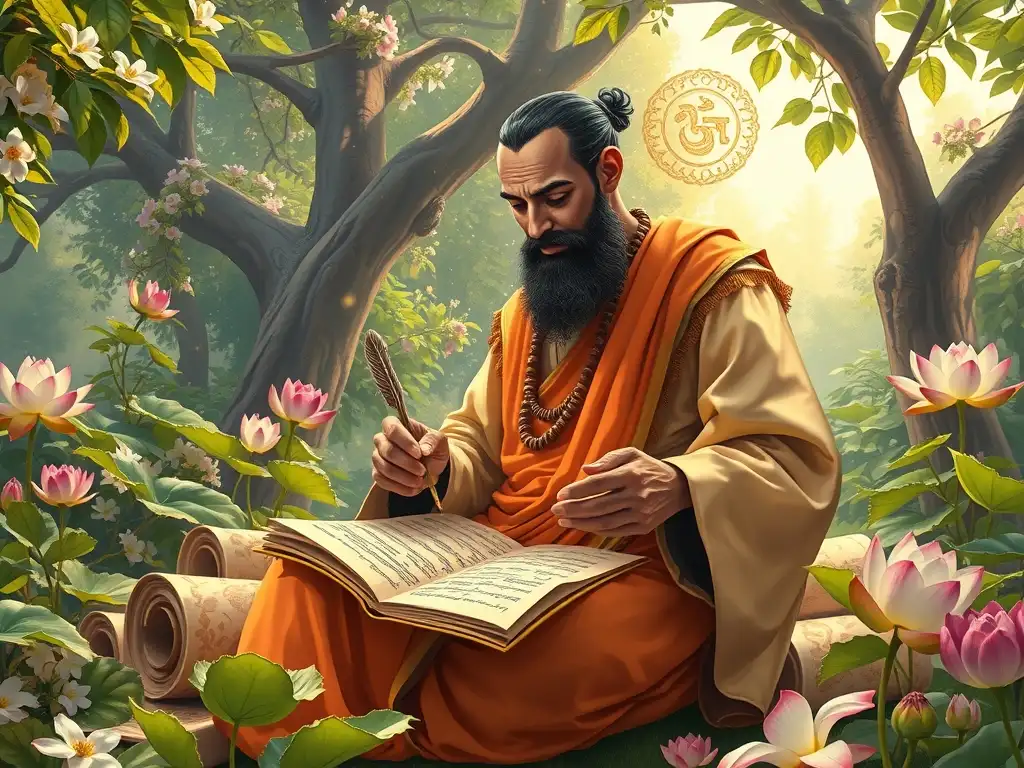
Introduction to Sanskrit Language Myths
Sanskrit, often referred to as the mother of many modern languages in India, has a rich and complex history that spans thousands of years. Despite its significance, many misconceptions surround this ancient language, leading to a distorted understanding of its role and relevance in contemporary society. This article aims to explore the prevalent myths about Sanskrit language history, shedding light on the facts that contradict these misconceptions. By addressing these myths, we not only honor the legacy of Sanskrit but also pave the way for a deeper appreciation of its contributions to linguistics, philosophy, and culture.
Brief Overview of Sanskrit Language History
Sanskrit is one of the oldest languages in the world, with roots tracing back to the Vedic texts composed around 1500 BCE. It is an Indo-European language, belonging to a family that includes Latin, Greek, and Persian. The language evolved through various stages, from Vedic Sanskrit to Classical Sanskrit, each characterized by distinct grammatical and phonetic features. Throughout its history, Sanskrit has played a pivotal role in shaping Indian literature, science, and spirituality, influencing a plethora of languages across the Indian subcontinent.
Importance of Debunking Myths about Sanskrit
Understanding the true nature of Sanskrit is crucial for several reasons:
- Cultural Heritage: Sanskrit is a vital part of India's cultural heritage, and recognizing its significance can foster a sense of pride and identity.
- Linguistic Roots: Many modern languages in India, such as Hindi, Bengali, and Marathi, derive from Sanskrit, making it essential for understanding the linguistic landscape of the region.
- Intellectual Legacy: Sanskrit has contributed immensely to fields such as mathematics, astronomy, and philosophy. Debunking myths can help revive interest in these areas among scholars and enthusiasts alike.
Common Myths About Sanskrit Language History
Myth 1: Sanskrit is a Dead Language
One of the most prevalent myths is that Sanskrit is a dead language, akin to Latin. In reality, while it is not commonly spoken in daily conversation, Sanskrit is far from dead. It is actively used in various cultural, religious, and academic contexts. Many institutions and universities promote Sanskrit studies, and there are communities where it is spoken and taught.
Myth 2: Sanskrit is Only for Religious Texts
Another misconception is that Sanskrit is exclusively used for religious texts. Although it is true that many sacred texts, including the Vedas and Upanishads, are written in Sanskrit, the language has also been employed in a myriad of secular works. This includes literature, scientific treatises, and even poetry. The versatility of Sanskrit extends beyond the religious realm, highlighting its role in various aspects of ancient Indian life.
Myth 3: Sanskrit has No Modern Relevance
Contrary to this belief, Sanskrit continues to have modern relevance. It serves as a foundation for several contemporary languages and is increasingly being incorporated into linguistic studies around the globe. Additionally, with the rise of interest in ancient wisdom and holistic practices, Sanskrit is witnessing a resurgence in popularity, particularly in fields like yoga and Ayurveda, where many terminologies are rooted in this ancient language.
Myth 4: Sanskrit is Too Complex for Daily Use
Many people regard Sanskrit as overly complex and unsuitable for everyday communication. While it is true that Sanskrit has intricate grammatical rules, it is important to recognize that every language has its complexities. With proper education and practice, Sanskrit can be learned and used effectively for various purposes, including conversation, poetry, and academic discourse. The language's structured nature can even aid in enhancing cognitive skills and linguistic understanding.
The Reality Behind Sanskrit Language Myths
Sanskrit, often regarded as a sacred language of ancient India, is surrounded by numerous myths that tend to obscure its true significance and ongoing relevance. By debunking these myths, we can appreciate the depth of this ancient language and its contributions to culture and academia.
Fact 1: Sanskrit is Still Actively Used Today
Contrary to the belief that Sanskrit is a dead language, it is, in fact, actively used in various domains. Several communities in India, particularly in regions such as Uttarakhand and Karnataka, continue to speak Sanskrit as a means of communication. Additionally, institutions like the Samskrita Bharati organization promote spoken Sanskrit through courses and workshops. Furthermore, Sanskrit is utilized in religious rituals, classical music, and dance performances, showcasing its living presence in contemporary culture.
Fact 2: Sanskrit’s Influence on Modern Languages
Sanskrit has significantly influenced many modern languages, particularly those in the Indo-Aryan family. Languages such as Hindi, Bengali, and Punjabi have borrowed extensively from Sanskrit vocabulary and grammar. For instance, approximately 40% of Hindi vocabulary is derived from Sanskrit. Additionally, many scientific and technical terms in modern languages, including English, can trace their roots back to Sanskrit, illustrating its profound impact on linguistic evolution.
Fact 3: The Rich Literary Tradition of Sanskrit
Sanskrit boasts a rich literary tradition that spans millennia, encompassing a diverse array of texts, including epics, poetry, philosophy, and scientific treatises. The Mahabharata and Ramayana are two of the most celebrated epics, not only for their literary merit but also for their philosophical and moral discourses. Classical texts like the works of Kalidasa and the philosophical treatises of Adi Shankaracharya further highlight the depth of Sanskrit literature. This extensive body of work showcases the language's capability to convey complex ideas and emotions, thereby solidifying its cultural significance.
Fact 4: Sanskrit in Contemporary Education and Research
In recent years, there has been a resurgence of interest in Sanskrit within educational institutions and research fields. Universities in India and abroad offer courses in Sanskrit, emphasizing its historical and cultural importance. Research in areas such as linguistics, anthropology, and philosophy often incorporates Sanskrit texts, highlighting their relevance in understanding ancient Indian civilization. Additionally, modern technology is being employed to analyze Sanskrit literature and grammar, further bridging the gap between ancient knowledge and contemporary scholarship.
The Historical Context of Sanskrit Language Development

Understanding Sanskrit's evolution requires an exploration of its historical context, tracing its development from ancient times to its role in modern linguistics.
Evolution of Sanskrit from Vedic to Classical
Sanskrit evolved through various stages, beginning with Vedic Sanskrit, used in the ancient Vedas around 1500 BCE. This form of Sanskrit was primarily oral and characterized by its poetic and ritualistic nature. Over time, it transitioned into Classical Sanskrit, standardized by grammarians such as Panini in the 5th century BCE. Panini's grammar laid the foundation for the systematic study of the language, establishing rules that are still relevant today. This evolution illustrates not only the linguistic development but also the cultural and philosophical advancements that accompanied it.
Contribution of Sanskrit to Linguistic Studies
Sanskrit has made significant contributions to the field of linguistics, particularly in the study of phonetics, morphology, and syntax. The meticulous grammatical framework established by Panini has influenced modern linguistic theory and analysis. Scholars often refer to Sanskrit to understand the principles underlying language structure, making it an essential part of comparative linguistics. This scholarly attention underscores the importance of Sanskrit in the broader context of language development and evolution.
Influence of Sanskrit on Other Language Families
Sanskrit's influence extends beyond the Indo-Aryan languages to other language families. It has played a role in shaping languages in Southeast Asia, such as Indonesian and Thai, primarily through the spread of Hinduism and Buddhism. Many terms related to religion, culture, and administration in these languages have Sanskrit origins. This influence highlights the far-reaching impact of Sanskrit, making it a crucial element in the linguistic tapestry of Asia and the world.
Conclusion: Embracing the Truth About Sanskrit Language History
The myths surrounding the Sanskrit language often overshadow its rich history and profound significance in ancient Indian civilization. By distinguishing between fact and fiction, we not only honor the legacy of Sanskrit but also appreciate its role as a pivotal medium of expression for philosophical, scientific, and literary advancements. Sanskrit serves as a testament to the intellectual achievements of ancient India, and acknowledging its true history allows us to better understand the cultural foundations that have shaped present-day India. Embracing the truth about Sanskrit opens pathways to a deeper appreciation of its contributions to language, literature, and thought.
The Importance of Understanding Sanskrit’s Legacy
Understanding the legacy of Sanskrit is crucial for several reasons:
- Cultural Identity: Sanskrit is not merely a language; it embodies the philosophical and spiritual ethos of ancient India. It is integral to the study of Hindu scriptures, including the Vedas, Upanishads, and the epics like the Mahabharata and Ramayana. Recognizing its legacy fosters a deeper cultural identity among contemporary Indians.
- Linguistic Influence: Sanskrit has significantly influenced many modern languages, particularly in India. By studying Sanskrit, one can trace the etymology of words and phrases in Hindi, Bengali, and other regional languages, revealing the interconnectedness of linguistic development.
- Intellectual Traditions: The language is the foundation of numerous scholarly traditions in various fields such as mathematics, astronomy, and medicine. Understanding these contributions helps in appreciating the advancements made during ancient times and their relevance today.
- Global Relevance: In an increasingly globalized world, the knowledge of ancient languages like Sanskrit can foster cross-cultural exchanges and enhance the understanding of classical philosophies, promoting a more inclusive global dialogue.
Call to Action: Explore Further into Sanskrit Language and Culture
To truly appreciate the depth and richness of Sanskrit, we encourage readers to delve deeper into its study and cultural context. Here are some ways to explore further:
- Enroll in Courses: Many institutions offer courses in Sanskrit language and literature, providing structured learning paths for enthusiasts and scholars alike.
- Read Classic Texts: Engage with foundational texts in their original language or through quality translations to experience the nuances of thought and expression that Sanskrit offers.
- Attend Workshops and Seminars: Participating in workshops or seminars focused on Sanskrit can provide valuable insights from experts and foster community discussions.
- Visit Cultural Exhibits: Explore museums and cultural exhibits that highlight the historical significance of Sanskrit and its manuscripts, artifacts, and inscriptions.
By taking these steps, you can contribute to the revival and appreciation of Sanskrit, ensuring that its legacy continues to thrive for future generations. Embrace the journey of exploration, and discover the profound impact that the Sanskrit language has had on the world!
- Introduction to Sanskrit Language Myths
- Common Myths About Sanskrit Language History
- The Reality Behind Sanskrit Language Myths
- The Historical Context of Sanskrit Language Development
- Conclusion: Embracing the Truth About Sanskrit Language History
- What is the significance of Sanskrit language history in ancient India?
- Are there any myths surrounding the Sanskrit language?
- How did the Indus Valley civilization contribute to the Sanskrit language history?
- What role did the Gupta Empire play in the development of Sanskrit?
- How can one differentiate between facts and fiction regarding Sanskrit myths?
Frequently Asked Questions
What is the significance of Sanskrit language history in ancient India?
Sanskrit is a classical language of India that has a profound impact on literature, philosophy, and religion. Its historical roots can be traced back to the Vedic texts, making it a cornerstone of ancient Indian culture.
Are there any myths surrounding the Sanskrit language?
Yes, many myths exist, including the notion that Sanskrit is a dead language. In reality, it is still studied and used in various contexts, particularly in religious and cultural practices.
How did the Indus Valley civilization contribute to the Sanskrit language history?
While the Indus Valley civilization predates Sanskrit, it laid the groundwork for the subsequent development of language and writing systems in India. Some believe that early symbols may have influenced later linguistic evolution.
What role did the Gupta Empire play in the development of Sanskrit?
The Gupta Empire (circa 320-550 CE) is often referred to as the Golden Age of Sanskrit literature. It was during this period that many classical texts were composed, solidifying Sanskrit's status as a literary language.
How can one differentiate between facts and fiction regarding Sanskrit myths?
To distinguish between facts and fiction, one should refer to credible historical sources, linguistic studies, and expert analyses. Engaging with scholarly work helps clarify the truth behind common myths surrounding Sanskrit.
Final Reflection: Revealing the Truth Behind Sanskrit Myths
In an age where misinformation can spread as quickly as knowledge, uncovering the myths about Sanskrit is more relevant than ever. As we navigate through a world filled with cultural narratives and historical inaccuracies, understanding the true history of the Sanskrit language not only enriches our appreciation for this ancient tongue but also empowers us to challenge misconceptions that persist in our society. The journey through facts versus fiction in the realm of Sanskrit serves as a reminder that language is not merely a tool for communication; it is a vessel of culture, history, and identity.
The exploration of Sanskrit myths has a profound impact on our cultural and social landscape, fostering a deeper connection to our roots and shared heritage. As we delve into the rich tapestry of Sanskrit's history, we recognize its enduring influence on literature, philosophy, and spirituality. Language is the road map of a culture. It tells you where its people come from and where they are going.
This quote resonates deeply as we reflect on how the narratives surrounding Sanskrit shape our understanding of not just the language itself, but also the civilizations that have embraced it throughout the ages. By dispelling myths, we open the door to a more authentic appreciation of the contributions of Sanskrit to global culture.
As we conclude this exploration, I invite you to reflect on your own perceptions of language and history. Consider how the myths you encounter in your daily life might cloud your understanding of the world around you. Embrace the opportunity to seek out the truth, challenge assumptions, and share your newfound knowledge with others. By doing so, you contribute to a collective effort to honor the legacy of languages like Sanskrit, ensuring that their stories are told accurately and celebrated for generations to come.
Unleash the Power of Sanskrit Today!
Thank you for diving into the fascinating world of Sanskrit with us! We hope you discovered some eye-opening truths that demystify this ancient language and its significant impact on culture and history. Now, it's time to take that knowledge further!
Here are some actionable steps you can take right now:
- Join a local or online Sanskrit class to deepen your understanding and appreciation of this beautiful language.
- Share this article with friends and family who are curious about Sanskrit—let's spread the knowledge together!
- Engage with our community on social media—join discussions, ask questions, and learn from others who share your passion for the ancient world.
What myth about Sanskrit has surprised you the most, and how do you plan to explore it further?