
The Preservation Efforts for Ancient Indian Scripts in Modern India

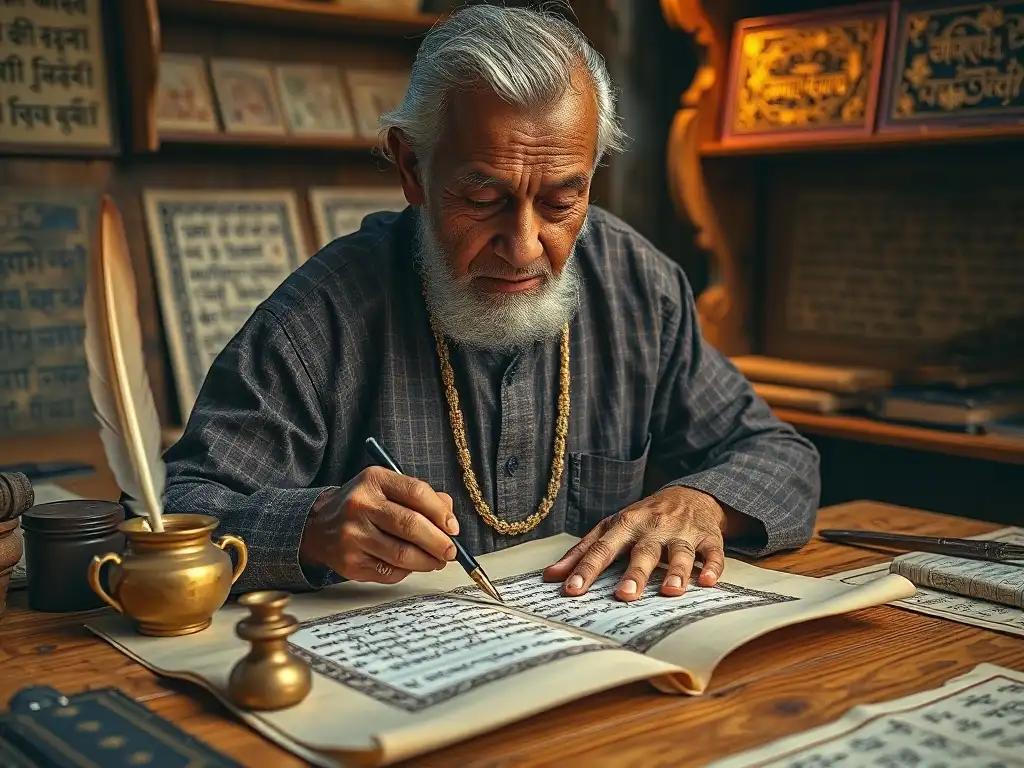
Welcome to Ancient India History, where we embark on a fascinating journey through the rich tapestry of ancient Indian civilizations! In this space, we delve deep into the captivating stories, vibrant cultures, and extraordinary contributions that have shaped India from the enigmatic Indus Valley to the illustrious Gupta Empire. Today, we invite you to explore our feature article on "Preserving Ancient Indian Scripts", shedding light on the vital efforts being made in modern India to safeguard these invaluable linguistic treasures.
What secrets do these ancient scripts hold, and how do they connect us to our past? Join us as we uncover the intricate legacy of language and script in this profound exploration—your adventure into history starts here!
Introduction to Ancient Indian Scripts
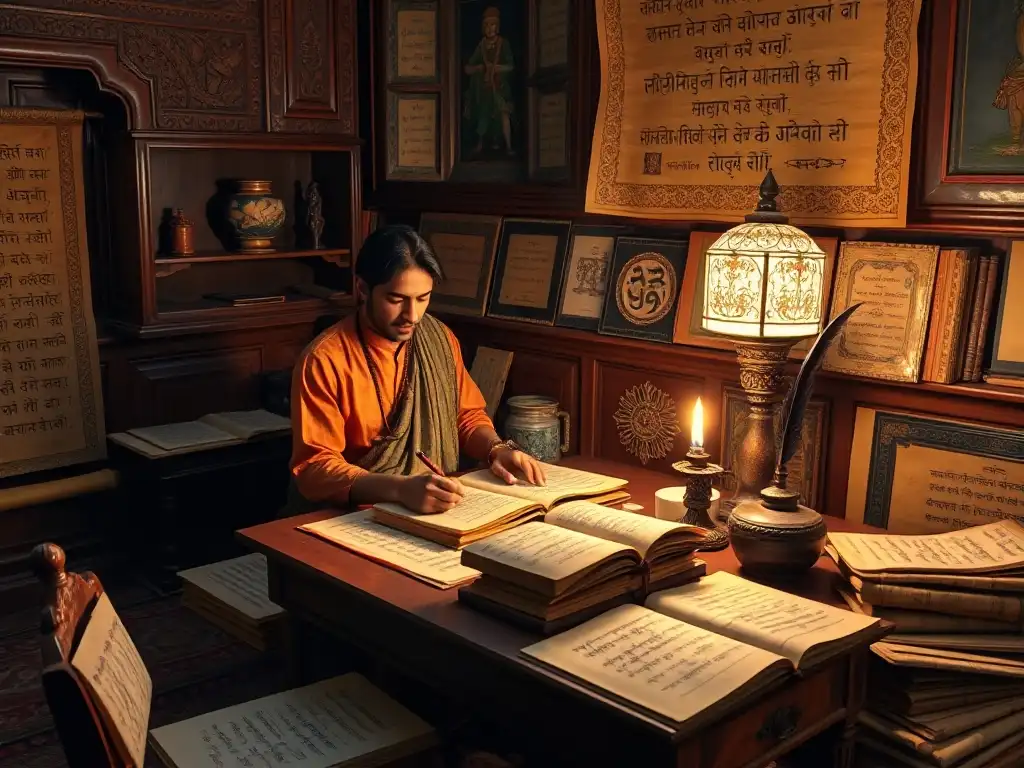
The preservation of ancient Indian scripts is a crucial endeavor that reflects the rich tapestry of India's historical and cultural heritage. These scripts are not just mere symbols; they encapsulate the thoughts, philosophies, and narratives of civilizations that flourished thousands of years ago. As modern India strides towards rapid advancements, the importance of safeguarding these scripts cannot be overstated. This article delves into the significant efforts being made to preserve ancient Indian scripts, their historical context, and the challenges faced in this vital undertaking.
Overview of Ancient Indian Scripts and Their Importance
Ancient Indian scripts, such as Brahmi and Kharosthi, serve as vital links to understanding the social, religious, and economic contexts of early Indian civilizations. These scripts were utilized for various purposes, including religious texts, administrative documents, and literary works. They hold profound significance as they provide insights into the languages spoken, the cultural practices, and the intellectual achievements of ancient societies.
- Brahmi Script: Often regarded as the progenitor of many modern Indian scripts, Brahmi played an instrumental role in the development of languages such as Sanskrit and Prakrit.
- Kharosthi Script: Primarily used in the northwest regions of India, Kharosthi was utilized for writing the Gandhari language, which was pivotal in the spread of Buddhism.
The importance of these scripts extends beyond linguistics; they embody the philosophical and artistic expressions of their time, making their preservation essential for future generations.
Significance of Preserving Ancient Indian Scripts
Preserving ancient Indian scripts is vital not only for historical accuracy but also for nurturing cultural identity. The significance can be categorized as follows:
- Cultural Heritage: Ancient scripts are a testament to the rich cultural heritage of India, showcasing the diversity of languages and regional identities.
- Historical Research: These scripts are indispensable for historians and archaeologists, providing primary sources for understanding ancient societies and their dynamics.
- Linguistic Studies: They serve as crucial data points for linguists studying the evolution of languages, phonetics, and syntax.
In a world increasingly driven by digital technology, the preservation of these scripts also poses unique challenges, making it essential to employ innovative methods and collaborative efforts.
Historical Context of Ancient Indian Scripts
Understanding the historical context of ancient Indian scripts requires an exploration of their evolution and the civilizations that used them. This section discusses the transitions and developments that shaped these scripts over time.
Evolution of Scripts in Ancient India
The evolution of scripts in ancient India can be traced through various phases, reflecting the socio-political changes and cultural exchanges that occurred over centuries. Key phases include:
- Indus Valley Civilization (c. 3300–1300 BCE): The earliest known scripts, consisting of symbols found on seals, remain largely undeciphered, hinting at a complex system of communication.
- Post-Indus Period: The emergence of Brahmi and Kharosthi scripts marks a significant development, influenced by interactions with other cultures and the spread of Buddhism.
- Gupta Period (c. 320–550 CE): This era saw the refinement of scripts, leading to the creation of regional varieties that laid the foundation for modern Indian scripts.
Each of these phases underscores the dynamic nature of script development in response to cultural interactions and societal needs.
Major Ancient Indian Scripts: Brahmi, Kharosthi, and Others
Among the numerous scripts that emerged in ancient India, Brahmi and Kharosthi stand out due to their historical significance and influence on subsequent writing systems. Below is a brief overview of these scripts:
| Script | Period | Region | Key Features |
|---|---|---|---|
| Brahmi | c. 6th century BCE | Pan-Indian | Foundation for many Indian scripts; syllabic |
| Kharosthi | c. 3rd century BCE | Northwest India | Unique right-to-left writing; used for Gandhari |
| Tamil Script | c. 3rd century BCE | Southern India | Rich literary tradition; syllabic and alphabetic |
These scripts not only played a foundational role in the development of regional languages and scripts but also contributed significantly to the literary and cultural wealth of ancient India. Their preservation is essential for future research and understanding of India's linguistic heritage.
Current State of Ancient Indian Scripts
The current state of ancient Indian scripts reflects a complex interplay of cultural heritage and modern challenges. With over 700 distinct languages and numerous scripts representing the rich tapestry of Indian civilization, many of these scripts, such as Brahmi, Kharosthi, and various regional scripts, remain under threat.
While some scripts like Devanagari and Tamil continue to thrive, others are at risk of fading into obscurity as they are not actively taught or used in contemporary communication. The remnants of ancient inscriptions can be found on temple walls, manuscripts, and artifacts, but the understanding and appreciation of these scripts are dwindling.
Scholars and linguists are increasingly concerned about the lack of comprehensive documentation and study of these scripts. Many inscriptions remain undeciphered, and the knowledge of their historical significance is often limited to a small group of specialists. This creates a gap in cultural continuity, as new generations may not recognize the importance of these scripts, leading to a potential loss of ancient wisdom encapsulated within them.
Challenges in Preserving Ancient Indian Scripts
Preserving ancient Indian scripts faces significant challenges that hinder effective conservation efforts. One primary challenge is the lack of awareness among the general populace regarding the importance of these scripts. Many individuals do not recognize the cultural and historical value embedded within these ancient writings, leading to neglect in their preservation.
Another challenge is the scarcity of resources dedicated to research and conservation. Funding for the study and preservation of ancient scripts is often limited, with many initiatives relying on the goodwill of scholars and cultural organizations. This lack of financial backing restricts the ability to conduct extensive research, create educational materials, and host awareness campaigns.
Additionally, the rapid modernization of society poses a threat to ancient scripts. As digital communication becomes the norm, many traditional writing systems are overshadowed by modern languages and scripts such as English. This shift not only affects the usage but also diminishes the transmission of knowledge regarding these ancient scripts to future generations.
The Decline of Usage and Knowledge Among Modern Generations
The decline in the usage and knowledge of ancient Indian scripts among modern generations is a concerning trend. As education systems focus increasingly on contemporary languages and global communication, traditional scripts are often overlooked. Schools may not include ancient languages in their curricula, leading to a significant gap in knowledge.
Moreover, the dominance of digital technology has shifted communication patterns. Younger generations tend to favor texting and social media, which often prioritize brevity and modern languages. As a result, there is less motivation to learn and engage with ancient scripts, contributing to their decline.
The lack of cultural transmission plays a crucial role in this decline. Families may not pass down the knowledge of ancient scripts or their significance, resulting in a generational disconnect. Without active efforts to revive interest in these scripts, the rich heritage they represent is at risk of being forgotten.
Preservation Efforts for Ancient Indian Scripts
In response to the pressing need for preservation, various efforts are underway in India to safeguard ancient scripts. These initiatives encompass government programs, educational reforms, and community involvement, aiming to foster a renewed interest in these invaluable cultural artifacts.
Government Initiatives for Script Preservation
The Indian government has implemented several initiatives aimed at preserving ancient scripts. The Archaeological Survey of India (ASI) plays a pivotal role in documenting and conserving ancient inscriptions and manuscripts. Through excavation and research, ASI aims to uncover forgotten scripts and ensure their protection.
Additionally, the Department of Culture has launched various programs to promote awareness about ancient scripts. Workshops, seminars, and exhibitions are organized to educate the public on the significance of these scripts, fostering a sense of pride and ownership over India's linguistic heritage. Grants and funding are also provided to institutions engaged in the study and preservation of ancient texts.
Role of Educational Institutions
Educational institutions are crucial in preserving ancient Indian scripts. Many universities and colleges have begun incorporating courses on ancient languages and scripts into their curricula, allowing students to engage with this rich heritage. Research programs focusing on deciphering and studying inscriptions have been established, promoting scholarly exploration of these ancient writings.
Moreover, partnerships between educational institutions and cultural organizations have emerged, facilitating workshops and outreach programs. These initiatives aim to inspire younger generations to learn about their linguistic heritage and appreciate the value of ancient scripts.
Community and Cultural Organizations
Community and cultural organizations play a vital role in the preservation of ancient Indian scripts. Local groups often organize events that celebrate traditional writing systems, such as calligraphy workshops, storytelling sessions, and cultural festivals. These activities create a platform for the younger generation to interact with ancient scripts in engaging and meaningful ways.
Additionally, many organizations work to digitize ancient manuscripts and inscriptions, making them accessible to a broader audience. By leveraging technology, these groups aim to preserve ancient scripts while also fostering interest in their study. Collaborations with schools and libraries further enhance these efforts, ensuring that the knowledge of ancient scripts is passed down and appreciated by future generations.
Technological Innovations in Script Preservation
In recent years, the preservation of ancient Indian scripts has greatly benefited from technological innovations. These advancements have provided new avenues for documenting, archiving, and disseminating knowledge about ancient languages and writings. With the integration of digital technologies, the efforts to preserve the rich tapestry of India's linguistic heritage have accelerated, ensuring that these invaluable resources can be accessed and appreciated by future generations.
Digitization of Ancient Manuscripts
Digitization has emerged as a crucial tool in the preservation of ancient manuscripts. Libraries, universities, and cultural institutions across India have initiated projects to convert physical manuscripts into digital formats. This process not only protects the original texts from degradation due to environmental factors but also enhances accessibility.
Key benefits of digitization include:
- Increased Access: Scholars and enthusiasts from around the world can access digitized texts online, breaking geographical barriers.
- Preservation of Fragile Texts: Many ancient manuscripts are delicate and prone to damage; digitization allows for their preservation without physical handling.
- Searchability: Digitized texts can be indexed and made searchable, facilitating research and study.
Prominent institutions, such as the National Mission for Manuscripts, have been pivotal in digitizing thousands of manuscripts, ranging from ancient philosophical texts to historical documents, thus safeguarding them for future study.
Use of Artificial Intelligence in Script Recognition
Artificial Intelligence (AI) is revolutionizing the way ancient scripts are understood and preserved. AI-driven technologies are being developed to recognize and transcribe ancient scripts, significantly improving the efficiency and accuracy of the preservation process.
Some notable applications of AI in this domain include:
- Optical Character Recognition (OCR): Advanced OCR technologies are being trained on ancient scripts, enabling the automatic transcription of handwritten texts into digital formats. This reduces the need for manual transcription, which is often time-consuming and prone to human error.
- Machine Learning Models: These models can analyze and recognize patterns in ancient scripts, facilitating the identification of scripts that may not yet be fully understood by researchers.
- Language Translation: AI is also being utilized to translate ancient texts, making them more accessible to contemporary audiences and ensuring that the knowledge contained within them is not lost over time.
The application of AI in script recognition not only enhances preservation efforts but also paves the way for new research opportunities in the study of ancient languages.
Case Studies of Successful Preservation
The efforts to preserve ancient Indian scripts have yielded several successful case studies that highlight the effectiveness of modern techniques and collaborative projects. These case studies serve as exemplars for future initiatives and demonstrate the impact of preserving cultural heritage through technology.
Notable Projects Documenting Ancient Scripts
Several notable projects have been instrumental in documenting and preserving ancient Indian scripts.
- The Digital Library of India: This initiative aims to digitize and make available a vast collection of Indian literature, including ancient manuscripts in various scripts such as Sanskrit, Tamil, and Pali. It serves as a repository for scholars and researchers, promoting the study of Indian heritage.
- The Manuscript Mission: Launched by the National Archives of India, this project focuses on the conservation and digitization of manuscripts from diverse cultural traditions. The mission has successfully preserved thousands of manuscripts, ensuring their availability for future generations.
- Indira Gandhi National Centre for the Arts (IGNCA): IGNCA has undertaken projects to document and preserve regional scripts and literature, emphasizing the importance of lesser-known languages and writings in the Indian cultural landscape.
These projects showcase a concerted effort to protect and promote the richness of ancient Indian scripts, reflecting a broader commitment to cultural heritage.
Impact of Preservation Efforts on Cultural Heritage
The preservation of ancient Indian scripts has significant implications for cultural heritage. By safeguarding these texts, we not only protect linguistic diversity but also nurture a connection to our historical roots.
The impact of these preservation efforts can be summarized as follows:
- Cultural Identity: Preserved scripts serve as a testament to the rich cultural identity of various communities in India, fostering pride and continuity in traditions.
- Educational Resources: Digitized texts and preserved manuscripts provide valuable educational resources for scholars, students, and the general public, facilitating a deeper understanding of India's historical narrative.
- Interdisciplinary Research: The preservation of ancient scripts opens new avenues for interdisciplinary research, connecting fields such as archaeology, linguistics, and history, thus enriching our understanding of ancient civilizations.
The preservation of ancient Indian scripts through technological innovations and collaborative projects not only protects invaluable heritage but also enhances our appreciation of the diverse cultural tapestry that defines India.
Future Prospects for Preserving Ancient Indian Scripts
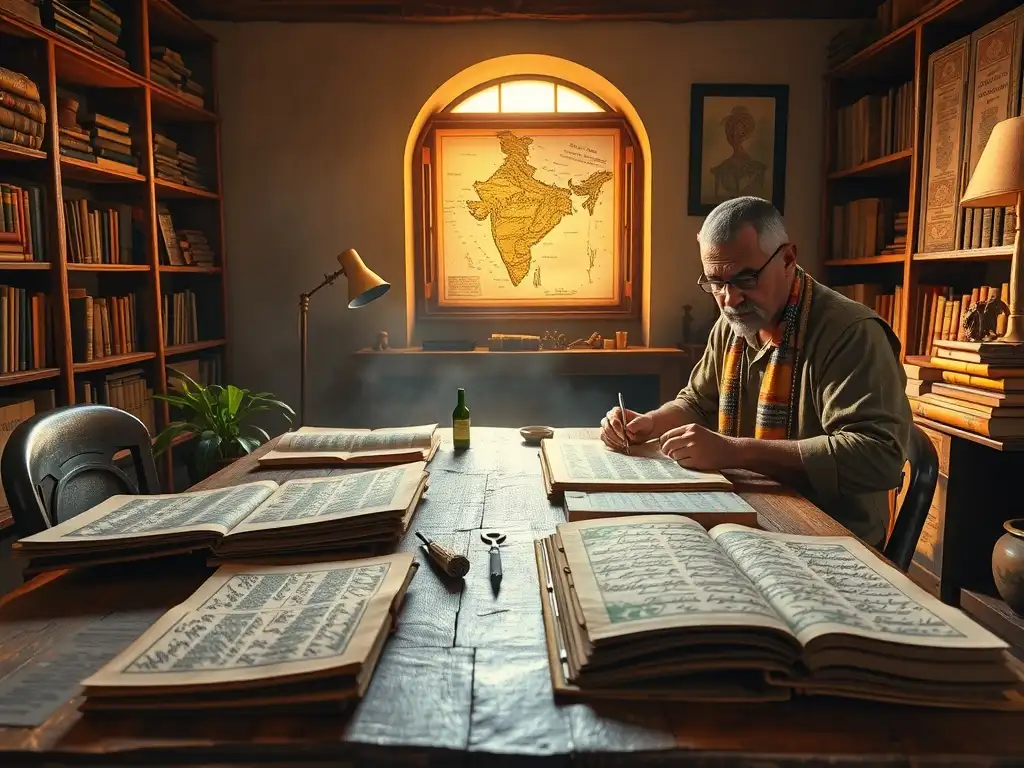
The future of preserving ancient Indian scripts holds promising avenues, driven by advancements in technology, increasing academic interest, and a growing awareness of cultural heritage. One notable prospect is the integration of digital technology in preservation efforts. Digital archiving and high-resolution imaging techniques can enable the preservation of ancient manuscripts in their original forms while making them accessible to a global audience. This digital shift not only safeguards the scripts from physical deterioration but also facilitates research and education.
Moreover, the development of software that can decode and translate ancient scripts presents an exciting frontier. Artificial intelligence and machine learning can be employed to analyze and interpret these texts, allowing scholars to unlock their meanings and contexts more efficiently. Additionally, virtual reality could offer immersive experiences, enabling users to explore ancient manuscripts in a simulated environment, thus fostering a deeper understanding of their significance.
Importance of Ongoing Efforts in Modern India
Ongoing efforts to preserve ancient Indian scripts are crucial for several reasons. Firstly, these scripts are not merely historical artifacts; they embody the cultural, philosophical, and artistic heritage of India. By preserving them, we ensure that future generations have access to their rich traditions and knowledge systems.
Furthermore, as globalization increases, the risk of cultural homogenization rises. Maintaining the uniqueness of ancient scripts plays a vital role in promoting diversity and fostering a sense of identity among communities. This is particularly significant in a multicultural society like India, where multiple languages and scripts coexist.
Additionally, preserving these scripts contributes to academic research and education. Scholars studying ancient texts can glean insights into historical events, societal structures, and linguistic evolution. This academic pursuit enriches not only the field of linguistics but also enhances our understanding of human civilization as a whole.
Potential Collaborations for Enhanced Preservation
Collaborative efforts among various stakeholders are essential for enhancing the preservation of ancient Indian scripts. Partnerships between government bodies, educational institutions, and non-profit organizations can pool resources and expertise, amplifying the impact of preservation initiatives. For instance, universities can collaborate with cultural heritage organizations to create research programs focused on ancient scripts, providing students with hands-on experience while fostering academic inquiry.
International collaborations can also be beneficial. By engaging with global institutions that specialize in manuscript preservation, India can adopt best practices and innovative techniques from around the world. Such partnerships can facilitate knowledge exchange, leading to improved methodologies for the preservation and study of ancient texts.
Moreover, community involvement is vital. Local communities often hold knowledge and traditions related to ancient scripts that can be invaluable in preservation efforts. Encouraging grassroots movements to document and teach these scripts can create a sense of ownership and responsibility among community members, ensuring that the scripts are kept alive.
Conclusion
Recap of the Importance of Preserving Ancient Indian Scripts
The preservation of ancient Indian scripts is not just a matter of conserving historical documents; it is an essential endeavor that upholds cultural identity, enriches academic scholarship, and promotes diversity in a rapidly globalizing world. The future prospects for these efforts are bright, fueled by technological advancements and collaborative initiatives that can enhance both preservation and accessibility.
Call to Action for Continued Support and Awareness
As we move forward, it is imperative for individuals, communities, and institutions to actively engage in preserving ancient Indian scripts. Increased support for educational programs, funding for preservation projects, and awareness campaigns can significantly contribute to these efforts. Let us all take action to ensure that the rich heritage of ancient Indian scripts continues to inspire and educate future generations. Together, we can make a difference in preserving this invaluable aspect of our history.
- Introduction to Ancient Indian Scripts
- Historical Context of Ancient Indian Scripts
- Current State of Ancient Indian Scripts
- Challenges in Preserving Ancient Indian Scripts
- The Decline of Usage and Knowledge Among Modern Generations
- Preservation Efforts for Ancient Indian Scripts
- Technological Innovations in Script Preservation
- Case Studies of Successful Preservation
- Future Prospects for Preserving Ancient Indian Scripts
- Importance of Ongoing Efforts in Modern India
- Potential Collaborations for Enhanced Preservation
- Conclusion
Frequently Asked Questions
What are ancient Indian scripts?
Ancient Indian scripts are writing systems developed throughout India's history, including Brahmi, Devanagari, and Tamil script, among others. They played a crucial role in documenting the cultural and philosophical heritage of the region.
Why is preserving ancient Indian scripts important?
Preserving these scripts is vital for maintaining the cultural identity and historical continuity of India. It allows future generations to access and understand the rich literary and philosophical traditions of their ancestors.
What efforts are being made to preserve ancient Indian scripts?
Modern initiatives include the digitization of manuscripts, educational programs, and collaborations with libraries and universities to promote the study and usage of these scripts.
How can individuals contribute to the preservation of ancient Indian scripts?
Individuals can contribute by participating in workshops, supporting organizations focused on manuscript preservation, or even learning and using ancient scripts in their daily communication or art.
What impact does technology have on the preservation of ancient scripts?
Technology significantly enhances preservation efforts through digitization, allowing for better storage, easier access, and broader dissemination of ancient texts, ensuring their survival for future generations.
Final Reflection: Preserving Ancient Indian Scripts for Future Generations
The efforts to preserve ancient Indian scripts are not merely an academic pursuit; they are a vital connection to our cultural heritage and identity. In today's rapidly changing world, where globalization often threatens local traditions, the significance of these scripts becomes even more pronounced. The preservation of these ancient texts is a testament to our commitment to honoring the past while navigating the complexities of modernity. As we delve deeper into the digital age, the challenge remains: how do we ensure that the wisdom encapsulated in these scripts is not lost but rather celebrated and integrated into contemporary society?
The influence of preserving ancient Indian scripts resonates throughout our cultural and social landscape, shaping our understanding of history and identity. These scripts are not just relics; they are living narratives that continue to inspire and inform our present. The efforts to document, teach, and revitalize these scripts serve as a reminder of the rich tapestry of knowledge that India possesses.
As Mahatma Gandhi once said, "> A nation's culture resides in the hearts and in the soul of its people." This quote underscores the importance of nurturing our cultural roots, as they are essential to our collective consciousness and identity.
As we reflect on the significance of preserving ancient Indian scripts, I invite you to consider your own role in this endeavor. How can you contribute to the safeguarding of our cultural heritage? Whether through education, advocacy, or simply engaging with these texts, every action counts. Let us embrace the responsibility of being custodians of our history, ensuring that the wisdom of our ancestors continues to illuminate the path for future generations. Together, we can foster a deeper appreciation for our heritage and inspire a renewed commitment to preserving the ancient scripts that define our identity.
Embrace and Elevate Ancient Scripts Today!
Thank you for taking the time to explore the significance of preserving ancient Indian scripts. Your interest in this vital aspect of our heritage demonstrates a commitment to cultural continuity and identity. Now, it’s time to turn that interest into action!
Here are some engaging ways to get involved and make a difference:
- Join a local workshop or class focused on ancient scripts to deepen your understanding and skills.
- Share your newfound knowledge with friends and family to raise awareness about the importance of these scripts.
- Participate in online communities dedicated to preserving Indian heritage, and consider contributing your insights or projects.
What steps will you take today to ensure that the beauty of ancient scripts continues to thrive for future generations?