
The Allure of Antique Indian Jewelry: Tips for Authentic Purchases

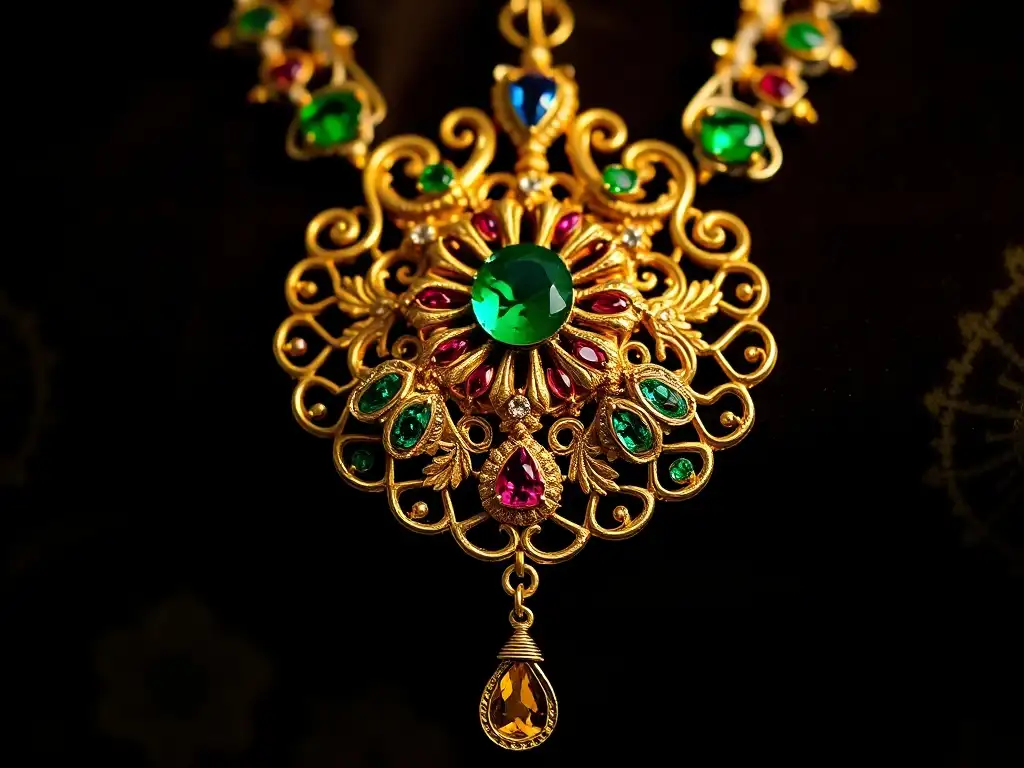
Welcome to Ancient India History, where we embark on a captivating journey through the rich tapestry of India's vibrant past. Here, we delve into the wonders of ancient civilizations, from the sophisticated Indus Valley to the illustrious Gupta Empire. Today, we invite you to explore the enchanting world of antique Indian jewelry.
In our featured article, "The Allure of Antique Indian Jewelry: Tips for Authentic Purchases," discover how to navigate the intricate landscape of authentic treasures that reflect the artistry and cultural significance of bygone eras. Are you ready to uncover the secrets of these timeless pieces? Let your adventure begin!
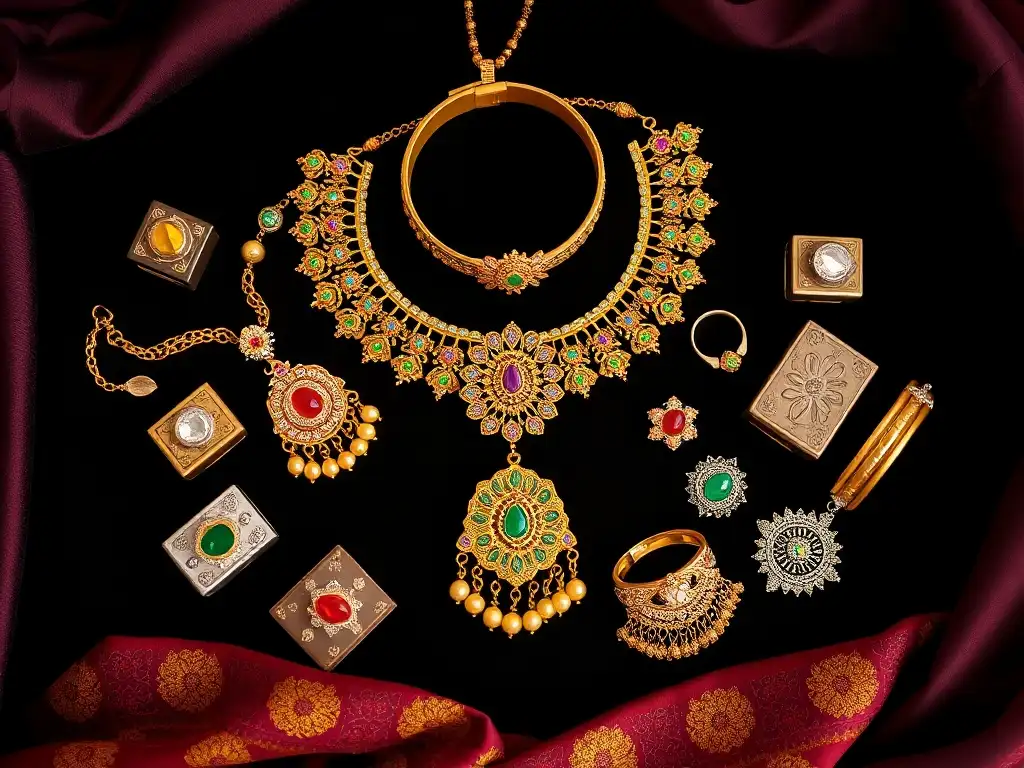
Antique Indian jewelry captivates enthusiasts and collectors alike with its intricate designs, rich history, and profound cultural significance. As a reflection of the diverse traditions and craftsmanship of ancient Indian civilizations, these pieces tell stories that span centuries, making them not just adornments but also artifacts of cultural heritage.
This article serves as a guide for those looking to buy authentic antique Indian jewelry, offering valuable insights into its significance, history, and how to discern genuine pieces from reproductions. By understanding the nuances of this enchanting jewelry, you can make informed purchasing decisions that honor the artistry and tradition behind each piece.
Understanding Antique Indian Jewelry
Antique Indian jewelry encompasses a variety of styles and materials, each with its own unique characteristics and historical context. This section will delve into the fundamental aspects that define antique Indian jewelry, including its craftsmanship, common materials used, and the symbolic meanings behind various designs.
The Cultural Significance of Antique Jewelry in India
Antique jewelry in India is not merely decorative; it holds deep cultural and social significance. Traditionally, jewelry has played a vital role in various aspects of life, including:
- Birth and Wedding Ceremonies: Jewelry is often gifted during significant life events, symbolizing prosperity and good fortune.
- Religious Practices: Many antique pieces feature motifs and symbols representing deities, imparting spiritual significance to the wearer.
- Regional Identity: Different regions in India have distinct styles of jewelry, reflecting local traditions, craftsmanship, and materials. For example, Kundan from Rajasthan and Temple jewelry from South India each tell stories of their heritage.
The cultural narratives embedded in these pieces make them valuable not only as adornments but as historical tokens that connect individuals with their ancestry.
Historical Context: From the Indus Valley to the Gupta Empire
The journey of Indian jewelry can be traced back to ancient civilizations, beginning with the Indus Valley Civilization (circa 2500-1500 BCE). Archaeological findings reveal a wealth of jewelry made from beads, metals, and gemstones, showcasing advanced craftsmanship. As Indian civilization evolved, so did its jewelry-making techniques:
- Maurya Period (322-185 BCE): The introduction of gold and intricate designs signified wealth and status.
- Gupta Empire (circa 320-550 CE): This era marked a golden age for arts and crafts, including jewelry, characterized by exquisite gold work and the use of colorful gemstones.
Understanding this historical context is essential for appreciating the artistry involved in antique Indian jewelry and recognizing its value in today’s market.
Why Buy Authentic Antique Indian Jewelry?
When considering the purchase of antique Indian jewelry, authenticity is paramount. This section will explore the importance of authenticity in antique jewelry and the potential investment value it holds.
The Value of Authenticity: Why It Matters
Buying authentic antique Indian jewelry ensures that you are acquiring a genuine piece with historical significance. The value of authenticity lies in:
- Cultural Heritage: Authentic pieces preserve the rich traditions and craftsmanship of ancient India.
- Quality and Craftsmanship: Genuine antique jewelry is often made using traditional techniques, resulting in superior quality compared to modern reproductions.
- Provenance: Authentic pieces often come with a documented history, adding to their value and appeal.
Ensuring authenticity not only enriches your collection but also supports the artisans and communities that have preserved these traditions over generations.
The Investment Potential of Antique Jewelry
Investing in authentic antique Indian jewelry can be both financially rewarding and culturally enriching. Key reasons for considering this investment include:
- Appreciation in Value: As interest in antique jewelry grows, many pieces appreciate over time, making them valuable assets.
- Unique Offerings: Each piece of antique jewelry is unique, providing a distinct advantage in a market often saturated with mass-produced items.
- Cultural Connection: Owning a piece of history allows you to connect with the rich tapestry of Indian culture and tradition.
By understanding the allure and significance of antique Indian jewelry, you are better equipped to navigate the market and make informed purchases that celebrate and preserve this exceptional heritage.
Key Characteristics of Authentic Antique Indian Jewelry
Authentic antique Indian jewelry is celebrated for its intricate craftsmanship, rich cultural significance, and use of traditional materials. To appreciate and identify genuine pieces, one must be familiar with several defining characteristics.
Identifying Genuine Craftsmanship and Materials
The craftsmanship of antique Indian jewelry is often evident in its detailed designs and the skill with which it is made. Authentic pieces typically showcase:
- Handcrafted Techniques: Antique jewelry is usually handcrafted, featuring unique imperfections that reflect the artisan's personal touch. Look for signs of handwork such as uneven edges or slightly irregular shapes.
- Traditional Materials: Genuine antique jewelry often incorporates materials like gold, silver, and semi-precious stones (like turquoise, coral, and garnet). Be cautious of pieces that use modern or synthetic materials, as these may indicate a replica.
- Patina and Wear: Over time, authentic pieces develop a distinct patina that adds to their character. This subtle aging process can enhance the jewelry's beauty and authenticity.
By paying close attention to these aspects, buyers can better discern genuine pieces from imitations.
Common Features of Antique Indian Jewelry Styles
Antique Indian jewelry encompasses a diverse range of styles, each with unique features that reflect the rich cultural tapestry of India. Some common styles to look for include:
- Kundan: This style involves setting stones in a gold foil base and is characterized by intricate designs and vibrant stones. The craftsmanship is meticulous, often seen in bridal jewelry.
- Meenakari: Known for its colorful enamel work, meenakari jewelry features intricate designs often depicting floral or geometric patterns. This style is popular in Rajasthan and is typically seen in earrings, necklaces, and bangles.
- Filigree: This delicate form of jewelry is made by twisting fine threads of gold or silver into intricate patterns. Filigree designs are often lightweight and airy, showcasing remarkable craftsmanship.
- Temple Jewelry: Originating from South India, temple jewelry is adorned with motifs of deities and is traditionally worn during religious ceremonies. These pieces are typically made of gold and feature elaborate craftsmanship.
Understanding these styles can enhance your ability to identify authentic antique jewelry and appreciate its historical significance.
Tips for Buying Authentic Antique Indian Jewelry
When looking to buy authentic antique Indian jewelry, it is essential to approach the process with knowledge and caution. Here are some tips to guide you in making informed purchases.
Researching Reputable Dealers and Sources
Finding a trustworthy dealer is crucial for ensuring the authenticity of your purchase. Consider the following steps:
- Check Credentials: Look for dealers who have established reputations, positive reviews, and membership in recognized trade organizations. This can often be an indicator of their credibility.
- Attend Auctions and Shows: Antique jewelry fairs, exhibitions, and auctions provide opportunities to meet reputable dealers and examine pieces first-hand. Such venues often attract knowledgeable sellers committed to authenticity.
- Seek Recommendations: Networking within jewelry enthusiast communities can lead to valuable recommendations for reputable dealers. Online forums and social media groups dedicated to antique jewelry can be excellent resources for this purpose.
By conducting thorough research, you can ensure that you are purchasing from a reliable source.
Evaluating the Jewelry's Authenticity
To assess the authenticity of antique Indian jewelry, consider these evaluation techniques:
- Examine Hallmarks and Signatures: Authentic pieces often bear hallmarks or signatures from recognized artisans or manufacturers. Familiarize yourself with common marks used in Indian jewelry to help identify genuine items.
- Assess Craftsmanship: Inspect the overall craftsmanship, paying attention to details such as the quality of stone setting, engravings, and weight. Authentic pieces are typically heavier and exhibit a higher level of craftsmanship compared to modern replicas.
- Get an Appraisal: For high-value purchases, consider seeking an appraisal from a qualified expert who specializes in antique jewelry. They can provide insights into the piece's authenticity, age, and value.
By employing these evaluation techniques, you can enhance your confidence in purchasing authentic antique Indian jewelry, ensuring that your investment is both beautiful and meaningful.
Recommended Places to Buy Authentic Antique Indian Jewelry
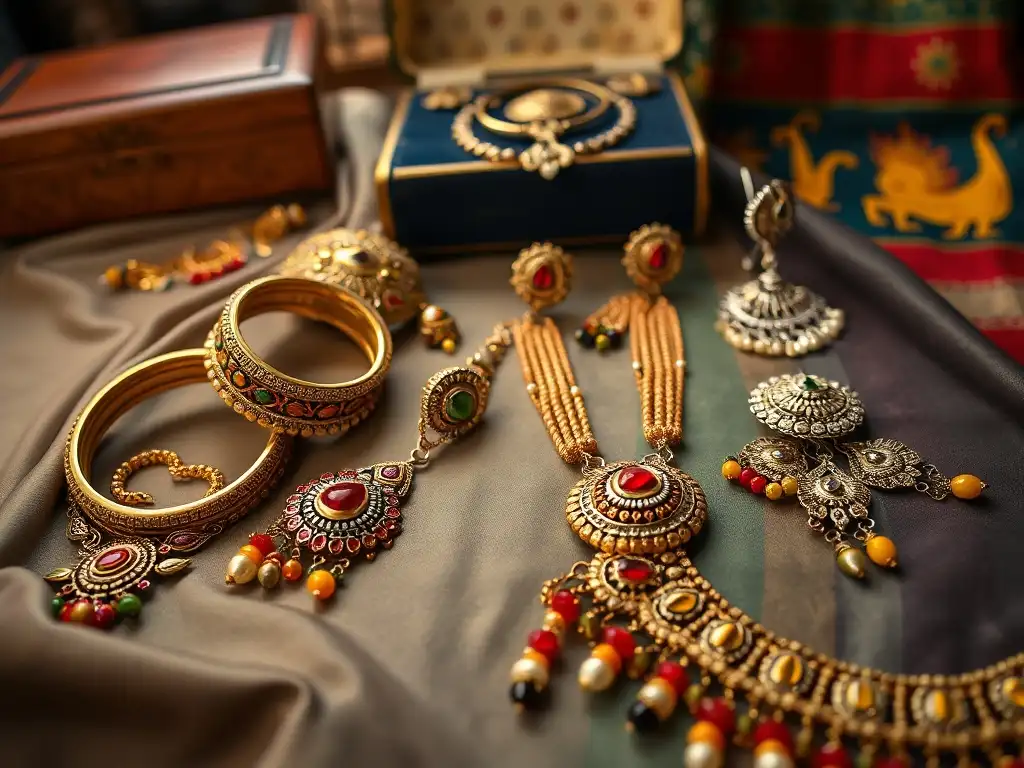
When it comes to buying authentic antique Indian jewelry, selecting the right place is crucial to ensuring that you acquire genuine pieces that reflect the rich heritage of Indian craftsmanship. Here are some recommended venues where you can find exquisite antique jewelry:
Local Markets: Experience the Culture
Visiting local markets is one of the most enriching ways to purchase antique Indian jewelry. These bustling hubs are not just shopping destinations but cultural experiences that immerse you in the local traditions and craftsmanship.
- City Haat and Bazaars: Cities like Jaipur, Delhi, and Varanasi host vibrant haats (markets) where artisans sell their handcrafted jewelry. Here, you can find unique pieces that are often not available online, and the opportunity to interact with the artisans provides invaluable insights into the history and techniques behind each piece.
- Flea Markets: Flea markets, such as the Dilli Haat in Delhi, offer a diverse collection of antique jewelry. As you wander through the stalls, you may discover hidden gems that tell stories of their own. Don't hesitate to haggle; it's part of the experience!
- Artisan Fairs: Attend artisan fairs and exhibitions that celebrate traditional crafts. These events often showcase antique jewelry and provide an opportunity to meet the makers, learn about their craft, and appreciate the labor that goes into each piece.
Online Platforms for Authentic Purchases
For those who prefer the convenience of shopping from home, there are several reputable online platforms that specialize in antique Indian jewelry. Here are some options to consider:
- Specialized Jewelry Websites: Websites like Kohinoor Jewels or Antique Jewelry Mall offer a curated selection of antique pieces, complete with descriptions of their origin and history. These platforms often provide certificates of authenticity, ensuring that you are making a safe purchase.
- Auction Sites: Online auction platforms like eBay or Catawiki can be treasure troves for antique jewelry enthusiasts. Look for sellers with high ratings and detailed descriptions, and always read the reviews before making a bid.
- Social Media Marketplaces: Platforms like Instagram and Facebook have become popular for buying and selling antique jewelry. Many artisans and collectors showcase their pieces online, allowing you to connect directly with the seller. Just be sure to verify their credibility through reviews and past transactions.
Common Mistakes to Avoid When Buying Antique Jewelry
While the allure of antique Indian jewelry is undeniable, prospective buyers should be aware of common pitfalls that can lead to unsatisfactory purchases. Here are some mistakes to avoid:
Overlooking the Importance of Provenance
One of the most crucial aspects of purchasing antique jewelry is understanding its provenance or history. Provenance provides context about the piece, including its age, origin, and previous ownership.
- Importance of Documentation: Always ask for documentation that verifies the authenticity and history of the jewelry. This may include certificates of authenticity, appraisals, or even photographs of the piece from its earlier days.
- Research the Seller: Investigate the seller's background and reputation. A reputable dealer should be willing to share the story behind the piece and provide evidence of its authenticity. Beware of sellers who cannot provide clear provenance, as this may indicate that the jewelry is not genuine.
Ignoring the Jewelry's Condition and Restoration History
The condition of antique jewelry plays a vital role in its value and desirability.
- Assessing Damage and Repairs: Before making a purchase, closely inspect the piece for any signs of damage or previous repairs. Significant restoration work can affect the value and authenticity of the jewelry.
- Professional Appraisal: When in doubt, seek the opinion of a professional appraiser who specializes in antique jewelry. Their expertise can help you determine whether the piece is worth the investment and if it has been altered in ways that may detract from its value.
By avoiding these common mistakes and making informed choices, you can enjoy the beauty and heritage of antique Indian jewelry while ensuring that your purchases are authentic and valuable.
Caring for Your Antique Indian Jewelry
Caring for antique Indian jewelry is essential to preserve its beauty and historical significance. Given the intricate craftsmanship and cultural heritage embedded in these pieces, proper care ensures that they remain vibrant and intact for future generations. Antique jewelry can be delicate, often made from materials like gold, silver, and precious stones, which require specific attention to maintain their luster and structural integrity. Here are some key practices to follow to ensure that your antique Indian jewelry stays in excellent condition.
Cleaning and Maintenance Tips
Cleaning antique Indian jewelry requires a gentle approach to avoid damaging the intricate designs or stones. Here are some effective cleaning tips:
- Use a Soft Cloth: Regularly wipe your jewelry with a soft, lint-free cloth to remove dust and oils. This simple step can help maintain its shine and prevent tarnishing.
- Avoid Harsh Chemicals: Steer clear of strong cleaning solutions or abrasive materials. Instead, use a mild soap solution mixed with warm water for deeper cleaning. Ensure that you rinse thoroughly and dry the piece completely.
- Professional Cleaning: For heavily tarnished or intricate pieces, consider consulting a professional jeweler who specializes in antique jewelry. They can provide specialized cleaning and maintenance services, ensuring that your pieces are handled with care.
- Inspect Regularly: Periodically check your jewelry for any signs of damage, such as loose stones or weakened clasps. Early detection allows for timely repairs, preserving the integrity of the piece.
Storing Your Antique Jewelry Safely
Storing your antique jewelry properly is equally important in ensuring its longevity. Here are some tips for safe storage:
- Use Individual Pouches or Boxes: Store each piece separately in soft pouches or lined jewelry boxes to avoid scratches and tangling. This is especially important for pieces with intricate designs or gemstones.
- Control Humidity: Keep your jewelry in a cool, dry place to prevent moisture buildup, which can lead to tarnishing or rusting. Consider using silica gel packets in storage areas to absorb excess moisture.
- Avoid Direct Sunlight: Prolonged exposure to sunlight can cause fading and damage to certain materials. Store your jewelry in a dark or shaded area to protect it from UV rays.
- Secure Settings: For pieces with gemstones, ensure that the settings are secure and not prone to loosening over time. Regularly check and tighten any loose settings to prevent the loss of stones.
Conclusion: Embracing the Beauty of Authentic Antique Indian Jewelry
Owning antique Indian jewelry is not just about adornment; it’s about embracing a rich legacy that tells stories of the past. Each piece carries the essence of its time, reflecting the artistry and craftsmanship that have been passed down through generations. By understanding how to care for and maintain these treasures, you can ensure that their beauty endures.
Investing in Heritage: The Joy of Owning a Piece of History
Investing in authentic antique Indian jewelry is akin to owning a piece of history. These pieces are not merely accessories; they are artifacts that encapsulate the cultural narratives and traditions of ancient India. The joy of wearing or gifting such jewelry lies in its unique character, often accompanied by intricate craftsmanship and historical significance.
Moreover, as antique jewelry often appreciates in value over time, it represents not only a personal treasure but also a wise investment. By choosing to buy authentic antique Indian jewelry, you are not just acquiring a beautiful item but also preserving cultural heritage and promoting the appreciation of ancient artistry. Embrace the allure of these timeless pieces and celebrate the stories they carry.
- Understanding Antique Indian Jewelry
- Why Buy Authentic Antique Indian Jewelry?
- Key Characteristics of Authentic Antique Indian Jewelry
- Tips for Buying Authentic Antique Indian Jewelry
- Recommended Places to Buy Authentic Antique Indian Jewelry
- Common Mistakes to Avoid When Buying Antique Jewelry
- Caring for Your Antique Indian Jewelry
- Conclusion: Embracing the Beauty of Authentic Antique Indian Jewelry
Frequently Asked Questions
What makes antique Indian jewelry unique?
Antique Indian jewelry is known for its intricate designs, cultural significance, and the use of traditional craftsmanship. Each piece often tells a story rooted in India's rich history.
How can I ensure the authenticity of antique Indian jewelry?
To ensure authenticity, look for reputable sellers, request certificates of authenticity, and familiarize yourself with the specific styles and materials used in genuine pieces.
What are some popular styles of antique Indian jewelry?
Popular styles include Kundan, Polki, and Meenakari, each characterized by unique techniques such as gem setting and enamel work that reflect India's diverse heritage.
Where can I buy authentic antique Indian jewelry?
You can buy authentic antique Indian jewelry from specialized antique shops, reputable online marketplaces, or auctions that focus on heritage pieces to ensure quality and authenticity.
What should I consider before making a purchase?
Before purchasing, consider the provenance of the piece, its condition, and whether it has been restored. This will help you make an informed decision while investing in authentic antique jewelry.
Final Reflection: Embracing the Timeless Beauty of Antique Indian Jewelry
The allure of antique Indian jewelry transcends mere aesthetics; it embodies a rich tapestry of culture, history, and craftsmanship that is profoundly relevant today. As we navigate a world increasingly dominated by mass production, the desire to connect with authentic, meaningful pieces becomes ever more significant. The quest to buy authentic antique Indian jewelry is not just about acquiring an accessory; it is about embracing a legacy that tells stories of generations past and celebrates the artistry of skilled artisans.
Cultural heritage is not just a relic of the past; it is a living, breathing part of our identity that shapes our present and future. The appreciation for antique Indian jewelry has sparked a resurgence in interest, prompting collectors and enthusiasts alike to seek out pieces that resonate with their personal narratives. As noted by renowned jewelry historian Dr. Rina Mehta, Jewelry is the language of culture, a way to express who we are and where we come from.
This ongoing fascination with antique pieces highlights the importance of preserving these treasures, ensuring that their stories continue to be shared and celebrated.
As you reflect on the insights shared in this article, consider how you can incorporate the lessons of authenticity and appreciation into your own life. Seek out pieces that not only enhance your style but also connect you to a deeper cultural narrative. Whether you are a seasoned collector or a curious newcomer, let the beauty of antique Indian jewelry inspire you to explore the stories behind each piece, fostering a greater understanding of the rich heritage it represents. Embrace the journey of discovery, and may your choices reflect the timeless elegance and significance of these extraordinary artifacts.
Unveil the Timeless Beauty of Antique Indian Jewelry!
Thank you for joining us on this journey through the fascinating world of antique Indian jewelry! We hope you gained insights on how to identify authentic pieces and appreciate their rich heritage. Now, it’s time to turn this knowledge into action!
Here are some simple steps you can take to immerse yourself in the allure of antique jewelry:
- Research Local Dealers: Visit antique shops in your area or explore reputable online marketplaces to discover authentic Indian jewelry offerings. Look for trusted sellers with excellent customer reviews!
- Join a Collector’s Group: Engage with fellow enthusiasts by participating in online forums or social media communities dedicated to antique jewelry. Share your discoveries and learn from others who share your passion.
- Attend an Antique Fair: Stay informed about upcoming antique fairs in your region. These events often feature rare pieces and offer opportunities to connect with knowledgeable curators and collectors.
What is your favorite type of antique Indian jewelry, and why does it resonate with you? Share your thoughts below!