
Why Authentic Indian Jewelry is a Worthwhile Investment: A Comprehensive Overview

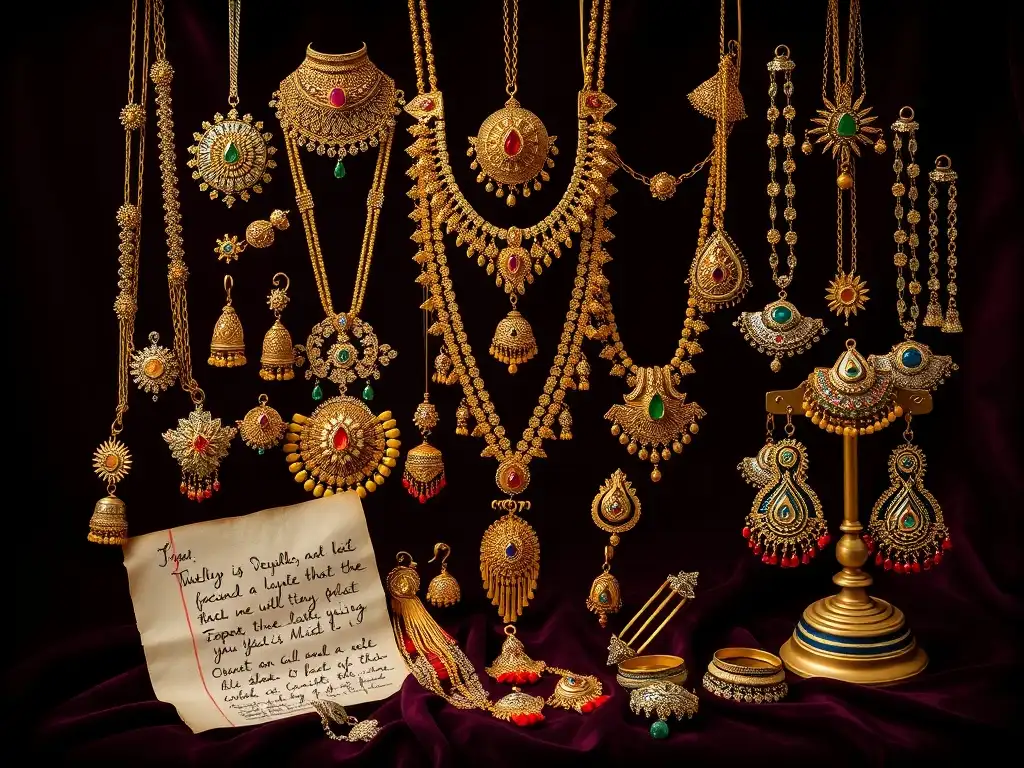
Welcome to Ancient India History, where we invite you to embark on a journey through time, exploring the rich tapestry of ancient Indian civilizations that have shaped our world. In this captivating article, we delve into the fascinating realm of Authentic Indian Jewelry, uncovering not just its stunning beauty but also why investing in these exquisite pieces is a decision steeped in cultural significance and historical value.
As you read on, prepare to discover the stories behind the craftsmanship, the symbolism woven into each piece, and the enduring legacy that makes these treasures a worthwhile investment. Let curiosity guide you deeper into the enchanting world of India's past!
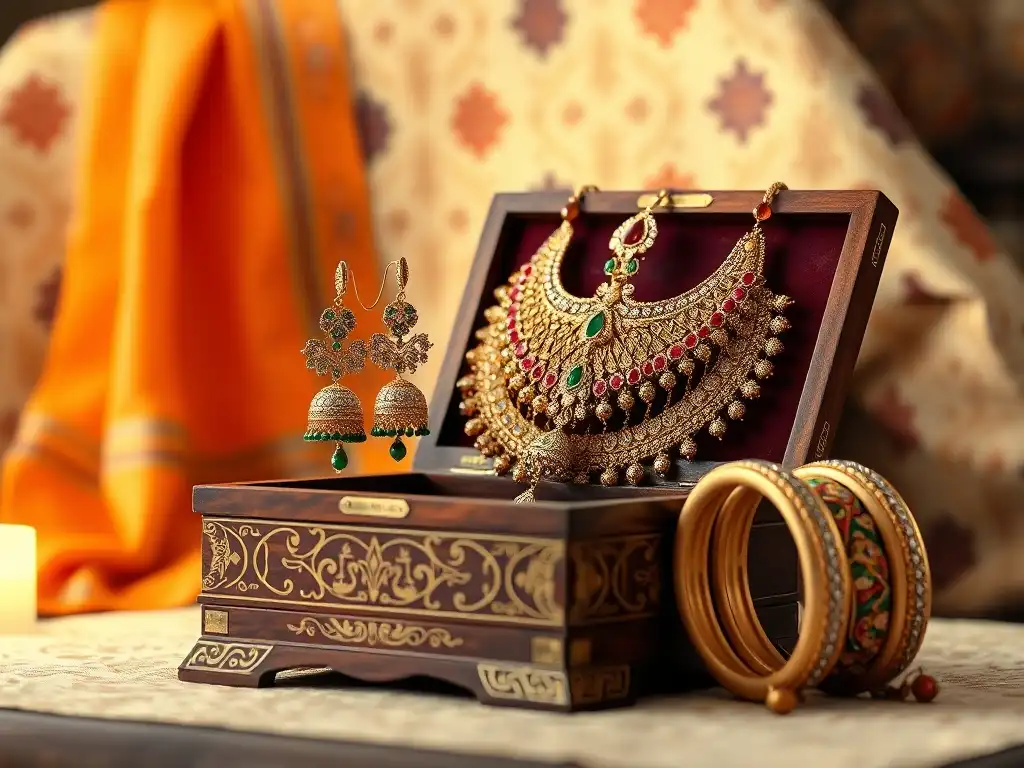
When considering investments that blend beauty with cultural significance, authentic Indian jewelry stands out as a compelling choice. This exquisite craftsmanship is not just a decorative adornment; it represents centuries of tradition, artistry, and historical narratives that have shaped the Indian subcontinent.
From the intricate designs of the Indus Valley Civilization to the opulent pieces favored by the Mughal emperors, every piece of jewelry tells a story, making it a substantial investment opportunity. In this article, we will delve into the multifaceted value of authentic Indian jewelry, exploring its historical significance, cultural heritage, and why it remains a worthwhile investment in today's market.
Understanding the Value of Authentic Indian Jewelry
Authentic Indian jewelry holds a unique place in both the hearts of collectors and the marketplace. Its value extends beyond mere monetary worth; it encompasses historical, cultural, and aesthetic dimensions.
The Historical Significance of Indian Jewelry
Indian jewelry is steeped in history, with roots that trace back thousands of years. The earliest forms of jewelry can be seen in archaeological findings from the Indus Valley Civilization, where artisans crafted intricate pieces using gold, silver, and semi-precious stones. Each era, from the Maurya to the Gupta Empire, showcased distinctive styles that reflected the prevailing cultural influences and technological advancements.
- Indus Valley Civilization (c. 3300–1300 BCE): Known for bead-making and metallurgy, this period saw the emergence of simple yet elegant designs.
- Mauryan Empire (c. 322–185 BCE): Jewelry became more elaborate, incorporating motifs that represented power and divinity.
- Gupta Empire (c. 240–550 CE): A golden age for art and culture, Gupta jewelry featured intricate craftsmanship and the use of precious stones.
The evolution of Indian jewelry mirrors the country’s rich history, making it not only beautiful but also a testament to its legacy.
Cultural Heritage and Craftsmanship in Indian Jewelry
The craftsmanship behind Indian jewelry is unparalleled, with each piece often hand-crafted by skilled artisans who have honed their craft over generations. The techniques and styles vary significantly across different regions of India, each contributing to the country’s diverse jewelry landscape.
- Kundan: A traditional form of Indian gemstone setting that originated in Rajasthan, known for its intricate work.
- Meenakari: An art form that involves coloring and ornamenting the surface of metals, adding vibrant hues to jewelry.
- Temple Jewelry: Often inspired by deities and religious motifs, these pieces are closely tied to Indian spiritual traditions.
This cultural heritage not only enhances the aesthetic appeal of the jewelry but also serves as a reminder of the stories, beliefs, and traditions that have shaped Indian society over the centuries.
Investment in Authentic Indian Jewelry: What You Need to Know
As an investment, authentic Indian jewelry offers unique advantages, combining beauty with the potential for financial appreciation. Understanding the intricacies of this market is essential for discerning investors.
Why Invest in Authentic Indian Jewelry?
Investing in authentic Indian jewelry can be a lucrative decision for several reasons:
- Cultural Value: Each piece carries the weight of history and tradition, which can appreciate over time as interest in heritage items increases.
- Craftsmanship: The meticulous artistry involved in creating authentic pieces often results in high demand, ensuring a stable market.
- Market Trends: As global interest in ethnic and artisanal products grows, authentic Indian jewelry has gained traction among collectors and investors alike.
By recognizing the intrinsic value of these pieces, investors can make informed decisions that honor both the artistry and the potential for financial return.
Key Factors to Consider When Investing in Authentic Indian Jewelry
Investing in authentic Indian jewelry requires a keen awareness of various factors that can significantly influence the value and desirability of the pieces. Understanding these elements helps ensure that buyers make informed and beneficial decisions when adding to their collections. Here are the critical aspects to consider:
Authenticity and Certification in Indian Jewelry
Authenticity is paramount when investing in Indian jewelry. The market is flooded with replicas and imitations, so buyers must ensure that they are purchasing genuine pieces. Certification from reputable institutions is essential; it provides proof of the jewelry's authenticity and quality. Look for certifications from recognized gemological laboratories or respected trade organizations in India, such as the Gem and Jewellery Export Promotion Council (GJEPC). These certifications typically detail the material composition, craftsmanship, and origin of the jewelry, offering buyers peace of mind and adding value to the investment.
Material Quality: Gold, Silver, and Gemstones
The material quality of Indian jewelry directly affects its value. Gold and silver are frequently used in various forms of jewelry, including traditional pieces and contemporary designs. It's crucial to consider the purity of the metals used. For instance, 22-karat gold is highly sought after in Indian jewelry for its durability and aesthetic appeal.
Similarly, gemstones play a vital role in the investment potential of jewelry. Authentic Indian jewelry often features precious stones like diamonds, rubies, and emeralds, along with semi-precious stones such as turquoise and lapis lazuli. The quality, cut, color, and carat weight of these gemstones can greatly influence the overall value of the piece.
Design and Craftsmanship: What Makes Authentic Pieces Unique
The intricate designs and exceptional craftsmanship of authentic Indian jewelry are significant factors that contribute to its investment potential. Each piece often tells a story and reflects the cultural heritage of the region it originates from. Traditional techniques such as Kundan, Meenakari, and Jadau, along with contemporary styles, showcase the artistry involved in creating these pieces. Investing in jewelry that features unique designs or employs traditional craftsmanship can lead to significant appreciation over time, as collectors and enthusiasts increasingly seek out distinctive and culturally rich items.
Best Practices for Investing in Indian Jewelry
When diving into the world of Indian jewelry investment, implementing best practices can enhance the buying experience and ensure the value of the investment is maximized. Here are some recommended strategies:
Where to Buy Authentic Indian Jewelry
Purchasing from reputable sources is critical to ensure you are acquiring authentic Indian jewelry. Established jewelers with a long-standing reputation in the community often provide higher assurance of authenticity. Additionally, consider buying from specialized exhibitions, trade fairs, or online platforms that focus on authentic Indian jewelry. These venues frequently display a variety of pieces and often provide certification, ensuring that buyers have access to high-quality options. Researching the dealer's background, reading customer reviews, and asking for references can also aid in making informed purchasing decisions.
Assessing the Investment Potential
Evaluating the investment potential of Indian jewelry involves considering factors such as market trends, rarity, and personal aesthetic preference. Stay informed about current trends in the jewelry market, as styles and demands can fluctuate. Rare pieces or those with historical significance tend to appreciate over time. Additionally, assess your own tastes and preferences, as investing in jewelry that resonates with you personally can make the process more enjoyable and fulfilling. Regularly consulting with industry experts or appraisers can provide valuable insights into potential investment opportunities and help you understand the evolving landscape of Indian jewelry.
Comparative Analysis of Investment Options in Indian Jewelry
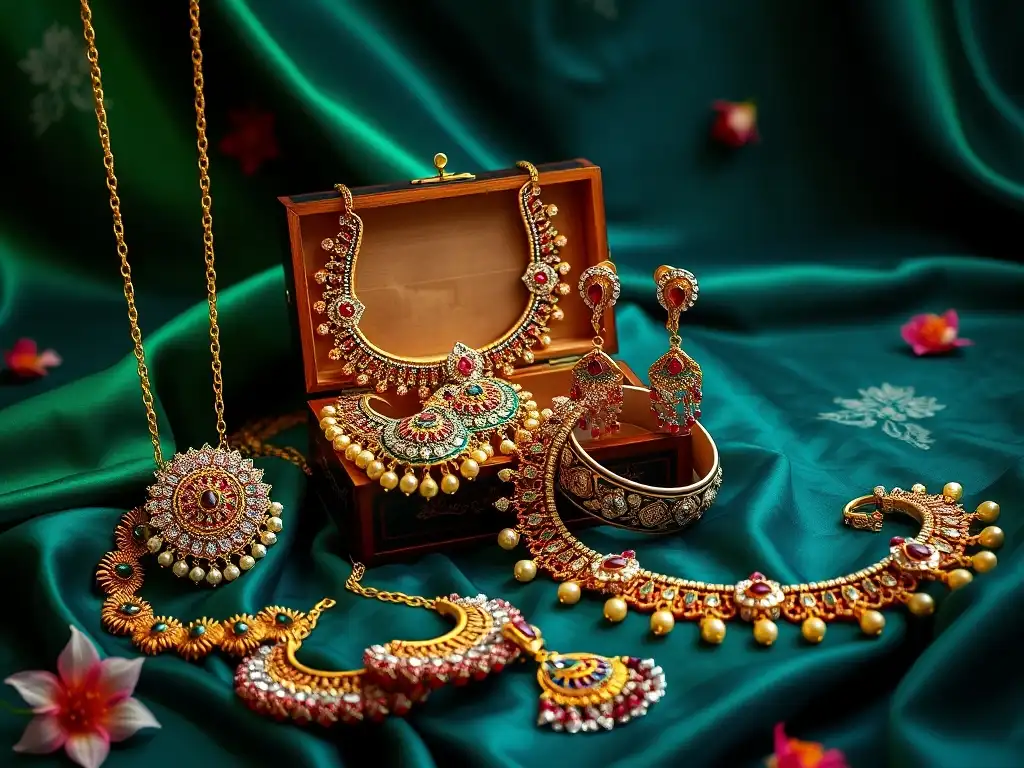
When considering investments in Indian jewelry, it is crucial to analyze the various options available, each with its unique characteristics and potential returns. Authentic Indian jewelry can be broadly categorized into traditional and contemporary styles, and they each offer different investment opportunities.
- Traditional Jewelry: This category encompasses pieces that reflect India's rich cultural heritage, such as Kundan, Meenakari, and Temple jewelry. These items are often crafted using techniques passed down through generations, making them not only beautiful but also valuable due to their historical significance. Traditional jewelry typically holds its value well over time, especially if it features high-quality gemstones and intricate craftsmanship.
- Contemporary Jewelry: Modern Indian jewelry often combines traditional design elements with contemporary aesthetics. Pieces from well-known designers or brands can appreciate in value, particularly if they are limited edition or feature innovative materials. The appeal of contemporary jewelry lies in its versatility and the growing global appreciation for unique design, making it a viable investment option.
Ultimately, the choice between traditional and contemporary jewelry should be guided by personal taste, the specific market demand, and the potential for future appreciation.
Traditional vs. Contemporary Indian Jewelry
The distinction between traditional and contemporary Indian jewelry is significant in the context of investment.
- Traditional Indian Jewelry is often made with gold, silver, and precious stones, showcasing intricate designs that have cultural and historical relevance. Items like Jhumkas, Nath, and Bangles are not just ornaments but carry stories and traditions. Their value is often enhanced by their craftsmanship and the materials used. Collectors and investors may find that these pieces appreciate in value, especially those with historical significance or unique craftsmanship.
- Contemporary Indian Jewelry, on the other hand, reflects modern design sensibilities while still celebrating traditional motifs. Designers like Amrapali and Tanishq create pieces that cater to current fashion trends, making them appealing to younger consumers. The investment potential here lies in the designer's reputation and the uniqueness of the piece. Contemporary jewelry is often made using a mix of conventional materials and innovative designs, appealing to a broader audience while still retaining the essence of Indian artistry.
Investors should consider their personal preferences and the market trends when choosing between these two types of jewelry, as both have their own merits and can yield significant returns.
Different Types of Indian Jewelry for Investment
Investing in Indian jewelry requires an understanding of the different types available, each with its potential for appreciation:
- Kundan Jewelry: Known for its elaborate design, Kundan jewelry involves setting gemstones in gold foil. Its historical roots and craftsmanship often lead to high demand among collectors.
- Meenakari Jewelry: This type features vibrant enamel work, making it a beautiful investment option. Its bright colors and artistic designs can attract buyers, especially during festivals.
- Antique Jewelry: Often passed down through generations, antique pieces are highly sought after for their uniqueness and historical significance. They can yield high returns if kept in good condition.
- Gold Jewelry: Classic and always in demand, gold jewelry is a stable investment. With the rising gold prices, even simple designs can provide good returns.
- Diamond and Gemstone Jewelry: Pieces featuring high-quality diamonds and gemstones can appreciate significantly in value, especially if they are rare or certified.
Investors should evaluate their options based on the craftsmanship, rarity, and historical significance of the pieces to ensure a worthwhile investment.
Conclusion: Making Informed Investment Choices in Authentic Indian Jewelry
Investing in authentic Indian jewelry is not just about acquiring beautiful pieces; it is about understanding the market, the craftsmanship, and the historical significance of each type of jewelry. By making informed choices, investors can navigate this intricate landscape and potentially reap substantial rewards.
Recap of Key Points on Investment in Authentic Indian Jewelry
- Cultural Significance: Traditional jewelry carries historical value and cultural stories, enhancing its investment potential.
- Market Trends: Understanding current trends in both traditional and contemporary jewelry helps inform purchasing decisions.
- Types of Jewelry: Different types, including Kundan, Meenakari, antique, and gold jewelry, have varying investment potentials based on craftsmanship and market demand.
By keeping these points in mind, investors can approach the purchase of authentic Indian jewelry not just as a fashion statement but as a strategic financial decision.
Final Thoughts on the Future of Authentic Indian Jewelry Investments
The future of authentic Indian jewelry investments appears promising due to the increasing global interest in unique and culturally rich artifacts. As more people recognize the value of craftsmanship and heritage, the demand for high-quality Indian jewelry is likely to grow.
Investors should stay informed about market trends, emerging designers, and the evolving preferences of consumers. Engaging with reputable jewelers and collectors can provide insights into the best pieces to invest in, ensuring that the investment in authentic Indian jewelry remains not only worthwhile but also a celebration of India's rich artistic heritage. With a strategic approach, investors can enjoy both aesthetic pleasure and financial returns from their collections.
Additional Resources for Prospective Investors
Investing in authentic Indian jewelry is not only about the aesthetic appeal but also about understanding the historical and cultural significance that comes with each piece. To make informed decisions, potential investors should utilize a variety of resources that provide in-depth insights, industry standards, and expert opinions. Below are some essential resources that can enhance your knowledge and guide your investment journey.
Recommended Books and Guides on Indian Jewelry
-
"The Art of Indian Jewelry" by Sunil K. Puri
This book delves into the history, craftsmanship, and various styles of Indian jewelry. It provides a comprehensive overview of the techniques used by artisans and the cultural stories behind different pieces.
-
"Indian Jewelry: A Tradition of Excellence" by Anjali Sharma
This guide explores the various regions of India and their unique jewelry styles, from traditional to contemporary designs. It highlights the significance of gemstones and the intricate craftsmanship involved.
-
"Jewels of India: A Historical Perspective" by Ritu Gupta
This book offers an in-depth analysis of the evolution of Indian jewelry from ancient times to the present. It covers notable trends, materials, and the socio-economic factors influencing jewelry design.
-
"The Gemstone Book: A Complete Guide to Gems and Jewelry" by Arun Kumar
While not exclusively about Indian jewelry, this guide provides valuable information on gemstones commonly used in Indian jewelry, including their properties and investment potential.
Links to Certification Bodies and Authenticity Resources
Ensuring the authenticity of Indian jewelry is crucial for investment purposes. Here are some reputable certification bodies and resources that help verify the quality and authenticity of jewelry:
-
Gemological Institute of America (GIA)
The GIA is a globally recognized institution that provides education and certification for gemstones and jewelry. Their website offers resources on how to choose certified pieces and understand grading systems.
-
International Gemological Institute (IGI)
IGI specializes in grading and certifying diamonds and gemstones. They provide detailed reports that can help investors ascertain the quality of their purchases.
-
Bureau of Indian Standards (BIS)
The BIS offers certification for gold jewelry in India, ensuring that it meets specific quality standards. Their hallmarking system is a reliable way to verify the purity of gold jewelry.
-
Jewelry Certification and Appraisal Services
Many local jewelers also provide appraisal services to verify the authenticity and value of your jewelry. Look for gemologists who are accredited by recognized organizations.
Call to Action: Start Your Journey in Investing in Authentic Indian Jewelry Today!
The allure of authentic Indian jewelry extends beyond its beauty; it is a tangible connection to the rich history and diverse cultures of India. By investing in authentic pieces, you not only enhance your collection but also participate in the preservation of traditional craftsmanship.
Now is the perfect time to start your journey! Explore the resources mentioned above, educate yourself on the nuances of Indian jewelry, and connect with reputable sellers and certification bodies. Whether you are a seasoned collector or a newcomer, investing in authentic Indian jewelry can be a rewarding experience both culturally and financially. Don’t wait—take the first step towards a meaningful investment today! 🌟
- Understanding the Value of Authentic Indian Jewelry
- Investment in Authentic Indian Jewelry: What You Need to Know
- Key Factors to Consider When Investing in Authentic Indian Jewelry
- Best Practices for Investing in Indian Jewelry
- Comparative Analysis of Investment Options in Indian Jewelry
- Conclusion: Making Informed Investment Choices in Authentic Indian Jewelry
- Additional Resources for Prospective Investors
- Call to Action: Start Your Journey in Investing in Authentic Indian Jewelry Today!
- What makes authentic Indian jewelry a worthwhile investment?
- How does the rich history of Indian civilizations influence jewelry?
- What types of materials are commonly used in Indian jewelry?
- Is there a market for investment in Indian jewelry?
- How can I ensure the authenticity of Indian jewelry before investing?
Frequently Asked Questions
What makes authentic Indian jewelry a worthwhile investment?
Authentic Indian jewelry is a fusion of artistry and tradition, often made from high-quality materials that appreciate over time, making it a valuable asset for collectors and investors.
How does the rich history of Indian civilizations influence jewelry?
The diverse cultures of ancient Indian civilizations, from the Indus Valley to the Gupta Empire, have infused their jewelry with unique designs and craftsmanship, enhancing its cultural significance and value.
What types of materials are commonly used in Indian jewelry?
Authentic Indian jewelry often features precious metals like gold and silver, along with gemstones such as diamonds, emeralds, and rubies, known for their beauty and durability.
Is there a market for investment in Indian jewelry?
Yes, there is a growing market for investment in authentic Indian jewelry, driven by collectors and investors seeking items that are not only aesthetic but also historically significant.
How can I ensure the authenticity of Indian jewelry before investing?
To ensure authenticity, seek out certified dealers, ask for provenance documentation, and look for hallmarks or stamps that indicate the quality and origin of the jewelry.
Final Reflection: The Timeless Value of Authentic Indian Jewelry
In a world where trends come and go, the investment in authentic Indian jewelry stands as a testament to enduring beauty and cultural significance. This article has explored how these exquisite pieces not only serve as adornments but also as valuable assets that appreciate over time. As we navigate through an era marked by fleeting fashions, the allure of authentic Indian jewelry remains a constant, reminding us of the stories and traditions woven into each piece.
The impact of authentic Indian jewelry extends beyond mere aesthetics; it shapes our cultural identity and enriches our social fabric. These pieces are not just investments in material wealth, but in heritage and craftsmanship that connect us to our roots. The craftsmanship, history, and artistry behind each piece foster a deeper appreciation for cultural diversity. As Mahatma Gandhi once said, "> A nation's greatness is measured by how it treats its weakest members." This sentiment resonates with the importance of preserving and valuing cultural artifacts, as they reflect the richness of human experience.
As you reflect on the insights shared in this article, I encourage you to consider how you can incorporate the lessons of authenticity and investment into your own life. Investing in authentic Indian jewelry is not just about acquiring beautiful pieces; it’s about embracing a legacy that transcends generations.
Let this be an invitation to explore the world of authentic craftsmanship, to appreciate the stories behind each piece, and to recognize the value of investing in something that holds both beauty and meaning. Your journey into the realm of authentic Indian jewelry can be a celebration of culture, history, and personal connection—one that enriches your life and the lives of those around you.
Unveil the Timeless Beauty of Authentic Indian Jewelry!
Thank you for taking the time to explore the rich significance of authentic Indian jewelry with us. Your understanding of this unique investment not only enhances your appreciation for art and culture but also empowers your choices in the jewelry market. Now, let's take meaningful steps to deepen your connection with this exquisite craftsmanship.
- Discover a local artisan or jewelry shop specializing in authentic Indian designs, and immerse yourself in the history behind each piece.
- Share your newfound knowledge! Post your insights on social media or discuss with friends and family the beauty of investing in genuine craftsmanship.
- Explore curated online collections from reputable dealers and consider setting aside a budget for your first investment piece—a stunning treasure that embodies tradition and artistry.
Which piece of authentic Indian jewelry resonates most with your personal style and story? We would love to hear your thoughts!