
Nature and Love in Sangam Literature: Themes that Resonate Through Time

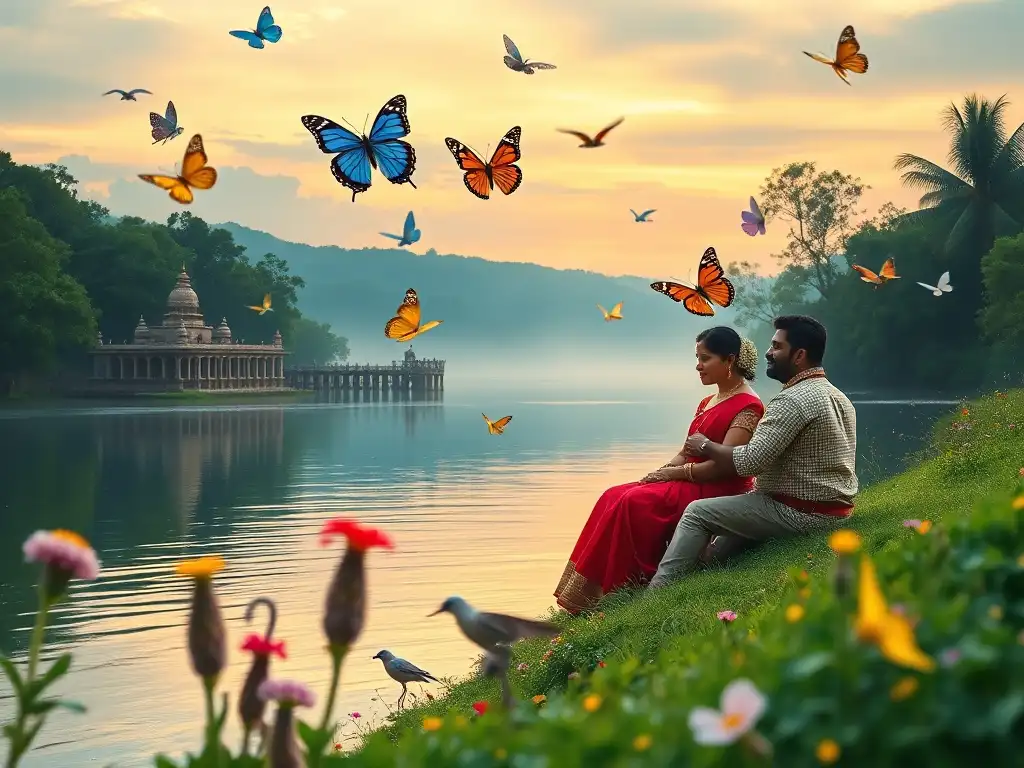
Welcome to Ancient India History, where we delve deep into the rich tapestry of ancient Indian civilizations and their remarkable contributions to culture and literature. In our featured article, "Nature and Love in Sangam Literature: Themes that Resonate Through Time," we invite you to embark on a fascinating journey through the lyrical expressions of Sangam literature. Discover how these timeless themes echo through the ages, reflecting the profound relationship between humanity and the natural world. Prepare to be captivated as we uncover the layers of meaning within this extraordinary literary tradition—your exploration begins here!
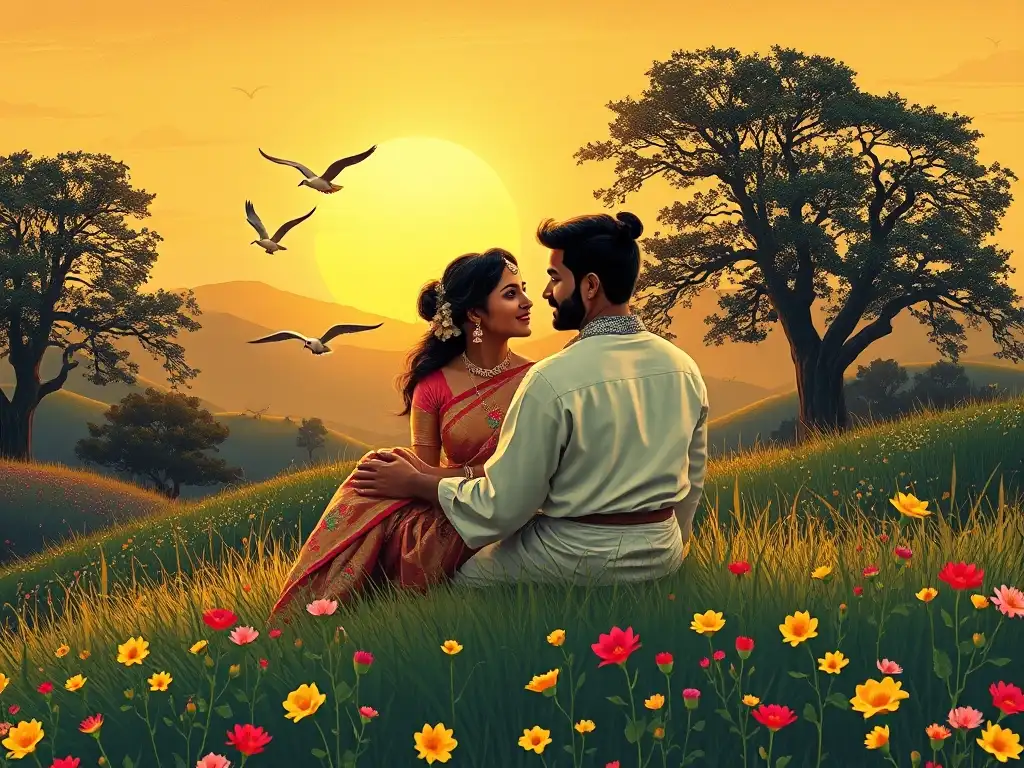
Sangam literature, a remarkable heritage of ancient Tamil poetry, serves as a poignant reflection of the multifaceted human experience, particularly in the realms of nature and love. Spanning several centuries, this body of work encapsulates the emotional depth and cultural richness of its time, allowing modern readers to connect with themes that are as relevant today as they were in antiquity.
The exploration of Sangam literature themes provides insight not only into the artistic expressions of the poets but also into the societal values and environmental interactions that shaped their narratives. This article delves into the intricate themes of nature and love as depicted in Sangam poetry, revealing how these elements resonate through time and continue to inspire.
Introduction to Sangam Literature
Sangam literature is a collection of Tamil poems composed during the Sangam period, a golden age in ancient Tamil culture that flourished from approximately 300 BCE to 300 CE. This literary tradition is distinguished by its rich poetic forms and profound thematic concerns, articulating the lived experiences of the Tamil people.
The poets, known as Sangam poets, were not only artists but also historians and philosophers, capturing the essence of their world through their verses. The themes explored in Sangam literature are broad, encompassing love, war, ethics, and nature, which collectively offer a vivid portrayal of life during this era.
Overview of Sangam Literature Themes Exploration
The themes of Sangam literature can be categorized into two primary domains: akam (inner) and puram (outer). Akam poetry focuses on the emotional landscapes of love and personal relationships, while puram poetry addresses the external world, including valor and public life. This distinction highlights the duality of human experience, where personal feelings intertwine with broader societal issues. The exploration of nature and love within these categories reveals the interconnectedness of individuals with their surroundings, emphasizing that the natural world is both a backdrop and a character in the poets' expressions of love.
Historical Context of Sangam Poetry
The Sangam period coincided with significant developments in South India, including the rise of powerful kingdoms, trade routes, and cultural exchanges. The Tamil landscape, with its diverse geography ranging from lush forests to coastal plains, profoundly influenced the poetic imagery. The natural environment was not merely a setting but a source of inspiration, shaping the emotional narratives woven into the fabric of the poetry. Understanding the historical context of Sangam poetry allows us to appreciate the depth of the themes explored, as they reflect the values and experiences of a society deeply connected to nature.
Thematic Elements in Sangam Literature
Sangam literature is renowned for its exploration of various themes, but two of the most prominent and enduring elements are nature and love. These themes are intricately interwoven, with nature often serving as a metaphor for love and emotional expression.
Nature as a Central Theme in Sangam Poetry
Nature is a pervasive theme throughout Sangam literature, often depicted in vivid imagery that celebrates the beauty and diversity of the Tamil landscape. Poets drew inspiration from the changing seasons, flora, fauna, and geographical features, using these elements to convey complex emotions.
For instance, the monsoon season is frequently portrayed as a time of renewal and longing, symbolizing the cyclical nature of life and love. The detailed descriptions of natural settings serve not only as a backdrop for human experiences but also as a reflection of the poets’ intimate relationships with their environment, emphasizing the harmony between humanity and nature.
Love in Sangam Literature
Love, particularly in its various forms—from romantic longing to deep companionship—is a central theme in Sangam literature. The poets articulate the complexities of love through intricate metaphors and emotional depth, often exploring the joy and sorrow intertwined in romantic relationships. Love is depicted in various stages, from the initial pangs of desire to the fulfillment of union.
The portrayal of nayakar (the lover) and nayaki (the beloved) reflects societal norms and individual emotions, creating a rich tapestry of romantic expression that resonates with readers across generations. The exploration of love in this context is not merely about personal relationships; it also reflects broader themes of connection, longing, and the human condition.
In the following sections, we will delve deeper into these thematic elements, exploring the intricate ways in which nature and love are depicted in Sangam poetry and how they continue to resonate in contemporary interpretations.
Cultural Implications of Nature and Love in Sangam Literature
Sangam literature serves as a profound reflection of the cultural and societal dimensions of ancient Tamil civilization, particularly in its exploration of nature and love. These themes are not merely artistic expressions; they are deeply intertwined with the values, beliefs, and practices of the time. Nature, depicted as both a backdrop and a character in the poems, illustrates the connection between humans and their environment. This connection emphasizes the importance of nature in everyday life, showcasing how it influences emotions, relationships, and societal norms.
The portrayal of love within this literary tradition transcends mere romantic connotations. Sangam literature encapsulates various forms of love, ranging from the passionate to the platonic, often entwining these feelings with the natural world. This interconnection suggests that love is not isolated but is instead impacted by the surrounding environment, reflecting how ancient Tamil society viewed relationships as being in harmony with nature. Such themes resonate through time, demonstrating how the interplay between love and nature remains relevant in contemporary discussions about human emotions and connections.
Reflections of Ancient Tamil Society
The themes of nature and love in Sangam literature provide significant insights into the social fabric of ancient Tamil society. Through these narratives, we see a community deeply attuned to the rhythms of nature, where seasonal changes and landscapes significantly influence daily life. The poets often used natural imagery to mirror societal values, beliefs, and the cultural ethos of their times. For instance, the close ties between the land and the people illustrate a communal identity that honors agricultural practices and the bounty of the earth.
Additionally, love in Sangam literature is often depicted in terms of societal roles and expectations. The portrayal of love relationships—whether between lovers, familial bonds, or friendships—often reflects the structured norms of ancient Tamil society. The intricate balance between personal desires and social obligations highlights the complexity of human relationships in a context where love was celebrated but also constrained by societal expectations. This duality showcases how deeply rooted cultural norms shaped emotional expressions, making Sangam literature a critical lens for understanding ancient Tamil life.
Influence of Nature on Human Emotions and Relationships
Nature is not just a backdrop in Sangam literature; it actively shapes the emotional landscape of the characters and their relationships. Poets often depict the changing seasons as metaphors for the varied states of love and longing. For instance, the monsoon rains symbolize renewal and passion, while the harshness of summer can reflect separation and yearning. This dynamic portrayal highlights how environmental factors influence human emotions, creating a rich tapestry of feelings that resonate with readers across generations.
Moreover, the natural world in Sangam literature often serves as a catalyst for introspection and emotional exploration. The poets utilize nature to express the complexities of love, including joy, sorrow, and longing. This nuanced relationship between nature and emotional states underscores a profound understanding of how external environments can mirror internal experiences. Through vivid imagery and evocative language, the poets invite readers to explore the interconnectedness of nature and human emotion, revealing timeless insights into the human condition.
Notable Works and Poets
Key Poets of Sangam Literature
Sangam literature boasts a myriad of poets, each contributing uniquely to the thematic exploration of nature and love. Among the most notable are Auvaiyar, Kaniyan Pungundranar, and Kapilar. Auvaiyar, often celebrated for her wisdom, infused her verses with reflections on love, loss, and the passage of time, frequently drawing on natural imagery to convey her messages.
Kaniyan Pungundranar is recognized for his philosophical depth, using nature as a metaphor for human experiences and emotions. His works often reflect on the relationship between the individual and the cosmos, offering profound insights into the human experience. Kapilar, another prominent poet, is celebrated for his passionate verses that explore love's intricacies, frequently intertwining these themes with the beauty of the natural world.
These poets not only shaped the literary landscape of their time but also created a rich legacy that continues to influence contemporary understandings of love and nature in literature.
Analysis of Selected Poems
In examining selected poems from Sangam literature, we find a remarkable interplay between nature and love. One such poem by Auvaiyar employs metaphors of blooming flowers and the changing seasons to illustrate the transient nature of love. The imagery evokes a sense of beauty that is both ephemeral and profound, reflecting the poet’s understanding of love as a fleeting yet cherished experience.
Another powerful example comes from Kapilar, whose work vividly describes the landscape of Tamil Nadu, using it to mirror the emotions of longing and desire. The lush imagery of rivers and mountains serves as a backdrop to his exploration of unfulfilled love, highlighting how nature can amplify human emotions and create a sense of yearning.
Through these analyses, we see that the thematic resonance of nature and love in Sangam literature transcends time, offering insights into the emotional experiences of ancient Tamil society while remaining relevant to modern readers. By delving into these poems, we appreciate the rich tapestry of human experience woven through the natural world, affirming the timeless nature of these themes.
The Relevance of Sangam Literature Themes Today
Sangam literature, a remarkable body of work from ancient Tamil Nadu, continues to resonate with readers and scholars alike due to its timeless exploration of fundamental human experiences, particularly nature and love. These themes not only reflect the socio-cultural backdrop of ancient India but also offer insights into the universal feelings and relationships that transcend time and geography. The intricate portrayal of emotions, the beauty of the natural world, and the complexities of human interactions found in Sangam texts provide a rich tapestry that is relevant to contemporary society.
In today's fast-paced world, the themes present in Sangam literature remind us of the importance of connecting with nature and nurturing relationships. As urbanization and technological advancements often create a disconnect from the natural environment, the vivid imagery and reverence for nature depicted in Sangam poetry serve as a poignant reminder to appreciate and conserve our surroundings. Similarly, the exploration of love in its various forms—romantic, familial, and platonic—encourages modern readers to reflect on their own relationships and the emotional bonds that enrich human existence.
Contemporary Reflections of Nature and Love
Modern literature and art continue to draw inspiration from the intricate themes of nature and love found in Sangam literature. Contemporary poets and writers often evoke the natural imagery and emotional depth that characterize Sangam works, illustrating the enduring influence of these themes. For instance, contemporary Tamil poets may weave references to the lush landscapes, seasonal changes, and the interconnectedness of life, echoing the sentiments expressed in ancient texts.
Moreover, the concept of love as depicted in Sangam literature—often idealized yet deeply human—finds parallels in modern narratives. The complexities of love, including longing, separation, and reunion, are themes that resonate in today’s romantic literature and cinema. The emotional authenticity captured in Sangam poetry encourages readers to explore their own feelings and relationships, fostering a greater understanding of love's multifaceted nature.
Lasting Impact of Sangam Literature on Modern Literature
The impact of Sangam literature on modern literary traditions is profound. Many writers, both in India and across the globe, have acknowledged the influence of Sangam themes on their own works. The rich metaphors and vivid descriptions of nature found in Sangam poetry have inspired numerous literary movements, including Romanticism and Modernism.
Additionally, scholars and literary critics often reference Sangam literature in discussions about the evolution of lyrical poetry and the portrayal of emotions in literature. The themes of nature and love, as articulated in these ancient texts, serve as foundational concepts that continue to shape narrative structures and character development in contemporary storytelling. This intertextuality not only highlights the relevance of Sangam literature but also underscores its role in preserving cultural heritage through literature.
Conclusion
The exploration of themes in Sangam literature, particularly nature and love, reveals their profound relevance to both ancient and modern contexts. These themes reflect the human experience in its entirety, capturing the essence of what it means to exist in harmony with the natural world and to connect emotionally with others.
Summary of Key Themes in Sangam Literature
The key themes in Sangam literature include:
- Nature: Celebrated through vivid imagery and metaphors, nature is depicted as a powerful force that influences human emotions and relationships.
- Love: Explored in various forms, including romantic love, familial affection, and friendship, love is portrayed with both idealism and realism, reflecting its complexities.
- Human Emotions: The intricate portrayal of feelings such as longing, joy, and sorrow captures the essence of human experience, making it relatable across ages.
These themes not only define the literary landscape of ancient Tamil Nadu but also continue to inspire and inform modern artistic expressions.
The Timelessness of Nature and Love in Literary Tradition
The timeless nature of the themes of nature and love in Sangam literature lies in their universal applicability. Regardless of cultural or temporal differences, the emotions associated with love and the awe of the natural world resonate with every generation. This universality ensures that the themes explored in Sangam literature remain relevant and impactful, encouraging ongoing exploration and appreciation in the literary tradition.
As readers continue to engage with these ancient texts, they find a connection to their own lives and the world around them. The enduring presence of nature and love in literature serves as a testament to the shared human experience, bridging the gap between the past and the present and reinforcing the significance of these themes in our lives today.
- Introduction to Sangam Literature
- Thematic Elements in Sangam Literature
- Cultural Implications of Nature and Love in Sangam Literature
- Notable Works and Poets
- The Relevance of Sangam Literature Themes Today
- Conclusion
Frequently Asked Questions
What is Sangam Literature?
Sangam Literature refers to a collection of ancient Tamil poems composed between 300 BCE and 300 CE, focusing on themes such as nature, love, and heroism. It provides insights into the social and cultural fabric of ancient Tamil society.
What are the main themes explored in Sangam Literature?
The primary themes in Sangam Literature include love, nature, war, and ethics. Love is often depicted in various forms, while nature serves as a backdrop that reflects human emotions and experiences.
How does Sangam Literature depict nature?
Nature is depicted in Sangam Literature as not just a setting, but as an integral part of the human experience. The poems often highlight the beauty of the landscape, seasons, and the relationship between humans and the environment.
What significance does love hold in Sangam Literature?
Love in Sangam Literature is portrayed in multiple dimensions, including romantic love, familial bonds, and friendship. These themes provide a deep exploration of human emotions and the complexities of relationships in ancient times.
How has Sangam Literature influenced modern literature and culture?
Sangam Literature has significantly influenced modern Tamil literature, with its themes and styles continuing to resonate. Its emphasis on emotions and nature has inspired contemporary writers and poets, making it a vital part of Tamil cultural heritage.
Final Reflection: The Timeless Dance of Nature and Love in Sangam Literature
The exploration of Sangam literature themes reveals a profound connection between nature and love that remains strikingly relevant today. As we navigate the complexities of modern life, the timeless expressions of human emotion and the natural world found in Sangam poetry resonate deeply, reminding us of our intrinsic bond with the environment and each other. The beauty and depth of these themes continue to inspire and challenge us to reflect on our own relationships with love and nature.
Cultural landscapes are shaped by the narratives we embrace, and the themes of Sangam literature have left an indelible mark on our understanding of love and the natural world. The vivid imagery and emotional depth found in these ancient texts encourage us to appreciate the beauty around us and the connections we forge with one another. As poet Kaniyan Poongundranar once said, The world is a garden, and love is the flower that blooms within it.
This sentiment encapsulates the essence of Sangam literature, urging us to cultivate our relationships and nurture our surroundings.
As we conclude this exploration, I invite you to reflect on the lessons embedded in Sangam literature and consider how they can enrich your life. Embrace the beauty of nature and the power of love in your daily interactions. Let the themes of connection and harmony inspire you to foster deeper relationships and a greater appreciation for the world around you. In doing so, we honor the legacy of Sangam poetry and ensure that its wisdom continues to flourish for generations to come.
Embrace the Timeless Connection of Nature and Love!
Thank you for diving into the beautiful world of Sangam literature with us! By exploring its rich themes, you've gained insights into how nature and love intertwine in ancient poetry, reflecting values that resonate even today. Now, it’s your turn to bring these themes into your own life!
Here are some actionable steps you can take:
- Reflect on Your Surroundings: Spend some time in nature and jot down three ways it inspires you or connects to your personal experiences of love.
- Share the Beauty: Connect with friends or family about the lessons of Sangam literature. Discuss how nature influences our relationships and share your thoughts on social media to spark conversation!
- Create a Nature-Inspired Poem: Write your own poem or short piece that expresses your feelings about nature and love. You might just discover a new passion!
What natural phenomenon best represents your journey of love in life? We're excited to hear your thoughts!