
The Rituals of Poetry: Performance and Recitation in Sangam Literature

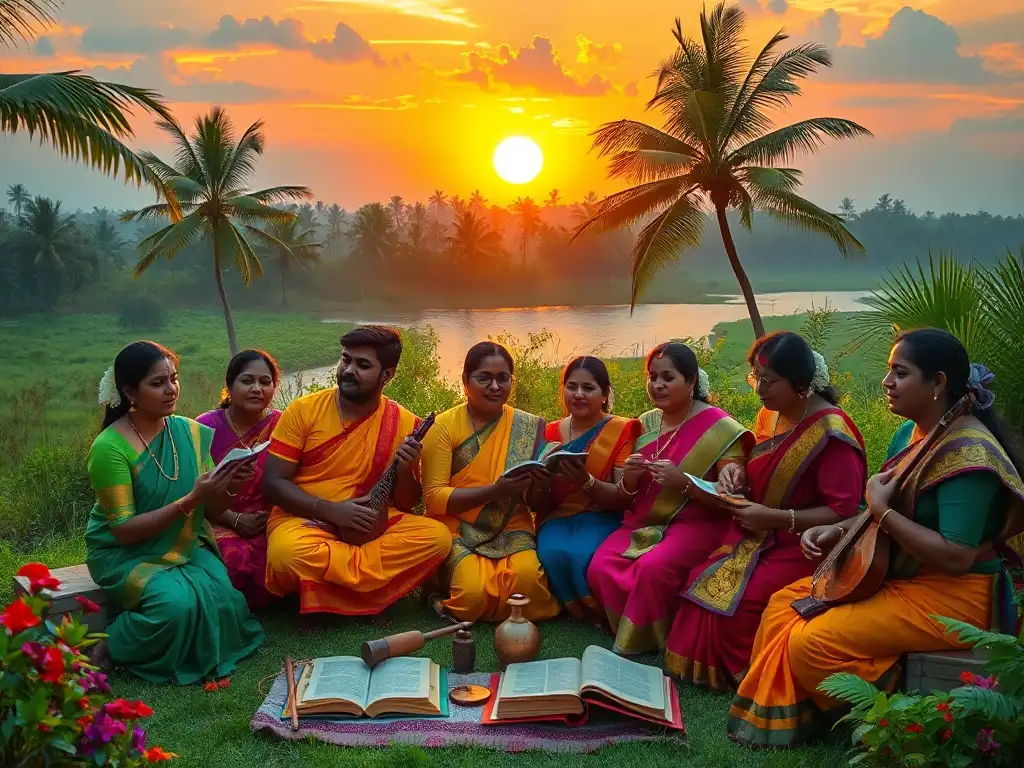
Welcome to Ancient India History, where we embark on a fascinating journey through the rich tapestry of India’s past. Dive into the world of Sangam literature, a treasure trove of poetry and rituals that illuminates the cultural practices of ancient civilizations. In our featured article, " The Rituals of Poetry: Performance and Recitation in Sangam Literature," we unravel the intricate connections between poetic expression and the vibrant rituals that defined this era.
Join us as we explore how these ancient texts not only shaped literary traditions but also served as a mirror reflecting the society of their time. Get ready to uncover the layers of history that await you!
Introduction to Sangam Literature
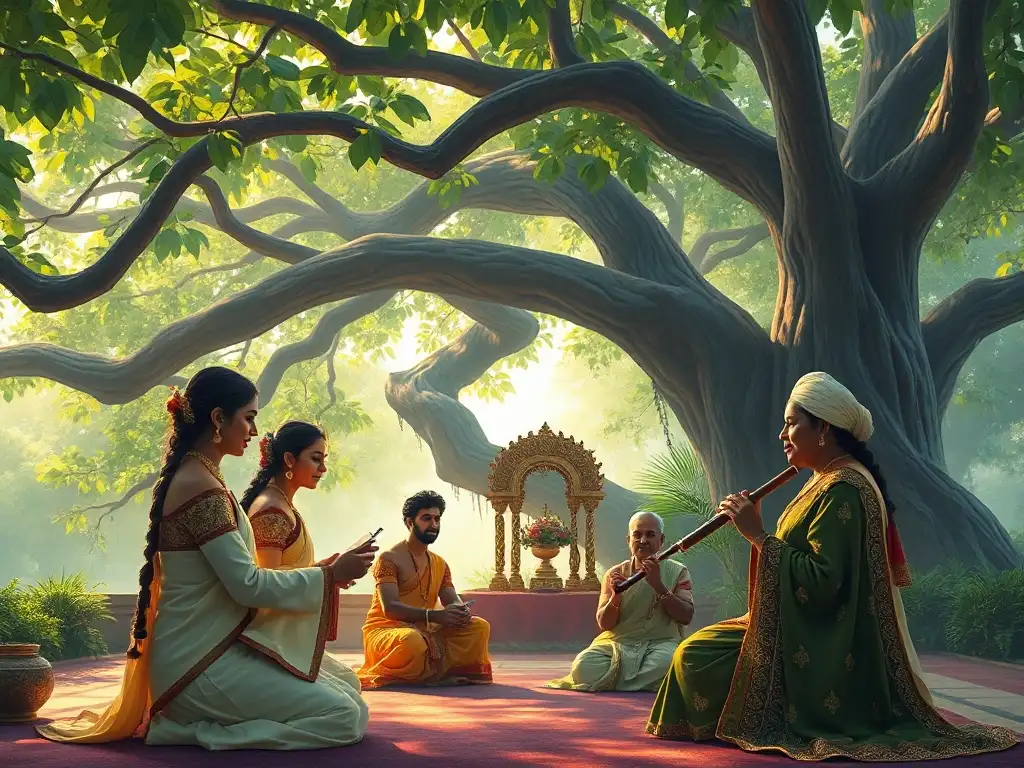
Sangam literature, a treasure trove of ancient Tamil texts, encapsulates the essence of Tamil culture and tradition during the early centuries of the Common Era. This body of work, spanning over several centuries, reflects the social, political, and emotional landscapes of Tamil society.
The poetry produced during this era is not merely a form of artistic expression; it intertwines deeply with the rituals and customs that defined everyday life. This article delves into the rituals of poetry within Sangam literature, exploring how performance and recitation were not only artistic endeavors but also vital components of cultural identity, communal bonding, and spiritual expression.
Overview of Sangam Literature
Sangam literature comprises a collection of poems composed by various poets in the Tamil language during the Sangam period (approximately 300 BCE to 300 CE). These literary works are categorized into two main types: Aham, which focuses on love and personal relationships, and Puram, which deals with themes of valor, ethics, and societal values. The poetry is characterized by its rich imagery, intricate metaphors, and profound emotional depth.
| Features of Sangam Literature | Description |
|---|---|
| Language | Tamil |
| Themes | Love, valor, nature, ethics |
| Structure | Poems, lyrics, ballads |
| Cultural Significance | Reflection of Tamil society and values |
Importance of Poetry in Ancient Tamil Culture
In ancient Tamil culture, poetry was more than a form of entertainment; it was a medium through which values, beliefs, and historical narratives were transmitted across generations. Poets were revered as custodians of cultural memory, and their works served to educate the community about its heritage and moral codes. The performance of poetry often occurred in communal settings, reinforcing social ties and fostering a sense of belonging among the participants.
Understanding the Concept of Poetry Rituals
Definition of Poetry Rituals in Sangam
Poetry rituals in Sangam literature refer to the ceremonial aspects related to the performance and recitation of poems. These rituals were often imbued with spiritual significance, where poetry served as a conduit between the divine and the mortal. The act of reciting poetry became a ritualistic practice, where the poet's words were believed to possess the power to invoke emotions, celebrate deities, and honor the natural world.
Role of Rituals in Tamil Society
Rituals associated with poetry played a crucial role in shaping Tamil identity and societal norms. They were instrumental during various life events, such as weddings, festivals, and religious ceremonies. The communal aspect of these rituals fostered unity and collaboration, allowing members of the community to engage in shared experiences. Additionally, these poetry rituals often served as a means of preserving oral traditions, ensuring that the rich tapestry of Tamil culture continued to thrive through generations.
The rituals of poetry within Sangam literature are a vital reflection of the intricate relationship between art and culture in ancient Tamil society. As we explore these themes further, we will uncover the profound impact of performance and recitation on both individual and communal levels.
Types of Poetry Rituals in Sangam Literature
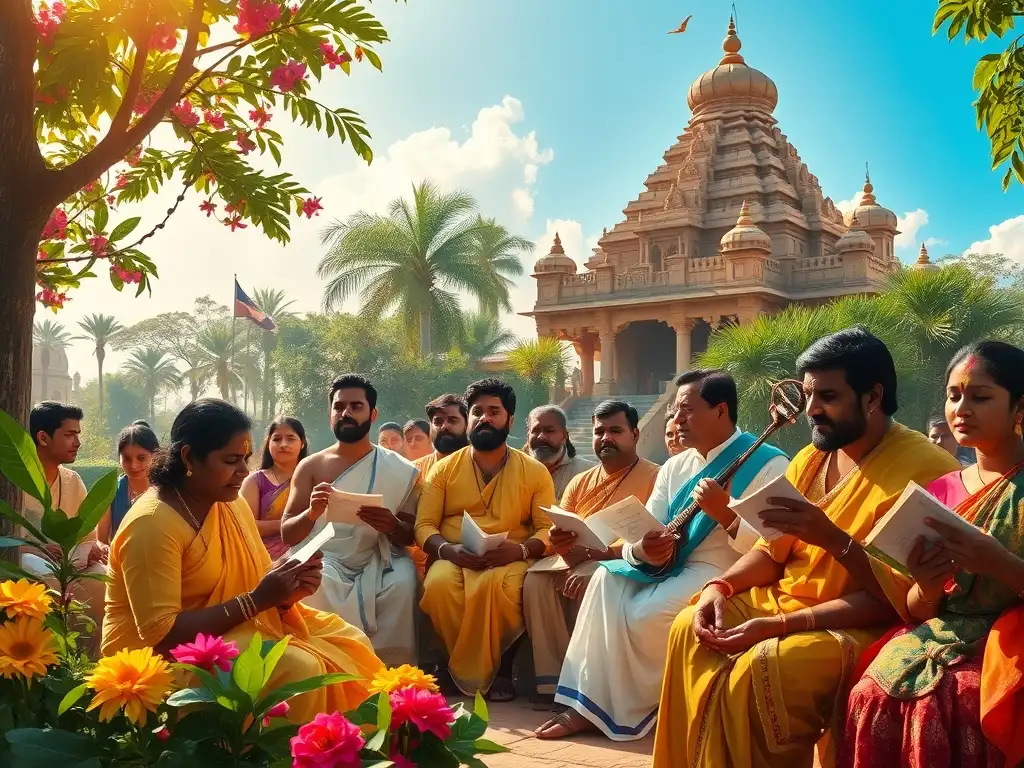
Sangam literature, a hallmark of ancient Tamil culture, showcases a rich tapestry of poetry rituals that reflect the societal values and beliefs of the time. These rituals are not merely acts of performance but are woven into the fabric of social life, shaping communal identities and personal expressions. The following are key types of poetry rituals found within this literary tradition:
Ceremonial Poetry Recitations
Ceremonial poetry recitations in Sangam literature often served as central elements in religious and cultural ceremonies. These recitations were performed during significant events such as weddings, harvest festivals, and temple rituals. The poets, known as "Auvaiyar," would recite verses that invoked blessings from deities, celebrated the virtues of the community, and reinforced social norms.
The content of these recitations typically included praise (known as pattuppāṭṭu), devotional hymns, and narratives that highlighted the heroic deeds of local figures. By engaging the community in these ceremonial acts, the poets not only entertained but also educated and inspired the audience, fostering a sense of unity and shared heritage.
Community Gatherings and Performances
Community gatherings were pivotal in the performance of Sangam poetry, where poets would gather in public spaces to showcase their works. These events were characterized by a vibrant atmosphere, with audiences participating actively through clapping, singing, and sometimes even dancing. Such performances were not limited to the elite but were inclusive, allowing members from various strata of society to engage with the art form.
The communal aspect of these gatherings emphasized the collective experience of poetry, making it a social ritual that strengthened bonds among participants. The Akkam (poetic assemblies) served as platforms for poets to present their compositions, often inviting spontaneous responses from the audience, thus creating a dynamic interaction between poets and listeners.
Personal and Intimate Poetry Rituals
In contrast to public performances, personal and intimate poetry rituals were deeply personal expressions of emotions and experiences. These rituals often took place in private settings, where poets would compose verses reflecting their innermost thoughts, desires, and sorrows. Such poetry could be dedicated to loved ones or used as a means of self-reflection.
These intimate rituals were significant for individuals seeking solace or connection through words. The content often explored themes of love, longing, and loss, making it relatable to many. This form of poetry allowed for a deeper exploration of the human condition, reinforcing the notion that poetry serves as both an artistic expression and a therapeutic outlet.
The Role of Poets in Poetry Rituals
Poets held a revered position in ancient Tamil society, acting as custodians of culture and tradition. Their role extended beyond mere wordsmiths; they were integral to the performance and recitation rituals within Sangam literature.
Poets as Cultural Ambassadors
As cultural ambassadors, poets played a crucial role in preserving and transmitting the values, beliefs, and narratives of their time. Through their poetry, they conveyed moral lessons, historical accounts, and the essence of Tamil identity. Their works often served as a bridge between the past and present, ensuring that the collective memory of the community was maintained.
Moreover, poets were instrumental in promoting regional pride and unity. By celebrating local heroes, landscapes, and traditions, they fostered a sense of belonging and cultural consciousness among the people. The performance of their poetry during rituals reinforced their status as not only entertainers but also as influential figures shaping societal values.
Training and Tradition among Poets
The training and tradition of poets in Sangam literature were vital for the continuity of their craft. Aspiring poets underwent rigorous training, often under the mentorship of established figures, learning the intricacies of poetic forms, meter, and themes. This apprenticeship ensured that the rich heritage of Tamil poetry was preserved and passed down through generations.
The tradition of Muthal Kavi (first poets) emphasized the importance of lineage and legacy in poetry creation. Each poet was expected to respect the foundational works while contributing their unique voice to the tradition. This cyclical process of learning and innovation allowed Sangam literature to flourish, with poets continuously redefining and enriching the cultural landscape through their rituals of poetry.
Performance Techniques in Sangam Poetry
Sangam literature, a hallmark of ancient Tamil culture, is renowned not just for its profound themes but also for its distinctive performance techniques that enhance the experience of its poetry. The poets of the Sangam era employed various methods to bring their verses to life, creating an atmosphere where the audience could connect with the emotions and narratives presented. These performance techniques were integral to the rituals surrounding poetry recitation, ensuring that the literature was not merely read but experienced in a communal context.
Vocal Techniques and Articulation
Vocal techniques in Sangam poetry recitation were meticulously refined, with emphasis on clarity, modulation, and emotional expression. Poets often varied their pitch and tone to convey different feelings, utilizing techniques such as:
- Intonation: Adjusting the pitch to heighten emotional impact, allowing certain lines to resonate more deeply with the audience.
- Pacing: Altering the speed of delivery, sometimes slowing down to emphasize poignant moments or speeding up during more energetic passages.
- Articulation: Clear enunciation helped in expressing complex emotions and intricate imagery, ensuring that the audience could grasp the nuances of the verses.
These vocal techniques transformed the recitation into a dynamic performance that engaged listeners both intellectually and emotionally.
Use of Music and Instruments in Recitation
Music played a pivotal role in the performance of Sangam poetry, enhancing the auditory experience and enriching the emotional landscape of the verses. Instruments such as the veena, nadaswaram, and mridangam were commonly used to accompany recitations, creating a harmonious blend of sound. The incorporation of music into poetry rituals served several purposes:
- Setting the Mood: Instrumental music helped establish the thematic backdrop, whether it was the tranquility of love or the intensity of war.
- Enhancing Memory: The rhythmic patterns of music aided in memorization, allowing poets to recite lengthy verses with greater ease.
- Creating a Communal Atmosphere: Music fostered a sense of togetherness among the audience, encouraging participation and collective appreciation of the art.
The synergy of poetry and music in Sangam rituals exemplified the cultural significance of performance as a means of storytelling.
Physical Gestures and Expressions
Physicality was a crucial element in the performance of Sangam poetry. Poets utilized gestures and expressions to convey emotions and enhance the storytelling aspect of their recitations. Key aspects included:
- Facial Expressions: Artists conveyed a spectrum of emotions—joy, sorrow, longing—through nuanced facial movements, allowing the audience to connect on a deeper level.
- Hand Gestures: Specific gestures complemented the narrative, emphasizing points of interest or illustrating scenes described in the poetry.
- Body Movement: The use of space and movement added a dynamic quality to performances, drawing the audience into the world of the poem.
These physical techniques not only enriched the auditory experience but also engaged the audience visually, creating a holistic performance.
Themes and Motifs in Ritualistic Poetry
Sangam poetry is rich with themes and motifs that reflect the society, culture, and values of ancient Tamil civilization. The ritualistic nature of poetry recitation allowed these themes to resonate profoundly within the context of the community, highlighting the interconnectedness of life, nature, and spirituality.
Love and Nature in Sangam Poetry Rituals
Love, both romantic and platonic, is a central theme in Sangam poetry. The portrayal of love often intertwines with nature, creating vivid imagery that deepens the emotional experience. Recitations often included:
- Nature Imagery: Poets described landscapes, seasons, and flora, using them as metaphors for love and longing. For instance, the blooming of flowers might symbolize the blossoming of love.
- Emotional Landscapes: The changing moods of nature reflected the poets' emotional states, allowing the audience to draw parallels between their experiences and the natural world.
This blend of love and nature fostered a deep appreciation for both human emotions and the environment, underlining the harmonious relationship between humans and nature.
War and Valor as Central Themes
War and valor are equally significant motifs in Sangam literature, often depicted through the lens of heroism and sacrifice. The ritualistic recitation of poetry about warfare served to:
- Honor Warriors: Poems celebrated the bravery of warriors, recounting tales of valor that served to inspire and unite the community.
- Explore Consequences of Conflict: Beyond glorifying war, poets also reflected on its impact, including loss and mourning, allowing for a more nuanced understanding of heroism.
The themes of war and valor resonated deeply within the cultural fabric, reinforcing the ideals of bravery and sacrifice.
Spiritual and Philosophical Explorations
Sangam poetry also delved into spiritual and philosophical questions, reflecting the intellectual pursuits of the time. Ritualistic poetry recitation provided a platform for exploring:
- Existential Themes: Many poets pondered the nature of existence, the self, and the universe, inviting audiences to engage in introspection and contemplation.
- Spiritual Connections: References to deities and spiritual practices showcased the integration of spirituality in daily life, emphasizing the importance of divine connection in the human experience.
These explorations not only enriched the literary tradition but also fostered a sense of community through shared philosophical inquiry, uniting individuals in their quest for understanding.
The Impact of Poetry Rituals on Society
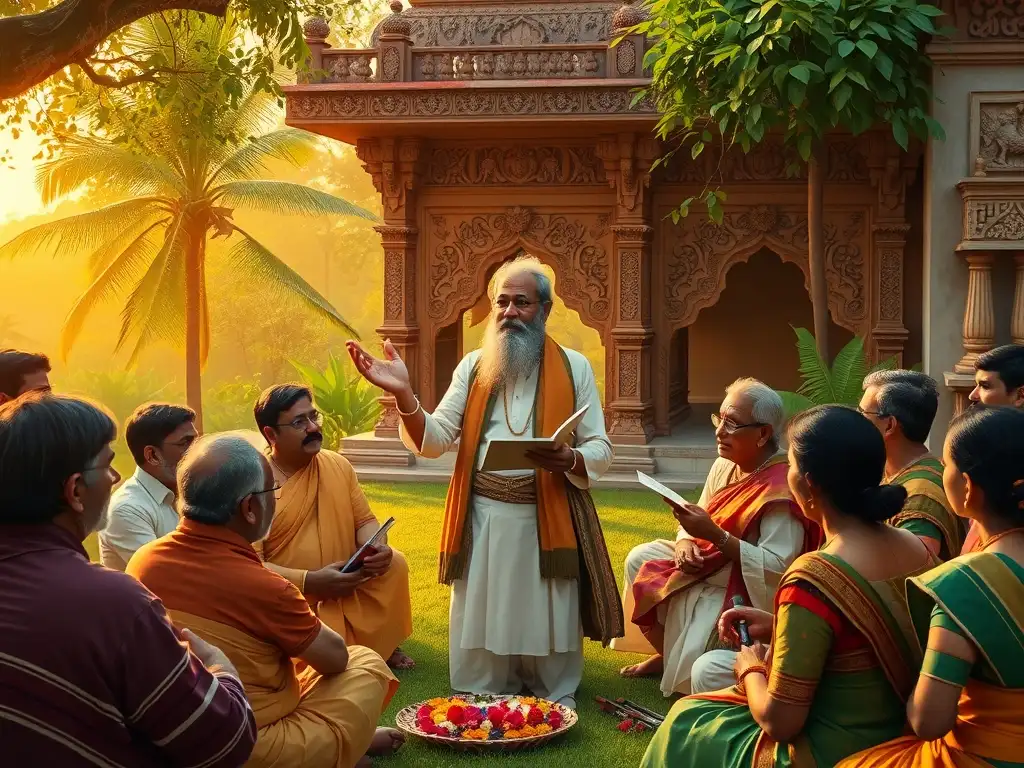
The rituals surrounding poetry in Sangam literature significantly influenced various aspects of society, serving as a conduit for cultural expression, social cohesion, and moral guidance. These rituals were not mere performances; they created a dynamic interplay between poetry and the community, allowing for collective engagement and reflection. The recitation of poetry during rituals fostered a sense of identity and belonging among the Tamil people, reinforcing communal ties and shared values.
Moreover, the performance aspect of these rituals encouraged participation across different strata of society, breaking down barriers and allowing for a more democratic exchange of ideas. Through the recitation of poems that often reflected contemporary issues, the rituals addressed social concerns and aspirations, making poetry a powerful tool for social commentary. Ultimately, the impact of these poetry rituals was profound, shaping both the cultural landscape and the moral framework of ancient Tamil society.
Preservation of Cultural Heritage through Poetry
Sangam poetry rituals played a crucial role in preserving the cultural heritage of ancient Tamil Nadu. Through oral traditions, poets not only conveyed their artistic expressions but also safeguarded the history, mythology, and social norms of their time. The performance of poetry during rituals allowed these narratives to be passed down through generations, ensuring that the rich tapestry of Tamil culture remained intact.
The themes explored in Sangam literature, such as love, valor, and nature, often echoed the values and beliefs of the society. By embedding these themes in ritualistic performances, the poets contributed to the collective memory of the community. This preservation was not limited to content alone; the very act of gathering for poetic recitations reinforced a sense of unity and purpose among the participants, highlighting the importance of communal identity.
Influence on Social Norms and Values
The rituals associated with Sangam poetry had a significant impact on the social norms and values of ancient Tamil society. Through the recitation of poems that often reflected ethical dilemmas, heroism, and the complexities of human relationships, these rituals provided a framework for moral guidance. The poets, revered as social commentators, shaped the community's understanding of virtue and conduct.
Additionally, the performance of poetry rituals often involved themes of love and valor, which served to reinforce societal ideals. The values promoted through these rituals encouraged individuals to aspire to higher moral standards and fostered a sense of responsibility towards the community. As a result, poetry became a vehicle for instilling and propagating social values, ensuring that the ideals of the Sangam period were both celebrated and critiqued within the context of everyday life.
Case Studies of Notable Poetry Rituals in Sangam Literature
The Festival of the Tamil Sangam
One of the most significant poetry rituals in Sangam literature was the Festival of the Tamil Sangam, a gathering that celebrated the poetic traditions of the Tamil people. This festival was not merely an event for recitation but a cultural extravaganza that showcased the rich literary heritage of the region. Poets from various backgrounds would come together to share their works, engage in discussions, and participate in competitions.
The Tamil Sangam served as a platform for poets to gain recognition and influence, with their performances impacting the social landscape. The festival also promoted the idea of collective identity among the Tamil people, uniting them in their shared love for poetry and cultural expression. Through this ritual, the Sangam poets were able to contribute significantly to the preservation and evolution of Tamil literature.
The Role of Poet Avvaiyar in Community Rituals
Avvaiyar, one of the most celebrated poets of the Sangam period, exemplified the intersection of poetry and community rituals. Her contributions to Sangam literature were not only artistic but also deeply rooted in social consciousness. Avvaiyar often participated in public recitations and rituals that addressed pressing social issues, including ethics, education, and the role of women in society.
Her poetry, characterized by its wisdom and simplicity, resonated with the common people, making her a beloved figure in the community. Avvaiyar’s involvement in rituals highlighted the role of poets as custodians of moral values, guiding the community through her poignant verses. By engaging with the public through these rituals, she reinforced the idea that poetry was not an isolated art form but a vital component of everyday life, capable of inspiring change and fostering community spirit.
Modern Interpretations of Sangam Poetry Rituals
Modern interpretations of Sangam poetry rituals reveal how traditional practices have evolved and adapted to contemporary cultural contexts. Scholars and artists today recognize Sangam literature not merely as historical texts but as living expressions of Tamil identity and cultural heritage. The rituals surrounding poetry recitation, once deeply embedded in social and religious contexts, have been reframed to resonate with current audiences.
In recent years, academic conferences and cultural festivals have showcased these adaptations, where scholars dissect the themes and emotions of Sangam poems, often aligning them with modern societal issues such as love, loss, and nature. This reinterpretation emphasizes the continuity of Tamil cultural expression and its ability to transcend time. Furthermore, performance art has begun to incorporate Sangam poetry in diverse formats, such as dance and theater, making the ancient texts accessible to younger generations who may not be familiar with their origins.
Contemporary Adaptations of Sangam Poetry
Contemporary adaptations of Sangam poetry include a variety of artistic expressions that reinterpret the themes and styles of the original texts. Poets and artists have begun to integrate Sangam verses into modern poetry slams, spoken word performances, and multimedia installations, creating a dialogue between the past and present.
- Fusion with Modern Genres: Musicians have fused Sangam poetry with contemporary music genres, such as hip-hop and folk, allowing for a fresh auditory experience that appeals to a younger audience.
- Theatrical Performances: Theater groups often stage plays incorporating Sangam poetry, bringing to life the vivid imagery and emotional depth of the verses while engaging viewers with relatable narratives.
- Visual Arts: Contemporary artists have drawn inspiration from Sangam literature, creating visual art that interprets the poems’ themes, capturing the essence of nature, love, and heroism depicted in the texts.
These adaptations not only preserve the cultural significance of Sangam poetry but also ensure its relevance in the modern artistic landscape.
The Revival of Poetry Rituals in Modern Times
The revival of poetry rituals in modern times is marked by a resurgence of interest in traditional Tamil cultural practices. Various organizations and cultural groups are actively promoting the performance of Sangam poetry in its ritualistic forms, celebrating its historical roots while infusing it with contemporary relevance.
- Cultural Festivals: Events such as the Chennai Sangamam and other local festivals often feature recitations and performances of Sangam poetry, encouraging community participation and engagement.
- Educational Initiatives: Schools and universities have begun incorporating Sangam literature into their curricula, emphasizing the importance of these rituals in understanding Tamil literature and culture.
- Digital Platforms: The rise of social media and digital platforms has allowed poets and performers to reach a global audience, sharing their interpretations of Sangam poetry rituals through live streams and recorded performances.
This revival reflects a broader cultural movement that seeks to reconnect with ancestral traditions while adapting them to contemporary sensibilities.
Conclusion
Summary of Key Insights on Sangam Literature Poetry Rituals
The exploration of Sangam literature poetry rituals reveals their profound significance within Tamil culture. These rituals, steeped in history, serve as a bridge connecting the past with the present, allowing for the expression of communal values and individual emotions. Modern interpretations and adaptations of these rituals demonstrate their continued relevance and adaptability in contemporary society, fostering a renewed appreciation for the richness of Sangam poetry.
The Lasting Legacy of Poetry Rituals in Tamil Culture
The lasting legacy of poetry rituals in Tamil culture is evident in the ongoing celebration and practice of these ancient traditions. Sangam poetry rituals have not only shaped Tamil literary heritage but also solidified a sense of identity and belonging among the Tamil people.
As these rituals evolve, they continue to inspire new generations of artists and scholars, ensuring that the essence of Sangam literature remains vibrant and influential in the cultural landscape of Tamil Nadu and beyond. The resilience of these rituals underscores their importance as a vital aspect of Tamil cultural identity, preserving the spirit of Sangam poetry for future generations.
- Introduction to Sangam Literature
- Overview of Sangam Literature
- Importance of Poetry in Ancient Tamil Culture
- Understanding the Concept of Poetry Rituals
- Types of Poetry Rituals in Sangam Literature
- The Role of Poets in Poetry Rituals
- Performance Techniques in Sangam Poetry
- Themes and Motifs in Ritualistic Poetry
- The Impact of Poetry Rituals on Society
- Case Studies of Notable Poetry Rituals in Sangam Literature
- Modern Interpretations of Sangam Poetry Rituals
- Conclusion
Frequently Asked Questions
What is Sangam literature?
Sangam literature refers to a collection of ancient Tamil texts composed between 300 BCE and 300 CE, which encompass poetry, philosophy, and ethics reflecting the rich cultural heritage of ancient Tamil Nadu.
How were poetry and rituals interconnected in Sangam literature?
In Sangam literature, poetry often served as a medium for rituals, conveying spiritual themes, societal values, and the significance of performance in cultural practices, enhancing the overall aesthetic experience.
What themes are commonly found in Sangam poetry?
Sangam poetry explores various themes including love, heroism, nature, and social life, often depicting the relationship between humans and the environment, as well as the complexities of human emotions.
How did the performance of poetry influence ancient Indian culture?
The performance and recitation of poetry in Sangam literature fostered a sense of community and cultural identity, allowing for the preservation and transmission of traditions and values across generations.
What role did the poets play in the Sangam era?
Poets in the Sangam era were regarded as cultural custodians and social commentators, using their craft to influence societal norms and reflect the collective consciousness of the people through their lyrical expressions.
Final Reflection: The Enduring Power of Sangam Literature Poetry Rituals
The rituals of poetry in Sangam literature are not merely historical artifacts; they resonate deeply with contemporary society. In an age where the spoken word often takes a backseat to digital communication, the significance of performance and recitation in Sangam poetry reminds us of the profound connection between language, culture, and community. These rituals serve as a bridge, linking us to our ancestors while illuminating the path forward.
The impact of Sangam literature extends far beyond its time, shaping the cultural and social landscape of Tamil Nadu and beyond. The communal experience of poetry recitation fosters a sense of belonging and shared identity, echoing the sentiments of the past in our present lives. As poet K. Satchidanandan once said, Poetry is the voice of the people, a reflection of their joys and sorrows.
This enduring influence underscores the importance of preserving and celebrating these rituals, as they continue to inspire and unite us in our shared human experience.
As you reflect on the themes of this article, consider how the rituals of poetry can enrich your own life. Engage with the spoken word, whether through recitation, performance, or simply sharing poetry with others. Let the rhythms and cadences of Sangam literature inspire you to explore the power of language in your own community, fostering connections that transcend time and space. Embrace the legacy of these rituals, and allow them to guide you in creating your own meaningful expressions of art and culture.
Unleash Your Inner Poet Today!
Thank you for diving into the world of Sangam literature and its poetic rituals! You've discovered how performance and recitation breathe life into these ancient texts. Now, it’s time to put that inspiration into action!
Here are some exciting ways to explore the realms of poetry and performance:
- Join a local poetry group or workshop to share your own verses, drawing inspiration from the rich traditions of Sangam poetry.
- Host a recitation night with friends or family, celebrating the art of spoken word by featuring both classical and contemporary poems.
- Experiment with writing your own poems, incorporating the techniques and styles of the Sangam poets for a fresh and enlightening perspective.
What poetic rituals will you incorporate into your daily life to connect with the timeless beauty of the written word?