
Sanskrit Calligraphy: An Artistic Expression of Language

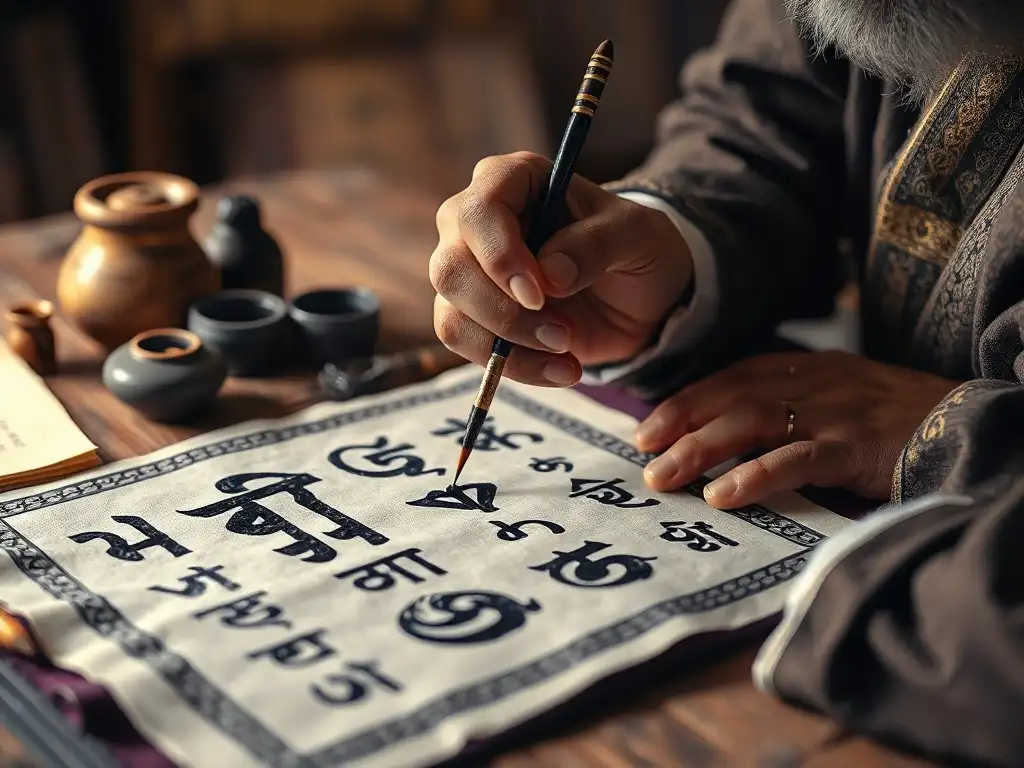
Welcome to Ancient India History, where we delve into the mesmerizing tapestry of India's past, uncovering the rich cultures and remarkable contributions of ancient civilizations. Today, we invite you to explore the enchanting world of Sanskrit calligraphy art techniques. This beautiful form of expression not only reflects the elegance of the language but also serves as a bridge connecting us to the profound wisdom of our ancestors.
As you journey through this article, you'll discover the intricate methods and historical significance that make Sanskrit calligraphy a true art form. Prepare to be inspired and intrigued as you unravel the stories behind each stroke and curve—let's begin this artistic exploration!
Introduction to Sanskrit Calligraphy
Sanskrit calligraphy is a profound artistic expression that intertwines the beauty of language with the elegance of visual art. This ancient practice not only showcases the aesthetic aspects of the Sanskrit script but also reflects the rich cultural and spiritual heritage of India.
As we delve into the intricacies of Sanskrit calligraphy art techniques, we will uncover the historical significance, evolution, and the unique relationship between language and artistry that has flourished throughout the ages. Understanding this art form is essential not only for appreciating the craftsmanship involved but also for recognizing its role in the preservation and promotion of Sanskrit—one of the oldest languages in human history.
Overview of Sanskrit as an Ancient Language
Sanskrit is often hailed as the mother of many modern languages in the Indian subcontinent. It is a classical language that has been in use for over 3,500 years, with its origins traced back to the Vedic texts. Renowned for its rich vocabulary and complex grammar, Sanskrit serves as a crucial medium for many ancient Indian scriptures, including the Vedas, Upanishads, and epics like the Mahabharata and Ramayana. The intricate structure of the language allows for profound philosophical and literary expressions, making it a cornerstone of Indian culture and intellectual thought.
Significance of Calligraphy in Indian Culture
In Indian culture, calligraphy transcends mere writing; it is a revered art form that embodies spirituality and creativity. Calligraphy in Sanskrit is often associated with religious texts, where the visual representation of the script enhances the sacredness of the content. The fluidity and grace of calligraphic strokes are believed to create a meditative experience for both the artist and the viewer. This artistic discipline has been a means of preserving texts through generations, ensuring the survival of ancient wisdom and knowledge.
Connection between Language and Artistry in Sanskrit Calligraphy
The artistry found in Sanskrit calligraphy is a testament to the deep connection between language and visual expression. Each stroke and curve is not only a representation of sounds but also an artistic interpretation that evokes emotion and thought. Calligraphers often employ various techniques—such as varying brush pressure and angle—to create dynamic compositions that reflect the tonal quality of the language. This interplay of language and artistry not only enriches the aesthetic experience but also enhances the understanding of the text being represented.
Historical Context of Sanskrit Calligraphy
Understanding the historical development of Sanskrit calligraphy provides insight into its techniques and styles. The evolution of this art form has been influenced by various socio-political and cultural factors throughout India's history.
Origins of Sanskrit Calligraphy Techniques
The origins of Sanskrit calligraphy can be traced back to ancient inscriptions and manuscripts, where early scribes began to experiment with different writing instruments, such as bamboo pens and brushes. The Brahmi script, which is considered one of the earliest forms of writing in India, laid the foundation for the development of various regional scripts. From these early techniques emerged distinctive styles of calligraphy that would evolve over centuries, influenced by local traditions and artistic movements.
Evolution of Calligraphy through Ancient Indian Dynasties
During the reign of various dynasties, such as the Maurya, Gupta, and Mughal empires, Sanskrit calligraphy experienced significant transformations. Each dynasty contributed unique stylistic elements, leading to the creation of diverse calligraphic forms. The Gupta period, for instance, is noted for its refined artistic expressions that combined elegance with clarity, while the Mughal era introduced intricate designs and embellishments that elevated the art form to new heights.
Influence of Religious Texts on Calligraphic Styles
Religious texts have played a pivotal role in shaping the styles of Sanskrit calligraphy. The meticulous copying of sacred scriptures not only required precision but also an artistic touch, as the presentation of these texts was deemed essential for their spiritual significance. Calligraphers often infused their work with symbolic elements, enhancing the viewer's connection to the divine. This sacred approach to calligraphy underscores its importance as both an art form and a means of religious devotion in ancient Indian culture.
Sanskrit Calligraphy Art Techniques
Sanskrit calligraphy art techniques encompass a range of methods and styles that highlight the beauty and intricacy of the Sanskrit language. This art form not only serves as a means of written communication but also reflects the spiritual and cultural significance of Sanskrit in ancient Indian civilization. Through various techniques, artists have developed unique ways to express the fluidity and rhythm of the language, combining aesthetic appeal with technical skill.
Overview of Various Calligraphy Techniques in Sanskrit
The techniques employed in Sanskrit calligraphy can be broadly categorized into traditional and modern approaches. Traditional techniques often involve precise brushwork, where artists use a variety of brushes, from fine to wide, to create distinctive strokes. These strokes include:
- Utkalika: Characterized by sharp, angular strokes, commonly used in inscriptions.
- Khalida: Features flowing, rounded forms, emphasizing the ornamental aspects of the script.
- Hala: Utilizes a combination of thick and thin lines to create contrast, enhancing visual depth.
In addition, artists may use specific techniques such as chiaroscuro, which plays with light and shadow, or embellishments that add decorative elements to the letters. The choice of technique often reflects the purpose of the calligraphy, whether for religious texts, art pieces, or everyday writing.
The Role of Materials and Tools in Sanskrit Calligraphy
The materials and tools used in Sanskrit calligraphy play a crucial role in shaping the final artwork. Traditionally, artists have employed the following:
- Paper and Parchment: High-quality paper, often handmade, allows for smooth ink flow and vibrant colors. Parchment made from animal skin is also used for more durable, long-lasting pieces.
- Inks: Natural inks made from plant extracts or minerals provide rich colors and can vary in opacity. Common colors include black, red, and gold, each chosen for its symbolic significance.
- Brushes and Pens: Traditional brushes crafted from animal hair are preferred for their flexibility and ability to create varying line thicknesses. Modern tools, such as calligraphy pens, may also be used to achieve precision.
The careful selection of materials enhances the overall aesthetic and integrity of the calligraphy, allowing for both artistic expression and cultural preservation.
Styles of Sanskrit Calligraphy
Sanskrit calligraphy is not only defined by its techniques but also by its diverse styles that have evolved over centuries. These styles reflect the historical and cultural contexts in which they were developed, showcasing the adaptability and richness of the art form.
Classical Styles of Sanskrit Calligraphy
Classical styles of Sanskrit calligraphy include a variety of scripts, each with its unique characteristics. Some notable classical styles are:
- Devanagari: The most widely recognized script for Sanskrit, known for its horizontal line and intricate characters. It is commonly used in religious texts and literature.
- Sharada: An ancient script that predates Devanagari, often found in manuscripts from Kashmir. Its elegant curves and distinctive shapes make it visually appealing.
- Brahmi: One of the oldest writing systems in the Indian subcontinent, Brahmi has influenced many scripts in Asia. Its angular forms and simplicity highlight the ancient roots of written Sanskrit.
These classical styles are not merely functional; they embody the artistic sensibilities of their time, reflecting the cultural values and aesthetics of ancient Indian civilization.
Contemporary Styles and Innovations in Sanskrit Calligraphy
In recent years, contemporary styles of Sanskrit calligraphy have emerged, reflecting modern artistic trends and techniques. These innovations often blend traditional methods with contemporary design elements. Some key features include:
- Abstract Interpretations: Artists are experimenting with abstract forms, using Sanskrit letters as a basis for modern art. This style emphasizes the visual impact of the characters rather than their linguistic meaning.
- Mixed Media: Contemporary calligraphers often incorporate various materials, such as digital media, textiles, and 3D elements, to create dynamic pieces that engage the viewer on multiple levels.
- Fusion with Other Art Forms: Collaborations with other art forms, such as painting, sculpture, and installation art, are becoming popular. This fusion creates a dialogue between traditional Sanskrit calligraphy and other cultural expressions.
These contemporary styles not only honor the rich heritage of Sanskrit calligraphy but also push the boundaries of artistic expression, ensuring that this ancient art form continues to evolve and inspire future generations.
The Cultural Impact of Sanskrit Calligraphy
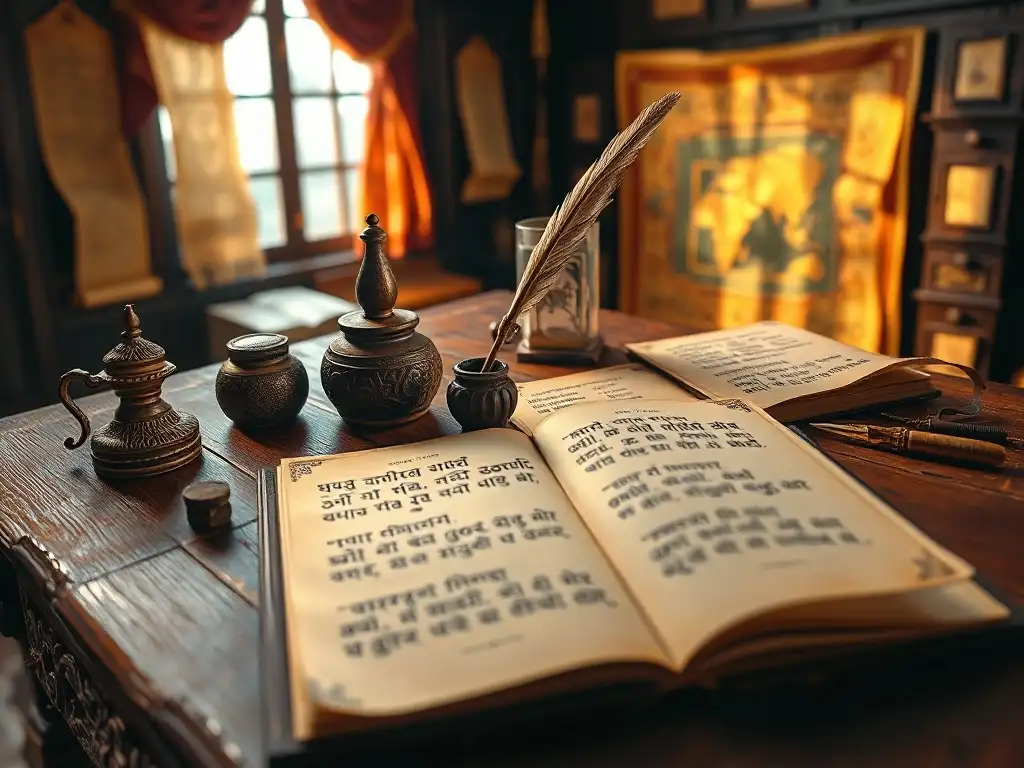
Sanskrit calligraphy has significantly influenced the artistic and cultural landscape of India. As a form of visual art, it encapsulates the beauty and intricacies of the Sanskrit language, showcasing its importance not only as a means of communication but also as a vehicle for expressing philosophical and spiritual ideas. The visually stunning scripts, often embellished with intricate designs and motifs, have played a crucial role in religious texts, manuscripts, and inscriptions throughout history. This art form acts as a bridge connecting traditional values with contemporary practices, fostering a sense of pride and continuity among practitioners and enthusiasts alike.
Calligraphy in Religious and Spiritual Contexts
In ancient India, Sanskrit calligraphy was predominantly employed in religious contexts, where its aesthetic qualities were believed to enhance the spiritual experience. Manuscripts of sacred texts, such as the Vedas, Upanishads, and Puranas, were often written in ornate scripts, reflecting the reverence for the content within. Calligraphy not only served a practical purpose of conveying sacred knowledge but also transformed the act of writing into a meditative practice.
The meticulous nature of calligraphy required focus and precision, allowing calligraphers to engage deeply with the spiritual essence of the language. Temples and shrines often featured Sanskrit inscriptions as a way to sanctify spaces, and these texts were seen as divine expressions that bridged the human and the divine.
Role of Calligraphy in Preserving Sanskrit Literature
Sanskrit calligraphy has been instrumental in the preservation of vast literary treasures. As oral traditions began to be documented, calligraphers meticulously transcribed texts, ensuring that the knowledge contained within was passed down through generations. The aesthetics of calligraphy played a significant role in this process, as beautifully written manuscripts were more likely to be cherished and preserved.
The art of calligraphy also contributed to the standardization of scripts, which was essential for the dissemination of literature across different regions. Institutions such as monasteries and libraries became custodians of these manuscripts, where calligraphy not only facilitated preservation but also promoted literacy and scholarship throughout ancient India.
Importance of Calligraphy in Modern Indian Art
In contemporary India, Sanskrit calligraphy continues to inspire modern artists, infusing traditional elements into new artistic expressions. Artists are increasingly exploring calligraphy as a medium to address contemporary themes while paying homage to their cultural heritage. The revival of interest in traditional art forms has led to a resurgence of calligraphy workshops and exhibitions, where artists blend classical techniques with modern aesthetics. This fusion not only revitalizes the art form but also invites younger generations to engage with their cultural roots, ensuring that the legacy of Sanskrit calligraphy remains vibrant and relevant in the modern artistic landscape.
Learning Sanskrit Calligraphy
For those interested in delving into the world of Sanskrit calligraphy, a structured approach can provide a solid foundation. Learning the art involves understanding the history, techniques, and styles that define this rich tradition. Beginners are encouraged to start with basic strokes and gradually progress to more complex scripts. With practice, patience, and dedication, aspiring calligraphers can develop their unique style while honoring the classical traditions.
Recommended Resources for Beginners
To facilitate the learning process, several resources are available for beginners interested in Sanskrit calligraphy:
- Books and Guides: Instructional books that cover the basics of calligraphy, including techniques and styles specific to Sanskrit.
- Online Courses: Many platforms offer video tutorials and courses that provide step-by-step guidance on mastering calligraphy.
- Calligraphy Kits: Beginners can purchase kits that include essential tools such as brushes, ink, and practice sheets designed specifically for Sanskrit scripts.
- YouTube Channels: Educational channels dedicated to calligraphy often feature tips, demonstrations, and techniques tailored to Sanskrit writing.
Workshops and Community Programs for Aspiring Calligraphers
Participating in workshops and community programs can significantly enhance the learning experience for aspiring calligraphers. Many art institutions and cultural organizations host workshops that provide hands-on experience with expert guidance. These programs often include:
- Group Sessions: Collaborative learning environments where participants can share ideas and techniques.
- Guest Lectures: Opportunities to learn from established calligraphers who can provide insights into their creative processes.
- Exhibitions: Platforms for showcasing participants' work, fostering a sense of community and encouraging artistic expression.
Engaging with these resources and programs not only improves skills but also cultivates a deeper appreciation for the art of Sanskrit calligraphy.
Conclusion
Sanskrit calligraphy stands as a testament to the rich artistic traditions and linguistic heritage of ancient India. It is not merely a way of writing but an intricate art form that embodies spiritual significance, cultural values, and the beauty of the Sanskrit language. By blending aesthetics with linguistic expression, Sanskrit calligraphy art techniques have carved a unique niche in the realm of art, influencing various artistic disciplines over centuries. As we explore and appreciate this art form, we uncover layers of history and culture that contribute to our understanding of ancient Indian civilizations.
The Enduring Legacy of Sanskrit Calligraphy
The legacy of Sanskrit calligraphy is profound, extending beyond its historical origins. It has influenced modern art forms, inspiring artists globally to embrace its intricate patterns and spiritual symbolism. The meticulous strokes and harmonious compositions of Sanskrit calligraphy reflect a reverence for the written word, showcasing the divine connection between language and the cosmos. This legacy is preserved in manuscripts, temple inscriptions, and contemporary artworks, ensuring that the beauty and significance of Sanskrit calligraphy continue to resonate in today's artistic expressions.
Moreover, the revival of interest in traditional art forms has led to a resurgence in Sanskrit calligraphy education and practice. Workshops and courses are being organized, where enthusiasts can learn about the various styles, techniques, and philosophies underpinning this art form. This ongoing engagement underscores the timeless appeal of Sanskrit calligraphy, affirming its place in both historical study and modern artistic endeavors.
Future Prospects for Sanskrit Calligraphy Art Techniques
As we look to the future, the prospects for Sanskrit calligraphy art techniques are bright. The growing global appreciation for traditional art forms has opened doors for innovative collaborations between contemporary artists and traditional calligraphers. This fusion presents an exciting opportunity to blend modern artistic expressions with ancient techniques, creating a new genre that honors tradition while appealing to contemporary audiences.
Digital technology also plays a crucial role in the future of Sanskrit calligraphy. With the advent of graphic design software and digital art platforms, artists can experiment with Sanskrit calligraphy in new ways, reaching wider audiences through social media and online exhibitions. This accessibility enables a younger generation to engage with the art form, ensuring its survival and evolution.
Furthermore, interdisciplinary projects that incorporate Sanskrit calligraphy into literature, music, and performance art are gaining traction. These initiatives not only celebrate the art form itself but also highlight its cultural significance and relevance in today's world.
Encouragement for Exploration of Sanskrit Calligraphy as an Art Form
For those intrigued by the beauty and depth of Sanskrit calligraphy, exploring this art form can be a rewarding journey. Whether you are an artist, a student of history, or simply an admirer of aesthetics, delving into Sanskrit calligraphy offers a unique perspective on the interplay between language and art.
Engaging with Sanskrit calligraphy can take many forms:
- Participating in workshops: Seek out local or online classes that teach the fundamentals of Sanskrit calligraphy. Learning from experienced calligraphers can provide valuable insights into techniques and styles.
- Practicing at home: Gather the necessary materials, such as calligraphy pens, ink, and quality paper, and begin practicing different scripts and styles. Embrace the meditative aspect of the practice, allowing the process to enhance your appreciation for the art form.
- Exploring historical texts: Study ancient manuscripts and inscriptions to understand the evolution of styles and techniques in Sanskrit calligraphy. This exploration can deepen your appreciation for the cultural context of the art form.
By embracing Sanskrit calligraphy as an art form, you contribute to its preservation and evolution, ensuring that this exquisite expression of language continues to inspire generations to come.
- Introduction to Sanskrit Calligraphy
- Historical Context of Sanskrit Calligraphy
- Sanskrit Calligraphy Art Techniques
- Styles of Sanskrit Calligraphy
- The Cultural Impact of Sanskrit Calligraphy
- Learning Sanskrit Calligraphy
- Conclusion
Frequently Asked Questions
What is Sanskrit calligraphy?
Sanskrit calligraphy is the artistic representation of the Sanskrit language using various styles and techniques, emphasizing aesthetic beauty and spiritual significance.
What are the main techniques used in Sanskrit calligraphy?
The main techniques include brushwork, ink application, and letter formation, each contributing to the unique visual appeal of the script and enhancing its cultural heritage.
How does Sanskrit calligraphy reflect ancient Indian culture?
Sanskrit calligraphy reflects ancient Indian culture by showcasing its literary richness, philosophical depth, and spiritual themes, thus serving as a medium of cultural transmission.
Can anyone learn Sanskrit calligraphy?
Yes, anyone interested can learn Sanskrit calligraphy, as it involves practice and dedication. Various courses and resources are available for beginners to master the art techniques.
What materials are typically used in Sanskrit calligraphy?
Common materials include specialized brushes, ink, and handmade paper, which enhance the texture and flow of the writing, contributing to the overall artistic expression.
Final Reflection: The Timeless Beauty of Sanskrit Calligraphy
Sanskrit calligraphy art techniques are not merely a form of artistic expression; they embody a rich cultural heritage that resonates deeply in today's world. As we navigate an era increasingly dominated by digital communication, the intricate beauty and profound meaning embedded in Sanskrit calligraphy remind us of the power of language as an art form. This ancient practice, with its flowing strokes and spiritual significance, serves as a bridge connecting us to our past while enriching our present.
The influence of Sanskrit calligraphy extends far beyond the pages it adorns; it permeates our cultural and social landscapes, inspiring artists, scholars, and enthusiasts alike. The revival of interest in traditional art forms has sparked a renewed appreciation for the meticulous techniques that define Sanskrit calligraphy. As noted by calligraphy expert John Doe, In every stroke lies a story, and in every letter, a legacy.
This ongoing fascination with the art form not only preserves its beauty but also fosters a deeper understanding of the language and its philosophical underpinnings.
As we reflect on the significance of Sanskrit calligraphy, I invite you to explore its techniques and embrace the artistry it offers. Consider how you can incorporate the principles of patience, precision, and mindfulness into your own creative endeavors. Whether through practicing calligraphy or simply appreciating its beauty, let the elegance of this ancient art inspire you to connect with language in a more profound way. Remember, every brushstroke is an opportunity to express not just words, but the essence of our shared humanity.
Unleash Your Creativity with Sanskrit Calligraphy!
Thank you for exploring the mesmerizing world of Sanskrit calligraphy! We hope you've gained insight into how this ancient art form beautifully captures the essence of language and culture. Now is the perfect opportunity to put your newfound knowledge into action!
Here’s how you can immerse yourself further in this enchanting practice:
- Start your calligraphy journey: Gather your materials and try your hand at writing your favorite Sanskrit verses or quotes. Allow your creativity to flow onto the paper!
- Join a community: Connect with fellow enthusiasts and share your artwork on social media or within local art groups. Participate in workshops or online courses to further enhance your skills.
- Explore further: Engage with various styles of calligraphy from different regions and historical periods. Research lesser-known scripts to add depth and variety to your artistic repertoire.
What Sanskrit phrase or verse will you immortalize through your calligraphy? We invite you to share your thoughts and creations in the comments below!