
The Cultural Exchange in Sangam Literature: Influences from Neighboring Civilizations

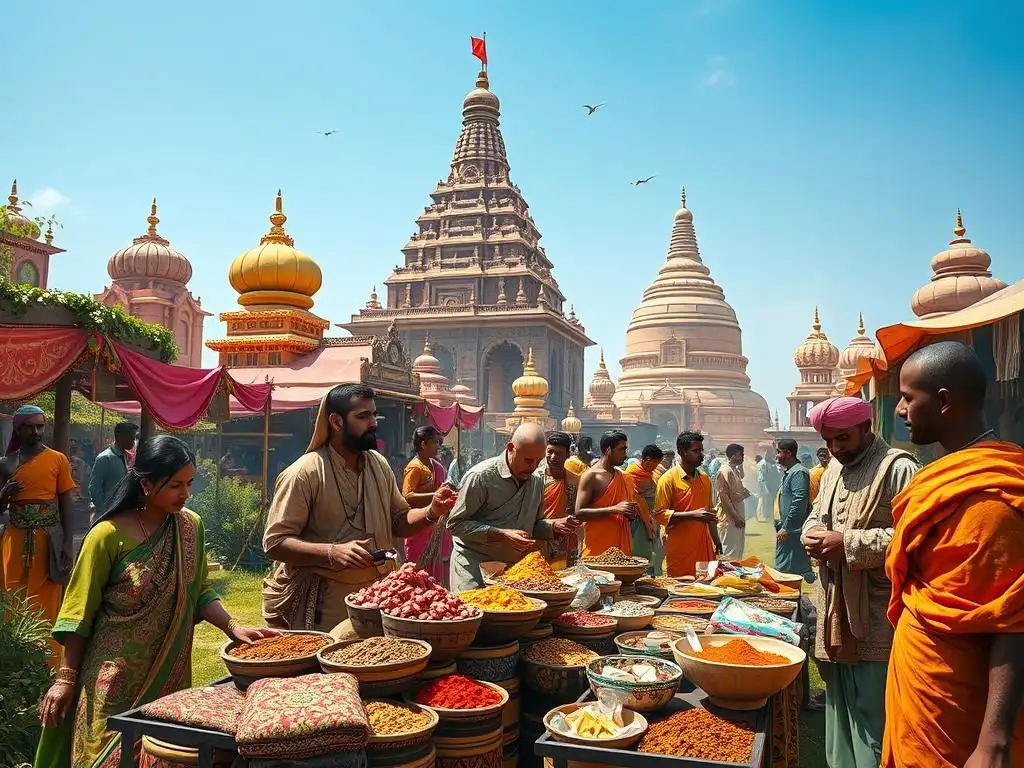
Welcome to Ancient India History, where we embark on a journey through the rich tapestry of ancient Indian civilizations. Discover how the cultural exchange in ancient India shaped not only its own society but also influenced neighboring cultures. In our featured article, "The Cultural Exchange in Sangam Literature: Influences from Neighboring Civilizations," we delve into the vibrant interactions that fueled creativity and innovation during the Sangam period. Curious about the connections that bridged societies and enriched literature? Join us as we unravel the fascinating stories that lie within these pages!
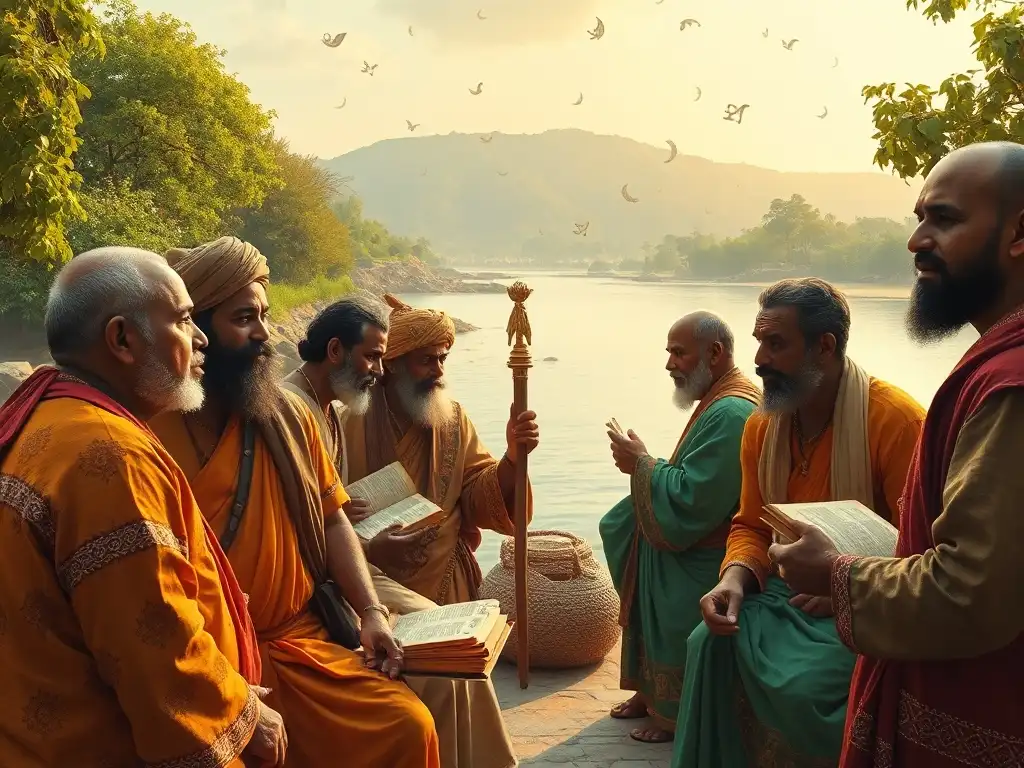
Introduction to Cultural Exchange in Ancient India
Cultural exchange in ancient India refers to the rich interactions and exchanges that took place between Indian civilizations and their neighboring cultures, significantly shaping the subcontinent's social, artistic, and intellectual landscape. From the bustling trade routes of the Indus Valley civilization to the literary brilliance of the Sangam period, the process of cultural exchange was integral in fostering a vibrant tapestry of ideas, traditions, and innovations.
This article delves into the profound impacts of these exchanges, particularly focusing on how neighboring civilizations influenced Sangam literature, which flourished in Tamil Nadu between the 3rd century BCE and the 3rd century CE. Understanding this cultural interplay not only enriches our knowledge of Sangam literature but also highlights the interconnectedness of ancient societies in a historical context.
Definition of Cultural Exchange
Cultural exchange can be defined as the process through which different cultures share, adopt, and adapt various elements such as language, traditions, art, and social practices. It often occurs through trade, migration, and diplomatic relations, leading to mutual influences that enhance the cultural fabric of each society involved. In ancient India, this exchange was particularly evident in the realms of literature, art, and philosophy, where diverse influences converged to create a unique synthesis.
Significance of Cultural Exchange in Ancient Indian History
The significance of cultural exchange in ancient Indian history cannot be overstated. It played a crucial role in:
- Economic Growth: Trade routes facilitated not only the exchange of goods but also ideas and cultural practices, fostering economic interdependence among regions.
- Intellectual Development: The interactions with neighboring cultures led to the incorporation of new philosophical ideas and artistic styles, enriching Indian thought and creativity.
- Social Integration: Cultural exchanges helped in the assimilation of diverse communities, leading to a more cohesive society that celebrated both local and foreign traditions.
Overview of Sangam Literature
Sangam literature stands as a monumental achievement in the realm of Tamil literature, showcasing the linguistic and poetic prowess of ancient Tamil poets. This body of work, composed during the Sangam period, comprises a vast array of poems that reflect the ethos, values, and experiences of the time.
Historical Context of Sangam Literature
Sangam literature emerged in a historical milieu characterized by vibrant trade, cultural interactions, and political dynamism in Southern India. The term "Sangam" refers to the assemblies of poets who gathered to compose and recite their works, often patronized by kings and chieftains. This period saw the influence of various neighboring cultures, including those from the Mediterranean, Southeast Asia, and the Deccan, which enriched the literary landscape. The resulting body of work not only reflects local traditions but also encapsulates the diverse influences that permeated the region.
Key Themes and Characteristics of Sangam Poetry
The poetry of the Sangam period is distinguished by its thematic diversity and stylistic richness. Key characteristics include:
- Nature and Landscape: Poets often drew inspiration from the natural environment, depicting the beauty of the Tamil landscape and its various seasons.
- Heroic Values: Many poems celebrate the valor of warriors and the ideals of heroism, reflecting the sociopolitical context of the time.
- Love and Relationships: A significant portion of Sangam poetry explores themes of love, longing, and emotional connections, often categorized into different poetic genres based on the context of love.
The cultural exchange that permeated ancient India, particularly during the Sangam period, played a crucial role in shaping the literary and cultural identity of the region. The influences from neighboring civilizations not only enriched Sangam literature but also laid the groundwork for a deeper understanding of the interconnectedness of ancient societies.
Neighboring Civilizations and Their Influence
Sangam literature, a remarkable body of ancient Tamil poetry, reflects a rich tapestry of cultural exchange influenced by neighboring civilizations. The interactions with these cultures not only enriched the literary expressions but also provided insights into the socio-political and economic landscapes of the time. By examining the influences from various civilizations, we can better understand the complexities of cultural dynamics in ancient India.
The Role of the Indus Valley Civilization
The Indus Valley Civilization (IVC), one of the world's earliest urban cultures, laid the foundation for various aspects of Indian society, including trade, urban planning, and social organization. Although the IVC had largely declined by the time of the Sangam period, its influences persisted in several ways:
- Urban Infrastructure: The advanced urban planning and drainage systems of the IVC likely influenced the development of centers like Madurai, which became prominent during the Sangam era.
- Trade Practices: The extensive trade networks established by the IVC set a precedent for economic exchange, with the Sangam poets often referencing the prosperity brought about by trade.
- Cultural Continuity: Elements of IVC's artistic expressions, such as terracotta figurines and seals, can be traced in later Tamil art, indicating a continuity of cultural motifs.
Influence of Dravidian Cultures
The Dravidian cultural heritage significantly shaped the ideologies and artistic expressions found in Sangam literature. As one of the dominant cultures preceding and contemporaneous with the Sangam period, the Dravidian peoples contributed to:
- Language and Linguistics: The Dravidian languages, particularly Tamil, evolved and flourished, creating a robust literary tradition that celebrated local folklore, nature, and human emotions.
- Cultural Norms: The social customs, rituals, and agricultural practices of Dravidian communities are prevalent in Sangam poetry, reflecting their values and lifestyle.
- Religious Beliefs: The spiritual practices and pantheon of deities from Dravidian cultures found expression in Sangam literature, showcasing a blend of indigenous and imported religious elements.
Connections with Ancient Tamil Kingdoms
The ancient Tamil kingdoms, such as the Chola, Pandya, and Chera, played a crucial role in the cultural exchange during the Sangam period. These kingdoms were not only political entities but also centers of cultural fusion and dissemination:
- Political Alliances: Diplomatic relationships with neighboring regions fostered cultural exchanges, leading to the incorporation of foreign artistic and literary elements into Tamil culture.
- Literary Patronage: Kings and chieftains often patronized poets and scholars, resulting in a vibrant literary scene that absorbed influences from various cultures, including those from the north and the east.
- Celebration of Diversity: The Sangam literature frequently celebrated the achievements and contributions of diverse communities, showcasing an inclusive approach to cultural identity.
Cultural Exchange Mechanisms in Sangam Literature
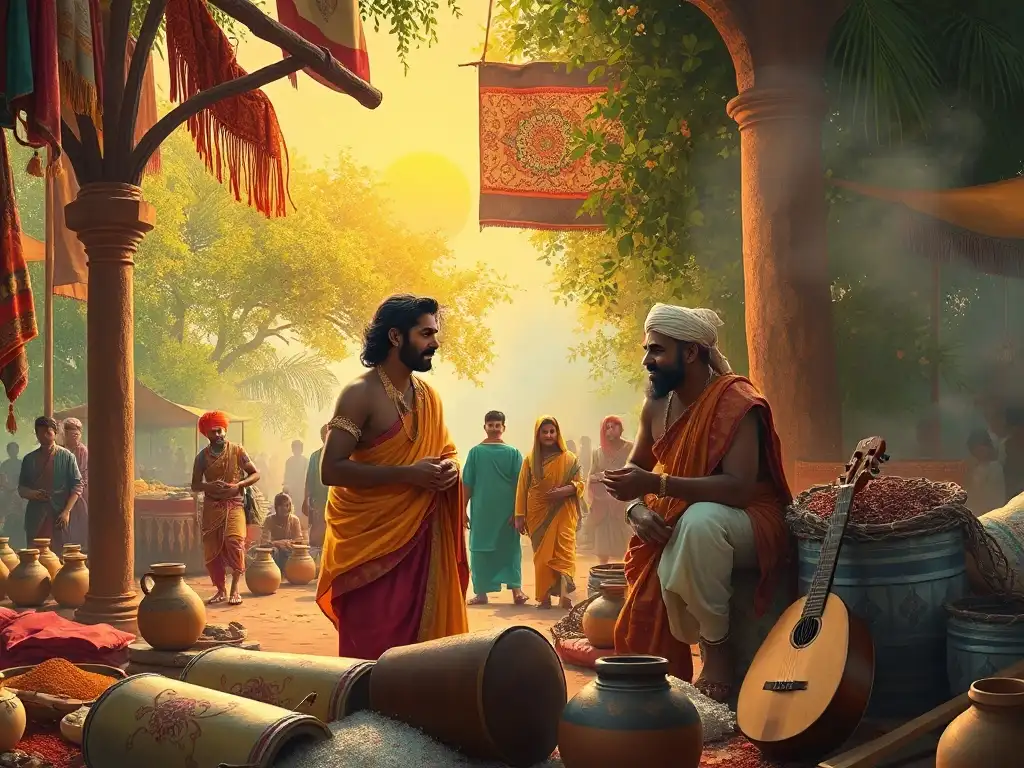
Cultural exchange in ancient India during the Sangam period occurred through various mechanisms that facilitated the flow of ideas, goods, and customs. These mechanisms are vividly depicted in Sangam literature, reflecting the interconnectivity of societies.
Trade Routes and Economic Interactions
Trade routes were vital for the economic interactions that underpinned cultural exchange in ancient India. The Sangam poets often highlighted:
- Maritime Trade: The Tamil coast was a bustling hub for maritime trade, connecting with regions such as Southeast Asia and the Arabian Peninsula. This trade brought not only goods but also cultural influences, including art, religion, and technology.
- Land Routes: Overland trade routes facilitated interactions with northern kingdoms and beyond, leading to the exchange of philosophies, religious beliefs, and artistic styles.
- Commercial Ties: The economic prosperity derived from trade contributed to a vibrant cultural life, providing resources for artistic and literary endeavors.
Pilgrimages and Religious Exchanges
Religious practices and pilgrimages played a significant role in cultural exchange during the Sangam era:
- Sacred Sites: Pilgrimages to sacred sites fostered interactions among diverse religious communities, leading to the exchange of rituals and beliefs.
- Cultural Syncretism: The fusion of local and foreign religious practices is evident in Sangam literature, which often references deities and practices from neighboring cultures.
- Literary Accounts: Many Sangam poems depict the journeys of pilgrims, showcasing their experiences and the cultural exchanges that occurred along the way.
Intermarriages and Social Connections
Intermarriages among different communities served as a bridge for cultural exchange:
- Social Integration: Marriages between families from different regions or cultures facilitated the blending of customs, languages, and traditions, enriching the social fabric of Tamil society.
- Cultural Narratives: Sangam literature often alludes to love stories and alliances that transcend cultural boundaries, emphasizing the importance of inter-community relationships.
- Legacy of Exchange: The offspring of intermarriages often became cultural ambassadors, carrying forward a dual heritage that contributed to the diversity of Tamil identity.
Through these mechanisms, Sangam literature not only reflects the rich cultural exchange in ancient India but also illustrates how interconnectedness shaped the development of the Tamil civilization, leaving a lasting legacy that continues to influence contemporary India.
Linguistic Influences on Sangam Poetry
Sangam literature, a collection of Tamil poetry composed during the early centuries of the Common Era, showcases significant linguistic influences that reflect the cultural exchanges occurring in ancient India. The interactions between Tamil-speaking communities and neighboring civilizations, particularly through trade, migration, and conquests, facilitated the introduction of various linguistic elements into Tamil poetry. This rich tapestry of language includes borrowings from Sanskrit as well as other regional dialects, enriching the poetic expressions found in the Sangam corpus.
Borrowings from Sanskrit and Other Languages
Sanskrit, being the liturgical language of ancient India, profoundly influenced the Tamil language and literature, particularly during the Sangam period. Many words and phrases from Sanskrit were incorporated into Tamil poetry, enhancing its vocabulary and stylistic depth. For instance, terms related to philosophy, religion, and governance, predominantly found in Sanskrit texts, permeated Tamil literature, fostering an intellectual exchange that transcended linguistic barriers.
In addition to Sanskrit, influences from Prakrit and other Dravidian languages can be traced within the Sangam texts. These borrowings were not merely lexical but also encompassed syntactic structures and poetic forms, indicating a complex interplay of languages. This linguistic amalgamation reflects the dynamic cultural interactions between Tamil Nadu and its neighboring regions, as trade routes facilitated not only the exchange of goods but also ideas and artistic expressions.
Evolution of Tamil Language through Cultural Exchange
The evolution of the Tamil language during the Sangam era is a testament to the impact of cultural exchange. As Tamil poets engaged with diverse influences, they began to incorporate new literary styles, themes, and rhetorical devices into their works. The adaptation of Sanskrit meters and poetic forms into Tamil poetry exemplifies this evolution, marking a significant phase in the development of Tamil literature.
Moreover, the cross-cultural interactions fostered by trade along the coasts and inland routes contributed to a gradual enrichment of the Tamil lexicon. Words denoting foreign flora, fauna, and cultural practices found their way into Tamil poetry, broadening its thematic scope. This linguistic evolution was not just a reflection of external influences but also a marker of identity, as Tamil poets sought to articulate their unique cultural experiences while engaging with the broader Indian subcontinent.
Thematic Influences in Sangam Literature
The thematic landscape of Sangam literature is equally reflective of the cultural exchanges that characterized ancient India. The poems often depict narratives that encompass a variety of influences, showcasing the intermingling of local and foreign themes. The thematic richness of Sangam poetry not only highlights the creative genius of Tamil poets but also serves as a historical document of the cultural milieu of the time.
Depictions of Foreign Cultures and Practices
Sangam literature frequently incorporates depictions of foreign cultures and practices, illustrating the cosmopolitan nature of Tamil society during this period. The poems reference the lifestyles, customs, and societal structures of neighboring civilizations, such as the Greeks and the Persians, offering insights into the interactions that occurred through trade and diplomacy.
For example, the mention of foreign clothing styles, culinary practices, and even social norms in Sangam poems indicates a fascination with and acceptance of diverse cultures. Through vivid imagery and detailed descriptions, poets like Kapilar and Avvaiyar engaged with these influences, creating a narrative that celebrated cultural diversity while maintaining a distinctly Tamil identity. This thematic exploration of foreign cultures enriches the historical understanding of the complexities of ancient Indian society and its interconnectedness with the wider world.
Representation of Mythology and Folklore from Neighboring Regions
The representation of mythology and folklore from neighboring regions is another significant thematic influence in Sangam literature. While Tamil poets primarily drew upon local myths and legends, they also integrated elements from the mythological narratives of neighboring cultures, particularly those of the north Indian traditions.
This blending of narratives resulted in a unique literary form that allowed for the exploration of universal themes such as heroism, love, and the divine. For instance, the incorporation of stories from the Mahabharata and Ramayana into Sangam poetry illustrates the shared cultural heritage of the Indian subcontinent. By weaving these mythological elements into their works, Tamil poets not only honored their own traditions but also acknowledged the broader tapestry of Indian mythology, thereby fostering a sense of unity amidst diversity.
The cultural exchange in ancient India, as reflected in Sangam literature, is a rich field of study that reveals the profound influences of neighboring civilizations on Tamil poetry. Through linguistic and thematic exploration, the Sangam corpus stands as a testament to the vibrant and interconnected nature of ancient Indian cultures.
Case Studies of Cultural Exchange in Sangam Works
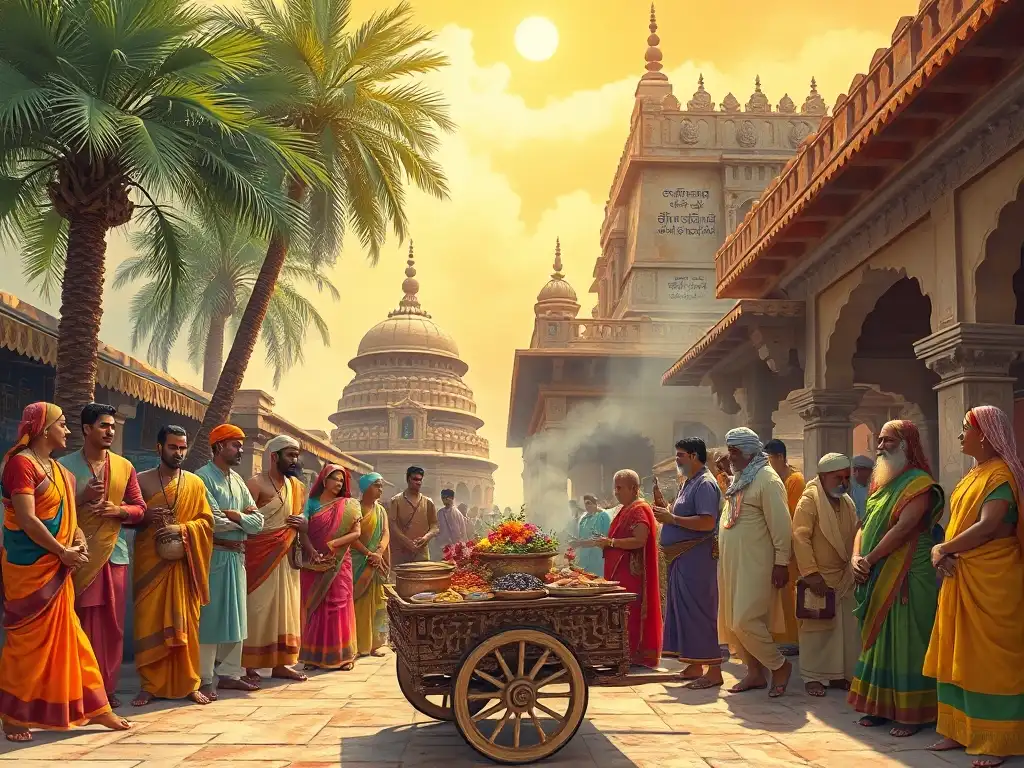
Sangam literature, a pivotal component of ancient Indian literary tradition, showcases extensive cultural exchanges between the Tamil region and various neighboring civilizations, such as the Greeks, Romans, and Southeast Asian cultures. These interactions are vividly illustrated in several key works, which reflect the merging of diverse influences, themes, and styles.
One prominent example is the poem "Akananuru," which captures the essence of love and relationships while simultaneously integrating elements from the Indo-Greek cultural milieu. The poem highlights the exchange of ideas, particularly in the depiction of emotions and metaphors that may have been inspired by Hellenistic literature. Another case study is found in "Purananuru," which serves as a chronicle of the socio-political dynamics of the time, revealing influences from trade interactions and diplomatic relations with other kingdoms, particularly in the context of political allegiances and warfare.
Additionally, the Tolkappiyam, an ancient Tamil grammar text, offers insights into the linguistic exchanges that occurred as a result of these interactions, illustrating how the Tamil language absorbed various lexical items from Sanskrit and other neighboring languages. These case studies collectively emphasize the richness of cultural exchange in Sangam literature and its role in shaping the region's identity.
Analysis of Key Poems Reflecting Cultural Interactions
The Sangam corpus contains numerous poems that explicitly reflect cultural interactions. For instance, in "Kuruntokai," a collection of love poems, the imagery often parallels the natural and social landscapes of both Tamil and non-Tamil worlds. The references to merchants, artisans, and foreign lands illustrate the significance of trade routes that facilitated cultural exchange. Specific verses depict the arrival of goods and ideas from distant lands, underscoring the interconnectedness of ancient societies.
Another noteworthy poem is "Silappatikaram," which narrates the story of Kannagi and her quest for justice. This epic not only incorporates local folklore but also hints at broader cultural influences, possibly from the Greek tragedy tradition. The themes of love, betrayal, and moral dilemmas resonate with universal literary motifs, indicating a cross-cultural dialogue that enriched Tamil storytelling.
Moreover, the incorporation of musical and artistic references in these poems reflects the influence of neighboring cultures on Tamil aesthetics. The descriptions of dance, music, and festivities often draw from a variety of cultural practices, showcasing the synthesis of traditions that occurred in the Tamil landscape.
Notable Poets and Their Contributions to Cultural Exchange
Several notable poets of the Sangam period played crucial roles in fostering cultural exchange through their works. One such poet is Ilango Adigal, credited with composing "Silappatikaram." His ability to weave together local narratives with broader philosophical themes reflects an understanding of diverse influences, showcasing how Tamil literature was not insular but rather an amalgamation of various cultural threads.
Another significant figure is Kapilar, whose poems often highlight the social and economic aspects of life in Tamilakam, while subtly acknowledging trade relations and interactions with other cultures. His works frequently mention merchants and their goods, suggesting an awareness of the broader world and its cultural dynamics.
Additionally, the contributions of poets like Avvaiyar, known for her wisdom and moral teachings, illustrate how cultural exchange enriched the ethical dimensions of Tamil literature. Her verses often incorporate ideas that resonate with those found in other philosophical traditions, further emphasizing the interconnected nature of ancient Indian literature.
Conclusion: The Legacy of Cultural Exchange in Ancient Indian Literature
The cultural exchange evident in Sangam literature not only enriched Tamil poetry but also laid the groundwork for a more interconnected understanding of Indian literature as a whole. The themes, motifs, and stylistic elements borrowed from neighboring civilizations created a vibrant tapestry that reflects the complexities of cultural interactions.
Lasting Impact on Indian Culture and Literature
The legacy of cultural exchange in Sangam literature has had a lasting impact on Indian culture and literature. This body of work contributed to the formation of a distinct Tamil identity while simultaneously embracing influences from various civilizations. The themes of love, morality, and socio-political dynamics found in Sangam poetry continue to resonate in contemporary Indian literature and arts, demonstrating the enduring relevance of these ancient texts.
Furthermore, the sophisticated literary techniques and narrative forms established during the Sangam period set a precedent for subsequent literary developments in India. The exchange of ideas and cultural practices paved the way for future literary movements, ensuring that the spirit of collaboration and dialogue remained integral to Indian literature.
Future Research Directions in Sangam Literature Studies
As scholars continue to explore the rich heritage of Sangam literature, several future research directions can be identified. One promising area is the examination of specific cultural artifacts and their representations in Sangam works, offering a deeper understanding of how material culture influenced literary expression.
Another key direction involves comparative studies between Sangam literature and other ancient literary traditions, such as Greek or Chinese texts, to uncover further nuances in cultural exchange. This comparative approach could reveal shared themes and narrative structures, enriching our understanding of global literary history.
Additionally, interdisciplinary research that incorporates archaeology, anthropology, and linguistics could yield valuable insights into the socio-cultural context of the Sangam period. Such studies would enhance our comprehension of the dynamic interactions between ancient civilizations and their lasting impact on literature and culture.
References and Further Reading on Cultural Exchange in Ancient India
Exploring the rich tapestry of cultural exchange in ancient India, particularly through the lens of Sangam literature, reveals a fascinating interplay between various civilizations. This section provides a curated list of resources for readers interested in delving deeper into the influences and exchanges that shaped this literary tradition.
Suggested Books and Articles
-
"Sangam Literature: A Historical Overview" by A. K. Ramanujan
This seminal work provides an in-depth analysis of Sangam literature, exploring its themes, styles, and the cultural context in which it thrived. Ramanujan's insights into the historical connections with neighboring civilizations make this a vital read.
-
"Cultural Interactions in Ancient India" by S. R. Rao
This book examines the various cultural exchanges that occurred in ancient India, highlighting the significant influences from neighboring regions. Rao's detailed exploration of trade, art, and literature offers a comprehensive view of the interconnectedness of ancient societies.
-
"The Tamil Epic: An Introduction" by M. A. M. Durai Raja
Focusing on the epic narratives within Sangam literature, this book discusses how external influences shaped Tamil storytelling traditions. Durai Raja's work is essential for understanding the broader implications of cultural exchange in Indian literature.
-
"Trade and Cultural Exchange in the Indian Ocean World" edited by J. M. McPherson
This edited volume discusses the role of trade in facilitating cultural exchanges across the Indian Ocean, with specific references to how these exchanges influenced the narratives found in Sangam literature.
Online Resources for Deeper Understanding of Sangam Literature
-
Digital South Asia Library
This online resource offers a wealth of primary and secondary materials related to South Asian history and literature. Users can find texts, maps, and articles that provide context for the cultural exchanges reflected in Sangam literature.
-
The Tamil Virtual Academy
This educational platform hosts a variety of resources on Tamil culture and literature, including detailed studies on Sangam texts. It is an excellent starting point for those looking to explore the nuances of Tamil literary heritage and its connections with neighboring cultures.
-
The Internet Archive
A treasure trove of digitized texts, the Internet Archive includes numerous books and articles on ancient Indian history and literature. Searching for keywords like "Sangam literature" or "cultural exchange in ancient India" yields valuable resources for further exploration.
-
Academia.edu
This platform allows scholars to share their research papers, including studies on Sangam literature and its cultural implications. By searching for specific topics related to cultural exchange, readers can access a variety of scholarly articles that deepen their understanding of the subject.
These resources provide a solid foundation for anyone interested in the cultural exchanges depicted in Sangam literature and the broader historical context of ancient India. By engaging with these texts and online platforms, readers can gain insights into the complex interactions that shaped early Indian civilization.
- Introduction to Cultural Exchange in Ancient India
- Overview of Sangam Literature
- Neighboring Civilizations and Their Influence
- Cultural Exchange Mechanisms in Sangam Literature
- Linguistic Influences on Sangam Poetry
- Thematic Influences in Sangam Literature
- Case Studies of Cultural Exchange in Sangam Works
- Conclusion: The Legacy of Cultural Exchange in Ancient Indian Literature
- References and Further Reading on Cultural Exchange in Ancient India
Frequently Asked Questions
What is Sangam literature?
Sangam literature is a collection of ancient Tamil texts that showcases the rich cultural heritage and poetic tradition of the Tamil people, dating from 300 BCE to 300 CE.
How did cultural exchange occur in ancient India?
Cultural exchange in ancient India involved trade, migration, and diplomacy, which facilitated the sharing of ideas, art, and customs among neighboring civilizations, enriching Indian culture.
What influences can be seen in Sangam literature?
Sangam literature reflects various influences from neighboring cultures, showcasing elements of politics, love, heroism, and religious beliefs that indicate a blend of diverse traditions.
Why is cultural exchange important in ancient Indian history?
Cultural exchange is vital because it contributed to the development of identity, artistic trends, and social structures that shaped ancient Indian civilizations and their interactions with others.
How did the Gupta Empire contribute to cultural exchange?
The Gupta Empire was a hub of cultural exchange, promoting art, science, and literature through interactions with foreign traders and scholars, enhancing the intellectual landscape of ancient India.
Final Reflection: Embracing the Legacy of Cultural Exchange in Ancient India
The profound impact of cultural exchange in ancient India, particularly through Sangam literature, remains strikingly relevant today. As we navigate an increasingly interconnected world, the lessons drawn from the rich tapestry of influences that shaped early Indian civilization remind us of the importance of dialogue and collaboration among diverse cultures. The vibrant interactions between neighboring civilizations not only enriched the literary landscape of the Sangam period but also laid the groundwork for a legacy of mutual respect and understanding that we must continue to foster.
The cultural exchange evident in Sangam literature serves as a testament to the enduring power of shared narratives and ideas. This exchange has not only shaped the historical context of ancient India but continues to resonate in our contemporary society, where globalization presents both challenges and opportunities for cultural dialogue.
As noted by the renowned scholar, “Cultural exchange is not merely a historical phenomenon; it is a living process that shapes our identities and our futures.” > This quote encapsulates the essence of how past interactions inform our present and future, urging us to recognize the value of embracing diverse perspectives.
As we reflect on the significance of cultural exchange in ancient India, let us take a moment to consider how we can apply these lessons in our own lives. I invite you to explore the richness of your own cultural heritage while remaining open to the influences of others. Engage in conversations that celebrate diversity, seek out stories that challenge your worldview, and contribute to a culture of inclusivity. By doing so, we honor the legacy of the Sangam period and ensure that the spirit of cultural exchange continues to thrive in our modern world.
Unveil the Rich Tapestry of Cultural Exchange!
Thank you for exploring the fascinating world of Sangam literature with us! You’ve unlocked the beauty of cultural influences that shaped this remarkable period. Now, let's take that knowledge and dive deeper into the wonders of connection and collaboration across civilizations.
Here’s how you can further explore this rich heritage:
- Engage with Sangam Texts: Read a poem or story from Sangam literature this week and reflect on its themes. Consider joining an online forum or book club to discuss your insights with others.
- Share Your Discoveries: Discuss your findings with friends or post about them on social media. Start a conversation about the influences between cultures! Every shared idea contributes to a broader understanding of our historical narrative.
- Explore Influences Beyond Literature: Investigate a neighboring civilization that impacted Sangam literature, and discover what other cultural exchanges shaped their practices. You could even write a short article or blog about your findings!
As you continue your journey into this captivating subject, what new connections will you forge between the cultures of the past and our present? Let's continue the conversation in the comments below!