
Ancient Trade and the Concept of Fair Trade in Indian History

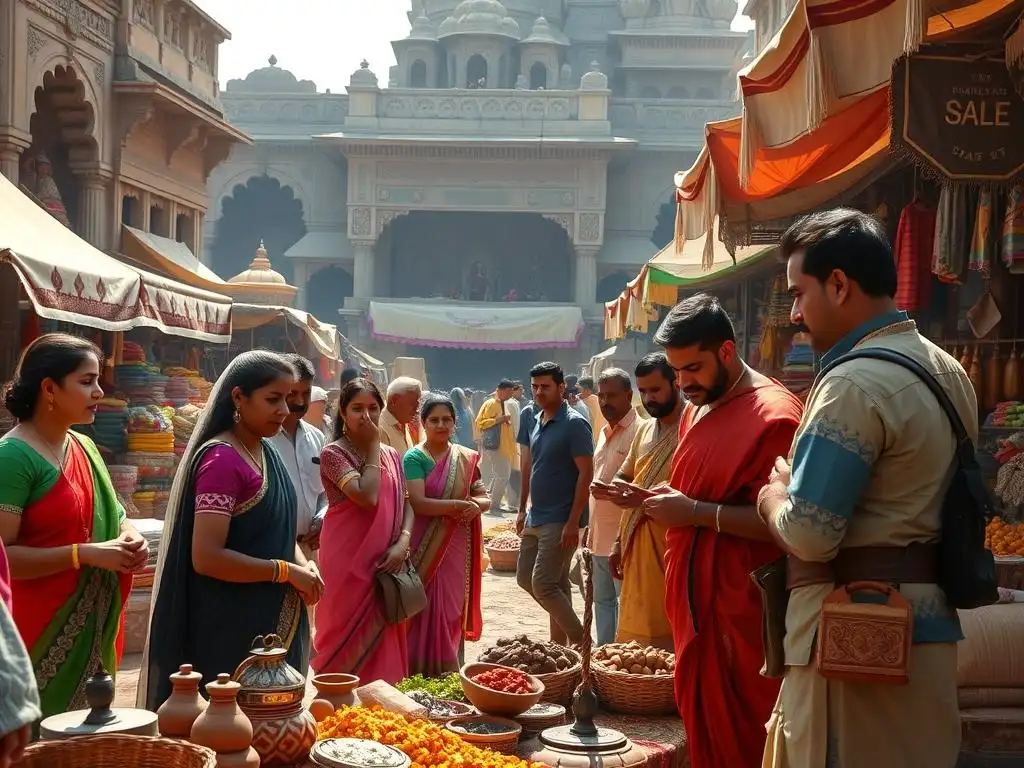
Welcome to Ancient India History, where we embark on a fascinating journey through the rich tapestry of India's past. Here, we delve into the intricate web of trade and economy that shaped ancient civilizations, with a special focus on the concept of fair trade in ancient India. As you explore our featured article, "Ancient Trade and the Concept of Fair Trade in Indian History," prepare to uncover the sophisticated practices and ethical considerations that governed commerce long before modern standards.
What did fair trade look like in the bustling markets of the Indus Valley or during the flourishing Gupta Empire? Join us as we unlock the secrets of ancient trade and its enduring legacy, inviting you to delve deeper into the vibrant history that continues to influence us today.
Introduction to Trade in Ancient India
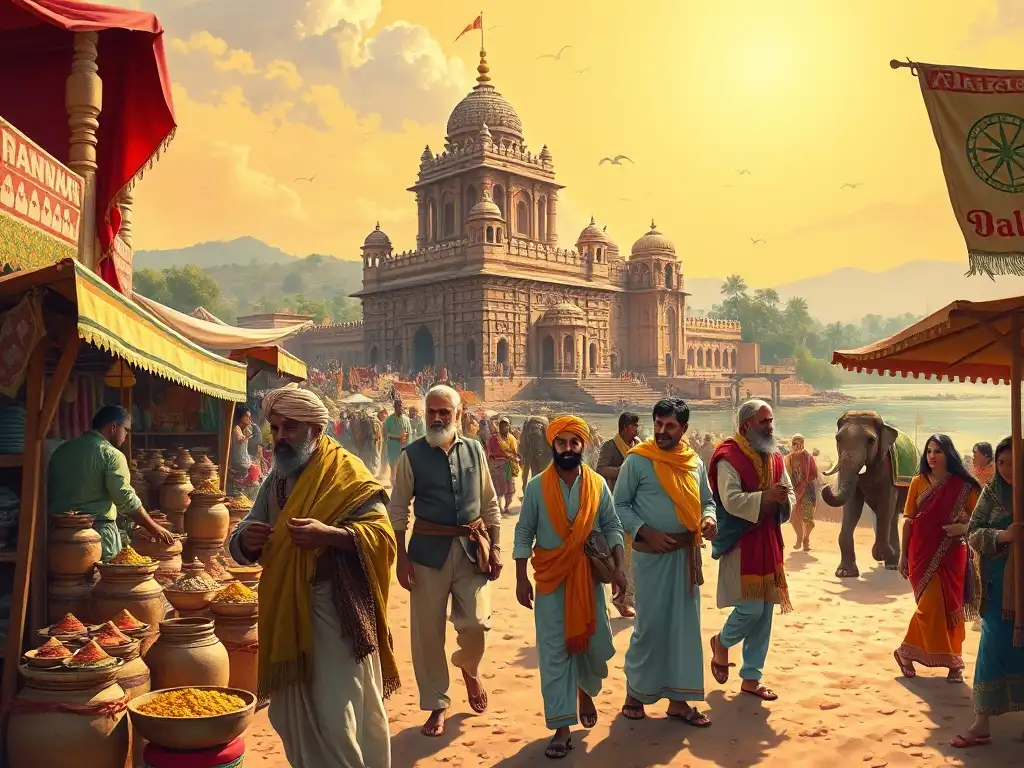
The concept of trade in ancient India was not merely a means of exchanging goods; it was a complex system that interwove economic, cultural, and social dimensions. As civilizations flourished along the fertile banks of rivers and across the expansive landscapes of the subcontinent, trade routes emerged, connecting diverse communities and facilitating the exchange of commodities, ideas, and innovations.
This article delves into the intricate web of trade in ancient India, focusing particularly on the principles of fair trade that governed these interactions. By understanding the mechanisms of ancient trade, we can appreciate how these practices laid the groundwork for modern trade principles and their ethical implications.
Overview of Ancient Indian Civilizations
Ancient India was home to several remarkable civilizations, each contributing uniquely to the tapestry of trade. The Indus Valley Civilization, one of the earliest urban cultures, established trade networks that reached as far as Mesopotamia. Following this period, the Maurya and Gupta Empires saw significant expansion in both internal and external trade. These civilizations were characterized by a diverse economy, where agriculture, craftsmanship, and trade flourished, allowing for the exchange of goods such as textiles, spices, and precious stones.
Importance of Trade in Economic Development
Trade played a crucial role in the economic development of ancient India. It facilitated cultural exchange, stimulated local economies, and fostered relationships between different regions and cultures. The interaction between merchants and traders promoted technological advancements and the spread of innovations such as metallurgy and textile production. Additionally, trade contributed to the wealth of kingdoms, enabling them to maintain armies and engage in diplomatic relations. The ethical practices of fair trade ensured that transactions were conducted with integrity, promoting equitable relationships among traders.
Major Trade Routes in Ancient India
Ancient India was characterized by a vast network of trade routes that facilitated commerce and cultural exchange. These routes were essential for the movement of goods and ideas, shaping the economic landscape of the subcontinent.
The Indus Valley Trade Network
The Indus Valley Civilization (circa 3300–1300 BCE) boasted an extensive trade network that connected its cities, such as Harappa and Mohenjo-Daro, with neighboring regions. Artifacts discovered in archaeological sites indicate that they traded a variety of goods, including pottery, beads, and metals. This network not only facilitated trade within the region but also established connections with distant lands, underscoring the importance of trade in sustaining urban life and culture.
The Silk Road and Its Influence on Indian Trade
The Silk Road, a series of interconnected trade routes, played a pivotal role in shaping the economic landscape of ancient India. Spanning from China to the Mediterranean, this network allowed Indian traders to exchange goods such as silk, spices, and precious stones with other civilizations. The cultural exchanges that occurred along the Silk Road introduced new ideas, religions, and technologies to Indian society, further enriching its cultural fabric. The principles of fair trade were vital during these exchanges, ensuring that all parties benefited from the transactions.
Maritime Trade Routes and Their Significance
In addition to overland routes, ancient India also engaged in robust maritime trade. The Indian Ocean served as a vital artery for commerce, linking India to Southeast Asia, Africa, and the Middle East. Indian traders navigated these waters, exporting spices, textiles, and gems while importing luxury items such as gold and ivory. The maritime trade routes not only facilitated economic exchanges but also fostered cultural interactions, allowing for the dissemination of ideas and practices across vast distances. The concept of fair trade was pivotal in maintaining healthy trade relationships in these bustling maritime hubs.
Fair Trade in Ancient India
Fair trade in ancient India was not just a concept, but a practical approach to commerce that emphasized equity and mutual benefit among traders. This practice was deeply rooted in the cultural, social, and economic contexts of ancient Indian civilizations.
It revolved around the idea of ensuring that all parties involved in trade received a fair value for their goods, which fostered trust and long-lasting relationships among merchants. The principles of fair trade were evident in various trade routes, including the Silk Road, which connected India with distant lands, facilitating not just the exchange of goods but also ideas and cultural interactions.
Definition of Fair Trade in Historical Context
In the historical context of ancient India, fair trade can be defined as a system of exchange that prioritized ethical practices, honesty, and respect among traders. Unlike modern interpretations that often emphasize consumer rights and sustainability, fair trade in ancient times was more about the social responsibilities of merchants. It was characterized by:
- Equitable Pricing: Prices were set based on mutual agreement, ensuring that neither party was exploited.
- Honesty in Transactions: Merchants were expected to be truthful about the quality and origins of their goods.
- Cultural Exchange: Trade was also a means of cultural dialogue, where ideas, traditions, and practices were shared alongside commodities.
This system was ingrained in the dharmic principles of ancient society, which guided the ethical conduct of individuals in their personal and professional lives.
Comparison of Ancient and Modern Fair Trade Concepts
While the core principles of fair trade remain relevant, there are notable differences between ancient and modern interpretations.
- Focus on Relationships vs. Regulations: Ancient fair trade emphasized interpersonal relationships and trust among traders, while modern fair trade is often governed by strict regulations and certification processes.
- Cultural Exchange vs. Economic Justice: Ancient trade facilitated cultural exchanges as much as, if not more than, economic transactions. In contrast, modern fair trade focuses heavily on economic justice, ensuring fair wages and working conditions for producers.
- Community-Based vs. Global Market: Ancient fair trade was predominantly local and community-based, whereas today’s fair trade operates on a global scale, connecting consumers directly with producers from developing countries.
Understanding these differences helps illuminate the evolution of trade practices and ethical standards throughout history.
Ethical Trading Practices in Ancient Indian Markets
Ancient Indian markets were characterized by several ethical trading practices that supported the concept of fair trade:
- Standardized Weights and Measures: To ensure fairness in transactions, standardized weights and measures were widely adopted, which minimized disputes over pricing.
- Merchant Guilds: These organizations played a crucial role in regulating trade practices among their members, often enforcing codes of conduct that promoted ethical dealings.
- Local Governance: Market transactions were often overseen by local rulers or community leaders who ensured compliance with ethical standards, thus fostering a sense of responsibility among traders.
These practices not only contributed to the fairness of trade but also enhanced the overall stability and trust within the marketplace.
Key Commodities and Their Role in Trade
Ancient India was a hub for various commodities that were integral to trade. The significance of these commodities extended beyond mere economic value; they played a crucial role in cultural exchanges and the development of trade networks.
Spices and Their Value in Ancient Trade
Spices were among the most sought-after commodities in ancient trade, with India being a primary source for various spices such as black pepper, cardamom, and cinnamon. Their value stemmed from both culinary and medicinal uses, making them essential for domestic consumption and export. The spice trade contributed significantly to the economy, as Indian spices were highly prized in markets across the Middle East and Europe, leading to lucrative trade routes.
Textiles: The Fabric of India's Trade
India's textile industry was renowned for its high-quality fabrics, including silk, cotton, and wool. These textiles were not only used locally but were also exported along trade routes, including the Silk Road. The intricate designs and vibrant colors of Indian textiles attracted merchants from various regions, establishing India as a leading player in the global textile market. The trade of textiles played a vital role in the economy and contributed to cultural exchanges, influencing fashion and textile techniques in other civilizations.
Precious Stones and Metals in Trade Transactions
Precious stones and metals, such as gold, silver, diamonds, and pearls, were highly valued in ancient Indian trade. India was known for its rich deposits of these resources, making it a central hub for gem trading. Transactions involving precious stones were often marked by strict ethical standards, where merchants upheld honesty about the quality and authenticity of their goods. The trade of these commodities not only fostered economic prosperity but also established India’s reputation as a center for luxury goods in the ancient world.
Trade Regulations and Practices
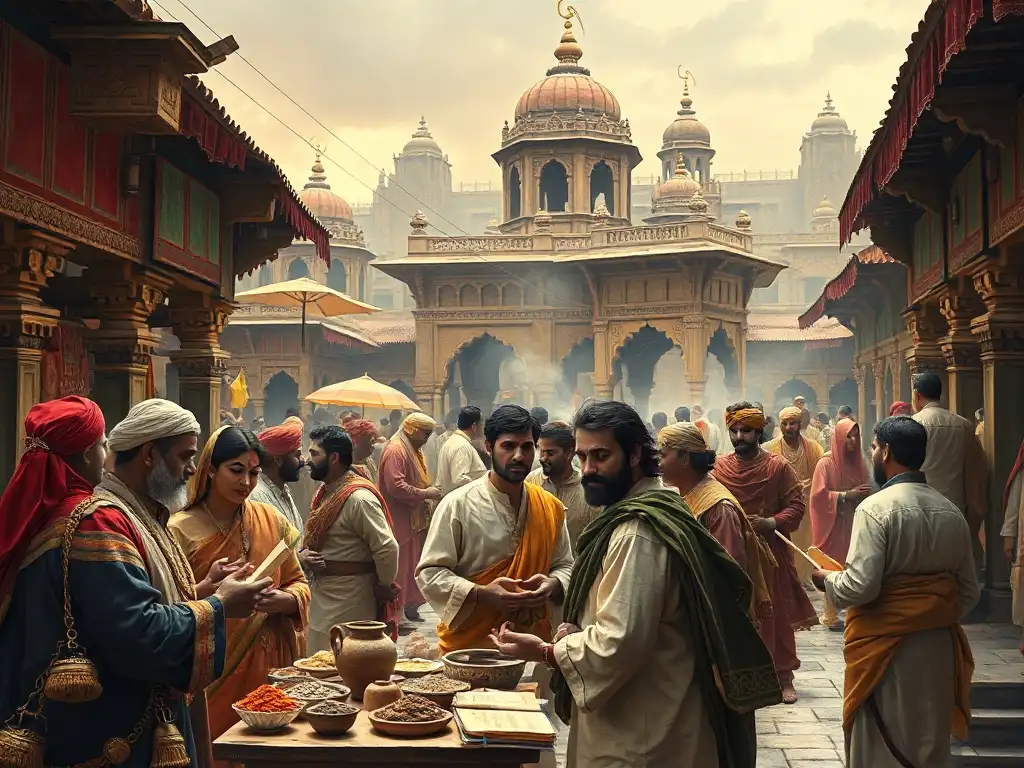
Ancient India was characterized by a complex network of trade routes and regulations that facilitated commerce both within the subcontinent and with distant lands. The regulation of trade was pivotal in ensuring fairness and stability in transactions, particularly in a society where trust and reputation played vital roles. Various texts from ancient India, including the Arthashastra by Kautilya, outline the principles of trade regulation and the need for fair practices among merchants.
Trade was governed by a mix of customary laws and formal regulations. Merchants were expected to adhere to ethical standards that promoted honesty, transparency, and fairness in their dealings. The establishment of weights and measures was crucial to maintain uniformity and prevent fraud, ensuring that both buyers and sellers were treated equitably. Moreover, local and regional authorities were responsible for enforcing these regulations, which included the imposition of fines for dishonest practices.
Ancient Indian Trade Laws and Fairness
Ancient Indian trade laws emphasized fairness and justice in commercial activities. The Arthashastra not only provided a framework for governance but also outlined specific laws related to trade. These laws aimed to protect the interests of consumers and merchants alike. For instance, merchants who engaged in deceitful practices faced harsh penalties, reflecting the value placed on ethical trading.
The concept of fairness was deeply ingrained in the trade practices of ancient India. Trade laws included provisions for resolving disputes, which often involved mediation by local leaders or community elders. This approach ensured that conflicts were settled amicably, fostering a sense of community and mutual respect among traders.
Role of Guilds in Regulating Trade Fairness
Guilds, known as shrenis, played a significant role in regulating trade and ensuring fairness among merchants. These associations of craftsmen and traders were responsible for setting standards for quality, prices, and ethical conduct in their respective trades. By establishing codes of conduct, guilds helped maintain a level playing field, discouraging dishonest practices and promoting fair trade.
Guilds also acted as mediators in disputes, providing a structured environment for resolving conflicts. They were instrumental in enforcing trade laws and ensuring compliance among members, thereby enhancing the overall integrity of commerce. The collective power of guilds not only protected individual merchants but also contributed to the stability of the economy.
Barter System and Its Influence on Fair Trade Practices
The barter system was the predominant mode of exchange in ancient India before the introduction of currency. This system necessitated direct negotiation between parties, which often led to a natural emphasis on fairness. Since goods were exchanged directly, both parties had to agree on the value of items, fostering a culture of negotiation and mutual respect.
The barter system influenced trade practices by promoting transparency and accountability. Without a standardized currency, traders relied on their reputation and relationships, which were built on trust. This reliance on personal integrity helped cultivate a fair trading environment, as dishonesty could lead to loss of business and social standing.
Cultural Exchange through Trade
Trade in ancient India was not merely an economic activity; it was a conduit for cultural exchange and interaction. The movement of goods facilitated the sharing of ideas, customs, and innovations across diverse regions. This exchange enriched Indian culture, leading to a vibrant amalgamation of influences that shaped society.
Impact of Trade on Indian Culture and Society
The impact of trade on Indian culture and society was profound. As merchants traveled along trade routes, they brought not only goods but also diverse cultural practices and beliefs. This interaction led to the integration of various cultural elements, including art, language, and cuisine. For instance, the introduction of spices and textiles from different regions transformed Indian culinary practices and textile production.
Moreover, trade contributed to the rise of urban centers, where cultural and intellectual exchanges flourished. Cities like Taxila and Pataliputra became melting pots of ideas and innovations, fostering advancements in various fields, including science, mathematics, and philosophy.
Exchange of Ideas and Innovations via Trade Routes
Trade routes served as vital channels for the exchange of ideas and innovations. Indian traders interacted with merchants from distant lands, including Persia, Arabia, and even the Roman Empire, leading to a mutual exchange of knowledge. This interaction facilitated the spread of Indian numerals and mathematical concepts to other cultures, significantly influencing global mathematics.
Additionally, advancements in technology, such as shipbuilding and navigation, were shared among traders, enhancing trade efficiency and safety. The Silk Road and maritime routes were instrumental in this exchange, enabling the flow of not just goods but also cultural and intellectual capital.
The Role of Religion in Trade Relations
Religion played a crucial role in shaping trade relations in ancient India. Many traders were motivated by religious principles that emphasized ethical conduct and fairness in commerce. Texts such as the Dharma Shastras advocated for honesty in trade and the importance of treating others with respect, which influenced traders' behavior.
Moreover, religious festivals and pilgrimages often coincided with trade fairs, creating opportunities for commerce and cultural exchange. These gatherings brought together people from various backgrounds, fostering relationships that transcended economic transactions. The intertwining of trade and religion reinforced the values of fairness and community, essential for sustaining long-term trade relations.
Conclusion: Legacy of Fair Trade in Ancient India
The concept of fair trade in ancient India reflects a complex interplay of ethics, commerce, and societal values. Trade routes such as the Silk Road and maritime paths not only facilitated the exchange of goods but also the sharing of ideas and cultural practices.
The ancient Indian merchants, guided by principles of honesty and mutual benefit, laid the groundwork for ethical trading practices that resonate with modern concepts of fair trade. The legacy of these practices is evident in the historical texts and archaeological findings that showcase the emphasis on equitable exchange and respect for the labor involved in production.
The historical framework of fair trade in ancient India demonstrates that ethical considerations were integral to commerce long before the contemporary movement emerged. This legacy has influenced various cultures and continues to inspire discussions on the need for equitable trading relationships in today's global economy. By understanding and honoring this historical context, we can appreciate the depth of ancient Indian trade practices and their relevance to current economic principles.
Lasting Impact on Modern Trade Practices
The principles of fair trade as practiced in ancient India have left a significant mark on modern trade practices. The emphasis on equitable exchange, ethical sourcing, and respect for labor resonates with current fair trade initiatives aimed at ensuring that producers in developing countries receive fair compensation for their goods. Modern fair trade organizations often highlight the importance of transparency and sustainability, values that can be traced back to the trading practices of ancient Indian merchants.
Furthermore, the ancient trade networks established by Indian traders facilitated not only the movement of goods but also the exchange of knowledge regarding trade ethics. This cross-cultural exchange has shaped contemporary fair trade standards, influencing how businesses operate in a globalized market. The commitment to social responsibility and environmental stewardship seen in today's fair trade practices echoes the values upheld by ancient Indian traders, demonstrating a continuity of ethical considerations in commerce.
Lessons from Ancient Trade for Contemporary Fair Trade Movements
Ancient Indian trade offers valuable lessons for contemporary fair trade movements. First and foremost, the importance of building trust within trade relationships cannot be overstated. Ancient merchants often relied on personal relationships and reputation, fostering an environment of trust that is essential for fair trade today. This highlights the need for transparency and accountability in modern supply chains, where consumer awareness and ethical considerations are increasingly prioritized.
Additionally, the ancient practice of valuing artisans and producers reflects a need to recognize the contributions of all stakeholders in the production process. By ensuring that artisans receive fair compensation and recognition, contemporary fair trade movements can create sustainable economic opportunities for marginalized communities.
Lastly, the adaptability of ancient trade practices in response to changing markets and societal needs serves as a reminder of the importance of flexibility and innovation in modern fair trade. As consumer preferences evolve, fair trade organizations can learn from the resilience of ancient traders who navigated challenges and changes in their environments, adapting their practices to ensure continued success.
References
Key Texts and Archaeological Sources
- Arthashastra by Kautilya - This ancient text on statecraft and economics provides insights into trade practices and ethical considerations in commerce.
- Manusmriti - A legal text that discusses the roles and responsibilities of merchants in trade, emphasizing fairness and ethical conduct.
- Jataka Tales - These stories contain moral lessons that reflect the values of fairness and mutual respect in trade relationships.
- Archaeological findings from sites like Harappa and Mohenjo-Daro - Evidence from these sites highlights the sophistication of trade networks and the importance of ethical trading practices in ancient India.
Further Reading on Ancient Indian Trade and Economy
- "The Ancient Indian Economy" by R. S. Sharma - A comprehensive analysis of the economic structures and trade practices in ancient India.
- "Trade and Traders in Ancient India" by R. C. Majumdar - This work explores the role of trade in the development of ancient Indian civilization.
- "The Silk Road: A New History": by Valerie Hansen - A broader context on trade routes, including the influence of Indian traders on global commerce.
- "Merchants of the East India Company" by Philip J. Haythornthwaite - A study of the evolution of trade practices from ancient to modern times, shedding light on the continuity of fair trade principles.
- Introduction to Trade in Ancient India
- Major Trade Routes in Ancient India
- Fair Trade in Ancient India
- Key Commodities and Their Role in Trade
- Trade Regulations and Practices
- Cultural Exchange through Trade
- Conclusion: Legacy of Fair Trade in Ancient India
- References
Frequently Asked Questions
What was the significance of trade in ancient India?
Trade played a crucial role in ancient India, facilitating economic growth and cultural exchange. It helped establish connections between different civilizations and contributed to the prosperity of ancient societies.
How did fair trade manifest in ancient Indian commerce?
In ancient India, fair trade was often characterized by ethical practices and mutual benefit. Merchants adhered to principles that ensured equitable transactions, fostering trust among traders and customers.
What were the main commodities traded in ancient India?
Ancient India was known for trading a variety of valuable commodities, including spices, textiles, and precious stones. These goods were in high demand both domestically and internationally, influencing global trade routes.
How did the Gupta Empire influence trade practices?
The Gupta Empire significantly enhanced trade practices by promoting local craftsmanship and establishing a more organized market system. This era saw the flourishing of trade networks and an increase in fair trade principles.
What impact did ancient trade have on Indian culture?
Ancient trade not only boosted the economy but also led to a cultural exchange that enriched Indian society. It introduced new ideas, religions, and customs, shaping the diverse cultural landscape of ancient India.
Final Reflection: The Enduring Legacy of Fair Trade in Ancient India
The principles of fair trade, deeply rooted in the ancient trade practices of India, resonate profoundly in today's global economy. As we navigate an increasingly interconnected world, the lessons from our past remind us that equitable exchange and ethical considerations have always been vital to thriving societies. The historical context of fair trade in ancient India not only highlights the sophistication of our ancestors' economic systems but also underscores the relevance of these practices in combating modern inequalities.
The concept of fair trade has evolved, yet its core values remain essential in shaping our cultural and social landscape. The ancient Indian merchants, who prioritized fairness and mutual benefit, laid the groundwork for contemporary discussions on ethical trade. Their commitment to equitable practices serves as a powerful reminder that commerce can be a force for good. Trade is not just about goods; it is about relationships and the values we uphold.
This quote encapsulates the essence of trade as a means to foster community and respect, principles that are more crucial than ever in our current economic climate.
As we reflect on the lessons of fair trade in ancient India, I invite you to consider how these principles can be applied in your own life. How can you contribute to a fairer economy in your community? Whether through supporting local artisans, advocating for ethical sourcing, or simply being mindful of the impact of your purchases, each action can create ripples of change. Let us honor the legacy of our ancestors by embracing the spirit of fair trade and striving for a more just and equitable world.
Unveil the Impact of Fair Trade on Today’s World!
Thank you for taking the time to explore the fascinating interplay between ancient trade practices and the concept of fair trade in India. Your journey through history has revealed how these age-old practices still influence our modern marketplace and ethics. Now, it’s time to take that knowledge and let it inspire real-world actions!
Here are some practical steps you can take to deepen your understanding and contribute positively to the world of fair trade:
- Dive deeper into fair trade: Research local fair trade organizations in your area or online. Discover how these organizations are transforming communities and creating equitable economies.
- Make informed purchases: Choose to support businesses that prioritize ethical sourcing and fair trade practices. Your buying power can help foster sustainable economic practices.
- Share your knowledge: Discuss your insights from this article with friends and family or share them on social media. Engaging in conversations about fair trade can inspire others to make thoughtful choices.
What unique fair trade products have you discovered that surprised you, and how do they contribute to a more equitable global market? We’d love to hear your thoughts!