
The Rise and Fall of Major Trade Routes in Ancient India


Welcome to Ancient India History, where we embark on a captivating journey through the rich tapestry of one of the world's oldest civilizations. In our featured article, "The Rise and Fall of Major Trade Routes in Ancient India," we delve into the intricate web of ancient India trade routes history, revealing how these pathways not only facilitated commerce but also fostered cultural exchanges that shaped the very fabric of society.
As you explore the legacy of these routes, prepare to uncover the secrets of prosperity and decline that defined ancient trade. Dive in and discover how the echoes of the past continue to influence our world today!
- Introduction to Ancient India Trade Routes History
- Major Trade Routes in Ancient India
- Factors Influencing the Rise of Trade Routes in Ancient India
- The Decline of Major Trade Routes in Ancient India
- The Legacy of Ancient India Trade Routes
- Conclusion
- Frequently Asked Questions
- Final Reflection: The Enduring Legacy of Ancient India Trade Routes
- Unveil the Secrets of Ancient Trade Routes!
Introduction to Ancient India Trade Routes History
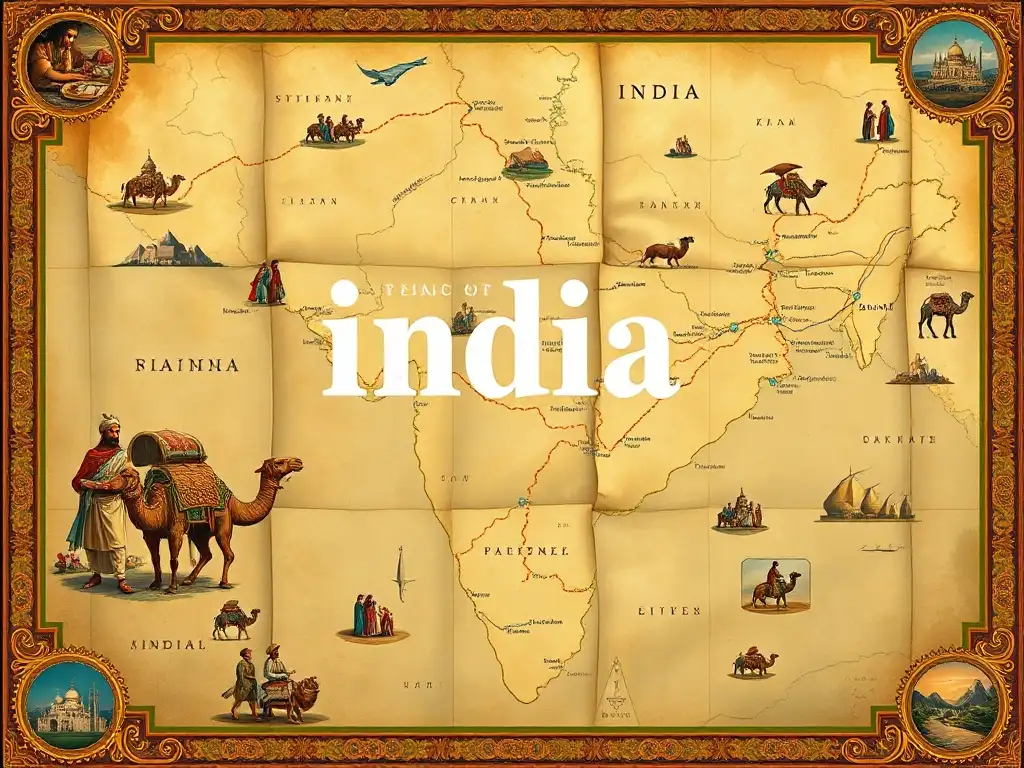
The history of ancient India is deeply intertwined with the rise and fall of its trade routes, which served as vital arteries of commerce, culture, and communication. Spanning from the sophisticated urban centers of the Indus Valley Civilization to the flourishing kingdoms of the Gupta Empire, these trade routes not only facilitated the exchange of goods but also fostered a rich tapestry of cultural interactions.
Understanding the evolution and significance of these trade pathways offers valuable insights into the economic strategies and social dynamics of ancient Indian civilizations. This exploration reveals how trade routes shaped the landscape of ancient India, connecting it with distant lands and contributing to its historical legacy.
The Importance of Trade Routes in Ancient India
Trade routes were essential for the economic prosperity and cultural development of ancient India. They served multiple purposes, including:
- Economic Growth: Trade routes enabled the exchange of valuable commodities such as spices, textiles, precious stones, and metals. This influx of goods stimulated local economies and encouraged craftsmanship.
- Cultural Exchange: Along these routes, diverse cultures interacted, leading to the exchange of ideas, religions, and technologies. For instance, the spread of Buddhism and Hindu philosophies was significantly influenced by trade interactions.
- Political Alliances: Trade often necessitated diplomacy and alliances between different kingdoms. Collaborative trade relationships helped to strengthen political ties and maintain stability in the region.
In essence, these routes not only facilitated trade but also contributed to the overall development of ancient Indian society, influencing its political, social, and cultural fabric.
Overview of Major Trade Routes and Their Impact on Civilization
Several major trade routes played a pivotal role in shaping the history of ancient India. Key routes included:
- The Silk Road: Connecting India with Central Asia and beyond, the Silk Road was instrumental in the exchange of silk, spices, and knowledge. It linked Indian merchants with traders from the Middle East and Europe, enhancing cross-cultural interactions.
- The Spice Route: Renowned for its exotic spices, this route connected India with markets in the Mediterranean and beyond. Indian spices were highly sought after, leading to increased maritime trade and economic prosperity.
- The Grand Trunk Road: One of the oldest and longest major roads in Asia, the Grand Trunk Road facilitated trade across northern India. It connected key cities and contributed to the movement of goods and people throughout the region.
The impact of these trade routes on civilization was profound, leading to the establishment of urban centers, the rise of powerful empires, and the exchange of cultural practices. As trade flourished, so did the wealth and influence of ancient Indian societies, leaving a lasting legacy that continues to be felt today.
Major Trade Routes in Ancient India
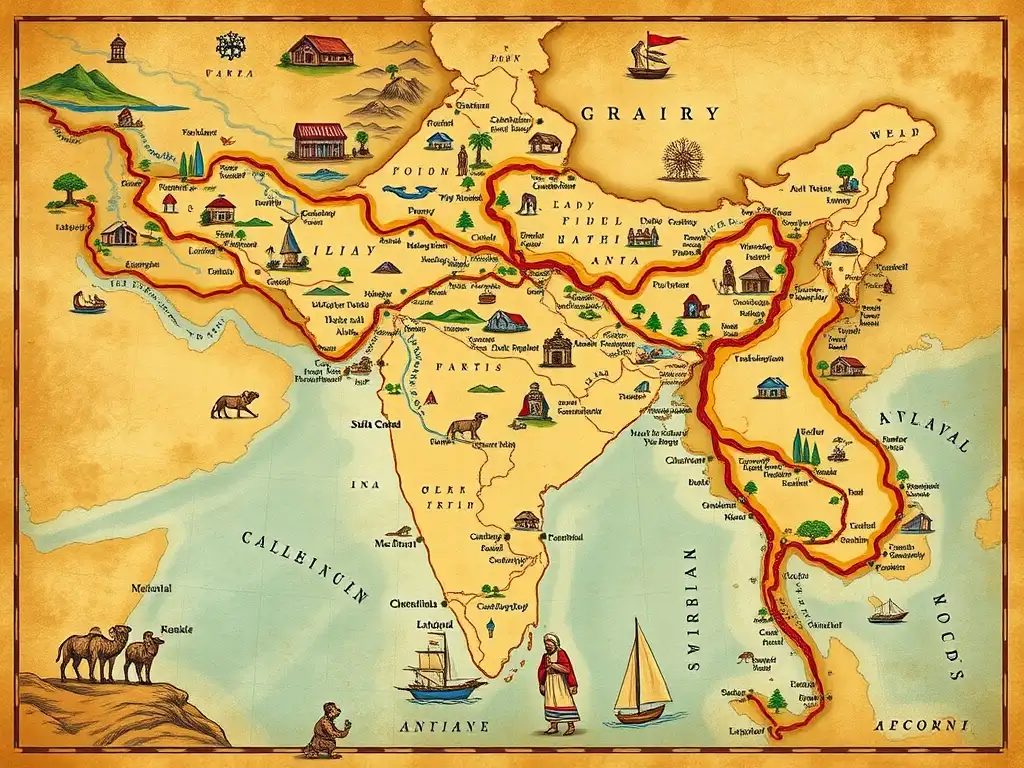
Ancient India was strategically located at the crossroads of major trade routes, which facilitated the exchange of goods, culture, and ideas between the East and the West. These trade routes were not only crucial for economic prosperity but also played a significant role in the cultural and social development of ancient Indian civilizations. This section delves into two of the most prominent trade routes: the Silk Road and the Spice Route.
The Silk Road: A Gateway to the East
The Silk Road was a network of trade routes that connected the East and West, stretching from China to the Mediterranean. While it is often associated with silk, the Silk Road facilitated a diverse exchange of goods, cultures, and technologies. Ancient India was an integral part of this trade network, serving as a crucial link between various civilizations.
Key Cities Along the Silk Road in Ancient India
Several cities in ancient India emerged as key centers of trade along the Silk Road. These cities were not only economic hubs but also cultural melting pots where ideas and traditions were exchanged. Some notable cities include:
- Taxila: Located in present-day Pakistan, Taxila was a major center for trade and education. It attracted merchants and scholars from across Asia.
- Ujjain: Situated in central India, Ujjain was known for its astronomical observatories and was a key trading center for spices and textiles.
- Pataliputra: The capital of the Maurya Empire, Pataliputra served as a significant political and commercial hub, connecting various trade routes.
Goods Traded on the Silk Road
The Silk Road facilitated the exchange of a wide variety of goods between different cultures. Key commodities traded from ancient India included:
- Silk: Although primarily associated with China, Indian silk was also highly sought after.
- Spices: India was renowned for its spices, which were in high demand across Asia and Europe.
- Textiles: Cotton and woolen textiles were major exports from India, known for their quality and craftsmanship.
The Spice Route: The Quest for Spices
The Spice Route was another vital trade network that linked India to the Mediterranean and beyond. Spices were among the most sought-after commodities in ancient times, driving explorations and trade expeditions. This route played a pivotal role in the economic history of ancient India, as spices were not only valued for their culinary use but also for their medicinal properties.
Historical Significance of the Spice Trade
The spice trade significantly influenced the economic landscape of ancient India. Key points include:
- Economic Prosperity: The demand for Indian spices led to increased trade and wealth, enabling the rise of powerful kingdoms.
- Cultural Exchange: The interaction of traders from various regions facilitated the exchange of ideas, art, and culture, enriching Indian civilization.
- Colonial Interests: The allure of spices eventually attracted European powers, leading to exploration and colonization in the later centuries.
Major Ports and Trading Centers in Ancient India
Several ports and trading centers along the Spice Route emerged as crucial hubs for the spice trade:
- Kochi: Located on the southwestern coast, Kochi was a significant spice trading port, attracting traders from Arabia, Europe, and beyond.
- Kolkata (Calcutta): Serving as a major port city, Kolkata was pivotal for the export of spices and other goods during ancient and colonial times.
- Mandvi: This port in Gujarat was known for its shipbuilding and trade, particularly in spices and textiles.
These trade routes shaped the ancient Indian economy and facilitated a rich tapestry of cultural interactions, leaving an enduring legacy that continues to be explored in the study of ancient India trade routes history.
The Grand Trunk Road: A Lifeline of Trade
The Grand Trunk Road, often regarded as one of the oldest and longest major roads in Asia, has played a pivotal role in the ancient India trade routes history. Stretching over 2,400 kilometers, it connects eastern India with the western regions, facilitating not only the movement of goods but also cultural and social exchanges. This ancient thoroughfare has served as a critical artery for trade since its inception, linking key cities such as Peshawar, Delhi, and Kolkata.
The significance of the Grand Trunk Road can be traced back to the Mauryan and Gupta empires, during which it was utilized for transporting goods, military movements, and administrative purposes. The road's strategic importance continued through various dynasties, adapting to the changing political and economic landscapes of the region.
The Historical Evolution of the Grand Trunk Road
The origins of the Grand Trunk Road date back to the Mauryan Empire (circa 322-185 BCE), where it was initially developed to enhance trade and communication across the vast territories. Emperor Ashoka, known for his extensive road-building initiatives, is often credited with further paving and expanding this route, facilitating commerce and the spread of Buddhism.
During the medieval period, the road underwent significant renovations under various rulers, including the Mughal Empire in the 16th century. Akbar the Great, recognizing the road's economic potential, expanded and improved it to ensure the swift movement of troops, goods, and information across the empire. This period saw the establishment of numerous sarai (rest stops) along the route, which provided shelter and supplies for travelers and traders.
As trade flourished, the Grand Trunk Road became a melting pot of cultures. Its historical evolution reflects the dynamic interplay of local and foreign influences, with merchants from different backgrounds contributing to the exchange of goods and ideas. The road's adaptability and resilience have allowed it to thrive through centuries, remaining a vital trade route even in contemporary times.
Economic and Cultural Exchange Along the Grand Trunk Road
The Grand Trunk Road has been instrumental in fostering economic and cultural exchange across regions. As it facilitated the movement of goods such as spices, textiles, and precious stones, it connected various marketplaces and trade hubs, including Delhi, Lahore, and Kolkata.
Merchants traversing this route contributed to the diversification of local economies, introducing new products and practices. The exchange of goods was accompanied by the mingling of cultures, leading to a rich tapestry of traditions, languages, and cuisines. For instance, the road enabled the spread of the silk trade, which linked India to Central Asia and beyond, enhancing the global trading network.
Moreover, the Grand Trunk Road has witnessed the interchange of ideas and philosophies, particularly during the spread of religions such as Buddhism and Islam. The movement of scholars and religious leaders along this route facilitated the dissemination of knowledge, contributing to the cultural and intellectual growth of ancient Indian society.
The Grand Trunk Road stands as a testament to the intricate and multifaceted nature of trade in ancient India. Its historical significance and continued relevance highlight the enduring legacy of this vital trade route in shaping the economy and culture of the region.
Factors Influencing the Rise of Trade Routes in Ancient India
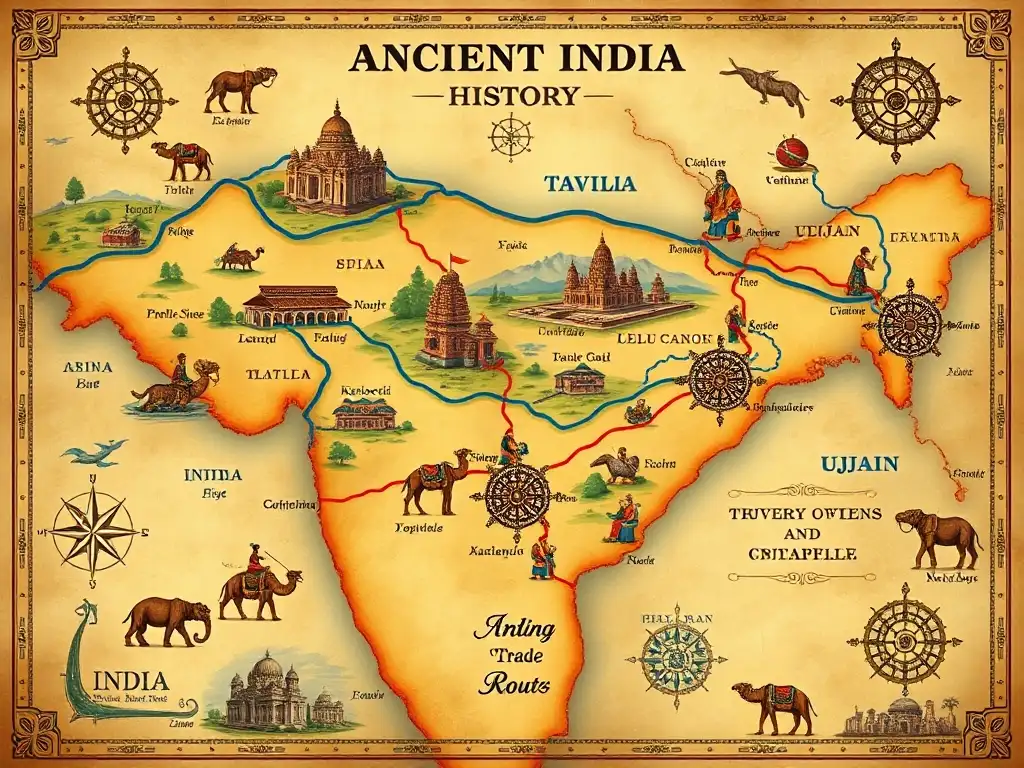
Geographical Advantages of Ancient India
Ancient India was strategically positioned between several significant regions, which played a crucial role in the development of trade routes. The subcontinent is bordered by the Himalayas to the north, providing natural protection and facilitating trade with Central Asia. In the south, the Indian Ocean served as a maritime highway, connecting India to Southeast Asia, Africa, and beyond. This advantageous location allowed for a variety of trade routes to emerge, both overland and maritime.
- River Systems: The Indus and Ganges river systems not only supported agriculture but also acted as vital trade arteries. Goods could be transported via boats, enhancing trade efficiency. The fertile plains along these rivers encouraged the growth of populous trade centers such as Harappa and Mohenjo-Daro.
- Mountain Passes: Passes like the Khyber Pass facilitated overland trade with regions such as Persia and Central Asia. These routes were crucial for the exchange of goods like silk, spices, and precious metals.
- Coastal Trade: The extensive coastline of India, particularly along the western and eastern shores, fostered maritime trade. Ports like Lothal and Surat became bustling centers for commerce with various civilizations, including the Romans and the Arabs.
Political Stability and Its Role in Trade Development
Political stability in ancient India significantly contributed to the flourishing of trade routes. When kingdoms were unified under strong rulers, trade flourished due to several factors:
- Protection of Trade Routes: Empires such as the Maurya and Gupta ensured the safety of traders and their goods through military presence along major routes. This protection was vital in fostering an environment conducive to trade.
- Standardization of Weights and Measures: Political entities often implemented standardized weights and measures, which facilitated fair trade practices. This standardization helped in building trust among traders, both local and foreign.
- Infrastructure Development: Stable governments invested in infrastructure, including roads and caravanserais (resting places for merchants). This infrastructure made the transportation of goods more efficient, further promoting trade.
The stability provided by centralized power allowed for the establishment of long-term trading agreements and partnerships, which were essential for expanding trade networks.
Cultural Interactions and Exchanges Through Trade
Trade routes in ancient India were not just conduits for goods; they were also channels for cultural exchange. The interactions between diverse civilizations led to significant cultural enrichment:
- Spread of Ideas: Trade facilitated the exchange of philosophical and religious ideas. For instance, the spread of Buddhism from India to Central Asia and China occurred largely through trade routes, influencing various cultures along the way.
- Art and Craftsmanship: The mixing of cultures resulted in a rich tapestry of artistic expressions. Techniques such as the production of fine textiles, pottery, and metalwork were shared and adapted across regions.
- Language and Literature: Trade interactions also contributed to linguistic exchanges. Sanskrit and other local languages influenced the dialects of neighboring regions, and literary traditions flourished as ideas traveled along trade routes.
The trade routes of ancient India were dynamic pathways that enabled not only economic prosperity but also significant cultural interactions. These exchanges laid the groundwork for a rich historical legacy that shaped the subcontinent's identity and its role in global commerce.
The Decline of Major Trade Routes in Ancient India
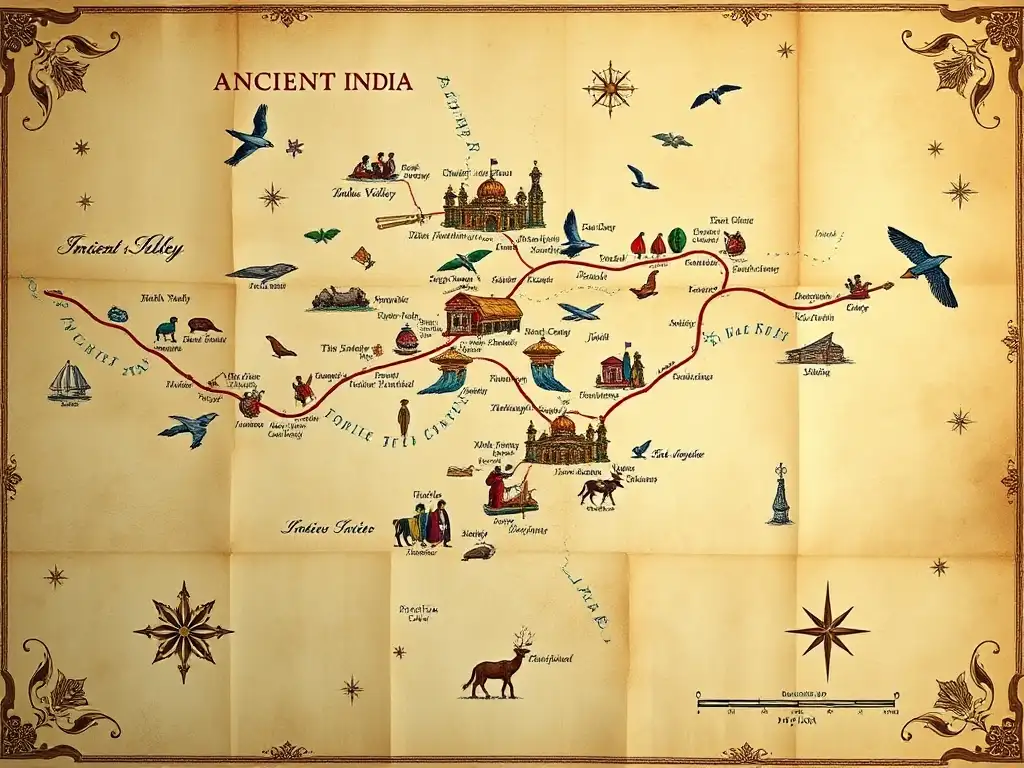
The decline of major trade routes in Ancient India is a multifaceted phenomenon influenced by various economic, political, and social changes. Understanding this decline provides insight into how the intricate tapestry of trade evolved and transformed over centuries. This section delves into the key factors contributing to the decline of these vital trade arteries, which once facilitated the exchange of goods, culture, and ideas across vast distances.
Economic Shifts and Their Impact on Trade Routes
The economic landscape of Ancient India underwent significant transformations that adversely affected trade routes. One major factor was the shift from agrarian economies to more localized forms of production. As regions became self-sufficient, the reliance on long-distance trade diminished.
- Agricultural Changes: With advancements in agricultural techniques and crop variety, local markets began to flourish. This led to reduced demand for goods that were traditionally traded from distant lands.
- Currency and Trade Practices: The introduction of coinage and standardized weights fostered local trade but diminished the need for extensive trade networks. As local economies grew stronger, the necessity for international trade routes lessened.
The resulting economic isolation had a direct impact on trade routes, causing them to fall into disuse as merchants shifted focus to local markets.
Invasions and Their Effects on Trade
Invasions played a crucial role in the decline of ancient trade routes in India. Various groups, including the Indo-Greeks, Kushans, and later the Huns, disrupted established trade networks.
- Disruption of Security: Invasions often led to instability and insecurity along trade routes. Merchants faced threats from banditry and warfare, making long-distance trade perilous. This made traders reluctant to engage in journeys that once flourished.
- Redirection of Trade: As traditional routes became unsafe, traders sought alternative paths, often avoiding regions plagued by conflict. This redirection diminished the economic significance of once-thriving trade centers, such as Taxila and Ujjain.
The constant change in power dynamics and territorial control further complicated trade, leading to the decline of established routes.
The Role of Changing Trade Patterns in the Decline
Changing trade patterns also significantly contributed to the decline of ancient trade routes in India. Several factors influenced these shifts:
- Rise of New Trade Centers: The emergence of new trade centers in regions outside of India, such as Persia and the Mediterranean, reoriented trade flows. These new hubs attracted merchants and resources, drawing attention away from traditional Indian routes.
- Cultural Exchange: The decline of trade routes also coincided with changes in cultural exchange. As the flow of goods diminished, so did the interchange of ideas, technology, and culture, which had previously thrived through these trade networks.
- Shift in Demand: The changing tastes and demands of markets also played a role. The rise of luxury goods and specific commodities led to the development of new trade routes that bypassed traditional corridors.
As these factors converged, they underscored the vulnerability of ancient trade routes, leading to their eventual decline and a transformation in the landscape of commerce and trade in Ancient India.
The Legacy of Ancient India Trade Routes
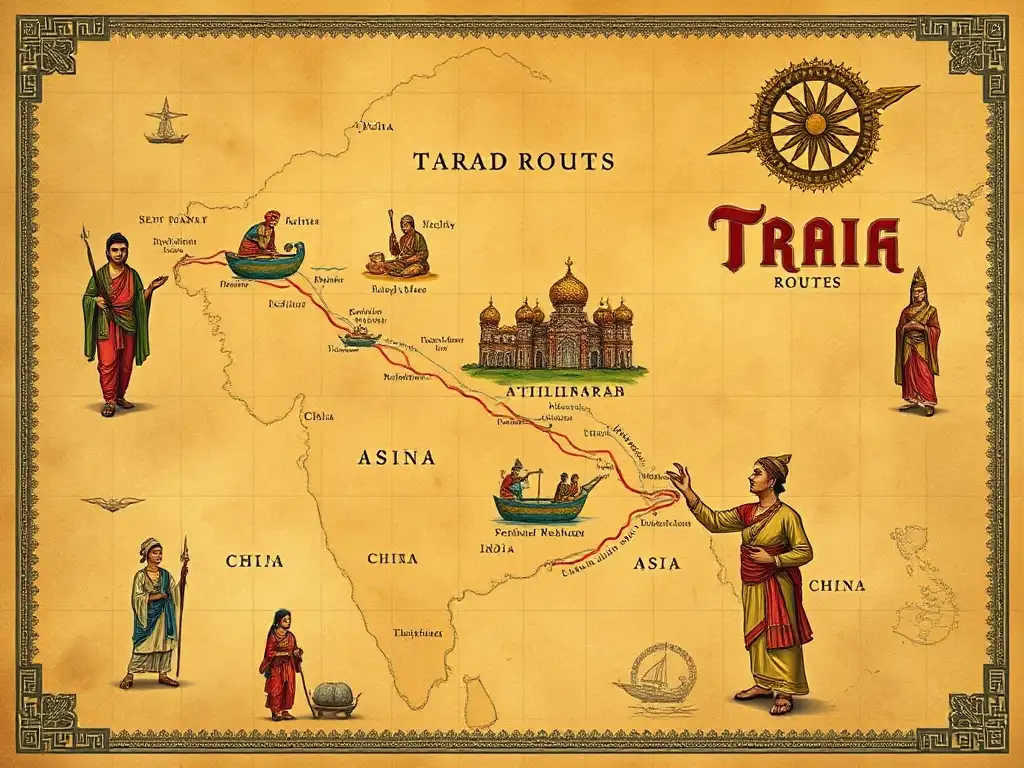
The trade routes of Ancient India were not merely pathways for commerce; they were vibrant corridors of cultural exchange, innovation, and interaction between diverse civilizations. The flourishing trade networks, particularly during the Indus Valley Civilization, the Mauryan Empire, and the Gupta Empire, played a pivotal role in shaping the socio-economic landscape of the region. These routes connected India with far-off lands, facilitating the exchange of goods, ideas, and cultural practices, which left an indelible mark on the history of the subcontinent and beyond.
Cultural Exchange and Its Lasting Impact
Cultural exchange along the ancient trade routes significantly influenced the development of art, religion, and philosophy in India. The interactions between Indian traders and foreign merchants fostered a rich tapestry of cultural amalgamation. For instance:
- Artistic Influences: The influx of Hellenistic art styles following Alexander the Great's invasion led to the development of Gandhara art, which combined Greek and Indian artistic traditions.
- Religious Syncretism: Trade routes facilitated the spread of Buddhism to Central Asia and beyond, with missionaries traveling along these paths, leading to the establishment of Buddhist monasteries in regions like Afghanistan and China.
- Philosophical Exchange: As merchants exchanged goods, they also exchanged ideas. This interaction resulted in the blending of various philosophical thoughts, enriching local intellectual traditions.
The lasting impact of this cultural exchange can still be observed today in the diverse practices, languages, and traditions of modern India.
Contributions to Global Trade Networks
Ancient India was a significant player in global trade networks, particularly between the 1st century BCE and the 5th century CE. The Indian subcontinent was strategically located along major trade routes, which included:
- The Silk Road: This extensive network connected India to China, the Middle East, and Europe, allowing for the exchange of silk, spices, and precious stones. Indian merchants played a vital role in the transportation of goods along this route, establishing links with cultures far and wide.
- The Spice Route: India was renowned for its spices, particularly pepper, cardamom, and cinnamon. These commodities were in high demand in markets across the Mediterranean and beyond, solidifying India's position in global trade.
- Maritime Trade Routes: The Indian Ocean trade routes connected India with Southeast Asia, Africa, and the Arabian Peninsula. Ports like Lothal and Surat became bustling centers of commerce, facilitating the exchange of textiles, gems, and other goods.
These trade routes not only contributed to the economic prosperity of Ancient India but also integrated it into a larger global framework, influencing trade practices and economic policies in other regions.
Lessons from Ancient Indian Trade Routes for Modern Trade
The ancient trade routes of India offer valuable lessons for contemporary trade practices. Some key takeaways include:
- Diversity in Trade Partnerships: Ancient Indian merchants thrived by collaborating with diverse cultures. Modern businesses can benefit from fostering partnerships across borders to enhance market reach and cultural understanding.
- Adaptability: The ability of traders to adapt to changing political landscapes and economic conditions was crucial for their survival. Today's businesses must also embrace flexibility in their strategies to navigate the complexities of global markets.
- Cultural Sensitivity: The success of ancient trade routes relied on mutual respect and understanding among different cultures. In today's interconnected world, cultural sensitivity can enhance negotiations and foster long-lasting business relationships.
By drawing on the rich history of ancient trade routes, modern economies can cultivate sustainable trade practices that honor the legacy of cultural exchange and collaboration established by their predecessors.
Conclusion
Summary of Ancient India Trade Routes History
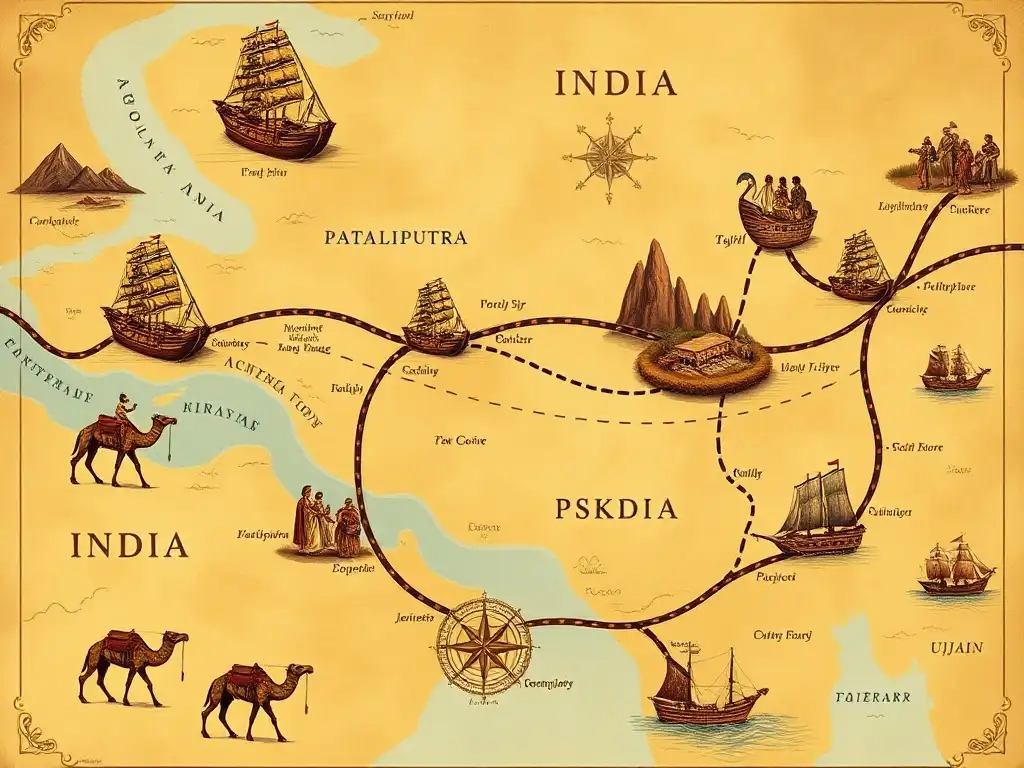
The history of trade routes in ancient India is a fascinating tapestry woven with the threads of commerce, culture, and connectivity. These routes facilitated not only the exchange of goods but also ideas and innovations that shaped civilizations.
- Major Trade Routes:
- Silk Road: This iconic route connected India to Central Asia and beyond, allowing the exchange of silk, spices, and precious stones. Indian merchants played a crucial role in its operation, establishing vibrant trade networks.
- Maritime Routes: The Indian Ocean trade network connected ports from the west coast of India to Africa, the Middle East, and Southeast Asia. Goods such as spices, textiles, and metals were transported across these waters, enhancing intercontinental relations.
- Cultural Exchange: These trade routes were not merely conduits for material goods; they also facilitated the exchange of cultural elements, including religion, art, and philosophy. For instance, the spread of Buddhism along these routes significantly impacted regions like Central Asia and China.
- Economic Impact: The flourishing trade contributed to the rise of powerful empires, such as the Maurya and Gupta Empires, which thrived due to the wealth generated from trade. Urban centers like Pataliputra and Taxila became hubs of commerce, attracting traders and scholars alike.
- Decline of Trade Routes: The decline of these routes can be attributed to various factors, including political instability, the emergence of new trade routes, and changes in demand for certain goods. The shift in trade dynamics eventually led to the rise of European maritime trade dominance.
The Enduring Influence of Ancient Trade on Contemporary Economy
The ancient trade routes of India have left a lasting legacy that continues to influence contemporary economies. Understanding this influence can provide valuable insights into the current global trade landscape.
- Globalization Roots: The historical trade practices established a foundation for modern globalization. The interconnectedness fostered by ancient trade routes paved the way for contemporary trade agreements and economic partnerships across nations.
- Cultural Heritage: The exchange of goods and ideas from ancient trade routes has shaped modern Indian culture, influencing everything from cuisine to religious practices. This cultural richness attracts tourism, which is a significant part of the contemporary economy.
- Economic Development: Cities that thrived on ancient trade routes have evolved into major economic centers today. The infrastructure built during these times laid the groundwork for modern transport and trade systems, enhancing India's role in global trade.
- Innovation and Technology: The ancient trade routes were instrumental in the transmission of knowledge and technology. This historical exchange has contributed to India's current advancements in various sectors, including information technology and pharmaceuticals.
The history of ancient India trade routes not only reflects the economic dynamics of the past but also showcases their enduring influence on our present-day society and economy. Understanding this intricate history allows us to appreciate the complexities of trade, culture, and connectivity that continue to shape our world.
Frequently Asked Questions
What were the main trade routes in ancient India?
Ancient India featured significant trade routes like the Silk Road and the Indian Ocean trade network, connecting it to Central Asia, Africa, and Southeast Asia.
How did trade impact ancient Indian civilizations?
Trade facilitated the exchange of goods, ideas, and cultural influences, leading to economic prosperity and the development of cities and rich cultural diversity.
What goods were commonly traded in ancient India?
Ancient Indian traders exported spices, textiles, jewelry, and metals, while importing silk, precious stones, and wine, significantly enriching their economy.
How did the rise and fall of trade routes affect ancient India?
The rise of trade routes often led to economic growth, while their fall, due to invasions or shifts in trade patterns, could result in declines in prosperity and urban decay.
What role did the Gupta Empire play in trade?
The Gupta Empire (c. 320-550 CE) is noted for its flourishing trade and cultural exchanges, establishing a golden age that enhanced economic stability and cultural richness across the region.
Final Reflection: The Enduring Legacy of Ancient India Trade Routes
The intricate tapestry of trade routes in Ancient India not only shaped the economic landscape of its time but also laid the groundwork for cultural exchange and globalization as we know it today. The rise and fall of these routes serve as a poignant reminder of how interconnected our world has always been, highlighting the importance of trade in fostering relationships and understanding among diverse civilizations.
The historical significance of these trade routes continues to resonate in our modern society, influencing everything from economic policies to cultural exchanges. As we navigate a world that often feels divided, we can draw inspiration from the collaborative spirit of Ancient India’s traders who bridged vast distances and diverse cultures. Trade is not just about goods; it’s about the connections we forge along the way.
This sentiment underscores the ongoing relevance of trade routes in promoting unity and cooperation, reminding us that our shared history can guide us toward a more harmonious future.
As you reflect on the lessons from the rise and fall of Ancient India’s trade routes, consider how you can apply these insights in your own life. Embrace the spirit of connection and collaboration in your personal and professional endeavors. Whether it’s fostering relationships across cultures or seeking opportunities for collaboration, let the legacy of these ancient routes inspire you to build bridges in today’s world, ensuring that the spirit of trade and exchange continues to thrive.
Unveil the Secrets of Ancient Trade Routes!
Thank you for diving into the fascinating world of ancient trade routes in India! We hope you gained insights into how these paths shaped economies, cultures, and histories across the region. Now, it’s time to take that knowledge further and make it your own!
Here are some actionable steps you can take right now:
- Explore your local libraries or online databases for more resources about ancient trade—discover books, articles, or documentaries that capture your interest.
- Engage with history enthusiasts by joining forums or social media groups dedicated to ancient civilizations. Share your thoughts on trade routes and learn from others!
- Plan a visit to a local museum or cultural exhibit showcasing artifacts related to trade or ancient commerce, and immerse yourself in the stories behind these historical connections.
What aspect of ancient trade routes intrigues you the most: the goods exchanged, the cultures impacted, or the historical shifts they caused? We would love to hear your thoughts!