
The Historical Significance of Ancient Trade Routes in India


Welcome to Ancient India History, where we embark on a captivating journey through the rich tapestry of India's past! Delve into the historical significance of ancient trade routes that shaped not only the economy of the subcontinent but also its vibrant cultural exchanges. From the bustling markets of the Indus Valley to the flourishing trade centers of the Gupta Empire, these routes tell a story of innovation, connection, and prosperity.
As you explore our detailed insights, prepare to uncover the intricate web of commerce that linked diverse civilizations. Join us as we unravel the threads of history that continue to influence our world today!
Introduction to Ancient Indian Trade Routes History
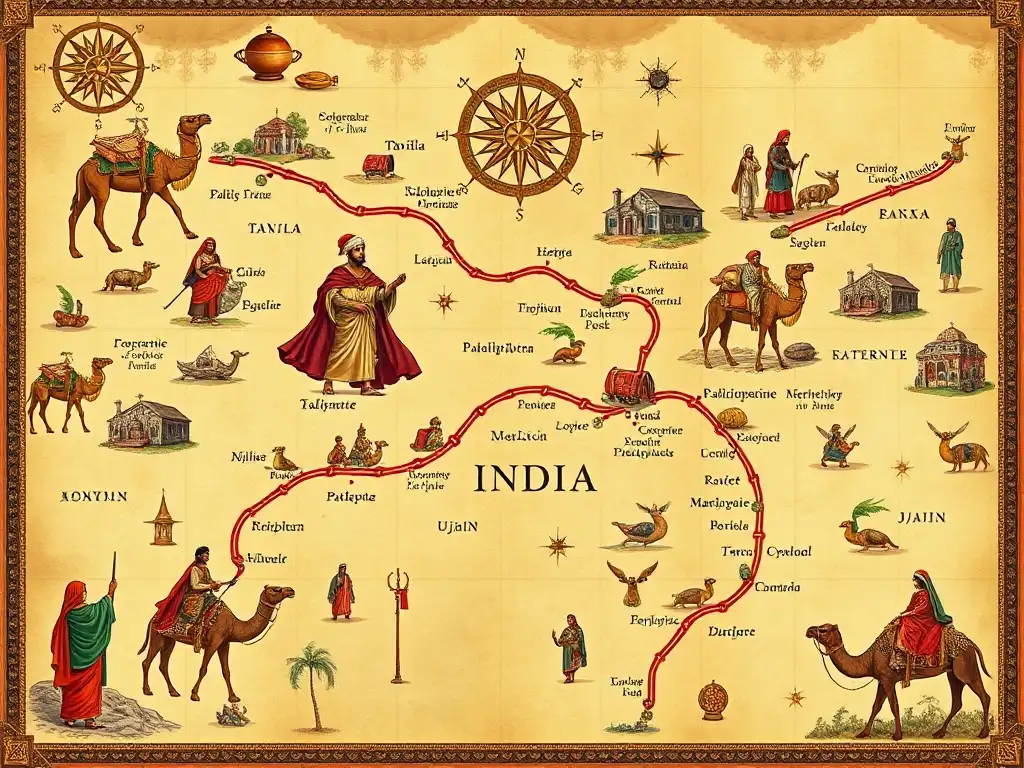
The history of ancient Indian trade routes is a fascinating tapestry woven with the threads of commerce, cultural exchange, and innovation. These routes not only facilitated the movement of goods but also played a pivotal role in shaping the economic and cultural landscape of ancient India.
From the bustling markets of the Indus Valley Civilization to the flourishing trade centers during the Gupta Empire, these pathways connected diverse regions and civilizations, allowing for the exchange of not just commodities, but also ideas, technologies, and cultural practices. Understanding the significance of these trade routes provides valuable insights into the complexities of ancient Indian society and its interactions with the broader world.
Overview of Trade Routes in Ancient India
Ancient India was crisscrossed by a network of trade routes that spanned vast distances, connecting its rich resources and cultural heritage with neighboring regions and beyond. Key trade routes included:
- Land Routes: These routes facilitated trade across the Indian subcontinent and into Central Asia.
- Maritime Routes: Ancient Indian ports on the western and eastern coasts enabled trade with distant lands, including Africa, the Middle East, and Southeast Asia.
The trade routes fostered economic growth and contributed to the wealth of various kingdoms, allowing them to flourish and maintain their cultural identities.
Importance of Trade in Ancient Indian Civilizations
Trade was not merely an economic activity in ancient India; it was a vital lifeline that influenced various aspects of society. The importance of trade can be summarized as follows:
- Economic Prosperity: Trade routes enabled the distribution of agricultural products, textiles, spices, and precious metals, leading to increased wealth for traders and regions involved.
- Cultural Exchange: Interaction along trade routes facilitated the exchange of ideas, religions, and cultural practices, enriching the social fabric of Indian society.
- Urban Development: Many cities and towns emerged as trade centers, contributing to urbanization and the development of complex societies.
As a result, the ancient Indian trade routes were instrumental in shaping the economic and cultural identity of the region.
Major Ancient Trade Routes in India
The Silk Road and Its Impact on India
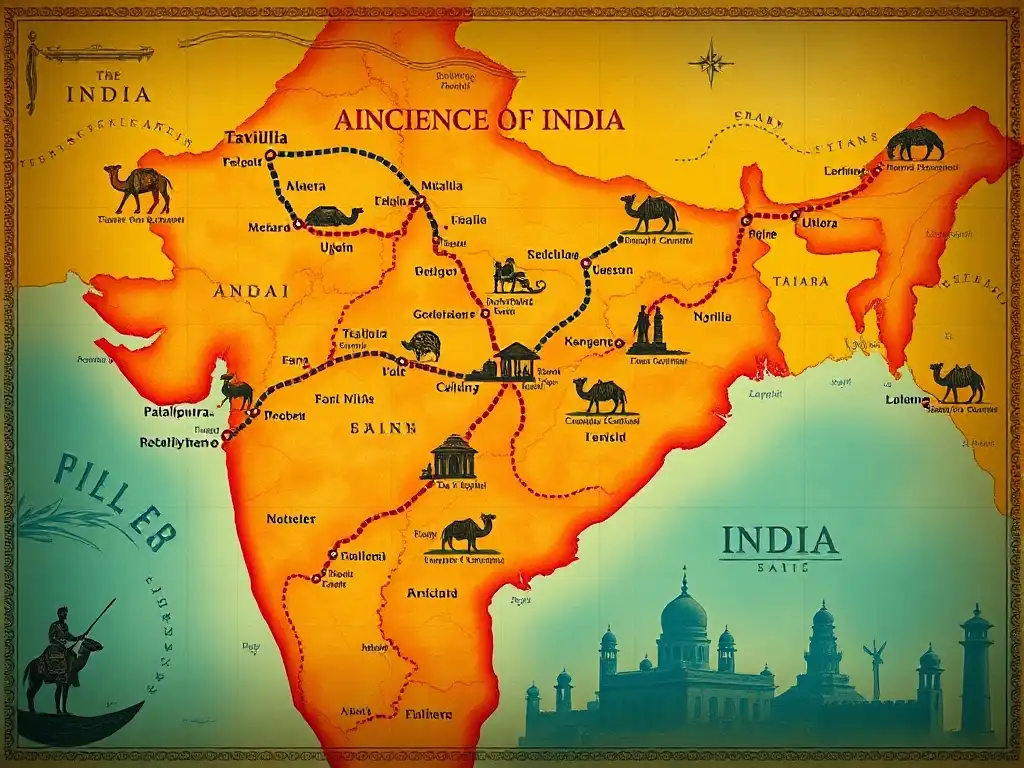
The Silk Road, an extensive network of trade routes connecting China to the Mediterranean, significantly impacted ancient India. This route allowed for the exchange of silk, spices, and other luxury goods, as well as the introduction of Buddhist teachings into Central Asia and beyond. Indian merchants played a crucial role in this trade, establishing vibrant trading hubs along the route, such as Taxila and Peshawar.
The Spice Route: Connecting Cultures and Economies
The Spice Route was another vital trade network that linked India to various parts of the world. Indian spices like black pepper, cardamom, and cinnamon were highly sought after, making India a key player in global trade. This route not only fostered economic ties but also facilitated cultural interactions, influencing cuisines and traditions across continents.
The Grand Trunk Road: A Lifeline of Trade
The Grand Trunk Road, one of the oldest and longest major roads in Asia, has its origins in ancient trade routes. Stretching from Chittagong in Bangladesh to Kabul in Afghanistan, this road served as a critical artery for trade and communication. Its historical significance lies in its role in promoting trade between various regions, facilitating political and cultural exchanges, and connecting diverse communities across the subcontinent.
The historical significance of ancient trade routes in India is a testament to the country's rich heritage and its contributions to global trade and culture. These routes were not only conduits of commerce but also pathways for the exchange of ideas and cultural practices that shaped the evolution of civilizations.
Cultural Exchange Along Ancient Trade Routes
Ancient trade routes were not merely arteries for the transportation of goods; they served as vital conduits for cultural exchange, facilitating interactions among diverse civilizations. The movement of traders, travelers, and pilgrims contributed to a rich tapestry of cultural diffusion, where ideas, art, and practices converged and evolved.
Influence of Trade on Indian Art and Architecture
The influence of trade on Indian art and architecture is profound and multifaceted. As traders traversed the vast networks, they brought with them various artistic styles and techniques. The Indo-Greek and Indo-Sassanian interactions, for example, led to the emergence of Greco-Buddhist art, a unique fusion that can be observed in the stupas and sculptures of Gandhara. This cross-pollination of artistic motifs not only enriched Indian aesthetics but also influenced architectural designs, as seen in the intricate carvings and stupas that reflect both indigenous and foreign elements.
Spread of Religions and Philosophies through Trade
Trade routes also played a crucial role in the propagation of religions and philosophies. As merchants traveled, they carried their beliefs with them, introducing new ideologies to different regions. Buddhism, for instance, spread from India to Central Asia and beyond, largely due to the Silk Road—a network that facilitated not just trade but also the movement of monks and scholars. Similarly, Hinduism and Jainism found their way to Southeast Asia, influencing local cultures and spiritual practices, thus highlighting the interconnectedness fostered by trade.
Language and Literature Exchange via Trade Networks
Language and literature also thrived along ancient trade routes. The interactions between diverse linguistic groups led to the exchange of vocabulary and literary forms. Sanskrit, for example, was disseminated through trade, influencing local languages in regions such as Southeast Asia. This exchange facilitated the spread of literary traditions, including epics and religious texts, which often traveled alongside traders. The adaptation of these texts into various local languages enriched regional literature and contributed to a shared cultural heritage.
Economic Impact of Ancient Trade Routes
The economic ramifications of ancient trade routes were significant, contributing to the growth and prosperity of civilizations across India. These trade networks not only enabled the exchange of goods but also fostered economic interdependence among regions, leading to the rise of prosperous urban centers.
Trade Goods: Key Commodities in Ancient Indian Trade
Key commodities traded through these routes included spices, textiles, precious stones, and metals. Indian spices such as black pepper and cardamom were highly sought after, often fetching exorbitant prices in foreign markets. Textiles, particularly silk and cotton fabrics, became synonymous with Indian craftsmanship. The trade of these goods not only generated wealth but also established India as a prominent player in global commerce.
Economic Prosperity: How Trade Boosted Ancient Indian Kingdoms
Trade significantly boosted the economic prosperity of ancient Indian kingdoms. The wealth generated from trade allowed rulers to invest in infrastructure, military expansion, and cultural patronage. Kingdoms such as the Maurya and Gupta Empires utilized trade revenue to build roads, cities, and temples, enhancing both their economic and cultural landscapes. The flourishing trade networks also contributed to a vibrant urban culture, leading to the emergence of prosperous cities that became centers of learning and culture.
Role of Merchants and Guilds in Trade Development
Merchants and guilds were pivotal in the development of trade in ancient India. These groups not only facilitated commerce but also established networks that ensured the safe passage of goods. Guilds often operated under a system of mutual support and protection, providing traders with the resources needed to conduct business effectively.
The organization of trade into guilds also enabled standardized practices and quality control, contributing to the overall efficiency and reliability of trade networks. Their influence extended beyond commerce, as they played a crucial role in the social and political arenas, often acting as intermediaries between the ruling authorities and local populations.
Challenges Faced by Ancient Trade Routes
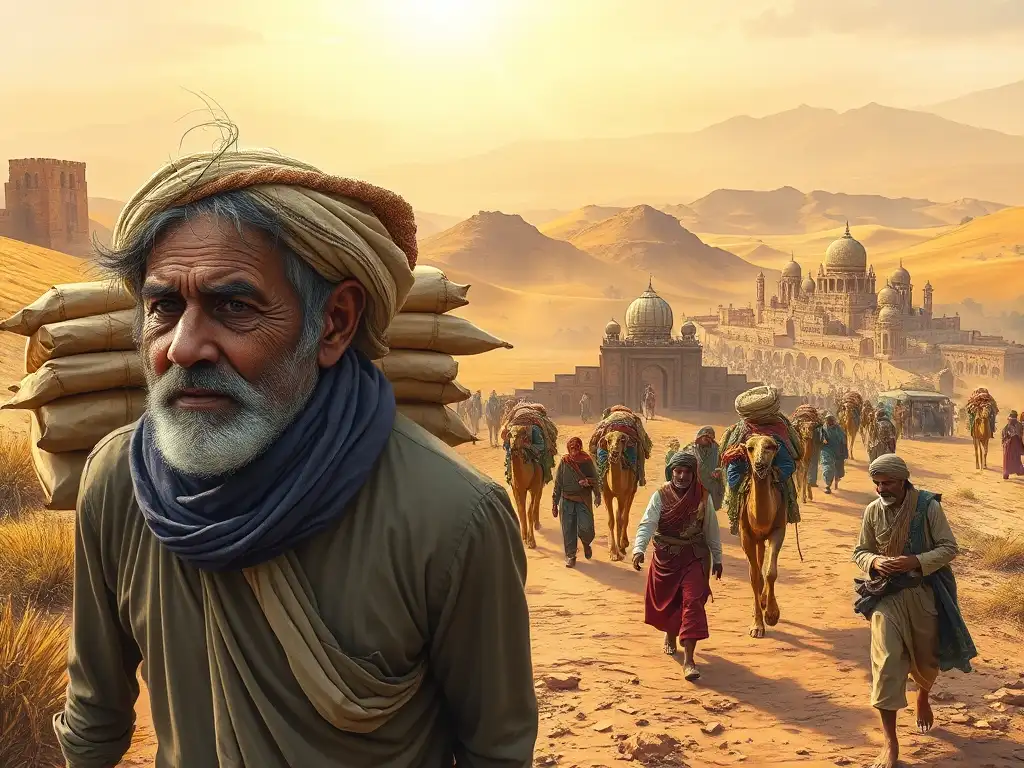
The ancient trade routes of India, while instrumental in facilitating commerce and cultural exchange, were fraught with challenges that impacted their operation and longevity. Understanding these challenges provides insights into the complexities of trade in ancient times and the various factors that shaped economic interactions across regions.
Natural Barriers and Geographical Challenges
Geographical features often posed significant obstacles to trade routes in ancient India. The Himalayan mountain range, for example, presented formidable natural barriers that restricted movement and limited trade interactions between India and regions to the north, such as Central Asia and Tibet. Additionally, the Thar Desert in the west created harsh conditions that hindered overland trade, necessitating alternative routes through more hospitable terrain.
Other geographical challenges included the monsoon climate, which could be unpredictable. Heavy rains could cause flooding, while dry spells could lead to droughts, both of which affected agricultural output and, consequently, the availability of goods for trade. The Indus River, while a vital trade artery, also posed challenges; its changing course over time could disrupt established trade networks and routes.
Political Instability and Its Effects on Trade
Political factors significantly influenced the operation of ancient trade routes. The rise and fall of empires, such as the Maurya and Gupta, often led to shifts in trade dynamics. Wars, invasions, and internal strife could disrupt trade flows, as seen during the invasions of the Huns and later foreign powers. The constant threat of banditry and territorial disputes also created an environment of uncertainty that made traders wary of undertaking long journeys.
Moreover, trade often relied on the goodwill of local rulers and their ability to maintain peace along trade routes. When political stability faltered, it led to increased taxation, tariffs, and corruption, which further complicated trade operations. The lack of standardized regulations across different regions sometimes resulted in conflicts over trade practices and practices.
Decline of Trade Routes: Factors and Consequences
The decline of ancient Indian trade routes can be attributed to various interrelated factors. Economic shifts, such as the rise of new trade partners and the emergence of alternative routes, diminished the importance of established paths. For instance, as maritime trade gained prominence, especially during the Medieval period, overland routes lost their significance. The increasing reliance on sea routes for trade with Southeast Asia and beyond changed the dynamics of commerce.
Additionally, the collapse of empires that had previously supported and protected these trade routes led to a decrease in security and stability, causing traders to seek new, safer alternatives. The eventual European colonization further altered trade patterns, as foreign powers established their routes and monopolized trade networks, resulting in the marginalization of traditional Indian routes.
Conclusion: Legacy of Ancient Indian Trade Routes
The historical significance of ancient Indian trade routes extends beyond mere commerce; they played a crucial role in the cultural, social, and economic fabric of ancient civilizations. The legacy of these routes continues to resonate today, influencing modern practices and cultural expressions.
Lasting Influence on Modern Trade Practices
Ancient Indian trade routes laid the groundwork for contemporary trading systems. The principles of interconnectivity and cultural exchange established during ancient times are reflected in today's global trade networks. The routes encouraged the sharing of ideas, technologies, and goods, demonstrating the importance of collaboration and mutual benefit in commerce. Modern trade practices, such as logistics and supply chain management, can trace their origins to the strategic planning and organization required to navigate these ancient routes.
Furthermore, the trade of spices, textiles, and other commodities from India has influenced global markets and continues to shape trade dynamics. The legacy of these ancient routes is evident in the ongoing demand for Indian goods and the country's position as a key player in international trade.
Preservation of Ancient Trade Route Histories in Contemporary Culture
The histories of ancient trade routes are preserved in various forms, from literature and art to archaeological sites and cultural festivals. Many local traditions and practices can be traced back to the influences of these routes, showcasing a rich tapestry of cultural heritage. Festivals celebrating trade and cultural exchange, such as Pongal and Diwali, can be seen as modern interpretations of the vibrant commerce that once flourished along these routes.
Museums and cultural institutions in India actively work to educate the public about the significance of these trade routes, ensuring that their legacy is not forgotten. Through research, exhibitions, and community initiatives, the stories of ancient Indian trade routes continue to inspire and inform future generations about the importance of trade in shaping civilizations.
References
The historical significance of ancient trade routes in India is well-documented through various scholarly works, archaeological discoveries, and historical texts. These resources offer insights into the economic, cultural, and social dynamics of ancient Indian civilizations. Below are some suggested readings and references that provide a comprehensive understanding of ancient Indian trade routes.
Suggested Reading on Ancient Indian Trade Routes History
-
"The Silk Road: A New History" by Valerie Hansen
This book explores the interconnections of trade across the Silk Road, highlighting the role of India in this vast network. Hansen provides a detailed account of the cultural exchanges and economic transactions that took place along these ancient routes.
-
"Ancient Indian Trade and Commerce" by R. C. Majumdar
A seminal work that delves into the trade practices, commodities, and routes used in ancient India. Majumdar’s research offers a thorough overview of how trade influenced various aspects of Indian society.
-
"Trade in the Ancient Mediterranean World" by J. M. H. H. B. A. S. W.
This book examines not only the Mediterranean trade but also its links to Indian trade routes, providing a broader context of global commerce in antiquity.
-
"The Geography of Ancient India" by A. K. Sharma
Sharma focuses on the geographical factors that influenced trade routes in ancient India. This text helps readers understand how location and terrain shaped trade dynamics.
-
"The Indian Ocean in World History" by Milo Kearney
This work discusses the significance of the Indian Ocean trade network, emphasizing India's role in maritime trade and its cultural exchanges with other civilizations.
Relevant Historical Texts and Archaeological Findings
-
Arthashastra by Kautilya (Chanakya)
This ancient treatise on statecraft and economics includes valuable information about trade practices and policies in ancient India. It discusses the regulation of trade routes, taxation, and the role of merchants in society.
-
The Periplus of the Erythraean Sea
An ancient Greek text that offers insights into the maritime trade routes used by Indian traders. It describes ports, goods traded, and the interactions between Indian and foreign merchants.
-
Archaeological Evidence from the Indus Valley Civilization
Sites like Mohenjo-Daro and Harappa have yielded artifacts that indicate a sophisticated trade network. Evidence of weights and measures, seals, and pottery suggests extensive trade relations with Mesopotamia and beyond.
-
Excavations at Taxila and Pataliputra
These ancient cities have revealed remnants of trade activities, including marketplaces and inscriptions that detail trade regulations and the flow of goods.
-
Coins and Trade Artifacts
The discovery of coins from various ancient Indian dynasties, such as the Mauryan and Gupta empires, highlights the standardized economic systems that facilitated trade, as well as the cultural exchanges that occurred through commerce.
The study of ancient Indian trade routes is enriched by a wealth of literature and archaeological findings that illuminate the economic practices and cultural interactions of ancient civilizations in India.
- Introduction to Ancient Indian Trade Routes History
- Overview of Trade Routes in Ancient India
- Importance of Trade in Ancient Indian Civilizations
- Major Ancient Trade Routes in India
- Cultural Exchange Along Ancient Trade Routes
- Economic Impact of Ancient Trade Routes
- Challenges Faced by Ancient Trade Routes
- Conclusion: Legacy of Ancient Indian Trade Routes
- References
- What were the main trade routes in ancient India?
- How did ancient Indian trade routes contribute to the economy?
- What role did the Indus Valley civilization play in trade?
- How did trade routes influence cultural exchanges in ancient India?
- What were the challenges faced by traders on ancient Indian routes?
Frequently Asked Questions
What were the main trade routes in ancient India?
Ancient India had several important trade routes, including the Silk Road and the Spice Route, which facilitated trade between India and other regions, enhancing cultural exchanges.
How did ancient Indian trade routes contribute to the economy?
The trade routes allowed for the exchange of goods, ideas, and culture, significantly boosting the economy by connecting India with various global markets.
What role did the Indus Valley civilization play in trade?
The Indus Valley civilization is known for its advanced urban planning and trade networks, which included routes to Mesopotamia, highlighting its importance in early economic activities.
How did trade routes influence cultural exchanges in ancient India?
Trade routes were vital for the spread of ideas, religions, and art, leading to a rich tapestry of cultural interactions, notably during the Gupta Empire period.
What were the challenges faced by traders on ancient Indian routes?
Traders faced several challenges, such as natural obstacles, changing political landscapes, and the need for protection against banditry, which impacted trade efficiency.
Final Reflection: The Enduring Legacy of Ancient Indian Trade Routes
The exploration of ancient Indian trade routes reveals not only the intricate web of commerce that once flourished but also their profound impact on cultural exchange and economic development. Today, as globalization reshapes our world, the lessons learned from these historical pathways remind us of the interconnectedness that has always existed among civilizations. The significance of these trade routes is not merely a relic of the past; it serves as a beacon for understanding how trade can foster relationships and cultural understanding in our modern society.
The historical significance of ancient Indian trade routes continues to resonate in our cultural and social landscape, influencing everything from culinary diversity to the spread of ideas and technology. These routes were not just conduits for goods; they were channels of communication that facilitated the exchange of philosophies, religions, and art. As the renowned historian Will Durant once said, "> Civilization exists by geological consent, subject to change without notice." This quote encapsulates the ever-evolving nature of societies and highlights how the foundations laid by ancient trade routes still shape our contemporary world.
As we reflect on the lessons of ancient Indian trade routes, let us consider how we can apply their spirit of connection and collaboration in our own lives. I invite you to explore the ways in which you can foster relationships across cultural boundaries, whether through travel, dialogue, or shared experiences. Embracing the legacy of these trade routes can inspire us to build bridges in our communities, promoting understanding and cooperation in an increasingly divided world. The past holds valuable insights for our future, urging us to continue the journey of connection that began centuries ago.
Unveil the Treasures of Ancient Trade Routes!
Thank you for diving into the fascinating world of ancient trade routes in India! You’ve discovered valuable insights into how these pathways shaped culture, economy, and history. Now, it’s time to take those insights a step further.
Here are some exciting ways you can engage with this topic:
- Visit a local museum or historical site that showcases artifacts from India's rich trading history to deepen your understanding of the past.
- Share your favorite discovery from this article or related research on social media to spark a conversation about ancient trade and its enduring impact!
- Join a community group or forum dedicated to ancient history to connect with others who share your passion and exchange knowledge.
What aspect of ancient trade routes intrigues you the most, and how do you think they have influenced modern commerce?