
The Impact of Ancient Indian Philosophy on Western Thought: A Comparative Study


Welcome to Ancient India History, where we embark on a fascinating journey through the rich and diverse tapestry of ancient Indian civilizations. From the majestic Indus Valley to the illustrious Gupta Empire, our exploration reveals the profound influence of ancient Indian philosophy that has shaped not only the East but also left an indelible mark on Western thought.
Prepare to delve into our latest article, "The Impact of Ancient Indian Philosophy on Western Thought: A Comparative Study," and uncover the intricate connections that bind these two worlds. Join us as we unravel the wisdom of the past and its relevance in today’s discourse, igniting your curiosity to explore even further!
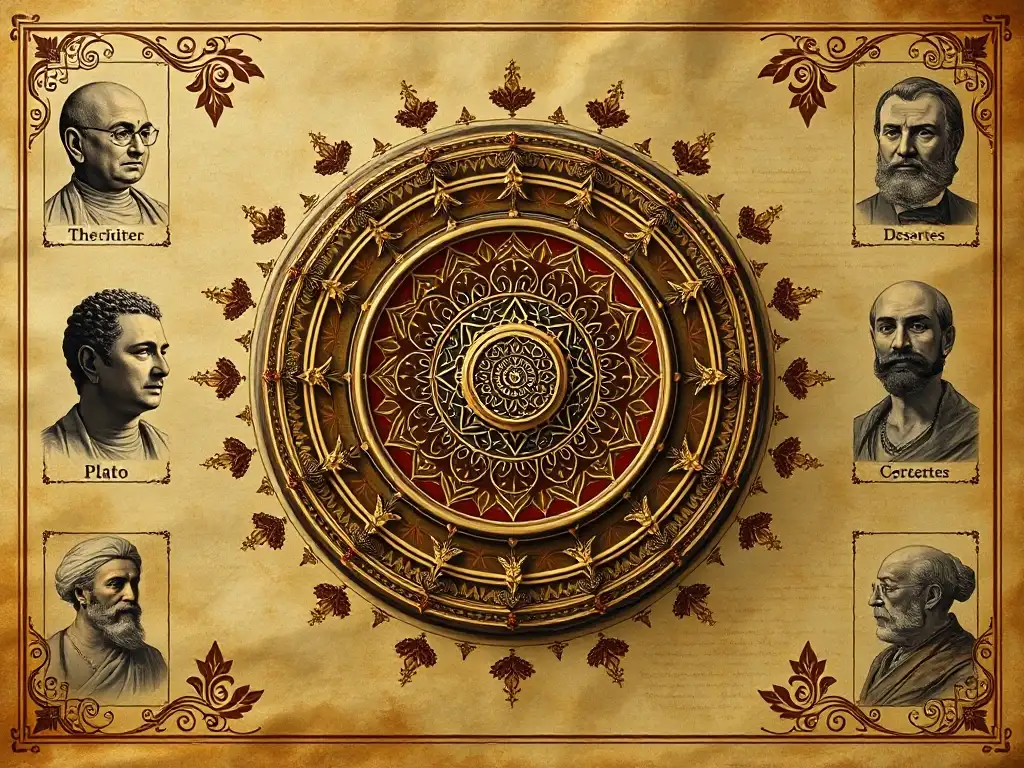
Introduction to Ancient Indian Philosophy Influence
Ancient Indian philosophy represents a profound and intricate tapestry of thought that has significantly shaped not only Indian culture but also the broader landscape of global philosophical discourse. The exploration of ancient Indian philosophical traditions—spanning from the early Vedic texts to the sophisticated arguments of the later schools—reveals a rich heritage of ideas that delve into the nature of reality, knowledge, ethics, and the self.
Understanding the ancient Indian philosophy influence on Western thought invites a deeper appreciation of how these ancient insights resonate through time, impacting diverse areas such as metaphysics, epistemology, and ethics. This comparative study aims to illuminate the intersections between ancient Indian philosophies and their Western counterparts, showcasing how dialogues across cultures have led to profound intellectual exchanges.
Definition and Overview of Ancient Indian Philosophy
Ancient Indian philosophy encompasses a variety of philosophical schools and traditions that emerged on the Indian subcontinent, each contributing unique perspectives and methodologies. The principal schools of thought include:
- Vedanta: Focuses on the ultimate nature of reality and the self.
- Sankhya: A dualistic system that delineates between consciousness (Purusha) and matter (Prakriti).
- Nyaya: Emphasizes logic and epistemology, aiming to establish valid means of knowledge.
- Vaisheshika: Concerned with categorizing and understanding the nature of existence.
Each of these schools has made significant contributions to metaphysical inquiry and ethical considerations, influencing both contemporary thought and historical trajectories in philosophy.
Key Philosophical Schools: Nyaya, Vaisheshika, Sankhya
The exploration of Nyaya, Vaisheshika, and Sankhya reveals the foundational principles that not only shaped Indian philosophical discourse but also offered insights that would later resonate with Western thinkers.
- Nyaya
- Focuses on the principles of logic and debate.
- Introduces concepts of valid reasoning and inference.
- Vaisheshika
- Centers on the categorization of substances and their properties.
- Proposes a systematic ontology that parallels Aristotelian thought.
- Sankhya
- Provides a framework for understanding the evolution of consciousness and the material world.
- Its dualistic nature invites comparisons with Cartesian dualism.
These schools exemplify the depth and diversity of ancient Indian thought, serving as a bridge to understanding its influence on Western philosophy.
Importance of Studying the Influence on Western Thought
Studying the impact of ancient Indian philosophy on Western thought is critical for several reasons:
- Cultural Exchange: It highlights the rich interactions between Eastern and Western philosophies throughout history.
- Intellectual Development: Understanding these influences can shed light on the evolution of key philosophical concepts in the West.
- Broader Perspectives: Engaging with diverse philosophical traditions fosters a more inclusive and comprehensive approach to contemporary philosophical inquiries.
Historical Context of Ancient Indian Philosophy
Emergence of Philosophical Schools in Ancient India
The emergence of philosophical schools in ancient India can be traced back to the Vedic period, where early texts laid the groundwork for metaphysical inquiry. Over the centuries, these ideas evolved into distinct schools, each addressing fundamental questions of existence, ethics, and knowledge. The Upanishads, composed around 800-400 BCE, played a pivotal role in this development, shifting focus from ritualistic practices to philosophical contemplation.
Major Texts and Thinkers in Indian Philosophy
Several key texts and thinkers have significantly influenced the landscape of ancient Indian philosophy:
- Bhagavad Gita: A philosophical dialogue addressing duty, righteousness, and devotion.
- Yoga Sutras of Patanjali: Foundational text on yoga philosophy and practice.
- Buddha: His teachings on suffering and enlightenment contributed to various philosophical debates.
These texts and thinkers not only shaped Indian thought but also laid a foundation for discussions that would reach Western philosophers.
Timeline of Philosophical Developments in Ancient India
The timeline of philosophical developments in ancient India can be categorized into several key periods:
| Period | Major Developments |
|---|---|
| Vedic Period (1500-500 BCE) | Emergence of Upanishadic thought and early philosophical inquiry. |
| Classical Period (500 BCE - 500 CE) | Formation of major philosophical schools: Nyaya, Vaisheshika, Sankhya, and others. |
| Post-Classical Period (500 CE - 1200 CE) | Integration of Indian philosophy with Islamic thought and beginnings of modern interpretations. |
This structured timeline helps contextualize the evolution of ideas and philosophies that have enriched both Indian and Western thought traditions.
Core Concepts in Ancient Indian Philosophy
Ancient Indian philosophy is a rich tapestry woven from a multitude of ideas, schools of thought, and cultural influences. At its core, it addresses fundamental questions regarding knowledge, existence, and the nature of reality. Key concepts include:
- Dharma: The moral law that governs individual conduct and societal order, central to both philosophy and daily life.
- Karma: The principle of cause and effect, which suggests that actions have consequences that affect future reincarnations.
- Moksha: The ultimate goal of liberation from the cycle of birth and rebirth, representing spiritual enlightenment and self-realization.
- Atman and Brahman: The relationship between the individual soul (Atman) and the universal soul (Brahman), pivotal in discussions of identity and existence.
- Pramana: Methods of obtaining knowledge, which vary across different philosophical schools, highlighting how knowledge is perceived and validated.
These concepts form the bedrock of various philosophical schools, influencing not only Indian thought but also leaving a profound impact on Western philosophy through cultural exchanges over centuries.
Epistemology in Nyaya Philosophy
Nyaya philosophy, one of the six orthodox schools of Indian philosophy, places a significant emphasis on epistemology—the study of knowledge and belief. Central to Nyaya is the concept of Pramana, which delineates valid means of acquiring knowledge. The Nyaya system identifies four primary pramanas:
- Pratyaksha (Perception): Knowledge gained through direct sensory experience.
- Anumana (Inference): Knowledge acquired through logical reasoning based on perceptual evidence.
- Upamana (Comparison): Knowledge derived from analogy or comparison with known entities.
- Shabda (Testimony): Knowledge obtained from authoritative sources, such as scriptures or credible witnesses.
Nyaya philosophers argue that a proper understanding of these pramanas is essential for discerning truth from falsehood. This rigorous approach to epistemology has parallels in Western philosophy, particularly in the works of rationalists and empiricists, who also explore the nature and limits of human knowledge.
Metaphysics in Vaisheshika Philosophy
Vaisheshika philosophy, founded by the sage Kanada, focuses on metaphysics, specifically the nature of reality and the categorization of existence. The system is known for its detailed analysis of substances, qualities, and actions. Key components of Vaisheshika metaphysics include:
- Dravya (Substance): Categorizing substances into categories such as earth, water, fire, air, and space.
- Guna (Quality): Examining the attributes that characterize substances, including color, taste, and smell.
- Karma (Action): Understanding the nature of actions and their implications on substances.
- Samanya (Generality) and Vishesh (Particularity): Discussing the universal and particular aspects of reality.
Vaisheshika's metaphysical inquiries laid groundwork that parallels some Western philosophical traditions, particularly those concerned with ontology and the nature of being.
The Nature of Existence in Sankhya Philosophy
Sankhya philosophy presents a dualistic framework for understanding existence, positing two fundamental realities: Purusha (consciousness) and Prakriti (matter). This school of thought emphasizes the following:
- Purusha: The eternal, unchanging self, which is the observer and the source of consciousness.
- Prakriti: The material world, comprised of the three gunas (qualities)—sattva (purity), rajas (activity), and tamas (inertia)—which together influence the physical and mental realms.
- Evolution of the Universe: Sankhya explains the process of creation and evolution through the interplay of Purusha and Prakriti, leading to the manifestation of all forms of life and experience.
Sankhya's exploration of existence and consciousness has profound implications for understanding the self, influencing later schools, including Yoga and Vedanta, as well as informing Western existential and phenomenological thought.
Comparative Analysis: Ancient Indian Philosophy and Western Thought
The engagement of ancient Indian philosophy with Western thought reveals a complex interplay of similarities and differences. This comparative analysis enriches our understanding of both traditions and highlights their contributions to global philosophical discourse.
Similarities between Ancient Indian and Western Philosophical Concepts
- Inquiry into Existence: Both traditions grapple with fundamental questions about existence, reality, and the nature of the self.
- Ethical Frameworks: Concepts of morality, duty (dharma), and the consequences of actions (karma) resonate with Western ethical theories that prioritize justice and virtue.
- Epistemological Questions: The exploration of knowledge acquisition methods in Nyaya bears resemblance to Western discussions on empiricism and rationalism.
- Dualism: The dualistic nature of reality in Sankhya finds echoes in Western philosophical thought, such as Cartesian dualism, which distinguishes between mind and body.
Differences in Philosophical Approach
- Metaphysical Foundations: Ancient Indian philosophies often emphasize a holistic view of reality that transcends individual existence, whereas Western thought traditionally leans towards individualism and materialism.
- Method of Inquiry: While Western philosophy often employs a dialectical method and skepticism, ancient Indian philosophy frequently integrates meditative practices and experiential knowledge as valid means of understanding.
- Ultimate Goals: The purpose of philosophical inquiry in ancient India is often oriented towards spiritual liberation (moksha), contrasting with Western traditions that may emphasize rational understanding or ethical living as primary goals.
- Integration of Religion: Ancient Indian philosophy is deeply intertwined with religious beliefs and practices, unlike many Western philosophical pursuits that have sought to separate religion from philosophy.
This comparative analysis not only highlights the rich contributions of ancient Indian philosophy but also underscores its enduring influence on Western thought, illustrating a shared human quest for knowledge and understanding across cultures.
Influence of Ancient Indian Philosophy on Key Western Philosophers
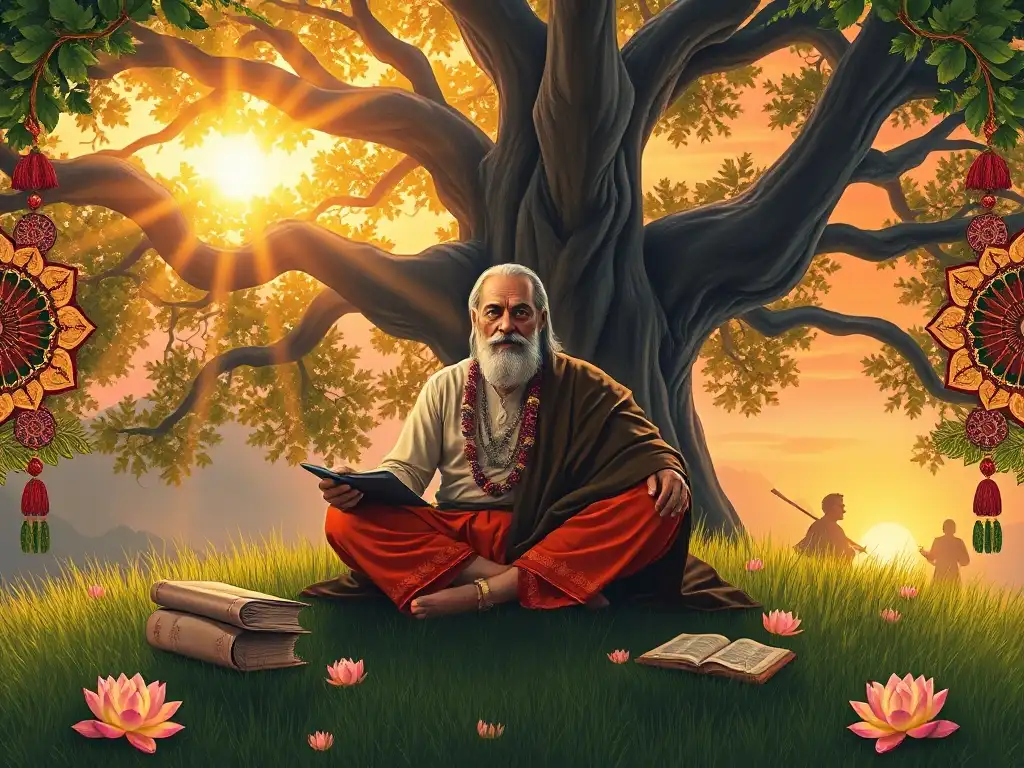
Ancient Indian philosophy has played a significant role in shaping the thoughts of numerous Western philosophers throughout history. The depth and breadth of concepts such as metaphysics, epistemology, and ethics found in texts like the Upanishads, Bhagavad Gita, and various Darshanas (philosophical schools) have resonated with Western intellectuals. These influences can be traced back to early engagements through trade routes and later, through colonial encounters, where Western thinkers began to appreciate the philosophical richness of Indian traditions.
Key figures such as Schopenhauer, Nietzsche, and even more contemporary philosophers have acknowledged the profound impact of Indian thought. For instance, Schopenhauer was particularly fascinated by the idea of the 'will' and how it relates to suffering, concepts that find parallels in Buddhist philosophy. This cross-pollination of ideas not only enriched Western philosophical discourse but also catalyzed movements that sought to integrate these diverse perspectives.
Impact on Enlightenment Thinkers
During the Enlightenment, a period marked by an emphasis on reason and individualism, thinkers like Voltaire and Rousseau began to explore ideas beyond the Western canon. Indian philosophy, with its unique approaches to knowledge and existence, offered alternative perspectives. Voltaire, who had a keen interest in religious tolerance, appreciated the pluralistic view inherent in Indian philosophical texts, which often advocate for a multitude of paths to the ultimate truth.
Furthermore, the works of British Indologists such as William Jones and Charles Wilkins translated key texts, making them accessible to Enlightenment thinkers. The introduction of concepts such as karma and dharma sparked discussions about morality and ethics, encouraging a re-evaluation of Western moral frameworks. This blending of ideas ultimately laid the groundwork for a more inclusive philosophical dialogue that transcended geographical boundaries.
Influence on Modern Philosophical Movements
In the 19th and 20th centuries, the influence of ancient Indian philosophy became even more pronounced in Western thought, particularly through the rise of modern philosophical movements. Existentialism and phenomenology, for example, found resonance with Indian philosophical concepts like the nature of self and consciousness. Thinkers such as Heidegger and Sartre explored ideas of being that parallel the non-dualism found in Advaita Vedanta.
Moreover, the counterculture movements of the 1960s and 1970s embraced Eastern philosophies, with figures like Alan Watts popularizing Zen Buddhism and Hindu concepts. This integration of ancient Indian philosophy into modern thought has led to a more holistic understanding of consciousness, ethics, and the interconnectedness of life, influencing various fields such as psychology, spirituality, and environmental ethics.
Case Studies of Ancient Indian Philosophy Influence
To further illustrate the impact of ancient Indian philosophy on Western thought, two notable case studies stand out: Ralph Waldo Emerson and Aldous Huxley. Both figures embraced and articulated Indian philosophical concepts in ways that significantly shaped their respective intellectual landscapes.
Case Study 1: Ralph Waldo Emerson and its Connection to Indian Thought
Ralph Waldo Emerson, a central figure in the American Transcendentalist movement, was profoundly influenced by ancient Indian philosophy, particularly the Upanishads. His essays reflect a deep engagement with concepts such as the unity of the individual soul (Atman) with the universal spirit (Brahman).
Emerson’s notion of the “Oversoul” mirrors the non-dualistic philosophy of Advaita Vedanta, where he posits that each individual is interconnected with the divine. This idea not only shaped his spiritual beliefs but also inspired a broader cultural movement that emphasized self-reliance, intuition, and the inherent goodness of people and nature. His writings encouraged a generation to look beyond traditional Western thought, integrating Eastern philosophical insights into American intellectual life.
Case Study 2: Aldous Huxley and its Adoption of Indian Philosophical Concepts
Aldous Huxley, known for his dystopian novel "Brave New World," was also deeply engaged with Indian philosophy, particularly through his exploration of consciousness and spirituality. In his later works, especially "The Perennial Philosophy," Huxley draws parallels between the mystical elements of various religious traditions, including Hinduism and Buddhism.
Huxley advocated for the idea that enlightenment experiences, as described in Indian philosophy, could be attained through various means, including meditation and psychedelics. His writings not only popularized Indian philosophical concepts in the West but also influenced the burgeoning interest in Eastern spirituality during the 20th century. Huxley's synthesis of these ideas contributed to a more profound understanding of the nature of reality and human consciousness, further bridging the gap between Eastern and Western thought.
Conclusion: The Lasting Legacy of Ancient Indian Philosophy
The profound impact of ancient Indian philosophy on Western thought is a testament to the richness and depth of its ideas and concepts. Philosophical schools such as Nyaya, Vaisheshika, and Sankhya have not only shaped the intellectual landscape of India but have also found resonance in the thoughts and philosophies of Western thinkers. From the early encounters during the colonial period to modern philosophical dialogues, the principles rooted in ancient Indian philosophy continue to provoke thought, inspire inquiry, and challenge prevailing notions.
The integration of concepts such as the nature of reality, consciousness, and ethics from ancient Indian philosophy has led to a more nuanced understanding of philosophical inquiries in the West. As scholars delve deeper into these ancient texts and ideas, the dialogue between the East and West becomes richer, fostering a cross-cultural exchange that enhances philosophical discourse. This legacy serves as a bridge, inviting contemporary thinkers to explore diverse perspectives, ultimately enriching the global philosophical tradition.
Summary of Key Influences on Western Thought
Ancient Indian philosophy has influenced Western thought in several key areas:
- Metaphysics and Ontology: Concepts from Sankhya, such as the distinction between purusha (consciousness) and prakriti (matter), have parallels in Western metaphysical discussions about dualism and the nature of existence.
- Epistemology: The Nyaya school's emphasis on logic and the theory of knowledge has shaped Western epistemological debates, particularly regarding the validation of knowledge and the nature of perception.
- Ethics and Morality: The ethical frameworks offered by ancient Indian philosophies, especially in texts like the Bhagavad Gita, resonate with Western discussions on duty, virtue, and the moral implications of action.
These influences illustrate the dynamic interplay between ancient Indian and Western philosophies, highlighting a shared quest for understanding the fundamental questions of existence, knowledge, and morality.
Future Implications of Ancient Indian Philosophy Influence on Contemporary Philosophy
As we move forward, the influence of ancient Indian philosophy on contemporary philosophical thought is likely to expand. The growing interest in holistic approaches to understanding the mind and consciousness, as well as the increasing relevance of ethics in a global context, suggests that ancient Indian ideas will continue to resonate.
- Interdisciplinary Approaches: The integration of ancient Indian philosophical concepts with modern disciplines such as cognitive science, psychology, and environmental ethics can lead to innovative frameworks for addressing contemporary issues.
- Globalization of Philosophy: In an increasingly interconnected world, the exchange of philosophical ideas across cultures is becoming more prevalent. This opens the door for ancient Indian philosophy to contribute to global philosophical discussions, offering alternative perspectives on enduring questions.
- Revival of Interest: As scholars and practitioners seek to address modern challenges, such as mental health and environmental sustainability, ancient Indian philosophies that emphasize balance, harmony, and the interconnectedness of all beings may find renewed significance.
References and Further Reading on Ancient Indian Philosophy Influence
For those interested in exploring the influence of ancient Indian philosophy on Western thought, several key texts and resources provide valuable insights and analyses:
Recommended Texts on Ancient Indian Philosophy
- "The Upanishads" - A foundational text that explores profound philosophical concepts and metaphysical inquiries.
- "The Bhagavad Gita" - A philosophical dialogue that addresses ethics, duty, and the nature of reality.
- "Nyaya Sutras" by Gautama - An essential work on logic and epistemology within the Nyaya school.
- "Sankhya Karika" by Ishvara Krishna - A key text outlining the principles of the Sankhya philosophy.
Suggested Resources for Further Exploration of the Comparative Study
- "Philosophy of India: A Comparative Study" by John M. Koller: - An exploration of Indian philosophical traditions in relation to Western thought.
- "Indian Philosophy: A Very Short Introduction" by Sue Hamilton: - A concise overview of Indian philosophy's themes and ideas.
- Academic Journals: Articles in journals such as "Journal of Indian Philosophy" and "Philosophy East and West" provide ongoing scholarship on comparative philosophy.
- Online Courses and Lectures: Platforms like Coursera and edX offer courses on Indian philosophy that include comparative perspectives with Western thought.
These resources serve as a gateway for further exploration into the rich tapestry of ancient Indian philosophy and its enduring influence on contemporary philosophical discussions.
- Introduction to Ancient Indian Philosophy Influence
- Historical Context of Ancient Indian Philosophy
- Core Concepts in Ancient Indian Philosophy
- Comparative Analysis: Ancient Indian Philosophy and Western Thought
- Influence of Ancient Indian Philosophy on Key Western Philosophers
- Case Studies of Ancient Indian Philosophy Influence
- Conclusion: The Lasting Legacy of Ancient Indian Philosophy
- References and Further Reading on Ancient Indian Philosophy Influence
- What is the focus of the article "The Impact of Ancient Indian Philosophy on Western Thought"?
- How did ancient Indian philosophy contribute to Western philosophy?
- What are some key philosophers from ancient India mentioned in the article?
- Can you name some philosophical concepts that originated in ancient India?
- How does the article suggest that ancient Indian philosophy can benefit modern society?
Frequently Asked Questions
What is the focus of the article "The Impact of Ancient Indian Philosophy on Western Thought"?
The article explores the influence of ancient Indian philosophy on Western thought, examining how philosophical concepts from India have shaped various aspects of Western intellectual traditions.
How did ancient Indian philosophy contribute to Western philosophy?
Ancient Indian philosophy introduced ideas such as non-dualism and the nature of reality, which have significantly influenced Western metaphysics and ethical frameworks over the centuries.
What are some key philosophers from ancient India mentioned in the article?
The article highlights prominent figures such as Gautama Buddha and Adi Shankaracharya, whose teachings on ethics, metaphysics, and epistemology have had a lasting impact on both Eastern and Western philosophies.
Can you name some philosophical concepts that originated in ancient India?
Key concepts include Karma, Dharma, and the Yoga philosophy, all of which emphasize the interconnectedness of life and ethical living, impacting both Eastern and Western philosophical discussions.
How does the article suggest that ancient Indian philosophy can benefit modern society?
The article argues that the holistic approaches and ethical principles found in ancient Indian philosophy can provide valuable insights for addressing contemporary issues like mental health, environmental sustainability, and social justice.
Final Reflection: The Enduring Influence of Ancient Indian Philosophy
The profound insights of ancient Indian philosophy continue to resonate in contemporary thought, bridging cultural divides and enriching our understanding of existence. In a world increasingly characterized by globalization and interconnectedness, the wisdom of ancient Indian thinkers offers timeless perspectives that challenge and complement Western paradigms. This intersection of ideas not only fosters a deeper appreciation of diverse philosophies but also encourages a more holistic approach to addressing modern dilemmas.
The influence of ancient Indian philosophy on Western thought is both significant and transformative, shaping various fields such as psychology, ethics, and spirituality. As we navigate the complexities of our current social landscape, it is essential to recognize how these ancient teachings inform our values and beliefs. The greatest discovery of my generation is that a human being can alter his life by altering his attitude.
– William James. This quote encapsulates the essence of how ancient Indian philosophies, particularly those emphasizing mindfulness and self-awareness, continue to inspire individuals to rethink their approaches to life and relationships.
As we reflect on the lessons drawn from ancient Indian philosophy, let us embrace the opportunity to integrate these insights into our daily lives. Consider how the principles of interconnectedness, compassion, and self-inquiry can guide your actions and decisions. In doing so, you not only honor the wisdom of the past but also contribute to a more thoughtful and compassionate future. Take a moment to contemplate how you can apply these teachings to foster personal growth and positively impact those around you.
Unveil the Wisdom of Ancient Thought!
Thank you for diving into the rich exploration of how **ancient Indian philosophy** has shaped **Western thought**. We hope you feel inspired by the profound connections and insights gained from this study. Now is the time to take action and deepen your understanding of these transformative ideas!
Here are a few steps you can take right now:
- Join a discussion group or online forum focusing on philosophical dialogues—connect with others who are eager to exchange perspectives on Eastern and Western philosophies.
- Explore recommended readings on ancient Indian texts—dive deeper to uncover teachings that resonate with today's world.
- Share your thoughts! Discuss this article with friends or on social media, sparking interest in how these philosophies influence our daily lives.
What insights or practices from ancient Indian philosophy do you believe could benefit modern society the most? **We encourage you to share your thoughts in the comments! **