
The Craft of Pottery in Ancient India: Form Meets Function

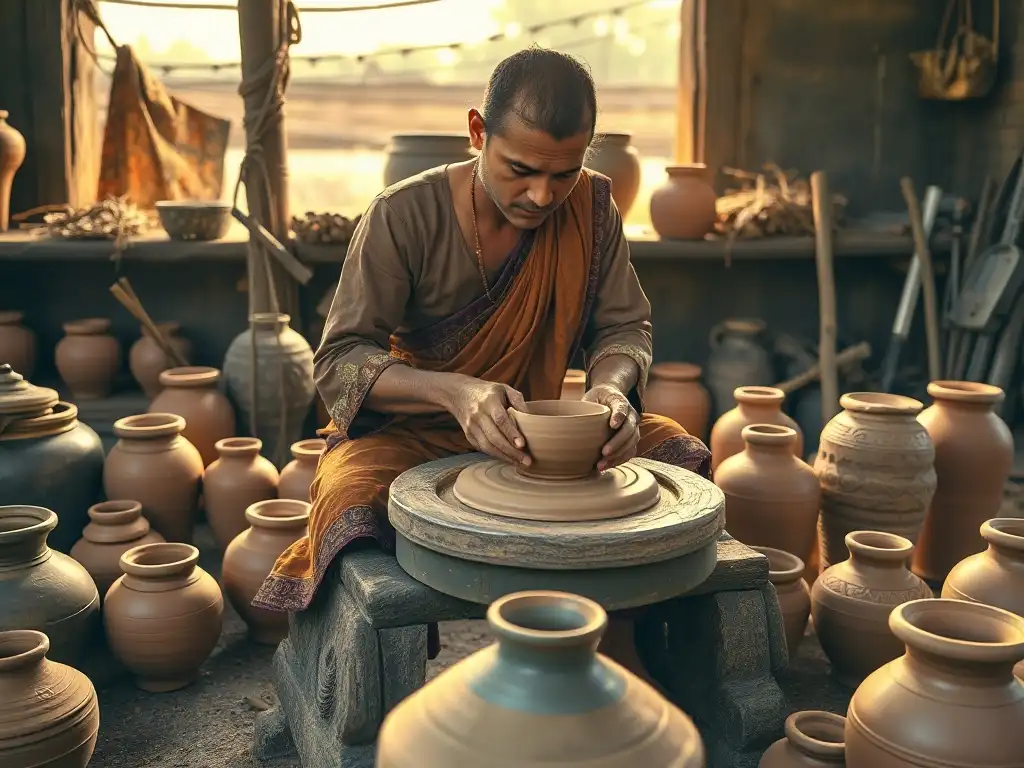
Welcome to Ancient India History, where we embark on a fascinating journey through the rich tapestry of ancient Indian civilizations. Today, we delve into the captivating world of ancient Indian pottery techniques, exploring how artisans transformed simple clay into exquisite works of art that served both functional and aesthetic purposes.
As you uncover the intricate methods and cultural significance behind this timeless craft, prepare to be inspired by the creativity and ingenuity that flourished from the Indus Valley to the Gupta Empire. Join us as we unravel the stories behind these remarkable creations and discover the profound impact they had on society and beyond!
Introduction to Ancient Indian Pottery
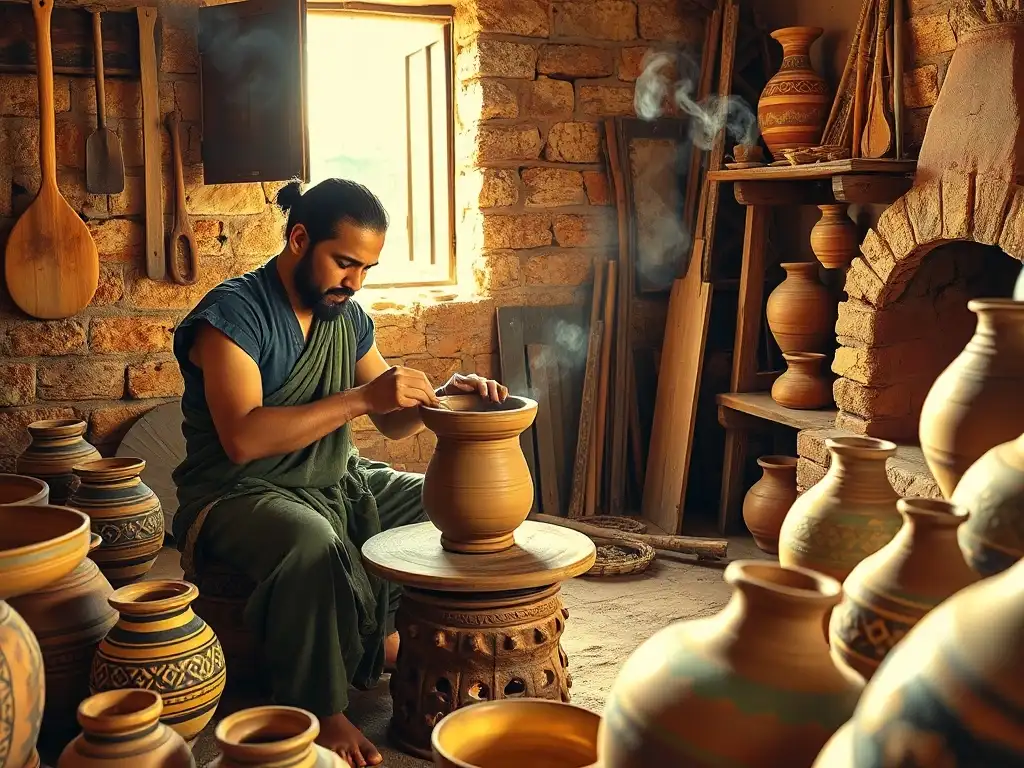
The art of pottery in ancient India is a profound reflection of the civilization's innovative spirit and cultural richness. From the intricately designed vessels of the Indus Valley Civilization to the exquisite pottery of the Gupta Empire, ancient Indian pottery techniques not only served practical purposes but also embodied the artistic expression and beliefs of the time. This article delves into the fascinating world of pottery, exploring its evolution, significance in daily life, and the impact of cultural and religious influences on its design and function.
Overview of Pottery in Ancient Indian Civilizations
Pottery has been an integral part of Indian culture for thousands of years, with archaeological evidence suggesting its use as early as 7000 BCE. The craftsmanship evolved through various periods, showcasing the skills and artistry of ancient potters. Notable civilizations, including:
- Indus Valley Civilization (c. 2600-1900 BCE): Renowned for their standardized shapes and intricate designs.
- Maurya Empire (c. 322-185 BCE): Influenced pottery styles through trade and cultural exchanges.
- Gupta Empire (c. 320-550 CE): Known for the introduction of fine, painted pottery and unique glaze techniques.
Each civilization contributed distinct styles and techniques, showcasing the artistic diversity and technological advancements in pottery.
Importance of Pottery in Daily Life and Culture
Pottery played a crucial role in the daily lives of ancient Indians. It was used for:
- Storage: Earthenware jars and pots were essential for storing grains, water, and other perishables.
- Cooking: Cooking vessels made from clay were prevalent, allowing for various culinary practices.
- Rituals and Traditions: Pottery was often used in religious ceremonies and rituals, symbolizing fertility, prosperity, and the connection between the earthly and divine.
The significance of pottery extends beyond functionality; it served as a canvas for artistic expression, reflecting social status, regional identity, and cultural beliefs.
Historical Context of Ancient Indian Pottery Techniques
Understanding the historical context of ancient Indian pottery techniques reveals the dynamic relationship between artistry and societal needs. The evolution of these techniques is marked by innovation and adaptation to changing cultural landscapes.
Evolution of Pottery from the Indus Valley Civilization
The Indus Valley Civilization is well-known for its advanced pottery techniques, characterized by:
- Wheel-Thrown Pottery: The introduction of the potter's wheel allowed for uniform shapes and sizes.
- Decorative Elements: Pottery was often adorned with geometric patterns, animal motifs, and scenes depicting daily life.
As the civilization progressed, pottery techniques evolved, incorporating new materials and styles influenced by trade with neighboring regions. This evolution set the foundation for subsequent pottery traditions across India.
Influence of Religion and Rituals on Pottery Designs
Religion and rituals significantly influenced the designs and functions of pottery in ancient India. Pottery was often crafted for:
- Ceremonial Use: Specific vessels were created for rituals, such as offerings to deities or for use in funerary practices.
- Symbolic Designs: Many potters incorporated religious symbols and motifs into their work, conveying deeper meanings and cultural beliefs.
The interplay between art and spirituality in pottery design illustrates the profound impact of religion on ancient Indian society, shaping not only the aesthetics but also the cultural significance of these artifacts.
Key Ancient Indian Pottery Techniques
The craft of pottery in ancient India showcases a remarkable blend of artistry and functionality. Among the various techniques employed, two primary methods stand out: hand-building and wheel-throwing. Each of these techniques contributed to the development of distinct styles and forms of pottery, reflecting not only the ingenuity of ancient artisans but also the cultural significance of their creations.
While hand-building techniques allowed for greater individuality and creativity, wheel-throwing provided consistency and precision, enabling potters to produce items in larger quantities. Both methods played a crucial role in the daily lives of ancient Indians, serving practical purposes in cooking, storage, and religious rituals, while also serving as mediums for artistic expression.
Hand-Building Techniques in Ancient Pottery
Hand-building techniques represent some of the earliest methods used in pottery, dating back to the Neolithic period in India. This approach encompasses various methods, including coiling, pinching, and slab construction.
- Coiling: This technique involves rolling out long, thin strands of clay and stacking them in a spiral to form the vessel's walls. Once the desired height is achieved, the coils are smoothed together, creating a solid structure. Coiling allows for significant artistic freedom, enabling potters to craft intricate designs and varied shapes.
- Pinching: This method is one of the simplest forms of pottery-making. Artisans begin with a ball of clay, then pinch and shape it into a desired form using their fingers. Pinching is often used to create small decorative items or simple bowls, highlighting the potter’s personal touch.
- Slab Construction: In this technique, flat slabs of clay are cut and joined together to create forms. This method allows for more geometric shapes and is often used for making tiles or larger containers. The slabs can be decorated with carvings or impressions before being joined, resulting in unique surface textures.
These hand-building techniques not only serve functional purposes but also reflect the cultural narratives and aesthetics of the time, as many pieces were adorned with symbols and motifs significant to the communities that created them.
Wheel-Throwing Techniques in Ancient India
The introduction of the potter's wheel marked a significant evolution in ancient Indian pottery techniques. This innovation allowed for greater efficiency and consistency in the production of pottery items.
- Throwing: On the potter's wheel, clay is centered and shaped into uniform vessels. This method enables potters to create circular forms with precision, resulting in items such as pots, bowls, and jars that are symmetrically balanced. The wheel allows artisans to work quickly, producing multiple items in a shorter time.
- Trimming: After the initial shaping, potters often trim excess clay from the base and refine the shape of the vessel. This step is crucial for ensuring the final product is aesthetically pleasing and functional, as it helps to create a sturdy base that can support the weight of the pot.
- Decorative Techniques: With the wheel, potters could also incorporate decorative elements more easily. Techniques such as incising, slip trailing, and glazing became prominent, allowing for a variety of artistic expressions on the surface of the pottery.
The wheel-throwing technique not only enhanced production capabilities but also played a role in the socio-economic dynamics of ancient Indian societies, as it facilitated trade and the distribution of pottery goods across regions.
Materials and Tools Used in Ancient Indian Pottery
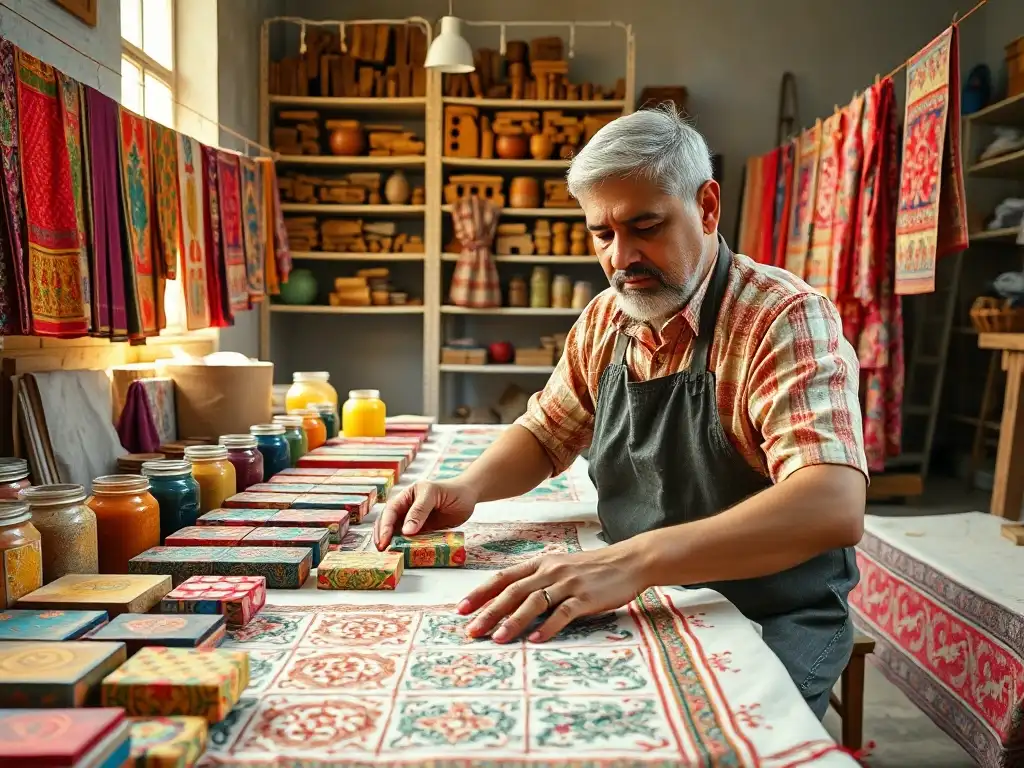
The success of ancient Indian pottery can be attributed not only to the techniques employed but also to the materials and tools used by artisans. The choice of clay and tools shaped the final product's quality, durability, and aesthetic appeal.
Types of Clay and Their Properties
Ancient Indian potters primarily utilized several types of clay, each with distinct properties suitable for different pottery forms:
- Earthenware Clay: Known for its plasticity, this clay became popular for domestic pottery. Its natural red hue, when fired, results in pots that are lightweight yet durable, making them ideal for cooking and storage.
- Stoneware Clay: This type of clay is denser and more durable than earthenware. When fired at high temperatures, it becomes non-porous and water-resistant, perfect for creating functional items like storage jars and water vessels.
- Porcelain: Although less common in ancient India, porcelain clays were used for finer pottery. They require higher firing temperatures but yield smooth, white, and translucent results, often used for decorative objects and ceremonial ware.
The selection of clay directly influenced the pottery's final use, appearance, and durability, showcasing the artisans' understanding of material properties.
Traditional Tools for Shaping and Finishing Pottery
Ancient Indian potters employed a variety of traditional tools to shape and finish their creations. These tools were often handmade and tailored to the potter's individual techniques:
- Potter's Wheel: As a fundamental tool, the potter's wheel allowed for the efficient shaping of clay. The wheel's rotation enabled potters to create symmetrical forms quickly.
- Wooden and Metal Tools: Various tools made from wood or metal were employed for trimming, smoothing, and decorating pottery. Wooden paddles and rib tools helped shape and refine the forms, while metal tools were often used for incising designs.
- Molds: In some cases, potters utilized molds to create consistent shapes, particularly for items like tiles or decorative motifs. This technique allowed for the replication of popular designs.
These tools and materials not only aided in the physical creation of pottery but also reflected the technological advancements and artistry of ancient Indian civilizations. The craftsmanship involved in pottery-making was a significant aspect of their cultural legacy, showcasing both functionality and artistic beauty.
Decorative Techniques in Ancient Indian Pottery
The decorative techniques employed in ancient Indian pottery were diverse and indicative of the cultural and artistic sensibilities of the times. Artisans used a variety of methods to enhance the aesthetics of their creations, transforming simple clay vessels into exquisite works of art. Among the most prominent techniques were incising, painting, and relief work, which not only added beauty but also often carried symbolic meanings.
- Incising involved carving patterns or motifs into the surface of the clay before it was fired. This technique allowed for intricate designs that could tell stories or represent deities, reflecting the spiritual beliefs of the society.
- Painting was another popular method, where artisans used natural pigments to create vibrant designs. These paintings often depicted scenes from daily life, nature, and mythology, serving both decorative and narrative functions.
- Relief work, where designs are raised above the surface, added a tactile dimension to pottery. This technique was frequently used to create ceremonial or ritualistic pieces that were often imbued with cultural significance.
The combination of these decorative techniques not only enhanced the visual appeal of the pottery but also provided insights into the social and cultural contexts of ancient Indian civilizations.
Surface Treatments and Glazing Methods
Surface treatments and glazing methods played a crucial role in the final appearance and functionality of ancient Indian pottery. These processes were evolving with advancements in technology and artistic trends.
- Burnishing was a common surface treatment where a smooth tool was used to polish the surface of the pottery, giving it a shiny finish. This not only enhanced the aesthetic but also made the pottery more water-resistant.
- Glazing techniques emerged later, involving the application of a glass-like coating to the pottery. This was achieved through the use of silica and minerals, which formed a glaze during firing. The introduction of glazes allowed for a broader palette of colors and finishes, making pottery more versatile.
- Some glazes were intentionally left unglazed in certain areas to create contrast, demonstrating a sophisticated understanding of design principles.
The interplay of surface treatments and glazes not only enhanced the visual appeal of pottery but also significantly increased its durability and usability.
Use of Natural Pigments and Designs
The use of natural pigments in ancient Indian pottery was a hallmark of the artisans' creativity and resourcefulness. These pigments were derived from various minerals, plants, and organic materials, which allowed for a rich and diverse color palette.
- Red ochre, yellow ochre, and black manganese were commonly used pigments, providing artisans with earthy tones that resonated with the natural environment. These colors were often applied in intricate patterns, making the pottery not just utilitarian but also an expression of artistic identity.
- Designs often included geometric patterns, floral motifs, and figures representing animals and deities, reflecting the symbiotic relationship between art and culture in ancient India. For instance, motifs of peacocks and lotus flowers were prevalent, symbolizing beauty and divinity.
- The application of these natural pigments also had practical implications, as they were often more durable than synthetic alternatives, ensuring that the pottery could withstand the test of time.
Through the thoughtful application of natural pigments and designs, ancient Indian potters created vibrant pieces that carried significant cultural meanings.
Regional Variations in Ancient Indian Pottery
Ancient Indian pottery exhibited remarkable regional variations, influenced by local resources, cultural practices, and artistic traditions. Each region developed distinctive styles that reflected its unique identity, contributing to the rich tapestry of ancient Indian civilization.
Pottery Styles from the Indus Valley Civilization
The pottery of the Indus Valley Civilization (c. 3300–1300 BCE) is renowned for its sophistication and innovation. Characterized by both functional and decorative qualities, the pottery from this era often featured:
- Red and black pottery, which was created by firing the clay in a controlled atmosphere. This pottery was often adorned with intricate geometric patterns and animal motifs, showcasing the artisans' skills.
- Terracotta figurines were also prevalent, reflecting the civilization's beliefs and practices. These figurines often depicted deities or animals, providing insights into the cultural and religious aspects of the society.
- The use of large storage jars and cooking vessels indicates the practical nature of their pottery, designed to meet the needs of a bustling urban society.
Overall, the pottery of the Indus Valley is a testament to the advanced craftsmanship and cultural richness of this ancient civilization.
Distinct Pottery Forms of the Gupta Empire
The Gupta Empire (c. 320–550 CE) is often regarded as a golden age of Indian art and culture, and its pottery reflects this artistic flourishing. Distinct pottery forms from this period include:
- Painted pottery, characterized by intricate designs and vibrant colors, often featuring mythological themes and daily life scenes. The use of vivid natural pigments allowed for a greater expression of artistry compared to earlier periods.
- Krater-like vessels and lamps, which were used in religious and ceremonial contexts, indicate the importance of ritual in Gupta society. These vessels often featured elaborate decorative motifs, emphasizing their ceremonial significance.
- The introduction of glazed pottery during this period marked a significant advancement in pottery techniques, allowing for more durable and aesthetically pleasing items.
The pottery of the Gupta Empire not only served practical purposes but also reflected the era's artistic innovations and cultural richness, leaving a lasting legacy in the history of Indian art.
The Role of Pottery in Ancient Indian Society
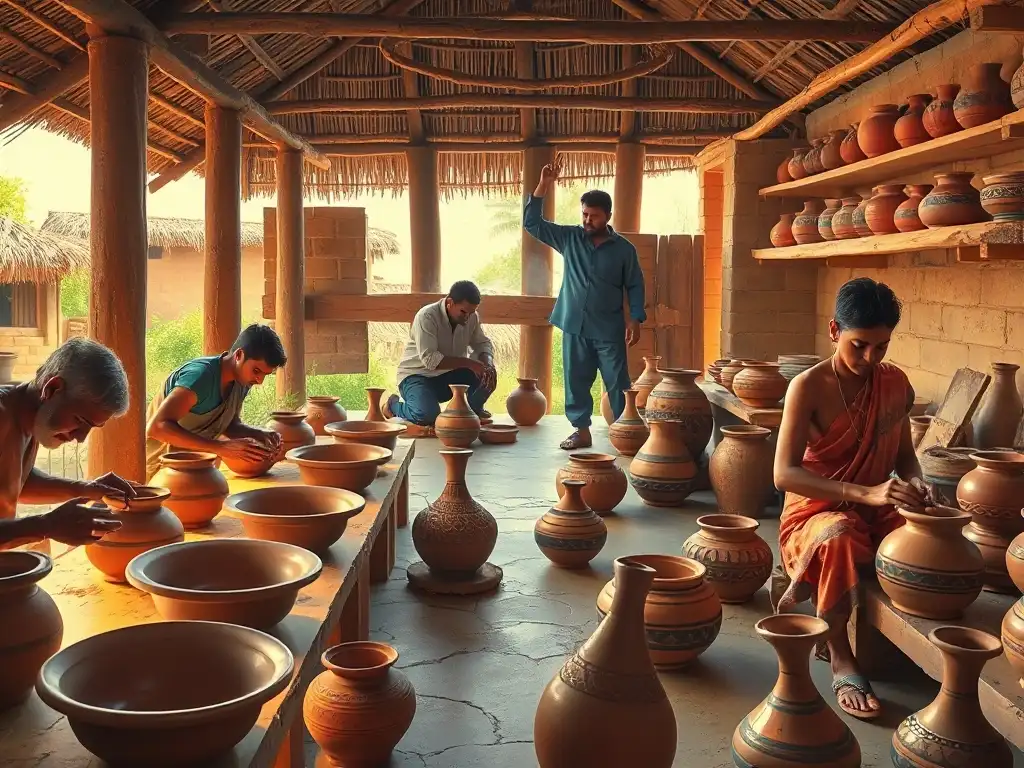
In ancient India, pottery played a crucial role that extended far beyond mere utility. It served as a vital medium for artistic expression, cultural identity, and economic activity. The various pottery styles and techniques evolved alongside social and geographical changes, reflecting the diverse experiences of the communities that crafted them. From the sophisticated urban centers of the Indus Valley Civilization to the rural settlements of later periods, pottery was integral to daily life.
Pottery was not only functional but also held ceremonial significance. Many ancient Indian societies used pottery in rituals, making it an essential component of their spiritual practices. For instance, terracotta figurines and ritual vessels were often employed in religious ceremonies, linking the material culture with the beliefs and values of the time. This duality of form and function illustrates how pottery was interwoven with the social and religious fabric of ancient Indian life.
Pottery as an Artistic Expression
Ancient Indian pottery is renowned for its aesthetic appeal and artistic intricacy. Craftsmen utilized various techniques, including painting, glazing, and molding, to create distinctive designs that often featured motifs inspired by nature, mythology, and daily life. The pottery of the Indus Valley Civilization, for example, is characterized by its geometric patterns and vibrant colors, showcasing the artisans' skills and creativity.
The artistic expression in pottery also varied across different regions and periods. In northern India, painted pottery styles like the Black-and-Red ware emerged, reflecting the cultural influences of the time. Meanwhile, in southern India, the distinctive terracotta pottery of the Tamil Nadu region often depicted religious themes and local flora and fauna. These artistic variations not only exemplify the technical prowess of ancient potters but also highlight the cultural narratives embedded in their work.
Economic Significance of Pottery Craftsmanship
The craftsmanship of pottery was a significant economic driver in ancient Indian societies. The production of pottery necessitated a network of resources, including clay, fuel, and skilled labor, which contributed to local economies. Pottery workshops often emerged as communal hubs, employing artisans who specialized in various aspects of pottery making, from shaping to firing.
Trade networks facilitated the exchange of pottery across regions, allowing for the spread of techniques and styles. Pottery served as an important item of trade, with specific types becoming sought after commodities. For instance, the red slip ware of the Gupta period was highly valued and often traded beyond regional boundaries. This economic dimension of pottery craftsmanship underscores its role in fostering connections among diverse communities and cultures in ancient India.
Preservation and Legacy of Ancient Indian Pottery Techniques
The preservation of ancient Indian pottery techniques is vital for understanding the historical and cultural landscape of the region. Many of these techniques have been documented through archaeological excavations, which have unearthed a wealth of ceramic artifacts that provide insights into the lives of ancient peoples. Scholars continue to study these findings, piecing together the technological advancements and artistic practices of potters throughout history.
Museums and cultural institutions have also played a critical role in preserving these ancient techniques by displaying pottery collections and conducting workshops that teach traditional pottery-making methods. This effort not only safeguards the legacy of ancient craftsmanship but also inspires contemporary artisans to explore and revive these age-old practices.
Influence on Modern Pottery Practices
The techniques and styles of ancient Indian pottery have significantly influenced modern pottery practices in India and beyond. Contemporary potters often draw inspiration from the intricate designs, forms, and firing techniques of their ancient predecessors. The resurgence of interest in traditional crafts has led to a revival of ancient pottery techniques, with artisans blending historic methods with modern sensibilities.
Today, many potters experiment with ancient glazes, shapes, and firing processes, resulting in unique contemporary pieces that honor their historical roots. This fusion of old and new not only enriches the modern pottery landscape but also keeps the legacy of ancient Indian pottery alive in a rapidly changing world.
Continued Relevance of Ancient Techniques in Contemporary India
In contemporary India, ancient pottery techniques remain relevant, particularly in rural areas where traditional craftsmanship has been passed down through generations. Local potters continue to create functional and decorative pottery using age-old methods, preserving cultural heritage while also adapting to modern demands.
Moreover, initiatives aimed at promoting sustainable practices have further emphasized the value of traditional pottery techniques. Many artisans are now focusing on eco-friendly materials and processes, echoing the practices of ancient potters who relied on local resources. This continuity not only showcases the resilience of ancient techniques but also highlights their adaptability in addressing contemporary environmental concerns.
The craft of pottery in ancient India, characterized by its artistic expression, economic significance, and lasting legacy, remains a vital part of the cultural landscape today. The techniques developed by ancient artisans continue to inspire and inform modern practices, ensuring that the rich heritage of ancient Indian pottery is not only preserved but also celebrated.
Conclusion: The Artistic Legacy of Ancient Indian Pottery
The craft of pottery in ancient India stands as a testament to the ingenuity and creativity of its civilizations. From the intricate designs of the Indus Valley Civilization to the refined techniques developed during the Gupta Empire, pottery served not only as functional vessels but also as a canvas for artistic expression. Each era brought forth unique styles, techniques, and purposes that reflected the cultural, social, and economic dynamics of the time. The legacy of these ancient practices continues to resonate in contemporary art, showcasing the profound impact of historical pottery techniques on modern craft.
Summary of Key Pottery Techniques and Their Impact
Ancient Indian pottery techniques varied significantly across regions and periods, each contributing uniquely to the art form. Key techniques included:
- Wheel-Thrown Pottery: This method, prominent during the Indus Valley period, enabled artisans to create symmetrical shapes with precision. The use of the potter's wheel revolutionized pottery production, allowing for mass creation and standardization.
- Hand-Built Pottery: Techniques such as pinching, coiling, and slab construction were prevalent in various cultures. These methods allowed for more personalized and artistic expressions, often resulting in unique, handcrafted pieces.
- Glazing Techniques: The application of glazes—developed later—enhanced the aesthetic appeal and durability of pottery. The use of natural minerals and oxides led to vibrant colors and intricate patterns, reflecting the artistry of potters.
- Decorative Techniques: Incising, painting, and stamping were employed to adorn pottery, often depicting motifs that carried symbolic meanings. This decorative aspect played a crucial role in distinguishing cultural and regional identities.
These techniques not only demonstrate the craftsmanship of ancient Indian potters but also highlight the socio-economic contexts in which pottery was created. The pottery often served as a means of trade, a reflection of daily life, and a representation of spiritual beliefs.
The Enduring Influence of Ancient Indian Pottery on Art and Culture
The influence of ancient Indian pottery extends far beyond its time, permeating various aspects of art and culture. Modern Indian artisans often draw inspiration from traditional pottery forms, reviving techniques and designs that have stood the test of time. The aesthetic principles derived from ancient pottery are evident in contemporary ceramics, where artists blend traditional methods with modern innovations.
Moreover, ancient pottery has significantly contributed to archaeological studies, providing insights into the lives, customs, and beliefs of ancient societies. The motifs and styles found in pottery fragments help historians trace cultural exchanges and migrations across regions.
In a broader cultural context, pottery remains an integral part of Indian festivals and rituals, symbolizing prosperity and creativity. The celebration of pottery fairs and exhibitions across the country showcases the continued relevance of this ancient craft in contemporary society, bridging the gap between history and modern art.
The legacy of ancient Indian pottery is not merely confined to its artifacts; it embodies a rich cultural narrative that continues to inspire and influence generations. As we explore the intricacies of these ancient techniques, we appreciate the artistry and functionality that define the craft of pottery in ancient India.
- Introduction to Ancient Indian Pottery
- Historical Context of Ancient Indian Pottery Techniques
- Key Ancient Indian Pottery Techniques
- Materials and Tools Used in Ancient Indian Pottery
- Decorative Techniques in Ancient Indian Pottery
- Regional Variations in Ancient Indian Pottery
- The Role of Pottery in Ancient Indian Society
- Preservation and Legacy of Ancient Indian Pottery Techniques
- Conclusion: The Artistic Legacy of Ancient Indian Pottery
- What were the primary pottery techniques used in ancient India?
- How did ancient Indian pottery differ across civilizations?
- What materials were commonly used in ancient Indian pottery?
- How did functionality influence pottery design in ancient India?
- What role did pottery play in ancient Indian culture?
Frequently Asked Questions
What were the primary pottery techniques used in ancient India?
Ancient Indian pottery techniques included coiling, wheel-throwing, and hand-building, each reflecting the unique cultural practices of various regions.
How did ancient Indian pottery differ across civilizations?
Ancient Indian pottery varied significantly, with the Indus Valley Civilization known for its intricate designs, while the Gupta Empire focused on utilitarian forms and artistic embellishments.
What materials were commonly used in ancient Indian pottery?
Potters primarily used clay, often mixed with silica and temper materials like sand or crushed pottery to enhance durability and texture.
How did functionality influence pottery design in ancient India?
The functionality of pottery in ancient India dictated its shape and decoration, with items crafted for storage, cooking, and ceremonial purposes, reflecting their everyday life.
What role did pottery play in ancient Indian culture?
Pottery was crucial in ancient Indian culture, serving not only practical needs but also acting as a canvas for artistic expression and a means of social and economic exchange.
Final Reflection: The Enduring Legacy of Ancient Indian Pottery Techniques
The intricate artistry of ancient Indian pottery techniques continues to resonate in today's world, reminding us of the profound connection between form and function. As we explore the rich history of pottery in ancient India, we uncover not only the technical skills of artisans but also the cultural narratives that these creations embody. The craftsmanship of the past serves as a testament to human creativity and innovation, inspiring contemporary artists and potters to draw from this well of knowledge and tradition.
The impact of ancient Indian pottery techniques extends far beyond their physical forms; they have shaped cultural identities and social practices throughout history. The beauty and utility of these artifacts reflect the values and beliefs of the societies that produced them, fostering a sense of community and continuity. As we consider the ongoing influence of these techniques, we are reminded of the words of renowned potter Bernard Leach: The potter's art is a reflection of the human spirit.
This sentiment encapsulates the essence of pottery as a medium that transcends time, connecting us to our ancestors and their stories.
As we conclude our exploration of ancient Indian pottery techniques, I invite you to reflect on the lessons embedded within this craft. Consider how the principles of balance, creativity, and functionality can inform your own pursuits, whether in art, daily life, or personal growth. Let the legacy of these ancient artisans inspire you to create, innovate, and connect with the world around you, embracing the timeless dance of form and function in your own journey.
Unveil Your Creativity: Start Your Pottery Journey Today!
Thank you for exploring the fascinating world of ancient Indian pottery with us! We hope you gained insight into how art and utility harmoniously blend through this timeless craft. Now it’s time to unlock your own creative potential.
Here are a few actions to help you dive deeper into the art of pottery:
- Start a pottery project: Gather some clay and tools to create your first piece. Remember, it's all about experimenting and having fun!
- Join a local pottery class: Connect with fellow enthusiasts and learn techniques that will enhance your creativity and develop your skills.
- Share your progress on social media: Showcase your creations and engage with a community of pottery lovers. Use relevant hashtags to inspire others and find inspiration!
What unique piece would you create that embodies both beauty and functionality?