
The Role of Religion in Artistic Syncretism: Hinduism, Buddhism, and Jainism

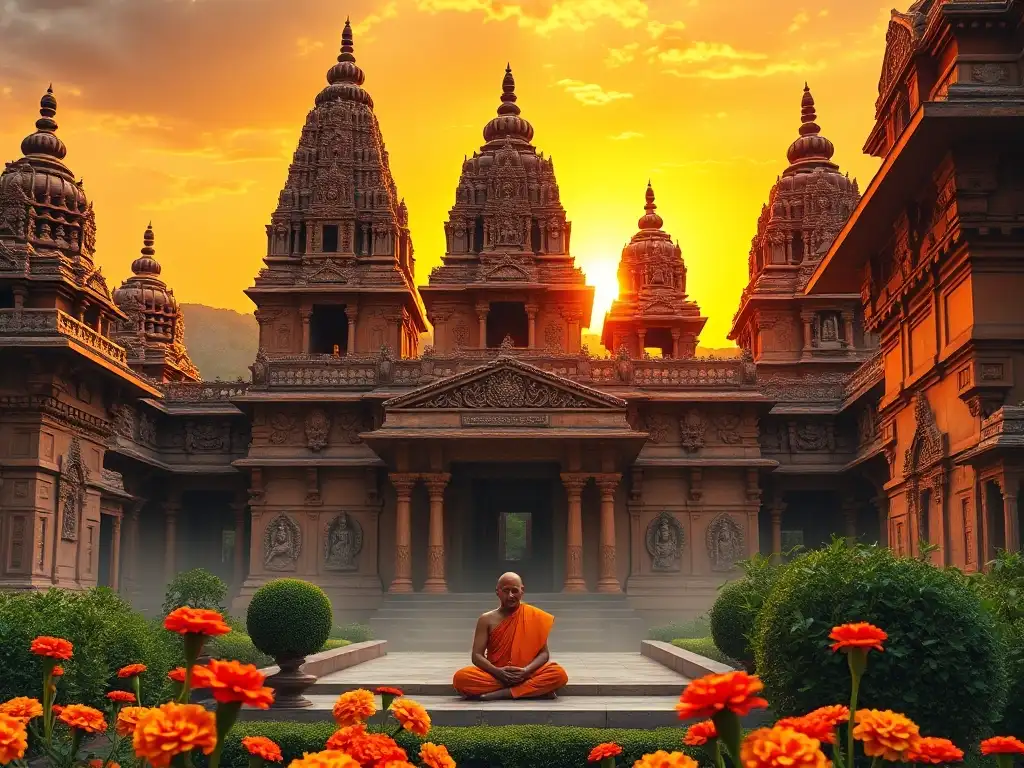
Welcome to Ancient India History, where we embark on a fascinating journey through the rich tapestry of ancient Indian civilizations. In our exploration today, we delve into the intricate relationship between religion and art in ancient India, uncovering how Hinduism, Buddhism, and Jainism not only coexisted but also enriched each other through artistic syncretism. What secrets do the masterpieces of the past hold about the spiritual and cultural exchanges that shaped this vibrant society? Join us as we unravel these captivating connections and discover the profound influence of religion on the artistic expressions that continue to resonate through time.
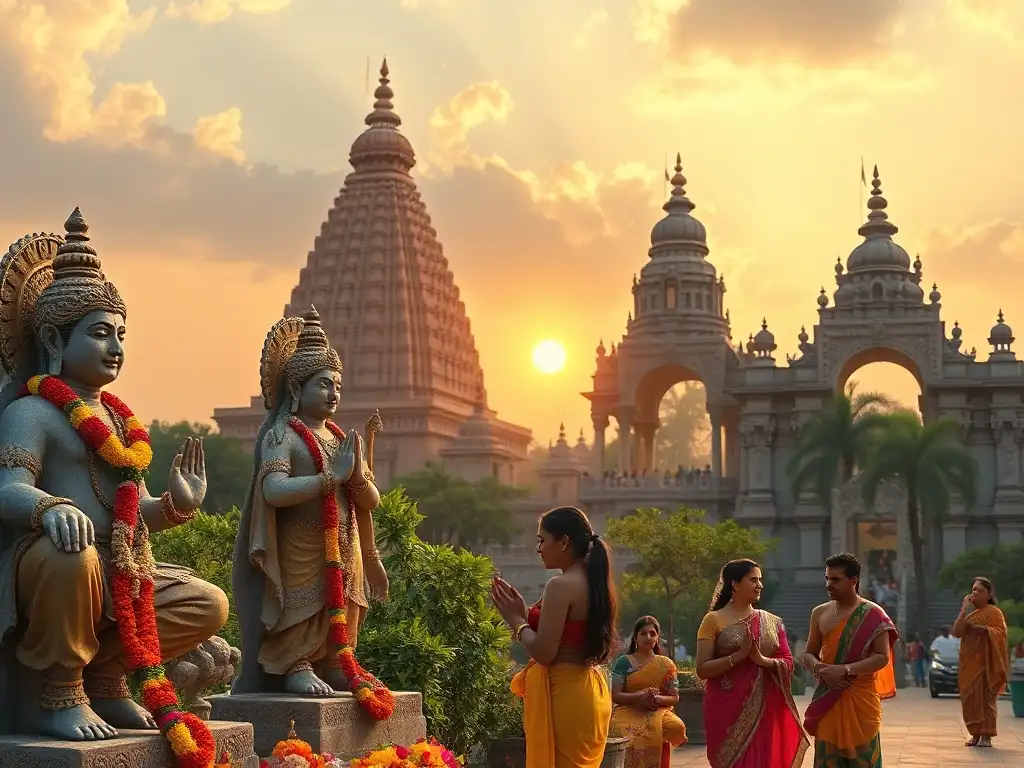
Introduction to Religion and Art in Ancient India
The interplay between religion and art in ancient India is a profound subject that reveals the intricate connections between spiritual beliefs and creative expressions. From the majestic sculptures of the Indus Valley Civilization to the intricate frescoes of the Gupta Empire, religious themes pervaded the artistic endeavors of ancient Indian societies.
This article explores how Hinduism, Buddhism, and Jainism—three major religions that emerged and flourished in this region—contributed to a rich tapestry of artistic syncretism. By examining the influence of these faiths, we can gain insight into how they shaped the cultural landscape and artistic expressions of their time, ultimately reflecting the diverse and dynamic nature of ancient Indian civilization.
Overview of Artistic Syncretism in Ancient India
Artistic syncretism in ancient India refers to the blending of various artistic styles, techniques, and motifs that arose from the interaction of different religious traditions. This synthesis was not merely a result of cultural exchange but was deeply rooted in the spiritual and philosophical ideas of Hinduism, Buddhism, and Jainism.
- Key Characteristics of Artistic Syncretism:
- Diverse Influences: The confluence of different religious beliefs led to a unique fusion of artistic styles.
- Symbolism and Iconography: Artists employed various symbols and iconographic elements to convey complex spiritual themes.
- Regional Variations: Different regions exhibited distinct interpretations of religious art, influenced by local traditions and practices.
This blending of artistic elements not only enriched the visual vocabulary of ancient India but also served as a medium for spiritual expression, reflecting the beliefs and values of the societies that produced them.
Significance of Religion in Shaping Artistic Expression
Religion played a pivotal role in shaping artistic expression in ancient India, acting as both a catalyst for creativity and a guiding principle for artistic endeavors.
- Spiritual Inspiration: Artists often drew inspiration from religious texts, myths, and teachings, translating spiritual concepts into visual forms.
- Commission and Patronage: Temples, monasteries, and royal courts were significant patrons of the arts, commissioning works that reflected their religious devotion and power.
- Cultural Identity: Art served as a means of expressing cultural identity, with each religion contributing its unique perspectives and narratives to the larger tapestry of Indian art.
Through the lens of religion, the arts became a powerful medium for communicating complex ideas about existence, morality, and the divine, ensuring their place at the heart of ancient Indian culture.
The Interconnection Between Religion and Art in Ancient Indian Civilizations
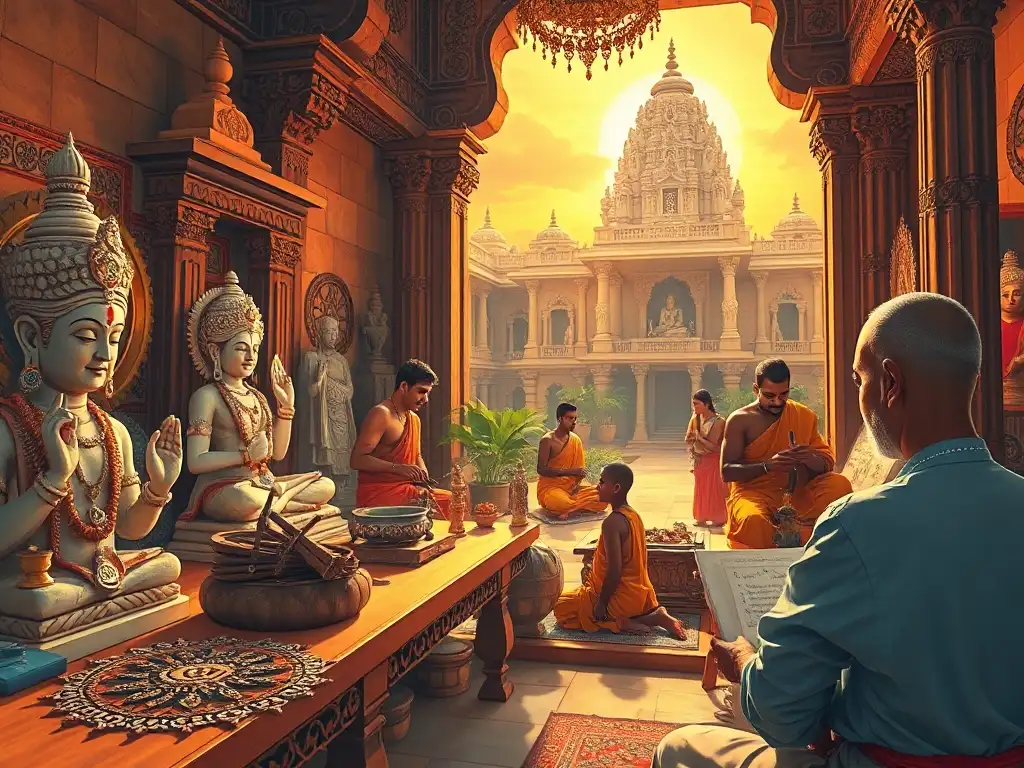
The relationship between religion and art in ancient Indian civilizations is characterized by mutual influence and interdependence. Each religious tradition—Hinduism, Buddhism, and Jainism—left an indelible mark on the artistic landscape, fostering a rich dialogue between faith and creativity.
Influence of Hinduism on Artistic Traditions
Hinduism, one of the oldest religions in the world, has profoundly influenced the artistic traditions of ancient India.
- Iconography of Deities: Hindu art is renowned for its elaborate depictions of gods and goddesses, showcasing a complex iconographic system that conveys divine qualities and narratives.
- Temple Architecture: The construction of temples, adorned with intricate carvings and sculptures, reflects the religious devotion of the community and serves as a space for worship and artistic expression.
- Narrative Art: Stories from epics like the Mahabharata and Ramayana have been immortalized in paintings and reliefs, illustrating the moral and philosophical teachings of Hinduism.
Through these artistic expressions, Hinduism has contributed significantly to the cultural heritage of ancient India, creating a lasting legacy.
The Impact of Buddhism on Artistic Developments
Buddhism emerged in India as a reformative movement and has greatly influenced the art of the region.
- Stupas and Monuments: The construction of stupas and monasteries, often adorned with intricate carvings and frescoes, served as centers for meditation and community gatherings.
- Buddhist Iconography: The portrayal of the Buddha and bodhisattvas in various artistic forms reflects the teachings and values of Buddhism, emphasizing compassion and enlightenment.
- Cave Art: The Ajanta and Ellora caves stand as testaments to Buddhist artistic achievement, where rock-cut sculptures and paintings depict narratives from the Jataka tales.
Buddhism's emphasis on the impermanence of life and the pursuit of enlightenment drove innovative artistic approaches, leaving a profound impact on the cultural landscape of ancient India.
Jainism's Contribution to Artistic Syncretism
Jainism, with its commitment to non-violence and asceticism, has also played a vital role in the artistic syncretism of ancient India.
- Elaborate Temples: Jain temples, known for their ornate architecture and intricate carvings, serve as examples of the religion's artistic contributions.
- Symbolic Representations: Jain art often incorporates symbols like the hand with a wheel, representing the teachings of non-violence and truth.
- Miniature Paintings: The tradition of miniature painting in Jain manuscripts showcases detailed illustrations that convey religious stories and principles.
Jainism's artistic expressions reflect its philosophical tenets, contributing to the rich diversity of artistic styles in ancient Indian culture.
In examining the role of religion in artistic syncretism, we uncover the vibrant tapestry of beliefs and expressions that defined ancient Indian civilization, highlighting how these three religions—Hinduism, Buddhism, and Jainism—interwove their narratives into a collective cultural legacy that continues to influence art and spirituality today.
Comparative Analysis of Artistic Expressions in Hinduism, Buddhism, and Jainism
The artistic expressions of Hinduism, Buddhism, and Jainism reflect a profound intermingling of religious beliefs, cultural practices, and philosophical ideas that shaped ancient Indian civilization. Each religion has contributed uniquely to the artistic landscape, yet they also share significant similarities that highlight their interconnectedness.
Hinduism is characterized by its vibrant and diverse representations of deities, epics, and cosmology, often depicted through intricate sculptures and colorful murals. The use of symbolism is prevalent, with various motifs such as the lotus and the conch shell representing purity and auspiciousness. In contrast, Buddhist art focuses on the life and teachings of the Buddha, primarily conveyed through stupas, sculptures, and thangkas that illustrate the Four Noble Truths and the Eightfold Path. Jain art is distinguished by its detailed and meticulous depictions of Tirthankaras, with an emphasis on non-violence and asceticism, often represented through serene and meditative figures.
While each religion has its distinct themes, they often converge on common motifs such as the wheel, which symbolizes the cycle of life, death, and rebirth across all three faiths. This comparative analysis reveals not only the unique aspects of each tradition but also the shared cultural and spiritual heritage that influenced their artistic expressions.
Common Themes and Motifs Across the Three Religions
The artistic traditions of Hinduism, Buddhism, and Jainism are rich in common themes and motifs that echo their philosophical underpinnings and shared cultural milieu. One of the most prevalent motifs is the lotus flower, symbolizing purity and enlightenment, found in artwork across all three religions.
Additionally, the tree of life is a recurring theme, representing the interconnectedness of all living beings and the significance of spirituality in achieving liberation. The wheel, or Dharmachakra, stands out as a crucial symbol in Buddhism, denoting the teachings of the Buddha and the path to enlightenment, while also being recognized in Jainism and Hinduism as a representation of the cycle of life.
Furthermore, the concept of divine feminine and masculine energies manifests in various forms, such as the representation of Shakti in Hindu art, alongside the serene depictions of the Buddha and the Tirthankaras in Buddhist and Jain traditions, respectively. These common themes highlight the underlying philosophical connections between the three religions, fostering a sense of unity amid their diversity.
Distinct Artistic Styles and Techniques
While there are commonalities, each religion showcases distinct artistic styles and techniques that reflect its unique beliefs and practices.
- Hindu Art: Characterized by its ornate and elaborate designs, Hindu art employs a rich palette and dynamic forms. Temples are adorned with intricate carvings of deities and mythological stories, showcasing the skill of artisans in creating three-dimensional narratives that engage viewers. Techniques like chiaroscuro enhance the visual drama, bringing figures to life.
- Buddhist Art: The evolution of Buddhist art can be observed through various styles, from the early Gandhara style, influenced by Greco-Roman aesthetics, to the later Matura and Ajanta styles, which emphasize spiritual themes and simplicity. In Buddhist sculpture, the abhiṣeka mudra (gesture of blessing) and dhyana mudra (gesture of meditation) are pivotal in conveying the Buddha's teachings.
- Jain Art: Jain art is known for its precision and attention to detail, often characterized by the use of white marble and the elaborate depiction of Tirthankaras. The art is less about grandeur and more focused on conveying serenity and contemplation, using techniques like inlay work and intricate miniature painting that reflect the ascetic ideals of Jainism.
These distinct styles and techniques not only present the individual identities of each faith but also illustrate the broader cultural exchanges and influences that contributed to the artistic syncretism of ancient India.
The Role of Pilgrimage Sites in Artistic Syncretism
Pilgrimage sites in ancient India served as vital hubs of cultural and artistic exchange, fostering an environment where religious traditions intersected and influenced one another. The convergence of devotees from diverse backgrounds at these sacred locations enabled the sharing of artistic styles, motifs, and techniques, contributing to a rich tapestry of artistic expression that transcended individual religious boundaries.
Major Pilgrimage Sites and Their Artistic Significance
Key pilgrimage sites, such as Varanasi, Bodh Gaya, and Shatrunjaya, illustrate the artistic significance of these spiritual destinations. Varanasi, one of the oldest inhabited cities, is revered in Hinduism and has influenced numerous artistic representations of Ganga worship and the cycle of life.
Bodh Gaya, where the Buddha attained enlightenment, has become a focal point for Buddhist art, with the Mahabodhi Temple complex showcasing stunning sculptures and architectural designs that reflect the essence of Buddhist teachings. Similarly, the Shatrunjaya hills in Gujarat are significant in Jainism, featuring thousands of intricately carved temples that highlight the ethos of non-violence and devotion.
These pilgrimage sites not only function as religious centers but also as artistic laboratories where the cross-pollination of ideas led to innovative forms of expression that enriched all three religions.
Art as a Means of Religious Pilgrimage and Cultural Exchange
Art has served as a powerful medium for religious pilgrimage and cultural exchange among Hinduism, Buddhism, and Jainism. Pilgrims often commissioned artworks as acts of devotion, which not only served religious purposes but also acted as vehicles for cultural dialogue.
For instance, the intricate murals and sculptures created for temples and stupas often depicted stories that resonated across religious boundaries, allowing devotees to engage with the shared narratives of morality, virtue, and enlightenment.
Moreover, the physical act of pilgrimage itself became an artistic journey, as devotees encountered diverse artistic expressions along their paths, leading to the adoption and adaptation of styles and themes across different locales. This dynamic interplay of faith and art underscores the significance of pilgrimage in fostering a syncretic culture that embraced diversity while celebrating shared spiritual heritage.
Conclusion: The Lasting Impact of Religion on Artistic Syncretism in Ancient India
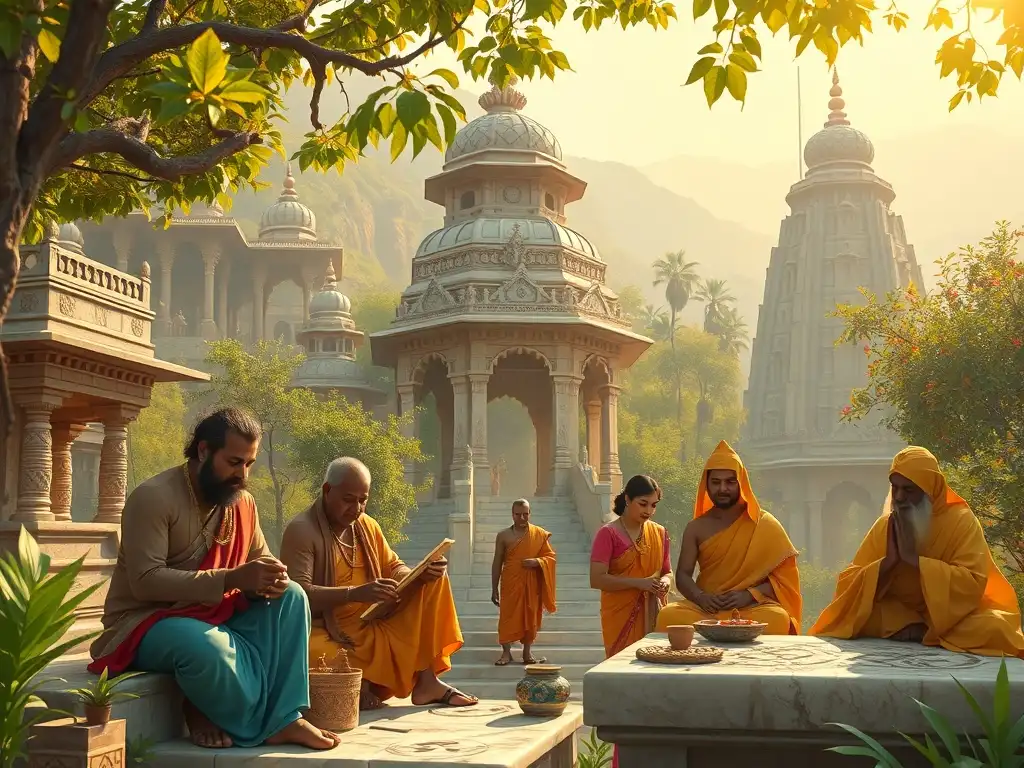
The interplay of religion and art in ancient India has left an indelible mark on the cultural landscape of the subcontinent. The synthesis of Hinduism, Buddhism, and Jainism not only shaped the spiritual lives of millions but also fostered a rich artistic tradition that continues to inspire contemporary art forms. The temples adorned with intricate carvings, the serene sculptures representing the divine, and the vivid frescoes narrating religious tales are testaments to the profound influence of religious beliefs on artistic expression.
Art in ancient India served as a conduit for religious ideas, facilitating a shared cultural narrative that transcended regional and sectarian boundaries. This syncretism is most evident in the architectural achievements of the period, where symbols and motifs from different faiths coexisted harmoniously. As a result, the artistic legacy of ancient India stands as a celebration of diversity, demonstrating how religion can foster creative collaboration and cultural dialogue.
Reflection on the Legacy of Religious Art
The legacy of religious art in ancient India is multifaceted and profound. It reflects the spiritual aspirations of its creators and the socio-political contexts in which they worked. Temples like the Brihadeeswarar Temple in Tamil Nadu and the cave complexes of Ajanta and Ellora illustrate how religious art was not merely decorative but served as a narrative tool, imparting moral and spiritual lessons to the viewer.
Moreover, the evolution of artistic styles—from the realistic forms seen in early Buddhist sculptures to the more abstract representations within Hindu iconography—demonstrates the dynamic nature of artistic expression influenced by religious thought. The blending of various styles and iconographies signifies a broader cultural exchange, where artists drew inspiration from multiple sources to create works that resonate with a wider audience.
This legacy continues to be a source of inspiration for modern artists, who often revisit ancient themes and techniques. The ongoing relevance of these artistic traditions highlights the enduring connection between religion and art, suggesting that the past still holds valuable lessons for contemporary society.
Future Perspectives on the Study of Religion and Art in Ancient Indian History
The study of religion and art in ancient Indian history is poised for further exploration, with several avenues for future research. One promising area is the examination of lesser-known regional art forms that emerged from localized interpretations of religious motifs. These variations can provide insights into how different communities engaged with and adapted religious narratives to reflect their unique cultural contexts.
Additionally, interdisciplinary approaches that incorporate archaeology, anthropology, and digital humanities can yield richer understandings of the complex relationships between religion and art. For instance, the use of technology in visualizing ancient sites and artifacts can enhance our comprehension of their original contexts and significance.
Scholars are also increasingly recognizing the importance of gender in the production and reception of religious art. Investigating the roles of women artists and patrons in ancient India can offer a more nuanced understanding of artistic syncretism and its implications for societal norms.
As we continue to unravel the intricate tapestry of religion and art in ancient India, it becomes clear that these elements are not only pivotal in understanding the past but also vital in shaping contemporary cultural identities. The legacy of artistic syncretism invites ongoing dialogue and reflection, ensuring that the interplay of religion and art remains a vibrant field of study for generations to come.
- Introduction to Religion and Art in Ancient India
- Overview of Artistic Syncretism in Ancient India
- Significance of Religion in Shaping Artistic Expression
- The Interconnection Between Religion and Art in Ancient Indian Civilizations
- Comparative Analysis of Artistic Expressions in Hinduism, Buddhism, and Jainism
- The Role of Pilgrimage Sites in Artistic Syncretism
- Conclusion: The Lasting Impact of Religion on Artistic Syncretism in Ancient India
- Reflection on the Legacy of Religious Art
- Future Perspectives on the Study of Religion and Art in Ancient Indian History
- What is the significance of religion in artistic syncretism in ancient India?
- How did Hinduism influence art in ancient India?
- In what ways did Buddhism contribute to the artistic landscape of ancient India?
- What role did Jainism play in shaping ancient Indian art?
- How did the interaction between these religions affect the art of ancient India?
Frequently Asked Questions
What is the significance of religion in artistic syncretism in ancient India?
Religion played a crucial role in artistic syncretism, influencing the styles, themes, and techniques used in various art forms. Hinduism, Buddhism, and Jainism often blended together, creating a rich tapestry of cultural expression.
How did Hinduism influence art in ancient India?
Hinduism significantly impacted ancient Indian art through its mythology, iconography, and temple architecture. The depiction of deities and epic narratives in sculptures and paintings reflects the deep connection between religion and artistic practices.
In what ways did Buddhism contribute to the artistic landscape of ancient India?
Buddhism introduced unique artistic elements such as stupas and Buddha statues, emphasizing spiritual themes and the concept of enlightenment. This contributed to a distinct style that influenced subsequent art forms across regions.
What role did Jainism play in shaping ancient Indian art?
Jainism contributed to the artistic heritage of ancient India through intricate temple carvings and manuscript illustrations that reflect its philosophical ideals. The emphasis on non-violence and spiritual purity is often depicted in its art.
How did the interaction between these religions affect the art of ancient India?
The interaction between Hinduism, Buddhism, and Jainism fostered a unique environment for artistic innovation. This led to a fusion of styles and ideas, resulting in a diverse artistic tradition that is still celebrated today.
Final Reflection: The Interwoven Tapestry of Religion and Art in Ancient India
The intricate relationship between religion and art in ancient India remains profoundly relevant today, as it continues to shape cultural identities and inspire contemporary artistic expressions. The exploration of Hinduism, Buddhism, and Jainism reveals how these spiritual traditions have not only coexisted but also enriched one another, creating a vibrant tapestry of artistic syncretism that resonates through time. In a world increasingly defined by division, the unity found in this artistic dialogue serves as a powerful reminder of our shared human experience.
The influence of these religions on the artistic landscape is not merely historical; it is a living legacy that informs our cultural narratives and social practices today. The art that emerged from these traditions speaks to universal themes of compassion, enlightenment, and the quest for meaning, transcending the boundaries of time and geography. Art is the most beautiful of all lies.
This quote encapsulates the essence of how art, rooted in religious expression, can convey profound truths about the human condition, inviting us to reflect on our own beliefs and values.
As we contemplate the lessons drawn from the artistic syncretism of ancient India, I invite you to consider how these insights can be applied in your own life. Reflect on the ways in which your beliefs and experiences shape your creative expressions, and seek to find common ground with others through art. Let the rich heritage of religion and art inspire you to foster dialogue, understanding, and collaboration in your own community, creating a future where diverse voices harmoniously contribute to the ongoing narrative of human creativity.
Unveil the Interconnectedness of Faith and Art!
Thank you for diving into the fascinating exploration of how Hinduism, Buddhism, and Jainism intertwine within the realm of artistic syncretism. You've gained valuable insights into the rich tapestry of cultural and spiritual exchange that defines ancient Indian art. Now, let’s take the next steps to further your understanding and appreciation!
Here are a few powerful actions you can take:
- Immerse yourself in the artistry of these religions: Visit a local museum or explore online galleries showcasing the incredible art forms of Hindu, Buddhist, and Jain traditions.
- Share your thoughts with friends: Spark a conversation about the influence of these religions on contemporary art and culture, and see how others perceive their impact.
- Join an online forum or community dedicated to Indian art and spirituality. Engage with like-minded enthusiasts who share your passion and broaden your perspective.
What aspect of artistic syncretism between these religions resonates most with you, and how might it inspire your own creative pursuits?