
Celebrating Diversity: The Role of Festivals in Artistic Syncretism in Ancient India

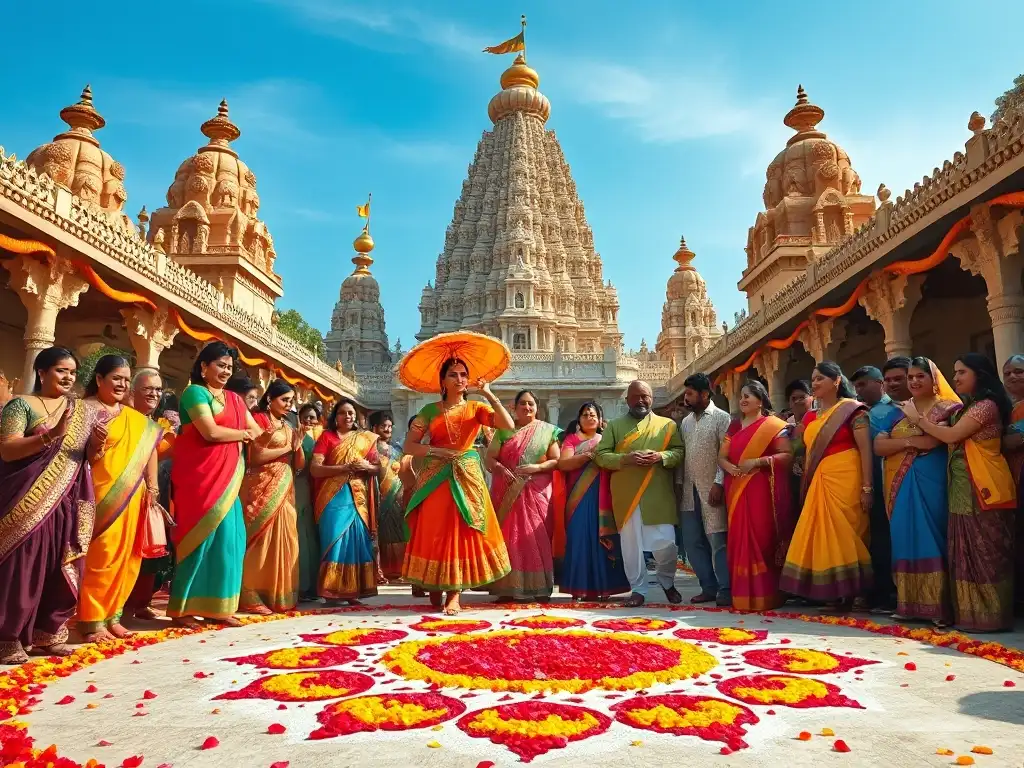
Welcome to Ancient India History, where the tapestry of time unfolds to reveal the vibrant festivals and culture that defined ancient Indian civilizations. In our featured article, "Celebrating Diversity: The Role of Festivals in Artistic Syncretism in Ancient India," we invite you to journey through the colorful celebrations that not only marked the calendar but also enriched the artistic expressions of diverse communities. Discover how these jubilant occasions fostered cultural exchanges and influenced the very essence of Indian heritage. Are you ready to delve deeper into the fascinating interplay of tradition and creativity? The celebration awaits!
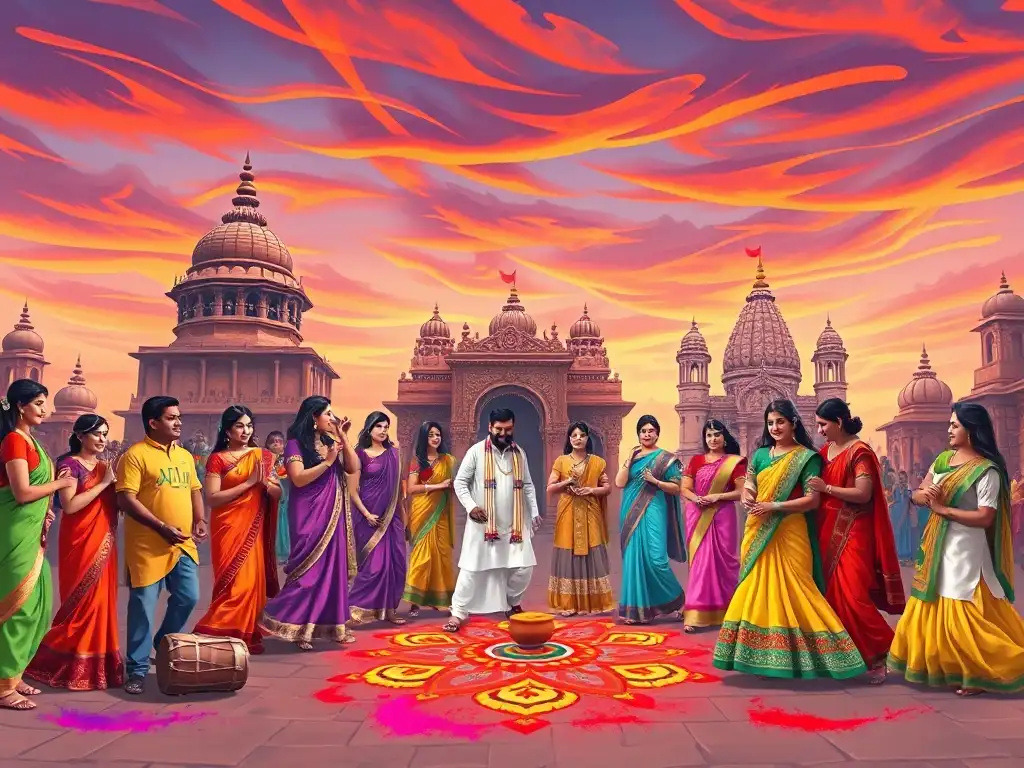
Introduction to Ancient Indian Festivals and Culture
Ancient India boasts a rich tapestry of festivals, each reflecting the diverse cultural, spiritual, and artistic expressions of its time. These festivals were not merely events marked on a calendar; they served as profound vehicles for showcasing the intricate interplay of regional traditions, beliefs, and artistic practices. From the vibrant celebrations of the Indus Valley Civilization to the elaborate ceremonies during the Gupta Empire, ancient Indian festivals encapsulated the spirit of community and the essence of cultural syncretism.
The term "syncretism" itself embodies the blending of different beliefs and practices, and in the context of ancient India, it highlights the remarkable ability of its civilizations to integrate various influences while maintaining their unique identities. As we delve into the significance of festivals in ancient Indian culture, we will uncover how these celebrations fostered artistic expression, facilitated cultural exchanges, and enriched the overall tapestry of Indian heritage.
Overview of Festivals in Ancient India
Festivals in ancient India were diverse and numerous, often linked to agricultural cycles, religious observances, and seasonal changes. Some notable festivals included:
- Diwali: Celebrated with lights and fireworks, symbolizing the victory of light over darkness.
- Holi: The festival of colors, marking the arrival of spring and celebrating love and joy.
- Navaratri: A nine-night festival dedicated to the worship of the Goddess Durga, showcasing dance, music, and artistic performances.
These festivals not only served spiritual purposes but also acted as platforms for artistic expressions, such as dance, music, and visual arts, allowing communities to come together and celebrate their cultural identity.
Importance of Festivals in Cultural Expression
Festivals played a crucial role in the cultural expression of ancient Indian societies. They offered a space for communal participation, where individuals could engage in traditional practices, rituals, and artistic displays. The significance of these festivals can be understood through several key aspects:
- Community Bonding: Festivals fostered a sense of unity among community members, strengthening social ties and shared identities.
- Artistic Flourishing: Artists, musicians, and performers had the opportunity to showcase their talents during these celebrations, leading to the evolution and enrichment of various art forms.
- Transmission of Knowledge: Festivals served as a conduit for passing down myths, stories, and cultural heritage from one generation to the next.
The Concept of Artistic Syncretism in Ancient India
Artistic syncretism refers to the blending and merging of different artistic styles and traditions. In the context of ancient India, this concept plays a pivotal role in understanding how diverse influences coalesced to create a rich cultural fabric.
Definition of Artistic Syncretism
Artistic syncretism can be defined as the process through which various artistic traditions and styles intermingle, leading to the creation of new forms and expressions. In ancient India, this phenomenon was evident in various art forms, including sculpture, painting, and music, where distinct regional influences combined to produce unique artistic expressions.
Historical Context of Syncretism in Indian Culture
The historical context of artistic syncretism in ancient India is marked by the interaction of various cultures, religions, and artistic traditions. The following factors contributed to this syncretic evolution:
- Trade and Cultural Exchanges: Ancient trade routes facilitated interactions between different civilizations, allowing for the exchange of ideas and artistic influences.
- Religious Pluralism: The coexistence of multiple religions, including Hinduism, Buddhism, and Jainism, contributed to a rich tapestry of artistic expressions, as festivals often incorporated elements from various belief systems.
- Regional Variations: Different regions of India showcased their unique interpretations of festivals, leading to a diverse range of artistic expressions that enriched the overall cultural landscape.
Through an exploration of ancient Indian festivals and the concept of artistic syncretism, we can appreciate the dynamic interplay of cultural influences that shaped the rich artistic heritage of this remarkable civilization.
Major Festivals Celebrated in Ancient India
Ancient India was a tapestry of cultures, religions, and traditions, woven together through vibrant festivals that played a crucial role in the social and spiritual lives of its people. Festivals in ancient India were not merely occasions for celebration; they served as a platform for artistic expression, communal harmony, and the preservation of cultural identities.
Major festivals such as Diwali, Holi, and Pongal showcased a blend of local customs and religious beliefs, reflecting the diversity of the Indian subcontinent. Each festival was characterized by unique rituals, music, dances, and art forms, contributing to the rich cultural fabric of ancient Indian society.
The celebration of these festivals also provided a means for different communities to come together, facilitating the exchange of ideas and artistic practices. The festivities often included elaborate decorations, traditional cuisine, and diverse performances, which not only honored deities and seasonal changes but also promoted artistic syncretism. This cultural melding is evident in the various regional interpretations of festivals, influenced by local traditions, languages, and artistic expressions.
Harvest Festivals: Symbolism and Significance
Harvest festivals in ancient India symbolized gratitude towards nature and the agricultural cycle. Celebrated at the end of the harvest season, these festivals were marked by communal feasting, music, and dance, reflecting the agrarian roots of Indian civilization. Pongal in Tamil Nadu and Baisakhi in Punjab are prime examples, where rituals are performed to honor the land, the sun, and the hard work of farmers.
The significance of these festivals extends beyond mere celebration; they embody the connection between humans and the environment. Through traditional practices and rituals, communities expressed their reverence for nature, which was essential for sustenance. The artistic expressions during these festivals, from folk songs to intricate rangoli designs, showcased local craftsmanship and fostered a sense of identity and belonging among participants.
Religious Festivals: Celebrating Deities and Beliefs
Religious festivals in ancient India were central to the spiritual life of its people, often dedicated to various deities and significant mythological events. Diwali, celebrated as the festival of lights, honors the triumph of light over darkness and good over evil through the worship of Goddess Lakshmi. Navratri, a nine-night festival dedicated to the worship of the divine feminine, incorporates diverse dance forms and music, each reflecting regional traditions and beliefs.
These festivals served as an essential medium for the transmission of cultural values and religious teachings. They provided opportunities for artistic expression, such as traditional dances and performances, which often narrate mythological stories and moral lessons. The vibrant decorations, rituals, and communal gatherings during these festivals fostered unity and reinforced the shared cultural heritage among diverse communities.
Seasonal Festivals: Transition and Change
Seasonal festivals in ancient India marked significant transitions in the agricultural calendar and the changing of seasons. Festivals like Makar Sankranti celebrated the arrival of longer days and the end of winter, while Holi welcomed the arrival of spring. These celebrations were characterized by unique customs, songs, and artistic expressions that reflected the seasonal changes.
The importance of seasonal festivals lies in their ability to connect communities with the natural cycles of life. They served as reminders of the interdependence between humans and nature, reinforcing concepts of renewal and rebirth. Artistic expressions during these festivals, such as colorful powders used in Holi, not only beautified the environment but also represented joy and the vibrancy of life during seasonal transitions.
Influence of Cultural Exchanges on Festivals
The festivals of ancient India were significantly influenced by cultural exchanges with neighboring civilizations. Trade routes, migration, and conquests facilitated the flow of ideas, practices, and artistic expressions across regions, enriching the festival culture of ancient India. The syncretism resulting from these interactions is evident in the diverse celebrations that emerged, blending local and foreign elements.
Trade Routes and Their Impact on Festival Practices
The extensive trade networks that connected ancient India with regions such as Central Asia, the Middle East, and Southeast Asia had a profound impact on festival practices. Merchants and travelers brought with them new customs, ideas, and artistic influences that enriched the existing festival traditions. For instance, the introduction of different culinary practices and textiles can be traced back to trade interactions, showcasing how festivals evolved through cultural exchanges.
As traders celebrated their own festivals while traveling, local communities adopted and adapted these customs, resulting in a vibrant fusion of traditions. This interaction not only diversified the artistic expressions associated with festivals but also fostered greater communal ties between different cultural groups, promoting harmony and understanding.
Interaction with Neighboring Civilizations: A Cultural Exchange
Cultural exchanges with neighboring civilizations played a pivotal role in shaping the festival landscape of ancient India. The influence of Persian, Greek, and Central Asian cultures can be observed in various aspects of Indian festivals, from art forms to religious practices. For example, during the Mauryan Empire, interactions with Hellenistic cultures led to the incorporation of new artistic styles in festival celebrations, such as the use of intricate sculptures and decorative motifs.
Moreover, the spread of Buddhism and Jainism introduced new philosophical concepts and practices that influenced existing festivals, leading to a richer tapestry of beliefs and traditions. The blending of these diverse influences fostered a sense of unity amidst diversity, allowing ancient Indian festivals to evolve continuously while preserving their core cultural essence.
Case Studies of Festivals Reflecting Artistic Syncretism
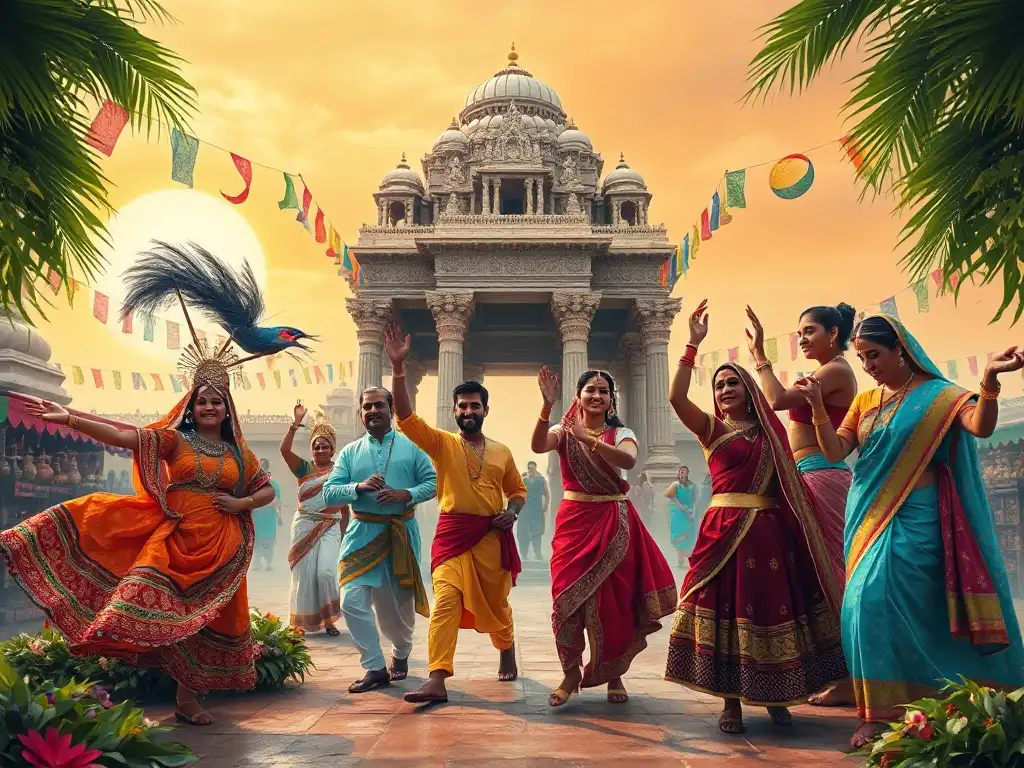
Festivals in ancient India serve as rich tapestries woven from the cultural threads of various communities, showcasing the syncretism of artistic expressions and traditions. These celebrations not only reflect religious significance but also embody a fusion of diverse influences, illustrating how ancient Indian festivals are a mirror to the society's evolving artistic landscape. By examining specific festivals, we can uncover how they have adapted and enriched themselves through the contributions of different cultures over time.
Diwali: A Blend of Traditions and Influences
Diwali, often referred to as the Festival of Lights, exemplifies artistic syncretism through its vibrant celebrations and diverse origins. Rooted in Hindu mythology, Diwali honors the return of Lord Rama to Ayodhya after defeating Ravana. However, its observance transcends religious boundaries, incorporating elements from Jainism and Sikhism as well.
The festival features a blend of rituals, including the lighting of diyas (lamps), bursting of fireworks, and exchanging of gifts, which represent different cultural practices. The artistic expressions during Diwali are evident in the intricate rangoli designs made from colored powders, flowers, and rice, which are inspired by various regional styles. Each region contributes its unique motifs, reflecting local traditions and artistry.
Moreover, Diwali's culinary offerings vary greatly, with sweets and delicacies that have adapted influences from Mughal cuisine, showcasing the rich intermingling of cultures. Thus, Diwali stands as a testament to the cultural amalgamation that characterizes ancient Indian festivals.
Holi: The Evolution of Color and Celebration
Holi, the Festival of Colors, symbolizes the arrival of spring and the victory of good over evil. Its origins are rooted in Hindu mythology, particularly the legend of Prahlad and Holika, but the festival has evolved to incorporate various regional and cultural practices. Over time, Holi has transformed into a celebration that transcends religious lines, inviting participation from people of all backgrounds.
The use of vibrant colors during Holi reflects not only the joy of the season but also the artistic expressions of different communities. Historically, the pigments used in Holi have transitioned from natural dyes derived from flowers and plants to commercially produced powders, highlighting changes in material culture.
Performances of traditional music and dance during Holi are also noteworthy. Folk songs, regional dances, and theatrical representations bring together various artistic forms, showcasing the cultural diversity inherent in the celebration. Holi's communal aspect fosters unity among participants, allowing for the sharing of cultures and artistic expressions.
The Role of Festivals in Promoting Unity and Diversity
Festivals in ancient India serve as a powerful medium for promoting unity amidst diversity. They function as a platform where various communities come together, celebrating shared values while honoring distinctive cultural identities. This harmonious coexistence is vital for understanding the dynamics of ancient Indian society.
Festivals as a Medium of Social Cohesion
Ancient Indian festivals are instrumental in fostering social cohesion by bringing together people from different backgrounds. Through communal celebrations, individuals participate in shared rituals that reinforce group identity and belonging. For instance, the collective preparation of festive meals and participation in communal prayers during festivals like Onam and Pongal exemplify this unity.
Additionally, festivals often feature inter-community exchanges, where different cultural groups showcase their traditional practices. These exchanges not only strengthen social bonds but also promote mutual respect and appreciation for diverse artistic expressions. Festivals like Makar Sankranti, celebrated across various states, illustrate how regional variations coexist and complement one another, enriching the overall tapestry of Indian culture.
Celebration of Diversity Through Art and Performance
The artistic performances during festivals are a vivid expression of diversity, highlighting the unique traditions of various communities. Dance forms such as Kathak, Odissi, and Bharatanatyam are often performed during major festivals, each representing different regional narratives and styles.
Moreover, the visual arts play a significant role in festival celebrations. From the elaborate decoration of temples to the vibrant murals depicting mythological stories, art serves as a medium for storytelling and cultural expression. These artistic endeavors not only celebrate the festival's significance but also encourage the exchange of ideas and techniques among artists from different backgrounds.
Ancient Indian festivals are not merely occasions for celebration; they are vital components of cultural syncretism that foster unity, respect, and appreciation for the rich diversity found within Indian society.
Conclusion: The Legacy of Festivals in Ancient Indian Culture
The festivals of ancient India represent a rich tapestry interwoven with a multitude of cultural influences, religious practices, and artistic expressions. These celebrations not only served as a means of communal bonding but also acted as a catalyst for the exchange of ideas, fostering a unique blend of cultural identities. The legacy of these festivals is reflected in their enduring presence and evolution in contemporary society, where they continue to celebrate diversity and promote unity among various communities.
The artistic syncretism observed in ancient Indian festivals has significantly influenced the visual arts, music, dance, and literature throughout history. This syncretic culture has allowed for a dynamic interplay of traditions, resulting in the emergence of new forms of artistic expression that resonate with modern audiences. By examining the origins and transformations of these ancient festivals, we can appreciate the depth of their impact on the cultural landscape of India.
Enduring Influence on Modern Indian Festivals
Today, the essence of ancient Indian festivals is still palpable in the celebrations observed across the country. Festivals such as Diwali, Holi, and Makar Sankranti retain elements that can be traced back to ancient practices, yet they have also evolved to incorporate contemporary themes and values.
- Cultural Blending: Modern festivals often reflect a synthesis of various traditions, showcasing the influence of regional customs and the intermingling of different faiths. For instance, the celebration of Diwali varies across regions, incorporating local deities and traditions while maintaining its core significance of light triumphing over darkness.
- Artistic Expressions: The artistic representations during these festivals—be it through rangoli designs, traditional dance forms, or music—exhibit a continuity of the syncretic artistic legacy. The fusion of classical and folk styles in performances during festivals echoes the rich artistic exchanges of ancient times.
Reflection on Cultural Syncretism Today
In today’s globalized world, the concept of cultural syncretism is more relevant than ever. Festivals serve as a lens through which we can examine the ongoing dialogue between tradition and modernity. As people from diverse backgrounds come together to celebrate, there is a natural blending of customs, beliefs, and practices.
- Interfaith Celebrations: Festivals like Eid and Christmas are increasingly celebrated in conjunction with Hindu festivals, reflecting a growing spirit of inclusivity and respect for diverse traditions. This blending not only enriches the cultural experience but also strengthens social cohesion among different communities.
- Global Influence: With the diaspora of Indian communities worldwide, ancient festivals have found new expressions in foreign lands, merging with local customs and fostering a sense of identity among expatriates. This global reach highlights the adaptability and resilience of ancient practices in contemporary settings.
References
Notable Texts and Resources on Ancient Indian Festivals and Culture
- "The Festivals of India" by R. K. Sharma: This book provides a comprehensive overview of various festivals celebrated across India, detailing their historical significance and cultural importance.
- "The Cultural History of India" by A. L. Basham: A seminal work that touches on the interplay of culture and festivals in ancient India, exploring their role in societal development.
- "Festivals of India: A Cultural Encyclopedia" by S. P. Sharma: An extensive resource that catalogues numerous festivals, highlighting their origins, rituals, and evolving significance over time.
Further Reading on Artistic Syncretism in Ancient India
- "Art and Culture in Ancient India" by J. C. Harle: This text explores the artistic developments in ancient Indian civilizations, emphasizing how festivals played a crucial role in artistic syncretism.
- "Cultural Syncretism in India: A Historical Perspective" by M. K. Sharma: This book examines the historical instances of cultural blending in India, particularly through the lens of religious festivals.
- "The Dance of India: A Cultural History" by K. R. Srinivasan: A detailed account of the evolution of dance forms in India, underscoring the influence of festivals on artistic expressions.
These resources offer valuable insights into the intricate relationships between festivals, culture, and artistic expression in ancient India, enhancing our understanding of their significance in both historical and modern contexts.
- Introduction to Ancient Indian Festivals and Culture
- The Concept of Artistic Syncretism in Ancient India
- Major Festivals Celebrated in Ancient India
- Influence of Cultural Exchanges on Festivals
- Case Studies of Festivals Reflecting Artistic Syncretism
- The Role of Festivals in Promoting Unity and Diversity
- Conclusion: The Legacy of Festivals in Ancient Indian Culture
- References
- What is the significance of festivals in ancient Indian culture?
- How did festivals contribute to artistic syncretism in ancient India?
- Can you name a few major ancient Indian festivals and their origins?
- How did the Gupta Empire influence the celebration of festivals?
- What role did religion play in ancient Indian festivals?
Frequently Asked Questions
What is the significance of festivals in ancient Indian culture?
Festivals in ancient Indian culture served as a means of reinforcing social bonds and celebrating seasonal changes. They were integral to community life, involving rituals, art, and cultural expressions.
How did festivals contribute to artistic syncretism in ancient India?
Festivals acted as platforms for artistic syncretism, blending various regional traditions and art forms. This fusion enriched the cultural tapestry, leading to unique expressions in music, dance, and visual arts.
Can you name a few major ancient Indian festivals and their origins?
Prominent festivals like Diwali, Holi, and Pongal trace their origins to mythological stories and agricultural practices. Each festival reflects the diversity and cultural significance of the region it represents.
How did the Gupta Empire influence the celebration of festivals?
The Gupta Empire played a crucial role in standardizing festivals and promoting artistic endeavors. This period saw a flourishing of literature and performing arts, enhancing the overall festival experience.
What role did religion play in ancient Indian festivals?
Religion was central to ancient Indian festivals, often tied to mythological narratives and rituals. These celebrations fostered a sense of identity and spiritual connection among the people.
Final Reflection: Embracing the Tapestry of Ancient Indian Festivals
The exploration of ancient Indian festivals reveals their profound significance in shaping cultural identity and artistic expression. Today, as we navigate a world increasingly defined by globalization and cultural exchange, the lessons from these festivals resonate more than ever. They remind us that the celebration of diversity is not merely an act of acknowledgment, but a powerful catalyst for unity and creativity.
The influence of ancient Indian festivals extends far beyond their historical context; they continue to inspire contemporary artistic practices and social interactions. These vibrant celebrations serve as a testament to the rich tapestry of cultural syncretism that characterizes Indian heritage. As we witness the blending of traditions in modern festivals, we are reminded of the words of Mahatma Gandhi: Our ability to reach unity in diversity will be the beauty and the test of our civilization.
This ongoing dialogue between past and present underscores the importance of honoring our roots while embracing the myriad influences that shape our identities.
As we reflect on the significance of ancient Indian festivals, let us carry forward the spirit of inclusivity and creativity they embody. I invite you to engage with the diversity around you, to celebrate the unique contributions of different cultures, and to recognize how these interactions enrich our lives. By doing so, we not only honor the legacy of our ancestors but also pave the way for a more harmonious and vibrant future.
Embrace the Richness of Cultural Diversity!
Thank you for exploring the fascinating world of artistic syncretism through festivals in Ancient India! Your interest in this vibrant topic highlights the importance of celebrating our shared heritage. Now, let's take your commitment to diversity and creativity to the next level!
- Join a local cultural festival or event in your area to experience diverse artistic expressions firsthand. Share your experiences and favorite moments on social media to inspire others!
- Dive deeper into the history of festivals that shaped artistic traditions by visiting museums or reading about them in books and articles. Consider starting a book club to discuss your findings!
- Create your own mini-festival at home! Gather friends and family to showcase various cultural art forms, including music, dance, and cuisine from different backgrounds.
How do you plan to celebrate and share the beauty of cultural diversity in your life this year?