
The Sustainability of Ancient Indian Festivals: Lessons for Today

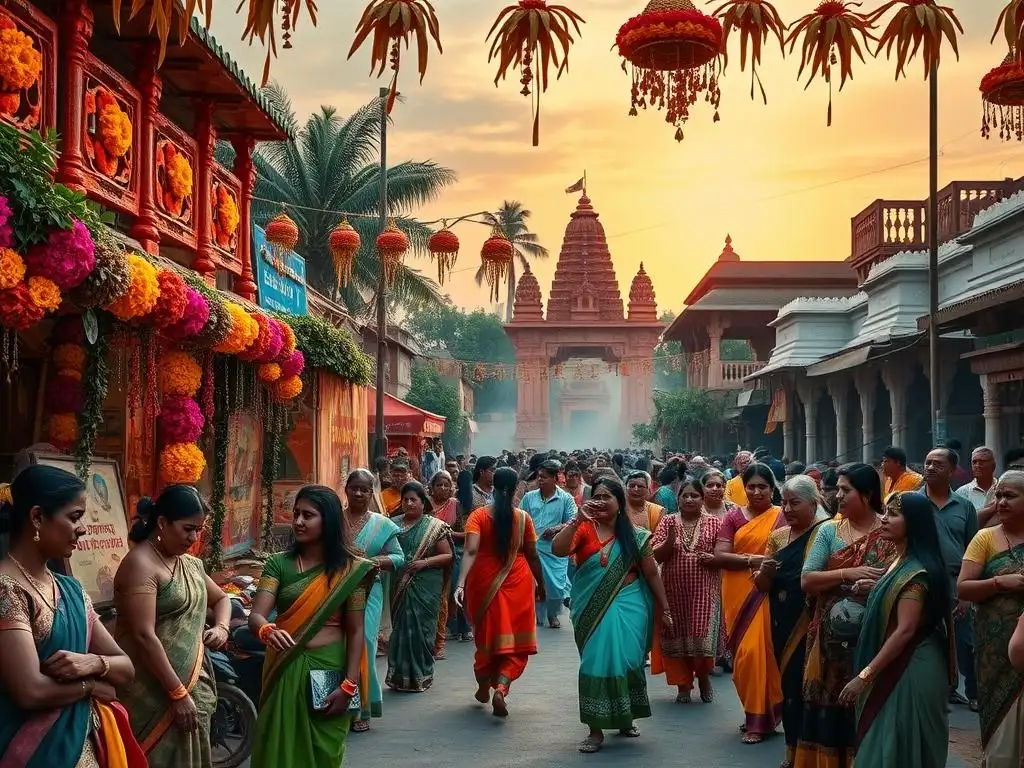
Welcome to Ancient India History, where we embark on an enlightening journey through the rich tapestry of ancient Indian civilizations. Have you ever wondered how the vibrant festivals of the past can inform our present-day practices? In our featured article, "The Sustainability of Ancient Indian Festivals: Lessons for Today," we delve into the eco-friendly traditions that celebrated life and nature in harmony. Join us as we uncover the wisdom embedded in these age-old practices, revealing insights that are not only captivating but also crucial for our modern world. Prepare to explore the fascinating intersection of culture, sustainability, and celebration!

Introduction to Sustainable Ancient Indian Festivals
Ancient Indian festivals represent a vibrant tapestry woven from the threads of spirituality, community, and ecological awareness. These celebrations are not only significant for their cultural and religious aspects but also offer valuable insights into sustainability practices that were intrinsic to the lifestyles of ancient civilizations. From the Indus Valley to the Gupta Empire, festivals served as vital occasions that fostered unity, cultural expression, and a harmonious relationship with nature.
As we navigate the complexities of modern living and the urgent need for sustainable practices, examining the historical context of these festivals can inspire and inform contemporary approaches to sustainability. This article delves into the concept of sustainable ancient Indian festivals, exploring their definitions, cultural importance, and the lessons they impart for today's society.
Definition of Sustainability in Ancient Indian Context
In the context of ancient India, sustainability can be understood as the ability to maintain a balance between human activities and the natural environment while ensuring the well-being of future generations. This concept was deeply embedded in the philosophies and practices of ancient Indian societies, where festivals were celebrated with an emphasis on ecological balance and social harmony.
- Natural Cycles: Festivals were often aligned with natural cycles, such as harvests and seasonal changes, promoting respect for agricultural practices and biodiversity.
- Resource Management: Rituals and customs often included the sustainable use of resources, such as the careful selection of materials for decorations and offerings.
- Community Involvement: The communal aspect of festivals encouraged collective efforts in preserving local ecosystems and cultural heritage.
Importance of Festivals in Ancient Indian Culture
Festivals in ancient India played a crucial role in shaping social structures and cultural identity. They were more than mere celebrations; they served as platforms for education, social cohesion, and the reinforcement of values.
- Cultural Transmission: Festivals were instrumental in passing down traditions, stories, and values from one generation to another.
- Social Unity: They brought together diverse communities, fostering an environment of cooperation and mutual respect.
- Spiritual Reflection: Many festivals included rituals that encouraged introspection and a sense of responsibility towards the environment and society.
Overview of Ancient Indian Festivals
Ancient Indian festivals were diverse, each with its unique significance, rituals, and celebrations. Understanding these festivals provides insight into the cultural richness of ancient India and its sustainable practices.
Major Festivals Celebrated in Ancient India
Some of the most significant festivals that were celebrated in ancient India include:
- Diwali: Celebrated as the festival of lights, symbolizing the victory of light over darkness and knowledge over ignorance.
- Makar Sankranti: Marking the transition of the sun into the zodiac sign of Capricorn, celebrated with kite flying and harvest festivities.
- Holi: The festival of colors, representing the arrival of spring and the joy of life, often involving the use of natural colors and materials.
Cultural Significance of These Festivals
Each festival carried profound cultural significance:
- Diwali emphasized the importance of knowledge and the removal of ignorance, promoting community welfare through acts of charity and sharing.
- Makar Sankranti celebrated agricultural abundance and the importance of sustainable farming practices.
- Holi highlighted the interconnectedness of communities, encouraging harmony and the celebration of life’s diversity through colorful expressions.
By examining these festivals, we can uncover the sustainable practices that were inherent in ancient Indian culture and how they can inform our contemporary approaches to sustainability.
Key Features of Sustainable Practices in Ancient Indian Festivals
Ancient Indian festivals are characterized by a profound connection to nature and community, often embodying sustainable practices that have been passed down through generations. These festivals not only celebrate cultural heritage but also promote ecological balance and social harmony. The key features of sustainable practices in these festivals include eco-friendly rituals, the use of natural materials, and active community involvement, all of which exemplify a holistic approach to celebration and environmental stewardship.
Eco-friendly Rituals and Practices
Eco-friendly rituals are central to many ancient Indian festivals, showcasing a deep respect for the environment. For instance, during festivals like Diwali, traditional practices emphasize the use of oil lamps (diyas) instead of electric lights, reducing energy consumption. Additionally, many rituals incorporate elements that respect natural cycles, such as the worship of trees and rivers, which fosters a sense of responsibility towards nature.
Rituals are often designed to minimize waste, using biodegradable materials and emphasizing the importance of recycling and reusing items. This conscious approach not only enriches the spiritual experience but also serves as a model for contemporary sustainable practices.
Use of Natural Materials in Celebrations
The use of natural materials is another hallmark of sustainable ancient Indian festivals. Decorations are often made from flowers, leaves, and other organic materials, which are not only aesthetically pleasing but also biodegradable. For example, during Ganesh Chaturthi, idols made from clay or natural materials replace those made of plastic or synthetic substances. These practices help in reducing pollution and promoting biodiversity. Furthermore, food offerings during festivals are traditionally prepared using locally sourced ingredients, which supports local agriculture and reduces the carbon footprint associated with transportation.
Community Involvement and Participation
Community involvement plays a pivotal role in the sustainability of ancient Indian festivals. These celebrations often bring together individuals from diverse backgrounds, fostering a sense of unity and collective responsibility. Local communities participate in organizing events, thereby sharing resources and knowledge. This collaborative spirit extends to the planning of eco-friendly initiatives, such as tree planting drives or clean-up campaigns following festivals. By engaging the community in sustainable practices, ancient festivals not only preserve cultural traditions but also instill a sense of environmental consciousness among participants, ensuring that future generations continue these practices.
Case Studies of Notable Sustainable Ancient Indian Festivals
Ancient Indian festivals provide rich examples of sustainable practices, showcasing how cultural celebrations can align with environmental stewardship. Several festivals stand out for their eco-conscious approaches, demonstrating that sustainability is deeply rooted in Indian traditions.
Diwali: A Festival of Lights and Eco-Consciousness
Diwali, known as the Festival of Lights, is celebrated across India with great fervor. In recent years, there has been a significant shift towards eco-consciousness during this festival. Many communities are opting for eco-friendly practices by using clay diyas instead of electric lights and minimizing the use of firecrackers, which contribute to air pollution. Additionally, the focus on sharing home-cooked meals and handmade gifts promotes local economies and reduces waste. This transformation illustrates how Diwali can serve as a beacon of sustainability, encouraging individuals to celebrate responsibly while honoring tradition.
Makar Sankranti: Celebrating Harvest with Nature
Makar Sankranti marks the transition of the sun into Capricorn and is celebrated as a harvest festival. This festival emphasizes gratitude towards nature and the importance of sustainable agricultural practices. Celebrations often involve flying kites, which symbolizes the joy of harvest, and preparing traditional dishes made from locally grown crops. Many communities also engage in rituals that honor the earth, such as planting trees or organizing community feasts that utilize surplus produce. Makar Sankranti exemplifies how agricultural traditions can be celebrated sustainably, reinforcing the bond between cultural practices and environmental stewardship.
Holi: The Colors of Nature and Sustainability
Holi, the Festival of Colors, celebrates the arrival of spring and the triumph of good over evil. Traditionally, the colors used in Holi were derived from natural sources, such as flowers and herbs, promoting a connection to nature. In contemporary celebrations, there is a growing movement to use eco-friendly colors that are free from harmful chemicals.
Additionally, water conservation has become a focus, with communities organizing dry Holi celebrations or using recycled water. Holi demonstrates the potential for cultural festivals to evolve sustainably, encouraging participants to embrace practices that protect the environment while enjoying the vibrant spirit of the festival.
Lessons from Ancient Indian Festivals for Modern Sustainability
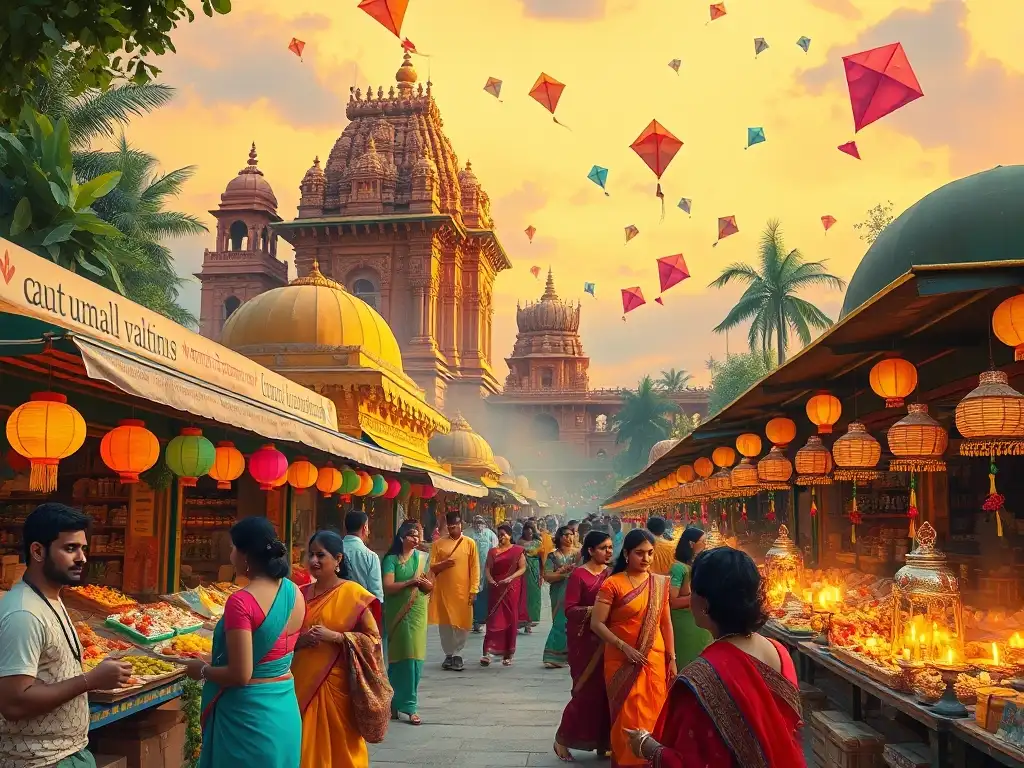
Ancient Indian festivals were not merely occasions for celebration; they were deeply intertwined with the environmental and social fabric of the communities. These festivals often emphasized harmony with nature, seasonal changes, and community cooperation, offering valuable lessons for contemporary society. By analyzing these time-honored practices, modern celebrations can adopt a more sustainable approach, fostering ecological balance and social well-being. Key lessons include the importance of local resources, minimal waste, and community involvement, which can guide today's festival organizers in promoting sustainability.
Integration of Eco-friendly Practices in Contemporary Celebrations
Many ancient Indian festivals included eco-friendly practices that can be readily integrated into modern celebrations. For instance, during the festival of Pongal, the use of natural ingredients and traditional cooking methods highlighted the importance of local agriculture and seasonal produce. Today, similar practices can be encouraged by promoting the use of organic and locally sourced materials in festival preparations. Additionally, instead of synthetic decorations, eco-friendly alternatives such as flower garlands, clay idols, and biodegradable materials can be embraced. These initiatives not only reduce waste but also reconnect communities with their cultural heritage and the environment.
Reviving Traditional Methods for Modern Festivals
Reviving traditional methods can significantly enhance the sustainability of modern festivals. For example, the ancient practice of making clay lamps during Diwali underscores the importance of using natural materials. By encouraging the use of handmade crafts and traditional art forms, contemporary festivals can also support local artisans and promote sustainable livelihoods. Moreover, reintroducing practices such as community potlucks during celebrations can minimize food waste and encourage sharing, reinforcing the spirit of togetherness that is central to many ancient festivals.
Importance of Community Engagement in Sustainability
Community engagement is crucial for the sustainability of festivals. Ancient Indian festivals were often collective efforts that brought together diverse groups within the community to celebrate, share resources, and collaborate. This spirit of unity can be replicated today by involving local residents in the planning and execution of festivals. Workshops, community discussions, and participatory activities can foster a sense of ownership and responsibility toward sustainable practices. By working together, communities can develop tailored solutions that respect their unique cultural contexts while addressing sustainability challenges.
Challenges Facing Modern Festivals
Despite the rich heritage of sustainability found in ancient Indian festivals, modern celebrations face significant challenges that jeopardize their ecological and cultural integrity.
Commercialization and Environmental Concerns
The commercialization of festivals often leads to excessive consumerism, undermining the sustainable practices that ancient festivals embodied. Large-scale events may prioritize profit over ecological considerations, resulting in increased waste, pollution, and resource depletion. The proliferation of plastic decorations, disposable items, and non-biodegradable materials during festivities contributes to environmental degradation, emphasizing the need for a shift back to sustainable practices that honor the essence of the celebrations.
Loss of Traditional Practices
As society evolves, many traditional practices associated with ancient festivals are at risk of being lost. Urbanization, globalization, and the influence of modern lifestyles have led to the diminishing relevance of these practices. This loss not only affects the cultural richness of the festivals but also eliminates the sustainable methods historically employed. Revitalizing these traditions is essential for maintaining the ecological wisdom embedded in them, allowing future generations to benefit from their sustainable principles.
Need for Education and Awareness
To combat the challenges facing modern festivals, there is a pressing need for education and awareness surrounding sustainable practices. Informing festival-goers about the environmental impacts of their choices and promoting sustainable alternatives can foster a culture of responsibility. Educational campaigns, workshops, and community outreach programs can play a crucial role in encouraging individuals and communities to embrace eco-friendly practices during celebrations. By nurturing an understanding of sustainability rooted in ancient wisdom, societies can create meaningful connections between their cultural heritage and contemporary environmental challenges.
Conclusion: Embracing the Wisdom of Sustainable Ancient Indian Festivals
The sustainability of ancient Indian festivals offers profound insights into our modern celebrations. These festivals were not merely events of social gathering; they embodied ecological balance, community bonding, and spiritual significance. From the eco-friendly practices of the Indus Valley civilization to the reverence for nature in the rituals of the Gupta Empire, ancient Indians integrated sustainability into their celebrations. By embracing these practices, we can cultivate a more responsible approach to celebrating today. This involves not only reducing waste but also fostering an appreciation for the cultural narratives that promote environmental stewardship.
The lessons drawn from sustainable ancient Indian festivals are increasingly relevant in the context of contemporary challenges such as climate change and resource depletion. As we reflect on these traditions, we find that the emphasis on harmony with nature can guide us in creating celebrations that honor our heritage while being mindful of our ecological footprint.
Call to Action for Modern Celebrations
As we navigate the complexities of modern life, it is crucial to incorporate the wisdom of our ancestors into our celebrations. Here are some actionable steps we can take to promote sustainability in our festivals:
- Choose Eco-Friendly Materials: Opt for biodegradable decorations and natural offerings to minimize waste.
- Promote Local Traditions: Engage local artisans and communities to create authentic experiences that support the local economy.
- Encourage Minimalism: Advocate for simpler celebrations that focus on meaningful interactions rather than extravagant displays.
- Incorporate Nature: Choose venues that are naturally beautiful and emphasize outdoor gatherings to reinforce our connection with the environment.
- Educate and Inspire: Use social media and community workshops to raise awareness about the sustainable practices embedded in ancient traditions.
By implementing these steps, we not only honor our ancient heritage but also lay the groundwork for a more sustainable future.
Final Thoughts on Preserving Ancient Traditions for Future Generations
Preserving the essence of ancient Indian festivals is vital for enriching our cultural identity and ensuring that future generations can experience the depth of these traditions. As custodians of our heritage, it is our responsibility to pass on these values of sustainability, community, and respect for nature. This can be achieved through:
- Documentation: Recording and sharing stories, rituals, and practices associated with ancient festivals to keep them alive.
- Community Engagement: Involving younger generations in festival preparations and celebrations to instill a sense of pride and continuity.
- Innovation: Adapting ancient practices to fit modern contexts without losing their core values, thus making them relevant and relatable.
The sustainable ancient Indian festivals serve as a beacon of wisdom, guiding us to celebrate in a way that respects our planet and our heritage. By committing to preserve these traditions, we can foster a sense of belonging and responsibility that transcends generations. Let us embrace these lessons and ensure that the richness of our cultural festivals continues to thrive sustainably for years to come.
- Introduction to Sustainable Ancient Indian Festivals
- Overview of Ancient Indian Festivals
- Key Features of Sustainable Practices in Ancient Indian Festivals
- Case Studies of Notable Sustainable Ancient Indian Festivals
- Lessons from Ancient Indian Festivals for Modern Sustainability
- Challenges Facing Modern Festivals
- Conclusion: Embracing the Wisdom of Sustainable Ancient Indian Festivals
- What are sustainable ancient Indian festivals?
- How did ancient Indian festivals promote sustainability?
- Can modern society learn from ancient Indian festivals?
- What were some common practices in ancient festivals that emphasized sustainability?
- How can we incorporate sustainable practices into current festivals?
Frequently Asked Questions
What are sustainable ancient Indian festivals?
Sustainable ancient Indian festivals refer to traditional celebrations that emphasize eco-friendly practices and community well-being, promoting harmony with nature and cultural heritage.
How did ancient Indian festivals promote sustainability?
Ancient Indian festivals often included seasonal cycles and agricultural practices, encouraging communities to engage in resource conservation and celebrate the natural environment.
Can modern society learn from ancient Indian festivals?
Yes, modern society can adopt principles from ancient Indian festivals to foster sustainable living, such as minimal waste generation, local resource utilization, and community bonding.
What were some common practices in ancient festivals that emphasized sustainability?
Common practices included using natural materials for decorations, recycling items, and involving rituals that respected nature, ensuring that festivities did not harm the environment.
How can we incorporate sustainable practices into current festivals?
We can incorporate sustainable practices by choosing eco-friendly decorations, reducing plastic usage, and focusing on local traditions that honor the environment while celebrating cultural heritage.
Final Reflection: Embracing the Wisdom of Sustainable Ancient Indian Festivals
The lessons from sustainable ancient Indian festivals are not just relics of the past; they are vital blueprints for our present and future. In a world grappling with environmental crises and cultural disconnection, the practices and philosophies embedded in these festivals offer a profound reminder of the harmony that can exist between humanity and nature. As we navigate the complexities of modern life, it becomes increasingly clear that integrating these age-old traditions into our contemporary practices is not merely beneficial but essential for fostering a sustainable future.
Cultural celebrations rooted in sustainability have the power to shape our social landscape, reminding us of our interconnectedness with the environment. The vibrant rituals, community involvement, and respect for nature inherent in these festivals encourage us to rethink our relationship with the Earth. As Mahatma Gandhi once said, "> The Earth provides enough to satisfy every man's needs, but not every man's greed." This poignant observation resonates deeply today, urging us to adopt a mindset that values sustainability and community over consumption and individualism.
As we reflect on the significance of these ancient practices, I invite you to consider how you can incorporate the principles of sustainability into your own life. What small changes can you make to honor the environment while celebrating your cultural heritage? Whether it's adopting eco-friendly practices during your own festivities or participating in community initiatives that promote sustainability, every action counts. Let us draw inspiration from the past to create a more harmonious future, where the wisdom of ancient Indian festivals guides us toward a more sustainable and connected world.
Embrace Sustainable Traditions Today!
Thank you for exploring the rich tapestry of ancient Indian festivals with us! You've uncovered valuable insights into how these traditions not only celebrate culture but also promote sustainability. Now, it’s time to put that knowledge into action and make a positive impact in your own life!
Here are some steps you can take right away:
- Implement a green practice: Choose to celebrate your next festival with eco-friendly materials and practices. Consider using natural decorations, plant-based offerings, or organizing community clean-up efforts.
- Share what you’ve learned: Discuss the importance of sustainability in festivals with friends and family. Start conversations that inspire others to reflect on their environmental impact.
- Explore local traditions: Attend a local festival that emphasizes sustainability. Engage with your community to discover how they are adopting eco-friendly practices.
How can you incorporate ancient wisdom into your daily life? We would love to hear your thoughts and ideas below!