Cultural Practices and Celebrations

Festivals and Traditions
114 articles in this topic
Read more about this topic
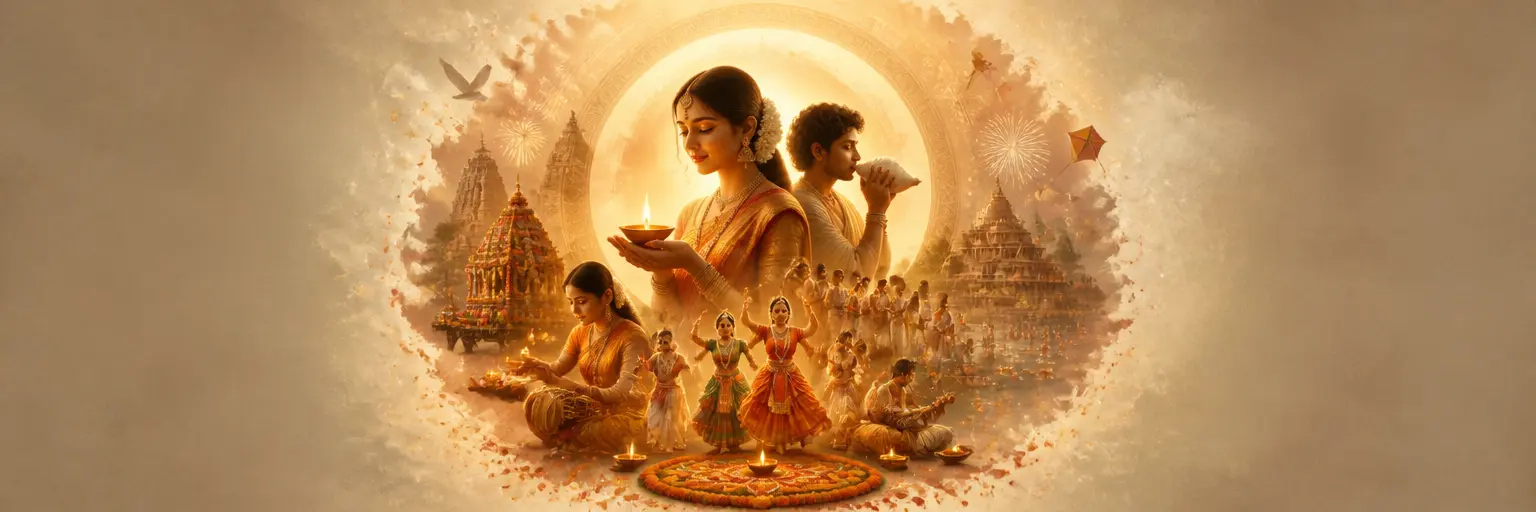
Discover the vibrant world of Festivals and Traditions in ancient India 🪔—a captivating journey through sacred rituals, seasonal celebrations, and cultural practices that shaped community life from the Indus Valley to the Gupta Empire. Explore how music, dance, offerings, storytelling, and social gatherings reflected ancient Indian beliefs, values, and heritage. ✨ Uncover the origins and enduring influence of India’s timeless celebrations through engaging historical insights and rich cultural context.
More in Festivals and Traditions
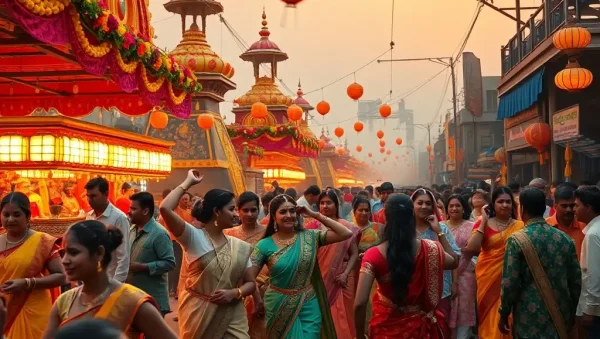
Ancient Indian Festivals
The Influence of Ancient Indian Festivals on World Culture
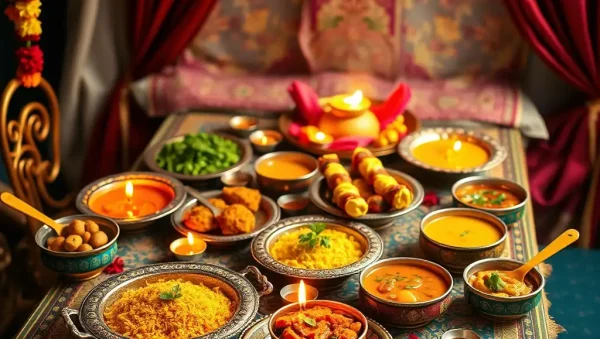
Cultural Practices and Celebrations
The Art of Festive Cuisine: Traditional Dishes That Define Indian Celebrations
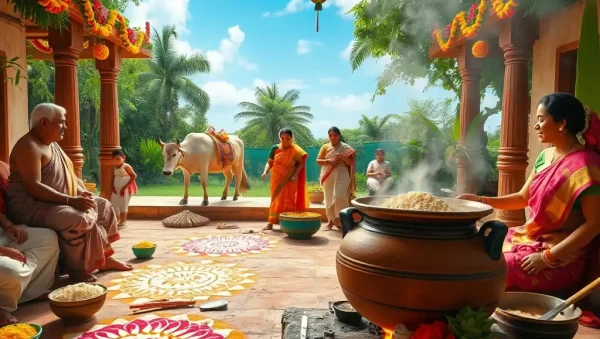
Cultural Practices and Celebrations
Exploring the Rich Traditions of Pongal: A Festival of Abundance and Gratitude
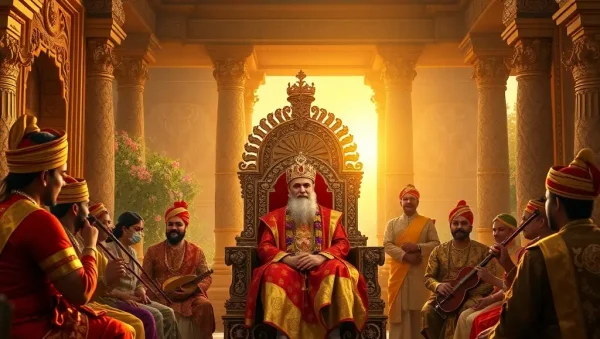
Rituals and Ceremonies
Rituals of the Rulers: Royal Ceremonies in Ancient Indian Kingdoms
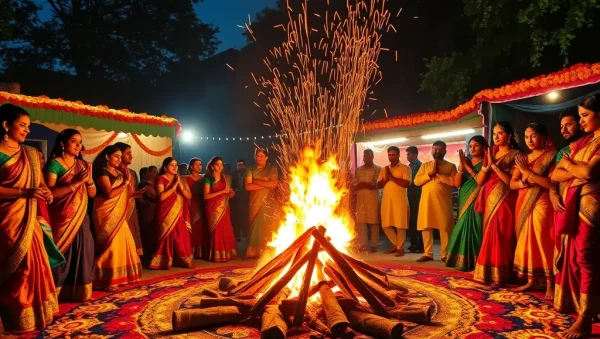
Cultural Practices and Celebrations
The Significance of Fire in Indian Festivals: Purification and Celebration
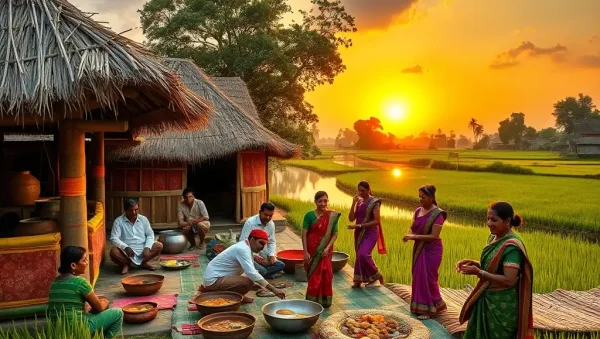
Ancient Indian Festivals
The Unraveling Myths of Bhogali Bihu: A Celebration of Abundance
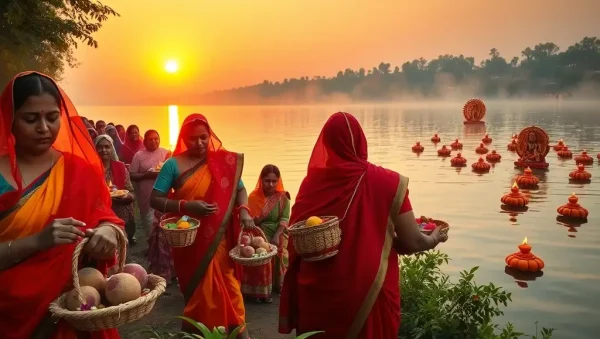
Cultural Practices and Celebrations
The Rituals of Chhath Puja: Sun Worship and Its Cultural Significance
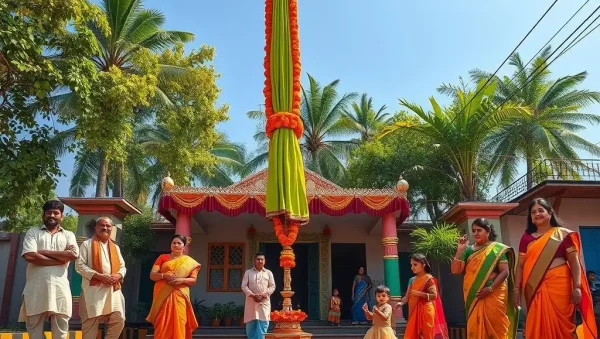
Ancient Indian Festivals
Understanding the Rituals of Gudi Padwa: The New Year Celebration of Maharashtra
Festivals and Traditions in Ancient India reveal the spiritual beliefs, social values, artistic achievements, and daily customs of one of the world’s oldest civilizations. From the Indus Valley Civilization to the Vedic age, Mauryan period, and Gupta Empire, festivals and cultural practices shaped community life and preserved historical memory.
This category explores ancient Indian festivals, rituals, ceremonies, and traditional celebrations through historical, religious, and cultural perspectives. Discover how seasonal changes, harvests, sacred stories, royal events, and religious observances influenced ancient Indian society. Learn how these traditions connected families, villages, temples, rulers, artisans, and pilgrims across the Indian subcontinent.
Readers can expect informative articles supported by historical context, archaeological evidence, literary sources, and comparisons between ancient customs and later Indian traditions. Whether you are researching Vedic festivals, Hindu rituals, Indus Valley customs, ancient Indian culture, or traditional celebrations, this section offers clear and engaging insights into India’s enduring heritage.
🕉️ Rituals and Ceremonies
The Rituals and Ceremonies subcategory examines the sacred practices that guided religious and social life in ancient India. Articles explore Vedic sacrifices, fire rituals, prayers, purification ceremonies, offerings, rites of passage, marriage customs, funerary traditions, and temple observances. Readers will learn how these ceremonies reflected ideas about duty, purity, family, society, and the relationship between humans and the divine.
Each topic explains the historical development and cultural meaning of important rituals using sources such as the Vedas, Upanishads, epics, Dharmashastra texts, inscriptions, archaeological discoveries, and ancient artistic representations. Expect detailed information about ancient Indian religious ceremonies, the role of priests and householders, sacred objects, ritual spaces, and the continuing influence of early traditions on Indian culture.
🎉 Ancient Indian Festivals
The Ancient Indian Festivals subcategory explores celebrations connected with nature, agriculture, astronomy, mythology, deities, royal power, and religious devotion. Articles investigate early forms of festivals associated with harvests, monsoon seasons, solstices, lunar cycles, sacred rivers, and important figures from Hindu, Buddhist, and Jain traditions.
Readers will discover how festivals brought communities together through music, dance, processions, feasting, storytelling, games, worship, and public ceremonies. Content also considers how ancient festivals evolved across different regions and historical periods, providing valuable insight into Indian festival history, Vedic celebrations, seasonal festivals, and the origins of traditional religious observances.
🌺 Cultural Practices and Celebrations
The Cultural Practices and Celebrations subcategory focuses on the customs and social activities that expressed identity in ancient Indian communities. Topics may include traditional clothing, food customs, music, dance, storytelling, artistic decoration, community gatherings, gift-giving, hospitality, pilgrimage, and celebrations held in homes, villages, courts, and sacred centers.
These articles show how cultural practices preserved knowledge and strengthened relationships between generations. By examining literature, sculpture, paintings, coins, inscriptions, and archaeological remains, readers can understand the diversity of ancient Indian cultural traditions and the ways regional customs contributed to the broader heritage of India.
❓ Frequently Asked Questions About Ancient Indian Festivals and Traditions
What were festivals like in ancient India?
Ancient Indian festivals often included worship, offerings, music, dancing, processions, storytelling, feasting, and community gatherings. Many celebrations were connected to agriculture, seasonal changes, lunar calendars, mythology, and religious beliefs. Their form varied across regions and historical periods.
Which sources help historians study ancient Indian traditions?
Historians use the Vedas, epics, Buddhist and Jain texts, Sanskrit literature, inscriptions, coins, temple records, sculptures, paintings, and archaeological discoveries. These sources help reconstruct ritual practices, festivals, social customs, and religious celebrations while also revealing regional differences.
Did the Indus Valley Civilization have festivals and rituals?
There is evidence that Indus Valley communities practiced symbolic and possibly religious activities, including the use of ritual objects, water-related structures, figurines, seals, and special buildings. Because their script remains undeciphered, interpretations of Indus Valley rituals and celebrations must remain cautious.
How did Vedic rituals influence Indian culture?
Vedic rituals introduced important ideas concerning sacrifice, sacred fire, prayer, offerings, priestly traditions, and social duty. Many later Hindu practices developed from or were influenced by these concepts, although they changed significantly over time and across different regions of India.
Why are ancient Indian festivals important today?
Ancient festivals and traditions help explain the historical roots of modern Indian culture. They preserve stories, religious beliefs, artistic expressions, seasonal knowledge, and community values. Studying them provides a deeper understanding of India’s cultural continuity and diverse historical heritage.
Related topics