
The Influence of Ancient Indian Festivals on World Culture

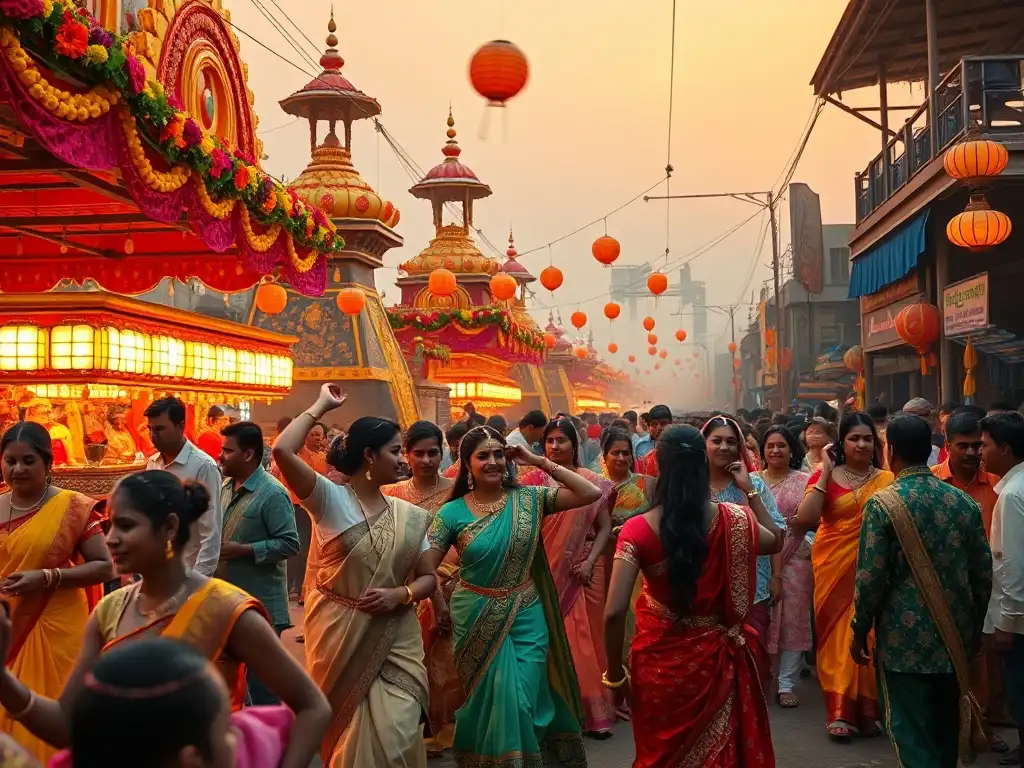
Welcome to Ancient India History, where we invite you to embark on a captivating journey through the rich tapestry of ancient Indian civilizations. Here, we delve into the influence of ancient Indian festivals on world culture, uncovering how vibrant celebrations have shaped traditions far beyond their origins. As you explore our insights, prepare to discover the profound impact these festivals have had, not just within India, but on societies across the globe. Let your curiosity guide you as we unravel the stories and significance behind these time-honored celebrations. Dive in to find out more!
Introduction to Ancient Indian Festivals
Ancient Indian festivals are a vibrant tapestry woven into the fabric of India's rich cultural heritage. These celebrations, deeply rooted in religious, agricultural, and seasonal cycles, not only reflect the diverse beliefs and practices of various communities but also serve as a lens through which one can examine the evolution of societal values and traditions over millennia.
The impact of ancient Indian festivals extends beyond the subcontinent, influencing global cultural practices and fostering a sense of unity and celebration among diverse populations. Understanding the significance of these festivals provides valuable insights into how they have shaped and continue to influence world culture today.
Definition and Significance of Ancient Indian Festivals
Ancient Indian festivals can be defined as ceremonial events that mark significant religious, agricultural, or seasonal occurrences within Indian society. These festivals often involve rituals, prayers, feasts, and communal activities, allowing individuals to connect with their cultural heritage and foster social bonds. The significance of these festivals lies not only in their religious connotations but also in their ability to promote harmony, strengthen community ties, and celebrate the shared values of love, joy, and gratitude.
Overview of Major Ancient Indian Festivals
Some of the prominent ancient Indian festivals that have left a lasting impact on global culture include:
- Diwali (Festival of Lights): Celebrated to mark the victory of light over darkness, Diwali symbolizes hope and renewal.
- Holi (Festival of Colors): This joyous spring festival celebrates love, fertility, and the arrival of spring, fostering unity and breaking social barriers.
- Makar Sankranti: A harvest festival that signifies the end of winter and the onset of longer days, celebrated with kite flying and feasting.
- Navaratri: A nine-night festival dedicated to the worship of the goddess Durga, showcasing dance, music, and cultural performances.
Historical Context of Ancient Indian Festivals
Understanding the historical context of ancient Indian festivals is crucial for appreciating their evolution and impact on world culture.
Origins of Ancient Indian Festivals
The roots of ancient Indian festivals can be traced back to the Vedic period, where rituals and ceremonies were performed to appease deities and ensure prosperity. These early festivals were often agricultural in nature, celebrating the cycles of sowing and harvest, as well as celestial events. The significance of these festivals was intertwined with daily life, as they provided a structured calendar for agricultural communities to follow.
Evolution of Festivals Through Different Dynasties
As Indian civilization progressed through various dynasties—such as the Maurya, Gupta, and Mughal—festivals underwent significant transformations. Each dynasty contributed distinctive cultural elements, enriching the festivals with new rituals, customs, and artistic expressions. For instance, the Mughal influence introduced elaborate feasts and festivities that blended Persian traditions with Indian practices, resulting in a unique celebration of art and culture.
Socio-Cultural Importance in Ancient Indian Society
In ancient Indian society, festivals played a vital role in the socio-cultural landscape. They served as occasions for communal gatherings, reinforcing social bonds and allowing individuals to express their identities through shared beliefs and practices. Festivals also provided a platform for artistic expression, with music, dance, and drama celebrating the rich cultural heritage of the time. The impact of these festivals extended beyond mere celebration; they were instrumental in maintaining the continuity of traditions, fostering inter-community relationships, and contributing to the overall social fabric of ancient India.
The Impact of Ancient Indian Festivals on Global Culture
Ancient Indian festivals have played a significant role in shaping cultural practices across the globe. With roots tracing back thousands of years, these festivals not only reflect the rich heritage of India but also fostered a unique dialogue between various cultures. The vibrant celebrations, rituals, and philosophies embedded in these festivals have transcended geographical boundaries, influencing diverse communities around the world. From the spiritual significance of Diwali to the joyous colors of Holi, ancient Indian festivals have left an indelible mark on global cultural landscapes, promoting values of unity, joy, and reverence for nature.
Cross-Cultural Exchange of Festival Practices
The exchange of festival practices between cultures has been a crucial aspect of cultural integration throughout history. Ancient Indian festivals often featured elements that resonated with the traditions of neighboring regions, leading to a rich tapestry of customs and celebrations. For instance, the sharing of food, music, and dance forms during festivals has frequently served as a bridge between cultures, allowing diverse communities to appreciate each other’s heritage.
One notable example is the adoption of traditional Indian dance forms during Diwali celebrations in various countries. As Indian communities migrated globally, they brought their festival practices with them, thereby enriching the local cultural fabric. This cross-cultural exchange has not only facilitated a deeper understanding of Indian traditions but has also encouraged the integration of local customs into the celebration of ancient Indian festivals.
Influence on Festivals in Neighboring Countries
Ancient Indian festivals have significantly influenced the cultural practices of neighboring countries, particularly in South Asia. Countries like Nepal, Bangladesh, and Sri Lanka have adopted various aspects of Indian festivals, reflecting the shared history and cultural ties among these regions. For example, Dashain in Nepal, which celebrates the victory of good over evil, bears a resemblance to the Indian festival of Vijayadashami.
In Bangladesh, the celebration of Durga Puja showcases the impact of Indian traditions, with vibrant processions and rituals that mirror those found in India. Similarly, in Sri Lanka, the Hindu festival of Thai Pongal celebrates the harvest season and is deeply rooted in Indian customs. These adaptations highlight how ancient Indian festivals have not only persisted but have also evolved in neighboring cultures, creating a unique blend of traditions that honor their shared heritage.
Ancient Indian Festivals in Western Cultures
The influence of ancient Indian festivals has also reached Western cultures, where they have been embraced and celebrated in various forms. Festivals like Diwali and Holi have gained popularity in countries such as the United States, Canada, and the United Kingdom, where large Indian diaspora communities celebrate these festivals with grandeur.
In recent years, Diwali has been recognized by many cities in the West, with public celebrations featuring fireworks, cultural performances, and community gatherings, showcasing the festival’s universal themes of light overcoming darkness and the triumph of good over evil. Holi, known for its exuberant colors and joyous spirit, has also found its way into mainstream culture, with events organized in parks and community centers, attracting people from all backgrounds who wish to partake in the vibrant festivities.
Key Ancient Indian Festivals and Their Global Influence
Ancient Indian festivals are not just significant to Indian culture; they have also made a profound impact on global traditions. Each festival carries with it stories, values, and customs that resonate with audiences far beyond India’s borders. Here are a few key festivals and their global influence.
Diwali: The Festival of Lights and Its Worldwide Celebration
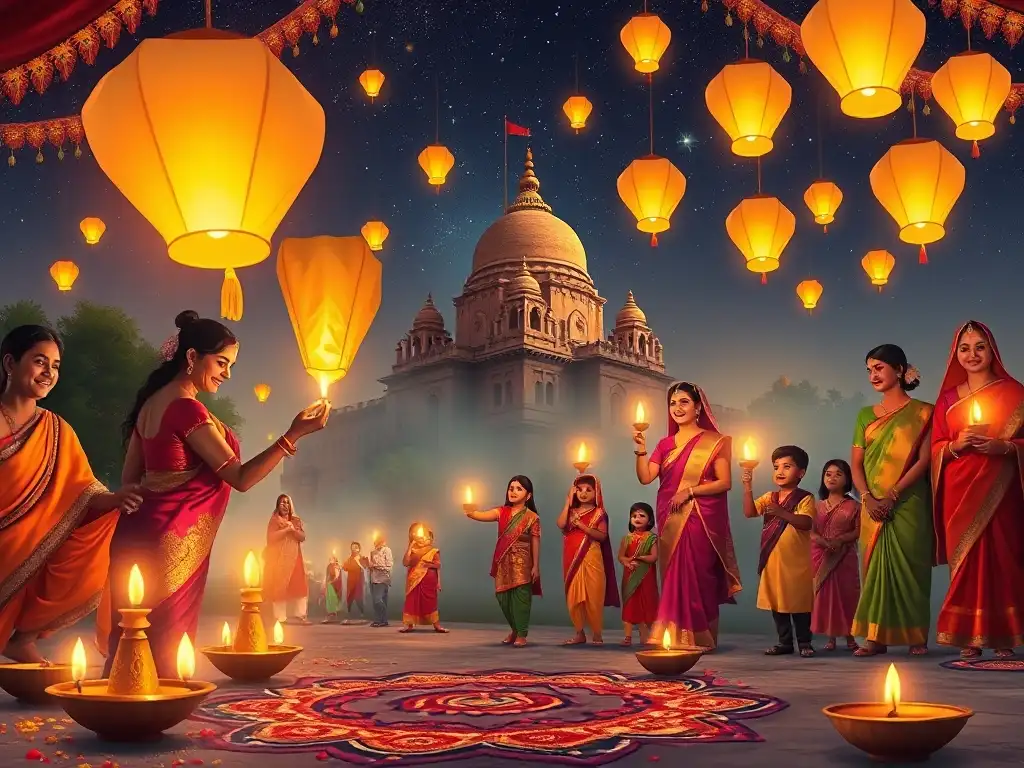
Diwali, often referred to as the Festival of Lights, symbolizes the victory of light over darkness and knowledge over ignorance. This festival is celebrated with great enthusiasm in India and around the world. In many countries, public celebrations include lighting oil lamps (diyas), decorating homes, and conducting fireworks displays, which attract not only Indian communities but also people from various cultural backgrounds.
In the United States, for instance, Diwali is celebrated in schools and community centers, promoting cross-cultural understanding and inclusivity. The festival’s core messages of hope and renewal resonate with a broader audience, making it a significant event in the cultural calendar of many Western cities.
Holi: The Colorful Festival of Spring and Its Global Adaptations
Holi, the vibrant festival of colors, marks the arrival of spring and the victory of good over evil. Its exuberant celebrations have transcended Indian borders, leading to colorful events around the world. In countries like the United States, Canada, and the United Kingdom, Holi is celebrated with music, dance, and, of course, the playful throwing of colored powders.
These global adaptations often incorporate local customs, creating a unique fusion of traditions. For instance, many Western Holi festivals include food stalls offering traditional Indian cuisine, alongside local delicacies, fostering an inclusive environment that celebrates diversity.
Navratri: The Dance of Devotion and Its International Celebrations
Navratri, a festival dedicated to the worship of the goddess Durga, is marked by nine nights of dance, music, and devotion. Its influence has spread beyond India, with celebrations occurring in countries with significant Indian populations. The Garba and Dandiya Raas dance forms, central to Navratri, have found enthusiastic participants in various global communities.
In the United States and Canada, Navratri is celebrated with large gatherings where people of all backgrounds come together to dance and celebrate. This festival not only showcases ancient Indian traditions but also promotes cultural exchange as non-Indian participants engage in the festivities, fostering a spirit of unity and appreciation for diversity.
Through these festivals, ancient Indian culture continues to enrich global traditions, demonstrating the timeless relevance of its values and practices.
Themes and Values Promoted by Ancient Indian Festivals
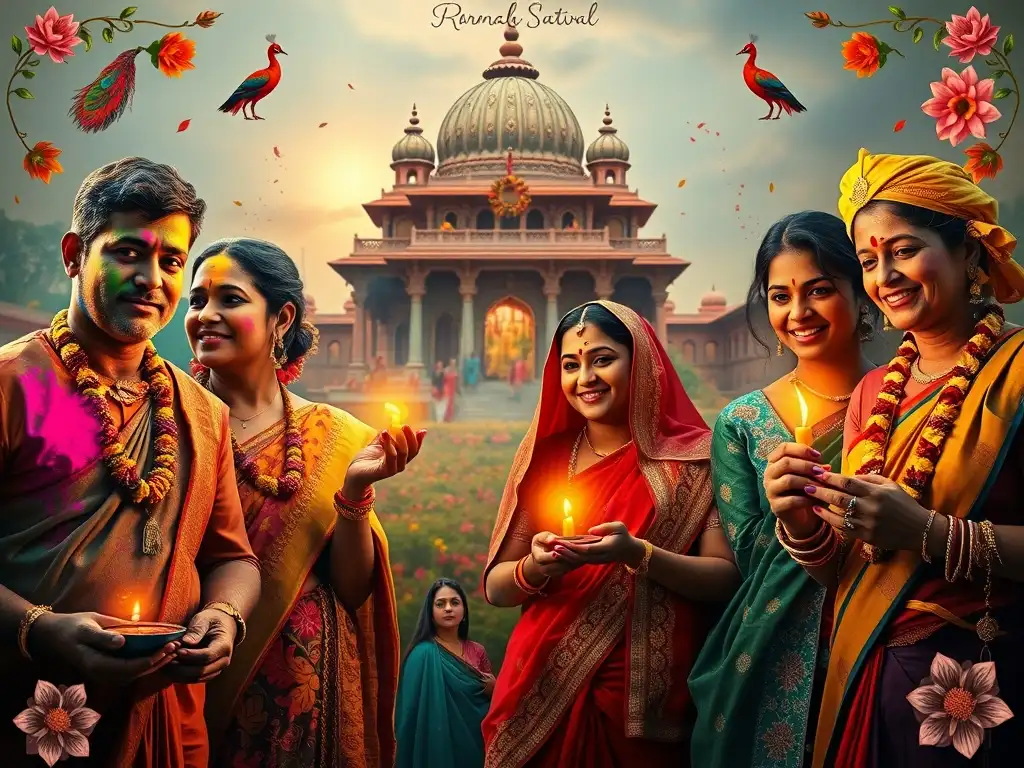
Ancient Indian festivals are rich in themes and values that resonate deeply within the cultural fabric of society. These festivals often serve as a reflection of the philosophical, spiritual, and communal ethos of the time, promoting values that continue to influence modern culture around the world.
Spiritual and Religious Significance
At the core of many ancient Indian festivals lies a profound spiritual and religious significance. Festivals such as Diwali, Navratri, and Makar Sankranti are steeped in mythology and religious observance. They not only mark seasonal changes but also symbolize the triumph of good over evil, renewal, and devotion. For instance, Diwali celebrates the return of Lord Rama to Ayodhya after his victory over the demon king Ravana, which signifies the victory of light over darkness.
These festivals often involve rituals such as prayer, meditation, and offerings, which foster a connection between the devotees and the divine. This spiritual engagement promotes values of faith, hope, and resilience. Furthermore, the impact of these spiritual practices can be seen globally, as many people from different cultures adopt aspects of these festivals, highlighting the universal appeal of the spiritual themes present in ancient Indian festivals.
Themes of Unity and Community in Ancient Indian Festivals
Ancient Indian festivals are also significant in promoting unity and community among diverse groups. They serve as a platform for bringing people together, fostering relationships, and strengthening social bonds. Celebrations such as Eid, Christmas, and Pongal, although rooted in distinct traditions, share common themes of togetherness and communal harmony.
For example, during festivals like Holi, people of all backgrounds come together to celebrate the arrival of spring, promoting joy and the spirit of forgiveness. The act of throwing colored powders symbolizes the breaking down of social barriers and encourages inclusivity. This focus on community and unity during festivals has a lasting impact, as it inspires similar celebrations worldwide, where the emphasis on collective joy and togetherness resonates across cultures.
Environmental Awareness Through Festival Practices
Increasingly, ancient Indian festivals also promote environmental awareness, highlighting the importance of nature and sustainability. Many festivals involve eco-friendly practices and rituals that respect and honor the environment. For example, during the Ganesh Chaturthi festival, traditional practices have begun to shift towards using biodegradable materials for idol-making and eco-friendly decorations.
Moreover, harvest festivals like Baisakhi and Makar Sankranti celebrate the fruits of nature and emphasize gratitude toward the earth's bounty. These festivals encourage communities to reflect on their relationship with nature and promote sustainable practices that can be observed globally. The growing awareness and adaptation of eco-consciousness during these celebrations showcase the ancient wisdom embedded within Indian festivals that can be applied in modern contexts.
Case Studies of Ancient Indian Festivals' Impact
The influence of ancient Indian festivals extends globally, shaping cultural practices and community celebrations in various parts of the world. By examining specific case studies, we can gain insight into how these festivals have transcended their origins and made a mark on global culture.
Case Study: The Globalization of Diwali Celebrations
Diwali, often referred to as the Festival of Lights, has seen a remarkable globalization of its celebrations. Initially observed in India, its significance has spread worldwide, particularly in countries with large Indian diaspora communities such as the United States, Canada, and the United Kingdom. Major cities host grand Diwali festivals, complete with cultural performances, fireworks, and community feasts.
The celebration of Diwali in these regions highlights the values of light, positivity, and community bonding, attracting people from various cultures to participate. Schools and local governments often recognize Diwali, hosting events that educate the public about its significance. This globalization not only fosters cultural exchange but also illustrates how ancient Indian festivals can create inclusive spaces that celebrate diversity.
Case Study: The Adoption of Holi in Western Festivals
Holi, known as the Festival of Colors, has gained immense popularity in the West, particularly in music festivals and cultural events. Celebrated for its vibrant atmosphere and joyous spirit, Holi has been embraced by non-Indian communities, often through music festivals and community gatherings that incorporate color throwing and dance.
Events like Holi One Festival and Color Run showcase how the essence of Holi has been adapted to fit contemporary themes of self-expression and celebration of life. The adoption of Holi in these contexts not only promotes cultural appreciation but also emphasizes the universal themes of joy, love, and the breaking down of social barriers. This impact reflects the ability of ancient Indian festivals to resonate with modern audiences, fostering a sense of global community.
Conclusion
The influence of ancient Indian festivals on world culture is profound and multifaceted. These festivals, steeped in tradition and spirituality, have transcended geographical boundaries, fostering a greater understanding of diverse cultural practices. From Diwali's celebration of light to Holi's exuberant display of colors, ancient Indian festivals have not only enriched the cultural fabric of India but have also inspired global celebrations, promoting values of unity, joy, and harmony among communities worldwide. As we delve into their historical significance, it becomes evident that these festivals serve as vital conduits for cultural exchange, illustrating the interconnectedness of civilizations throughout history.
Summary of Ancient Indian Festivals Impact on World Culture
Ancient Indian festivals have significantly shaped cultural practices across the globe. These celebrations have introduced unique rituals, symbols, and philosophies that resonate with various cultures. For instance:
- Diwali, the festival of lights, has inspired similar celebrations in countries like Nepal and Mauritius, emphasizing the triumph of light over darkness.
- Holi, the festival of colors, has influenced festivities in regions with large Indian diasporas, contributing to local celebrations that embrace joy and the arrival of spring.
- Navratri, celebrated in various forms around the world, highlights the significance of the divine feminine and has inspired dance and music traditions globally.
These festivals promote inclusivity and foster intercultural dialogues, encouraging people to celebrate diversity and shared human experiences.
Future of Ancient Indian Festivals in Global Celebrations
The future of ancient Indian festivals in global celebrations looks promising, as awareness and appreciation of cultural diversity continue to grow. With the rise of multicultural societies, ancient Indian festivals are increasingly being integrated into mainstream celebrations worldwide. Here are some potential trends for the future:
- Global Participation: Festivals like Diwali and Holi are being celebrated by people from various backgrounds, transcending their original cultural contexts and creating inclusive spaces for shared experiences.
- Digital Celebrations: The advent of technology has allowed for virtual celebrations, enabling people around the world to participate in ancient Indian festivals from the comfort of their homes. This trend is likely to continue as digital platforms evolve.
- Culinary Influences: The rich culinary traditions associated with ancient Indian festivals are gaining popularity globally, with Indian sweets and dishes becoming staples in international festivals and celebrations.
As these festivals continue to inspire and engage people across cultures, they will undoubtedly maintain their relevance and significance in global celebrations.
References
Suggested Reading on Ancient Indian Festivals and Their Influence
- "Festivals of India: A Cultural History" by Sunita Kumar
- "Cultural Traditions of India: Insights into Festivals" by Rajesh Sharma
- "Holi: The Festival of Colors" by Priya Desai
Academic Resources on Cultural Exchanges Related to Ancient Indian Festivals
- "The Role of Festivals in Cultural Exchange: A Case Study of Indian Celebrations" - Journal of Cultural Studies
- "Festivals as a Vehicle for Cultural Transmission: Insights from Ancient India" - International Journal of Sociology
- "Intercultural Dialogues through Festivals: The Impact of Indian Traditions on Global Cultures" - Journal of Ethnic Studies
- Introduction to Ancient Indian Festivals
- Historical Context of Ancient Indian Festivals
- The Impact of Ancient Indian Festivals on Global Culture
- Key Ancient Indian Festivals and Their Global Influence
- Themes and Values Promoted by Ancient Indian Festivals
- Case Studies of Ancient Indian Festivals' Impact
- Conclusion
- References
- What are the main ancient Indian festivals discussed in the article?
- How did ancient Indian festivals influence global celebrations?
- What role did ancient Indian festivals play in societal development?
- Are there any specific examples of cultural exchange due to these festivals?
- How do ancient Indian festivals continue to impact modern cultural practices?
Frequently Asked Questions
What are the main ancient Indian festivals discussed in the article?
The article highlights significant festivals such as Diwali, Holi, and Navaratri, focusing on their cultural significance and the impact they have had on world cultures.
How did ancient Indian festivals influence global celebrations?
Ancient Indian festivals have shaped various global celebrations by introducing themes of unity, spirituality, and harvest, leading to similar practices in cultures around the world.
What role did ancient Indian festivals play in societal development?
These festivals fostered community bonding, preserved traditions, and promoted economic activities, thereby significantly contributing to the social fabric of ancient Indian civilizations.
Are there any specific examples of cultural exchange due to these festivals?
Yes, festivals like Diwali have inspired similar celebrations in countries like Nepal and Mauritius, showcasing the cultural exchange that occurred through trade and migration.
How do ancient Indian festivals continue to impact modern cultural practices?
Many modern cultural practices and celebrations still draw inspiration from ancient festivals, reflecting their enduring relevance and the way they promote cultural diversity and inclusiveness.
Final Reflection: The Enduring Impact of Ancient Indian Festivals on Global Culture
The influence of ancient Indian festivals on world culture is not merely a historical footnote; it is a vibrant thread woven into the fabric of our contemporary society. As we navigate an increasingly interconnected world, the values and traditions encapsulated in these festivals continue to resonate, reminding us of our shared humanity and the rich diversity that shapes our global community. The celebration of life, renewal, and unity found in these ancient practices is more relevant now than ever, urging us to embrace inclusivity and cultural appreciation.
Celebrating ancient Indian festivals is more than just a nod to tradition; it is an ongoing dialogue that enriches our cultural landscape. The colorful rituals, the communal gatherings, and the deep-rooted philosophies embedded in these festivals have transcended geographical boundaries, influencing art, cuisine, and social practices worldwide. Festivals are the heartbeat of culture, reminding us of our roots while inspiring us to grow.
This observation highlights how these ancient celebrations continue to inspire creativity and foster connections among diverse communities, reinforcing the importance of cultural heritage in our modern lives.
As we reflect on the lessons imparted by ancient Indian festivals, let us take a moment to consider how we can integrate these values into our daily lives. I invite you to explore the richness of these traditions, to celebrate diversity, and to foster connections that transcend cultural barriers.
By embracing the spirit of these festivals, we not only honor their legacy but also contribute to a more harmonious and understanding world. The impact of ancient Indian festivals is not confined to the past; it is a living, breathing force that can guide us toward a brighter, more inclusive future.
Thank you for taking the time to explore the profound impact of ancient Indian festivals on world culture. We hope you gained valuable insights into how these vibrant traditions continue to shape societies globally. Now, it's time to take action and immerse yourself even deeper!
- Deepen your understanding: Research a festival that resonates with you and participate in its celebrations to experience its cultural significance firsthand.
- Share the joy: Discuss your findings with friends and family, or join online communities to share stories and experiences of ancient festivals.
- Explore new cultures: Attend a local festival that draws inspiration from ancient Indian traditions and discover the connections that exist around the world.
Which festival inspires you the most, and how do you believe it has influenced cultures beyond India? We would love to hear your thoughts!