
The Mystique of Janmashtami: Celebrating the Birth of Lord Krishna

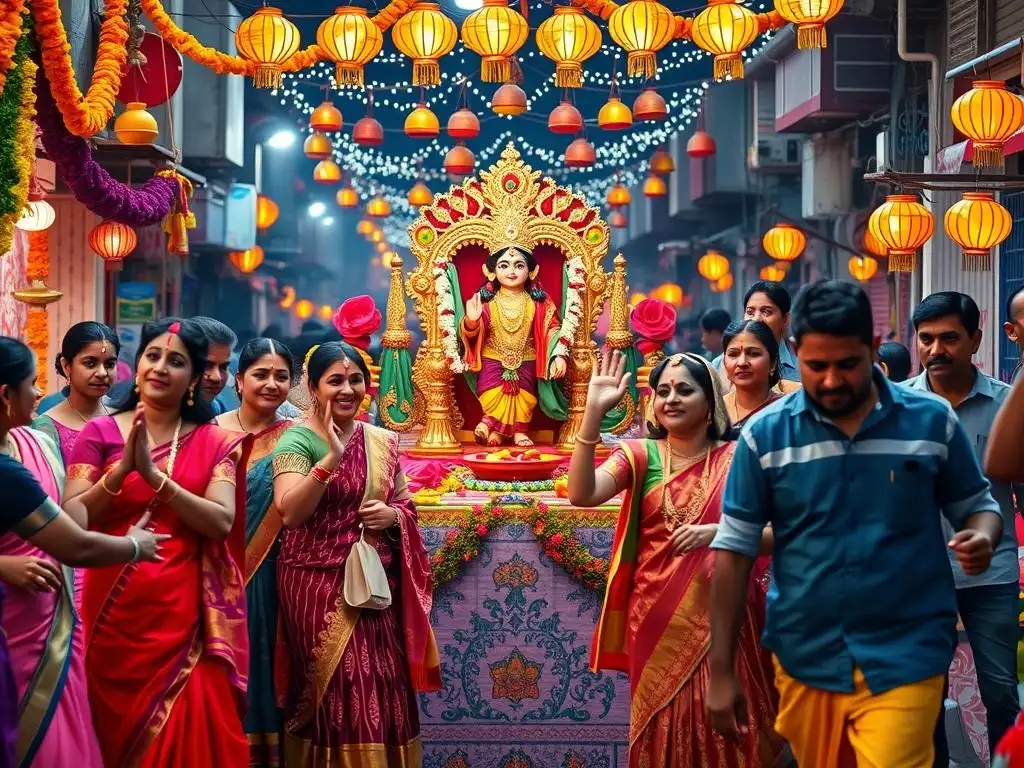
Welcome to Ancient India History, where we invite you to embark on a captivating journey through the rich tapestry of India's past. In this vibrant exploration, we delve into the mystique of Janmashtami, a festival that not only marks the birth of Lord Krishna but also encapsulates the essence of ancient Indian culture and spirituality. What makes this celebration so special, and how has it evolved through the ages?
Join us as we uncover the layers of tradition, festivity, and devotion that define Janmashtami in India. Read on to discover the enchanting stories and customs that bring this joyous occasion to life!
Introduction to Janmashtami Celebration in India
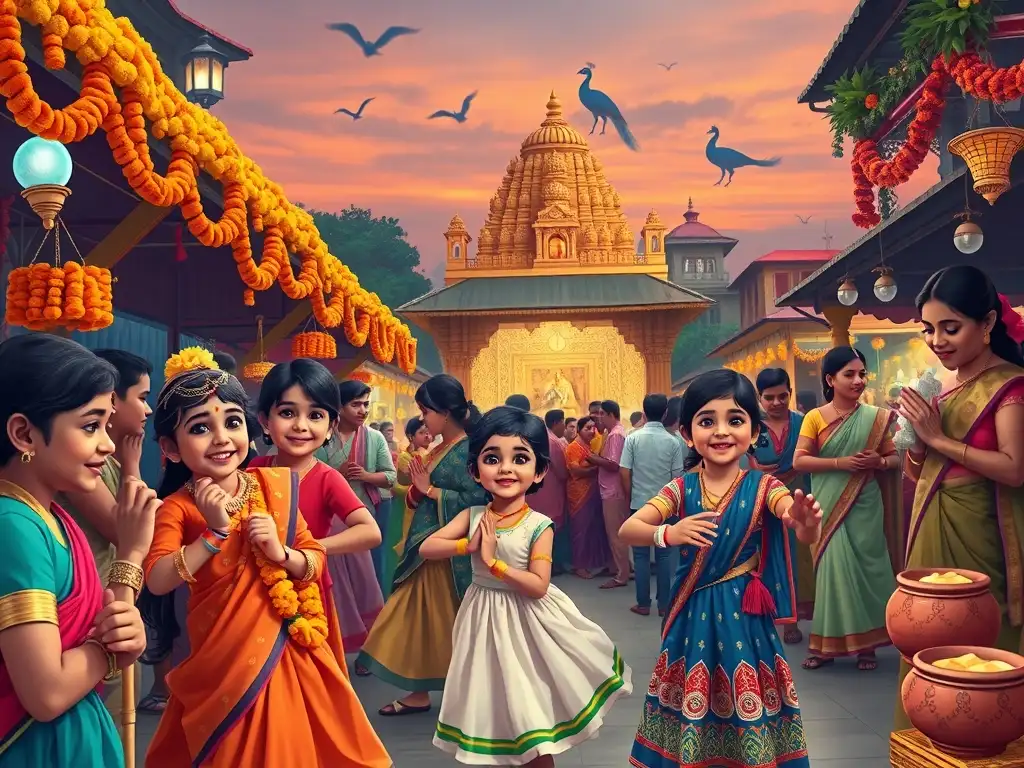
The celebration of Janmashtami holds a significant place in the cultural and spiritual landscape of India. This festival marks the birth of Lord Krishna, a central figure in Hindu mythology, revered for his divine playfulness, wisdom, and teachings. Janmashtami, celebrated with immense fervor across the country, symbolizes not only religious devotion but also the rich tapestry of Indian traditions and community spirit. From vibrant dances and melodious songs to intricate rituals and communal feasts, the Janmashtami celebration in India reflects the depth of devotion and the joyous atmosphere that surrounds this auspicious occasion.
Overview of Janmashtami
Janmashtami, also known as Krishna Janmashtami, typically falls in the month of August or September, according to the Hindu lunar calendar. The festival is observed on the eighth day of the dark fortnight (Krishna Paksha) of the month of Shravana. Devotees engage in various activities that reflect their love and reverence for Krishna, such as:
- Fasting: Many devotees observe a fast, refraining from food and drink until midnight, the believed time of Krishna's birth.
- Night Vigil: Temples and homes are often illuminated, and devotees engage in singing devotional songs, known as bhajans.
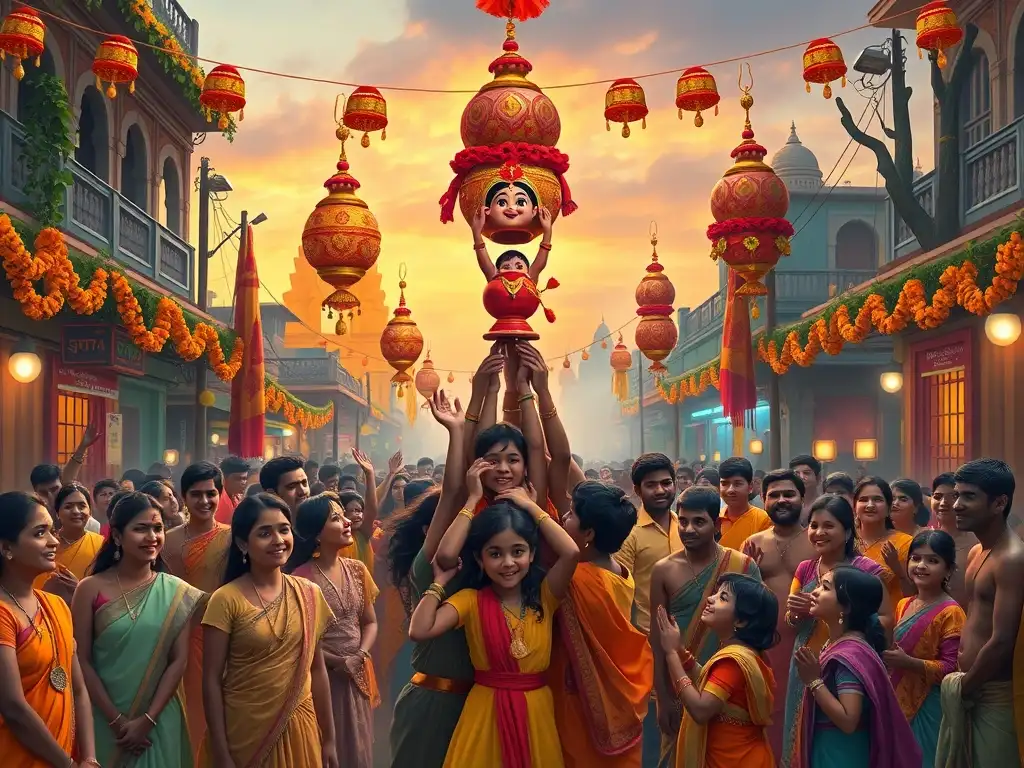
- Dahi Handi: In many regions, particularly in Maharashtra, groups form human pyramids to break pots filled with yogurt, symbolizing Krishna's mischievous exploits during his childhood.
Significance of Lord Krishna's Birth
The birth of Lord Krishna is not just a historical event; it represents the triumph of good over evil. According to Hindu beliefs, Krishna was born to Devaki and Vasudeva in a prison cell in Mathura, destined to defeat the tyrannical king Kansa, who had vowed to kill him. Celebrating Janmashtami serves as a reminder of Krishna's role in restoring Dharma (righteousness) and his teachings, which emphasize love, compassion, and the importance of duty.
Historical Background of Janmashtami
To fully appreciate the Janmashtami celebration in India, one must delve into its historical roots and how it has been commemorated through the ages.
Origins of Janmashtami in Ancient India
The origins of Janmashtami can be traced back to ancient texts, particularly the Bhagavata Purana and the Mahabharata, where the life and exploits of Krishna are elaborated. The festival has its roots in the Vedic period, where celebrations revolved around the worship of deities that signify various aspects of life, including creation, sustenance, and cosmic order. The narratives surrounding Krishna's birth and his subsequent deeds became central themes in the spiritual practices of early Indian civilizations.
Evolution of Janmashtami Celebrations Through the Ages
Over centuries, Janmashtami has evolved into a grand festival that encapsulates diverse regional traditions and practices. From the early Bhakti movement, which emphasized personal devotion to deities, to the colorful processions and cultural performances seen today, the celebration has retained its essence while adapting to contemporary times. Regions across India showcase unique customs:
- Vrindavan: Known as the birthplace of Krishna, the celebrations here are particularly vibrant, with Ras Leela performances and grand decorations.
- Maharashtra: The Dahi Handi event is a major highlight, symbolizing Krishna's playful nature.
- South India: Temples are adorned with flowers, and intricate rituals are performed, reflecting the local customs and beliefs.
Thus, the Janmashtami celebration in India not only honors the birth of Lord Krishna but also serves as a cultural mosaic that showcases the rich heritage and diversity of Indian traditions.
Cultural Significance of Janmashtami
Janmashtami, the celebration of the birth of Lord Krishna, holds profound cultural significance in India. Revered as one of the most important festivals in the Hindu calendar, it symbolizes the victory of good over evil and the arrival of divine grace into the world. This day is not just a religious observance; it is a celebration of life, love, and the ideals that Lord Krishna embodies.
The festival is marked by fasting, devotional singing, and vibrant festivities, reflecting the joyous spirit of Lord Krishna's life. Communities come together to reenact episodes from Krishna's childhood, emphasizing the values of compassion, bravery, and wisdom. The celebration serves to strengthen social bonds and fosters a sense of unity among participants, irrespective of their backgrounds.
Moreover, Janmashtami is infused with rich traditions and rituals that vary across different regions, each adding its unique flavor to the celebration. From intricate decorations of homes and temples to grand processions, the cultural expressions during Janmashtami highlight the deep-rooted spiritual and artistic heritage of India.
Janmashtami in Hindu Traditions and Beliefs
In Hindu traditions, Janmashtami is steeped in rich mythology and religious beliefs. It is celebrated on the eighth day of the dark fortnight in the month of Bhadrapada, typically falling in August or September. The festival commemorates the birth of Krishna, who is believed to be the eighth avatar of Lord Vishnu.
Devotees observe this day with various rituals, including fasting until midnight, the hour believed to be when Krishna was born. Temples and homes are adorned with flowers, lights, and images of Krishna, creating an atmosphere of devotion and reverence.
The significance of Janmashtami extends beyond mere celebration; it serves as a reminder of the principles that Krishna espoused, such as dharma (righteousness), karma (action), and bhakti (devotion). This festival encourages individuals to reflect on their own lives and the moral values that Krishna represented.
Symbolism of Lord Krishna in Indian Culture
Lord Krishna is a multifaceted figure in Indian culture, symbolizing various ideals and values that resonate deeply with the people. As a divine child, lover, and hero, Krishna embodies the essence of joy, playfulness, and wisdom. His life stories, including the famous Raas Leela, convey teachings of love and devotion that transcend mere worship.
Krishna is also seen as a protector and guide, often depicted in the Bhagavad Gita, where he imparts profound philosophical wisdom to Arjuna. This duality of being both playful and serious enhances his significance in Indian culture, making him relatable to people from all walks of life.
The various attributes of Krishna—such as being a friend, a lover, a teacher, and a savior—reflect the richness of human experience, making him a beloved figure in not only Hinduism but also in the wider Indian cultural landscape. His symbolism encourages individuals to embrace life's complexities with grace and joy.
Janmashtami Celebration in India: Regional Variations
The Janmashtami celebration in India showcases a fascinating array of regional variations, each infused with local traditions, customs, and flavors. This diversity enriches the festival, allowing people to experience and appreciate the multifaceted nature of Krishna's life and teachings.
Celebrations in Northern India
In Northern India, particularly in states like Uttar Pradesh and Delhi, Janmashtami is celebrated with great fervor. The birthplace of Krishna, Mathura, becomes a hub of activity, where grand processions, melodious bhajans, and enactments of Krishna's life engage thousands of devotees.
The highlight of the celebrations often includes the "Dahi Handi" event, where teams form human pyramids to break pots filled with curd hung high above. This playful competition symbolizes Krishna's mischievous nature as a child who loved stealing butter. Additionally, temples are illuminated, and night-long vigils (jagaras) are held, with devotees singing praises and recounting stories of Krishna's exploits.
Unique Practices in Southern India
In Southern India, particularly in states like Tamil Nadu and Karnataka, Janmashtami is often referred to as "Gokulashtami." The celebrations here are characterized by the preparation of special dishes like "Pongal" and "Neyyappam," which are offered to the deities.
Devotees engage in elaborate rituals, including the decoration of "Kolu" (a festive display of dolls) and the singing of devotional songs. Unique to this region is the custom of "Namakaranam," where newborns are often named after Lord Krishna, illustrating the deep connection families feel towards the deity.
Western India’s Interpretation of Janmashtami
In Western India, especially in Maharashtra and Gujarat, Janmashtami is celebrated with a mixture of religious devotion and cultural festivities. In Mumbai, the festival sees vibrant celebrations, with "Dahi Handi" events taking center stage. The competitive spirit is palpable as teams from various neighborhoods vie to break the pot, often accompanied by loud music and enthusiastic crowds.
Additionally, the "Raas Garba" dance during the evenings showcases the cultural heritage of Gujarat, with people dressed in traditional attire celebrating Krishna through dance and song. Temples are adorned with colorful decorations, and special prayers are conducted, making it a vibrant community affair.
Eastern India: Celebrating with Diversity
Eastern India, particularly in West Bengal and Odisha, embraces Janmashtami with a diverse array of customs. In West Bengal, the festival is celebrated as "Krishna Jayanti," marked by the preparation of delicious sweets and offerings to the deity. The day is filled with community gatherings, where devotional songs and dances are performed to honor Krishna.
In Odisha, the festival includes a unique ritual called "Nabakalebara," where new idols of Lord Jagannath are crafted from wood, paralleling Krishna's life. The celebrations here reflect a blend of local traditions and deep-seated reverence for Krishna, showcasing the region's rich cultural tapestry.
Through these regional variations, Janmashtami in India becomes a vibrant tapestry of devotion, community engagement, and cultural richness, reflecting the diverse ways in which Lord Krishna's teachings and life are celebrated across the country.
Rituals and Customs of Janmashtami
Janmashtami, the celebration of Lord Krishna's birth, is steeped in a variety of rituals and customs that vary across different regions of India. Devotees engage in fervent activities that not only honor Lord Krishna but also foster community spirit and devotion. The day is marked by a myriad of practices that reflect the rich cultural heritage of India.
Preparations Leading Up to Janmashtami
In the days leading up to Janmashtami, preparations begin earnestly. Homes and temples are cleaned and adorned with vibrant decorations, including flowers, lights, and colorful rangolis. Devotees often prepare themselves spiritually through fasting and prayer.
- Fasting: Many devotees observe a fast on the day of Janmashtami, refraining from food and water until midnight, the time of Krishna's birth. Some choose to have fruits or nuts during the day.
- Decorating the Idols: The idol of Lord Krishna is often bathed and dressed in new clothes, adorned with jewelry, and placed in a beautifully decorated cradle.
These preparations are a significant part of the celebration, creating an atmosphere of devotion and excitement.
Key Rituals Observed During the Celebration
On Janmashtami, several key rituals are observed that are symbolic of Krishna's life and teachings.
- Midnight Puja: The most important ritual occurs at midnight, when devotees gather to offer prayers and perform aarti to celebrate the birth of Krishna. This is often accompanied by singing devotional songs and chanting mantras.
- Bhagavad Gita Recitation: Many devotees read or recite verses from the Bhagavad Gita, reflecting on the teachings of Lord Krishna.
- Breaking of the Fast: Following the midnight celebrations, devotees break their fast with a feast, sharing the joyous occasion with family and friends.
These rituals are not only acts of devotion but also serve to strengthen community bonds.
Role of Dahi Handi in Janmashtami Festivities
A unique and lively aspect of Janmashtami celebrations is the Dahi Handi event, particularly celebrated in Maharashtra. This custom commemorates Lord Krishna's playful antics as a child, where he would steal butter from pots hung high.
- Formation of Human Pyramids: Groups of young men form human pyramids to reach and break the clay pot filled with curd and money. This act symbolizes the spirit of teamwork and camaraderie.
- Celebratory Atmosphere: Dahi Handi events are marked by music, dancing, and cheers, fostering a spirited and festive environment. Winners are often rewarded with cash prizes and recognition.
The Dahi Handi event encapsulates the joy and playfulness associated with Lord Krishna and adds a sense of excitement to the celebrations.
Festive Foods Associated with Janmashtami
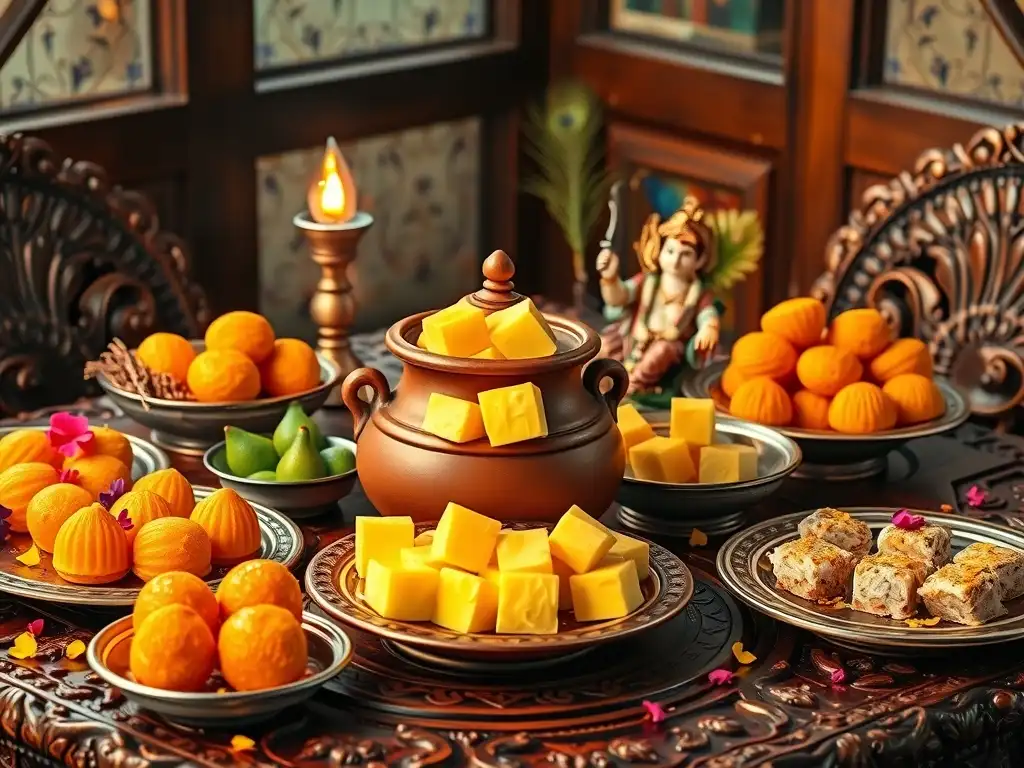
Food plays a significant role in Janmashtami festivities, reflecting the rich culinary traditions of India. Specific dishes are prepared to honor Lord Krishna, making the celebration a feast for the senses.
Traditional Dishes Prepared for Janmashtami
During Janmashtami, a variety of traditional dishes are prepared, each holding significance in the celebration.
- Puri and Aloo Sabzi: A popular dish served during the celebrations, puris are deep-fried bread accompanied by spiced potato curry.
- Kheer: A sweet rice pudding made with milk, rice, and sugar, often flavored with cardamom and garnished with nuts and raisins, is a staple offering to Krishna.
- Chivda: A savory snack made from flattened rice, nuts, and spices, chivda is often consumed during the fasting period.
These dishes not only satisfy hunger but also symbolize the abundance of blessings from Lord Krishna.
Sweets and Offerings Made to Lord Krishna
Sweets hold a special place in Janmashtami celebrations, as they are offered to Lord Krishna and shared among devotees.
- Makkhan Mishri: A simple yet beloved offering, it consists of fresh butter mixed with sugar, representing Krishna's love for butter.
- Besan Ladoo: These sweet balls made from gram flour and jaggery are a popular offering, symbolizing sweetness in life.
- Fruits and Milk: Fresh fruits and milk are also offered, aligning with Krishna's childhood love for these foods.
These offerings are not just culinary delights; they embody the love and devotion of the devotees towards Lord Krishna, making Janmashtami a truly special occasion.
Modern-Day Janmashtami Celebrations
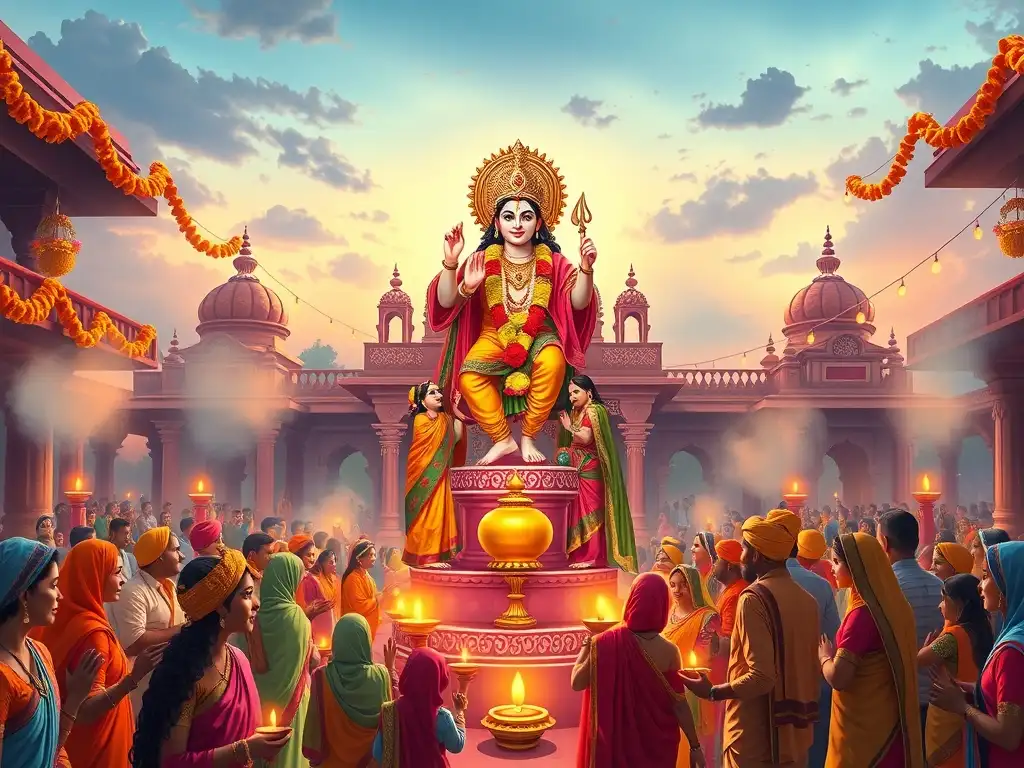
Janmashtami, celebrated as the birth of Lord Krishna, has evolved into a vibrant festival that evokes deep spiritual sentiments and communal joy across India. Modern celebrations, held mainly in August or September, witness a spectacular display of devotion, culture, and artistry. Temples, homes, and public spaces come alive with decorations, lights, and colorful rangoli designs, drawing people together in a myriad of festivities.
Devotees often engage in night-long vigils, singing bhajans and reciting scriptures. The highlight remains the midnight hour, believed to be Krishna's birth time, when the idol of the deity is bathed, adorned, and placed in a cradle. In many regions, the festival includes a ceremonial enactment of Krishna's life, showcasing his playful exploits, such as stealing butter, which symbolizes the joy and mischief that characterize his persona.
Communities across India also organize Dahi Handi events, where young men form human pyramids to break earthen pots filled with curd, replicating Krishna's playful antics as a child. This event not only adds a competitive spirit but also fosters teamwork and camaraderie among participants, making it a highlight of Janmashtami celebrations.
Influence of Contemporary Culture on Janmashtami
The influence of contemporary culture on Janmashtami is evident in the way modern technology and social media are integrated into the festivities. With the advent of digital platforms, families and communities share live updates, photographs, and videos of their celebrations, allowing the festival to reach a global audience. This connectivity brings people together, transcending geographical boundaries, as they celebrate the festival collectively, albeit from afar.
Moreover, contemporary interpretations of Janmashtami are increasingly incorporating themes of environmental consciousness and social responsibility. For instance, eco-friendly practices are gaining traction, with many opting for biodegradable materials for decorations and clay idols instead of harmful plastics. This blend of tradition and modernity not only preserves the festival's essence but also aligns it with the current global focus on sustainability.
Janmashtami in Urban vs. Rural Settings
The celebration of Janmashtami varies significantly between urban and rural settings, reflecting the diversity of Indian culture. In urban areas, the festival is often marked by grand public celebrations, elaborate decorations, and organized events that attract large crowds. Temples and community halls host performances, and local artists showcase their talents through dance and drama, bringing the stories of Krishna to life.
Conversely, in rural areas, Janmashtami retains a more intimate and traditional feel. Celebrations often involve close-knit family gatherings, where rituals are performed with deep reverence. The simplicity of rural festivities, such as communal prayers and shared meals, fosters a genuine connection among community members. Villagers may also engage in folk dances and storytelling, ensuring that the cultural narratives surrounding Krishna's life are passed down through generations.
Conclusion: The Enduring Legacy of Janmashtami
The legacy of Janmashtami stretches beyond mere celebration; it embodies the spiritual ethos and cultural richness of India. The festival serves as a reminder of the values espoused by Lord Krishna—love, compassion, and righteousness. As it continues to be celebrated with fervor across the country, Janmashtami fosters unity among diverse communities, showcasing the profound impact of ancient traditions on contemporary society.
Reflection on the Importance of Janmashtami in Today’s Society
In today’s fast-paced world, the celebration of Janmashtami offers a vital opportunity for individuals and families to reconnect with their roots and heritage. It encourages reflection on personal values and ethical living, drawing inspiration from Krishna's teachings. The festival not only nourishes spiritual well-being but also strengthens social bonds, as families and communities come together to celebrate their shared beliefs.
Furthermore, Janmashtami serves as a cultural touchstone, reminding younger generations of the importance of traditions and the stories that shape their identity. Through various celebrations, the festival imparts lessons of humility, love, and service, which are increasingly relevant in contemporary society.
Future of Janmashtami Celebrations in India
Looking ahead, the future of Janmashtami celebrations in India appears promising, as the festival adapts to changing societal norms while retaining its core essence. With technology continuing to play a significant role, virtual celebrations and online gatherings are likely to become more common, allowing even those far from their hometowns to participate in the festivities.
As environmental concerns gain momentum, the emphasis on sustainable practices will likely influence how Janmashtami is celebrated, encouraging communities to adopt greener methods while honoring tradition. Ultimately, Janmashtami will continue to evolve, bridging the past and present, making it a timeless celebration that resonates with all generations in India and beyond.
References and Further Reading on Janmashtami Celebration in India
The celebration of Janmashtami, which marks the birth of Lord Krishna, is steeped in tradition and cultural significance. To enhance your understanding of this vibrant festival, numerous resources provide insights into its historical roots, regional variations, and contemporary practices. Here are some valuable references and further reading materials:
- Academic Journals: Articles in journals such as the Journal of Hindu Studies and Indian Folklore Research Journal often explore the cultural and religious dimensions of Janmashtami, delving into its significance in various Indian communities.
- Online Encyclopedias: Websites like the Encyclopedia Britannica and Hinduism Today offer concise overviews of Janmashtami, outlining its historical context and modern-day celebrations.
- Documentaries: Various documentaries on platforms like YouTube provide visual narratives of Janmashtami celebrations across different parts of India, showcasing the unique customs and rituals involved.
Suggested Articles on Ancient Indian Festivals
- The Role of Festivals in Indian Culture: This article examines how festivals like Janmashtami serve as a medium for cultural expression and community bonding. It discusses the interplay of mythology and celebration in Indian society.
- Dussehra: The Victory of Good Over Evil: Focusing on another significant festival, this piece draws parallels between Janmashtami and Dussehra, highlighting the common themes of heroism and divine intervention.
- Pongal: A Harvest Festival in South India: This article explores the regional diversity of Indian festivals, including Janmashtami, by examining the unique ways festivals are celebrated in different states.
- The Significance of Navratri in Hindu Tradition: Delving into the festival of Navratri, the article discusses the importance of devotion and ritual, similar to those observed during Janmashtami.
Books and Resources for Deeper Understanding
- "Krishna: The Man and His Philosophy" by Ramesh Menon: This book provides a comprehensive look at the life and philosophies of Lord Krishna, offering insights into the spiritual significance of Janmashtami.
- "The Festivals of India" by Nanditha Krishna: A detailed exploration of various Indian festivals, this book includes a section dedicated to Janmashtami, discussing its historical context and cultural practices.
- "Hindu Festivals: A Celebration of Life" by R. K. Gupta: This resource covers a range of Hindu festivals, including Janmashtami, emphasizing their role in shaping the cultural landscape of India.
- "The Complete Works of Swami Vivekananda": In this collection, readers can find reflections on the spiritual teachings of Lord Krishna, providing a philosophical backdrop to the celebrations of Janmashtami.
These resources provide a rich foundation for anyone looking to deepen their understanding of the Janmashtami celebration in India and its place within the broader spectrum of ancient Indian festivals.
- Introduction to Janmashtami Celebration in India
- Overview of Janmashtami
- Significance of Lord Krishna's Birth
- Historical Background of Janmashtami
- Cultural Significance of Janmashtami
- Janmashtami Celebration in India: Regional Variations
- Rituals and Customs of Janmashtami
- Festive Foods Associated with Janmashtami
- Modern-Day Janmashtami Celebrations
- Conclusion: The Enduring Legacy of Janmashtami
- References and Further Reading on Janmashtami Celebration in India
- Suggested Articles on Ancient Indian Festivals
- Books and Resources for Deeper Understanding
Frequently Asked Questions
What is Janmashtami?
Janmashtami is the celebration of the birth of Lord Krishna, a major deity in Hinduism, observed with great enthusiasm across India.
When is Janmashtami celebrated?
The festival is typically celebrated on the eighth day of the dark fortnight in the month of Bhadrapada, which usually falls in August or September.
How do people celebrate Janmashtami in India?
Celebrations include fasting, singing devotional songs, reenacting episodes from Krishna’s life, and participating in dance and drama, showcasing the rich cultural heritage.
What are some traditional foods prepared during Janmashtami?
Devotees prepare a variety of sweets and snacks, such as makhan mishri (butter and sugar) and peda, to honor Lord Krishna and share among family and friends.
Why is Janmashtami significant in Indian culture?
Janmashtami is not only a religious event but also a time to reflect on the values and teachings of Lord Krishna, promoting love, devotion, and harmony in society.
Final Reflection: Embracing the Spirit of Janmashtami Celebration in India
The celebration of Janmashtami is not just a festival; it is a vibrant tapestry of culture, devotion, and community that resonates deeply in today's world. As we navigate through modern life, the essence of Janmashtami reminds us of the importance of spirituality and the joy of coming together to celebrate our shared beliefs. This festival encapsulates the timeless values of love, compassion, and righteousness that Lord Krishna embodied, making it ever-relevant in our contemporary society.
Celebrating Janmashtami has a profound influence on the cultural and social landscape of India, fostering a sense of unity and belonging among diverse communities. The rituals and festivities serve as a reminder of our rich heritage and the values we hold dear. As the poet Rumi once said, "> The wound is the place where the Light enters you." In the context of Janmashtami, the festival allows us to heal and connect with our inner selves, illuminating our paths through the teachings of Krishna, who inspires us to overcome our struggles with grace and wisdom.
As we reflect on the significance of Janmashtami, I invite you to embrace its teachings in your daily life. Consider how you can embody the principles of love, kindness, and resilience that Krishna exemplifies. Whether through acts of service, fostering community ties, or simply taking a moment to reflect on your spiritual journey, let the spirit of Janmashtami guide you. Together, we can celebrate not just the birth of Lord Krishna, but the birth of a more compassionate and connected world.
Celebrate the Spirit of Janmashtami Today!
Thank you for diving into the fascinating celebration of Janmashtami! We hope you’ve uncovered the rich traditions and meanings behind this auspicious occasion. Now, it’s time to take that inspiration and bring the spirit of Lord Krishna into your life.
Here are some exciting ways to celebrate Janmashtami:
- Host a festive gathering: Invite friends and family to join you in a joyful celebration, complete with traditional foods and devotional songs.
- Create your own festival: Reenact Krishna's playful childhood by organizing activities that reflect his joyous spirit. Incorporate fun games and crafts for all ages!
- Share the joy: Post your Janmashtami celebrations on social media to inspire others in your community to participate.
What unique traditions or ideas do you plan to incorporate into your Janmashtami celebrations this year? Let’s share and inspire each other!