
Merging Mythologies: The Interplay of Indian and Hellenistic Art Forms

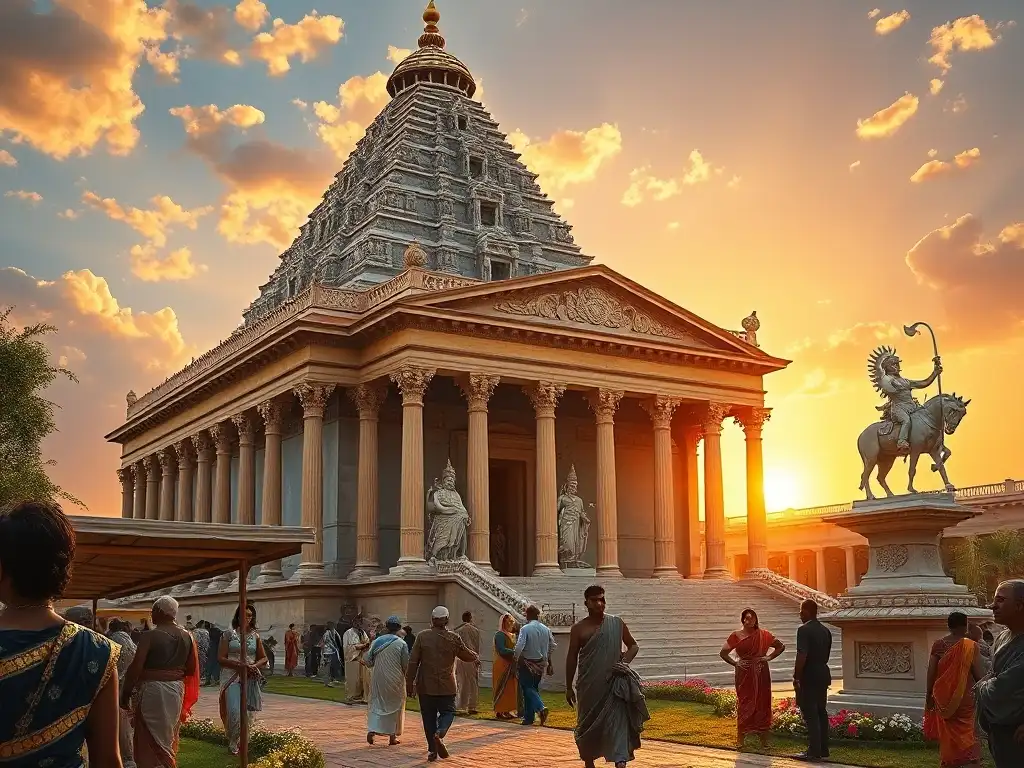
Welcome to Ancient India History—your gateway to the mesmerizing tapestry of India's past! Here, we delve into the rich and diverse heritage of ancient civilizations, uncovering their profound contributions to culture and art. In our feature article, "Merging Mythologies: The Interplay of Indian and Hellenistic Art Forms," we invite you to explore the fascinating Indian Hellenistic art influences that illustrate the dynamic exchanges between cultures.
Prepare to embark on a journey that not only reveals the beauty of artistic fusion but also ignites your curiosity about the interconnected narratives that shaped our world. Dive in and discover the stories waiting to be unveiled!
- Introduction to Indian Hellenistic Art Influences
- Historical Context of Indian and Hellenistic Art Forms
- The Encounter of Indian and Hellenistic Cultures
- Indian Hellenistic Art Influences: Key Features and Examples
- Case Studies of Merging Art Forms
- Regional Variations in Indian Hellenistic Art Influences
- The Legacy of Indian and Hellenistic Art Interplay
- Conclusion: The Significance of Indian Hellenistic Art Influences
- References
-
Frequently Asked Questions
- What is the significance of Indian Hellenistic art influences?
- How did the Indus Valley civilization contribute to the evolution of art?
- What role did the Gupta Empire play in advancing art and culture?
- Can you explain the influence of Hellenistic art on Indian sculptures?
- What are some examples of mythological themes in Indian Hellenistic art?
- Final Reflection: Embracing the Fusion of Cultures in Art
- Unveil the Artistic Tapestry of Cultures!
Introduction to Indian Hellenistic Art Influences
The fascinating realm of Indian Hellenistic art influences unveils a rich tapestry of artistic and cultural syncretism that emerged from the confluence of Indian and Hellenistic traditions. This intricate interplay not only reflects the unique manifestations of creativity across civilizations but also highlights the profound connections forged through trade, conquest, and the exchange of ideas.
From the vibrant sculptures of the Indus Valley to the intricate frescoes of the Gupta Empire, the influences of Hellenistic art can be traced through various forms, styles, and techniques adopted by Indian artisans. Understanding this artistic dialogue is essential to appreciating the depth and diversity of ancient Indian history and culture, as it reveals how cultural exchanges shaped the visual language and thematic expressions of both societies.
Overview of Artistic and Cultural Syncretism
Artistic and cultural syncretism refers to the blending and merging of different artistic traditions and cultural practices, leading to the creation of new forms that reflect a hybrid identity. In the context of Indian and Hellenistic art, this phenomenon became particularly pronounced during the period of Alexander the Great's conquests and the subsequent establishment of Hellenistic kingdoms in the Indian subcontinent.
- Key characteristics of this syncretism include:
- Adoption of Styles: Indian artists incorporated Hellenistic styles, particularly in sculpture and architecture, creating unique works that combined Greek realism with Indian iconography.
- Thematic Fusion: Themes from both cultures began to intertwine, leading to new narratives and representations in art.
- Cultural Exchange: The movement of people, goods, and ideas across regions facilitated a rich dialogue between the artistic expressions of these two great civilizations.
This blending of artistic traditions not only enriched the visual arts but also served as a reflection of the broader cultural exchanges that characterized ancient societies.
Importance of Studying Indian and Hellenistic Art Interplay
Understanding the interplay between Indian and Hellenistic art is crucial for several reasons. Firstly, it allows us to appreciate the sophistication and adaptability of ancient artists who navigated through diverse cultural landscapes. The cross-pollination of ideas led to the emergence of distinctive artistic styles that have enduring legacies.
Moreover, studying these influences provides insight into the socio-political contexts in which they emerged. The interactions between Hellenistic and Indian cultures can be seen as a microcosm of broader historical processes, such as:
- Trade Routes: The Silk Road and other trade routes facilitated not just commerce but also cultural dialogue.
- Political Alliances: The establishment of Hellenistic kingdoms in India fostered a unique cultural milieu where art became a vessel for political expression and identity formation.
- Religious Syncretism: The fusion of artistic traditions often mirrored the blending of religious beliefs, leading to innovative representations of deities and spiritual narratives.
The study of Indian Hellenistic art influences serves as a valuable lens through which we can explore the complexities of cultural interactions and the enduring impact of these exchanges on subsequent artistic developments. By delving into this rich historical narrative, we gain a deeper understanding of the artistic heritage that continues to resonate in the cultural fabric of India today.
Historical Context of Indian and Hellenistic Art Forms
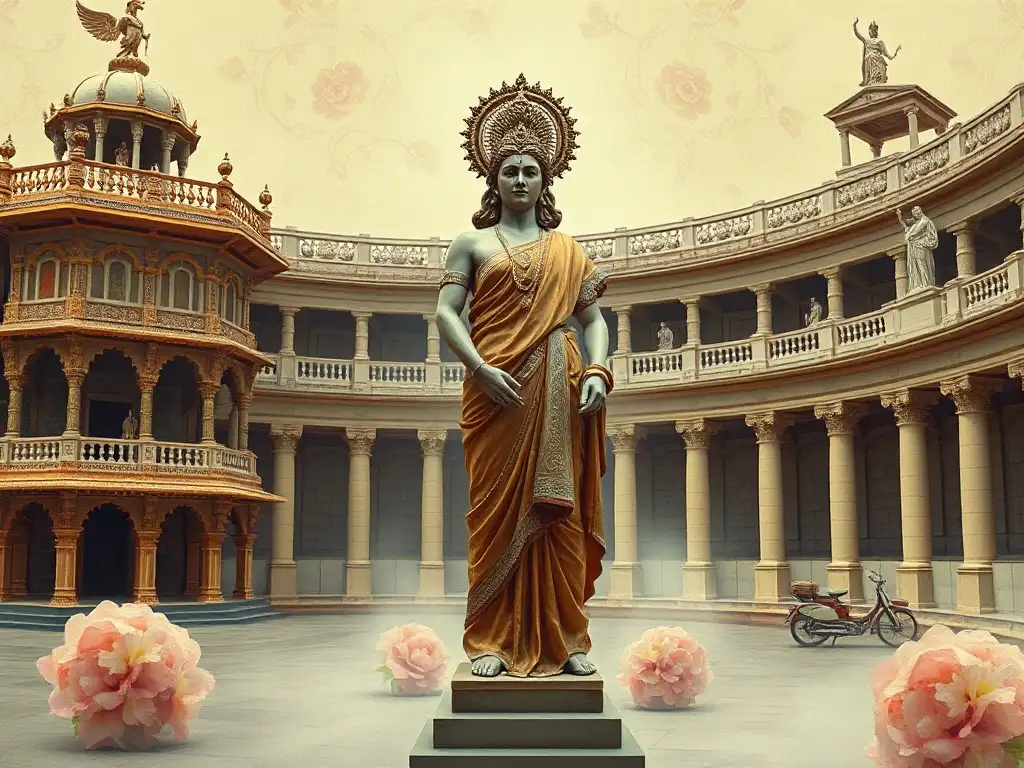
The interplay between Indian and Hellenistic art forms is a fascinating subject that sheds light on the cultural exchanges that occurred in ancient times. Understanding the historical context of these art forms is essential to grasp how they influenced one another and contributed to the artistic landscape of their respective regions.
The Rise of Hellenistic Art in Ancient Civilizations
The Hellenistic period, which began after the death of Alexander the Great in 323 BCE and lasted until the Roman conquest of Greece in 31 BCE, marked a significant transformation in Greek art. This era was characterized by an expansion of artistic expression that was more dramatic, emotional, and diverse compared to the Classical period.
Key Features of Hellenistic Art
- Realism and Emotion: Hellenistic artists moved away from the idealized forms of the Classical period, creating more realistic and emotionally charged representations. Sculptures like the Laocoön and His Sons exemplify this trend, showcasing intricate details and dynamic poses.
- Diversity of Subjects: Art from this period reflected a wider range of subjects, including everyday life, mythology, and even non-Greek cultures. This adaptability allowed Hellenistic art to resonate with various audiences across the expanding territories.
- Influence of Local Cultures: As Hellenistic influence spread through conquests, artists began incorporating elements from local traditions and practices. This resulted in a rich tapestry of artistic styles that blended Greek techniques with indigenous motifs.
Interaction with Indian Art
The convergence of Indian and Hellenistic artistic traditions can primarily be traced back to the interactions following Alexander’s campaigns in the Indian subcontinent around 326 BCE. As Greek art began to influence Indian artisans, the resulting synthesis led to unique art forms, particularly in regions like Gandhara.
Key Characteristics of Indian Art During the Same Period
During the same timeframe, Indian art was undergoing significant changes. The Mauryan Empire (322–185 BCE) laid the groundwork for a flourishing artistic culture that would later evolve into the intricate styles of the Gupta period (c. 240–550 CE).
Distinct Features of Indian Art
- Symbolism and Spirituality: Indian art was deeply rooted in spirituality and symbolism. The use of motifs like the lotus and elaborate iconography reflected religious themes, primarily from Buddhism and Hinduism.
- Narrative and Storytelling: Indian sculptures and paintings often depicted narratives from religious texts, such as the Mahabharata and Ramayana. This storytelling aspect was essential in conveying moral and ethical lessons within the art.
- Regional Styles and Techniques: Various regions in India developed distinct artistic styles influenced by local traditions, materials, and patronage. For instance, the rock-cut caves at Ajanta and Ellora showcase elaborate frescoes and sculptures that reflect both religious devotion and artistic innovation.
The Influence of Hellenistic Art on Indian Practices
As Indian artisans encountered Hellenistic styles, they began to adopt and adapt various techniques, leading to a cross-pollination of ideas. The introduction of more naturalistic representations can be seen in the sculptures of the Gandhara school, where Greek influences manifested in the depiction of drapery and human expressions.
The historical context of Indian and Hellenistic art forms reveals a complex interplay of cultural exchanges that enriched both traditions. The rise of Hellenistic art brought about changes that resonated with Indian artisans, leading to a unique fusion that still captivates art historians and enthusiasts today.
The Encounter of Indian and Hellenistic Cultures
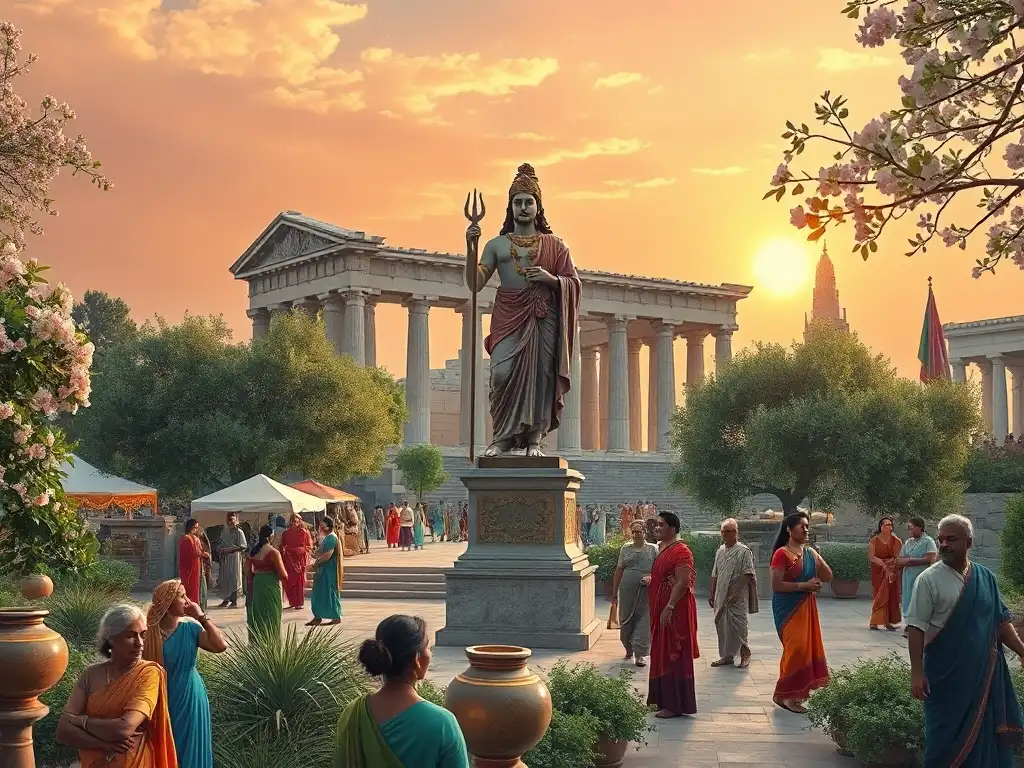
The interaction between Indian and Hellenistic cultures created a fascinating tapestry of artistic and cultural influences that profoundly shaped the development of art in both regions. This encounter was not merely a chance occurrence; it was facilitated through various trade routes, historical events, and the exchange of ideas that fostered a unique blend of artistic expression.
Trade Routes and Cultural Exchanges
The trade routes established during the ancient period played a crucial role in the meeting of Indian and Hellenistic cultures. The famous Silk Road and the Maritime Spice Route were instrumental in facilitating the exchange of not only goods but also ideas, philosophies, and artistic techniques.
- Silk Road: This network of trade routes connected the East and West, allowing for the movement of silk, spices, and precious stones. Along with these goods, artisans and traders shared artistic styles and motifs, leading to a cross-pollination of ideas.
- Maritime Spice Route: This sea route linked Indian ports with those in the Mediterranean, further enabling the exchange of cultural and artistic influences. It allowed for the importation of Hellenistic aesthetics into Indian art, especially in coastal regions.
The influences were bidirectional, with Indian motifs and styles also permeating Hellenistic art. This exchange resulted in the synthesis of forms, leading to a rich, hybrid art that reflected both cultures.
Key Historical Events Facilitating Interaction
Several pivotal historical events contributed to the merging of Indian and Hellenistic artistic traditions:
- The Conquests of Alexander the Great:
- In the 4th century BCE, Alexander's campaigns into India opened pathways for cultural exchanges. His encounters with Indian kingdoms led to the introduction of Hellenistic art forms into Indian artistic practices, particularly in sculpture.
- The Mauryan Empire:
- Under the reign of Chandragupta Maurya and his grandson Ashoka (circa 322–185 BCE), the Mauryan Empire expanded its influence, promoting the integration of Hellenistic ideas through diplomatic ties and trade. The Ashoka Pillars, with their intricate carvings, reflect a blend of indigenous and Hellenistic styles.
- The Greco-Bactrian Kingdom:
- The establishment of the Greco-Bactrian Kingdom (circa 250 BCE) further solidified the cultural exchange between these two regions. The art produced during this period, particularly the Gandhara style, showcased the fusion of Greek and Indian artistic elements.
- The Spread of Buddhism:
- As Buddhism spread beyond India, it absorbed various artistic influences, including those from Hellenistic culture. The depiction of Buddhist narratives began to incorporate Greek motifs, leading to the development of unique art forms that illustrated Buddhist themes with Hellenistic finesse.
- Roman Trade Relations:
- The flourishing trade between India and the Roman Empire during the early centuries CE continued the trend of cultural syncretism. Artistic objects, such as coins and sculptures, displayed a blend of Indian iconography with Hellenistic techniques, demonstrating the ongoing interaction of these rich cultures.
The interplay of Indian and Hellenistic art forms exemplifies how cultural exchanges can lead to the creation of unique artistic traditions, enriching the heritage of both civilizations. This syncretism remains a vital aspect of the history of art in ancient India, showcasing the dynamic nature of cultural interactions and influences.
Indian Hellenistic Art Influences: Key Features and Examples
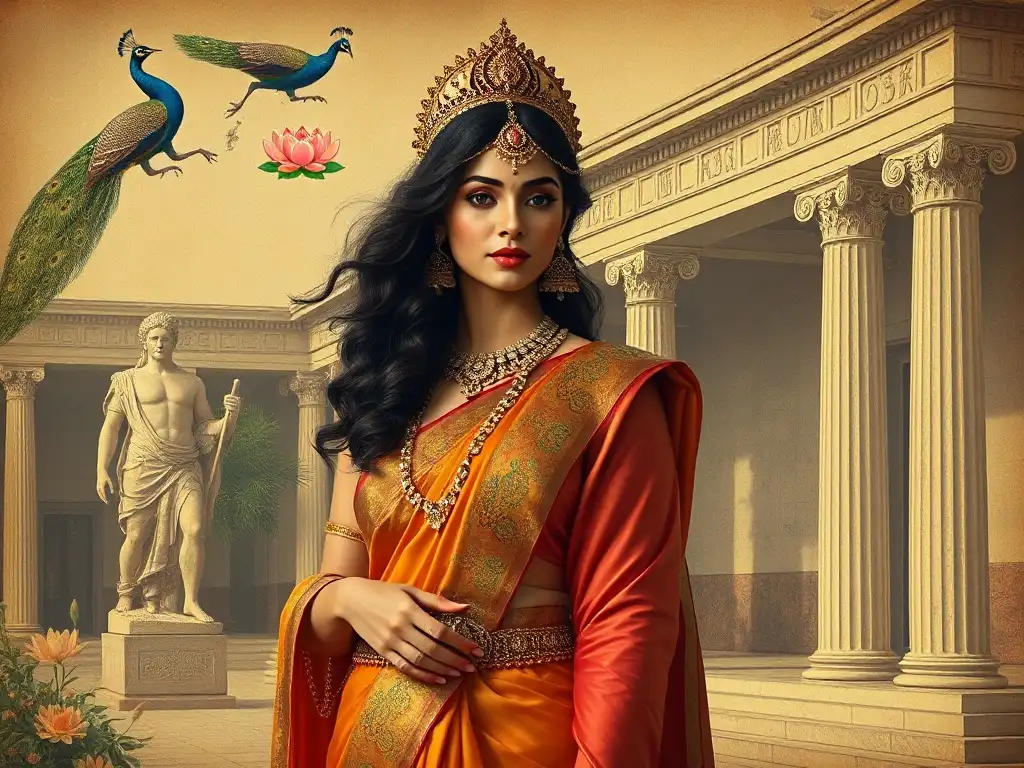
The Indian Hellenistic art influences represent a fascinating confluence of two distinct yet complementary artistic traditions. This melding began during the time of Alexander the Great's conquests and continued through the subsequent establishment of the Indo-Greek Kingdoms. The exchange of ideas, techniques, and styles between Indian and Hellenistic artists resulted in unique features that are evident in both sculpture and architecture.
Sculptural Techniques and Styles
The synthesis of Indian and Hellenistic art forms is particularly evident in sculptural techniques and styles. Hellenistic art, characterized by its realism and emotional expressiveness, influenced Indian sculptors, particularly in the depiction of human figures and facial expressions.
- Naturalism:
- Indian artists began to adopt the Hellenistic emphasis on naturalism, resulting in more lifelike representations.
- For example, sculptures from the Gandhara region showcase finely detailed drapery and anatomical precision, echoing the styles of Hellenistic sculptures.
- Material Usage:
- The use of materials also shifted; while traditional Indian sculptures predominantly used stone and terracotta, the influence of Hellenistic techniques introduced a wider array of materials, including bronze and stucco.
- This shift allowed for greater versatility in the portrayal of figures, contributing to the dynamic visual language.
- Stylistic Blending:
- The fusion of styles can be seen in the depiction of Buddhist figures, where Hellenistic elements such as dynamic postures and elaborate hairstyles merged with traditional Indian iconography.
- The famous Buddha from Gandhara, for instance, displays a serene expression reminiscent of Greek gods, showcasing this syncretism.
Architectural Innovations from Indian and Hellenistic Blends
The architectural landscape of ancient India also bore the marks of Hellenistic influence, particularly in urban planning and temple design.
- Urban Planning:
- The introduction of grid patterns and organized layouts in cities like Taxila can be traced back to Hellenistic urban designs. The emphasis on symmetry and order in these cities reflects a blend of both cultures.
- Temple Architecture:
- The incorporation of Corinthian columns and decorative friezes in Indian temples illustrates how Hellenistic architectural elements were adapted to local styles.
- Notable examples include the Sanchi Stupa, which, while primarily Indian in design, features Hellenistic motifs in its intricate carvings and balustrades.
- Fusion of Styles:
- The great rock-cut caves of Ajanta and Ellora demonstrate this fusion, as their intricate facades and interior sculptures draw on both Indian and Hellenistic elements, creating a compelling visual narrative that reflects their cultural exchanges.
Iconography serves as a crucial area where Indian and Hellenistic art influences can be observed, particularly in the themes and symbols that artists chose to depict.
- Divine Representation:
- The representation of deities and divine figures in both cultures revealed a shared understanding of spirituality and mythology.
- For instance, the portrayal of Buddha often included attributes such as an urna (dot on the forehead) and elaborate halos, which can be compared to the divine iconography of Greek gods.
- Symbolic Motifs:
- Shared motifs, such as the lotus flower and the vine, appear in both traditions, symbolizing purity and growth.
- The use of these symbols in sculptures and architectural reliefs indicates a blending of cultural narratives.
- Narrative Scenes:
- The depiction of narrative scenes in relief sculptures, such as those found in the Buddhist stupas, often draws on themes familiar to both cultures, illustrating stories of heroism, morality, and divine intervention that resonate across cultural boundaries.
The Indian Hellenistic art influences showcase a remarkable synthesis of artistic traditions that not only enriched the visual landscape of ancient India but also fostered a deeper cultural exchange that is still studied and celebrated today. Through sculptural techniques, architectural innovations, and shared iconography, this period illustrates the dynamic interplay of ideas and aesthetics between two great civilizations.
Case Studies of Merging Art Forms
The Influence of Indian Art on Hellenistic Sculpture
The intersection of Indian and Hellenistic art forms can be observed significantly in the evolution of sculpture during the period of cultural exchange. The spread of Buddhism, particularly after the Mauryan Empire's expansion, facilitated artistic interaction between Indian and Hellenistic cultures. Notably, the introduction of Greco-Roman techniques into Indian artistic practices led to a unique style characterized by realism and intricate detailing.
- Life-like Representations: Hellenistic influence is evident in the more naturalistic portrayal of figures in Indian sculpture. For example, the contours and expressions of Buddha statues were influenced by the Hellenistic emphasis on realism.
- Drapery and Movement: Indian sculptors began to adopt the fluidity of drapery seen in Hellenistic art, which can be observed in the garments of Buddhist figures, showcasing a blend of cultural aesthetics.
Key Examples:
- The Sanchi Stupa: The capitals and reliefs at Sanchi exhibit a harmonious blend of Indian iconography and Hellenistic realism, particularly in the depiction of human figures.
- The Amaravati Sculptures: These sculptures reflect a synthesis of Indian narrative traditions with Hellenistic styles, particularly in the depiction of dynamic poses and intricate detailing.
Hellenistic Elements in Indian Stupas and Temples
The architectural designs of stupas and temples in ancient India reveal notable Hellenistic influences, particularly during the period of the Indo-Greek Kingdoms. These structures combined Indian religious symbolism with Hellenistic architectural techniques, creating a unique aesthetic language.
- Architectural Features: The incorporation of columns and elaborate gateways (toranas) in Indian stupas shows a clear influence of Hellenistic design, which emphasized monumental architecture.
- Symbolic Integration: The use of motifs such as the acanthus leaf, common in Hellenistic art, can be found in the decorative elements of Indian temples, signifying a blend of the two traditions.
Key Examples:
- The Great Stupa at Sanchi: The innovative use of stone carving and architectural features reflects Hellenistic influence while maintaining a distinctly Indian character.
- The Ajanta Caves: The intricate carvings and architectural styles in these caves showcase a fusion of Indian spiritual themes with Hellenistic artistry.
Notable Artworks Reflecting Indian Hellenistic Syncretism
Several artworks from the period exemplify the syncretism between Indian and Hellenistic art forms, showcasing how these cultures enriched each other's artistic expressions.
| Artwork | Description | Cultural Influence |
|---|---|---|
| The Bodhisattva Avalokiteshvara | A statue featuring Hellenistic drapery and Indian iconography. | Indian and Greco-Roman |
| The Gandhara Buddha | A representation of Buddha with a Greco-Roman beard and facial features. | Hellenistic realism in Indian context |
| The Sarnath Lion Capital | The iconic lion capital exhibits Hellenistic stylization in its detailed form. | Blend of Indian symbolism and Hellenistic style |
The examination of these artworks reveals not only the technical advancements in sculpture and architecture but also a deeper cultural dialogue that transcended borders. The artistic innovations born from this exchange continue to influence modern interpretations of both Indian and Hellenistic art, making them essential subjects of study in the realm of cultural and artistic syncretism.
Regional Variations in Indian Hellenistic Art Influences
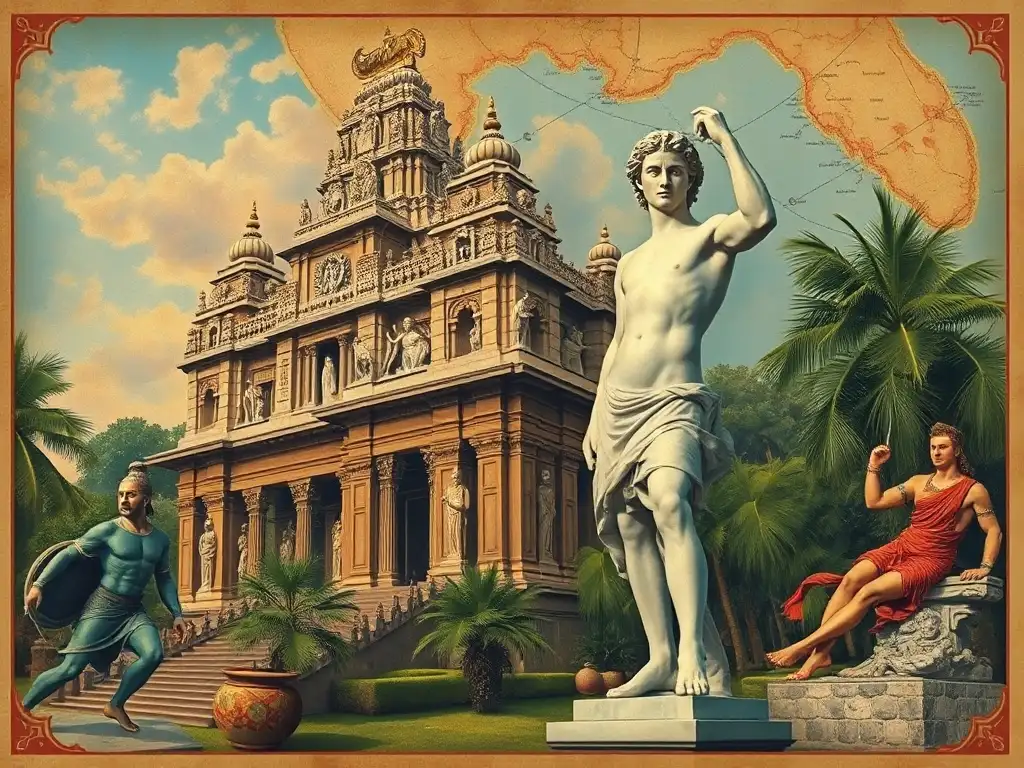
Northern India: The Impact of Greek Art
The influence of Greek art on Northern Indian artistic traditions can be traced back to the arrival of Alexander the Great in India in 326 BCE. This period marked the beginning of extensive cultural interactions between Greek and Indian civilizations, particularly in regions like Gandhara and Mathura. The fusion of artistic styles led to the emergence of a distinct form of art that combined elements from both cultures.
One of the most significant manifestations of this influence is seen in the Gandhara art style, which flourished from the 1st century BCE to the 5th century CE. Gandhara sculptures are characterized by their realistic representation of human figures, intricate drapery, and the incorporation of Greek motifs such as chiaroscuro, which adds depth and dimension to the figures. The depiction of Buddhist themes through this lens allowed artists to create a unique narrative that appealed to both Indian and Hellenistic audiences.
- Key Features of Gandhara Art:
- Realistic human figures with detailed facial expressions.
- Use of Hellenistic drapery and poses, reminiscent of Greek sculptures.
- Integration of motifs from both cultures, such as the lotus and scroll patterns.
The region of Mathura also experienced a significant transformation due to Hellenistic influences. Mathura art is known for its robust figures and expressive features, which reflect both Indian and Greek aesthetics. The representation of deities, especially during the Kushan period, shows a blend of local traditions with Greek iconography, resulting in a rich tapestry of artistic expression.
Southern India: A Unique Blend of Styles
In contrast to Northern India, Southern India presents a different narrative regarding Indian Hellenistic art influences. The exchange of cultural ideas here was influenced by trade routes rather than military conquests, leading to a more gradual integration of Hellenistic elements into local art forms.
The Chola and Pandya dynasties played a crucial role in this cultural syncretism. Southern Indian art, particularly during the early centuries CE, began to reflect Hellenistic characteristics, particularly in temple architecture and sculpture. The use of elaborate friezes, intricate carvings, and the incorporation of mythological themes indicate a melding of styles.
- Distinct Characteristics of Southern Indian Art:
- Elaborate temple architecture with intricate sculptures depicting deities and mythological narratives.
- The influence of Hellenistic motifs in the ornamental designs, such as floral patterns and geometric shapes.
- Use of vibrant colors and materials, showcasing a rich palette that reflects both indigenous and foreign traditions.
In addition, the maritime trade along the Coromandel Coast facilitated the exchange of art and cultural ideas, allowing Southern Indian artists to incorporate Hellenistic themes while preserving their unique artistic identity. The result was a vibrant art style that, while influenced by Greek aesthetics, remained distinctly Indian.
This fascinating interplay of artistic traditions in Southern India exemplifies how cultural exchanges can lead to the development of unique art forms, showcasing the depth and complexity of Indian Hellenistic art influences throughout the region.
By examining these regional variations, we can appreciate the profound impact that Greek art had on the development of Indian art across different contexts, demonstrating the dynamic nature of cultural exchange in ancient civilizations.
The Legacy of Indian and Hellenistic Art Interplay
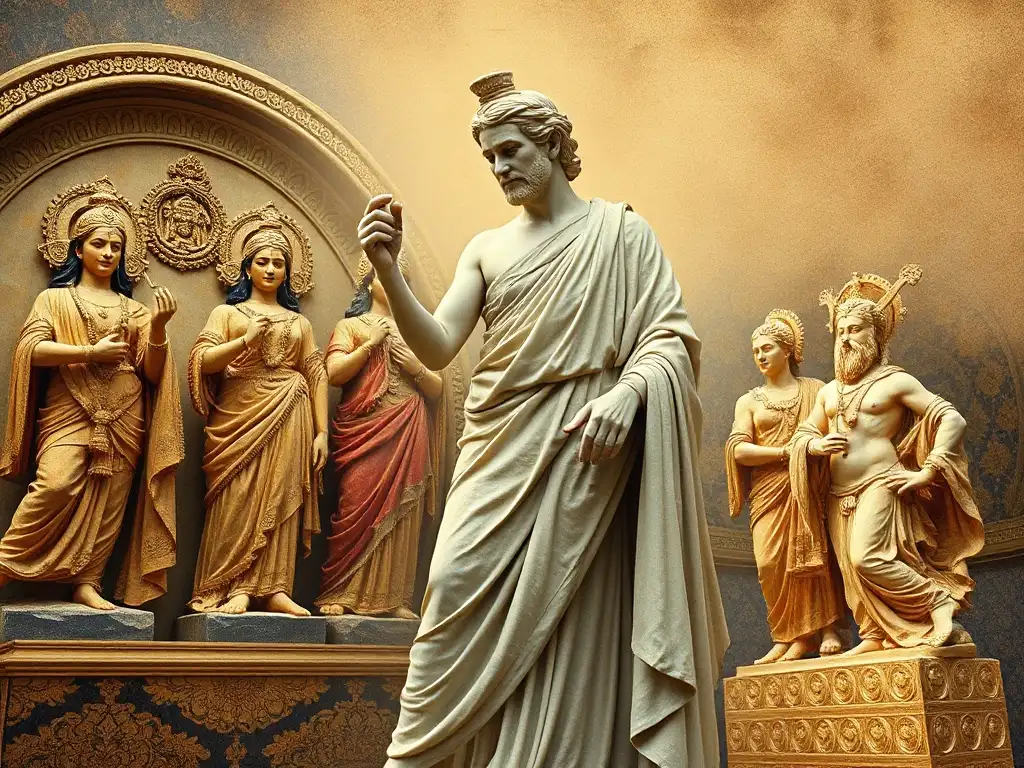
The legacy of Indian and Hellenistic art interplay is a fascinating narrative that showcases the profound cultural exchanges that occurred through trade, conquest, and migration. These two rich artistic traditions, originating from vastly different geographical and cultural contexts, converged in various regions, notably in the realms of sculpture, painting, and architectural design.
The exchange began around the 4th century BCE, when the conquests of Alexander the Great opened pathways for interaction between Greek and Indian civilizations. This merging of artistic styles resulted in unique creations that combined the naturalism of Hellenistic art with the spiritual and symbolic elements characteristic of Indian art.
Notable examples of this synthesis can be observed in the Gandhara art style, which flourished in present-day Pakistan and Afghanistan. Here, the depiction of Buddhist iconography began to reflect Hellenistic influences, as seen in the realistic representations of figures and drapery, reminiscent of Greek sculptures. This artistic dialogue not only enriched the visual language of the period but also laid the groundwork for future artistic endeavors in the region.
Lasting Impacts on Subsequent Art Movements
The interaction between Indian and Hellenistic art had lasting impacts on subsequent art movements across centuries. The fusion of these two styles can be traced through various periods, influencing diverse artistic expressions in both Eastern and Western traditions.
- Buddhist Art Development:
- The introduction of realistic figures in Buddhist sculpture was a direct result of Hellenistic influences. This can be seen in the portrayal of the Buddha, which transitioned from aniconic representations to more humanized forms, embodying emotions and expressions.
- Cultural Syncretism:
- The legacy of this artistic interplay encouraged cultural syncretism, where elements from different traditions were blended. This approach can be observed in the later Indian art movements, such as the Gupta period, which incorporated both local styles and influences from Greco-Roman art.
- Renaissance Revival:
- The rediscovery of classical art during the Renaissance saw European artists drawing inspiration from both Indian and Hellenistic art forms. The emphasis on proportion, perspective, and human emotion during this period owes much to the earlier exchanges between these two ancient cultures.
- Global Art Movements:
- The impacts of Indian Hellenistic art influences extended beyond Europe, as artists in regions such as Southeast Asia began incorporating these styles into their own cultural expressions, leading to a rich tapestry of artistic traditions worldwide.
Influence on Modern Art and Cultural Identity
In the contemporary era, the influence of Indian Hellenistic art resonates in various aspects of modern artistic expression and cultural identity. Artists today continue to draw upon these ancient influences, reflecting their significance in the global art narrative.
- Contemporary Art:
- Many modern artists experiment with themes of hybridity, creating works that reflect the convergence of diverse cultural influences, echoing the ancient interplay between Indian and Hellenistic art. This is evident in the use of mixed media, where traditional motifs are combined with modern techniques.
- Cultural Identity:
- The synthesis of Indian and Hellenistic art serves as a metaphor for the multicultural identity of modern India. As the country embraces its historical legacy, artists and cultural practitioners often incorporate these influences into their work, celebrating the dialogue between traditions.
- Education and Awareness:
- Institutions and art historians are increasingly focusing on the importance of these historical interactions in understanding the evolution of art. Exhibitions and publications dedicated to this topic foster appreciation and awareness of the rich tapestry of cultural influences that shape Indian art today.
The legacy of Indian and Hellenistic art interplay is not merely a historical phenomenon; it continues to inform contemporary cultural expressions and artistic practices. By understanding this rich heritage, we gain insight into the complexities of cultural identity and artistic evolution in the modern world.
Conclusion: The Significance of Indian Hellenistic Art Influences
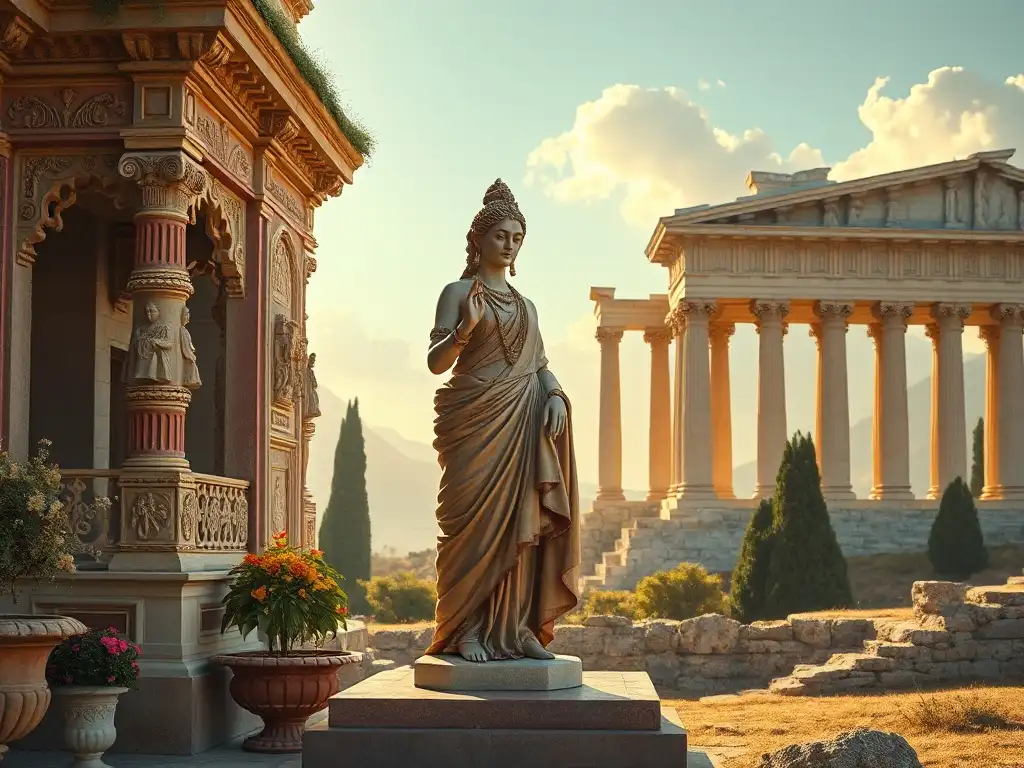
The merging of Indian and Hellenistic art forms marks a significant chapter in the artistic evolution of ancient civilizations. This syncretism not only reflects the dynamic exchanges that occurred through trade and conquests but also illustrates the adaptability of artistic expressions in response to cultural interactions. The influences of Hellenistic art on Indian styles can be seen in various elements such as iconography, motifs, and techniques, which contributed to a unique artistic language that resonated across different regions.
Reflection on Cultural Syncretism in Historical Context
Cultural syncretism is the blending of different cultural elements, leading to the creation of new, hybrid forms. In the context of Indian and Hellenistic art, this phenomenon is particularly evident during the period following Alexander the Great's conquests, which opened avenues for cultural exchange.
- Influence of Hellenistic Techniques: Indian artists adopted several Hellenistic techniques, particularly in sculpture. The realistic portrayal of human figures, as seen in Gandhara art, showcases a movement towards naturalism that was characteristic of Hellenistic practices. The intricate drapery and anatomical precision highlight this influence.
- Iconographic Exchanges: The blending of iconographies, such as the depiction of Buddhist figures alongside Western deities, illustrates the rich tapestry of belief systems that coexisted. For instance, the representation of the Bodhisattva in Gandhara art often incorporates Hellenistic attributes, merging the divine characteristics of both traditions.
- Cultural Narratives: The narratives expressed in art also reflect this syncretism. Themes of mythology, heroism, and cosmology were adapted and reinterpreted, creating a framework that allowed for a shared understanding among diverse cultures.
This interplay reminds us that art serves as a medium for communication, transcending linguistic and cultural barriers, and fostering a space for dialogue between different civilizations.
Future Directions for Research in Artistic Interconnections
As we look towards future research in the field of artistic interconnections, several avenues present promising opportunities for exploration:
- Interdisciplinary Approaches: Integrating methodologies from archaeology, anthropology, and art history can yield deeper insights into how Indian Hellenistic art influences were manifested across different regions and periods.
- Technological Advances: The use of digital tools and 3D modeling can facilitate the analysis of ancient artworks, allowing scholars to visualize and compare the nuances of Indian and Hellenistic styles more effectively.
- Contextual Studies: Examining the socio-political contexts in which these artistic exchanges occurred will provide a richer understanding of the factors that drove cultural interactions. How did trade routes, migration patterns, and imperial expansions shape artistic practices?
- Broader Geographical Scope: Extending research beyond the well-trodden paths of Gandhara and Mathura can uncover lesser-known centers of artistic production where Indian Hellenistic influences may have manifested differently.
- Public Engagement: Initiatives aimed at educating the public about the significance of these artistic interconnections can foster appreciation for the shared heritage of these ancient civilizations. Exhibitions and collaborative projects between institutions in India and regions influenced by Hellenistic art can spark interest and dialogue.
The study of Indian Hellenistic art influences not only enriches our understanding of ancient artistic traditions but also highlights the interconnectedness of human experiences across time and space. This ongoing dialogue between cultures continues to inspire and inform contemporary artistic practices and cultural narratives.
References
Key Texts and Scholarly Works on Indian and Hellenistic Art
Understanding the influences between Indian and Hellenistic art requires a deep dive into various scholarly works that analyze the historical context and artistic exchanges. Below are key texts that provide valuable insights into the interplay of these two rich artistic traditions.
- "Indian Art and Architecture" by John C. Huntington and Dina Bangdel
- This comprehensive volume explores the evolution of Indian art from ancient times through the Maurya and Gupta empires, with an emphasis on how external influences, including Hellenistic elements, shaped its development.
- "The Art of Ancient India: Buddhist, Hindu, Jain" by Benoy K. Behl
- Behl's work delves into the spiritual and cultural significance of Indian art, highlighting the syncretic nature of styles that emerged during the interaction with Hellenistic art forms, especially in regions like Gandhara.
- "The Hellenistic World and the Coming of Rome" by Erich S. Gruen
- While primarily focused on Hellenistic culture, Gruen's analysis provides essential context for understanding how the spread of Hellenistic art and ideas set the stage for cultural exchanges with Indian civilization.
- "Art and Religion in the Ancient World" by Robert M. Doran
- This book examines the interplay between art and religious beliefs in ancient cultures, offering insights into how Hellenistic artistry influenced Indian religious iconography and motifs.
- "Gandhara: The Lost City of Greco-Buddhism" by Michael J. T. McGowan
- McGowan's research focuses specifically on the Gandhara region, where Indian and Hellenistic artistic styles merged, leading to unique sculptural forms that reflect a blend of both traditions.
Suggested Further Reading on Cultural Exchanges
To further explore the intricate web of cultural exchanges that shaped Indian and Hellenistic art, consider the following suggestions. These readings provide additional perspectives on how art forms reflect broader historical interactions.
- "Cultural Encounters in the Age of Globalization" by R. K. Gupta
- This text discusses various cultural exchanges throughout history, with specific chapters dedicated to the synthesis of Indian and Hellenistic influences in art and architecture.
- "The Spread of Buddhism and the Influence of Hellenistic Culture" by David J. Kalupahana
- Kalupahana's analysis highlights the role of Hellenistic culture in the dissemination of Buddhism, which in turn impacted Indian art forms significantly.
- "Cross-Cultural Influences in Art: The Indian and Hellenistic Connection" edited by Aditi Sharma
- This collection of essays features contributions from various scholars who examine specific examples of how Indian and Hellenistic art influenced one another, showcasing artworks that embody these influences.
- "The Syncretism of Art: Eastern and Western Influences" by Manisha Bhatia
- Bhatia discusses the broader theme of artistic syncretism, providing a framework for understanding how Indian and Hellenistic elements coalesced in various artistic expressions.
These texts and readings serve as foundational resources for anyone looking to deepen their understanding of Indian Hellenistic art influences and the ways in which these two vibrant cultures interacted and shaped each other's artistic landscapes.
Frequently Asked Questions
What is the significance of Indian Hellenistic art influences?
The Indian Hellenistic art influences reflect the cultural exchange between India and the Hellenistic world, showcasing a blend of artistic styles and themes that enriched both traditions.
How did the Indus Valley civilization contribute to the evolution of art?
The Indus Valley civilization laid the foundation for Indian art with its intricate pottery, sculptures, and urban planning, setting a precedent for future artistic expressions in the region.
What role did the Gupta Empire play in advancing art and culture?
The Gupta Empire is often referred to as a Golden Age in Indian history, characterized by remarkable advancements in sculpture, painting, and literature, significantly shaping the Indian artistic landscape.
Can you explain the influence of Hellenistic art on Indian sculptures?
Hellenistic art introduced realism and dramatic expressions into Indian sculptures, resulting in a unique style that combined Greek and Indian themes, evident in various historical artifacts.
What are some examples of mythological themes in Indian Hellenistic art?
Common mythological themes include depictions of deities, mythical creatures, and narrative scenes from epics, showcasing the fusion of Hellenistic and Indian storytelling traditions in visual art.
Final Reflection: Embracing the Fusion of Cultures in Art
The interplay of Indian and Hellenistic art forms is not merely a historical curiosity; it is a vibrant testament to the enduring power of cultural exchange. As we navigate an increasingly globalized world, the influences of these two rich traditions remind us of the beauty that arises when diverse perspectives converge. The art created at this intersection serves as a bridge, connecting us to our shared human experience and illustrating how creativity knows no boundaries.
The merging of Indian and Hellenistic art has profoundly shaped our cultural landscape, influencing not only artists but also the way we perceive identity and heritage. This fusion invites us to appreciate the complexities of our world and the stories that emerge from them. As we reflect on this artistic dialogue, we are reminded of the words of the philosopher Joseph Campbell: Myth is much more than a story; it is a way of seeing the world.
This perspective encourages us to recognize the significance of these artistic traditions in shaping our understanding of culture and identity.
As you contemplate the lessons drawn from the rich tapestry of Indian and Hellenistic art influences, I invite you to explore how these themes resonate in your own life. Consider how the blending of ideas and traditions can inspire your creativity and foster connections with others. In a world that often feels divided, let the stories and symbols of these ancient cultures guide you toward a deeper appreciation of diversity and the transformative power of art. Embrace the call to create, connect, and celebrate the myriad influences that shape our shared human narrative.
Unveil the Artistic Tapestry of Cultures!
Thank you for diving into the fascinating world of Indian and Hellenistic art! You've gained insights into how these two rich traditions intertwine and influence one another. Now, let's take your exploration even further!
- Dive deeper: Visit our dedicated gallery that showcases remarkable art pieces blending these styles. Discover the stories behind each masterpiece!
- Share your thoughts: Engage with our community on social media—join the conversation about your favorite art forms and the inspiration they provide!
- Explore local events: Look for exhibitions and workshops in your area that celebrate the fusion of these cultures. Attend these events to connect with fellow art enthusiasts!
Which aspect of this artistic blend inspires you the most—are you drawn to the intricate symbolism or the breathtaking techniques? We invite you to share your thoughts below!