
Women in the Vedic Period: The Role of Female Scholars in Ancient Scriptures

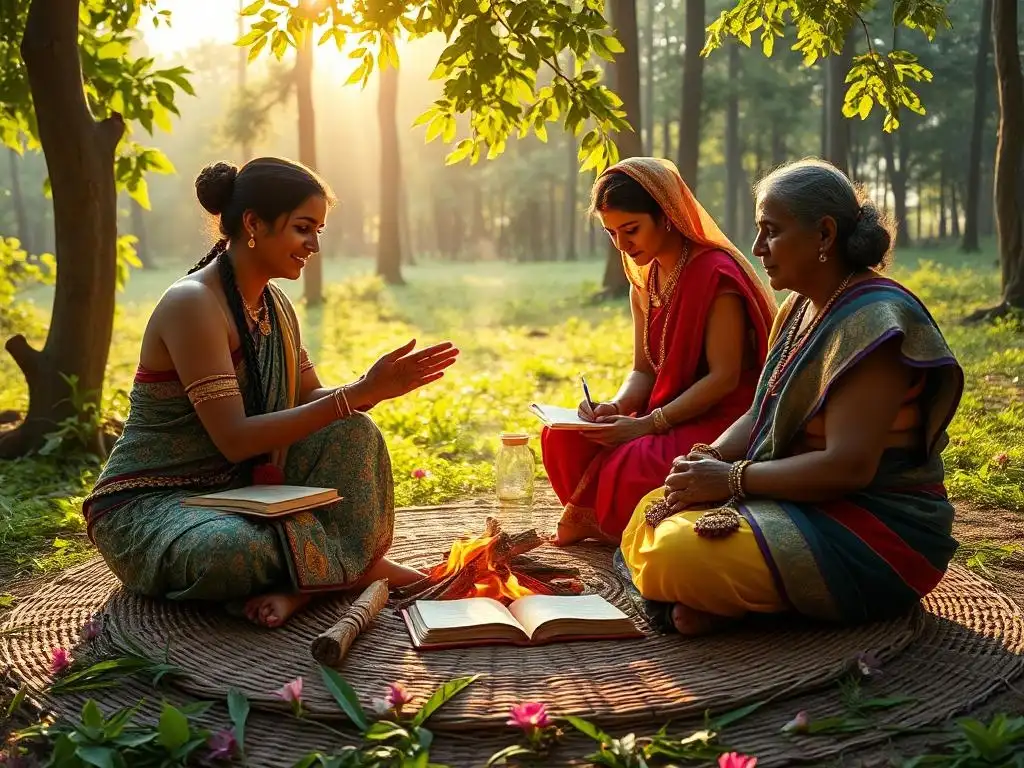
Welcome to Ancient India History, where we embark on a fascinating journey through the rich tapestry of ancient Indian civilizations. Delve into the profound contributions of women scholars during the Vedic period, a time when female intellect flourished alongside spiritual and philosophical advancements.
In our featured article, "Women in the Vedic Period: The Role of Female Scholars in Ancient Scriptures," we invite you to discover the pivotal roles these remarkable women played in shaping ancient Indian thought and culture. As you explore, let the stories of these trailblazing scholars spark your curiosity and inspire a deeper understanding of the profound legacy they left behind.
- Women Scholars in the Vedic Period: An Overview
- The Role of Women in Vedic Society
- Contributions of Female Scholars in Vedic Texts
- Education and Learning for Women in the Vedic Period
- Challenges Faced by Women Scholars in Ancient India
- Legacy of Women Scholars in Vedic Period
- Conclusion
- Frequently Asked Questions
- Final Reflection: Celebrating the Legacy of Women Scholars in the Vedic Period
- Unleash the Wisdom of Ancient Female Scholars!
Women Scholars in the Vedic Period: An Overview
The Vedic period, a crucial era in ancient Indian history, marks the genesis of many cultural, religious, and philosophical traditions that continue to shape Indian society today. This period, estimated from around 1500 BCE to 500 BCE, is characterized by the composition of the Vedas, a vast corpus of texts that lay the foundation for Hindu philosophy, rituals, and spirituality. Among the myriad contributions of this period, the role of women, particularly female scholars, stands out as a significant yet often overlooked aspect.
Women in the Vedic period were not just passive recipients of knowledge; they were active participants and contributors to the intellectual and spiritual discourse of their time. This article explores the vital contributions of women scholars in the Vedic period, illuminating their influence on ancient scriptures and the broader cultural landscape of India.
Understanding the Vedic Period
Definition and Timeline of the Vedic Period
The Vedic period is defined by the emergence and evolution of the Vedas, which are the oldest sacred texts of Hinduism. This era can be broadly divided into four main stages, each corresponding to different Vedic texts:
- Rigveda (1500–1200 BCE): The oldest of the Vedas, consisting of hymns dedicated to various deities.
- Yajurveda (1200–900 BCE): Focused on rituals and ceremonies, providing guidelines for performing sacrifices.
- Samaveda (900–700 BCE): A collection of melodies and chants, emphasizing the musical aspect of Vedic rituals.
- Atharvaveda (700–500 BCE): Addressing daily life and practical aspects, including spells and incantations for health and prosperity.
These texts were composed in a context where oral tradition prevailed, and knowledge was primarily transmitted through recitation. The timeline reflects a gradual transition from a predominantly oral culture to the eventual inscription of these texts, showcasing the rich intellectual heritage of ancient India.
Significance of Vedic Texts in Ancient Indian History
The Vedic texts hold immense significance in the historical and cultural evolution of ancient India. They are not merely religious scriptures but are foundational to various aspects of Indian society, including:
- Philosophy: The Vedas introduce concepts like dharma (duty), karma (action), and moksha (liberation), which became central to Hindu thought.
- Ritual Practices: The texts detail numerous rituals and ceremonies that were integral to Vedic life, influencing later religious practices.
- Social Structure: The Vedic texts provide insights into the social hierarchy of the time, including the roles and responsibilities of different classes within society.
- Literary Influence: They laid the groundwork for subsequent literature, philosophy, and spiritual discourse in India, influencing both classical and contemporary thought.
Understanding the significance of these texts not only highlights the intellectual achievements of the time but also underscores the vital role played by women scholars, who contributed to the preservation and interpretation of this rich heritage.
The Role of Women in Vedic Society
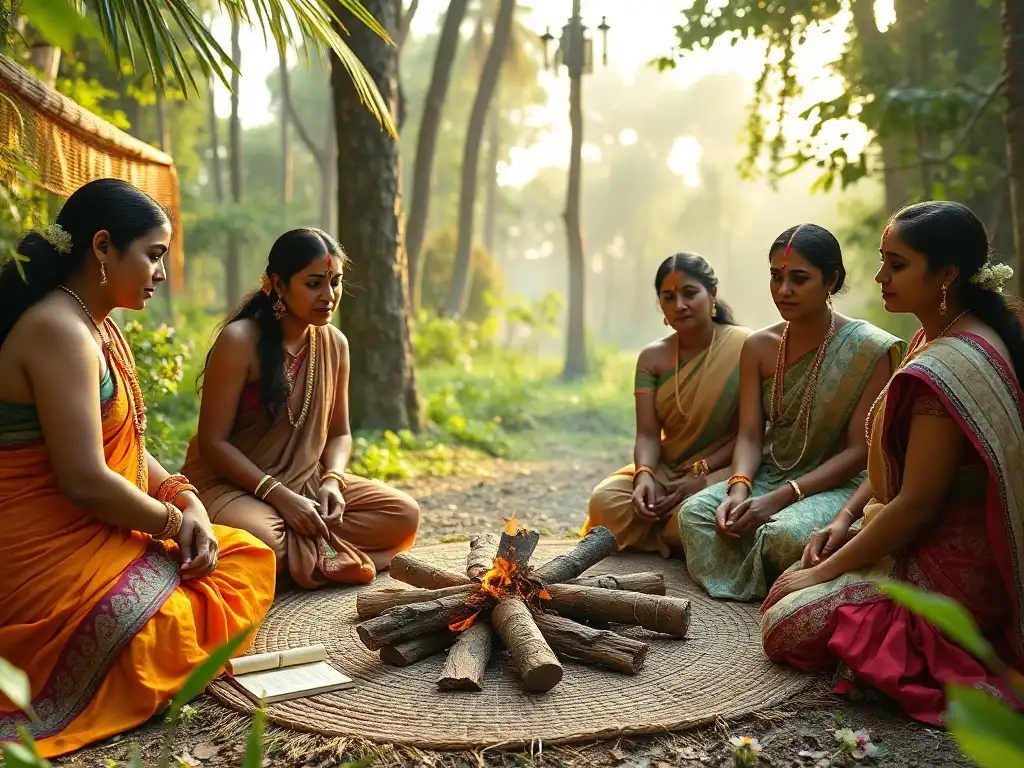
The Vedic period, spanning from approximately 1500 to 500 BCE, is known for its profound cultural, spiritual, and intellectual contributions to ancient Indian civilization. Within this framework, women played a crucial role, particularly as scholars and contributors to the Vedic texts. Their influence extended beyond domestic spheres, shaping social and religious practices.
The social structure of Vedic India was predominantly patriarchal, with men holding positions of authority in both family and societal contexts. However, this does not imply that women were devoid of power or influence. The Vedic texts reveal a nuanced understanding of gender roles, where women were often revered, educated, and respected.
- Education and Learning:
- Women in Vedic society had access to education, which was relatively progressive for the time. They were encouraged to learn the Vedas, an ancient collection of texts that form the foundation of Hindu philosophy and spirituality.
- Prominent female figures, such as Gargi and Maitreyi, are noted in the Upanishads for their intellectual prowess and philosophical debates, highlighting the recognition of women scholars in Vedic literature.
- Roles in Family and Society:
- Women were often seen as the custodians of culture and tradition, responsible for preserving and transmitting knowledge within families. This role extended to rituals, ceremonies, and the oral transmission of texts.
- Marriage was considered a sacred duty, and women were encouraged to participate actively in familial and social activities, which included discussions about spiritual and ethical matters.
- Legal Rights and Property:
- Vedic texts also suggest that women had certain legal rights, including the right to inherit property. This aspect of Vedic society underscores the relatively high status of women compared to later periods in Indian history.
The Influence of Women on Vedic Traditions
The contributions of women scholars in the Vedic period were instrumental in shaping various aspects of Vedic traditions. Their insights and teachings not only enriched the spiritual landscape but also contributed to the expansion of philosophical thought.
- Philosophical Contributions:
- Women like Gargi, a philosopher known for her dialogues in the Brihadaranyaka Upanishad, challenged male scholars and contributed to discussions on metaphysics and the nature of the universe. Her arguments demonstrated the intellectual capacity of women and their ability to engage in complex philosophical discourse.
- Spiritual Leadership:
- Maitreyi, another prominent figure, is recognized for her discussions on the nature of the self and immortality, as depicted in the Upanishads. These contributions highlight the essential role of women in spiritual leadership and the shaping of Vedic thought.
- Cultural Preservation:
- Women were key figures in the preservation of rituals and oral traditions. Their roles in conducting ceremonies and rituals ensured the continuity of Vedic practices, making them vital to the religious life of society.
- Literary Contributions:
- The existence of female scholars in the Vedic period also paved the way for the inclusion of women's perspectives in the scriptures. This literary contribution has had lasting impacts on Hindu literature and philosophy, enriching it with diverse viewpoints.
The role of women scholars in the Vedic period was significant, influencing not only the intellectual and spiritual life of their time but also laying the groundwork for future generations. The acknowledgment of their contributions is essential in understanding the broader narrative of ancient Indian history and the evolution of gender roles in religious contexts.
Contributions of Female Scholars in Vedic Texts
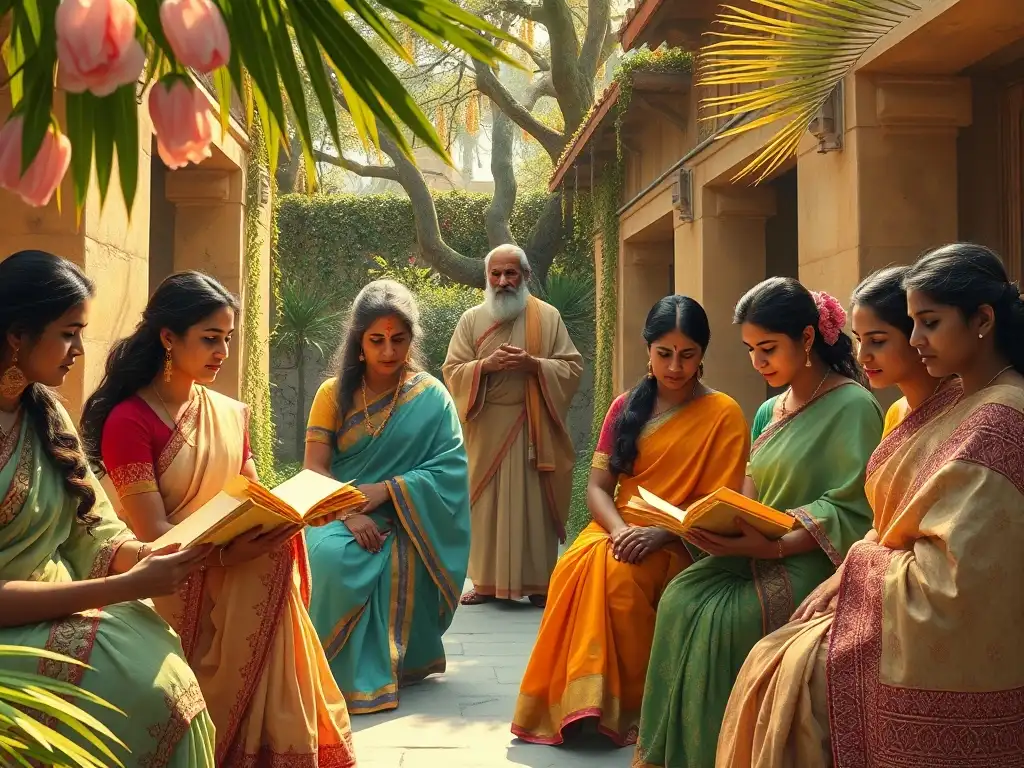
The Vedic period, a significant era in ancient Indian history, is characterized by the emergence of profound philosophical thought and spiritual inquiry. Amidst this intellectual landscape, women scholars played a crucial yet often overlooked role in shaping Vedic literature and philosophy. Their contributions not only enriched the texts but also laid the groundwork for future generations of thinkers and practitioners. Understanding the contributions of these women provides insight into the gender dynamics of ancient India and highlights the importance of female voices in the development of sacred knowledge.
Prominent Women Scholars in the Vedic Period
The Vedic texts, including the Rigveda and Upanishads, feature several notable women scholars whose thoughts and teachings continue to resonate. These women were not only intellectuals but also practitioners of the spiritual and philosophical tenets of their time.
Gargi and Her Philosophical Contributions
Gargi Vachaknavi is one of the most celebrated figures in Vedic philosophy. Renowned for her wisdom and intellect, she is frequently cited in the Brahadaranyaka Upanishad, where she engages in profound philosophical debates. Gargi's most notable contribution lies in her inquiries into the nature of the ultimate reality, or Brahman.
Her famous challenge to the sage Yajnavalkya during a philosophical discourse exemplifies her sharp intellect and courage:
If the Brahman is the essence of all that exists, then what is its nature? Can it be defined or understood fully?
This inquiry not only showcases her critical thinking but also reflects the Vedic tradition's emphasis on questioning and understanding the cosmos. Gargi's legacy as a philosopher remains significant, as she represents the intellectual capabilities of women in ancient Indian society.
Maitreyi's Influence on Upanishadic Thought
Maitreyi, another prominent female scholar, is best known for her dialogues with her husband, the sage Yajnavalkya. In the Brahadaranyaka Upanishad, she poses profound questions regarding the nature of immortality and the self. Her inquiry into whether material wealth brings true happiness highlights her philosophical depth:
Is it the wealth that endures or the knowledge of the self that leads to eternal bliss?
Maitreyi's contributions extend beyond her dialogues; she embodies the pursuit of knowledge and self-realization that characterizes the Upanishadic period. Her insights not only influenced contemporary thought but also set the stage for future explorations of spiritual and philosophical themes in Hinduism.
The Impact of Women Scholars on Vedic Literature
The contributions of women scholars during the Vedic period had a significant impact on the development of Vedic literature and religious practices. Their involvement enriched the textual tradition and provided diverse perspectives on spirituality.
Role of Women in the Composition of Hymns
Women played a vital role in the composition of hymns during the Vedic period. While many hymns are attributed to male sages, several significant contributions can be traced back to female scholars. For instance, the Rigveda includes hymns composed by women, highlighting their active participation in the creation of sacred texts.
The inclusion of women's voices in these hymns illustrates the collaborative nature of Vedic literature, where both men and women contributed to the spiritual and cultural heritage of ancient India. This collaboration not only amplified the richness of the hymns but also emphasized the inclusive nature of Vedic society.
Contributions to Rituals and Ceremonies
Women scholars also played essential roles in the performance and composition of rituals and ceremonies during the Vedic period. Their involvement in rituals was both spiritual and practical, as they often served as priestesses and ritual officiants.
The participation of women in Vedic ceremonies demonstrates their integral role in the spiritual life of communities. Their knowledge of Vedic chants, hymns, and rituals ensured the continuity of cultural practices and the transmission of sacred knowledge across generations. This dual role of women as scholars and ritual practitioners underscores their significant contributions to the fabric of ancient Indian society.
The contributions of women scholars in the Vedic period profoundly influenced the development of Vedic literature and philosophy. Figures like Gargi and Maitreyi exemplify the intellectual vibrancy of women during this era, while their involvement in hymns and rituals highlights their essential roles in the spiritual practices of ancient India. Recognizing these contributions is crucial for a comprehensive understanding of the Vedic period and the rich tapestry of its intellectual heritage.
Education and Learning for Women in the Vedic Period
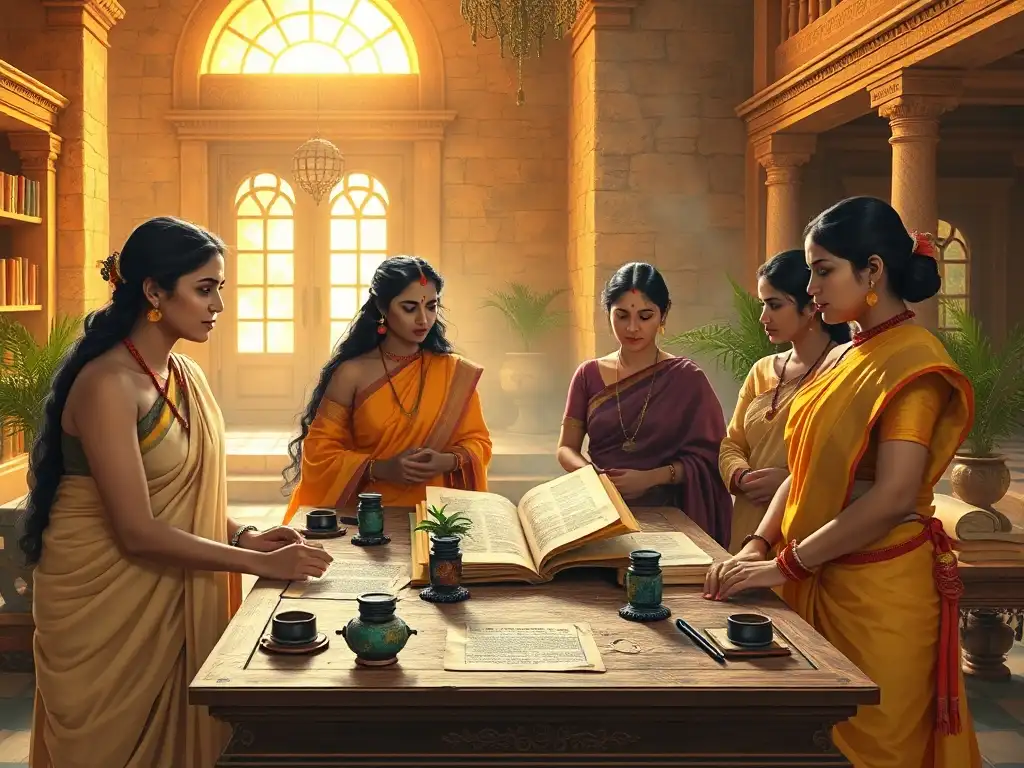
Access to Education for Women Scholars
In the Vedic period, roughly dated between 1500 BCE and 500 BCE, the landscape of education was predominantly male-oriented, yet women scholars did have avenues for learning and intellectual engagement. The Vedic texts, particularly the Rigveda, contain verses that highlight the presence of learned women, such as Gargi and Maitreyi, who were not only educated but also participated in philosophical discourses.
- Role of Families:
- Patriarchal Structure: While society was patriarchal, families of higher social strata often prioritized education for their daughters, especially if they were deemed capable of scholarly pursuits.
- Upbringing: Women from learned families were encouraged to study the Vedas, which included recitation, memorization, and understanding of religious and philosophical texts.
- Educational Institutions:
- Gurukula System: Women could also attend Gurukulas, which were traditional centers of learning. Although these were mainly male-dominated, some Gurukulas accepted female students, especially those who displayed talent and interest in Vedic studies.
- Role of Rishis: Many women were taught by respected rishis (sages) who recognized their intellectual capabilities. This mentoring was critical in facilitating their access to education.
- Cultural Attitudes:
- Recognition of Intelligence: The Vedic texts often reflect a cultural acknowledgment of women's intelligence. For instance, Gargi’s participation in philosophical debates during the royal court exemplifies that women scholars were respected for their knowledge and insights.
Methods of Learning and Knowledge Transmission
The methods of learning and knowledge transmission in the Vedic period were diverse and included both formal and informal approaches. Women scholars engaged in various practices that ensured the preservation and dissemination of knowledge.
- Oral Tradition:
- Recitation: The primary mode of knowledge transmission was through oral recitation. Women scholars memorized vast portions of the Vedas, showcasing their capacity for learning and retention.
- Dialogue and Debate: Engaging in dialogues with male scholars and sages was a common practice. The philosophical exchanges allowed women to articulate their thoughts and gain recognition as knowledgeable figures.
- Textual Engagement:
- Mantras and Hymns: Women were known to compose hymns and mantras, thereby contributing to the Vedic literature. Their works were often revered and included in the larger corpus of Vedic texts.
- Philosophical Inquiry: Scholars like Maitreyi contributed to discussions on metaphysics and the nature of the self, indicating that women were not mere recipients of knowledge but active participants in philosophical inquiry.
- Mentorship and Community Learning:
- Learning from Elders: Women learned from their mothers and grandmothers, who passed down knowledge through generations. This familial transmission was essential in maintaining cultural and religious practices.
- Collective Learning: Women often gathered in community spaces to discuss texts and share insights, fostering a collective learning environment that encouraged intellectual growth.
Despite the challenges posed by societal norms, women scholars in the Vedic period navigated the educational landscape through familial support, mentorship, and their inherent capabilities. Their contributions to Vedic literature and philosophy underscore the significant role they played in shaping the intellectual traditions of ancient India.
Challenges Faced by Women Scholars in Ancient India
Societal Limitations and Constraints
The Vedic period, which spans from approximately 1500 BCE to 500 BCE, was marked by a complex social structure that imposed various limitations on women, despite their notable contributions as scholars. Women scholars in the Vedic period often navigated a landscape shaped by patriarchal norms that restricted their roles and access to education.
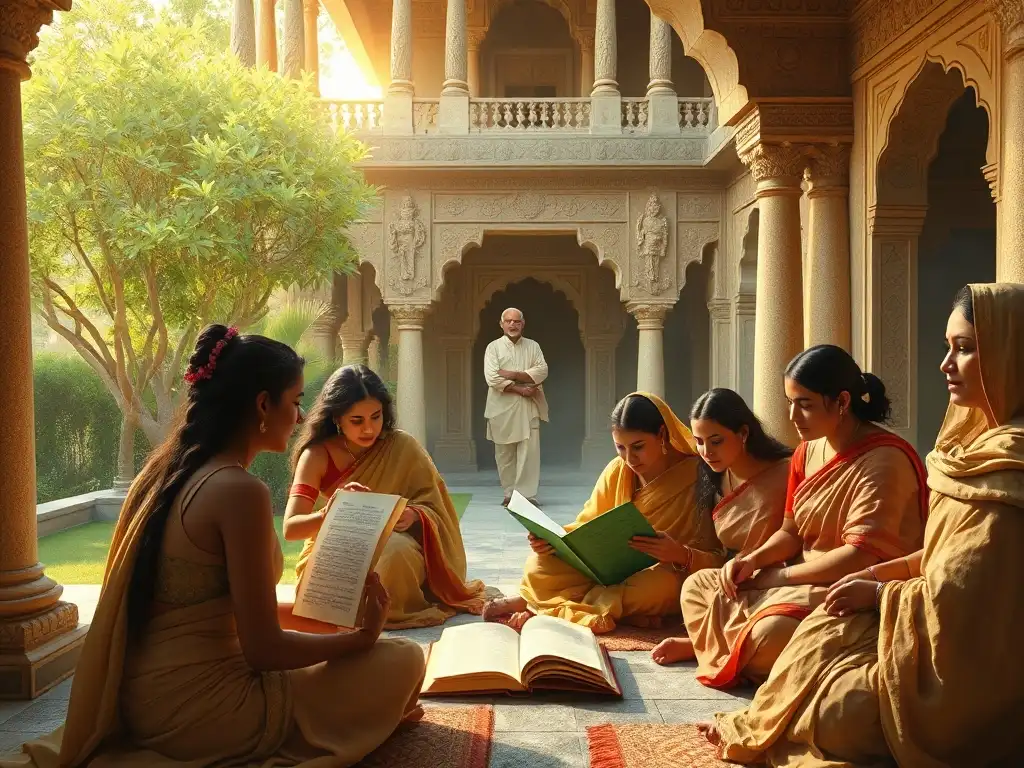
- Educational Barriers: While the Vedic texts themselves contain references to female sages, the majority of women were often excluded from formal educational opportunities. Access to Vedic learning was primarily reserved for males, with women being taught domestic duties and responsibilities rather than scholarly pursuits.
- Cultural Expectations: The societal expectations of women as caregivers and homemakers further hindered their scholarly ambitions. This cultural framework often relegated women to secondary roles in intellectual discourse, despite some notable exceptions. As a result, many potential female scholars were discouraged from pursuing their interests in philosophy, theology, or the arts.
- Marriage and Family Obligations: Women were expected to marry early and devote their lives to family. This societal norm placed additional constraints on their ability to study and engage in scholarly activities. The responsibilities of motherhood and household management often took precedence over personal aspirations, limiting the time and resources available for intellectual pursuits.
“The role of women in ancient Indian society was multifaceted, yet often constrained by the prevailing patriarchal framework.”
The Evolving Perception of Women in Vedic Texts
Despite the challenges faced, the Vedic texts themselves reflect a nuanced view of women, indicating that their roles were not entirely fixed. Over time, there was an evolving perception of women scholars, which can be observed through various texts and interpretations.
- Recognition of Female Sages: The Vedic scriptures mention several women scholars, such as Gargi and Maitreyi, who engaged in philosophical debates and contributed to the development of spiritual thought. Their presence in these texts suggests that women were not only participants in scholarly activities but were also respected for their intellectual capabilities.
- Philosophical Contributions: Women like Gargi, who is noted for her participation in discussions at the royal court, challenged the conventional views of their time. Gargi’s questions about the nature of the universe during the Brahmanical debates highlight the intellectual potential women possessed, defying the limitations imposed on them.
- Gradual Shift: As the Vedic period progressed, there was a gradual shift in the perception of women's roles within society. The Upanishads, for instance, reflect a more inclusive view, allowing women to engage in spiritual and philosophical discussions. This period saw a burgeoning recognition of women's contributions to knowledge, albeit still within a restrictive framework.
| Aspect | Earlier Vedic Period | Later Vedic Period |
|---|---|---|
| Educational Access | Limited to males | Inclusion of select women scholars |
| Cultural Role | Primarily domestic | Emerging roles as philosophers |
| Recognition | Marginalized contributions | Acknowledgment of key female figures |
This evolving perception underscores the complexity of women's roles as scholars in ancient India. While societal limitations imposed significant constraints, the contributions of women in the Vedic texts indicate their potential to engage critically with the intellectual traditions of their time. Through the examination of these texts, we can appreciate the rich tapestry of women's scholarly contributions in the Vedic period and recognize the challenges they faced in pursuing their intellectual endeavors.
Legacy of Women Scholars in Vedic Period
Lasting Impact on Hindu Philosophy and Scriptures
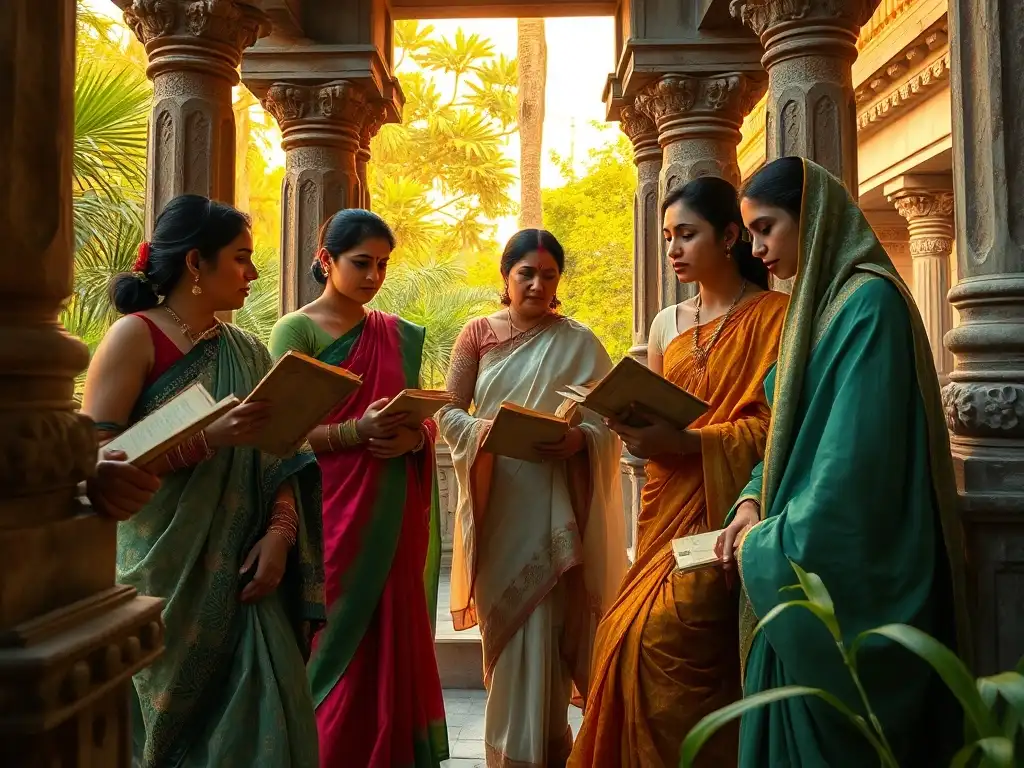
The Vedic period, stretching from around 1500 BCE to 500 BCE, is a crucial chapter in the history of ancient India, renowned for its profound philosophical inquiries and the establishment of early Hindu thought. Women scholars in this era played a pivotal role in shaping the intellectual landscape, contributing significantly to the composition and transmission of sacred texts.
One of the most notable contributions is found in the Rigveda, one of the oldest known scriptures. It is believed that women such as Ghosha and Vāk, who were revered as rishikas (female sages), composed hymns that are included in this sacred text. Their verses often focused on themes of devotion, nature, and the divine, underlining the integral presence of women in Vedic spirituality.
Moreover, the Upanishads, which emerged later in this period, reflect the philosophical depth and spiritual insights contributed by women. The dialogues often showcase women, such as Maitreyi and Gargi, engaging in profound discussions about the nature of reality and the self. Their intellectual pursuits emphasize that the quest for knowledge and understanding was not confined to men, but was a collective endeavor that included women scholars in the Vedic period.
The legacy of these female scholars extends beyond their immediate contributions. Their works and ideas are woven into the fabric of Hindu philosophy, influencing later texts and schools of thought. The acknowledgment of their voices within the Vedic corpus sets a precedent for the inclusion of women in scholarly discourse, illustrating that their insights were not merely peripheral but central to the development of early Hindu thought.
Recognition of Female Contributions in Modern Scholarship
In contemporary scholarship, there has been a growing recognition of the contributions of women scholars during the Vedic period. Historians and researchers have begun to delve deeper into the texts, unearthing references to female figures and their intellectual pursuits that were previously overlooked.
Modern studies highlight the need for a reevaluation of historical narratives that have often marginalized women's roles in ancient scriptures. For instance, the acknowledgment of women like Gargi and Maitreyi as pivotal figures in philosophical discussions has led to a more nuanced understanding of the Vedic tradition. Their contributions have been analyzed in various academic works, shedding light on how these women not only participated in but also influenced the development of Vedic thought.
Moreover, feminist scholars have advocated for the importance of these female voices in the broader context of Hinduism and its scriptures. By emphasizing the significance of women scholars in the Vedic period, contemporary discourse aims to reclaim their rightful place in history, contributing to a more inclusive narrative of ancient Indian civilization.
The increasing focus on women scholars in the Vedic period is also reflected in educational curricula and public discourse, where their contributions are celebrated as vital components of India's rich cultural heritage. This recognition not only honors the legacy of these women but also serves as an inspiration for future generations to appreciate and investigate the diverse contributions of women throughout history.
The legacy of women scholars in the Vedic period is profound, and their lasting impact on Hindu philosophy and scriptures continues to be an important area of study in modern scholarship. Their recognition is not only a matter of historical accuracy but also an essential step towards achieving gender equality in the narrative of ancient cultures.
Conclusion
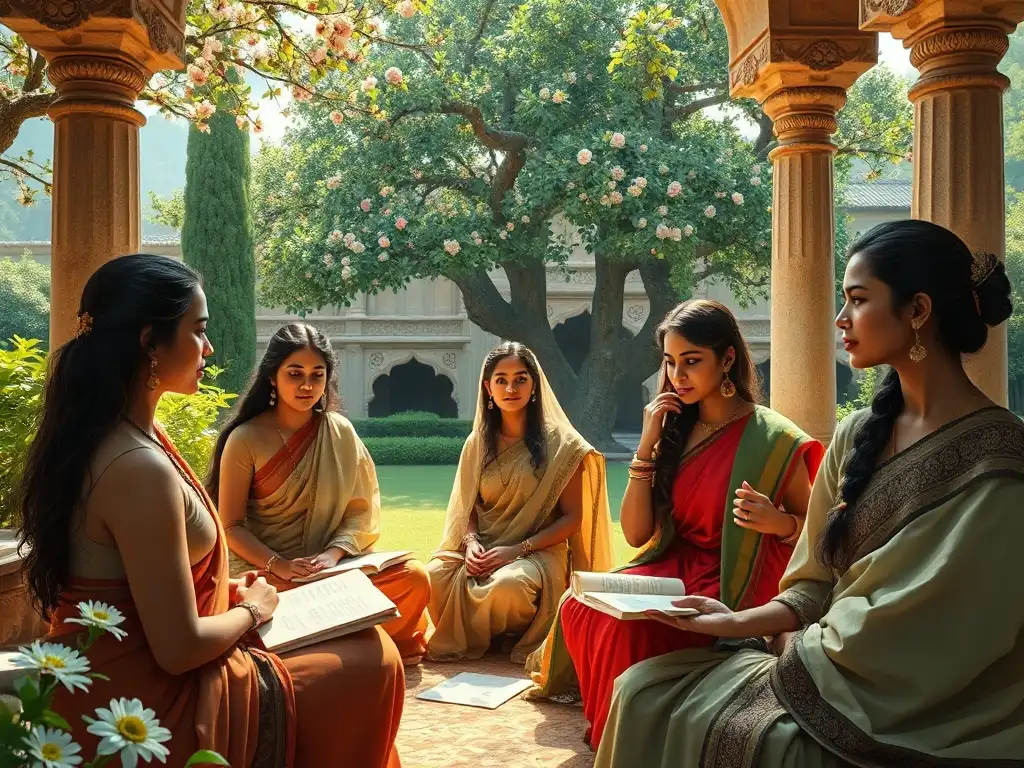
The Vedic period, characterized by its rich tapestry of spiritual, philosophical, and cultural development, also marks a significant chapter in the recognition of women scholars. These women, often overshadowed by their male counterparts, played pivotal roles in the creation, preservation, and transmission of Vedic knowledge. Their contributions not only enriched the spiritual landscape of ancient India but also laid the groundwork for the evolving perceptions of women's roles in society and scholarship.
Summary of Women Scholars in the Vedic Period
Women scholars in the Vedic period, such as Gargi and Maitreyi, are emblematic of the intellectual vigor of their time. These figures were not merely passive participants but were actively engaged in philosophical discourses and debates.
- Gargi Vachaknavi: Renowned for her sharp intellect, Gargi challenged the male scholars of her time, particularly during the dialogues in the Brihadaranyaka Upanishad. Her profound questions regarding the nature of the universe and the essence of the self highlight her exceptional status as a thinker.
- Maitreyi: Another prominent figure, Maitreyi, is celebrated for her philosophical inquiries into the nature of the self and existence. Her dialogues with her husband, Yajnavalkya, demonstrate her deep understanding of complex metaphysical concepts.
Both Gargi and Maitreyi exemplify how women in the Vedic period engaged in scholarly pursuits, contributing significantly to the body of knowledge that would influence generations to come.
The Importance of Acknowledging Female Voices in Ancient Scriptures
Recognizing the contributions of women scholars in the Vedic period is crucial for several reasons:
- Cultural Representation: Understanding the role of female scholars provides a more comprehensive view of Vedic society, showcasing the diversity of thought and experience.
- Inspiration for Future Generations: Highlighting the achievements of these women serves as an inspiration for contemporary society, illustrating that intellectual pursuits are not confined by gender.
- Reevaluation of Historical Narratives: Acknowledging female voices challenges existing narratives that often marginalize women's contributions, encouraging a more inclusive historical discourse.
- Legacy of Knowledge: The ideas and philosophies articulated by women scholars continue to resonate. Their insights into spirituality and ethics are relevant even today, reminding us of the timeless nature of their contributions.
The study of women scholars in the Vedic period not only enriches our understanding of ancient Indian history but also emphasizes the importance of inclusive narratives in the study of any civilization. Recognizing these figures allows us to appreciate the depth and complexity of ancient Indian scholarship, paving the way for a more balanced and nuanced historical perspective.
Frequently Asked Questions
What was the role of women scholars in the Vedic period?
Women scholars in the Vedic period played a significant role in preserving and transmitting knowledge, particularly in areas like philosophy, spirituality, and rituals. They contributed to the Vedic literature, showcasing their intellectual capabilities.
How were women educated during the Vedic period?
During the Vedic period, women had access to education and were encouraged to learn the Vedas and other scriptures. They often studied alongside men, which reflects the progressive attitudes towards female education at that time.
Were there any notable women scholars in the Vedic texts?
Yes, the Vedic texts mention several notable women scholars, such as Gargi and Maitreyi, who were known for their wisdom and philosophical inquiries, challenging societal norms and contributing to spiritual discourse.
How did the societal status of women change after the Vedic period?
After the Vedic period, the status of women saw a decline, with increasing restrictions on their rights and freedoms. The transition to later periods marked a shift towards more patriarchal structures, limiting their roles in society.
What contributions did women make to Vedic literature?
Women contributed to the Vedic literature by composing hymns and participating in rituals. Their involvement was crucial in ensuring that the spiritual and cultural practices of the time were recorded and passed down through generations.
Final Reflection: Celebrating the Legacy of Women Scholars in the Vedic Period
The exploration of women scholars in the Vedic period reveals a profound truth about the historical significance of female intellect and contribution to ancient scriptures. Today, as we navigate a world still grappling with gender inequality, the stories of these remarkable women serve as a powerful reminder of the potential that lies within every individual, regardless of gender. Their legacy challenges us to recognize and honor the voices that have shaped our spiritual and philosophical foundations.
The impact of women scholars in the Vedic period resonates deeply within our cultural and social landscape, inspiring a renewed appreciation for female contributions in all fields. Their roles as scholars, thinkers, and spiritual leaders not only enriched Vedic literature but also laid the groundwork for future generations of women to pursue knowledge and leadership. As we reflect on this, we are reminded of the words of the philosopher Simone de Beauvoir: One is not born, but rather becomes, a woman.
This underscores the idea that the empowerment of women is a continuous journey, one that requires acknowledgment and celebration of those who paved the way.
As we conclude this exploration, I invite you to reflect on the lessons from the Vedic period and consider how you can contribute to the ongoing narrative of female empowerment in your own life. Embrace the spirit of inquiry and support the voices of women around you, for their stories and insights are essential to our collective growth. Let us honor the legacy of women scholars in the Vedic period by ensuring that their influence continues to inspire and uplift future generations.
Unleash the Wisdom of Ancient Female Scholars!
Thank you for diving into the inspiring world of women in the Vedic period! We hope you’ve gained valuable insights into the remarkable contributions of female scholars to ancient scriptures. Now, it’s time to honor their legacy and take action to explore this rich history further.
Here are some steps you can take right now:
- Join our discussion on social media! Share your thoughts about the influence of female scholars in ancient texts and connect with others who are passionate about this topic.
- Explore additional resources that highlight the contributions of women in ancient India by visiting our website to uncover a wealth of articles and research.
- Start a book club focused on Vedic literature, inviting friends to read and discuss the works of these formidable female figures.
As you reflect on this extraordinary chapter in history, we’d love to know: How do you believe the contributions of these women can inspire modern female leaders today?