
The Teachings of Milarepa: A Buddhist Master’s Path to Enlightenment

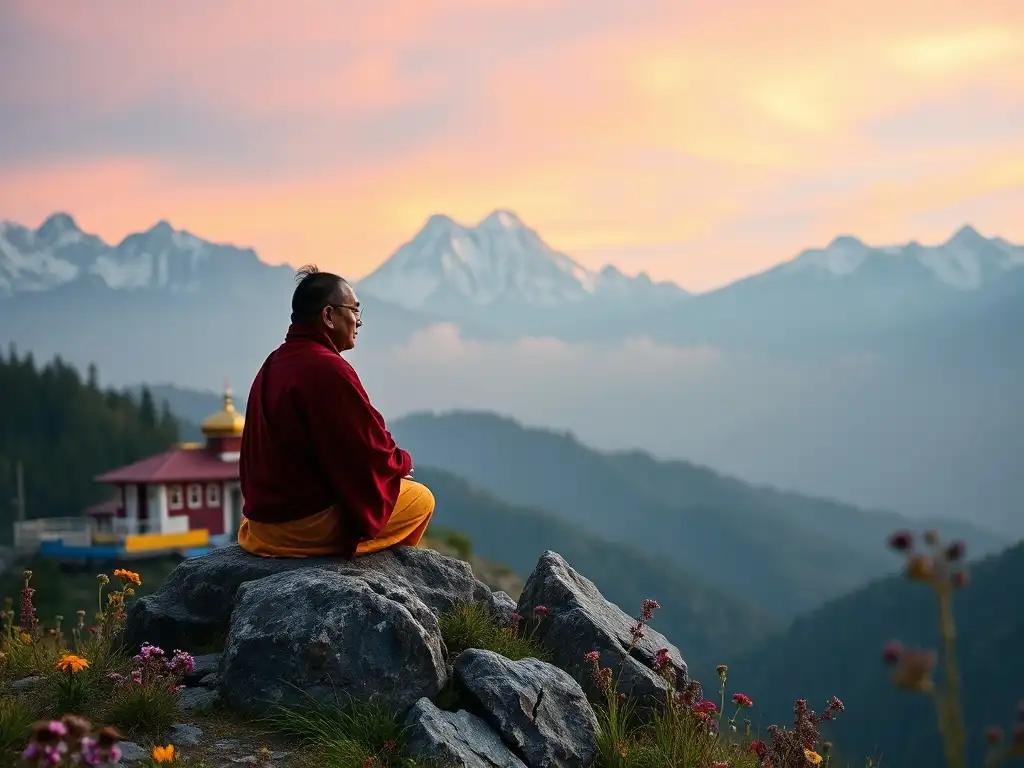
Welcome to Ancient India History, where we embark on a captivating journey through the rich tapestry of ancient Indian civilizations. Here, we delve into the profound influence of Buddhism and ancient Indian culture, exploring the teachings that shaped societies and spiritual practices. In our featured article, “The Teachings of Milarepa: A Buddhist Master’s Path to Enlightenment,” discover how one man's quest for wisdom illuminated the path for countless seekers. Join us as we unlock the secrets of the past and uncover the remarkable contributions of this vibrant era. Your adventure into the depths of ancient Indian religions begins now!
- Introduction to Milarepa and His Significance in Buddhism
- The Historical Context of Milarepa
- Milarepa’s Journey to Enlightenment
- Teachings of Milarepa: Key Principles and Philosophies
- Milarepa’s Influence on Tibetan Buddhism
- The Relevance of Milarepa’s Teachings in Modern Buddhism
- Conclusion: The Enduring Legacy of Milarepa
-
Frequently Asked Questions
- What is the significance of Milarepa in Buddhism?
- How did Buddhism influence ancient Indian culture?
- What are the main teachings of Milarepa?
- How does Milarepa's path relate to the broader context of ancient Indian history?
- Why is the study of Buddhism important for understanding ancient Indian civilizations?
- Final Reflection: Embracing the Wisdom of Milarepa in Modern Life
- Embrace Milarepa’s Wisdom and Transform Your Journey!
Introduction to Milarepa and His Significance in Buddhism
Milarepa, one of the most revered figures in Tibetan Buddhism, is celebrated not only for his profound spiritual insights but also for his remarkable life story that reflects the essence of transformation and enlightenment. Born in the 11th century in Tibet, Milarepa's journey from a troubled youth to a master yogi embodies the core principles of Buddhism and resonates deeply with the values of ancient Indian culture.
His teachings emphasize the importance of meditation, compassion, and the pursuit of wisdom, offering a bridge between the Buddhist philosophies that originated in India and the Tibetan practices that evolved later. Understanding Milarepa's life and contributions is crucial for those interested in exploring the intersections of Buddhism and ancient Indian culture, as his legacy continues to inspire countless practitioners around the world.
Overview of Milarepa’s Life and Legacy
Milarepa was born to a well-to-do family in the region of present-day Tibet. However, tragedy struck when his father passed away, leaving his family vulnerable. Following a series of manipulations by his relatives, Milarepa and his mother found themselves in dire poverty. In a desperate attempt to regain wealth and avenge their plight, Milarepa turned to black magic, causing suffering to others. This dark chapter in his life prompted a profound transformation when he met his teacher, Marpa, who guided him toward the path of Buddhism.
- Key Events in Milarepa’s Life:
- Youth and Misfortune: His early life of privilege turned to hardship, leading him to dark practices.
- Transformation: After realizing the futility of his actions, he sought redemption through spiritual guidance.
- Training with Marpa: Under Marpa’s tutelage, he faced rigorous tests that strengthened his resolve and commitment to the Dharma.
- Achieving Enlightenment: Milarepa eventually attained enlightenment through intense meditation and ascetic practices in the mountains.
Milarepa's legacy is not just in his achievements but also in his poetry, which conveys profound spiritual teachings. His songs, known as "Dharma songs," encapsulate the essence of his realizations and serve as practical guides for practitioners. His life story is a testament to the possibility of transformation, emphasizing that regardless of one's past, the path to enlightenment is accessible through dedication and practice.
Importance of Milarepa in Buddhism and Ancient Indian Culture
Milarepa's significance extends beyond his individual accomplishments; he is a pivotal figure in the transmission of Buddhist teachings from India to Tibet. His life exemplifies the integration of Buddhist principles into everyday life, making his teachings relevant to a broad audience.
- Contributions to Buddhism:
- Milarepa is considered a key figure in the Kagyu school of Tibetan Buddhism, which values meditation and the transmission of teachings through oral tradition.
- His emphasis on direct experience over theoretical knowledge reflects the ancient Indian approach to spirituality, where personal realization is paramount.
- Cultural Impact:
- Milarepa's story has been immortalized in Tibetan culture, influencing art, literature, and religious practices.
- His teachings resonate with the values of compassion, mindfulness, and ethical living, which are foundational to both Buddhism and ancient Indian culture.
Milarepa stands as a beacon of hope and inspiration within Buddhism and ancient Indian culture. His journey from darkness to light serves as a reminder of the transformative power of faith, meditation, and the pursuit of wisdom. His teachings continue to enrich the spiritual landscape, bridging the ancient traditions of India with the vibrant practices that emerged in Tibet.
The Historical Context of Milarepa
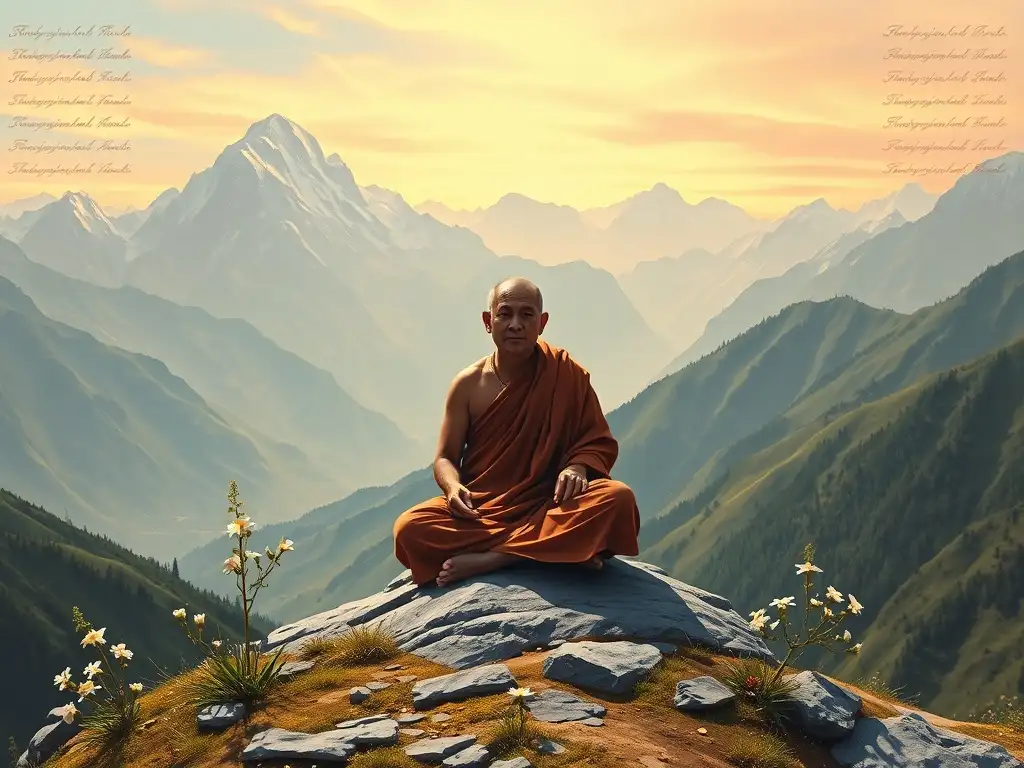
Milarepa, one of the most revered figures in Tibetan Buddhism, was born in the 11th century CE in what is now modern-day Tibet. However, to fully appreciate his teachings and impact, it is essential to consider the historical context of both his life and the broader currents of Buddhism and ancient Indian culture during this time.
The Era of Milarepa: A Snapshot of Ancient India
During the 11th century, India was experiencing significant political and social changes. The rise of new dynasties, such as the Chola and the Pala, fostered a diverse cultural landscape. The Pala Empire, in particular, was known for its patronage of Buddhism, which led to the establishment of numerous monasteries and educational institutions. This environment was conducive to the dissemination of Buddhist teachings and practices, not only within India but also across the Himalayas into Tibet.
- Key Characteristics of the Era:
- Political Fragmentation: India was not a unified political entity but rather a patchwork of kingdoms, each with its own rules and cultural practices.
- Religious Syncretism: This period saw a blend of various religious beliefs, including Hinduism, Buddhism, and indigenous practices, leading to rich philosophical exchanges.
- Cultural Flourishing: Art, literature, and architecture thrived, with significant contributions that would influence future generations.
Milarepa's teachings were not formed in isolation; they were a response to the spiritual and cultural milieu of his time. His life story reflects the struggles of individuals seeking enlightenment amidst the complexities of society. His emphasis on personal experience and the inner journey resonates deeply within the broader context of ancient Indian culture, where self-realization and philosophical inquiry were highly valued.
The Role of Buddhism in Ancient Indian Society
Buddhism in ancient India served as both a spiritual and socio-political force. By the time of Milarepa, the religion had evolved significantly since its inception in the 5th century BCE with the teachings of Siddhartha Gautama, the Buddha.
- Key Aspects of Buddhism's Role:
- Philosophical Framework: Buddhism offered a comprehensive framework for understanding suffering, impermanence, and the path to enlightenment, attracting a diverse following across different strata of society.
- Social Reform: Buddhist teachings often challenged the rigid social hierarchies prevalent in ancient Indian society. The emphasis on personal merit over caste lineage allowed for greater inclusivity.
- Monastic Communities: Monasteries became centers of learning and cultural exchange, where scholars and practitioners gathered to study, debate, and meditate. This facilitated the spread of Buddhist thought, not only in India but also in neighboring regions like Tibet.
As Milarepa's life progressed, he became a symbol of the transformative power of Buddhism. His journey from a life of vengeance to one of profound wisdom illustrates the core Buddhist principles of compassion, mindfulness, and the potential for personal transformation. The teachings of Milarepa are thus a reflection of the rich tapestry of Buddhism and ancient Indian culture, embodying the spirit of resilience and enlightenment that characterizes this historical period.
Milarepa’s Journey to Enlightenment
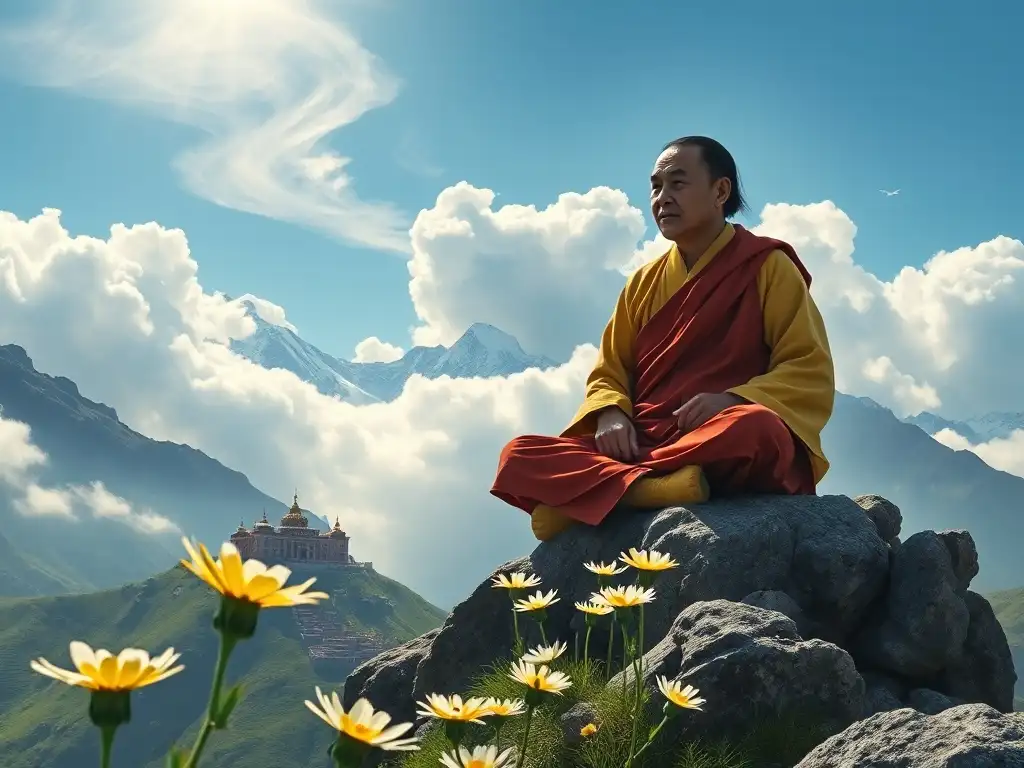
Milarepa, one of the most revered figures in Tibetan Buddhism, embodies the profound journey of transformation and enlightenment that resonates deeply within the context of Buddhism and ancient Indian culture. His life story is not only a narrative of personal struggle and suffering but also serves as a pivotal example of how one can attain spiritual realization through dedicated practice and unwavering commitment.
Early Life and Struggles: A Prelude to Transformation
Milarepa was born in the 11th century in what is now Tibet, into a family of relatively high social status. His father was a wealthy landowner, but after his father's death, his family faced severe hardships. His uncle, seizing control of the family estate, subjected Milarepa and his mother to harsh treatment, stripping them of their rights and dignity. This period of suffering marked a significant turning point in Milarepa's early life.
As a young man, Milarepa was consumed by grief and anger. In an impulsive quest for revenge, he resorted to black magic, leading to tragic consequences that resulted in the deaths of many individuals in his community. This act of violence weighed heavily on him, igniting a profound sense of guilt and remorse. Realizing the futility of his actions, Milarepa yearned for redemption and a path that would lead him to spiritual liberation.
Milarepa's early life is a compelling example of how one's circumstances and choices can serve as catalysts for spiritual awakening. His transition from a life of bitterness and vengeance to one of compassion and enlightenment underscores the transformative power of suffering. It invites reflection on the intricate relationship between personal struggles and the pursuit of higher truths within the framework of Buddhism.
The Path of Suffering: Milarepa’s Turn to Buddhism
In search of guidance, Milarepa sought out the teachings of renowned Buddhist masters. His journey led him to the hermitage of the great teacher Marpa, who played a pivotal role in Milarepa's transformation. Marpa's rigorous training methods tested Milarepa's resolve, subjecting him to intense physical labor and demanding spiritual practices. Through this process, Milarepa learned the value of perseverance and discipline, essential tenets of Buddhism.
Milarepa's path was fraught with challenges, but it was within this crucible of suffering that he began to understand the core teachings of Buddhism. He embraced the concepts of impermanence, compassion, and the interconnectedness of all beings. His experiences illustrated the profound idea that suffering is not merely an obstacle but a vital component of the spiritual journey. This perspective is deeply rooted in ancient Indian culture, echoing the teachings of the Buddha himself.
As Milarepa progressed on his path, he experienced numerous mystical visions and profound insights, culminating in his attainment of enlightenment. His journey illustrates the transformative potential of embracing suffering as a means to transcend the ego and foster a deep connection with the universe. The teachings he later imparted reflect the essence of Buddhism—encouraging practitioners to confront their own suffering, cultivate compassion, and ultimately, seek liberation from the cycle of rebirth.
Milarepa's journey to enlightenment serves as a powerful narrative that intertwines the struggles of human existence with the teachings of Buddhism. His life exemplifies how, through suffering and dedicated practice, one can awaken to a profound understanding of the self and the nature of reality, contributing significantly to the rich tapestry of Buddhism and ancient Indian culture.
Teachings of Milarepa: Key Principles and Philosophies
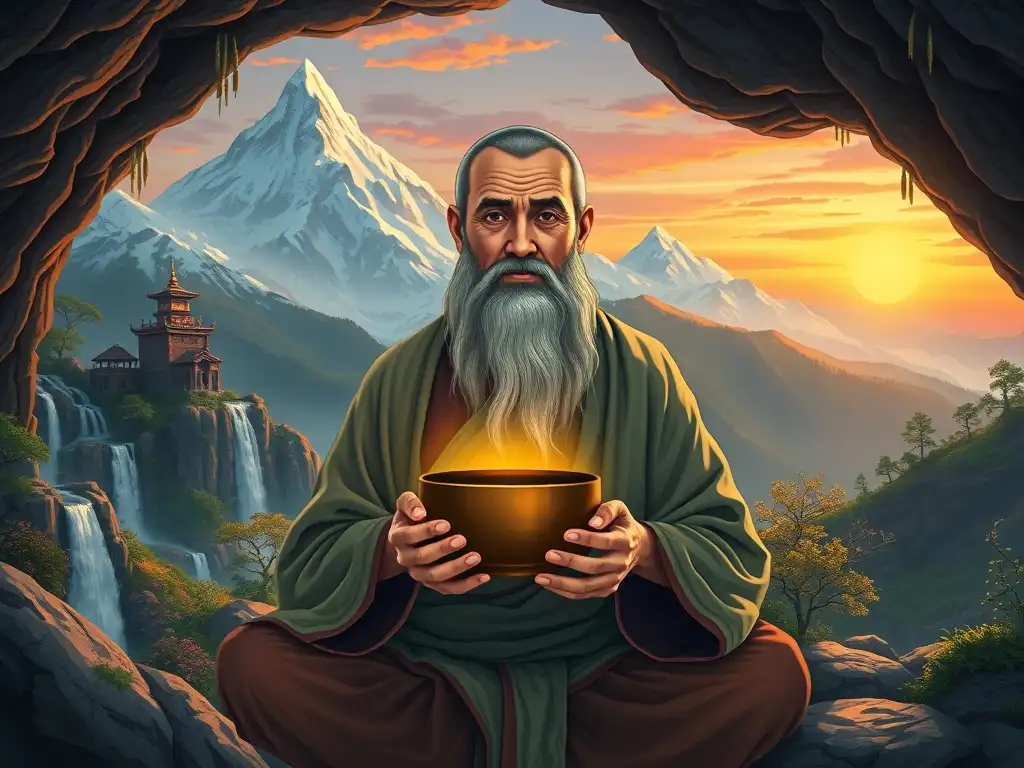
Milarepa, one of the most revered figures in Tibetan Buddhism, embodies a deep understanding of key Buddhist principles that resonate with the broader tapestry of ancient Indian culture. His teachings focus on the transformation of the mind, the cultivation of compassion, and the pursuit of enlightenment through rigorous practice. Central to Milarepa's philosophy is the integration of wisdom and compassion, which serves as a guiding light for practitioners seeking to navigate the complexities of life and spiritual growth.
The Concept of Compassion in Buddhism and Ancient Indian Culture
Compassion, or karuna, is a fundamental tenet in Buddhism, deeply rooted in the traditions of ancient Indian culture. Milarepa emphasized the importance of compassion not just as an emotional response, but as an active engagement in alleviating the suffering of others. His life story reflects this commitment: after leading a life of revenge, he transformed into a compassionate being through rigorous spiritual practices.
- Compassion in Buddhist Texts: The Pali Canon, one of the oldest collections of Buddhist scriptures, highlights compassion as a quality that leads to the cessation of suffering. Milarepa’s teachings echo this sentiment, encouraging practitioners to cultivate compassion in thoughts, words, and actions.
- Cultural Significance: In ancient Indian culture, compassion extended beyond individual interactions; it was woven into societal norms and ethical frameworks. Texts like the Bhagavad Gita and the Dharma Shastras reflect a similar ethos, advocating for selfless action for the greater good.
- Practical Applications:
- Loving-kindness Meditation: Milarepa taught practices that foster compassion, such as metta bhavana, or loving-kindness meditation, which encourages practitioners to develop goodwill towards all beings.
- Acts of Service: Engaging in charitable acts and helping those in need are seen as expressions of compassion, reinforcing the interconnectedness of all life.
Understanding the Nature of Suffering: A Core Buddhist Teaching
At the heart of Milarepa's teachings lies the understanding of suffering, a core concept in Buddhism. The recognition and analysis of suffering ( dukkha) are essential for achieving enlightenment. Milarepa's journey illustrates how acknowledging and confronting one's suffering can lead to profound transformation.
- The Four Noble Truths: Buddhism teaches that suffering is inherent in life, and Milarepa’s insights align with the Four Noble Truths:
- The Reality of Suffering: Acknowledging that suffering exists is the first step toward liberation.
- The Origin of Suffering: Understanding that attachments and desires lead to suffering is crucial in Milarepa’s path.
- The Cessation of Suffering: Milarepa embodies the belief that through dedicated practice, one can transcend suffering.
- The Path to Liberation: Milarepa’s teachings provide a practical guide to the Noble Eightfold Path, emphasizing ethical conduct, mental discipline, and wisdom.
- The Role of Personal Experience: Milarepa’s own life—from his early misdeeds to his path of repentance—serves as a testament to the transformative power of confronting suffering. His poetry reflects deep insights into the nature of pain and the potential for healing through spiritual practice.
- Practical Implications:
- Mindfulness Practices: Milarepa advocated for mindfulness as a way to observe and understand suffering without attachment, paving the way for deeper insights.
- Community Support: Engaging with a community of practitioners provides essential support in recognizing and addressing personal suffering.
The Importance of Meditation in Milarepa’s Practice
Meditation is a cornerstone of Milarepa’s teachings and a vital practice in Buddhism that fosters self-awareness and insight. Milarepa’s approach to meditation emphasizes its transformative potential and its role in achieving enlightenment.
- Types of Meditation: Milarepa practiced various forms of meditation, including:
- Shamatha (Calm Abiding): Developing concentration and tranquility.
- Vipassana (Insight): Cultivating insight into the nature of reality and the impermanence of all things.
- Meditation as a Path to Enlightenment: For Milarepa, meditation was not merely a technique but a way of life. His rigorous commitment to meditation led him to profound realizations and ultimately to enlightenment.
- Practical Approaches:
- Daily Practice: Milarepa encouraged practitioners to integrate meditation into their daily lives, making it a foundational aspect of spiritual development.
- Contemplative Reflection: Engaging in contemplative practices helps deepen the understanding of key Buddhist concepts, such as impermanence and interconnectedness.
- The Legacy of Milarepa: His teachings on meditation continue to inspire countless practitioners today, emphasizing the importance of inner stillness and mental clarity as pathways to enlightenment.
Milarepa's teachings offer a rich tapestry of insights that interweave the principles of Buddhism with the cultural heritage of ancient India. His emphasis on compassion, understanding suffering, and the transformative power of meditation provide timeless guidance for those on the spiritual path.
Milarepa’s Influence on Tibetan Buddhism

Milarepa, a prominent figure in Tibetan Buddhism, exemplifies the profound impact of ancient Indian Buddhism on the spiritual landscape of Tibet. Born in the 11th century, Milarepa's life story encapsulates a remarkable journey from darkness to enlightenment, deeply rooted in the teachings of Buddhism that originated in ancient India. His teachings and practices are not only a testament to personal transformation but have also played a crucial role in shaping Tibetan Buddhist traditions.
Transition from Ancient Indian Buddhism to Tibetan Practices
The transition of Buddhism from ancient India to Tibet was marked by a blend of cultural exchanges and the adaptation of spiritual practices. After the initial introduction of Buddhism to Tibet in the 7th century, the 11th century saw a significant influx of Indian scholars and practitioners, including the revered figure of Milarepa. He brought with him the essential teachings of the Mahayana and Vajrayana traditions, which emphasized compassion, wisdom, and the importance of meditation.
- Cultural Synthesis: The adaptation of Indian Buddhist teachings in Tibet involved integrating local beliefs and practices. Milarepa’s teachings included elements of Tibetan culture, making Buddhism more accessible and relatable to the local populace. This cultural synthesis is evident in the incorporation of Tibetan language, music, and art into Buddhist practices.
- Meditative Practices: Milarepa emphasized the importance of meditation as a means to attain enlightenment. His famous practice of "singing songs of realization" reflects the Indian tradition of using music and poetry as spiritual tools. These practices laid the groundwork for the development of unique Tibetan meditation techniques that continue to flourish today.
- Transmission of Lineages: Milarepa became a pivotal figure in the lineage of Tibetan Buddhism, particularly within the Kagyu school. His teachings were transmitted through direct disciples, ensuring the preservation and continuation of ancient Indian Buddhist philosophies in Tibetan contexts. This transmission created a rich tapestry of spiritual practices that diverged from their Indian origins while retaining core principles.
Key Figures Influenced by Milarepa: A Legacy of Teachings
Milarepa's legacy extends beyond his own life, influencing numerous key figures in Tibetan Buddhism and shaping the trajectory of Buddhist thought in the region. His teachings have inspired a lineage of practitioners and masters, each contributing to the evolution of Tibetan Buddhism.
- Gampopa (1079–1153): A disciple of Milarepa, Gampopa is often credited with formalizing the teachings of Milarepa into a structured system. He integrated the practices of meditation and ethical conduct, forming the foundation of the Kagyu school of Tibetan Buddhism. His work, "The Jewel Ornament of Liberation," distills Milarepa's teachings into practical guidance for practitioners.
- Tsongkhapa (1357–1419): Though Tsongkhapa was primarily influenced by the Gelug school, he acknowledged Milarepa’s contributions to Tibetan Buddhism. His emphasis on rigorous study and practice drew from the contemplative traditions established by Milarepa, expanding the reach of Tibetan Buddhism into new intellectual territories.
- Karma Pakshi (1203–1283): The second Karmapa, Karma Pakshi, was another significant figure who drew inspiration from Milarepa. He played a crucial role in the establishment of the Karma Kagyu lineage and is known for his miraculous deeds and teachings, which echoed the legendary life of Milarepa.
Milarepa's teachings continue to resonate within Tibetan Buddhism, illustrating the enduring legacy of ancient Indian culture in shaping diverse spiritual practices. His life story, lessons, and the subsequent lineages that emerged serve as a reminder of the interconnectedness of Buddhist traditions across geographical and cultural boundaries.
The Relevance of Milarepa’s Teachings in Modern Buddhism
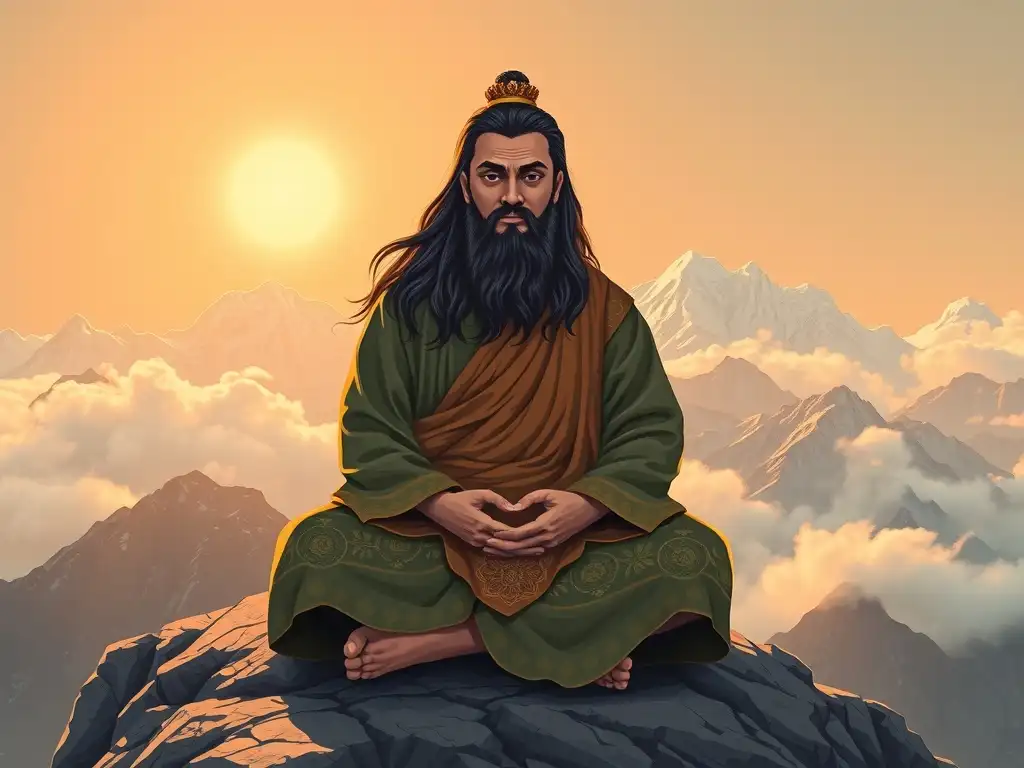
Milarepa, a revered figure in Tibetan Buddhism, serves as a profound symbol of transformation and spiritual mastery. His teachings, rooted in the historical context of ancient Indian culture, remain highly relevant to contemporary practitioners of Buddhism. Milarepa's journey from a life of vengeance to one of enlightenment illustrates the core Buddhist principles of compassion, mindfulness, and the pursuit of inner peace.
Milarepa's emphasis on the importance of personal experience in spiritual practice resonates deeply in today’s context. Many practitioners find inspiration in his adherence to the path of meditation and self-discovery, illustrating that enlightenment is accessible to all, regardless of past actions. The principles he championed, such as the cultivation of love and compassion, continue to guide modern practitioners in navigating the complexities of life, making his teachings timeless and universally applicable.
How Milarepa’s Life Inspires Contemporary Practitioners
Milarepa's remarkable life story is a powerful testament to the potential for redemption and personal growth. Born into a family that experienced significant hardship, Milarepa faced adversity early on, which led him to commit harmful acts. However, his eventual turn towards spirituality and rigorous practice of meditation allowed him to transcend his past, achieving enlightenment. This narrative of transformation resonates with many modern individuals facing their own struggles, inspiring them to seek change and embrace a path of compassion.
The rigorous ascetic practices that Milarepa undertook, including long periods of meditation in isolation, serve as a model for contemporary practitioners seeking deep spiritual insight. His teachings encourage individuals to confront their inner demons, embrace suffering, and cultivate resilience. By sharing his experiences through songs and poetry, Milarepa emphasizes the importance of expression in the spiritual journey, allowing modern practitioners to connect with his teachings on a personal level.
Furthermore, the tradition of Milarepa is preserved through various Tibetan Buddhist schools, ensuring that his teachings continue to be accessible. Retreats, workshops, and teachings based on Milarepa's methods are increasingly popular, providing practitioners with tools to explore mindfulness and meditation. In essence, Milarepa's legacy encourages a return to the roots of Buddhism and ancient Indian culture, emphasizing the importance of inner work in achieving spiritual enlightenment.
The Continuing Impact of Milarepa on Buddhism and Ancient Indian Culture
Milarepa's influence extends beyond individual practitioners to the broader context of Buddhism and ancient Indian culture. His teachings are woven into the very fabric of Tibetan Buddhism, affecting not only spiritual practices but also cultural expressions such as music, art, and literature.
In ancient Indian culture, the ideals of compassion and self-realization that Milarepa exemplified can be traced back to earlier Buddhist teachings, which continue to shape ethical principles in modern society. The narratives surrounding Milarepa's life serve to reaffirm the Buddhist concept of karma, illustrating how one’s actions can lead to profound consequences, both positive and negative. This understanding fosters an ethical framework in contemporary Buddhist practice, encouraging individuals to live with awareness and responsibility.
Moreover, Milarepa's songs, known as "Dohas," are a critical part of the Tibetan literary tradition, often encapsulating complex spiritual concepts in accessible language. These poetic teachings not only preserve his wisdom but also serve as a bridge connecting ancient Indian cultural values with modern spiritual practices.
Milarepa's teachings continue to inspire and shape the landscape of Buddhism and ancient Indian culture, reminding practitioners of the enduring power of transformation, compassion, and the quest for enlightenment. His legacy serves as a beacon for those navigating their spiritual paths, illustrating the profound impact that one individual’s journey can have on countless others.
Conclusion: The Enduring Legacy of Milarepa
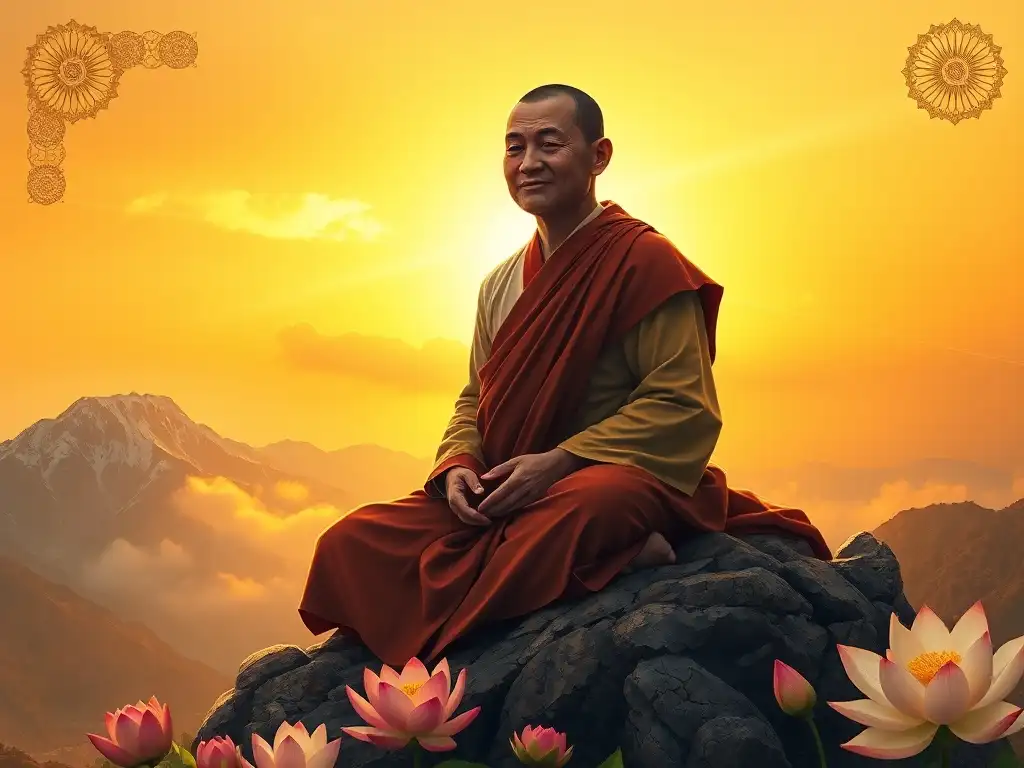
Reflection on Milarepa’s Life and Teachings in the Context of Buddhism
Milarepa, one of the most revered figures in Tibetan Buddhism, embodies the profound journey of transformation and enlightenment that is central to the Buddhist path. Born in the 11th century, he initially led a life steeped in negativity, driven by vengeance and a quest for power. However, through rigorous practice and a deep commitment to the Dharma, he transcended his past, ultimately achieving enlightenment. His life serves as a powerful testament to the core Buddhist principles of impermanence, compassion, and the potential for transformation.
Milarepa's teachings, often conveyed through songs and poetry, reflect the essence of Buddhist philosophy. His emphasis on direct experience and personal realization resonates with the teachings of the historical Buddha, Siddhartha Gautama. For instance, Milarepa's frequent reminders of the importance of meditation and mindfulness echo the foundational practices of Buddhism that originated in ancient India. He taught that true understanding comes not merely from intellectual study but from deep, personal engagement with one’s inner self.
Through his life story, Milarepa highlights the concept of karma and its implications. His transformation from a vengeful sorcerer to a wise yogi serves as an allegory for the potential of every individual to change their circumstances through conscious actions and spiritual practice. This narrative reinforces the Buddhist teaching that our actions, whether positive or negative, shape our future experiences—a concept that remains integral to both Buddhist thought and ancient Indian culture.
Final Thoughts on the Integration of Milarepa’s Wisdom in Ancient Indian Culture
The teachings of Milarepa are not only pivotal to Tibetan Buddhism but also resonate deeply within the broader spectrum of ancient Indian culture. His emphasis on self-realization, compassion, and the practitioner’s journey reflects the cultural and spiritual ethos of ancient India. The integration of his wisdom into the fabric of Buddhist practice underscores a significant cultural exchange that occurred as Buddhism evolved from its Indian roots into Tibet and beyond.
Milarepa's songs and teachings hold a mirror to the philosophical inquiries that pervaded ancient Indian thought, including non-attachment and the pursuit of liberation (moksha). His life exemplifies the ideal of the wandering ascetic, a figure celebrated in ancient Indian traditions, who renounces worldly pleasures in pursuit of spiritual truth.
The enduring legacy of Milarepa extends beyond the confines of Tibetan Buddhism and permeates the broader landscape of ancient Indian culture. His life and teachings continue to inspire countless individuals on their spiritual journeys, encouraging them to pursue enlightenment with dedication and compassion. As we explore the rich tapestry of Buddhism within the context of ancient Indian culture, figures like Milarepa serve as vital links, reminding us of the profound interconnectedness of these traditions.
Frequently Asked Questions
What is the significance of Milarepa in Buddhism?
Milarepa is considered one of the most revered figures in Tibetan Buddhism, known for his spiritual journey from a troubled past to achieving enlightenment through intense meditation and teachings.
How did Buddhism influence ancient Indian culture?
Buddhism played a crucial role in shaping ancient Indian culture, promoting values such as non-violence, compassion, and spiritual practice, which resonated deeply within various societal structures.
What are the main teachings of Milarepa?
Milarepa's teachings emphasize the importance of personal experience, meditation, and the pursuit of inner wisdom. His life exemplifies the transformative power of Buddhist practice.
How does Milarepa's path relate to the broader context of ancient Indian history?
Milarepa's journey reflects the spiritual landscape of ancient India, where various traditions, including Buddhism, contributed to a rich tapestry of philosophical thought and cultural development.
Why is the study of Buddhism important for understanding ancient Indian civilizations?
Studying Buddhism provides insights into the social and cultural dynamics of ancient India, revealing how religious beliefs influenced art, governance, and interpersonal relationships within these civilizations.
Final Reflection: Embracing the Wisdom of Milarepa in Modern Life
The teachings of Milarepa resonate profoundly in today's world, reminding us that the journey to enlightenment is not just a historical pursuit but a contemporary necessity. In a time marked by chaos and distraction, the principles of Buddhism and the ancient Indian culture that shaped them offer a guiding light, illuminating paths of compassion, mindfulness, and inner peace. The story of Milarepa serves as a powerful testament to the transformative power of perseverance and spiritual dedication, urging us to reflect on our own journeys toward self-discovery and enlightenment.
The legacy of Milarepa continues to influence the cultural and social landscape, inspiring countless individuals to seek deeper meaning in their lives. His life exemplifies the idea that redemption and transformation are possible, regardless of one's past. As we navigate the complexities of modern existence, we can draw strength from his teachings, which encourage us to cultivate resilience and compassion in our daily interactions. The mind is everything. What you think you become.
This quote encapsulates the essence of Milarepa's teachings, reminding us that our thoughts shape our reality and that we have the power to change our lives through mindful awareness.
As we conclude our exploration of Milarepa's path to enlightenment, I invite you to reflect on how these ancient teachings can be integrated into your own life. Consider the ways in which you can cultivate mindfulness, compassion, and resilience in your daily routine. Whether through meditation, acts of kindness, or simply being present in the moment, each step you take can lead to profound personal transformation. Let Milarepa's journey inspire you to embark on your own path toward enlightenment, embracing the wisdom of Buddhism and ancient Indian culture as a source of strength and guidance in your life.
Embrace Milarepa’s Wisdom and Transform Your Journey!
Thank you for diving into the enlightening teachings of Milarepa! Through this article, you've uncovered profound insights into the journey of one of Buddhism's most revered figures. Now, it's your turn to put this knowledge into action and enrich your own path to enlightenment.
Here are a few steps you can take to further your exploration:
- Dive deeper into mindfulness practices: Start a daily meditation routine inspired by Milarepa’s teachings—set aside just 10 minutes each day to reflect and connect with your inner self.
- Join a local meditation group: Sharing this journey with others can amplify your growth—look for nearby communities or online forums where you can engage and learn together.
- Explore Milarepa’s poetry: Read his songs and verses to inspire your spiritual journey; you may discover unexpected wisdom in his words.
Which step are you most excited to pursue on your journey toward enlightenment? We invite you to share your thoughts and experiences in the comments below!