
The Role of Ancestors in Daily Life: The Significance of Ancestor Worship in the Indus Valley

Welcome to Ancient India History, where we embark on a captivating journey through the rich tapestry of one of the world’s oldest civilizations. As we delve into the intricacies of ancestor worship in the Indus Valley, you'll discover how this profound practice shaped daily life, beliefs, and societal structures in ancient times. What secrets do the remnants of this remarkable culture hold about their reverence for the past? Join us as we unravel the significance of these ancestral connections and explore the enduring legacy they left behind. Your adventure into ancient wisdom begins here!
Introduction to Ancestor Worship in the Indus Valley
The practice of ancestor worship in the Indus Valley Civilization offers a fascinating glimpse into the spiritual and social dynamics of one of the world's earliest urban cultures. Dating back to around 2500 BCE, this civilization was characterized by its sophisticated urban planning, advanced craftsmanship, and intricate trade networks. However, one of the most profound aspects of their daily life was the reverence they held for their ancestors. This article seeks to explore the significance of ancestor worship in the Indus Valley, shedding light on how these beliefs shaped their societal norms, family structures, and cultural practices.
In ancient societies, the connection to ancestors often served as a bridge between the living and the spiritual world, providing guidance, protection, and a sense of identity. The Indus Valley people, with their rich traditions and vibrant community life, placed significant emphasis on maintaining these ties. The practice of honoring ancestors was not merely a ritual; it was a fundamental part of their existence, influencing everything from domestic rituals to communal festivals.
Understanding how these practices manifested in daily life allows us to appreciate the complexity of their society and the values that underpinned it. As we delve deeper into this topic, we will uncover the various facets of ancestor worship, its historical context, and its enduring legacy in ancient Indian civilization.
Understanding Ancestor Worship in Ancient Cultures
Ancestor worship is a widespread practice across various ancient cultures, characterized by the veneration of deceased family members or forebears. In many civilizations, this reverence included rituals, offerings, and ceremonies aimed at honoring the spirits of the ancestors, believed to influence the living's fortunes and wellbeing.
- Cultural Significance: In many societies, ancestors were seen as guardians who watched over their descendants, providing guidance and support in challenging times. The act of honoring them reinforced family ties and cultural continuity.
- Ritual Practices: Rituals often included offerings of food, flowers, and incense, along with prayers and invocations. These acts were believed to appease the spirits, ensuring their favor and protection for the family.
- Symbolism: Ancestor worship also served as a symbolic connection to the past, fostering a sense of identity and belonging among community members. It emphasized the importance of lineage and heritage, crucial in societies with strong family structures.
In the context of the Indus Valley, ancestor worship was likely intertwined with their daily rituals and community events, reflecting their values and beliefs about life, death, and the afterlife.
The Historical Context of Ancestor Worship in the Indus Valley
The historical context of ancestor worship in the Indus Valley is crucial for understanding its role in society. This civilization thrived in a unique geographical and cultural setting, which influenced their spiritual practices.
- Geographical Influence: The Indus Valley, with its fertile plains and access to rivers, supported agriculture and trade, creating a stable environment for the development of complex social structures. This abundance likely contributed to the flourishing of religious practices, including ancestor worship.
- Archaeological Evidence: Excavations of Indus Valley sites, such as Harappa and Mohenjo-Daro, have unearthed numerous artifacts that hint at the spiritual life of the inhabitants. For instance, the presence of terracotta figurines, seals, and altars suggests that ritualistic practices were an integral part of their culture.
- Social Structure: The patriarchal and matriarchal elements in Indus Valley society likely influenced how ancestor worship was practiced. Families may have had specific rituals dedicated to male and female ancestors, reflecting their roles within the household and community.
Ancestor worship in the Indus Valley was not just a spiritual practice; it was a vital element of their daily life, deeply embedded in their social fabric. As we further explore the intricacies of this practice, we will uncover how it shaped the identity and continuity of one of the world's most remarkable ancient civilizations.
- Introduction to Ancestor Worship in the Indus Valley
- Understanding Ancestor Worship in Ancient Cultures
- The Historical Context of Ancestor Worship in the Indus Valley
- What is ancestor worship in the Indus Valley?
- How did ancestor worship influence daily life in the Indus Valley?
- What archaeological evidence supports ancestor worship in the Indus Valley?
- Did ancestor worship in the Indus Valley have any impact on later Indian religions?
- How does ancestor worship in the Indus Valley compare to other ancient cultures?
The Significance of Ancestor Worship in Daily Life
Spiritual Beliefs Surrounding Ancestors
In the context of ancestor worship in the Indus Valley, spiritual beliefs played a pivotal role in shaping the daily lives of its inhabitants. The Indus Valley Civilization, known for its advanced urban planning and sophisticated societal structure, held a deep reverence for ancestors. This veneration is evidenced by various archaeological findings, including terracotta figurines and burial practices that suggest a belief in an afterlife.
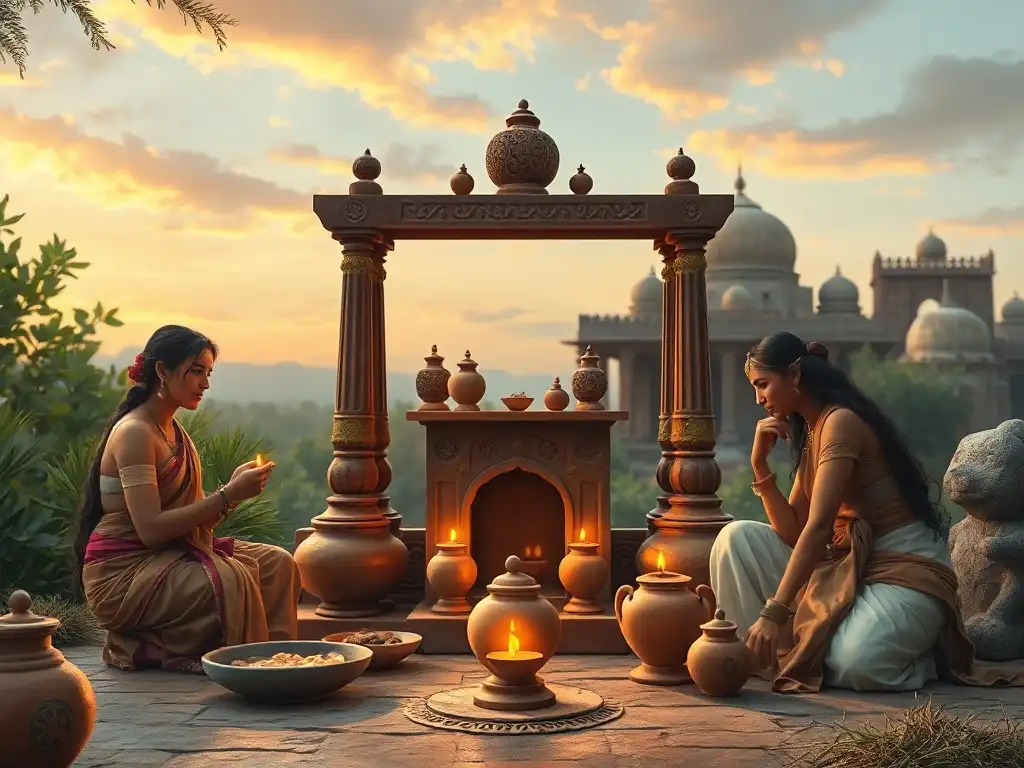
- Ancestral Spirits: The people of the Indus Valley believed that their ancestors remained actively involved in the lives of their descendants. They were thought to offer guidance, protection, and blessings, which reinforced the practice of honoring them through rituals and offerings.
- Ritual Practices: Rituals often included the placement of food and symbolic items at household altars or graves, ensuring that the spirits of the ancestors were appeased. These practices not only served a spiritual purpose but also reinforced familial bonds as families collectively participated in these observances.
The Role of Ancestors in Family Structures
The structure of families in the Indus Valley Civilization was profoundly influenced by the principle of ancestor worship. Families were typically organized around extended kinship ties, and the memory of ancestors was integral to maintaining familial identities and lineage.
- Patrilineal Descent: In many cases, lineage was traced through the male line, and ancestral worship often emphasized the importance of male ancestors. This focus on male lineage reinforced the social standing and heritage of families, with ancestral names and stories passed down through generations.
- Inheritance of Roles: Ancestors were seen as custodians of family values and traditions. Their legacies influenced the roles and responsibilities of descendants, shaping career choices and social roles within the community. This continuity ensured that skills and knowledge were preserved and transmitted, maintaining the integrity of family practices.
Ancestor Worship and Community Cohesion
The practice of ancestor worship in the Indus Valley also fostered a sense of community cohesion. As families engaged in rituals, they not only honored their ancestors but also reinforced their social networks.
- Collective Rituals: Community events that involved collective ancestor worship, such as festivals or memorial gatherings, served to unite families and strengthen communal ties. These gatherings allowed for shared experiences and narratives, which were fundamental in building a collective identity among the people.
- Social Harmony: Ancestor worship contributed to a sense of social responsibility and mutual support among community members. The acknowledgment of shared ancestry and heritage provided a framework for cooperation, as families recognized their interconnectedness through lineage and tradition.
The significance of ancestor worship in the Indus Valley extended beyond personal spirituality; it was a fundamental aspect of social structure, family identity, and community unity, shaping the daily lives of its civilization's people.
Practices and Rituals of Ancestor Worship
Common Rituals in Ancestor Worship
Ancestor worship in the Indus Valley Civilization was deeply embedded in the daily lives of its inhabitants. Central to this practice were rituals that aimed to honor and appease the spirits of the deceased ancestors. While specific texts from the Indus Valley are scarce, archaeological findings suggest a variety of common rituals that were likely performed.
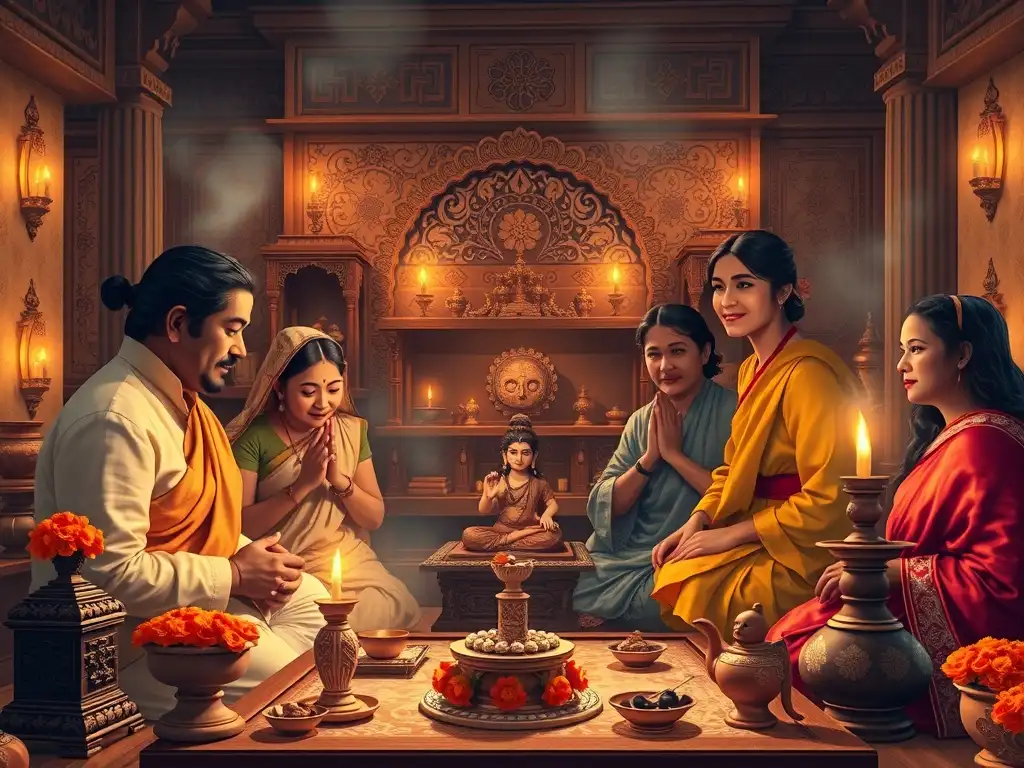
- Family Gatherings: At significant times, such as harvest festivals or during the new moon, families would come together to honor their ancestors. This collective remembrance helped strengthen familial bonds and reinforced cultural identity.
- Ceremonial Offerings: It is believed that families set aside special days for the preparation of meals that were offered to the ancestors. These meals were often placed on altars or in designated areas within the home.
- Ritual Purity Practices: Individuals involved in ancestor worship would often undergo purification rituals before participating in ceremonies, including washing hands and wearing clean clothes to ensure they were spiritually prepared to connect with their ancestors.
These rituals not only served a spiritual purpose but also played a crucial role in the social fabric of Indus Valley communities, ensuring that ancestral legacies were revered and maintained.
Offerings and Sacrifices to Ancestors
The practice of making offerings to ancestors was a fundamental aspect of ancestor worship in the Indus Valley. These offerings were believed to sustain the spirits of the deceased and ensure their continued favor on the living.
- Food Offerings: Archaeological evidence indicates that offerings of food, such as grains, fruits, and cooked meals, were common. Families would prepare special dishes that were believed to be favorites of their ancestors.
- Material Gifts: In addition to food, material offerings such as pottery, jewelry, and other personal items may have been placed at altars or burial sites. These items served as tokens of remembrance and respect for the ancestors.
- Sacrificial Rites: While not as extensively documented as food offerings, there is some evidence to suggest that animal sacrifices may have been conducted as a means of seeking blessings from ancestors. Such practices would align with the broader ancient traditions of honoring deities and spirits through sacrificial rites.
The act of making offerings was seen as a way to maintain a connection with the ancestral realm, ensuring that the spirits remained a guiding force in the lives of the living.
The Use of Symbols and Artifacts in Ancestor Worship
Symbols and artifacts played a crucial role in ancestor worship within the Indus Valley, serving as tangible connections to the spiritual world. These elements helped facilitate the rituals and provided a means of honoring the deceased.
- Altars and Shrines: Archaeological sites often reveal the presence of altars or shrines that were likely used for ancestor worship. These structures were adorned with various symbols, indicating their sacred purpose.
- Figurines and Statues: Small figurines, possibly representing ancestors, have been found in various Indus Valley sites. These artifacts may have been used in rituals or as focal points for worship.
- Inscribed Objects: Some artifacts bear inscriptions or images that could represent ancestral lineage or significant events related to the ancestors. These inscriptions served not only as historical records but also as reminders of the familial ties and heritage that were revered through ancestor worship.
The use of symbols and artifacts in ancestor worship helped to create a rich tapestry of cultural expression, reflecting the values and beliefs surrounding the importance of ancestors in daily life within the Indus Valley Civilization.
Ancestor Worship and Its Impact on Daily Life
Ancestor worship in the Indus Valley played a pivotal role in shaping the social norms and values of the civilization. This practice was not merely a religious observance; it was intricately woven into the fabric of daily life, influencing familial relationships, community interactions, and societal expectations.
- Familial Bonds: The reverence for ancestors fostered a strong sense of family unity. Families would often gather to perform rituals, reinforcing the bonds between generations. This sense of belonging and continuity was crucial in a society where lineage and heritage were celebrated.
- Moral Framework: Ancestor worship provided a moral compass for individuals and families. The values and teachings passed down from ancestors often guided the behavior of the living. For instance, virtues such as respect, duty, and compassion were emphasized, creating a framework for ethical conduct within the community.
- Social Hierarchy: Ancestors were often seen as protectors and mediators between the divine and the living. This belief reinforced existing social hierarchies, where the status of an individual could be influenced by their ancestral lineage. Families with esteemed ancestors may have held greater influence and respect within the community, thus shaping social dynamics.
Ancestor Worship and Decision-Making Processes
The practice of ancestor worship significantly influenced decision-making processes within the Indus Valley civilization. Individuals and families often sought the guidance of their ancestors when faced with critical choices or challenges.
- Consultation Rituals: Before making significant life decisions—such as marriage, trade, or relocation—families would engage in rituals to honor their ancestors. These rituals often included offerings and prayers, seeking wisdom and blessings. This practice not only provided a sense of reassurance but also reinforced the importance of ancestral approval in community life.
- Conflict Resolution: Ancestor worship also served as a means of resolving conflicts. When disputes arose, individuals would invoke the memory of ancestors to seek guidance and justice. This practice emphasized the importance of maintaining harmony and adhering to ancestral values, which were viewed as sacred.
- Community Decisions: On a larger scale, decisions impacting the community, such as resource allocation or territorial disputes, were also influenced by the collective reverence for ancestors. Leaders would often invoke ancestral spirits during council meetings, ensuring that the decisions made were in line with the values and expectations set by previous generations.
The Role of Ancestor Worship in Festivals and Celebrations
Festivals and celebrations in the Indus Valley were deeply intertwined with ancestor worship, marking key moments in the agricultural calendar and community life. These events served both as a means of honoring ancestors and reinforcing communal ties.
- Seasonal Festivals: Many festivals celebrated the changing seasons and agricultural cycles, incorporating rituals dedicated to ancestors. Offerings of food, flowers, and other items were made to honor the spirits of the deceased, ensuring their continued presence and support in the lives of the living.
- Ritual Gatherings: Community gatherings during festivals provided an opportunity for families to come together and pay homage to their ancestors. These occasions were marked by feasting, music, and storytelling, where ancestral tales were shared, reinforcing cultural identity and continuity.
- Cultural Transmission: Festivals served as platforms for passing down cultural traditions related to ancestor worship. Through songs, dances, and rituals, the values associated with honoring ancestors were transmitted to younger generations, ensuring that this vital aspect of their heritage remained alive.
Ancestor worship in the Indus Valley was more than a spiritual practice; it was a cornerstone of daily life, shaping social norms, guiding decision-making, and enriching festivals and celebrations. This deep-rooted tradition not only connected individuals with their lineage but also fortified the community's identity and continuity through time.
Archaeological Evidence of Ancestor Worship in the Indus Valley
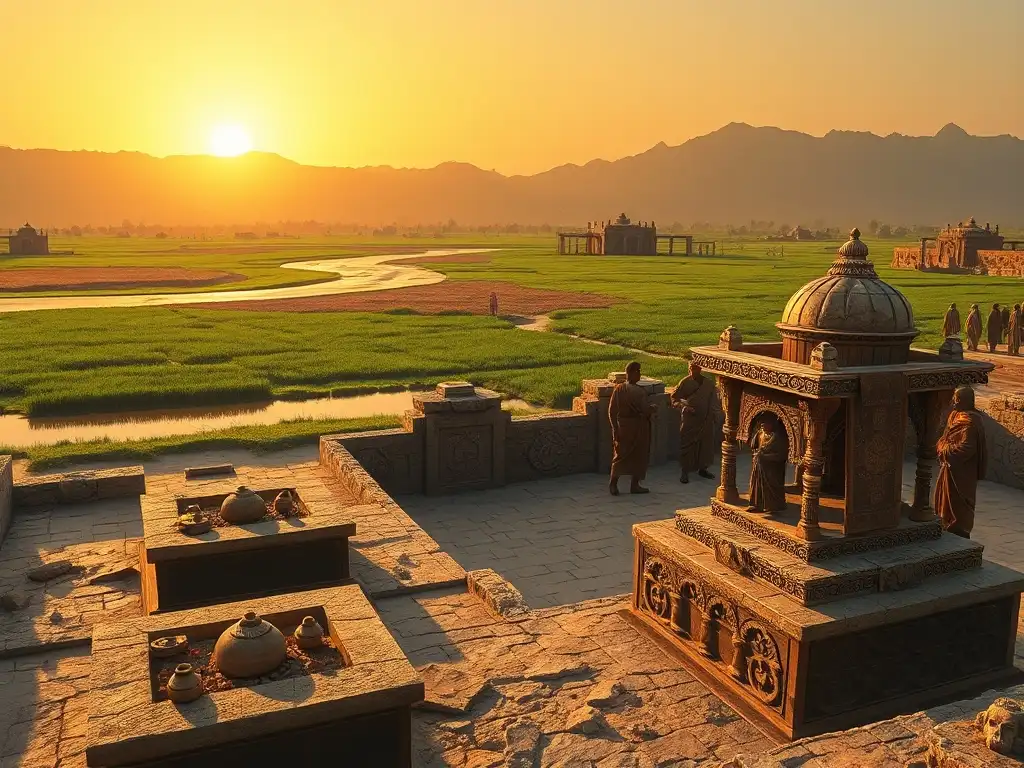
The archaeological evidence of ancestor worship in the Indus Valley Civilization provides insightful glimpses into the spiritual and social frameworks of this ancient society. This evidence is primarily derived from various archaeological sites, artifacts, and interpretations that suggest a profound reverence for ancestors, which played a crucial role in the daily lives of the inhabitants.
The Indus Valley is dotted with numerous archaeological sites that have yielded findings indicative of ancestor worship. Some of the most notable sites include:
- Harappa
- Excavations at Harappa have uncovered numerous burial sites, suggesting a complex mortuary culture. The remains often include grave goods, which may have been offerings to the deceased.
- Mohenjo-Daro
- This site has revealed structures that resemble altars, alongside figurines that potentially represent ancestral figures. The Great Bath, although primarily thought to have ritualistic significance, might also have been a place for ancestor-related ceremonies.
- Chanhudaro
- Artifacts such as terracotta figurines and pottery with ancestral motifs point to the likelihood of ancestor veneration practices. The presence of hearths in domestic spaces may suggest rituals performed for the ancestors within households.
These sites collectively indicate a widespread practice of ancestor worship, integrated into both domestic and public spaces, reflecting its importance in societal norms and spiritual beliefs.
Analysis of Artifacts Linked to Ancestor Worship
Artifacts from the Indus Valley Civilization offer critical insights into the practices related to ancestor worship. Key artifacts include:
- Terracotta Figurines
- Many terracotta figurines have been discovered at various sites, often depicting human forms that may represent ancestors. These figurines are thought to have been used in rituals or as household deities, emphasizing the role of ancestors in daily life.
- Seals
- Seals bearing inscriptions and imagery related to ancestors have been found, which may signify their status in the society or serve as a means of invoking ancestral protection. The motifs often include animals or symbols that suggest a spiritual connection.
- Burial Goods
- The inclusion of pottery, jewelry, and tools in burial sites signifies the belief in an afterlife where ancestors would need these items. The careful placement and selection of these goods highlight the reverence with which the deceased were treated.
Such artifacts not only reflect the practices associated with ancestor worship but also provide a window into the societal values and beliefs of the Indus Valley inhabitants.
Interpretations of Ancestor Worship Through Archaeological Findings
The interpretations of ancestor worship in the Indus Valley are diverse, stemming from the synthesis of archaeological findings. Scholars have proposed several theories regarding the significance and practice of ancestor veneration:
- Social Cohesion
- Ancestor worship is viewed as a means of reinforcing social bonds within communities. By venerating ancestors, individuals would cultivate a sense of identity and continuity, which was crucial for societal cohesion.
- Ritual Practices
- The existence of ritualistic artifacts suggests that ancestor worship involved formal practices. These may have included offerings, prayers, and communal gatherings that fostered a shared cultural identity.
- Spiritual Beliefs
- The reverence for ancestors likely stemmed from a belief in their continued influence on the living. This notion is reflected in the types of offerings made and the rituals enacted to honor them, which aimed to secure blessings and guidance from the ancestral realm.
The archaeological evidence surrounding ancestor worship in the Indus Valley reveals a multifaceted practice that permeated daily life. Through the examination of sites, artifacts, and interpretative frameworks, it becomes evident that ancestor veneration was not merely a spiritual exercise but an integral component of cultural identity and social structure in ancient Indian civilization.
Comparison with Ancestor Worship in Other Ancient Civilizations
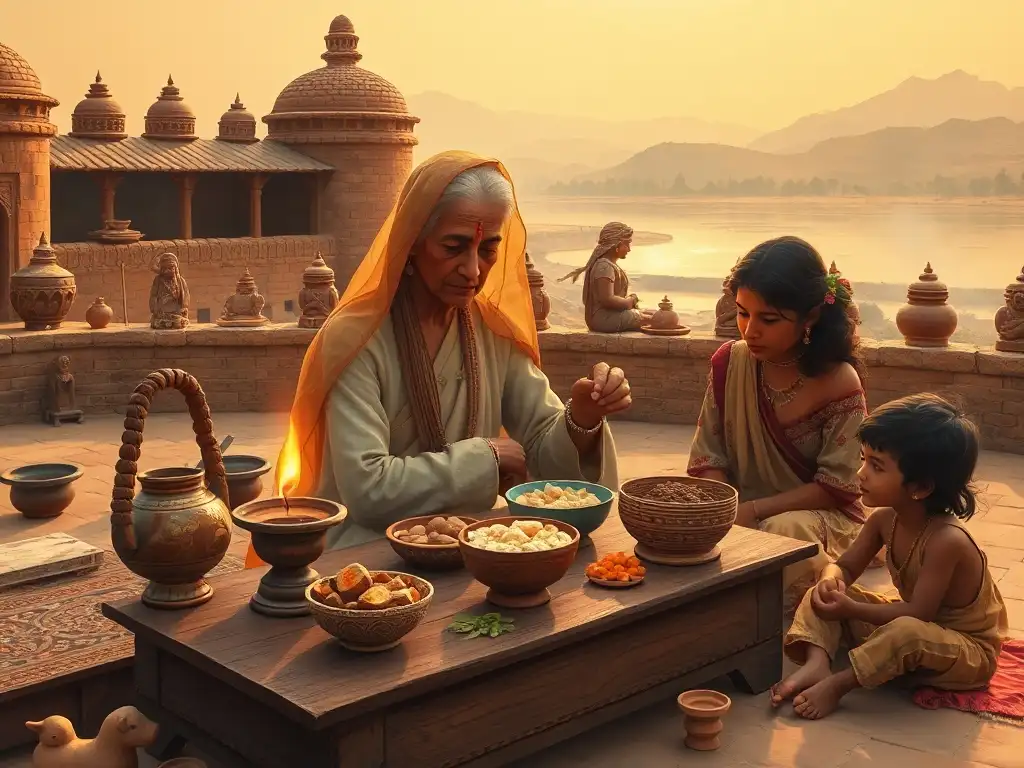
Similarities Between Ancestor Worship in the Indus Valley and Other Cultures
Ancestor worship is a common practice that transcends many ancient civilizations, including those of Mesopotamia, Egypt, and China. In the Indus Valley Civilization (IVC), evidence suggests that reverence for ancestors played a significant role in daily life, much like in these other cultures.
- Spiritual Connection:
- In both the Indus Valley and other ancient societies, ancestors are often viewed as protectors and guides. For example, in ancient China, ancestors were believed to offer blessings and guidance to their descendants, similar to the way Indus Valley people likely sought the favor of their forebears.
- This spiritual connection underscores a universal belief in the continuing influence of ancestors on the living.
- Ritual Practices:
- Ritual offerings and ceremonies are integral to ancestor worship across different cultures. In the IVC, archeological findings indicate that certain artifacts, such as pottery and figurines, may have been used in rituals honoring ancestors, paralleling practices in Egypt where food and other items were left at tombs for the deceased.
- These practices highlight a common human desire to maintain a bond with those who have passed away.
- Burial Customs:
- Burial practices often reflect a culture's approach to ancestor worship. The IVC is characterized by sophisticated burial rituals, including grave goods, which are also seen in cultures like Mesopotamia and ancient Egypt, where offerings were placed in tombs to accompany the dead into the afterlife.
- This similarity illustrates a broader cultural understanding of death and the afterlife.
Unique Aspects of Ancestor Worship in the Indus Valley
While ancestor worship shares common threads with other ancient civilizations, the practices of the Indus Valley reveal unique characteristics that set it apart.
- Lack of Written Records:
- Unlike other ancient cultures, the Indus Valley Civilization has left behind a limited amount of written documentation regarding its rituals and beliefs. This absence requires scholars to rely heavily on archaeological findings, which can lead to varied interpretations.
- This contrasts sharply with cultures like the Egyptians, who documented their beliefs extensively through hieroglyphics.
- Artistic Representations:
- The IVC is renowned for its unique artistic expressions, such as the terracotta figurines that may have served as representations of ancestors. These figurines often portray a variety of human forms, suggesting a complex understanding of identity and lineage.
- This approach to ancestor representation contrasts with the more formalized depictions found in other cultures, such as the idealized statues of pharaohs in Egypt.
- Integration with Daily Life:
- Evidence indicates that ancestor worship in the Indus Valley was intricately linked to daily life and community practices. Rituals might have been conducted during communal gatherings, blending social and spiritual aspects of life.
- This integration may differ from other civilizations where ancestor worship was often more discrete and tied to formal religious observances.
- Focus on Ancestral Lineage:
- In the Indus Valley, the concept of ancestry appears to be closely tied to the community and familial identity. The emphasis on lineage might have influenced governance and social structures, as seen in excavated urban layouts and housing arrangements.
- This focus contrasts with other cultures where ancestor worship might be more individualistic, emphasizing personal relationships with the deceased rather than collective identity.
While ancestor worship in the Indus Valley shares similarities with practices in other ancient civilizations, it also presents unique features that reflect the cultural, spiritual, and societal nuances of its people. The study of these practices not only sheds light on the daily lives of the Indus Valley inhabitants but also enhances our understanding of human connections across time and space.
Conclusion: The Enduring Legacy of Ancestor Worship in the Indus Valley
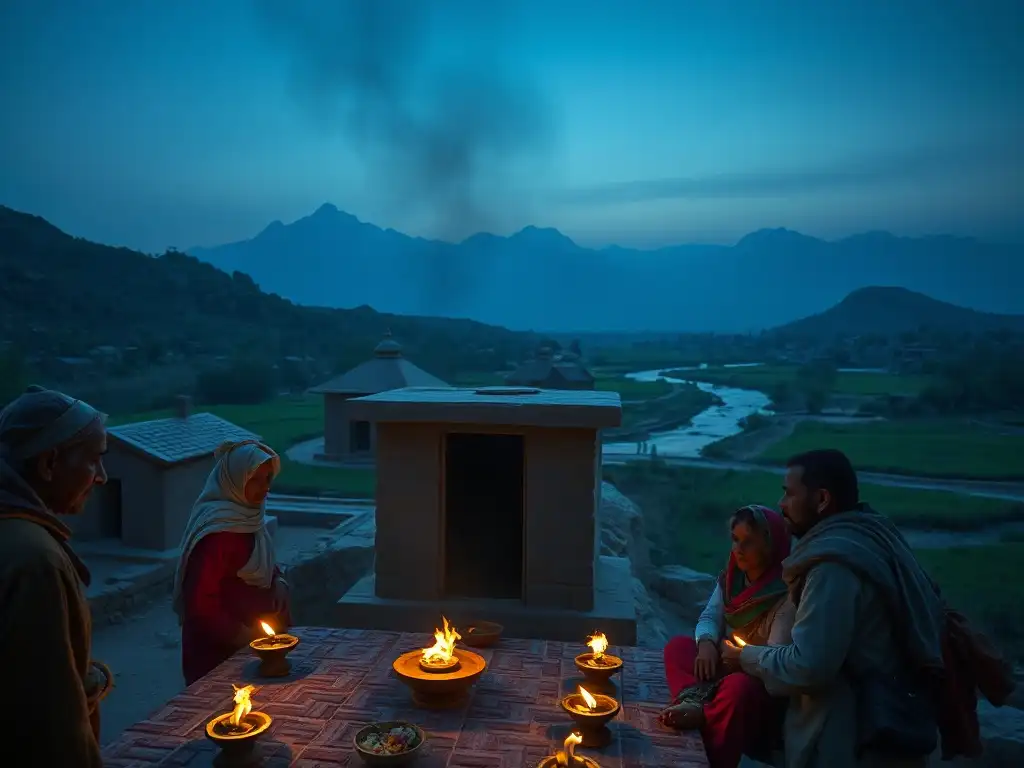
The practice of ancestor worship in the Indus Valley Civilization represents a critical facet of their social and spiritual life. Evidence suggests that this veneration was deeply woven into the fabric of their daily existence, influencing their rituals, societal structures, and even their burial practices. The reverence for ancestors not only fostered a sense of continuity and identity among the people but also reinforced their communal bonds.
Modern Reflections on Ancestor Worship
Today, echoes of ancestor worship can still be found in various cultural practices across India and beyond. Many communities honor their ancestors through rituals that celebrate their lives and contributions. These practices vary significantly, but the underlying sentiment remains consistent: a deep respect for those who came before us.
For instance, during festivals like Pitru Paksha, families perform rituals to honor their deceased ancestors, reflecting a similar ethos to that of the Indus Valley people. Such observances often involve offerings of food and prayers, symbolizing a connection that transcends time.
Moreover, anthropological studies indicate that ancestor worship serves a psychological function, providing individuals with a sense of belonging and continuity. By acknowledging the past, communities can forge stronger identities, thus reinforcing social cohesion. This perspective helps us understand the enduring legacy of ancestor worship in shaping cultural practices and values.
The Relevance of Ancestor Worship Today
The significance of ancestor worship in contemporary society cannot be understated. In an era where rapid modernization often threatens traditional values, these practices provide a vital link to cultural heritage.
- Cultural Identity: Ancestor worship fosters a robust cultural identity, allowing individuals to connect with their heritage and ancestry. This is particularly important for younger generations seeking to understand their roots in a globalized world.
- Community Cohesion: Engaging in ancestor veneration can strengthen community ties. Collective rituals foster unity among participants, creating a shared sense of purpose and belonging.
- Emotional Well-being: The act of remembering and honoring ancestors can also contribute to emotional healing. It provides a space for individuals to reflect on their past, process grief, and maintain a connection with loved ones who have passed away.
The practice of ancestor worship in the Indus Valley Civilization not only shaped their societal framework but continues to resonate in modern times. Its relevance persists, underscoring the importance of honoring those who have laid the foundations of our cultural and social landscapes. As we reflect on these traditions, we recognize their role in nurturing our identities and fostering community bonds, ensuring that the legacy of our ancestors remains a guiding force in our lives.
Further Reading on Ancestor Worship in Ancient Indian Civilizations
Recommended Books and Articles on Ancestor Worship
To deepen your understanding of ancestor worship in the Indus Valley and its broader implications within ancient Indian civilizations, consider exploring the following recommended literature:
- "The Indus Civilization: A Contemporary Perspective" by Gregory L. Possehl
- This comprehensive work provides an in-depth analysis of the Indus Valley Civilization, including cultural practices such as ancestor worship. Possehl discusses archaeological findings that shed light on familial and spiritual beliefs.
- "Ancient Indian Rituals and their Impact on Society" by Shalini Sharma
- This book explores various rituals, including ancestor worship, and their significance in shaping societal norms and values in ancient India. It offers insights into the spiritual beliefs that permeated daily life.
- "Worship and Society in India: An Archaeological Perspective" by Ramesh Chandra
- Chandra's research elaborates on various forms of worship, focusing on how ancestor veneration was integrated into the social fabric of ancient civilizations, including the Indus Valley.
- "The Sacred and Profane: The Role of Ancestors in Indian Culture" in the Journal of Ancient Indian History
- This article examines the duality of sacred and profane in ancestor worship practices, highlighting archaeological evidence from the Indus Valley and its implications for understanding daily life.
- "Ritual and Memory: Ancestral Practices in South Asia" by Anjali Gupta
- Gupta's work contextualizes ancestor worship within South Asian traditions, drawing parallels and distinctions that inform our understanding of the practices in the Indus Valley.
Suggested Documentaries and Resources on the Indus Valley Civilization
For visual learners and those seeking a more immersive experience, several documentaries and online resources effectively convey the significance of ancestor worship in the Indus Valley:
- "Secrets of the Indus Valley" (Documentary)
- This documentary offers a captivating exploration of the Indus Valley civilization, including segments dedicated to spiritual practices and ancestor worship, supported by archaeological findings.
- "The Lost Cities of the Indus" (BBC Documentary)
- A thorough investigation of ancient urban centers, this documentary delves into the daily lives of the Indus Valley people and highlights their reverence for ancestors through rituals and artifacts.
- National Geographic’s "The Indus Valley: Civilization of the Past" (Online Resource)
- This online resource features articles and interactive maps detailing the Indus Valley Civilization, including its religious practices and the role of ancestor worship in shaping societal structures.
- "Ancient Civilizations: The Indus Valley" (YouTube Series)
- A series of short episodes that break down the key elements of the Indus Valley, including family structures and spiritual beliefs, with a focus on how ancestor worship was practiced.
- "Understanding Ancestor Worship in Ancient India" (Online Course)
- An educational course that covers various aspects of ancestor worship across ancient Indian civilizations, with specific modules dedicated to the Indus Valley practices.
By engaging with these resources, you will gain a richer understanding of how ancestor worship in the Indus Valley influenced daily life, traditions, and the cultural landscape of ancient Indian societies.
Frequently Asked Questions
What is ancestor worship in the Indus Valley?
Ancestor worship in the Indus Valley refers to the spiritual practice of honoring and revering deceased ancestors, which played a significant role in the social and religious life of ancient civilizations.
How did ancestor worship influence daily life in the Indus Valley?
Ancestor worship influenced daily life by establishing a sense of community and identity, as families engaged in rituals and ceremonies to maintain connections with their ancestors and seek their blessings.
What archaeological evidence supports ancestor worship in the Indus Valley?
Archaeological findings, such as ritual artifacts, burial sites, and figurines, indicate a practice of ancestor worship, showcasing its importance in the cultural and religious practices of the time.
Did ancestor worship in the Indus Valley have any impact on later Indian religions?
Yes, ancestor worship in the Indus Valley laid the groundwork for later religious practices in India, influencing beliefs in reincarnation and the significance of honoring family lineage in Hinduism and other traditions.
How does ancestor worship in the Indus Valley compare to other ancient cultures?
Unlike some ancient cultures, ancestor worship in the Indus Valley was characterized by a unique blend of rituals and community values that emphasized both spiritual and social cohesion, reflecting the civilization's rich heritage.
Final Reflection: Embracing Our Roots Through Ancestor Worship in the Indus Valley
The significance of ancestor worship in the Indus Valley remains profoundly relevant today, as it connects us to our heritage and shapes our identity. In a world increasingly driven by technology and individualism, the practices of honoring our ancestors remind us of the importance of community, tradition, and the wisdom passed down through generations. This age-old reverence for those who came before us serves as a powerful reminder that our lives are intertwined with the legacies of our forebears, urging us to reflect on the values and lessons they imparted.
The practice of ancestor worship has not only shaped the spiritual landscape of the Indus Valley but has also influenced broader cultural narratives across various societies. This connection to our ancestors fosters a sense of belonging and continuity, allowing us to navigate the complexities of modern life with a deeper understanding of who we are. As the anthropologist David K. Frasier once said, To know where you are going, you must first know where you came from.
This sentiment encapsulates the essence of ancestor worship, emphasizing the importance of recognizing our roots in order to forge a meaningful path forward.
As we move into the future, I invite you to reflect on the role of your own ancestors in your life. Consider how their stories, struggles, and triumphs shape your identity today. Embrace the lessons they offer and honor their memory through your actions and choices. By doing so, you not only pay tribute to those who came before you but also enrich your own life and the lives of those around you. Let us carry forward the legacy of ancestor worship, ensuring that the wisdom of the past continues to illuminate our journey into the future.
Embrace Your Heritage and Connect with Your Ancestors!
Thank you for diving into the rich and fascinating world of ancestor worship in the Indus Valley! By exploring this significant tradition, you’ve gained valuable insights into how our ancestors continue to influence our daily lives. Now, it’s time to take that knowledge further and deepen your connection to your heritage.
Here are some practical steps you can take today:
- Start a personal ritual: Create a small altar or designated space in your home to honor your ancestors. Incorporate family photos, candles, or offerings that resonate with your cultural background.
- Research your genealogy: Explore your family history through online resources or local archives. Discovering your origins can spark a deeper understanding of your cultural roots.
- Share and engage: Talk with family members about their memories of your ancestors. Encourage conversations that bring treasured stories to life and strengthen familial bonds.
How will you honor your ancestors today, and what cherished stories will you share with others?