
The Maurya Empire: A Pioneering Model of Administration and Governance


Welcome to Ancient India History, where we embark on a captivating journey through the rich tapestry of ancient Indian civilizations. Today, we delve into the fascinating world of the Maurya Empire, a pioneering model of administration and governance that set the stage for future dynasties. What innovative strategies did this powerful empire employ to govern such a vast territory? As you explore this article, you'll uncover the intricate systems that defined an era and shaped the foundations of modern governance. Prepare to be intrigued and inspired as we unravel the legacies of the Maurya Empire!

The Maurya Empire stands as one of the most significant and influential empires in ancient Indian history, renowned for its remarkable administration and governance. Established in the 4th century BCE, this vast empire not only unified a diverse range of cultures and communities but also introduced innovative systems of governance that set a precedent for future civilizations.
The Maurya Empire's administration was characterized by a centralized authority, efficient bureaucratic structures, and an emphasis on law and order, which collectively contributed to its stability and prosperity. In this article, we will delve into the intricacies of the Maurya Empire's administrative framework, exploring how its pioneering approaches in governance continue to resonate in contemporary discussions on political organization and management.
Introduction to the Maurya Empire
The Maurya Empire, founded by Chandragupta Maurya, was a significant force in shaping the course of Indian history. Spanning from approximately 322 BCE to 185 BCE, it marked the first time that most of the Indian subcontinent was united under a single rule. This unification brought with it not only political stability but also a flourishing of trade, culture, and intellectual pursuits.
Overview of the Maurya Empire's Historical Significance
The historical significance of the Maurya Empire lies in its extensive administrative innovations and the establishment of a bureaucratic system that managed vast territories. The empire is often heralded as a model of effective governance, demonstrating how a centralized authority can effectively manage diverse populations and complex societal needs. Key achievements include:
- Political Unification: The Maurya Empire unified various regions of India, promoting a sense of shared identity among its diverse peoples.
- Economic Prosperity: The empire facilitated trade routes and economic policies that enhanced wealth and commerce.
- Cultural Flourishing: A rich tapestry of arts, literature, and philosophy emerged, influenced by the empire's policies and patronage.
Key Figures in Maurya Empire Administration
Several key figures played pivotal roles in shaping the administration of the Maurya Empire, each contributing uniquely to its governance model:
- Chandragupta Maurya: The founder whose vision and strategies laid the groundwork for the empire's success.
- Kautilya (Chanakya): The chief advisor and strategist whose insights into governance and economics are encapsulated in the Arthashastra.
- Bindusara and Ashoka: Successors who expanded and refined administrative practices, particularly Ashoka, who is renowned for his promotion of Dharma.
Foundations of Maurya Empire Administration and Governance
The administration of the Maurya Empire was marked by a series of foundational principles that emphasized efficiency, order, and justice. These principles were integral in maintaining control over a vast and culturally diverse territory.
The Role of Chandragupta Maurya in Establishing Governance
Chandragupta Maurya's leadership was instrumental in establishing a robust governance structure. His strategies included:
- Centralization of Power: He centralized authority, ensuring that decisions could be made swiftly and uniformly across the empire.
- Bureaucratic Organization: He created a well-defined hierarchy of officials responsible for various administrative functions, thereby enhancing efficiency.
- Military Reforms: A strong military presence was maintained to deter rebellions and protect trade routes.
Influence of Kautilya's Arthashastra on Administrative Practices
Kautilya's Arthashastra serves as a foundational text for understanding the Maurya Empire's approach to governance. Its key contributions include:
- Realpolitik: Kautilya emphasized pragmatic governance, focusing on practical strategies over idealistic principles.
- Economic Policies: The text provided detailed guidance on taxation, trade regulation, and resource management, which were crucial for sustaining the empire's economy.
- Diplomacy and Warfare: Kautilya's insights into statecraft included both diplomatic strategies and military tactics, reflecting the dual nature of governance in the Maurya Empire.
By exploring these themes, this article will illuminate how the Maurya Empire’s administration and governance not only facilitated its rise but also left an indelible mark on the history of ancient India.
Structure of the Maurya Empire's Government
The Maurya Empire, established in the 3rd century BCE, is renowned for its sophisticated administrative structure that laid the groundwork for future governance in ancient India. The empire's government was characterized by a strong central authority complemented by a well-organized divisional administration. This duality not only ensured effective governance across diverse regions but also facilitated the implementation of policies that supported economic stability and social order.
Centralized Governance: The Role of the Emperor
At the apex of the Maurya Empire's administrative structure was the emperor, who held absolute power and was regarded as the supreme authority. The most notable emperor, Ashoka, exemplified the ideal of a benevolent ruler who prioritized the welfare of his subjects. The emperor was responsible for enacting laws, collecting taxes, and making strategic decisions that affected the entire empire.
The central governance was marked by the formulation of a wide range of policies aimed at promoting trade, agriculture, and public welfare. The emperor often convened with his council of ministers, known as the "Mantriparishad," to discuss matters of state and to ensure that the needs of various regions were addressed effectively. This centralized approach allowed the Maurya Empire to maintain unity despite its vast geographical expanse.
Divisional Administration: Provinces and Local Governance
To manage the large territory, the Maurya Empire was divided into several provinces, known as "Mahajanapadas." Each province was governed by a royal representative or "Uparika," who acted on behalf of the emperor. This system enabled localized governance while ensuring that imperial policies were implemented across different regions.
Local governance was further organized into districts and villages, where appointed officials oversaw day-to-day administration. These local leaders were responsible for maintaining law and order, collecting taxes, and implementing welfare programs. The emphasis on local governance not only allowed for better resource management but also encouraged community participation in administrative processes, fostering a sense of responsibility among citizens.
Bureaucratic System of the Maurya Empire
The Maurya Empire’s bureaucratic system was a hallmark of its governance, characterized by a structured hierarchy that facilitated efficient administration. This system played a crucial role in managing the empire's vast resources and maintaining order within the diverse cultures and communities that existed under its rule.
Key Administrative Officials and Their Responsibilities
The administration of the Maurya Empire relied on a cadre of key officials who were tasked with various responsibilities. Among these were:
- Amatyas: Senior officials who acted as advisors to the emperor and oversaw different departments such as finance, military, and law.
- Rajukas: Local administrators responsible for the governance of districts, ensuring the implementation of laws and collection of taxes.
- Pradesikas: Officials who managed smaller subdivisions within districts and dealt with local issues, including agriculture and trade regulation.
This well-defined hierarchy allowed for clear communication and responsibility, ensuring that policies from the central government could be effectively executed at local levels.
Role of Spies and Intelligence in Governance
An essential component of the Maurya Empire's governance was the sophisticated use of espionage. The empire employed a network of spies, known as "Guptacharas," who gathered intelligence on both internal affairs and external threats. The information provided by these spies was crucial for the emperor and his advisors to make informed decisions regarding administration, military strategy, and public policy.
The role of spies extended beyond mere surveillance; they also engaged in diplomatic missions and monitored the loyalty of provincial governors. This intelligence network helped maintain stability and unity within the empire, allowing the Maurya administration to preemptively address dissent and manage conflicts effectively. The reliance on intelligence exemplified the Maurya Empire's innovative approach to governance, where foresight and information were as valuable as military might.
Economic Policies and Administration
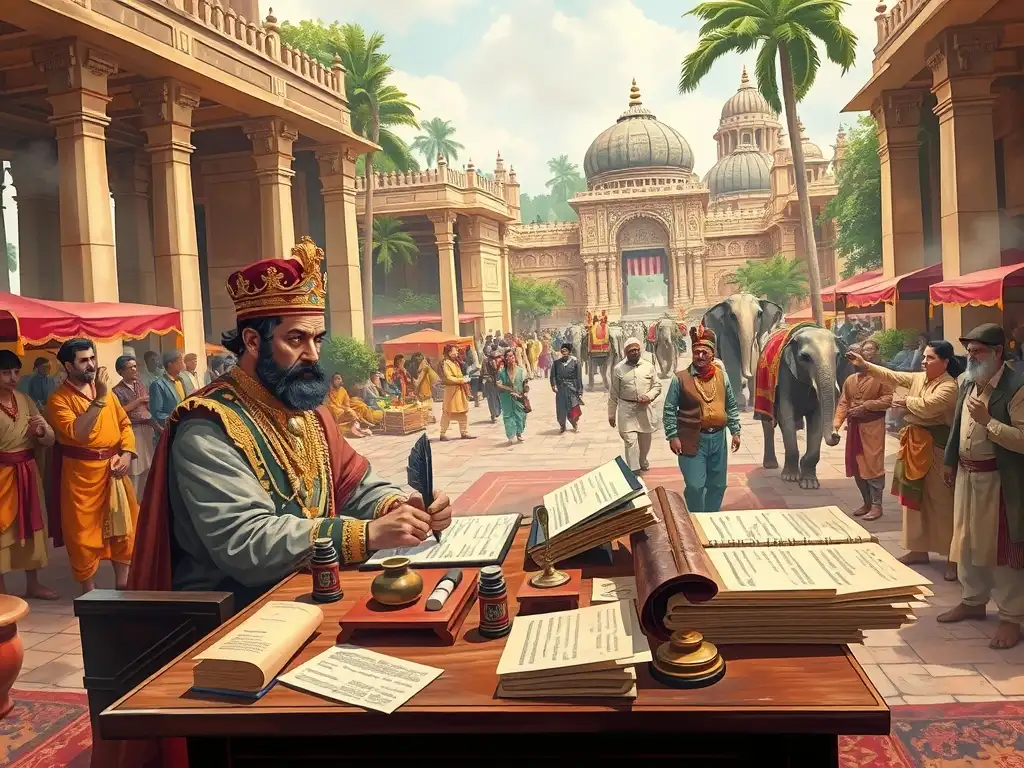
The economic policies of the Maurya Empire were intricately designed to support its vast administration and military needs. Under the leadership of Chandragupta Maurya and later Ashoka, the empire implemented a centralized economic framework that facilitated trade, agriculture, and taxation. This system was crucial for maintaining the empire's stability and ensuring the well-being of its citizens.
Agriculture was the backbone of the Mauryan economy, with most of the population engaged in farming. The state promoted agricultural productivity through irrigation projects and the introduction of new farming techniques. The Mauryan rulers understood the importance of a stable food supply and invested in the development of infrastructure to support agriculture, including roads for transportation and markets for the sale of goods.
In addition to agriculture, trade flourished under Mauryan rule. The empire's strategic location allowed it to be a center for trade routes connecting the east and west. The Mauryan administration encouraged commerce by establishing a network of roads and ensuring the security of trade routes. This not only boosted local economies but also facilitated cultural exchanges across regions.
Taxation System in the Maurya Empire
The taxation system of the Maurya Empire was comprehensive and meticulously structured, reflecting the empire's administrative sophistication. Taxes were levied on various aspects of economic activity, including land, trade, and production. The primary source of revenue came from agricultural taxes, which were typically collected on the harvest. Farmers were required to pay a portion of their produce to the state, which was essential for maintaining the empire's military and administrative apparatus.
In addition to agricultural taxes, the Mauryan government imposed taxes on trade goods and crafts. Merchants were required to pay duties on goods transported through trade routes, contributing significantly to the imperial treasury. The Maurya Empire also implemented a system of taxation based on the wealth of individuals, where wealthier citizens paid higher taxes. This progressive taxation model aimed to distribute the financial burden more equitably across society.
The efficient collection of taxes was facilitated by a network of officials and local governors, who were responsible for monitoring agricultural yields and trade activities. This structure ensured compliance and minimized tax evasion, which was critical for sustaining the empire's economic stability.
State Control over Trade and Commerce
The Maurya Empire exercised significant control over trade and commerce, which was integral to its economic strategy. The state not only regulated trade routes but also established markets to facilitate commercial activities. By controlling the infrastructure, including roads, ports, and marketplaces, the Mauryan administration ensured that trade flourished under its governance.
State involvement in trade also extended to the regulation of prices and the quality of goods. Officials were tasked with overseeing the market activities to prevent exploitation and maintain fairness in trade practices. This regulatory framework helped to create a stable economic environment, encouraging merchants to engage in trade without the fear of arbitrary changes in prices or market conditions.
Additionally, the Mauryan Empire promoted international trade by establishing diplomatic relations with neighboring regions. This not only expanded the empire's economic influence but also allowed for cultural exchanges that enriched Mauryan society. The prosperity generated from trade was vital in maintaining the empire's vast administrative and military needs.
Legal Framework of the Maurya Empire
The legal framework of the Maurya Empire was essential in maintaining order and governance throughout the vast territories it controlled. The empire's legal structure was based on Dharma, which encompassed moral and ethical principles guiding behavior and justice. This framework ensured that laws were not only enforceable but also rooted in the cultural and spiritual beliefs of the society.
The Mauryan rulers recognized the importance of a codified legal system, which included written laws that were accessible to the populace. This helped promote transparency and fairness in legal proceedings, fostering trust in the administration. The legal framework was designed to address various aspects of society, including civil, criminal, and administrative matters.
Administration of Justice: Courts and Legal Officials
The administration of justice within the Maurya Empire was organized through a system of courts and legal officials. At the local level, village assemblies played a crucial role in resolving disputes, often acting as the first point of contact for legal issues. These assemblies were composed of respected community members who would mediate conflicts and ensure justice was served in accordance with local customs and laws.
For more serious offenses, cases were escalated to higher courts, where trained legal officials presided over the proceedings. The Mauryan legal system featured a hierarchy of courts, with the emperor himself having the ultimate authority in legal matters. This centralized control ensured consistency in the application of laws and allowed for the appeal of decisions.
Legal officials were responsible for maintaining order and enforcing laws throughout the empire. They were often educated in legal matters and tasked with ensuring that justice was delivered impartially. This administrative structure helped uphold the rule of law and contributed to the stability of the Maurya Empire.
Punishments and Legal Practices in Maurya Governance
Punishments in the Maurya Empire were varied and depended on the severity of the crime. The legal system maintained a strict approach to dealing with offenses, aiming to deter crime and maintain social order. Minor offenses might result in fines or community service, while serious crimes, such as theft or murder, could lead to severe penalties, including corporal punishment or even death.
The Mauryan legal practices also incorporated elements of restorative justice, reflecting the influence of Dharma. In some cases, the focus was on reconciliation rather than retribution. Offenders were encouraged to make amends to their victims, fostering a sense of community and moral responsibility.
Moreover, the Mauryan rulers, particularly Emperor Ashoka, advocated for ethical governance. Ashoka's edicts emphasized non-violence and compassion, marking a shift towards a more humane approach to law and punishment. This evolution of legal practices underscored the Maurya Empire's commitment to justice that aligned with both societal values and the principles of Dharma.
The Maurya Empire, one of the most significant ancient Indian empires, is renowned not only for its vast territorial expanse and military might but also for its progressive social welfare policies and public works. Under the leadership of Chandragupta Maurya and his grandson Ashoka the Great, the empire implemented various initiatives aimed at improving the quality of life for its citizens. These efforts played a crucial role in fostering a sense of loyalty and unity among the diverse populations within the empire.
Infrastructure Development under the Maurya Empire
Infrastructure development during the Maurya Empire was vital for enhancing trade, communication, and overall governance. The Mauryan rulers recognized the importance of a well-maintained network of roads and waterways, which facilitated the movement of goods and people. Major highways were constructed to connect key cities, ensuring efficient transport for merchants and travelers alike.
Additionally, the construction of rest houses (dharmashalas) along these routes provided shelter for travelers, promoting trade and cultural exchange. The Mauryas also invested in irrigation systems, which improved agricultural productivity and supported the livelihoods of farmers. This comprehensive infrastructure not only enhanced economic activities but also integrated distant regions into the empire's administrative framework.
Health and Welfare Initiatives for the Population
Health and welfare were central to the Mauryan administration, particularly during Ashoka's reign. He advocated for the welfare of his subjects through various reforms that included the establishment of hospitals for both humans and animals. These hospitals provided essential medical care, reflecting a commitment to public health that was quite advanced for the time.
Moreover, Ashoka's edicts highlighted his concern for the well-being of the populace by promoting ethical treatment and compassion. He emphasized the importance of social justice and equal access to resources, which contributed to a more equitable society. The Mauryan approach to welfare set a precedent for future Indian administrations, focusing on the holistic development of its citizens.
Military Administration and Governance
The military administration of the Maurya Empire was strategically designed to ensure stability and control over its vast territories. The empire maintained a well-organized military structure that not only defended its borders but also played a crucial role in governance.
Organization of the Maurya Military
The Mauryan military was characterized by its hierarchical organization and professionalism. It included various branches such as infantry, cavalry, and war elephants, each serving distinct purposes on the battlefield. The empire's military was supported by a substantial administrative framework, which managed logistics, recruitment, and training.
The strategic placement of military outposts throughout the empire allowed for rapid response to internal revolts and external threats. This organization ensured that the military was not just a tool for warfare but also an instrument of governance, maintaining order and stability across the diverse regions of the empire.
Role of Military in Maintaining Governance
The military played a dual role in the Maurya Empire: as a protector of the state and as a mechanism for governance. The presence of a strong military force deterred potential rebellions and invasions, allowing the central authority to exercise control effectively. Furthermore, military leaders often held significant political power and influence, participating in the administration of local affairs.
In addition to defense, the military was involved in the implementation of the emperor's policies and edicts. They facilitated tax collection, enforced laws, and aided in public works, ensuring that the governance was not merely a theoretical concept but a practical reality. This integration of military power into the governance framework exemplified the Maurya Empire's innovative approach to administration, establishing a model that would influence subsequent Indian dynasties.
Legacy of the Maurya Empire's Administration
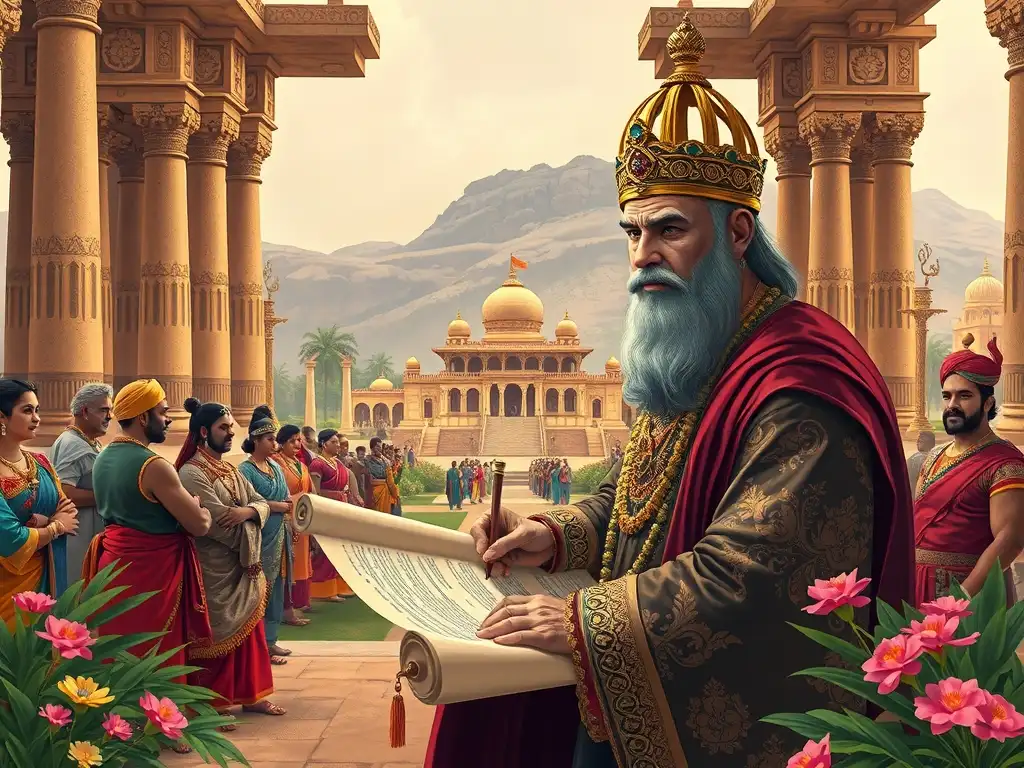
The Maurya Empire, which flourished from 322 to 185 BCE, is celebrated for its sophisticated administration and governance structures. One of the most enduring legacies of this empire lies in its ability to integrate a vast and diverse territory under a single, cohesive administrative framework. The Mauryan administration was marked by a centralized authority that efficiently managed economic, military, and social systems.
Key features of the Maurya administration included:
- Bureaucratic Structures: The empire established a complex bureaucracy with various levels of officials responsible for different regions and functions, ensuring effective governance across its extensive territory.
- Standardization of Practices: The Maurya Empire standardized weights, measures, and coinage, which facilitated trade and economic stability, setting a precedent for future Indian empires.
- Legal Codes: The introduction of codified laws under rulers like Ashoka promoted justice and social order, influencing legal systems in subsequent Indian states.
This legacy of systematic governance not only contributed to the stability and prosperity of the Maurya Empire but also served as a foundational model for future Indian administrations.
Influence on Later Indian Empires
The administrative innovations of the Maurya Empire had a profound impact on subsequent Indian empires, such as the Gupta Empire and the Chola Dynasty. These later states adopted and adapted many of the Mauryan principles of governance, which can be seen in several areas:
- Centralized Authority: Following the Maurya model, later empires maintained a strong central government that exercised control over vast territories while allowing for regional autonomy.
- Bureaucratic Systems: The use of a structured bureaucracy became a hallmark of Indian governance, facilitating efficient tax collection, law enforcement, and public welfare.
- Public Welfare Initiatives: The Mauryan emphasis on welfare, particularly under Ashoka, inspired future rulers to engage in similar public works and social programs.
The Maurya Empire's influence on governance practices set a precedent that would shape Indian political structures for centuries, demonstrating the effectiveness of their administrative strategies.
Lessons in Governance from the Maurya Empire
The Maurya Empire offers several critical lessons in governance that remain relevant today:
- Importance of Centralization with Local Autonomy: While centralized governance ensures uniformity and order, allowing local administrations to address regional issues can enhance responsiveness and effectiveness.
- Integration of Welfare Policies: The Mauryan focus on public welfare highlights the importance of governance that prioritizes the well-being of citizens, fostering loyalty and stability.
- Adaptability of Bureaucracy: A flexible bureaucratic structure that can adapt to changing circumstances and diverse populations is vital for effective governance, as seen in the Mauryan administration.
These lessons underline the significance of a balanced approach to governance that incorporates both authority and empathy.
Conclusion: The Maurya Empire as a Model of Effective Governance
The Maurya Empire stands out as a pioneering model of effective governance in ancient India, showcasing the interplay of centralized authority and local administration. Its strategies not only facilitated the management of a vast and diverse empire but also laid the groundwork for governance structures in later Indian civilizations.
Reflection on the Maurya Empire's Contributions to Administrative Practices
Reflecting on the Maurya Empire's contributions reveals a sophisticated understanding of governance that prioritized efficiency, social welfare, and justice. The establishment of a cohesive bureaucratic framework, along with the adoption of standardized practices, contributed to a stable and prosperous society. This legacy continues to resonate in contemporary governance discussions, highlighting the relevance of ancient practices in modern contexts.
Relevance of Maurya Governance in Contemporary Contexts
In today's world, the principles established by the Maurya Empire can inform contemporary governance models. The emphasis on central authority paired with local autonomy offers valuable insights for nations grappling with issues of diversity and administrative complexity. Furthermore, the Mauryan focus on public welfare and ethical governance serves as a reminder that effective administration must prioritize the needs of the populace. As societies strive for more inclusive and responsive governance, the lessons from the Maurya Empire remain not only relevant but essential.
References
The study of the Maurya Empire's administration and governance draws from a variety of primary and secondary sources. These texts not only provide insight into the political structures of the time but also illustrate the intricate social, economic, and cultural frameworks that supported the empire. Below is a collection of key texts and suggested further reading for those interested in delving deeper into the subject.
Key Texts and Sources on Maurya Empire Administration
-
Arthashastra by Kautilya (Chanakya)
This ancient treatise on statecraft, economic policy, and military strategy is attributed to Kautilya, a key advisor to Chandragupta Maurya. The Arthashastra serves as a crucial primary source, outlining the principles of governance, administration, and the responsibilities of rulers.
-
Indica by Megasthenes
A detailed account of Indian society during the Maurya Empire written by the Greek ambassador Megasthenes, who visited Pataliputra. His observations provide invaluable insights into the administration and cultural practices of the Maurya period.
-
The Mauryan Empire (The New Cambridge History of India)
This scholarly work offers a comprehensive overview of the Maurya Empire, emphasizing its administrative strategies and governance structures. It draws on archaeological findings and historical analysis to present a nuanced understanding of the empire's political landscape.
-
The History of India: From the Earliest Times to the Present Day by James Talboys Wheeler
This historical text provides a chronological account of Indian history, including the governance of the Maurya Empire, its political innovations, and its impact on subsequent Indian states.
-
The Maurya Empire and Its Aftermath by Romila Thapar
Thapar's work critically examines the administrative techniques of the Maurya Empire and their legacy in Indian history, discussing both strengths and limitations in governance.
Suggested Further Reading on Ancient Indian Governance
-
Ancient Indian Political Thought by Bhikhu Parekh
This book discusses the philosophical underpinnings of governance in ancient India, exploring how various schools of thought influenced the political systems, including those of the Maurya Empire.
-
A History of Ancient India by Upinder Singh
Singh's comprehensive history covers various aspects of ancient Indian civilization, with sections dedicated to the political and administrative developments during the Maurya Empire.
-
The Oxford Handbook of the Archaeology of the Contemporary World by Victor Buchli
Although broader in scope, this handbook offers insights into the archaeological perspectives of ancient governance, including case studies from the Maurya period.
-
The Rise and Fall of the Maurya Empire by R. C. Majumdar
This classic work focuses on the establishment, administration, and eventual decline of the Maurya Empire, providing a detailed account of its governance model.
-
The Ancient Indian State: A Study of the Mauryan Empire by R. S. Sharma
Sharma’s analysis provides a focused examination of the Mauryan state’s administrative structure and its influence on later Indian political thought and governance models.
These texts and readings serve as foundational resources for understanding the Maurya Empire's administration and governance, reflecting the complexity and sophistication of one of ancient India's most influential civilizations.
- Introduction to the Maurya Empire
- Foundations of Maurya Empire Administration and Governance
- Structure of the Maurya Empire's Government
- Bureaucratic System of the Maurya Empire
- Economic Policies and Administration
- Legal Framework of the Maurya Empire
- Social Welfare and Public Works
- Military Administration and Governance
- Legacy of the Maurya Empire's Administration
- Conclusion: The Maurya Empire as a Model of Effective Governance
- References
- What was the significance of the Maurya Empire's administration?
- How did the Maurya Empire maintain control over its vast territory?
- What were the key features of the Maurya Empire's governance system?
- How did Ashoka the Great influence the administration of the Maurya Empire?
- In what ways did the Maurya Empire contribute to the development of administrative practices?
Frequently Asked Questions
What was the significance of the Maurya Empire's administration?
The Maurya Empire's administration was significant for establishing a centralized governance model that influenced later Indian states, ensuring efficient tax collection and effective law enforcement.
How did the Maurya Empire maintain control over its vast territory?
The Maurya Empire maintained control through a network of provinces governed by appointed officials, ensuring local governance while promoting unity across diverse regions.
What were the key features of the Maurya Empire's governance system?
Key features included a well-organized bureaucracy, a comprehensive legal system, and a focus on public welfare, which collectively enhanced the stability of the empire.
How did Ashoka the Great influence the administration of the Maurya Empire?
Ashoka the Great introduced Buddhist principles into governance, emphasizing non-violence, tolerance, and social justice, which transformed the administrative approach of the empire.
In what ways did the Maurya Empire contribute to the development of administrative practices?
The Maurya Empire laid the groundwork for future administrative practices in India by introducing standardized taxation, record-keeping systems, and a code of conduct for officials, influencing governance for centuries.
Final Reflection: The Enduring Legacy of Maurya Empire Administration and Governance
The principles of administration and governance established by the Maurya Empire resonate profoundly in today's world, highlighting the timeless relevance of effective leadership and organization. As we navigate the complexities of modern governance, the Maurya Empire serves as a beacon of innovative practices that can inspire contemporary leaders to foster unity, efficiency, and justice within their realms.
The Maurya Empire's influence on governance extends beyond its historical context, shaping our understanding of effective administration in diverse cultures. The sophisticated systems of bureaucracy and public welfare initiated by the Mauryan rulers laid the groundwork for governance models that many nations still aspire to emulate.
> “The true measure of a leader is not how they govern in times of peace, but how they manage in times of crisis.” This quote encapsulates the essence of the Maurya Empire's legacy, reminding us that the strength of governance is tested in adversity, a lesson that remains pertinent in our current global landscape.
As we reflect on the lessons from the Maurya Empire, I invite you to consider how these principles can be applied in your own life and community. Embrace the spirit of effective governance by advocating for transparency, inclusivity, and accountability in your surroundings. Whether in your workplace, local community, or even in personal relationships, strive to embody the values of leadership and administration that have stood the test of time. Let the legacy of the Maurya Empire inspire you to be a catalyst for positive change in your own sphere of influence.
Unveil the Power of Effective Governance Today!
Thank you for taking the time to explore the fascinating world of the Maurya Empire! We hope you gained valuable insights into their pioneering administrative strategies and governance models. Now, it’s time to draw inspiration from their legacy and take action!
Here are some practical steps you can take right now:
- Reflect on Governance: Consider how effective governance can be implemented in your community or organization. Which practices from the Maurya Empire resonate with you?
- Engage with History: Delve into our extensive articles and resources. Discover how ancient practices can provide inspiration for modern solutions.
- Share Your Thoughts: Join the conversation! Contribute your insights on governance and administration in the comments below or connect with us on social media.
Which aspect of the Maurya Empire's governance do you believe can most profoundly impact our world today?