
The IndoGreek Coinage: A Symbol of Cultural Synthesis

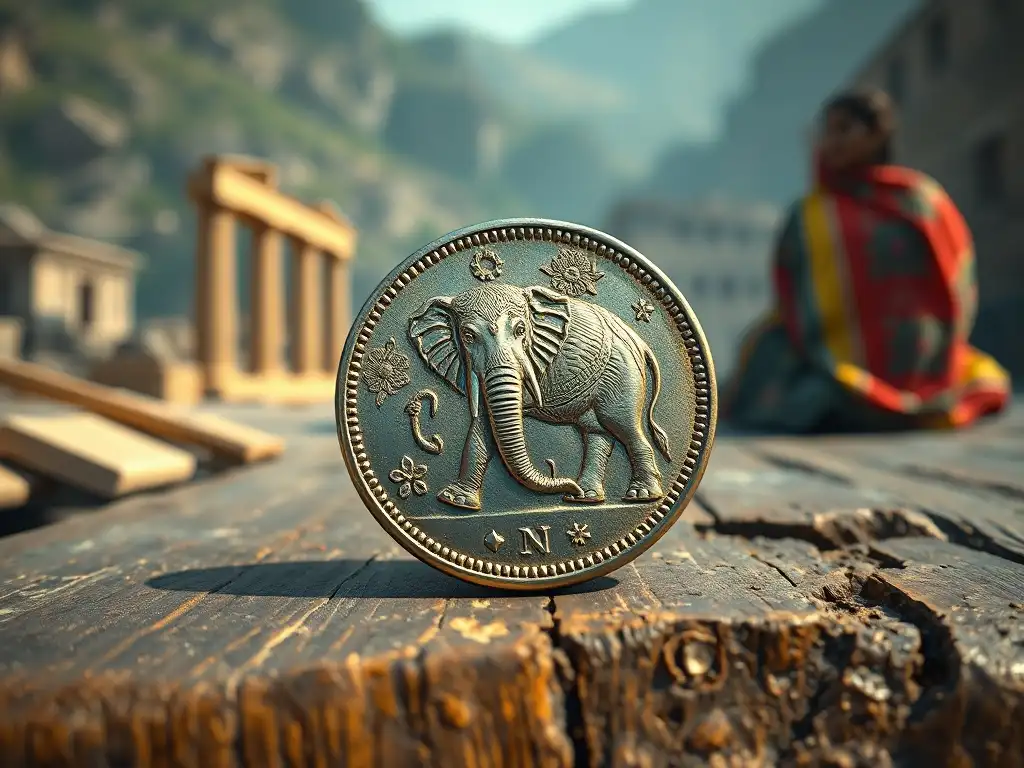
Welcome to Ancient India History, where we embark on a fascinating journey through the tapestry of ancient civilizations that shaped the Indian subcontinent. In this exploration, we delve into the Intriguing narratives of the IndoGreek cultural exchange history, a remarkable testament to how diverse cultures intertwined and influenced one another. Discover how the IndoGreek Coinage emerged as a vibrant symbol of this cultural synthesis, reflecting not just trade, but a profound interaction between peoples. Join us as we unravel the layers of history, revealing the rich contributions and legacies that continue to resonate today.
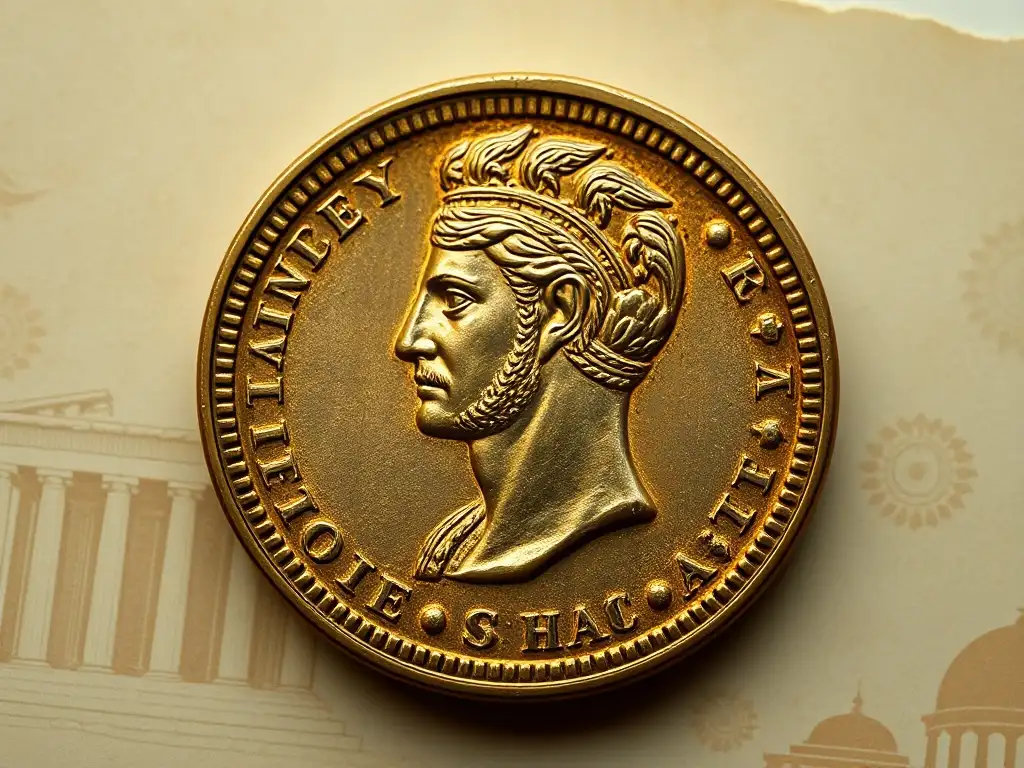
Introduction to IndoGreek Cultural Exchange History
The IndoGreek cultural exchange history represents a fascinating chapter in the annals of ancient civilizations, showcasing the intricate interactions that occurred between Indian and Greek societies. This exchange was not merely a fleeting moment in time but a profound and enduring relationship that influenced art, religion, governance, and trade across vast regions. The IndoGreek era, primarily unfolding between the 4th century BCE and the 1st century CE, serves as a testament to how two distinct cultures can converge, creating a unique synthesis that enriches both.
Central to this dialogue was the remarkable development of IndoGreek coinage, which not only facilitated trade but also embodied the cultural amalgamation of these societies. In this article, we will delve into the historical significance and the enduring impact of IndoGreek coinage as a symbol of cultural synthesis.
Overview of IndoGreek Relations
The relationship between India and Greece was catalyzed by the conquests of Alexander the Great in the 4th century BCE, which opened the floodgates for cultural, economic, and political exchanges. Following Alexander's campaigns, the establishment of the Greco-Bactrian Kingdom laid the groundwork for further interactions. Here are some key points that characterize this vibrant relationship:
- Cultural Exchange: The influx of Greek settlers into the Indian subcontinent led to significant cultural dialogues, influencing local art, architecture, and religious practices.
- Trade Networks: The establishment of trade routes facilitated the exchange of goods, ideas, and technologies between the two civilizations, enriching both societies.
- Political Alliances: Various IndoGreek rulers formed alliances that fostered stability and cooperation, allowing for a blend of administrative practices.
Through these interactions, the IndoGreek period became a crucible of cultural synthesis, which is most poignantly illustrated by the evolution of coinage during this era.
Significance of IndoGreek Coinage in Cultural Synthesis
IndoGreek coinage played a pivotal role in the cultural synthesis of these two civilizations. The coins themselves were not just currency; they were a medium through which cultural ideas were exchanged and expressed. The significance of IndoGreek coinage can be summarized as follows:
- Artistic Influence: The coins often featured Greco-Roman artistic styles, incorporating motifs from both cultures, which reflected a unique artistic fusion.
- Religious Syncretism: Many coins depicted deities from both pantheons, highlighting the blending of religious beliefs and practices.
- Economic Integration: The use of a common currency facilitated trade and economic stability, encouraging further interaction and mutual influence between Indian and Greek merchants.
This remarkable confluence of cultures through coinage lays the groundwork for a deeper exploration of the historical context surrounding IndoGreek coinage.
Historical Context of IndoGreek Coinage
To fully comprehend the IndoGreek coinage, it is essential to explore the historical backdrop that gave rise to this unique phenomenon. The development of IndoGreek coinage was shaped by several key factors.
The Rise of the IndoGreeks
The IndoGreeks emerged as a significant power following the fragmentation of Alexander's empire. The most notable IndoGreek ruler, Menander I, expanded his influence across northern India, establishing a dynasty that would last for several centuries. This rise was characterized by:
- Military Conquests: The IndoGreeks established control over vast territories, which allowed them to facilitate trade and cultural exchanges.
- Cultural Patronage: Rulers like Menander became patrons of the arts, promoting the fusion of Greek and Indian artistic expressions.
- Political Stability: The IndoGreek kings implemented administrative practices that combined elements from both cultures, contributing to a prosperous and stable era.
Key Historical Events Influencing Coinage
Several pivotal events shaped the evolution of IndoGreek coinage, making it a rich field of study:
- Alexander’s Invasion (327-325 BCE): This event initiated the first significant contact between Greek and Indian cultures, setting the stage for future exchanges.
- Formation of the Greco-Bactrian Kingdom (250 BCE): This kingdom acted as a bridge for cultural and economic interactions between the Hellenistic world and India.
- Menander's Reign (165-145 BCE): His reign is often considered the zenith of IndoGreek culture, during which coinage flourished and reflected the cultural synthesis achieved.
These historical milestones not only shaped the nature of IndoGreek coinage but also the broader cultural exchanges that characterized this intriguing period in ancient history.
Features of IndoGreek Coinage
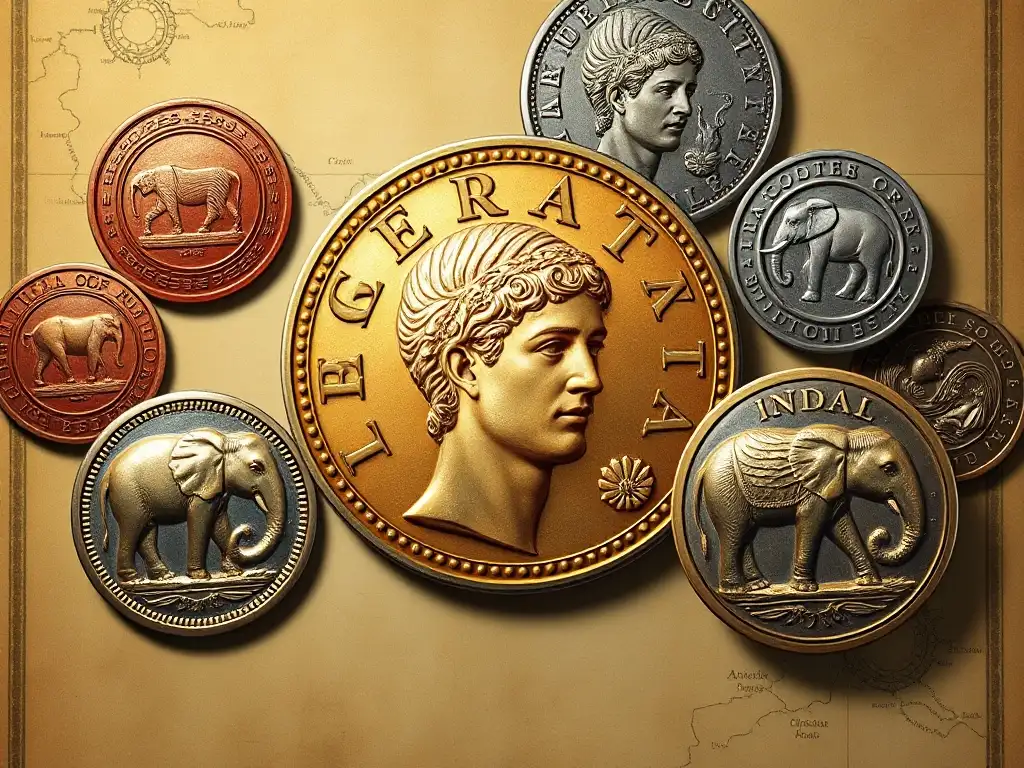
IndoGreek coinage represents a unique blend of artistic styles and cultural influences that emerged during the period of Indo-Greek rule in ancient India, particularly from the 3rd century BCE to the 1st century BCE. These coins are notable for their intricate designs, diverse materials, and the rich iconography that reflects the cultural exchange between the Greeks and the Indian subcontinent.
The coins typically feature a mix of Greek and Indian legends, highlighting the bilingual nature of the inscriptions, which often included Greek on one side and Brahmi or Kharosthi scripts on the other. This dual-language approach not only facilitated trade but also symbolized the merging of cultures. The coins varied in size and weight, with silver drachmas being the most common denomination. Their uniformity in weight and design helped establish a reliable currency system, paving the way for increased trade and economic stability in the region.
Design and Symbolism in IndoGreek Coins
The design of IndoGreek coins showcases a fascinating interplay of Hellenistic art and native Indian motifs. Many coins display portraits of IndoGreek kings, often depicted in elaborate hairstyles and adorned with classical Greek attire, which served to assert their legitimacy and power. The reverse side frequently features various symbols, including deities from both Greek and Indian pantheons.
For instance, the depiction of Athena or Heracles alongside Indian gods such as Shiva or Buddha illustrates not only the artistic influences but also the religious syncretism of the time. The use of symbols like the lotus, which is significant in Indian culture, alongside classical Greek imagery reflects a profound cultural synthesis that characterized the IndoGreek era. Additionally, motifs such as elephants and other regional fauna further emphasize the localized adaptations of Greek artistry.
Materials Used in IndoGreek Coinage
IndoGreek coins were primarily minted from precious metals such as silver, gold, and bronze, with silver being the most commonly used material due to its relative abundance and value. The silver drachma, for example, became a standard currency, facilitating trade across vast distances. The use of gold in coinage was often reserved for higher denominations, symbolizing wealth and power, and was typically used by the elite class.
Bronze coins also played a significant role, especially in local markets, as they were more accessible to the common populace. The choice of materials not only indicates the economic status of the region but also reflects the trade networks that existed, as these metals were often sourced from various regions, including local mines and foreign imports.
Iconography Reflecting Cultural Exchange
The iconography present on IndoGreek coins serves as a vital testament to the cultural exchange and interactions between Greek and Indian civilizations. Many coins feature Greek gods and goddesses, which were adapted into the Indian context, demonstrating the assimilation of Hellenistic influences into Indian culture.
For example, the image of the Greek goddess Nike, symbolizing victory, appears on several coins alongside Indian symbols of power and protection, such as the trident associated with Shiva. This blending of iconography illustrates how IndoGreek rulers sought to legitimize their authority by incorporating local beliefs and deities into their numismatic art.
Moreover, the depiction of mythological creatures and hybrid beings, such as the griffin or the centaur, showcases the imaginative synthesis of Greek mythology with Indian folklore, further emphasizing the depth of cultural interaction during this period.
The Role of IndoGreek Coinage in Trade and Economy
IndoGreek coinage played a crucial role in the economic landscape of ancient India, serving as a medium of exchange that facilitated trade both locally and internationally. The standardization of coinage helped streamline commercial activities, promoting economic growth and stability in a region characterized by diverse cultures and trade practices.
Economic Implications of Coinage in Ancient India
The introduction of IndoGreek coins had significant economic implications for ancient India. By establishing a standardized currency, these coins reduced the complexities associated with trade, such as bartering and the use of varied local currencies. Merchants could conduct transactions with greater ease, promoting trade between different regions and cultures.
Moreover, the coins provided a means of wealth accumulation, encouraging savings and investment. This shift from a barter economy to a coin-based system laid the foundation for more sophisticated financial practices, including taxation and public expenditure, which were essential for the governance of the IndoGreek kingdoms.
IndoGreek Coins as a Medium of Exchange
IndoGreek coins emerged as a widely accepted medium of exchange across various trade routes, facilitating commerce between the Indian subcontinent and regions such as Central Asia, the Middle East, and beyond. The portability and intrinsic value of these coins made them ideal for merchants engaged in long-distance trade.
The consistent weight and quality of the coins built trust among traders, fostering a sense of economic unity in a diverse cultural landscape. This trust was vital in establishing trade agreements and alliances, further enhancing the economic ties between the IndoGreek states and their neighbors.
Impact on Local Economies and Trade Routes
The impact of IndoGreek coinage on local economies was profound. The influx of coins into various regions stimulated local markets and encouraged the growth of urban centers. Cities such as Taxila and Gandhara became significant trade hubs, attracting merchants from various backgrounds and contributing to a vibrant economic atmosphere.
Additionally, the establishment of trade routes facilitated by IndoGreek coinage led to increased interactions between different cultures, enhancing the exchange of goods, ideas, and technologies. This cultural and economic dynamism had lasting effects, influencing the development of trade practices and economic policies in subsequent Indian empires. The legacy of IndoGreek coinage continues to be a subject of interest for historians, as it embodies a unique chapter in the rich tapestry of Indian history and cultural exchange.
IndoGreek Cultural Exchange and Its Impact on Art and Religion
The IndoGreek cultural exchange represents a fascinating chapter in the annals of ancient history, characterized by the blending of Greek and Indian traditions following the conquests of Alexander the Great. This interaction not only facilitated trade and communication but also led to significant influences on art and religion. The IndoGreek period, particularly during the rule of the Indo-Greek kings, saw a unique amalgamation of Hellenistic and Indian elements, which can be vividly observed in various aspects of culture, including coinage, sculpture, and religious practices.
The impact of this cultural exchange was profound; it provided a platform for the diffusion of ideas, styles, and beliefs between two great civilizations. The result was a rich tapestry of artistic expression and religious thought that enriched both cultures. The coins minted during this period are particularly noteworthy, as they serve not only as currency but also as artifacts that encapsulate the essence of this cultural synthesis. Through the study of IndoGreek coinage, we gain valuable insights into the socio-political and religious dynamics of the time.
Artistic Influences of Greek Culture on Indian Art
One of the most significant outcomes of the IndoGreek cultural exchange was the profound influence of Greek artistic styles on Indian art. This influence is most prominently seen in the Gandhara region, where sculptors began to adopt Hellenistic techniques and motifs. Greek realism, characterized by detailed anatomical precision and lifelike representations, found its way into Indian sculptures, particularly in the depiction of Buddhist figures.
The introduction of the Greek drapery style transformed the traditional Indian artistic forms. For instance, the representation of the Buddha was often embellished with flowing robes that mimicked the classical Greek style, creating a unique blend that is visually striking. Furthermore, the use of perspective and spatial composition borrowed from Greek art can be observed in the intricate reliefs and sculptures from this period.
As a result of these artistic influences, we see a notable evolution in the portrayal of deities and mythological figures, which began to incorporate elements of both cultures. This fusion of styles not only enriched Indian art but also laid the groundwork for future developments in the region's artistic heritage.
The Blend of Religious Symbols in IndoGreek Coinage
IndoGreek coinage serves as a remarkable testament to the blending of religious symbols from both cultures. Coins minted during this period often featured imagery and inscriptions that reflected a synthesis of Greek and Indian religious iconography. For example, many IndoGreek coins depicted Greek deities such as Zeus or Apollo alongside Hindu symbols and figures like Shiva or the Bodhi tree, illustrating a remarkable intermingling of beliefs.
This blending was not merely superficial; it represented a deeper philosophical dialogue between the two cultures. The incorporation of Greek gods into the Indian pantheon and vice versa indicates a level of mutual respect and recognition of each other's spiritual traditions. Furthermore, the inscriptions on these coins often used bilingual scripts, showcasing the linguistic and cultural exchange that occurred during this era.
The religious symbols on these coins also had economic implications, as they were used to legitimize the rulers' authority and connect them to divine power. By associating themselves with both Greek and Indian deities, IndoGreek kings reinforced their rule while simultaneously promoting a sense of cultural unity among their diverse subjects.
The Role of IndoGreek Coinage in Spreading Cultural Ideas
IndoGreek coinage played a crucial role in disseminating cultural ideas across the vast regions of South Asia and beyond. As a medium of exchange, coins traveled far and wide, reaching various parts of India and neighboring territories. This movement facilitated not only trade but also the spread of artistic styles, religious beliefs, and philosophical concepts.
Coins served as portable carriers of culture, often featuring intricate designs and inscriptions that communicated messages about the rulers, their beliefs, and their associations with deities. The depiction of cultural symbols on coins acted as a form of visual language, fostering understanding and appreciation of different traditions among diverse populations.
Moreover, IndoGreek coinage helped to promote the notion of cultural identity, as rulers utilized these coins to assert their legitimacy and connect with their subjects. The circulation of these coins contributed to a shared cultural heritage that transcended individual kingdoms, ultimately fostering a sense of unity in diversity across the subcontinent.
Case Studies of Notable IndoGreek Coins
Examination of Specific Coins and Their Historical Significance
Several notable IndoGreek coins exemplify the rich history and cultural synthesis of the period. One such coin is the silver tetradrachm issued by King Menander I, which features a striking image of the Buddha on one side and a depiction of Athena on the other. This coin is significant not only for its artistic merit but also for its representation of the harmonious relationship between Buddhism and Hellenistic culture.
Another important coin is the bronze coin minted by Apollodotus I, which showcases the Greek god Poseidon alongside Indian symbols. This duality reflects the blending of cultural narratives and highlights the adaptability of religious imagery during this period. The coins often served as a way for the kings to promote their divine right to rule while embracing the diverse beliefs of their subjects.
The historical significance of these coins lies in their ability to provide insights into the socio-political landscape of the time, revealing the complexities of identity, authority, and cultural interaction in IndoGreek society.
Insights from Archaeological Discoveries Related to IndoGreek Coinage
Archaeological discoveries have shed light on the significance of IndoGreek coinage in understanding the broader context of cultural exchange. Excavations in regions like Gandhara and the Indo-Greek boundary areas have unearthed large hoards of coins, which provide a wealth of information about trade networks, economic practices, and cultural interactions.
For example, the discovery of a large cache of IndoGreek coins in Taxila has revealed the city's role as a major center for trade and cultural exchange. This find has allowed historians to trace the movement of goods and ideas across the region, highlighting the importance of Taxila as a melting pot of cultures.
Additionally, inscriptions found alongside these coins have provided crucial information regarding the political landscape of the time, including the relationships between different kingdoms and the nature of their interactions. Such archaeological insights not only enhance our understanding of IndoGreek coinage but also enrich the narrative of cultural exchange in ancient India, illustrating the profound and lasting impacts of this historical period.
Myths and Realities of IndoGreek Cultural Exchange
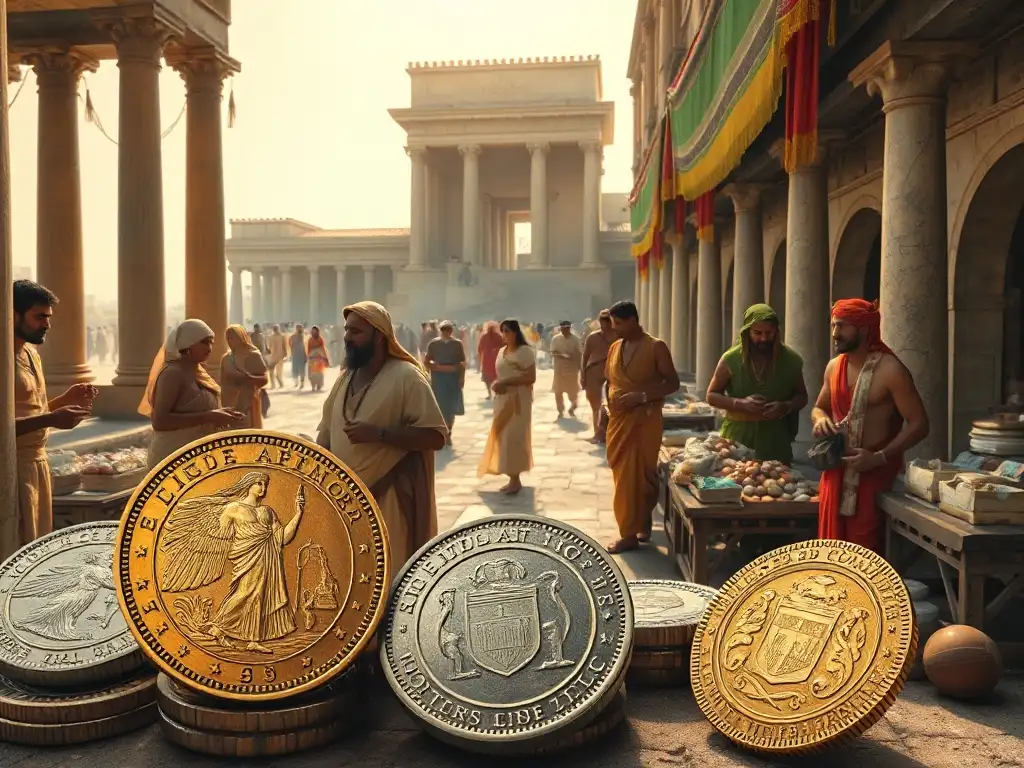
The IndoGreek cultural exchange is often shrouded in myths and misconceptions that can obscure the true nature of interactions between these two ancient civilizations. Understanding these myths and realities is essential for appreciating the depth and complexity of the cultural synthesis that occurred during this period.
Common Misconceptions about IndoGreek Relations
One prevalent misconception is that the IndoGreek interactions were limited solely to military conquests and political alliances. While it is true that the IndoGreeks, under rulers such as Menander I, established control over parts of northwestern India, their influence extended far beyond mere territorial expansion. Many believe that these interactions were one-sided, with Greek culture imposing itself on Indian traditions. In reality, the exchange was reciprocal; both cultures influenced each other in significant ways, leading to a rich amalgamation of ideas, art, and practices.
Another myth is that the IndoGreeks were a homogeneous group, with a singular cultural identity. However, the IndoGreek realm was incredibly diverse, comprising various ethnicities, languages, and religions. This diversity fostered a unique environment where different cultural elements could coexist and blend, contributing to the vibrant tapestry of IndoGreek heritage.
Clarifying the Reality of Cultural Integration
The truth about IndoGreek cultural exchange reveals a dynamic interplay of influences. Evidence from archaeological findings, such as coins, sculptures, and inscriptions, illustrates that the IndoGreeks adopted and adapted local traditions while also introducing Hellenistic elements. For instance, the depiction of deities on coins reflects both Greek and Indian iconography, indicating a syncretism that was prevalent during this period.
Moreover, the spread of Buddhism during the IndoGreek era showcases another layer of cultural integration. Menander I, in particular, is remembered for his patronage of Buddhism, as described in the Milinda Panha, a Buddhist text that recounts his dialogues with the monk Nagasena. This dialogue not only highlights the philosophical exchanges that took place but also illustrates the mutual respect and curiosity that defined IndoGreek relations.
Conclusion: The Lasting Legacy of IndoGreek Coinage
The IndoGreek coinage serves as a powerful symbol of the cultural synthesis that occurred between these two civilizations. The coins, featuring a blend of Greek and Indian motifs, reflect the intricate network of trade, ideas, and beliefs that characterized IndoGreek interactions.
Summary of IndoGreek Cultural Exchange History
The IndoGreek cultural exchange was marked by a complex interplay of military, economic, and philosophical interactions. The IndoGreeks not only contributed to the spread of Hellenistic culture in India but also embraced Indian philosophies and artistic styles. This mutual exchange facilitated a flourishing of culture that enriched both societies, leaving an indelible mark on their histories.
The Influence of IndoGreek Coinage on Subsequent Civilizations
The influence of IndoGreek coinage extended beyond its immediate context, impacting subsequent civilizations in profound ways. The techniques of coin minting and the artistic styles introduced by the IndoGreeks were adopted by later Indian empires, such as the Kushans and the Gupta Empire. These coins not only served as a medium of exchange but also as vehicles for cultural expression, showcasing the continued legacy of the IndoGreek synthesis.
As a result, the IndoGreek coinage stands as a testament to the enduring impact of cultural exchange, paving the way for future interactions between diverse civilizations and contributing to the rich history of ancient India.
References for Further Reading on IndoGreek Cultural Exchange History
Delving deeper into the IndoGreek cultural exchange reveals a rich tapestry of interactions that shaped ancient societies. For those interested in exploring this fascinating subject further, a variety of resources are available.
Suggested Books and Articles
-
"The Indo-Greek World" by Nicholas Sims-Williams
This comprehensive study examines the socio-political and cultural dynamics of the Indo-Greek kingdoms, highlighting the significant influences that emerged from their interactions.
-
"Coins, Culture and Connectivity: The Indo-Greeks and Beyond" by Andrew Burnett
This book explores the role of coinage as a medium of exchange in the IndoGreek realm, linking economic practices to broader cultural and social exchanges.
-
"Greek Coins in the Indian Subcontinent" by P. V. P. Sastri
Sastri’s work provides an in-depth analysis of Greek coinage found in India, offering insights into the economic interactions and cultural integration between these civilizations.
-
"Ancient Indian History and Culture" by R. C. Majumdar
This classic text offers a broad overview of Indian history, including the period of IndoGreek interactions, and discusses the lasting impacts on Indian culture.
-
"Cultural Synthesis in the Indian Subcontinent" by R. N. Sharma
Sharma’s work focuses on the various influences that shaped Indian culture during the period of IndoGreek rule, emphasizing the blend of artistic and philosophical ideas.
Online Resources for Exploring IndoGreek Coinage
-
The British Museum - IndoGreek Coins Collection
The British Museum hosts a digital collection of IndoGreek coins, providing images, descriptions, and contextual information that illustrate the significance of these artifacts.
-
Harvard Art Museums - The Indo-Greek Coinage
This resource offers an online exhibition of IndoGreek coins, detailing their historical context and significance in the cultural exchange between India and Greece.
-
Cultural Heritage Online - IndoGreek Exchange
This platform presents various scholarly articles and papers discussing the broader aspects of IndoGreek cultural exchange, including art, philosophy, and trade.
-
The American Numismatic Society - IndoGreek Coinage
The society’s website features a wealth of information on IndoGreek coins, including research articles and databases that can aid in understanding their historical context.
-
Academia.edu - Research Papers on IndoGreek Relations
An excellent repository for academic papers, this site contains numerous studies on IndoGreek relations, allowing users to explore various facets of cultural exchange through scholarly work.
These resources serve as a valuable foundation for anyone looking to understand the intricate layers of IndoGreek cultural exchange history, particularly through the lens of coinage and its broader implications.
- Introduction to IndoGreek Cultural Exchange History
- Overview of IndoGreek Relations
- Significance of IndoGreek Coinage in Cultural Synthesis
- Historical Context of IndoGreek Coinage
- Features of IndoGreek Coinage
- The Role of IndoGreek Coinage in Trade and Economy
- IndoGreek Cultural Exchange and Its Impact on Art and Religion
- Case Studies of Notable IndoGreek Coins
- Myths and Realities of IndoGreek Cultural Exchange
- Conclusion: The Lasting Legacy of IndoGreek Coinage
- References for Further Reading on IndoGreek Cultural Exchange History
- What is the significance of IndoGreek coinage in ancient history?
- How did the IndoGreek cultural exchange impact Indian society?
- What were the primary features of IndoGreek coins?
- Can you explain the historical context of the IndoGreek cultural exchange?
- How does the IndoGreek exchange relate to the Gupta Empire?
Frequently Asked Questions
What is the significance of IndoGreek coinage in ancient history?
IndoGreek coinage represents economic and cultural exchanges between Indian and Greek civilizations, showcasing artistic influences and the blending of styles.
How did the IndoGreek cultural exchange impact Indian society?
The IndoGreek cultural exchange introduced new art forms, religious ideas, and trade practices, enriching the diverse tapestry of Indian society and influencing local customs.
What were the primary features of IndoGreek coins?
IndoGreek coins often featured Greek inscriptions and Indian motifs, reflecting a fusion of artistic styles that symbolize the cross-cultural interactions of the time.
Can you explain the historical context of the IndoGreek cultural exchange?
The IndoGreek cultural exchange flourished during the Hellenistic period, particularly after Alexander the Great's campaigns, which opened pathways for trade, migration, and cultural interactions.
How does the IndoGreek exchange relate to the Gupta Empire?
The cultural synthesis initiated by the IndoGreeks laid the groundwork for later developments under the Gupta Empire, where art, literature, and science further evolved, benefiting from earlier cross-cultural influences.
Final Reflection: The Enduring Legacy of Indo-Greek Cultural Synthesis
The Indo-Greek coinage stands as a powerful testament to the profound cultural exchange that shaped the ancient world. In today's globalized society, where borders are increasingly blurred, the lessons from this historical synthesis remind us of the importance of embracing diversity and fostering connections across cultures. The intricate designs and inscriptions on these coins are not merely artifacts; they symbolize a rich tapestry of interactions that continue to resonate in our contemporary discourse on multiculturalism.
The impact of Indo-Greek cultural exchange is evident in various aspects of our modern lives, from art and philosophy to trade and diplomacy. This historical narrative encourages us to reflect on our own cultural identities and the ways in which they are influenced by the world around us. As we navigate an era marked by both division and collaboration, it is essential to recognize that our shared histories can pave the way for a more inclusive future. Cultural exchange is not just about sharing; it is about understanding and integrating the essence of one another.
As we conclude this exploration of Indo-Greek coinage and its significance, I invite you to reflect on your own experiences with cultural exchange. Consider how the lessons learned from this rich history can inspire you to engage with diverse perspectives in your daily life. Let us strive to build bridges rather than walls, fostering a spirit of curiosity and appreciation for the myriad cultures that enrich our world. Embrace the opportunity to learn from one another, for in doing so, we not only honor the past but also shape a brighter, more harmonious future.
Unveil the Richness of IndoGreek Heritage!
Thank you for diving into the fascinating world of IndoGreek coinage and the extraordinary cultural synthesis it represents! Your curiosity about this unique intersection of influences has not only enriched your knowledge but also opened the door to deeper insights into ancient history.
Now, it’s time to take that inspiration further! Here are some engaging actions you can explore:
- Start your own collection! Research and find replicas or authentic IndoGreek coins to appreciate this historical treasure in your own home.
- Join an online forum focused on ancient coins and share your thoughts. Connect with fellow enthusiasts who are eager to discuss the beauty and significance of IndoGreek artifacts.
- Visit a museum that showcases IndoGreek coins and artifacts. This will allow you to experience their history firsthand. Alternatively, consider organizing a local history discussion group to delve deeper into the topic.
What aspect of IndoGreek coinage sparks your interest the most, and how do you plan to explore it further?