
The Role of Women in the Cultural Exchange Between India and Greece

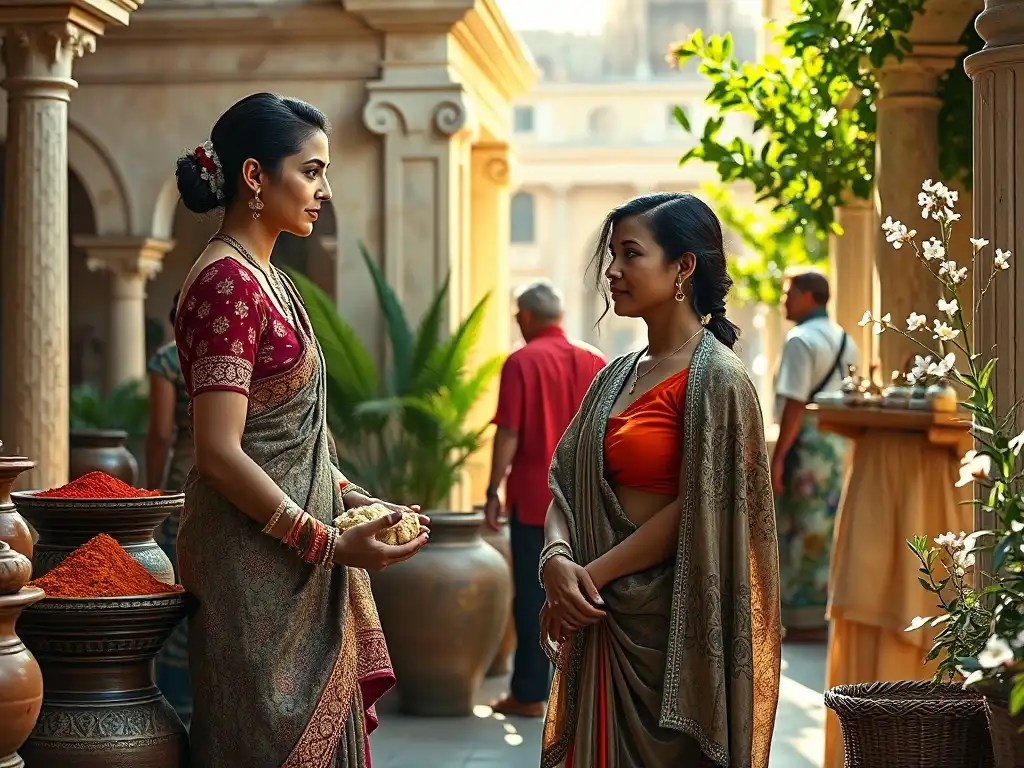
Welcome to Ancient India History, where we embark on an intriguing journey through the rich tapestry of India's past, exploring its diverse cultures and monumental contributions. Today, we delve into a fascinating intersection of civilizations as we uncover the role of women in the cultural exchange between India and Greece. How did these remarkable women influence the dynamics of two great cultures? Join us as we peel back the layers of history and unveil the stories that shaped this unique interaction. Prepare to be captivated and inspired—your exploration begins here!
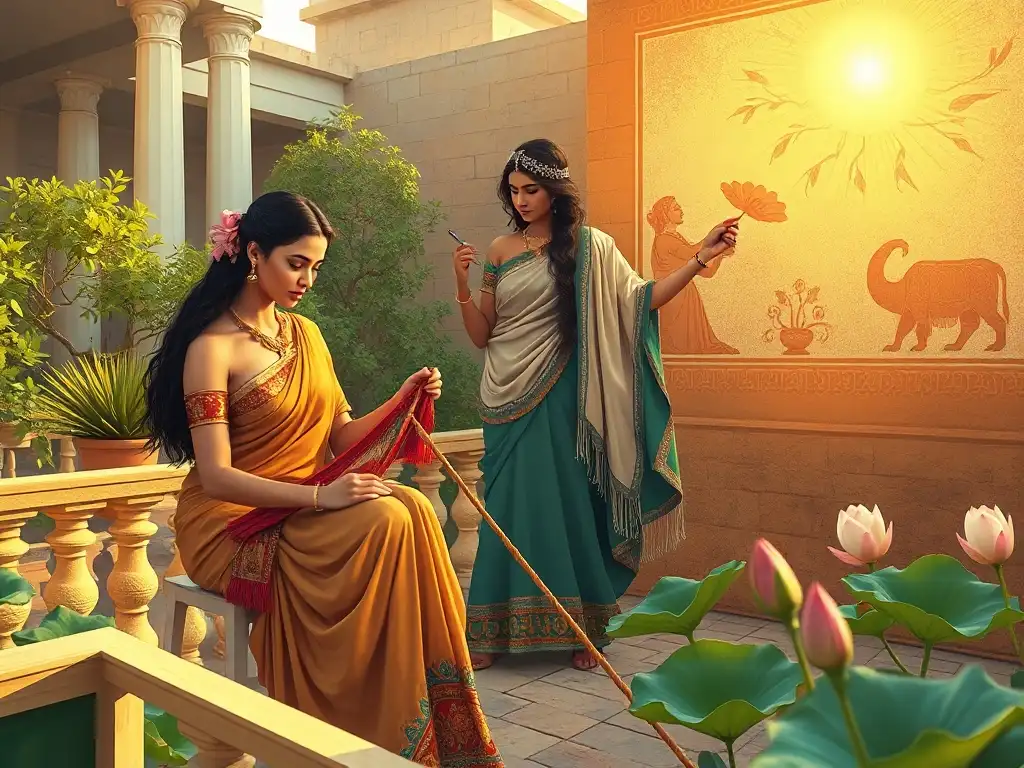
Introduction to Women in Indian Greek Culture
The exchange of ideas, traditions, and cultural practices between ancient India and Greece is a fascinating subject that offers insights into the complexities of human interaction. Central to this cultural dialogue were the women who played pivotal roles in shaping and mediating relationships between these two great civilizations. Despite often being overlooked in historical narratives, women were instrumental in fostering connections through marriage, diplomacy, and the sharing of knowledge. This article delves into the significant contributions of women in Indian Greek culture, exploring their influence in the broader context of cultural exchange.
Overview of Cultural Exchange
Cultural exchange between India and Greece dates back to as early as the 6th century BCE, driven by trade, exploration, and conquest. The interactions between these civilizations were not merely transactional; they involved a rich tapestry of shared philosophies, art, and customs. Women were often the unsung agents of this exchange, facilitating connections that transcended borders and cultural divides.
Some key aspects of this cultural exchange included:
- Marriage Alliances: Strategic marriages between Indian and Greek nobility helped to solidify political ties.
- Philosophical Interactions: Women scholars and philosophers contributed to the discourse of ideas, particularly in regions like Gandhara.
- Art and Literature: The influence of Greek styles in Indian art and vice versa can be traced through the works produced during this period.
Importance of Women in Historical Context
Understanding the role of women in Indian Greek culture is crucial not only for acknowledging their contributions but also for recognizing the broader societal structures in which they operated. Women were often seen as custodians of cultural heritage, ensuring the preservation and transmission of traditions. Their roles varied significantly across different strata of society, influencing everything from domestic life to political landscapes.
- Cultural Custodians: Women played a vital role in maintaining and passing down cultural practices and values.
- Political Influencers: Through their familial connections, women could wield significant soft power, influencing decisions made by male counterparts.
- Intellectual Contributors: Women in scholarly circles contributed to philosophy, mathematics, and the arts, enriching the cultural fabric of both civilizations.
Historical Background of Indian-Greek Relations
Early Interactions Between India and Greece
The earliest recorded interactions between India and Greece can be traced back to the time of Alexander the Great's campaigns in the 4th century BCE. His conquests opened up new avenues for cultural and intellectual exchanges, setting the stage for a complex interplay of ideas and practices. The establishment of Hellenistic kingdoms in the region further facilitated this exchange, creating a melting pot of Greek and Indian cultures.
Influence of Trade Routes on Cultural Exchange
Trade routes, such as the Silk Road and maritime pathways, served as conduits for cultural, commercial, and intellectual exchanges. These routes not only enabled the movement of goods but also the flow of people, including women who would travel for trade or marriage. The interactions along these routes contributed significantly to the blending of artistic styles, religious practices, and philosophical ideas.
Key factors included:
- Merchants and Diplomats: Women often accompanied traders and diplomats, acting as cultural ambassadors.
- Cultural Syncretism: The blending of Greek and Indian religious practices can be seen in art and architecture from the period.
- Literary Exchange: Texts and narratives exchanged between cultures often featured prominent female figures, highlighting their roles in society.
Key Historical Figures in Indian-Greek Relations
Several women stand out in the historical narratives of Indian-Greek relations. Their stories reveal the dynamic roles women played in diplomacy, culture, and society.
Some notable figures include:
- Roxana: The wife of Alexander the Great, whose marriage symbolized the union of Greek and Indian cultures.
- Nysa: A character in Indian literature, often associated with the blending of Greek and Indian thought.
- Philosophers and Scholars: Women like Hipparchia, who engaged in philosophical debates, influencing both Greek and Indian thought.
Through these narratives, we gain a richer understanding of how women contributed to the cultural exchange between India and Greece, shaping the legacies of both civilizations.
Women in Indian Society During the Greek Era
During the Greek era, which coincided with the spread of Hellenistic influence after Alexander the Great's campaigns in the 4th century BCE, women in Indian society experienced varied roles and statuses depending on their social and regional context. Indian women were integral to familial and societal structures, engaging in domestic duties, agricultural work, and artisanal crafts. The cultural exchanges that occurred during this period facilitated the exchange of ideas, beliefs, and practices, which also influenced women's roles.
Social Status of Women in Ancient India
The social status of women in ancient India was complex and multifaceted. While some texts, like the Manusmriti, prescribed restrictive roles for women, others highlighted their rights and privileges. Women's status varied significantly across different regions and communities:
- Marriage and Family: Women were often seen as the custodians of family honor and engaged in arranged marriages that aimed to strengthen familial ties. Marriage was considered a vital institution, and women were expected to uphold dharma (moral duty) within their roles.
- Education: While education for women was limited compared to men, some women from higher strata, particularly in urban areas, had access to education and could participate in scholarly pursuits.
- Property Rights: Women could inherit property in some contexts, especially in certain communities where matrilineal succession was practiced, allowing them a degree of financial independence.
Contributions of Women to Cultural Practices
Women played a crucial role in preserving and transmitting cultural practices during the Greek era. Their contributions included:
- Art and Craft: Women engaged in textile production, pottery, and other crafts that were essential to local economies. Their work often reflected cultural motifs and themes that were influenced by Greek art, leading to a blend of styles.
- Religious Roles: Women participated in religious rituals, serving as priestesses and caretakers of temples. Their involvement in spiritual practices helped maintain and propagate religious traditions.
- Literature and Oral Traditions: Women contributed to the oral transmission of stories, myths, and traditions, preserving cultural heritage through generations. Some women even composed poetry and prose, contributing to the literary landscape.
Notable Women Figures in Ancient Indian History
Several women from ancient India left their mark on history, contributing to cultural exchange and societal development:
- Gargi Vachaknavi: An esteemed philosopher and scholar from the Vedic period, she was known for her intellect and contributions to philosophical discourse.
- Chandramukhi: A legendary figure who was said to have influenced political decisions and cultural practices during the late Mauryan period.
- Vasavadatta: A character from the ancient play "Malavikagnimitram," she represents women's agency in literature and drama, showcasing their intellectual contributions.
Women in Greek Society and Their Influence
Women in ancient Greek society had a distinct yet influential role, characterized by their limited public presence but significant contributions within the private sphere. Their interactions with Indian women during cultural exchanges led to a mutual exchange of ideas and practices.
Role of Women in Ancient Greek Culture
In ancient Greece, women were primarily associated with the home and family, yet they played critical roles in various cultural aspects:
- Domestic Sphere: Women managed households, which included overseeing slaves, maintaining the home, and raising children. Their roles were essential for the stability and functioning of society.
- Religious Participation: Women actively participated in religious festivals and rituals, such as the Thesmophoria, honoring deities like Demeter and Persephone. Their involvement was pivotal in maintaining religious traditions.
- Intellectual Contributions: Although women were often excluded from formal education, some educated women engaged in philosophical and artistic endeavors, influencing cultural dialogues.
Prominent Women in Greek History
Several notable women in Greek history exemplified the influence and agency of women in their society:
- Sappho: A poet from the island of Lesbos, Sappho is celebrated for her lyrical poetry that explored themes of love and personal reflection, significantly impacting Western literature.
- Aspasia: A highly educated woman from Miletus, she was known for her intellectual influence on prominent figures like Pericles and contributed to philosophical discussions in Athens.
- Artemisia I of Caria: A naval commander who fought for Xerxes in the Battle of Salamis, she is remembered for her leadership and military acumen.
Comparison of Female Roles in India and Greece
The roles of women in ancient India and Greece showcased both similarities and differences shaped by cultural, social, and economic factors:
- Public vs. Private Sphere: While Greek women were largely confined to the private sphere, Indian women, especially in certain regions, had more public roles, including participation in religious and cultural practices.
- Education and Intellectual Pursuits: Education for women was more accessible in some Indian contexts compared to Greece, where it was generally limited. However, prominent women in both cultures made significant intellectual contributions.
- Religious Influence: Both societies recognized the importance of women in religious roles, with women in Greece participating actively in rituals, while Indian women often served as priestesses and caretakers of sacred traditions.
This comparison illustrates the nuanced roles women played within their respective societies, contributing richly to the cultural exchanges between India and Greece.
The Impact of Women on Cultural Exchange
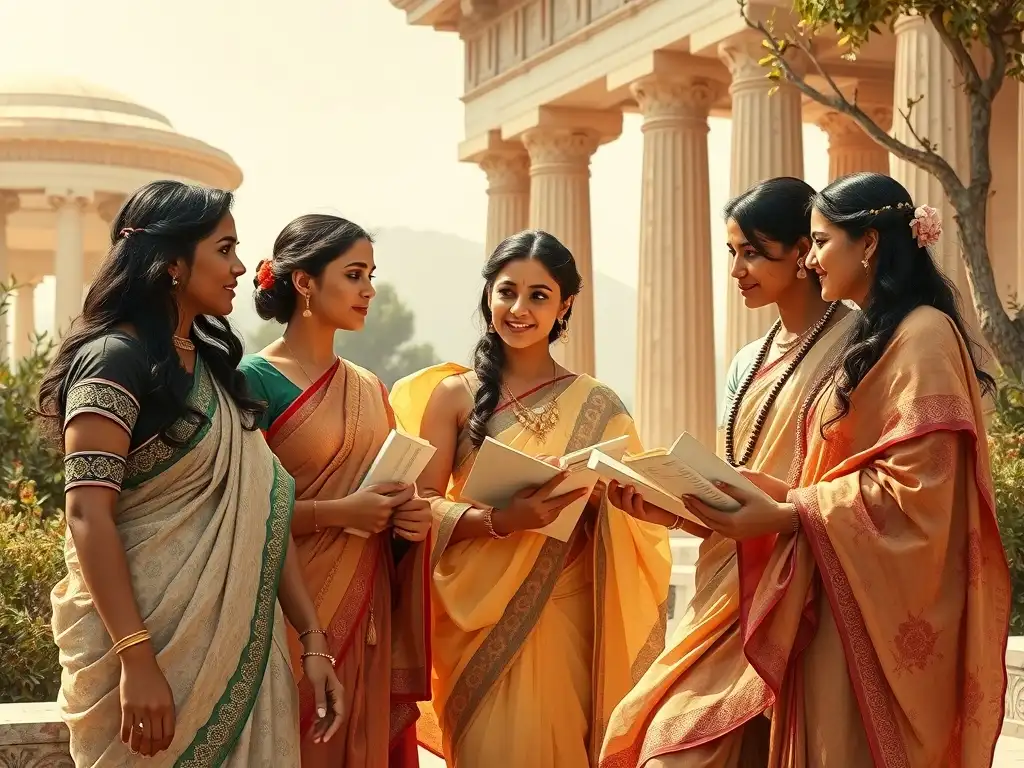
The role of women in the cultural exchange between India and Greece was profound and multifaceted, influencing various domains such as art, literature, and social structures. Women served as crucial intermediaries, facilitating dialogue and interaction between these two ancient civilizations. Their contributions often went unrecognized, yet they were instrumental in shaping cultural narratives and fostering mutual understanding.
Women participated in religious and educational exchanges, which were vital in promoting philosophical ideas and artistic expressions. Additionally, their roles in domestic spheres often allowed them to become informal educators, passing down knowledge and traditions that blended elements from both cultures. This dynamic interaction not only enriched the societies involved but also contributed to the evolution of their respective identities.
Women as Cultural Ambassadors
Women acted as cultural ambassadors, bridging the gap between Indian and Greek societies through their roles in diplomacy and marriage. Marriages between Indian royal families and Greek rulers were not merely political strategies but also avenues for cultural amalgamation. Women, often educated in both cultures, became vital conduits for sharing knowledge, customs, and traditions.
For instance, the daughters of Indian kings were sometimes married to Greek generals or rulers, creating familial ties that facilitated trade, art, and philosophical exchange. These women often retained their cultural identity while also adopting aspects of their husbands' cultures, exemplifying a blend of traditions that enriched both sides. Their influence extended to the arts, religion, and even the sciences, as they introduced new ideas and practices into their households and communities.
Marriage and Alliances: A Bridge Between Cultures
Marriage served as a significant bridge between Indian and Greek cultures, with women at the heart of these alliances. The unions were often strategic, aimed at solidifying political ties and ensuring peace between warring factions. These marriages allowed for the exchange of cultural practices, beliefs, and artistic influences.
The children of these unions grew up in a hybrid cultural environment, fostering a unique blend of Indian and Greek traditions. This cultural exchange not only enriched the personal lives of those involved but also had broader social implications, as new customs and practices emerged from these interactions. Women played a pivotal role in nurturing this cultural fusion, influencing everything from culinary traditions to religious practices.
Artistic Contributions by Women in Indian and Greek Contexts
Women made significant artistic contributions that reflected the cultural exchanges between India and Greece. In both societies, women were involved in various forms of artistic expression, including poetry, dance, and visual arts. Their work often integrated elements from both cultures, resulting in innovative and hybrid art forms.
In the Indian context, women participated in classical dance forms that incorporated Greek motifs and themes, while Greek women contributed to literature that drew inspiration from Indian narratives. Artifacts from this period often showcase stylistic influences from both regions, highlighting the collaborative efforts of women artists. Their contributions not only enhanced the artistic landscape but also served as a testament to the rich cultural dialogue that existed between these two civilizations.
Case Studies of Notable Women in Indian-Greek Relations
Chandragupta Maurya's Wife and Her Influence
Chandragupta Maurya's wife, often referred to as Durdhara, played a significant role in the cultural exchange between India and the Hellenistic world. As the wife of the first Mauryan emperor, she was pivotal in establishing alliances with Greek rulers. Durdhara's influence extended beyond her immediate family; she was known to have promoted the exchange of ideas and customs between her court and the Greek emissaries.
Her role exemplifies how women in positions of power could both maintain their cultural identity and facilitate the integration of new ideas from external cultures. The legacy of her contributions can be seen in the continued interactions between Indian and Greek societies, which were enriched by the alliances formed during her time.
Hypatia of Alexandria and Her Contributions
Hypatia of Alexandria, a prominent philosopher and mathematician, symbolizes the intellectual exchange between Greek and Indian cultures. Although she lived in a predominantly Greek context, her teachings and writings reflect a synthesis of various philosophical traditions, including influences from Indian thought.
Hypatia’s engagement with mathematics and philosophy encouraged cross-cultural dialogue, inviting Indian scholars to participate in discussions that transcended geographical boundaries. Her legacy illustrates how women could shape intellectual landscapes, promoting a richer understanding of diverse philosophical ideas.
Joint Contributions of Women to Art and Literature
The collaboration of women from both Indian and Greek backgrounds resulted in significant contributions to art and literature. These joint efforts exemplified the cultural synergy that arose from their interactions. Women writers, poets, and artists often drew from both traditions, creating works that resonated with audiences in both cultures.
For example, poetry that merged Indian spiritual themes with Greek narrative styles became prominent during periods of cultural exchange. Women artists created visual works that incorporated elements from both cultures, showcasing the beauty of their shared heritage. This collaborative spirit not only enriched the artistic expressions of the time but also laid the groundwork for future generations to explore the interconnectedness of Indian and Greek cultures.
Myths and Realities of Women in Indian Greek Culture
The cultural exchange between India and Greece has fostered diverse narratives about women's roles throughout history. Many myths and misconceptions have emerged, often overshadowing the actual contributions and status of women in these civilizations. As we delve into the intricacies of this cross-cultural interaction, it becomes essential to differentiate between entrenched stereotypes and the realities that defined women's lives in ancient India and Greece.
Women in both societies played multifaceted roles, often dictated by the prevailing social structures, religious beliefs, and political landscapes. In ancient Greece, women were primarily associated with the home, yet there were notable exceptions, particularly in city-states like Sparta, where women enjoyed greater autonomy and responsibilities. In contrast, Indian women, particularly in the context of the Vedic period and beyond, had varied roles that included participation in religious rituals, education, and even governance in certain instances. Understanding these nuances helps dismantle the oversimplified views of women solely as passive figures in historical narratives.
Common Misconceptions about Women’s Roles
One prevalent misconception is that women in both Indian and Greek cultures were universally relegated to domestic spheres, devoid of any influence or agency. While it is true that many women faced social restrictions, there were significant exceptions. For instance, women in ancient Indian society, particularly during the Vedic period, were often well-educated and could participate in philosophical discourses, as evidenced by texts like the Rigveda that mention female sages.
In Greece, while Athenian women had limited public lives, those in other city-states, such as Sparta, were notable for their roles in managing estates and participating in physical training. Moreover, figures like Aspasia of Miletus, who was known for her intellectual prowess and influence on Athenian politics, challenge the notion that women lacked political agency.
Clarifying the Contributions of Women in History
Women in Indian-Greek cultural exchanges significantly contributed to the arts, philosophy, and social structures. For example, the Hellenistic period saw the emergence of women philosophers and poets, such as Hypatia of Alexandria, who influenced both Greek and Indian thought. Similarly, Indian women engaged in various cultural practices, from literature to performing arts, that enriched the interactions between the two civilizations.
Furthermore, cross-cultural marriages and alliances facilitated the exchange of ideas and practices. Women often acted as conduits of cultural transmission, bridging gaps between diverse communities. Their roles in these exchanges underscore the importance of acknowledging their contributions as integral to the historical narrative rather than viewing them through a lens of marginalization.
Conclusion: The Lasting Legacy of Women in Indian-Greek Cultural Exchange
The cultural exchange between India and Greece has left an indelible mark on both civilizations, significantly shaped by the roles women played in this dynamic interaction. Their contributions, often overlooked, are vital to understanding the complexities of these societies and how they influenced each other.
Reflection on the Role of Women in Shaping History
Reflecting on the role of women in shaping history reveals a tapestry of resilience, creativity, and influence. Women were not merely passive observers but active participants in the socio-political and cultural spheres of their time. Their stories, as scholars continue to uncover, illustrate the diverse experiences of women across different cultures and epochs, enriching our understanding of historical narratives.
Future Research Directions on Women in Indian Greek Culture
Future research directions should focus on uncovering more specific case studies that highlight women's roles in cultural exchanges between India and Greece. Areas such as literature, art, and trade can provide insights into the nuanced experiences of women. Additionally, interdisciplinary approaches that incorporate archaeology, anthropology, and gender studies will be essential in painting a fuller picture of women's contributions to Indian-Greek relations. By continuing to explore these themes, scholars can help ensure that the legacy of women in Indian Greek culture is recognized and celebrated in the historical narrative.
- Introduction to Women in Indian Greek Culture
- Historical Background of Indian-Greek Relations
- Women in Indian Society During the Greek Era
- Women in Greek Society and Their Influence
- The Impact of Women on Cultural Exchange
- Case Studies of Notable Women in Indian-Greek Relations
- Myths and Realities of Women in Indian Greek Culture
- Conclusion: The Lasting Legacy of Women in Indian-Greek Cultural Exchange
- What was the significance of women in Indian Greek culture?
- How did the status of women differ between ancient India and Greece?
- What contributions did women make to the cultural exchange?
- Were there any notable women in this cultural exchange?
- How does the role of women in this exchange impact modern understanding?
Frequently Asked Questions
What was the significance of women in Indian Greek culture?
Women played a crucial role in the cultural exchange between India and Greece, influencing art, literature, and social norms through their participation in various socio-cultural interactions.
How did the status of women differ between ancient India and Greece?
While both societies had patriarchal structures, women in ancient India often enjoyed more freedom and rights compared to their Greek counterparts, who were more restricted in public life.
What contributions did women make to the cultural exchange?
Women were instrumental in educating future generations, facilitating trade, and sharing traditions and customs, which helped shape a unique blend of Indian and Greek cultures.
Were there any notable women in this cultural exchange?
Yes, figures such as Cleopatra and Indian princesses who married Greek rulers exemplified the interconnectedness of the two cultures, becoming symbols of diplomacy and cultural integration.
How does the role of women in this exchange impact modern understanding?
The involvement of women in the cultural exchange highlights their significance in history, challenging traditional narratives and emphasizing the importance of gender roles in shaping civilizations.
Final Reflection: The Enduring Legacy of Women in Indian Greek Culture
The exploration of the role of women in the cultural exchange between India and Greece underscores a vital truth: women have always been the unsung architects of cultural dialogue and transformation. As we navigate the complexities of our globalized world today, understanding the historical contributions of women in shaping cultural narratives becomes increasingly relevant. Their stories are not merely relics of the past; they are powerful reminders of the strength and resilience that continue to influence societies across continents.
The impact of women in Indian Greek culture is profound and ongoing, as their contributions have woven a rich tapestry of shared traditions and ideas that transcend borders. The narratives of women who bridged these two ancient civilizations serve as a testament to the power of collaboration and mutual respect. Women are the real architects of society.
This quote resonates deeply as we reflect on how these women not only participated in cultural exchanges but also shaped them, leaving an indelible mark on both Indian and Greek heritage.
As we conclude this exploration, I invite you to reflect on the lessons learned from the remarkable women who have influenced cultural exchanges throughout history. Consider how you can embody their spirit of collaboration and creativity in your own life. Whether through fostering connections across cultures, advocating for equality, or simply sharing stories that celebrate diverse perspectives, each of us has the power to contribute to the ongoing dialogue of humanity. Let us honor the legacy of these women by actively participating in the cultural exchanges of our time, ensuring their voices continue to resonate in the future.
Celebrate Cultural Connections: Take Action Today!
Thank you for diving into the fascinating interplay of women in the cultural exchange between India and Greece! You've just uncovered the invaluable contributions that shaped our shared histories. Now, it’s time to turn that knowledge into action and further explore these rich narratives.
Here are a few steps you can take today:
- Engage with the Past: Visit local museums or galleries showcasing artifacts from India and Greece to gain deeper insights into this cultural relationship.
- Join the Conversation: Share this article with friends and family to spark discussions about the powerful role women have played across different cultures.
- Explore Further: Read biographies or watch documentaries about influential women from both cultures to understand their legacies and contributions beyond this exchange.
How do you think the stories of these remarkable women can inspire modern cultural dialogues today?