
The Impact of IndoGreek Relations on Subsequent Civilizations

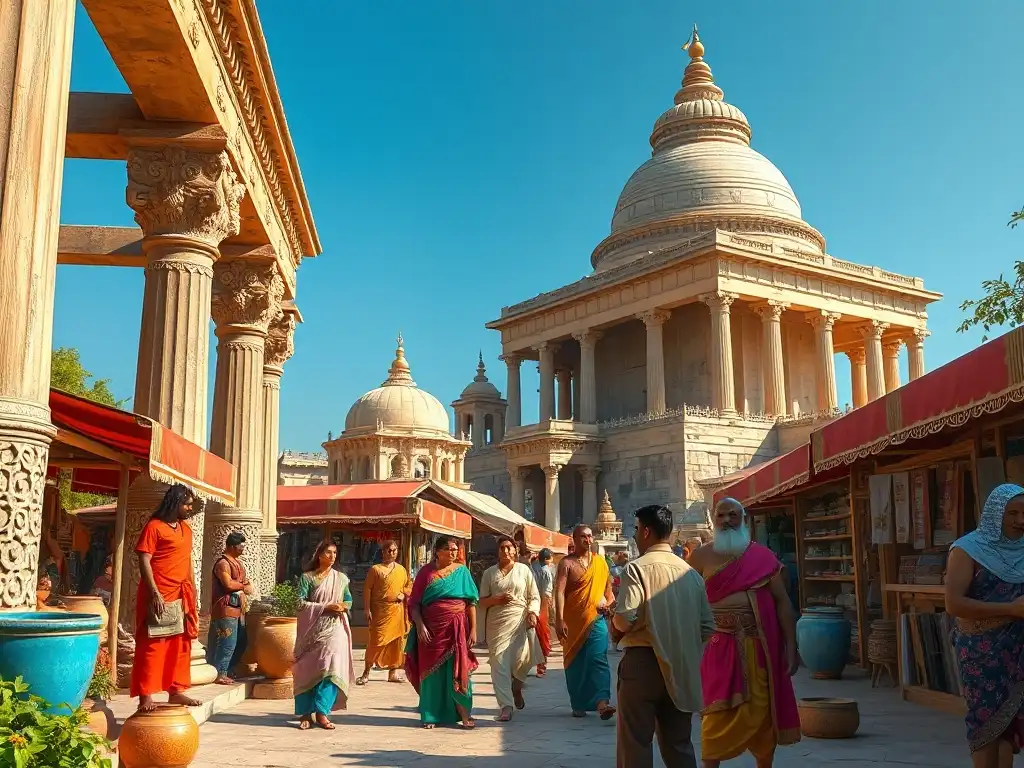
Welcome to Ancient India History, where we dive deep into the rich tapestry of India's past! In our featured article, The Impact of IndoGreek Relations on Subsequent Civilizations, we explore how the fascinating interplay between the Indo-Greek kingdoms not only shaped cultural exchanges but also left a lasting legacy on the civilizations that followed.
What were the profound influences of these ancient alliances, and how did they transform the landscape of culture and society? Join us on this journey to uncover the intricate connections that have defined history, and let your curiosity lead you further into the captivating world of ancient Indian civilizations!
- Introduction to IndoGreek Relations
- The Historical Background of IndoGreek Relations
- Cultural Exchange and Its Impact on Civilizations
- Economic Impact of IndoGreek Relations
- Political Implications of IndoGreek Relations
- The Legacy of IndoGreek Relations on Subsequent Civilizations
- Conclusion
-
Frequently Asked Questions
- What were the main features of Indo-Greek relations?
- How did Indo-Greek interactions influence Indian art and architecture?
- What role did Indo-Greek rulers play in shaping Indian history?
- How did Indo-Greek trade impact economic systems in ancient India?
- In what ways did Indo-Greek relations contribute to the cultural diversity of ancient India?
- Final Reflection: The Enduring Legacy of Indo-Greek Relations
- Unveil the Rich Legacy of Indo-Greek Relations Today!
Introduction to IndoGreek Relations
The history of IndoGreek relations is a fascinating chapter that illustrates the complexities of cultural exchange and interaction between two ancient civilizations. Spanning from the 4th century BCE to the 1st century CE, this period witnessed significant social, political, and economic exchanges that left an indelible mark on the cultures of both India and Greece.
The interactions were not merely transactional; they fostered a rich tapestry of shared ideas, artistic expressions, and intellectual advancements. Understanding the impact of IndoGreek relations on civilizations enables us to appreciate how these connections influenced not only the immediate regions involved but also set the stage for later developments in art, philosophy, and governance.
Overview of IndoGreek Relations in Historical Context
IndoGreek relations emerged following the conquests of Alexander the Great, whose forays into India opened a conduit for Greek culture to interweave with Indian traditions. The subsequent establishment of the IndoGreek Kingdom, particularly under the reign of kings like Menander I, facilitated further interactions. The IndoGreek rulers established cities such as Taxila and pushed for Hellenistic influences to permeate the local cultures.
Key points to consider include:
- Political Alliances: The formation of political ties between Greek rulers and Indian dynasties.
- Cultural Exchange: The blending of Greek and Indian art forms, philosophies, and religious practices.
- Trade Routes: The importance of trade networks that connected the Mediterranean with the Indian subcontinent, enhancing economic interactions.
This period of interaction was marked by a dual exchange of ideas, where Greek philosophy and art influenced Indian thought, and Indian spiritual traditions found their way into Hellenistic culture.
Significance of IndoGreek Relations in Ancient Civilizations
The significance of IndoGreek relations extends beyond mere historical encounters; it significantly shaped the cultural and intellectual landscape of the ancient world. The fusion of Greek and Indian elements led to the emergence of new artistic styles and philosophical schools, profoundly impacting later civilizations.
- Art and Architecture: The IndoGreeks are credited with the development of the Gandhara art style, which features intricate sculptures and reliefs that reflect a blend of Hellenistic and Indian motifs.
- Philosophical Thought: The cross-pollination of ideas contributed to the evolution of Buddhist thought, as Greek philosophical concepts found resonance in Indian spiritual practices.
- Scientific Advancements: The exchange of knowledge in fields such as astronomy and mathematics, where Greek techniques were adapted and expanded upon by Indian scholars.
The impact of IndoGreek relations on civilizations is multifaceted, influencing regions far beyond their immediate geographical confines and laying the groundwork for future cultural developments. Through this exploration, we can appreciate the rich legacy of these ancient interactions, which continue to resonate in modern scholarship and cultural studies.
The Historical Background of IndoGreek Relations
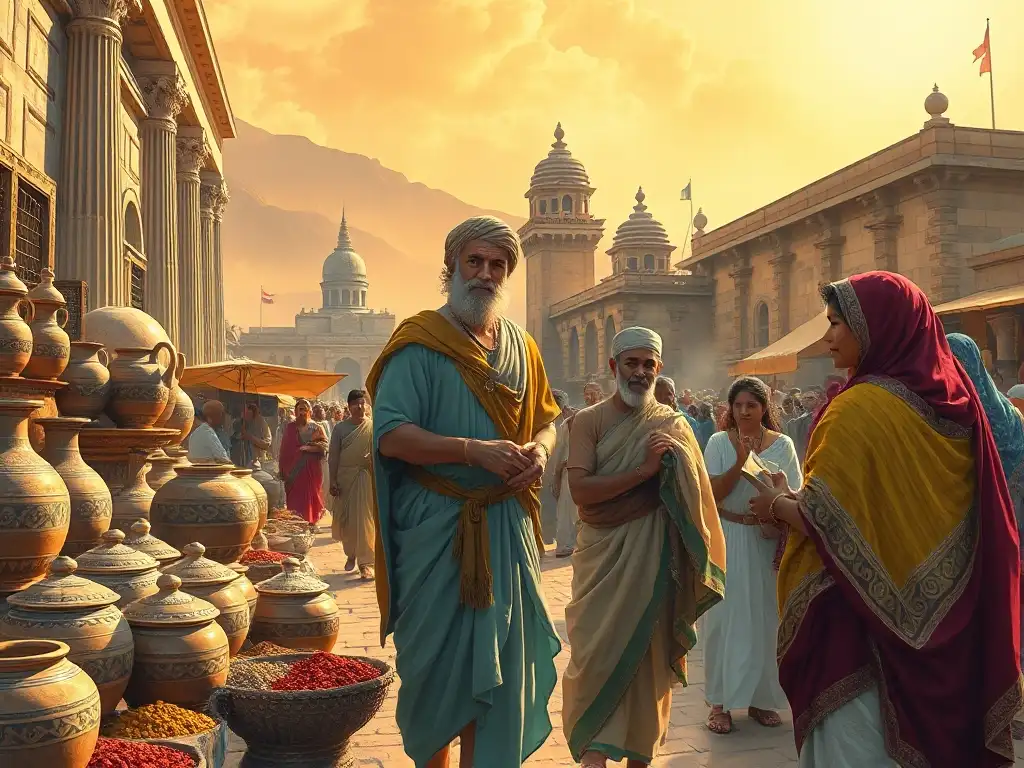
The IndoGreek relations date back to the period following the conquests of Alexander the Great in the 4th century BCE. His campaigns opened up direct contact between the Indian subcontinent and the Hellenistic world, paving the way for a complex interplay of cultures, philosophies, and trade that would significantly influence subsequent civilizations.
Early Interactions between India and Greece
The earliest interactions between India and Greece can be traced to the arrival of Greek mercenaries and traders in the Indian subcontinent during Alexander’s invasion. Following his campaigns, several key factors facilitated these interactions:
- Cultural Exchange: The blending of Greek and Indian cultures led to significant advancements in art, philosophy, and science. For instance, the introduction of Greek artistic techniques influenced Indian sculpture, particularly in the Gandhara region, where Greco-Buddhist art emerged.
- Trade Relations: The establishment of trade routes, such as the Silk Road, allowed for not only the exchange of goods but also ideas. Greek merchants brought with them new technologies and concepts, which were absorbed into Indian society.
- Philosophical Dialogues: The encounter between Indian and Greek philosophers fostered discussions about ethics, governance, and metaphysics. Notably, the ideas of Stoicism found resonance in Indian thought, leading to a rich dialogue between the two philosophies.
These early interactions laid the groundwork for a long-standing relationship characterized by mutual influence and adaptation.
Major Historical Events Influencing IndoGreek Relations
Several key historical events played a crucial role in shaping IndoGreek relations, impacting civilizations in both regions:
- The Conquests of Alexander the Great (326 BCE): Alexander's invasion of India marked the first significant military interaction between the two cultures. His campaigns established short-lived Greek rule in parts of northwest India, such as Punjab, and set the stage for subsequent IndoGreek kingdoms.
- The Establishment of the IndoGreek Kingdoms (2nd Century BCE): Following Alexander's death, his successors established several IndoGreek kingdoms, notably under rulers like Menander I (Milinda). These kingdoms facilitated the fusion of Hellenistic and Indian cultures and led to extensive cultural and artistic developments.
- The Spread of Buddhism: The IndoGreek kings were notable patrons of Buddhism, promoting its spread across the region. Menander, for instance, is famously depicted in Buddhist texts as a dialoguer with Buddhist monks, highlighting the ideological exchanges that occurred.
- The Silk Road Development: The establishment and expansion of trade routes such as the Silk Road during this period further solidified IndoGreek relations. Merchants and travelers exchanged not only goods but also cultural practices, beliefs, and technologies, significantly impacting both civilizations.
- Fall of the IndoGreek Kingdoms (1st Century BCE): The decline of IndoGreek power due to the rise of the Kushan Empire led to a shift in cultural dynamics. However, the legacy of IndoGreek interactions continued to influence subsequent empires, including the Mauryan and Gupta empires, which absorbed and transformed many aspects of Hellenistic culture.
These historical events underscore the profound impact of IndoGreek relations on the development of civilizations, contributing to a rich tapestry of cultural interchange that resonated through the ages.
Cultural Exchange and Its Impact on Civilizations
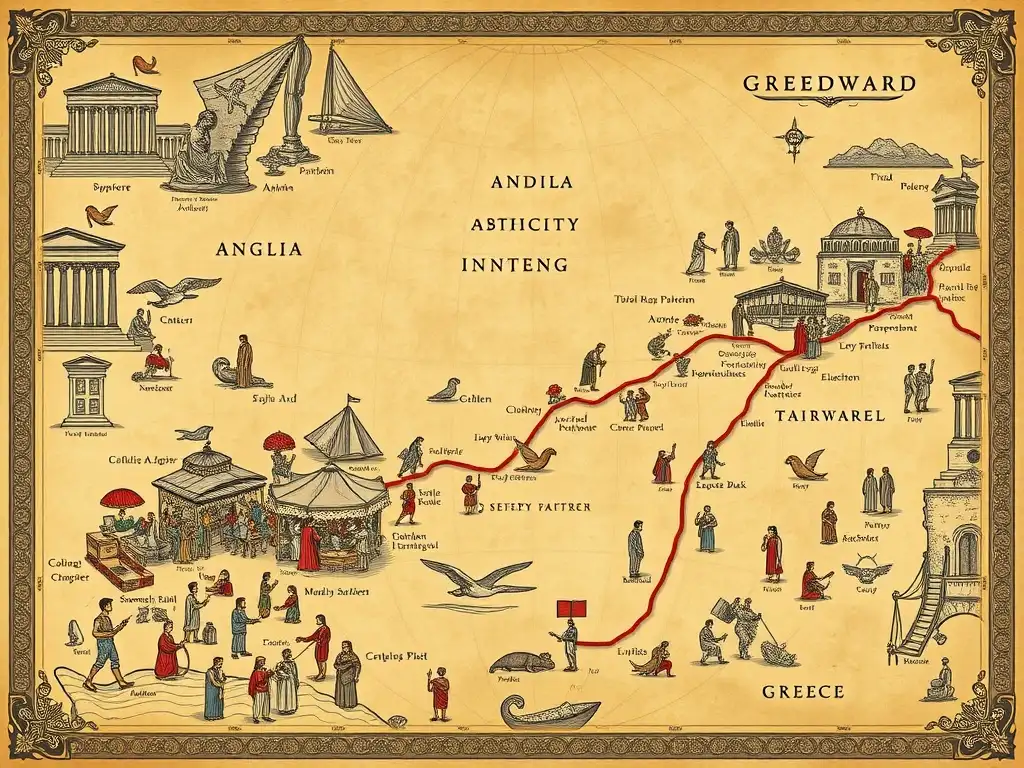
The interactions between Indian and Greek civilizations during the Indo-Greek period fostered a dynamic cultural exchange that significantly impacted both societies. This exchange not only influenced art, architecture, language, literature, and religion but also laid the groundwork for future civilizations in the region. The IndoGreek relations impact on civilizations can be seen in various facets, enriching the cultural tapestry of ancient India and contributing to its historical legacy.
Art and Architecture: IndoGreek Fusion
The artistic expressions of the Indo-Greek era exemplify the fusion of Indian and Greek styles, leading to the emergence of unique forms of art and architecture. This period saw the introduction of Hellenistic artistic techniques into Indian sculpture, particularly in the Gandhara region, which is modern-day Pakistan.
- Sculptural Techniques:
- The use of realistic human figures and intricate drapery became prominent.
- Greek artists introduced the use of perspective, creating a three-dimensional effect in sculptures.
- Architectural Innovations:
- The construction of stupas and monasteries incorporated Greek elements, such as Corinthian columns and arches.
- The famous stupa at Sanchi and the rock-cut architecture of the caves at Ajanta and Ellora reflect this IndoGreek architectural synthesis.
This fusion not only enhanced the aesthetic appeal of Indian art but also influenced subsequent architectural styles in the region, proving foundational for later developments.
Language and Literature: Greek Influence on Indian Texts
The IndoGreek relations significantly impacted language and literature, which served as mediums for cultural exchange and intellectual growth. The interaction led to the incorporation of Greek literary elements into Indian texts, enriching the literary tradition.
- Bilingualism and Language Development:
- The presence of Greek rulers in India resulted in the use of Greek alongside local languages, fostering bilingualism.
- This exchange led to the emergence of a hybrid linguistic culture, evident in inscriptions and coins.
- Literary Influences:
- Greek epics and philosophical texts influenced Indian literature. The narrative techniques found in Greek tragedies can be traced in later Indian dramas.
- The Mahabharata and Ramayana exhibit stylistic similarities with Greek narratives, suggesting a cross-cultural literary influence.
This blending of languages and literary forms not only enriched Indian literature but also laid the foundation for future literary endeavors, enhancing the intellectual landscape of the region.
The philosophical dialogues and religious exchanges between the Greeks and Indians during this period also left a lasting impact on both civilizations. The IndoGreek interaction facilitated the cross-pollination of ideas, contributing to the evolution of thought in the region.
- Philosophical Exchanges:
- Greek philosophers such as Pyrrho visited India and were influenced by Indian philosophical schools like Buddhism and Jainism.
- The emphasis on ethics and metaphysics in both cultures led to a synthesis of ideas, enriching both traditions.
- Religious Syncretism:
- The fusion of Greek and Indian religious practices can be observed in the representation of deities.
- The introduction of Greco-Buddhist art saw Greek gods being depicted alongside Buddhist figures, showcasing a blend of religious iconography.
This exchange of ideas not only influenced the development of philosophical thought but also set the stage for future religious dialogues, underscoring the significance of IndoGreek relations impact on civilizations.
The cultural exchange during the IndoGreek period had profound implications for art, literature, and philosophy in ancient India, shaping the trajectory of its civilization. The legacy of these interactions continues to resonate, reflecting the enduring influence of cross-cultural exchanges in human history.
Economic Impact of IndoGreek Relations
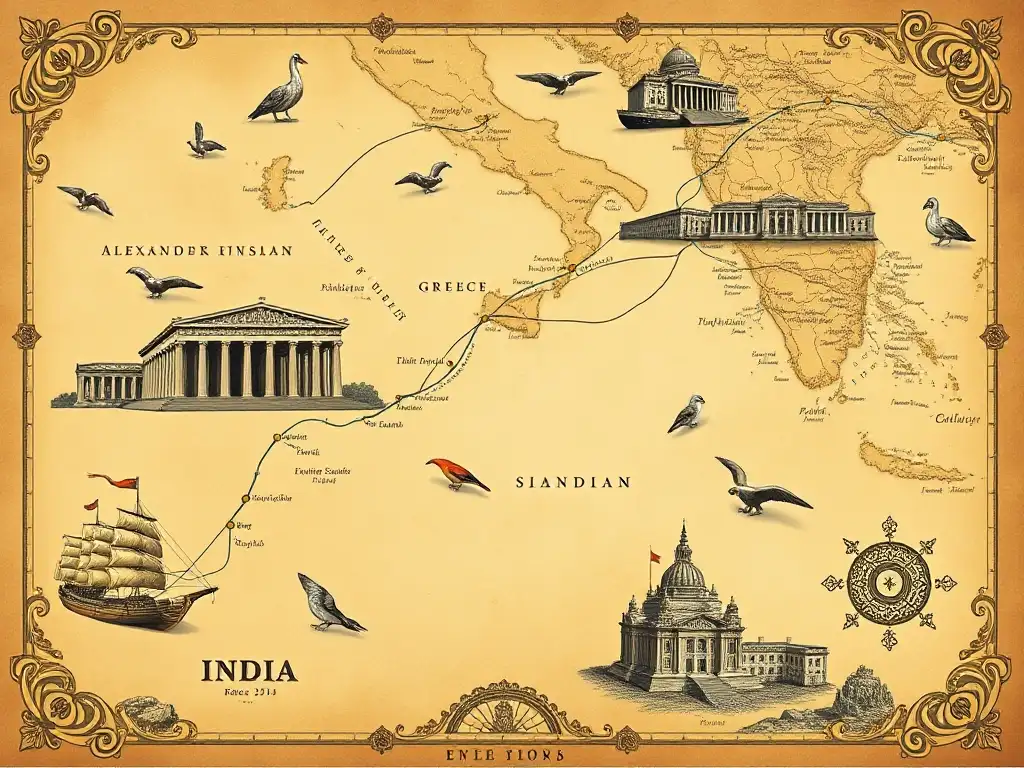
The IndoGreek relations, particularly during the reign of the Greco-Bactrian kings and their successors, significantly influenced the economic landscape of ancient India. These interactions paved the way for robust trade networks, the exchange of goods, and the introduction of new agricultural practices, which collectively transformed the economies of the regions involved.
Trade Routes and Economic Exchanges
The establishment of IndoGreek relations led to the development of extensive trade routes that facilitated commerce between India, Greece, and other regions. The following points illustrate the significance of these trade networks:
- Silk Road Connection: The IndoGreek kingdoms served as a crucial link along the Silk Road, a network that connected the East and West. This connection allowed for the exchange of luxury goods such as silk, precious stones, and spices, enriching both civilizations economically.
- Maritime Trade: The Greeks were instrumental in expanding maritime trade. They utilized their naval expertise to enhance sea routes, particularly through the Arabian Sea. Cities like Bharukaccha (modern-day Bharuch) became bustling trade ports, where goods were exchanged, and cultural interactions flourished.
- Currency and Commercial Practices: The introduction of Greek coinage into the Indian economy revolutionized trade practices. Coins featuring Greek inscriptions not only facilitated easier transactions but also encouraged the standardization of trade. This economic innovation played a critical role in the urbanization of Indian cities and the growth of merchant classes.
- Cultural Exchange through Trade: The trade routes established by IndoGreek relations were not solely for economic gain; they also promoted cultural exchange. Artisans and traders exchanged knowledge about crafts, techniques, and technologies, leading to a fusion of Greek and Indian artistic styles, which can be seen in the Gandhara art movement.
| Aspect | IndoGreek Contributions |
|---|---|
| Trade Routes | Established connections via Silk Road and maritime routes |
| Goods Exchanged | Silk, spices, precious stones, textiles |
| Currency | Introduction of Greek coinage, promoting trade standardization |
| Cultural Exchange | Fusion of artistic styles and technologies through trade |
Influence on Agricultural Practices and Techniques
The IndoGreek interactions also had a profound impact on agricultural practices in ancient India, fostering innovation and efficiency in farming techniques. Key aspects of this influence include:
- Introduction of New Crops: The Greeks brought with them various agricultural knowledge, including the cultivation of crops that were previously unknown in India. The introduction of crops such as grapes, olives, and certain varieties of wheat expanded the agricultural diversity of the region.
- Irrigation Techniques: Greek agricultural practices highlighted advanced irrigation techniques, which were adopted by Indian farmers. The use of canals and water management strategies improved crop yields and supported larger agricultural communities.
- Scientific Approach to Agriculture: The interaction with Greek scholars and agriculturalists led to a more scientific approach to farming. This included systematic crop rotation and the use of fertilizers, which enhanced soil fertility and productivity.
- Trade in Agricultural Products: The increased production of diverse crops created surplus, which facilitated trade. This not only boosted local economies but also allowed for the export of Indian agricultural products to foreign markets, establishing India as a significant player in the agricultural trade.
The economic impact of IndoGreek relations was multifaceted, influencing trade, currency, and agricultural practices in ancient India. The legacy of these interactions continues to resonate in the historical narrative of Indian civilization, showcasing the profound effects of cross-cultural exchanges on societal development.
Political Implications of IndoGreek Relations
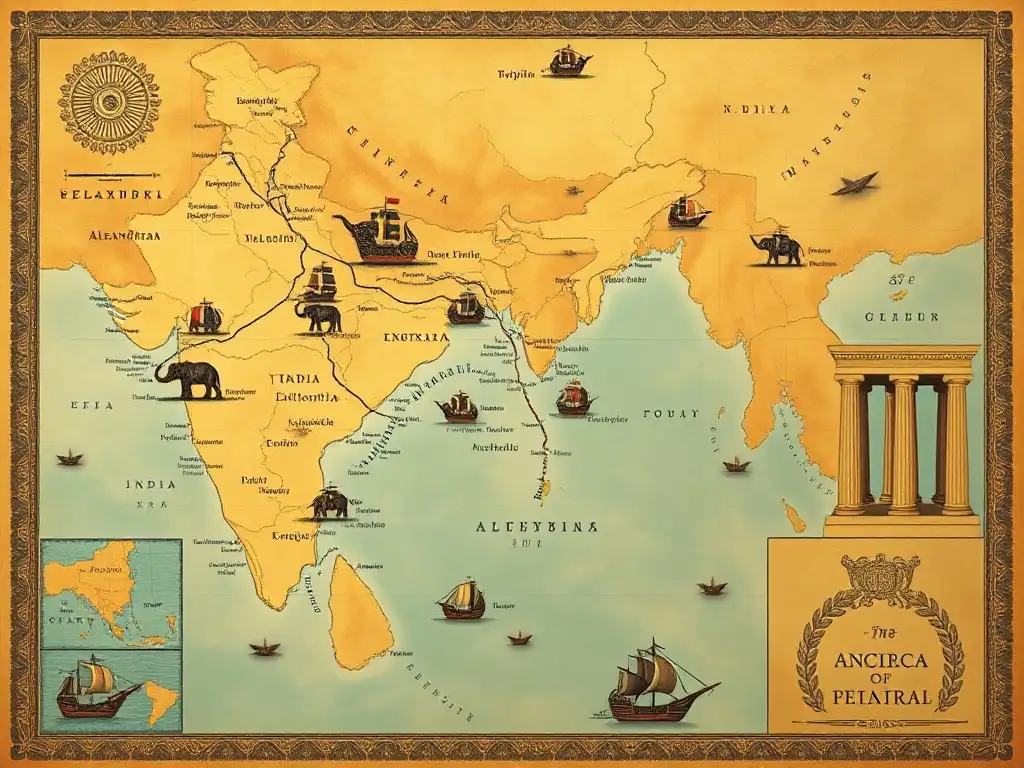
The IndoGreek relations, marked by a unique blend of cultural exchange and political interactions, played a pivotal role in shaping the political landscape of ancient India and its neighboring regions. These relations not only fostered the establishment of new kingdoms but also influenced governance and political structures in ways that would resonate through subsequent civilizations.
Establishment of IndoGreek Kingdoms
The emergence of IndoGreek kingdoms in the wake of Alexander the Great's campaigns significantly transformed the political dynamics of ancient India. Following the fragmentation of the Mauryan Empire, IndoGreek rulers such as Demetrius and Menander I established their reigns across parts of present-day northwestern India and Pakistan.
- Key IndoGreek Kings:
- Demetrius: Known for expanding his territory into India and establishing the Greco-Bactrian Kingdom.
- Menander I (Milinda): Famous for his philosophical dialogues with Buddhist monks, particularly in the "Milinda Panha," which highlights the syncretism of Greek and Indian thought.
The establishment of these kingdoms introduced a new layer of governance that combined Hellenistic and local practices. The IndoGreek rulers often adopted elements of Indian culture while retaining their Greek heritage, leading to a unique political identity that bridged both worlds.
The fusion of Greek and Indian governance styles laid the groundwork for future empires, demonstrating adaptability and innovation in leadership.
Influence on Governance and Political Structures
The IndoGreek influence on governance extended beyond mere territorial control; it catalyzed the evolution of political structures in the region. Several key aspects highlight this influence:
-
Monetary Systems:
The IndoGreeks introduced standardized coinage, which facilitated trade and commerce. This innovation allowed for more organized economic systems, impacting governance models that relied on taxation and trade regulation.
-
Cultural Syncretism:
IndoGreek rulers often encouraged the blending of Hellenistic and Indian cultures, which manifested in art, architecture, and administrative practices. This syncretism was evident in the adoption of Greek styles in Buddhist art, leading to the creation of the Gandhara art style, which became a significant cultural legacy.
-
Political Philosophy:
The philosophical exchanges spurred by IndoGreek interactions led to new political ideas. The dialogues between rulers and Indian philosophers fostered an environment where governance was viewed through both Hellenistic and Indian philosophical lenses, influencing the political discourse of future empires.
-
Regional Alliances:
The IndoGreek kingdoms often formed alliances with local Indian states, which helped to stabilize the region and create a network of cooperative governance. These alliances laid the groundwork for future political entities and empires, such as the Kushan Empire.
The lasting impact of IndoGreek relations on civilizations can thus be seen as a catalyst for political evolution in ancient India, showcasing how cultural interactions can lead to significant governance transformations.
The Legacy of IndoGreek Relations on Subsequent Civilizations
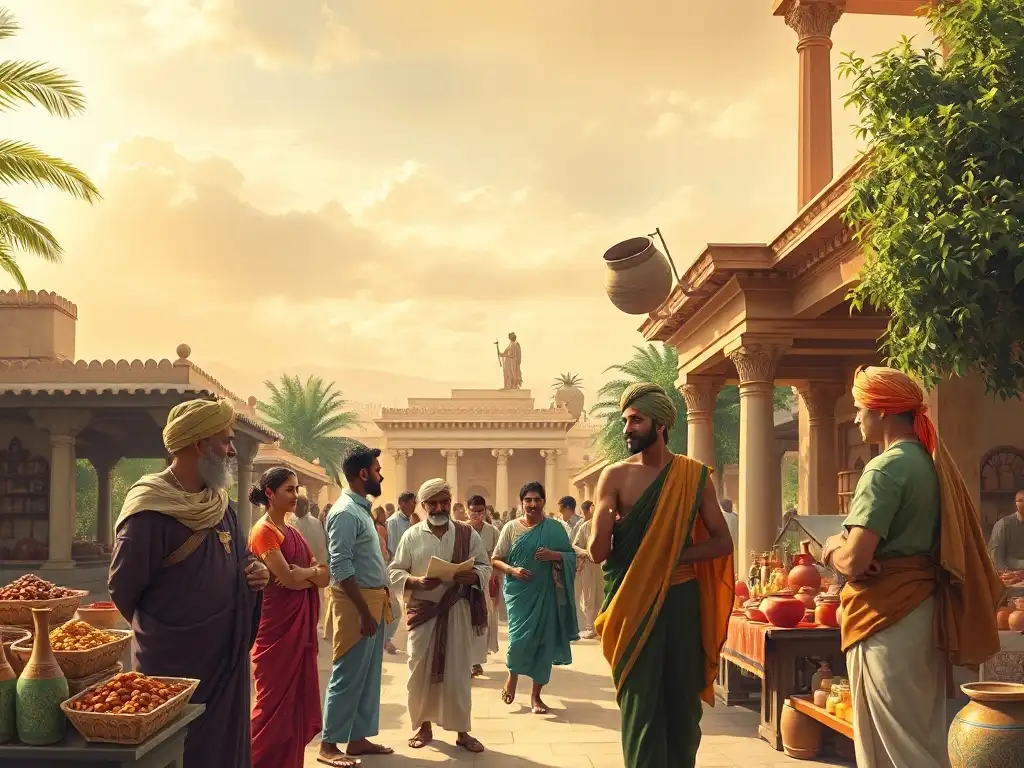
The IndoGreek interactions, which flourished from approximately the 4th century BCE to the 1st century CE, represent a significant historical phenomenon that shaped not only Indian civilization but also had far-reaching effects on neighboring cultures. This legacy can be observed in various aspects, including art, philosophy, trade, and political systems, profoundly influencing subsequent civilizations.
Impact on Later Indian Empires
The IndoGreek relations contributed substantially to the evolution of later Indian empires, particularly through the transmission of cultural and artistic elements. As the IndoGreeks settled in the northwestern regions of India, they brought with them Hellenistic influences that blended with local traditions. This fusion is prominently seen in the Kushan Empire, which emerged in the 1st century CE.
- Artistic Developments: The introduction of Greek artistic techniques led to the development of the Gandhara art style, characterized by its unique portrayal of Buddhist figures. The Greco-Buddhist art produced during this time integrated Greek sculpture's realism with Buddhist iconography, resulting in a distinctive aesthetic that highlighted intricate details and expressions.
- Philosophical Exchange: The IndoGreek period was also marked by the exchange of philosophical ideas. Greek thinkers like Democritus and Epicurus influenced Indian philosophical schools, particularly the Lokayata and Ajivika systems. This cross-pollination of ideas enriched the intellectual landscape of India, promoting a more nuanced understanding of ethics, metaphysics, and the nature of existence.
- Political Structures: The administrative practices of the IndoGreeks set precedents for later Indian empires. The Kushans, for instance, adopted aspects of Greek governance, such as coinage and taxation systems, which facilitated trade and economic stability in their realm. This adaptation helped solidify the political landscape in northern India, promoting unity across diverse regions.
Influence on Neighboring Civilizations
The impact of IndoGreek relations extended beyond the borders of India, influencing neighboring civilizations such as the Persians, Central Asians, and even the Greeks themselves. This cultural diffusion can be categorized into several key areas:
- Cultural Syncretism: The blending of IndoGreek culture fostered a rich tapestry of traditions that resonated throughout Central Asia and into the Hellenistic world. The Bactrian Greeks, who intermixed with local populations, played a crucial role in spreading these syncretic traditions. This cultural exchange influenced art, language, and customs in regions such as Bactria and Sogdiana.
- Trade Networks: The establishment of trade routes, particularly the Silk Road, was significantly bolstered by IndoGreek relations. The Greeks' maritime prowess and the Indian subcontinent's rich resources created lucrative trade opportunities that connected various civilizations. This interaction facilitated the exchange of goods, ideas, and technologies, laying the groundwork for future economic systems.
- Religious Influences: The spread of Buddhism into Hellenistic regions can also be traced back to IndoGreek interactions. As Buddhist missionaries traveled westward, they encountered and influenced Greek thought, leading to the emergence of hybrid spiritual practices that incorporated elements from both traditions. This cross-cultural dialogue helped shape the religious landscape of Central Asia and beyond.
The enduring legacy of IndoGreek relations exemplifies how interconnectedness among civilizations can lead to significant cultural, political, and economic transformations, setting the stage for the development of complex societies in the subsequent centuries.
Conclusion
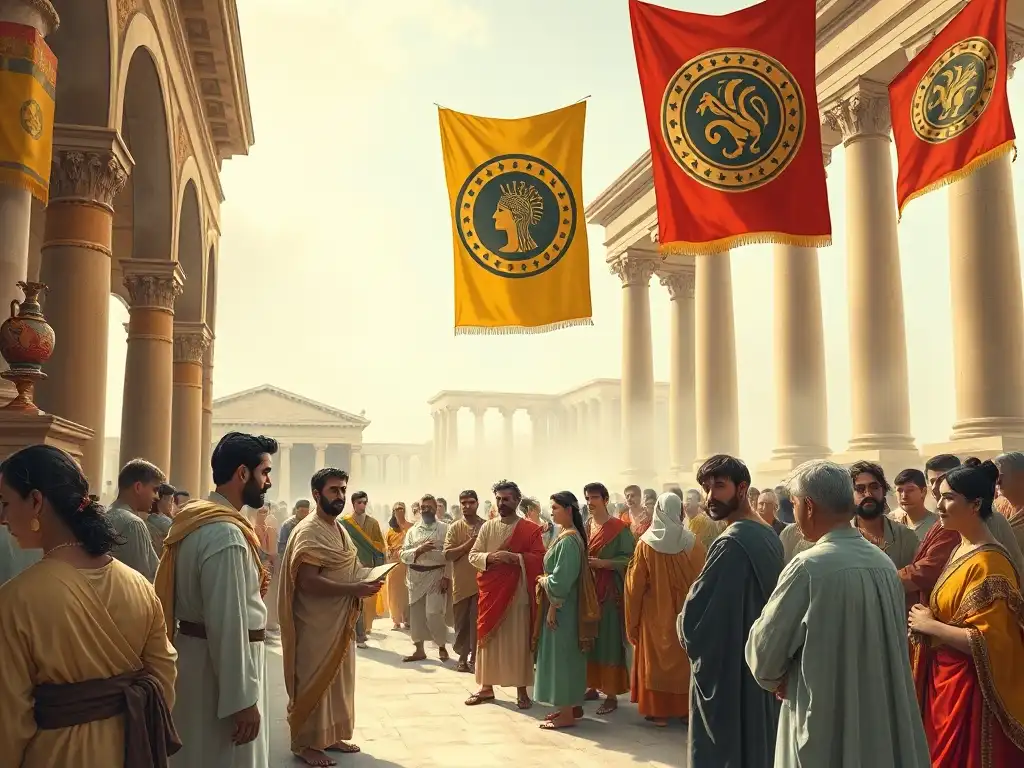
Summary of the IndoGreek Relations Impact on Civilizations
The IndoGreek relations, characterized by a rich exchange of cultural, artistic, and intellectual ideas, significantly influenced subsequent civilizations in the Indian subcontinent and beyond. The interactions initiated during the 4th century BCE, following the campaigns of Alexander the Great and the establishment of the Indo-Greek kingdoms, set the stage for a transformative period in ancient history.
-
Cultural Syncretism
The most profound impact of IndoGreek relations can be seen in the emergence of cultural syncretism. This blending of Greek and Indian traditions resulted in a unique fusion that permeated various aspects of life, including:
- Art and Architecture: The introduction of Hellenistic styles led to the development of the Gandhara school of art, which combined Greek artistic techniques with Buddhist themes. Notable examples include the iconic sculptures of the Buddha that exhibit Greek influences in drapery and facial features.
- Philosophy and Religion: The exchange of ideas fostered discussions on ethics and philosophy, with Greek thinkers influencing Indian schools of thought. The spread of Buddhism into the Hellenistic world also facilitated a cross-pollination of spiritual concepts.
-
Trade and Economy
IndoGreek relations facilitated the establishment of extensive trade networks that connected the Indian subcontinent with the Mediterranean. This led to:
- Economic Prosperity: The influx of Greek coins into India revolutionized local economies, enhancing trade practices and fostering economic growth. The Indo-Greek kingdoms served as vital trade hubs, linking the East and West.
- Cultural Exchanges: Increased trade brought about cultural exchanges that introduced new goods, technologies, and agricultural practices, enriching local economies and lifestyles.
-
Political and Military Influence
The political landscape of ancient India was also shaped by IndoGreek interactions. The establishment of Indo-Greek kingdoms:
- Military Alliances: These kingdoms often formed alliances with local Indian rulers, which influenced regional dynamics and the balance of power.
- Cultural Legacies: The Indo-Greek kings, such as Menander I, are remembered not only for their conquests but also for their patronage of the arts and contributions to cultural dialogues.
The impact of IndoGreek relations on civilizations is multifaceted, laying the groundwork for future interactions that would further enrich Indian history.
Reflection on the Importance of Cultural Interactions in History
Cultural interactions, such as those between the Indo-Greeks, highlight the significance of exchange in shaping civilizations. These interactions reveal how diverse societies can influence one another, leading to advancements in various fields.
- Mutual Enrichment: The blending of cultures fosters mutual enrichment, allowing societies to learn from one another. This is evident in the way IndoGreek relations introduced new artistic techniques and philosophical ideas to India, which were then adapted and localized.
- Global Perspective: Understanding the impact of such interactions broadens our perspective on history. It emphasizes the interconnectedness of civilizations, illustrating how ideas and innovations transcend geographical boundaries.
- Lessons for the Present: The IndoGreek experience serves as a reminder of the value of cultural exchanges in today’s globalized world. By studying these historical interactions, we can appreciate the importance of dialogue, diversity, and collaboration in fostering progress.
The IndoGreek relations not only transformed the civilizations involved but also set a precedent for future cultural interactions, highlighting the enduring impact of cross-cultural exchanges throughout history.
Frequently Asked Questions
What were the main features of Indo-Greek relations?
Indo-Greek relations were characterized by trade, cultural exchange, and political alliances that facilitated the blending of Greek and Indian cultures.
How did Indo-Greek interactions influence Indian art and architecture?
The influence of Indo-Greek interactions led to the emergence of Greco-Buddhist art, which combined Hellenistic elements with Indian themes, enriching the visual arts of the region.
What role did Indo-Greek rulers play in shaping Indian history?
Indo-Greek rulers, such as Menander I, contributed to the political landscape of ancient India and helped in the spread of Buddhism and Hellenistic culture throughout the subcontinent.
How did Indo-Greek trade impact economic systems in ancient India?
Indo-Greek trade established new commercial routes and links between the Mediterranean and Indian markets, significantly enhancing the economic development of the region.
In what ways did Indo-Greek relations contribute to the cultural diversity of ancient India?
Indo-Greek relations fostered a unique cultural syncretism, resulting in the exchange of ideas, philosophies, and practices that enriched the cultural tapestry of ancient Indian civilizations.
Final Reflection: The Enduring Legacy of Indo-Greek Relations
The exploration of Indo-Greek relations reveals a profound interconnectedness that continues to resonate in our contemporary world. As we examine the cultural, artistic, and philosophical exchanges that emerged from this historical interaction, we recognize that the impact of these relations on civilizations is not merely a relic of the past but a living testament to the power of collaboration and mutual influence. In an era where globalization shapes our lives, understanding these ancient ties can inspire us to foster connections that transcend borders.
The legacy of Indo-Greek relations has significantly influenced the cultural and social landscapes of subsequent civilizations, reminding us of the beauty found in diversity and exchange. From the spread of Hellenistic art to the philosophical dialogues that enriched both Eastern and Western thought, the repercussions of these interactions continue to shape our understanding of identity and culture today. In diversity, there is beauty and there is strength.
— Maya Angelou. This quote encapsulates the essence of what Indo-Greek relations taught us: that our differences can be a source of strength and creativity, enriching the tapestry of human civilization.
As we reflect on the lessons drawn from Indo-Greek relations, let us embrace the call to action that this history presents. Consider how you can foster connections in your own life, whether through cultural exchange, dialogue, or collaboration. Each of us has the power to contribute to a world that values diversity and seeks understanding. By recognizing the impact of historical relations on our present, we can actively shape a future that honors the legacies of the past while paving the way for a more interconnected and harmonious world.
Unveil the Rich Legacy of Indo-Greek Relations Today!
Thank you for taking the time to explore the fascinating influence of Indo-Greek relations on subsequent civilizations. You've gained insights into a pivotal chapter of history that shaped cultures and societies. Now, it’s time to take action and dive deeper into this intriguing legacy!
- Explore further by visiting your local library or museum to discover artifacts and texts related to Indo-Greek history. It’s a wonderful way to connect with the past.
- Engage with others who share your interest! Join online forums or social media groups focused on ancient history to discuss the lasting impacts of these interactions.
- Share your newfound knowledge with friends or family. Host an evening gathering where you can delve into what you've learned and exchange ideas.
What aspect of Indo-Greek relations do you find most compelling and why? Let's spark a discussion in the comments!