
Ancient Indian Civilizations: Pioneers of Sustainable Material Science


Welcome to Ancient India History, where we embark on an exhilarating journey through the rich tapestry of ancient civilizations that have shaped the very foundations of our modern world. As you delve into our main article, "Sustainable Practices in Ancient India," prepare to uncover the remarkable innovations and eco-conscious methodologies that flourished from the Indus Valley to the Gupta Empire.
Did you know that these ancient societies were not only pioneers of technology but also champions of sustainability? Join us as we explore how their wisdom can inspire our approach to modern challenges, and ignite your curiosity to learn more about the extraordinary contributions of these civilizations.
Introduction to Sustainable Practices in Ancient India
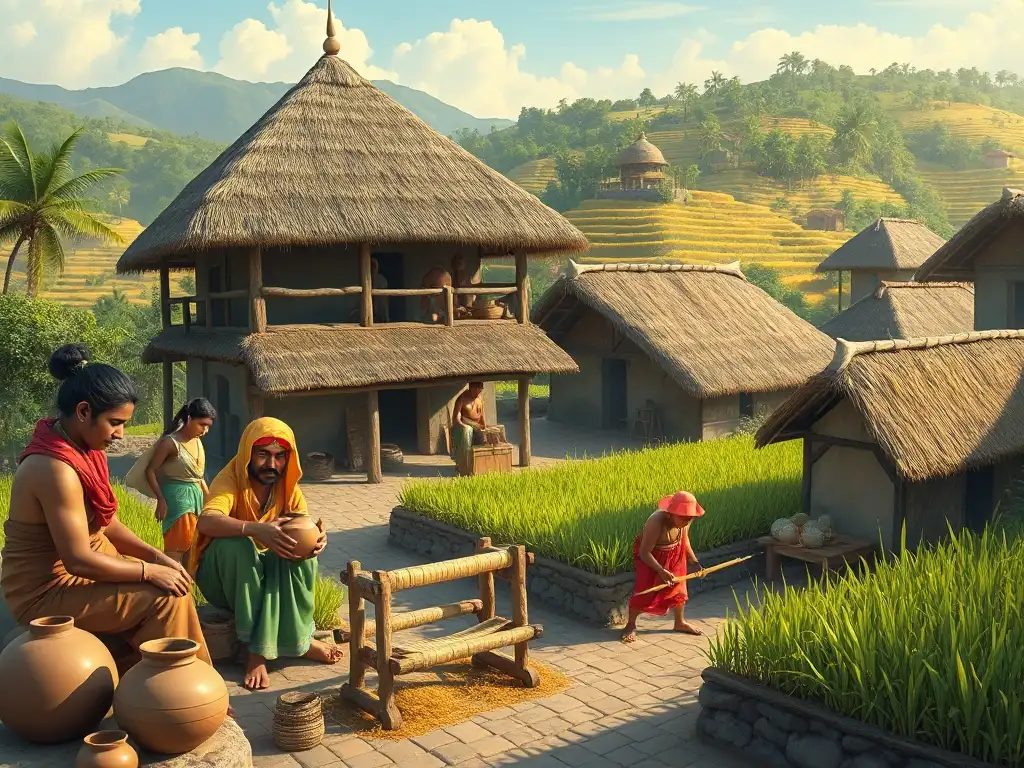
The history of ancient Indian civilizations is not only a rich tapestry of culture and innovation but also a testament to sustainable practices that have emerged over millennia. These early societies, from the flourishing Indus Valley Civilization to the sophisticated Gupta Empire, laid the groundwork for sustainable material science that resonates even today. The concept of sustainability is woven into the very fabric of ancient Indian life, reflecting a profound understanding of the relationship between human needs and environmental stewardship.
In this exploration, we delve into how ancient Indians utilized local resources, developed eco-friendly technologies, and established practices that prioritized environmental balance and resource conservation. By examining these sustainable practices in ancient India, we can glean insights into how these pioneering civilizations approached material science and urban planning, setting benchmarks for sustainability that remain relevant in contemporary discussions.
Overview of Ancient Indian Civilizations
Ancient India was home to a multitude of civilizations, each contributing uniquely to the collective heritage of the region. The most notable among them include:
- Indus Valley Civilization (c. 3300–1300 BCE): Renowned for its advanced urban planning and sophisticated drainage systems, it exemplified sustainable living in a densely populated environment.
- Vedic Period (c. 1500–500 BCE): Marked by the emergence of philosophical thought and agricultural advancements, this era fostered a deep respect for nature as seen in its texts and rituals.
- Maurya and Gupta Empires (c. 321–550 CE): These empires not only expanded territorial boundaries but also encouraged scientific advancements and sustainable agricultural practices.
Each civilization showcased a keen awareness of their surroundings, leading to innovations that harmonized with nature.
Significance of Sustainable Practices in Ancient Cultures
The significance of sustainable practices in ancient cultures cannot be overstated. These practices were not merely a response to environmental challenges but were deeply embedded in the societal and spiritual frameworks of the time. Some key points include:
- Cultural Integration: Sustainability was often interwoven with religious beliefs and customs, promoting a sense of duty towards nature.
- Resource Management: Ancient societies employed strategies for efficient resource management, ensuring that natural resources were not depleted but rather conserved for future generations.
- Innovative Techniques: From agriculture to metallurgy, ancient Indians developed techniques that minimized waste and maximized utility, showcasing an early understanding of ecological balance.
These sustainable practices laid the foundation for future innovations and continue to inspire modern approaches to environmental challenges.
The Indus Valley Civilization: Foundations of Sustainable Material Science
The Indus Valley Civilization stands out as a beacon of sustainable material science, characterized by innovative practices that were both technologically advanced and environmentally conscious.
Urban Planning and Sustainable Architecture
The urban planning of the Indus Valley cities, such as Harappa and Mohenjo-Daro, displayed remarkable foresight and sustainability. Key features included:
- Grid Layouts: Cities were meticulously planned with a grid layout, promoting efficient land use and transportation.
- Drainage Systems: Advanced drainage systems ensured sanitation and water management, reducing the risk of disease and promoting public health.
- Flood Resilience: Buildings were constructed with materials like baked bricks and mud, which provided durability and resilience against flooding.
These elements not only enhanced the quality of life but also demonstrated a profound respect for the environment.
Water Management Techniques
Water management in the Indus Valley was a cornerstone of their sustainable practices, showcasing their ingenuity in harnessing natural resources. Notable techniques included:
- Reservoirs and Tanks: Large reservoirs were built to collect rainwater, ensuring a sustainable supply of water for agriculture and daily use.
- Irrigation Systems: A complex system of canals and wells facilitated irrigation, maximizing agricultural productivity while conserving water.
- Rainwater Harvesting: The use of rainwater harvesting techniques highlighted their understanding of seasonal variations and the importance of water conservation.
These methods not only supported agriculture but also ensured the longevity of the civilization in an era of climate variability.
Eco-friendly Construction Materials
The materials used in construction during the Indus Valley Civilization reflect their commitment to sustainability. Significant aspects include:
- Local Sourcing: Builders used locally sourced materials such as clay, mud, and stone, reducing transportation impacts and promoting resource efficiency.
- Baked Bricks: The production of uniform, baked bricks allowed for durable construction while minimizing waste through standardized processes.
- Natural Insulation: The design of homes facilitated natural cooling and heating, reducing dependence on artificial climate control.
This emphasis on eco-friendly materials not only lessened their ecological footprint but also contributed to the longevity of their structures.
Ancient Indian civilizations, particularly the Indus Valley, provide a compelling case study in sustainable material science. Their innovative practices and profound respect for the environment serve as an inspiration for contemporary society, demonstrating that sustainable living is not a modern concept but a timeless principle rooted in our collective history.
The Vedic Period: Spirituality and Sustainability
The Vedic Period, spanning from approximately 1500 BCE to 500 BCE, marked a significant era in ancient Indian history where spirituality and sustainability intertwined seamlessly. The texts of this period, primarily the Vedas, provided philosophical frameworks that shaped the societal approach towards nature and its resources, emphasizing harmony and respect for the environment.
Philosophical Underpinnings of Sustainability
At the core of Vedic philosophy lies the concept of Dharma, which refers to the moral order of the universe and one’s duty towards it. This ideology fostered a sense of responsibility towards nature, advocating for a lifestyle that prioritized ecological balance. The belief in Ahimsa (non-violence) further reinforced the need to live in harmony with all living beings, promoting sustainable practices as a moral obligation. Rituals and daily practices reflected this philosophy, emphasizing sacredness of nature and the need to treat the earth and its resources with reverence.
Agricultural Practices and Crop Diversity
Agriculture during the Vedic Period was characterized by an understanding of crop rotation and polyculture, which ensured soil fertility and biodiversity. Crops such as barley, rice, and legumes were cultivated, reflecting a sophisticated approach to farming that minimized soil depletion. The ancient texts also mention the significance of seasonal cycles, encouraging farmers to align their practices with nature’s rhythms, thereby promoting sustainable agricultural methods that are still relevant today.
Use of Natural Resources in Daily Life
The Vedic civilization demonstrated a profound respect for natural resources, utilizing them in a sustainable manner. Water conservation techniques, such as rainwater harvesting and the construction of wells, were prevalent to ensure a steady supply of water. Additionally, the use of natural materials like wood, clay, and stone was common in daily life, emphasizing a minimalistic approach that minimized waste and environmental impact. This holistic view of resource utilization laid the groundwork for sustainable living practices that persisted through generations.
The Maurya Empire: Advancements in Material Science
The Maurya Empire (322 BCE – 185 BCE) was a pivotal period in ancient Indian history, marked by notable advancements in material science and a conscious effort towards sustainability. Under the reign of notable figures such as Chandragupta Maurya and Ashoka, the empire not only flourished economically but also adopted practices that reflected a commitment to environmental stewardship.
Innovations in Metallurgy
The Mauryan era saw significant developments in metallurgy, particularly with the production of high-quality iron, known for its durability and resistance to rust. The famous Iron Pillar of Delhi, which dates back to this period, exemplifies the advanced techniques employed by Mauryan metallurgists. These innovations were not only remarkable in terms of engineering but also reflected sustainable practices, as the methods used minimized waste and maximized resource efficiency, setting a benchmark for future generations.
Sustainable Agriculture and Trade Practices
Agriculture during the Maurya Empire was characterized by systematic irrigation systems and the introduction of intensive farming techniques. The Mauryan state promoted sustainable agriculture through the establishment of a network of granaries and storage facilities, ensuring food security while preventing over-exploitation of land. Trade practices were also aligned with sustainability, as the empire engaged in the exchange of goods that adhered to environmental considerations, fostering a sense of ecological responsibility in commerce.
Environmental Stewardship in Governance
Emperor Ashoka, known for his profound commitment to Dharma, integrated environmental stewardship into the governance of the Maurya Empire. His edicts, inscribed on pillars and rocks, advocated for the protection of forests, wildlife, and natural resources. Ashoka's policies encouraged the sustainable use of resources, reflecting an early understanding of the need for balance between development and ecological preservation. This governance model serves as a historical example of how leadership can play a crucial role in promoting sustainable practices within a civilization.
The Gupta Empire: A Golden Age of Sustainable Techniques
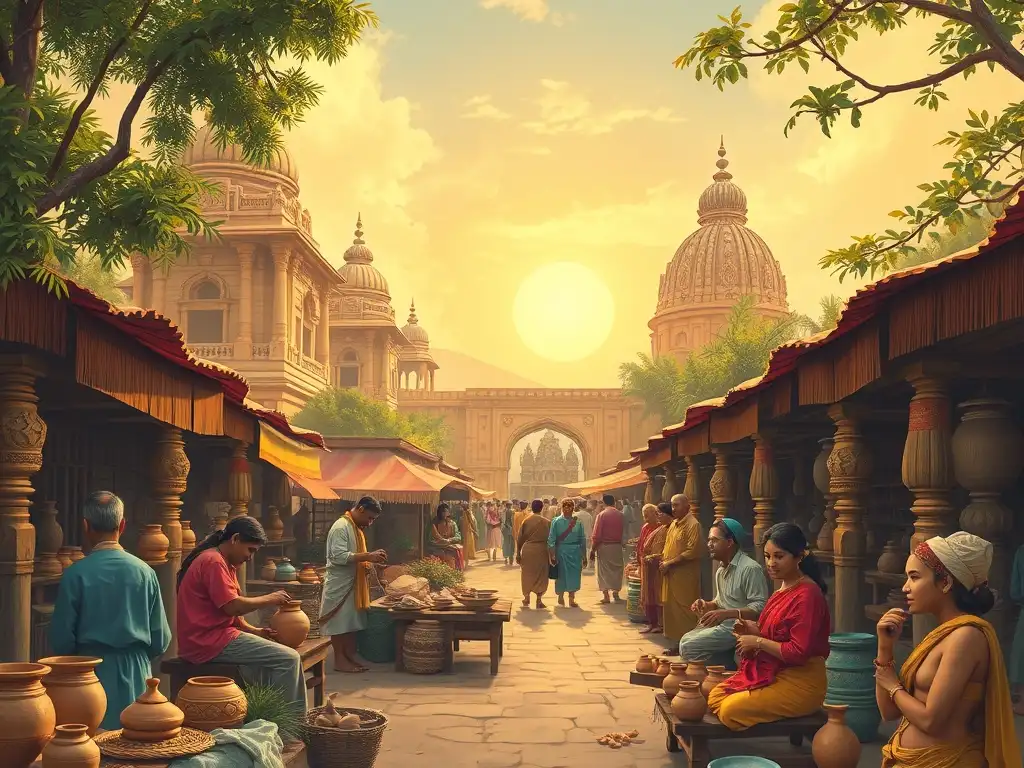
The Gupta Empire, often referred to as a golden age of ancient India, was marked by remarkable advancements in various fields, including sustainable material science. Lasting from approximately 240 to 550 CE, this period fostered innovations that not only enhanced quality of life but also emphasized the importance of sustainability in resource management and material production. The Gupta rulers encouraged scholars and artisans to explore methods that minimized waste and maximized the utility of available resources.
The emphasis on sustainability can be seen in various practices, such as the use of renewable materials, recycling of metals, and eco-friendly construction techniques. The Gupta period laid the groundwork for future generations to appreciate the balance between technological advancements and environmental conservation, making it a pivotal era in the history of sustainable practices in ancient India.
Contributions to Science and Technology
During the Gupta Empire, significant contributions to science and technology were made, which included advancements in metallurgy, medicine, and astronomy that inherently promoted sustainable practices. For instance, the development of high-quality steel, particularly the famous Wootz steel, showcased innovative techniques of smelting and forging that were efficient and reduced material waste. This steel was not only durable but also widely traded, demonstrating how sustainable practices could lead to economic prosperity.
Additionally, scholars such as Aryabhata made strides in mathematics and astronomy, which helped in understanding agricultural cycles and improving crop yields. This knowledge directly contributed to sustainable agricultural practices, emphasizing the need for harmony between human activity and nature.
Advancements in Sustainable Textiles
The Gupta period also witnessed advancements in the production of textiles, particularly cotton and silk, which were harvested and processed using sustainable methods. The use of natural dyes derived from plants and minerals exemplified the commitment to environmental stewardship. Artisans practiced techniques that minimized the use of harmful chemicals, showcasing an early understanding of the importance of sustainable practices in the textile industry.
Furthermore, the widespread trade of these textiles not only highlighted their quality but also reflected the Gupta Empire's ability to balance economic growth with sustainable resource management. This trade network allowed for the exchange of ideas and techniques, further enhancing sustainable practices across regions.
Preservation of Natural Resources
One of the hallmark features of the Gupta Empire was its focus on the preservation of natural resources. The implementation of effective forest management practices ensured that timber and other forest products were harvested responsibly. This approach was rooted in the understanding that maintaining biodiversity and ecological balance was crucial for long-term sustainability.
Additionally, the promotion of water conservation techniques, such as the construction of step wells and irrigation systems, illustrated a sophisticated approach to managing water resources. These systems not only provided water for agriculture but also prevented erosion and improved soil fertility, demonstrating a holistic understanding of sustainable practices.
Comparing Sustainable Practices Across Ancient Indian Civilizations
As we assess the sustainable practices across different ancient Indian civilizations, it is essential to recognize both the similarities and differences that characterized their approaches to material science and resource management.
Similarities in Environmental Awareness
Across various ancient Indian civilizations, including the Indus Valley, Mauryan, and Gupta, a common thread of environmental awareness can be seen. These societies exhibited a profound respect for nature, which was often reflected in their religious and cultural practices. For instance, concepts such as Ahimsa (non-violence) and the reverence for natural elements influenced sustainable agricultural practices and resource conservation.
Moreover, the use of local materials available in the environment was a widespread practice, showcasing an inherent understanding of sustainability. This approach not only reduced transportation costs but also minimized the carbon footprint associated with material procurement.
Differences in Material Usage and Techniques
While there were overarching similarities, notable differences existed in the material usage and techniques employed by various ancient Indian civilizations. The Indus Valley civilization, with its advanced urban planning and drainage systems, demonstrated remarkable ingenuity in using mud bricks and fired clay, which were both sustainable and locally sourced.
In contrast, the Mauryan Empire focused on the extensive use of stone for construction, evident in monumental structures such as the Ashoka Pillars. This emphasis on durable materials was complemented by a robust understanding of quarrying and carving techniques that minimized waste.
The Gupta Empire, on the other hand, advanced metallurgy, producing high-quality metals and alloys that aligned with sustainable practices. This diversification in material usage reflected the unique environmental contexts and technological advancements of each civilization.
Impact of Geography on Sustainable Practices
Geography played a crucial role in shaping the sustainable practices of ancient Indian civilizations. The diverse landscapes of India, from the fertile plains of the Ganges to the arid deserts of Rajasthan, dictated the materials available and the methods employed for resource management.
In regions with abundant forests, such as the Western Ghats, civilizations developed woodworking and sustainable logging practices. Conversely, in arid areas, water conservation techniques became paramount, leading to innovations in irrigation.
Furthermore, the geographic location influenced trade routes, facilitating the exchange of ideas and materials that contributed to the evolution of sustainable practices. This interconnectedness highlights how geography not only shaped local practices but also fostered a broader cultural appreciation for sustainability across ancient India.
Legacy of Sustainable Practices in Ancient India
Ancient Indian civilizations, particularly those thriving in the Indus Valley and later during the Vedic and Gupta periods, laid the groundwork for sustainable material science that resonates even today. These societies exhibited a profound understanding of their environment and its resources, leading to practices that prioritized sustainability. The use of locally sourced materials, such as clay, wood, and stone, was prevalent, reflecting an innate reverence for nature. For example, the meticulous construction of the urban layouts in cities like Mohenjo-Daro showcased advanced drainage systems and water management, illustrating their commitment to sustainable living.
Beyond architecture, ancient Indian artisans demonstrated remarkable skills in metallurgy and textile production. They employed eco-friendly techniques for dyeing fabrics using natural substances, thus reducing the environmental impact of their manufacturing processes. The ancient texts, such as the Arthashastra, detail the economic principles that encompassed resource conservation and efficient waste management, further emphasizing the sustainable ethos embedded in their culture.
Influence on Modern Sustainable Material Science
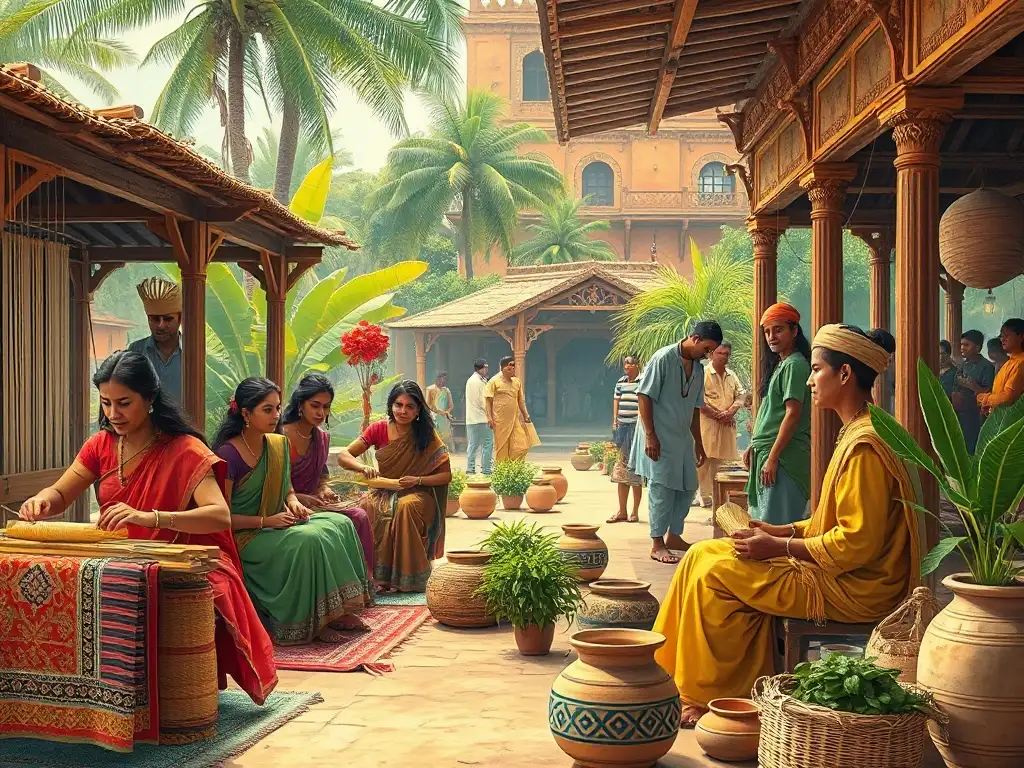
The sustainable practices of ancient India have profoundly influenced modern material science, particularly in the realms of resource management and eco-friendly production techniques. Today, researchers and engineers look back at the ingenious methods used by ancient Indian metallurgists who utilized sustainable mining practices, ensuring minimal environmental degradation. The extraction and processing of metals like copper and iron were carried out with an understanding of the long-term impacts on ecosystems.
Modern-day initiatives in sustainable building materials also draw inspiration from ancient techniques. For instance, the use of bio-composites, which echo the ancient practice of combining natural fibers with clay for construction, is gaining traction. As contemporary society grapples with climate change and resource depletion, the lessons learned from ancient Indian civilizations provide valuable insights into creating sustainable solutions that honor the balance between human needs and environmental health.
Continuity of Traditional Practices in Contemporary India
In India today, many traditional practices rooted in ancient wisdom continue to flourish, often in rural communities where sustainable methods are integral to daily life. Crafts like pottery, weaving, and metallurgy are not just art forms but also embody principles of sustainability passed down through generations. For example, the traditional method of using natural dyes in textiles remains popular among artisans, ensuring minimal chemical waste and promoting biodiversity.
Moreover, organic farming practices that have their origins in ancient agricultural methods are being revived as part of a broader movement towards sustainable agriculture. These practices emphasize crop rotation, natural fertilizers, and pesticide-free cultivation, aligning closely with the sustainability ethos of ancient Indian civilizations. As these traditions gain recognition, they provide a blueprint for sustainable development that aligns with contemporary environmental goals.
Lessons from Ancient Indian Civilizations for Future Sustainability
Ancient Indian civilizations offer a treasure trove of lessons for future sustainability efforts. One key lesson is the importance of harmony with nature, as seen in their agricultural practices, which prioritized biodiversity and soil health. The concept of Ahimsa (non-violence) extends beyond ethical considerations to encompass environmental stewardship, urging modern society to adopt a more compassionate approach to resource use.
Additionally, the ancient practice of community-based resource management can serve as a model for contemporary sustainability initiatives. Local communities historically managed water resources, forests, and agricultural lands collaboratively, ensuring equitable distribution and long-term sustainability. This participatory approach fosters a sense of ownership and accountability, which is crucial for the success of modern sustainable practices.
Conclusion: The Relevance of Ancient Sustainable Practices Today
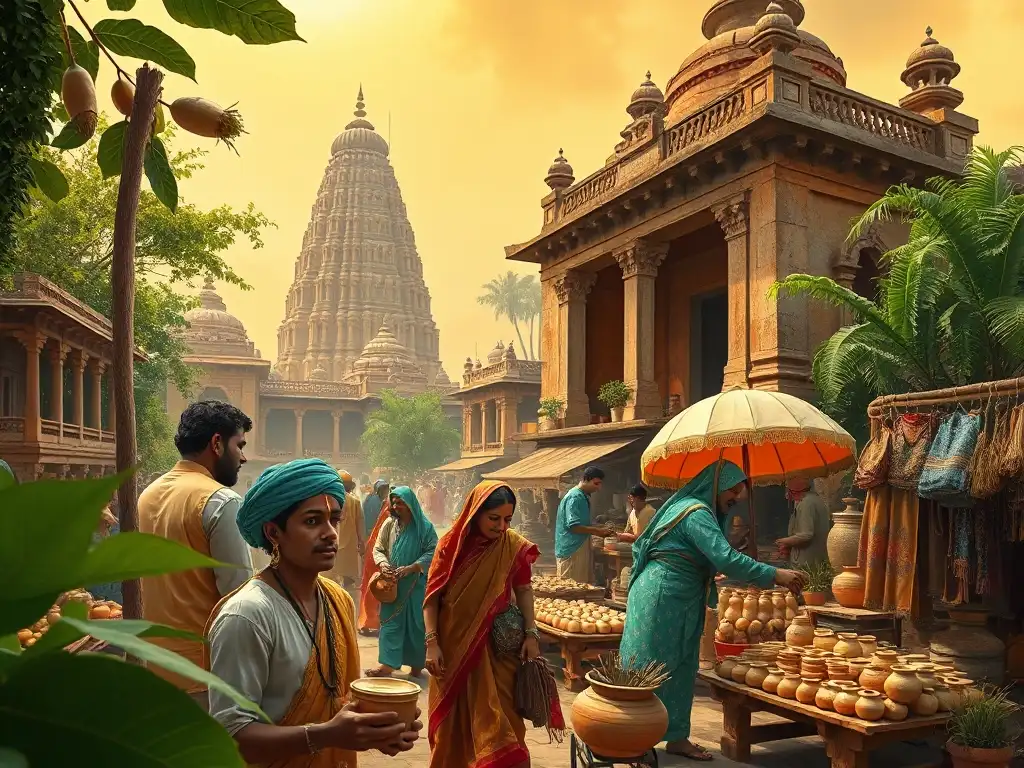
The sustainable practices developed by ancient Indian civilizations hold significant relevance in today's context of environmental challenges. Their innovative approaches to resource management, waste reduction, and eco-friendly production methods provide critical insights into building a sustainable future. As we face the pressing issues of climate change and resource scarcity, revisiting these age-old practices can inspire new strategies for sustainable development.
Reflection on Ancient Wisdom in Modern Context
Reflecting on ancient wisdom in our modern context encourages a shift in perspective towards sustainability. It prompts us to recognize that many challenges we face today are not new; rather, they have been addressed by our ancestors with ingenuity and respect for the environment. The integration of traditional knowledge with modern science can lead to innovative solutions that honor the planet and promote sustainable living.
Call to Action for Sustainable Innovations Inspired by History
As we move forward, it is essential to harness the lessons learned from ancient Indian civilizations to inspire sustainable innovations. Communities, researchers, and policymakers should collaborate to revive traditional practices and adapt them to contemporary needs. By fostering a culture of sustainability that respects historical wisdom, we can pave the way for a healthier planet and a more sustainable future for generations to come. 🌍✨
- Introduction to Sustainable Practices in Ancient India
- The Indus Valley Civilization: Foundations of Sustainable Material Science
- The Vedic Period: Spirituality and Sustainability
- The Maurya Empire: Advancements in Material Science
- The Gupta Empire: A Golden Age of Sustainable Techniques
- Comparing Sustainable Practices Across Ancient Indian Civilizations
- Legacy of Sustainable Practices in Ancient India
- Influence on Modern Sustainable Material Science
- Continuity of Traditional Practices in Contemporary India
- Lessons from Ancient Indian Civilizations for Future Sustainability
- Conclusion: The Relevance of Ancient Sustainable Practices Today
- Reflection on Ancient Wisdom in Modern Context
- Call to Action for Sustainable Innovations Inspired by History
- What were some sustainable practices in ancient India?
- How did ancient Indians contribute to material science?
- What role did the Indus Valley Civilization play in sustainability?
- How did religion influence sustainable practices in ancient India?
- What is the significance of the Gupta Empire's contributions to sustainability?
Frequently Asked Questions
What were some sustainable practices in ancient India?
Ancient Indian civilizations utilized eco-friendly materials and techniques, such as natural dyes, recycling metals, and organic farming, to promote sustainability and minimize environmental impact.
How did ancient Indians contribute to material science?
Ancient India was a pioneer in material science, developing advanced metallurgy, ceramics, and textiles that not only showcased artistic craftsmanship but also adhered to sustainable methods.
What role did the Indus Valley Civilization play in sustainability?
The Indus Valley Civilization is known for its urban planning, including drainage systems and water conservation techniques, which reflect their commitment to sustainable living and efficient resource management.
How did religion influence sustainable practices in ancient India?
Religious beliefs in ancient India often emphasized harmony with nature, leading to practices that promoted sustainability, such as non-violence towards animals and sacred groves that protected biodiversity.
What is the significance of the Gupta Empire's contributions to sustainability?
The Gupta Empire advanced agricultural techniques and trade practices that incorporated sustainable methods, ensuring food security and economic stability while maintaining a balance with the natural environment.
Final Reflection: Embracing the Wisdom of Ancient Indian Sustainable Practices
The sustainable practices in ancient India serve as a testament to the ingenuity and foresight of civilizations that prioritized harmony with nature. Today, as we grapple with the pressing challenges of climate change and resource depletion, the lessons from these ancient societies resonate more than ever. They remind us that sustainability is not merely a modern trend but a fundamental principle that has guided human existence for millennia.
The influence of ancient Indian civilizations on contemporary sustainable practices is profound and enduring. Their innovative approaches to material science and resource management continue to inspire modern sustainability efforts across the globe. As we strive to create a more sustainable future, we can look to the past for guidance. The greatest threat to our planet is the belief that someone else will save it.
— Robert Swan. This quote encapsulates the urgency of our current situation and highlights the importance of taking personal responsibility for our environmental impact, much like our ancestors did.
As you reflect on the sustainable practices of ancient India, I invite you to consider how you can incorporate these timeless principles into your daily life. What small changes can you make to honor the wisdom of the past while contributing to a sustainable future? Let the stories of these pioneers inspire you to become an advocate for sustainability in your own community, ensuring that their legacy continues to thrive for generations to come.
Unveil the Secrets of Sustainable Innovation!
Thank you for diving into the remarkable world of Ancient Indian Civilizations and their pioneering contributions to sustainable material science! We hope you’re inspired by the innovative techniques and wisdom they imparted. Now, it’s time to take the next step in your journey of discovery.
Here’s how you can continue exploring and engaging with this fascinating topic:
- Start your own sustainable project: Apply ancient techniques to modern problems—experiment with natural materials in your daily life.
- Share your insights: Discuss what you’ve learned with friends or on social media to inspire others.
- Explore further: Check out additional resources on our website to deepen your knowledge of materials science and ancient innovations.
What unique sustainable practices from ancient civilizations can you incorporate into your modern lifestyle?