
Ancient Indian Alloys: How Metallurgy Revolutionized Tools and Weapons

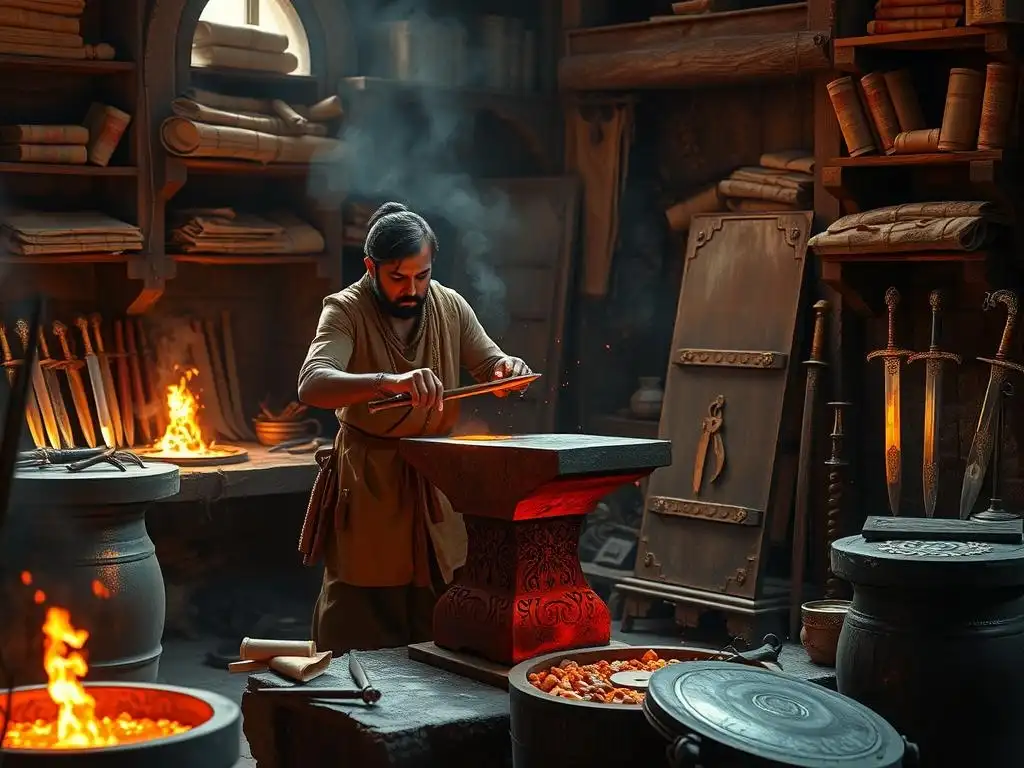
Welcome to Ancient India History, where we delve into the fascinating tapestry of India's past, exploring the remarkable achievements of its civilizations. Today, we invite you to uncover the secrets of ancient Indian metallurgy techniques, a pivotal innovation that transformed tools and weapons in ways that shaped society and culture.
As we journey through the intricate methods and materials that defined ancient alloys, you'll discover how these advancements not only revolutionized technology but also left an indelible mark on the world. Prepare to be intrigued and inspired—dive deeper into this captivating topic and witness the brilliance of ancient Indian ingenuity!
The ancient civilizations of India were marked by remarkable advancements in various fields, and metallurgy stands out as one of the most significant. From the sophisticated techniques employed in the production of tools and weapons to the creation of intricate jewelry, ancient Indian metallurgy reflects a profound understanding of materials and their properties.
This article delves into the diverse practices and innovations in ancient Indian metallurgy, exploring how these techniques not only shaped the tools and weapons of the time but also laid the groundwork for future developments in material science. As we traverse through the periods from the Indus Valley Civilization to the Gupta Empire, we uncover the essence of ancient Indian metallurgy techniques and their pivotal role in revolutionizing various aspects of daily life, trade, and warfare.
The Indus Valley Civilization: Early Metallurgical Practices
The Indus Valley Civilization (c. 3300–1300 BCE) is often credited with some of the earliest instances of metallurgy in the Indian subcontinent. Here, copper and bronze were the primary metals utilized, leading to advancements in tool-making and crafting. The evidence of furnaces and metal artifacts suggests a high degree of skill and knowledge in alloy production.
- Key Techniques:
- Casting: Artisans employed sand casting methods to shape tools and ornaments, demonstrating early proficiency in metallurgy.
- Alloying: The combination of copper with tin to produce bronze enabled the creation of stronger and more durable tools.
The metallurgical advancements of the Indus Valley people not only facilitated everyday tasks but also allowed for trade and cultural exchanges with neighboring regions.
The Vedic Period: Expansion of Metallurgical Knowledge
Following the Indus Valley Civilization, the Vedic Period (c. 1500–500 BCE) saw a further expansion of metallurgical knowledge. Texts from this period reference the use of iron, marking a significant shift from bronze to iron tools. The introduction of iron metallurgy had profound implications for agriculture, warfare, and societal structures.
- Iron Metallurgy:
- Wrought Iron: Artisans developed techniques to produce wrought iron, which was superior in strength and flexibility compared to its predecessors.
- Tools and Weapons: The availability of iron allowed for the manufacture of plows and swords, greatly influencing agricultural productivity and military capabilities.
The Maurya Empire: A Metallurgical Hub
The Maurya Empire (c. 322–185 BCE) represented a pinnacle of ancient Indian metallurgy. Under rulers like Chandragupta Maurya and Ashoka, there was a notable surge in technological advancements, including metallurgy. The famous Iron Pillar of Delhi is a testament to the advanced metallurgical techniques of this era.
- Innovations:
- Rust-Resistant Alloys: The Iron Pillar is known for its resistance to corrosion, showcasing early understanding of alloying and metal treatment.
- Production Techniques: Large-scale production became feasible, facilitating trade both within India and with regions beyond.
The Gupta Empire: The Golden Age of Metallurgy
The Gupta Empire (c. 240–550 CE) is often referred to as the Golden Age of India, during which there were significant advancements in the arts and sciences, including metallurgy. This period saw the refinement of existing techniques and the introduction of new ones.
- Advanced Techniques:
- Steel Production: The development of high-quality steel, known as “Wootz steel,” enabled the creation of superior weapons that were both durable and flexible.
- Cultural Impact: The exquisite craftsmanship in metallurgy led to the production of intricate artifacts, enhancing trade and cultural exchange.
The journey through ancient Indian metallurgy reveals a complex interplay of innovation and tradition, demonstrating how these techniques not only revolutionized tools and weapons but also contributed significantly to the socio-economic fabric of ancient Indian societies. As we explore further, we will uncover specific metallurgical techniques and their applications in various domains.
- The Indus Valley Civilization: Early Metallurgical Practices
- The Vedic Period: Expansion of Metallurgical Knowledge
- The Maurya Empire: A Metallurgical Hub
- The Gupta Empire: The Golden Age of Metallurgy
- What were the primary metallurgy techniques used in ancient India?
- How did ancient Indian metallurgy impact tools and weapons?
- What contributions did ancient Indians make to metalworking?
- How did the Indus Valley Civilization influence metallurgy?
- What role did ancient Indian metallurgy play in trade?
Introduction to Ancient Indian Metallurgy Techniques
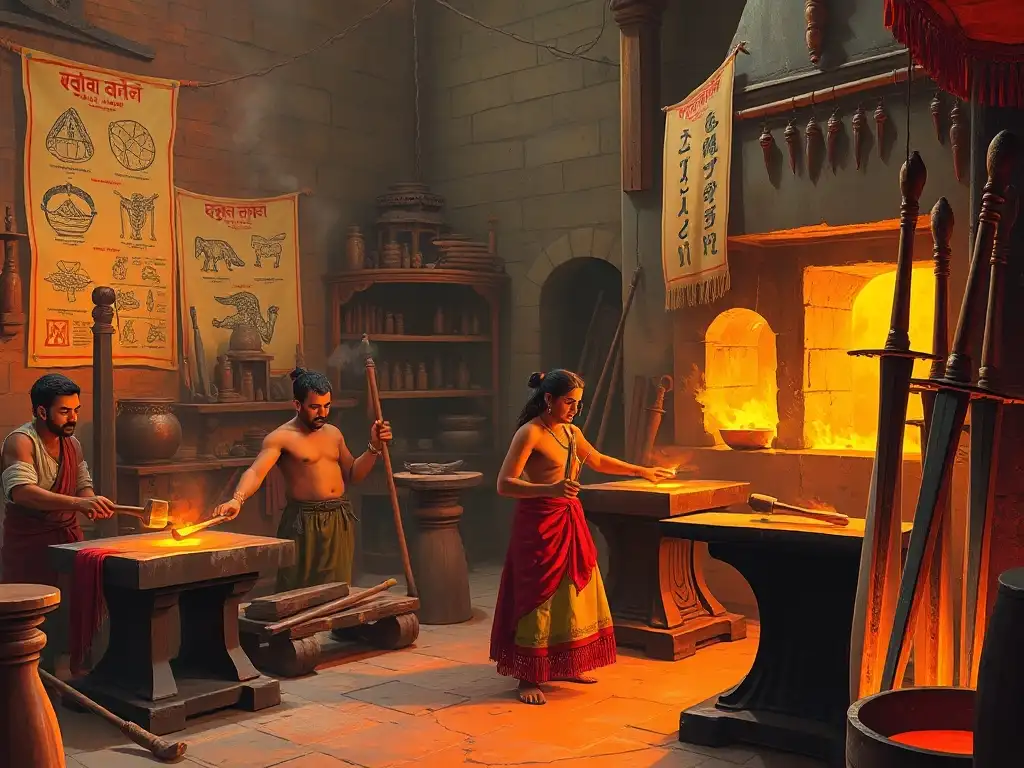
Ancient Indian metallurgy techniques played a pivotal role in shaping the technological landscape of Indian civilization. From the crafting of tools and weapons to the development of intricate art forms, metallurgy was central to many aspects of life in ancient India. This section delves into the rich history and methods of metallurgy that flourished in this region, highlighting their significance in various facets of ancient Indian society.
Overview of Metallurgy in Ancient India
The history of metallurgy in ancient India dates back to the Indus Valley Civilization (approximately 3300–1300 BCE), where evidence of advanced metalworking has been discovered. Archaeological findings indicate that the people of this civilization had an understanding of copper, bronze, and even gold metallurgy.
Key aspects of ancient Indian metallurgy include:
- Copper and Bronze Tools: The use of copper and bronze for tools and weapons became prevalent during the Chalcolithic period. These materials were favored for their durability and ability to be shaped into sharp edges, making them ideal for agricultural implements and weaponry.
- Iron Metallurgy: The advent of iron metallurgy marked a significant technological leap. By around 1200 BCE, iron was being used extensively for tools and weapons, leading to improvements in agricultural productivity and warfare. The production of high-quality iron was achieved through techniques such as smelting and forging.
- Alloy Production: Ancient Indian metallurgists were adept at creating various alloys, including brass (a combination of copper and zinc) and steel (especially wootz steel). Wootz steel, famous for its strength and ability to be honed to a sharp edge, became highly sought after, even beyond India.
- Artistic Metallurgy: Beyond practical applications, metallurgy also played a crucial role in artistic expression. Decorative artifacts, sculptures, and jewelry made from precious metals showcased advanced casting and engraving techniques.
Importance of Metallurgy in Ancient Civilizations
Metallurgy was not merely a technical pursuit; it was fundamentally intertwined with the cultural and economic fabric of ancient Indian civilizations. The importance of metallurgy can be highlighted in several areas:
- Economic Development: The production of metal tools and weapons facilitated agricultural expansion and trade. The ability to produce durable tools meant that agricultural practices could be optimized, leading to surplus production and economic growth.
- Military Advancements: The development of superior weapons was crucial for the defense and expansion of territories. Stronger and more effective weaponry allowed ancient Indian kingdoms to engage in warfare with greater efficacy, influencing the power dynamics of the region.
- Cultural Significance: Metallurgy contributed to religious and cultural practices. For instance, the crafting of metal idols and ritualistic implements highlights the blend of art and technology, reflecting the spiritual beliefs of the time.
- Technological Innovations: The techniques developed by ancient Indian metallurgists laid the groundwork for future advancements. Metallurgical knowledge continued to evolve, influencing practices in neighboring regions and contributing to a broader exchange of ideas.
Ancient Indian metallurgy techniques were a cornerstone of technological and cultural evolution in the subcontinent. The legacy of these practices continues to resonate, showcasing the ingenuity and creativity of ancient Indian civilizations in their mastery of materials.
Historical Context of Ancient Indian Alloys
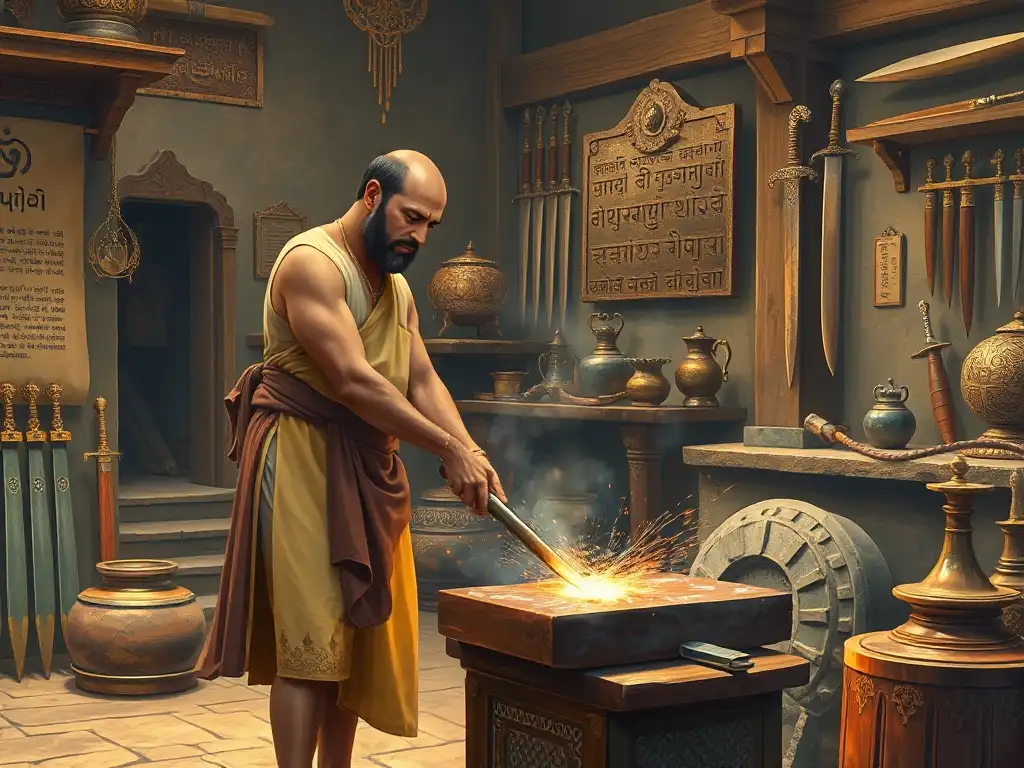
The history of metallurgy in ancient India is a testament to the ingenuity and resourcefulness of its civilizations. Various alloys were developed and utilized for both practical and artistic purposes, marking significant advancements in technology and craftsmanship. The evolution of these alloys can be traced through different periods, each contributing to the sophistication of ancient Indian metallurgy techniques.
Development of Metallurgy in the Indus Valley Civilization
The Indus Valley Civilization (c. 3300–1300 BCE) is often heralded as one of the earliest urban cultures to demonstrate advanced metallurgical skills. Archaeological evidence suggests that the inhabitants of this civilization were adept at extracting metals from ores and creating various alloys.
- Copper and Bronze Usage:
- The Indus Valley people primarily utilized copper, which was often alloyed with tin to produce bronze. This alloy was crucial for manufacturing tools, weapons, and ornaments.
- The casting technique used during this period involved melting the metals and pouring them into molds to create intricate shapes. This not only improved the quality of tools but also allowed for artistic expression.
- Innovative Techniques:
- Evidence of lost-wax casting has been found at sites like Mohenjo-Daro, indicating a sophisticated understanding of both metallurgy and artistry.
- The use of alloys such as arsenic bronze emerged, which provided enhanced properties like hardness and durability compared to pure copper.
- Trade and Resource Utilization:
- The strategic location of the Indus Valley facilitated trade with neighboring regions, which likely influenced their metallurgical practices. This exchange of knowledge and resources contributed to advancements in alloy production.
Advancements during the Maurya and Gupta Empires
The Maurya (c. 322–185 BCE) and Gupta (c. 320–550 CE) Empires marked a golden age for metallurgy in ancient India, characterized by remarkable innovations and refinements in alloy production.
- Wootz Steel:
- One of the most significant contributions from this era was the development of Wootz steel, known for its exceptional quality and ability to be forged into superior blades. This steel was characterized by its high carbon content and unique crystalline structure, which made it both strong and flexible.
- The production of Wootz involved a complex process that included smelting iron with a specific type of clay and allowing it to develop carbon-rich layers, a technique that was advanced for its time.
- Alchemical Knowledge:
- The period saw a rise in the understanding of chemistry and alchemy, which played a vital role in improving metallurgical techniques. Scholars like Aryabhata and Varahamihira contributed to the knowledge of metals and their properties.
- The Gupta Empire also saw the emergence of texts that documented various metallurgical processes, enhancing the dissemination of knowledge across the region.
- Diverse Applications:
- The advancements in metallurgy during these empires led to the production of a wide variety of tools, weapons, and decorative items. The use of alloys such as brass (copper and zinc) became prevalent during the Gupta period, signifying both artistic and functional progress.
- The intricate designs and durability of these metal objects reflected the sophistication of ancient Indian craftsmanship and significantly influenced trade, both domestically and internationally.
Ancient Indian metallurgy techniques evolved significantly over millennia, showcasing the civilization's ability to innovate and adapt. From the early developments in the Indus Valley to the sophisticated metallurgical practices of the Maurya and Gupta Empires, these advancements laid the foundation for future metallurgical endeavors and remain a crucial aspect of India’s rich historical legacy.
Key Ancient Indian Metallurgy Techniques
Ancient Indian metallurgy techniques were pivotal in shaping the technological landscape of the subcontinent. These techniques not only advanced the production of tools and weapons but also contributed to trade and cultural exchanges with other civilizations. The mastery of metalworking in ancient India is evident through the development of sophisticated smelting processes and the creation of notable alloys.
Smelting Processes and Techniques
The smelting process in ancient India involved several innovative techniques that showcased the metallurgical expertise of the time. The most significant methods included:
- Direct Smelting: This was one of the earliest methods where ores were heated in a furnace with a reducing agent to extract metals. Ancient Indians primarily used charcoal as the reducing agent.
- Blast Furnaces: Evidence suggests that ancient Indian metallurgists developed early forms of blast furnaces, which allowed for higher temperatures and more efficient smelting. This technique was critical for producing high-quality iron and steel.
- Cementation Process: This technique involved heating wrought iron in the presence of carbon-rich materials, which resulted in the formation of steel. This method was particularly important for producing high-carbon steel, which was renowned for its durability and strength.
The combination of these smelting techniques enabled ancient Indian metallurgists to produce a range of metals, including copper, bronze, and iron, demonstrating their advanced understanding of material science.
Alloy Composition and Properties
The alloys produced in ancient India were characterized by their unique compositions and properties, which were meticulously researched and developed over centuries.
- Bronze: Primarily an alloy of copper and tin, bronze was used extensively for tools, weapons, and ceremonial objects. The precise ratio of copper to tin influenced the alloy's hardness and resistance to corrosion.
- Iron Alloys: Ancient Indian metallurgists experimented with different compositions to enhance the properties of iron. The addition of carbon in varying amounts produced different grades of steel, affecting hardness, ductility, and tensile strength.
- Wootz Steel: Perhaps the most famous of the ancient Indian alloys, Wootz steel was known for its exceptional quality and ability to be forged into sharp, resilient blades. The unique properties of Wootz steel were attributed to the controlled cooling process during production, which created a distinctive crystalline structure.
The understanding of alloy composition allowed ancient Indian metallurgists to tailor materials for specific applications, leading to advancements in weaponry and tool-making.
Notable Alloys: Wootz Steel and Others
Among the various alloys developed in ancient India, Wootz steel stands out as a remarkable achievement in metallurgy.
- Wootz Steel: Originating from the region around modern-day Tamil Nadu, Wootz steel was highly sought after for its remarkable strength and ability to be honed to a sharp edge. The production process involved a unique method of smelting and forging, resulting in steel with a patterned surface. This aesthetic quality, combined with its functionality, made it a prized material in both India and beyond.
- Kushti: Another notable alloy was Kushti, a type of high-carbon steel used for making swords and blades. Its production involved specific techniques that enhanced its hardness without compromising its toughness.
- Brass and Bronze Alloys: Ancient Indians also excelled in creating brass and bronze, often using them for decorative purposes, coins, and tools. The addition of zinc to copper created brass, while the bronze was typically an alloy of copper and tin.
The development of these alloys not only demonstrates the sophistication of ancient Indian metallurgy techniques but also highlights the cultural significance of metallurgy in the daily lives and military endeavors of ancient Indian civilizations.
Ancient Indian metallurgy techniques were instrumental in revolutionizing the production of tools and weapons, with innovations in smelting processes, alloy compositions, and the creation of notable alloys like Wootz steel that left a lasting legacy on the material sciences of the region.
Tools and Weapons Produced Through Ancient Indian Metallurgy
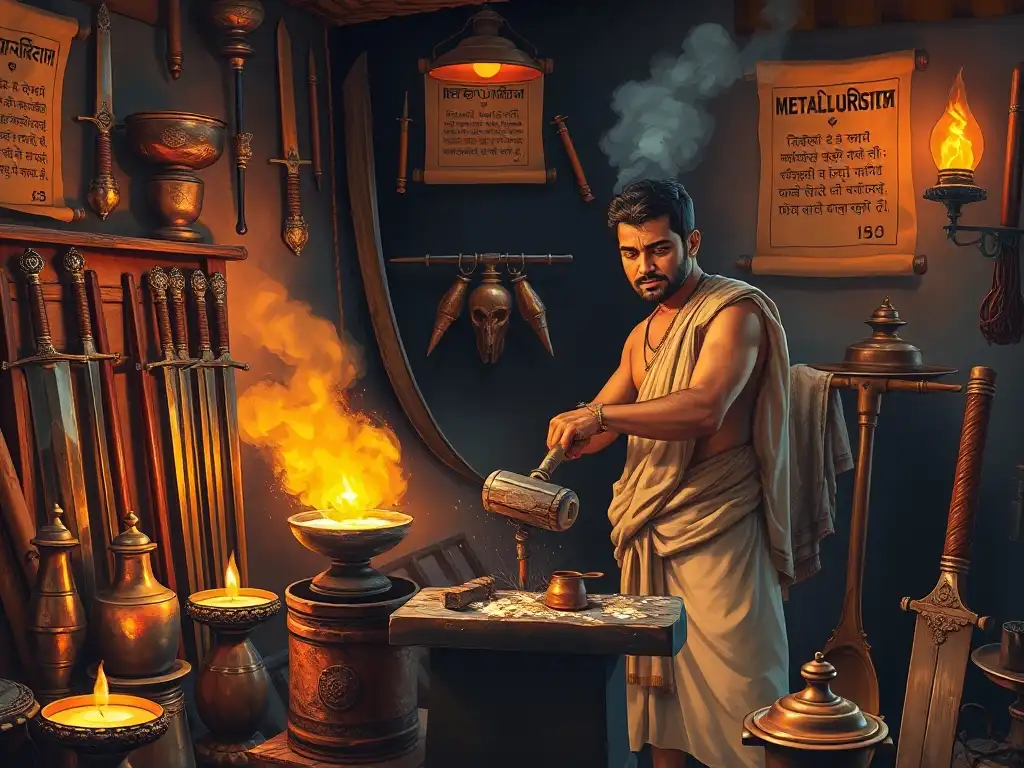
Evolution of Tools: From Basic Implements to Advanced Machinery
Ancient Indian metallurgy techniques laid the foundation for the development of various tools that significantly advanced daily life and agricultural practices. Early metallurgy in India can be traced back to the Indus Valley Civilization, where artisans skillfully crafted tools from copper and bronze. The emphasis on metalworking evolved through different periods, leading to a rich array of implements that showcased innovation and complexity.
Key Developments in Tool Production
- Copper Age Tools: The initial phase of metallurgy saw the emergence of simple copper tools. These included:
- Chisels: Used for carving and shaping materials like wood and stone.
- Hoes and Axes: Essential for agriculture, enabling more efficient farming practices.
- Bronze Tools: With improvements in alloying techniques, bronze tools became prevalent:
- Plows: The introduction of bronze plows revolutionized agricultural productivity.
- Sickles: These tools allowed for more effective harvesting of crops, significantly impacting food production.
- Iron Tools: The transition to iron marked a significant leap in tool effectiveness:
- Iron Trowels and Spades: Enhanced durability and efficiency in farming.
- Axes and Knives: Stronger and more versatile than their bronze counterparts, iron tools facilitated construction and expansion of settlements.
With advancements in metallurgy, the complexity of tools increased, leading to the development of specialized instruments for various trades, including carpentry, masonry, and textile production. The use of alloys, such as brass and steel, further diversified the range of tools, making them more resilient and efficient.
Weaponry Innovations: Swords, Spears, and Defensive Gear
The evolution of weaponry in ancient India was significantly influenced by advancements in metallurgy. Ancient Indian metallurgy techniques enabled the production of weapons that were not only effective in battle but also reflected the artistry and skill of the craftsmen.
Major Innovations in Weaponry
- Swords:
- Design and Craftsmanship: The crafting of swords evolved from simple bronze blades to intricate iron swords with superior strength. The famous Wootz steel, known for its quality, became a sought-after material for swords, known for their sharpness and durability.
- Cultural Significance: Swords were not just weapons; they symbolized status and were often decorated with intricate designs, making them prized possessions.
- Spears:
- Construction and Use: Spears, made from iron, were essential both for hunting and warfare. The lightweight design made them easy to handle, while their pointed tips allowed for effective thrusting in combat.
- Tactical Development: As warfare strategies evolved, so did the design of spears, leading to variations like the trident and throwing spear, which catered to different combat needs.
- Defensive Gear:
- Shields and Armor: Ancient Indian metallurgists created robust shields and armor using layered metal techniques. These provided adequate protection while allowing for mobility during battle.
- Innovative Materials: The combination of iron and leather in armor production exemplified the ingenuity of ancient craftsmen, leading to defensive gear that was both protective and lightweight.
The sophistication of weaponry in ancient India is a testament to the advanced metallurgy techniques of the time. The blend of functionality and artistry in weapons and tools not only shaped the dynamics of warfare but also influenced trade and cultural exchanges across regions.
By examining these innovations, we gain insight into how ancient Indian metallurgy techniques not only revolutionized tools and weaponry but also contributed to the broader development of civilizations in the region.
Cultural Significance of Metallurgy in Ancient India
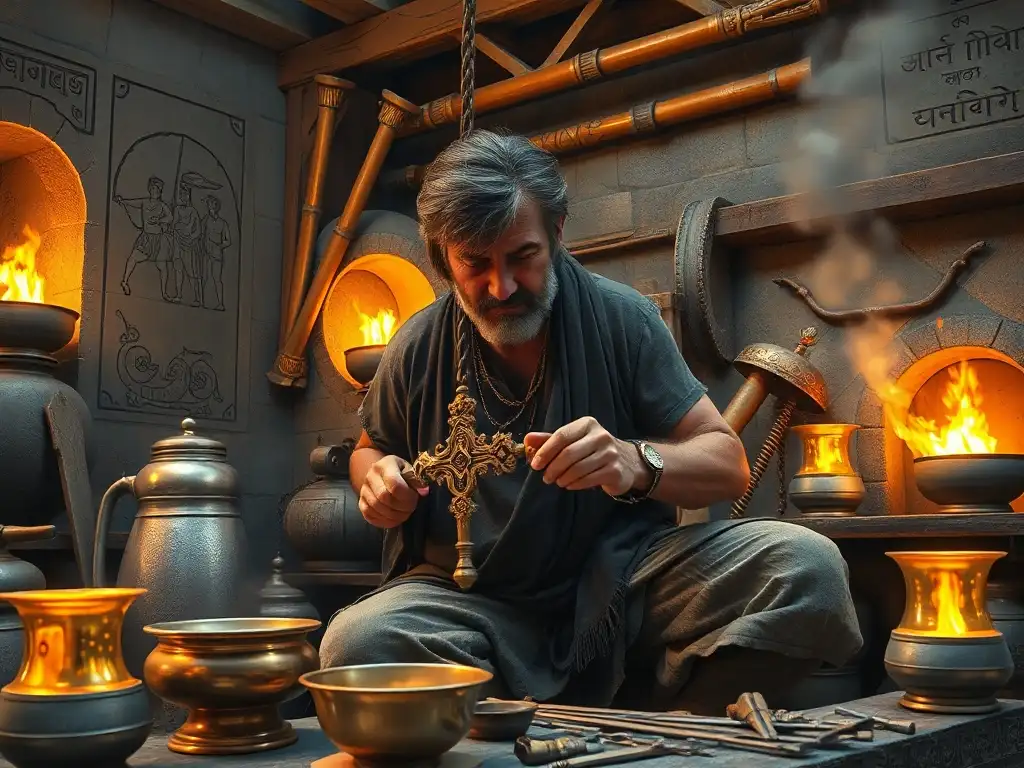
The significance of metallurgy in ancient India transcends mere technological advancement; it intertwines deeply with the cultural, spiritual, and economic fabric of society. Ancient Indian metallurgy techniques not only revolutionized tools and weapons but also contributed to art, architecture, and social structures. The profound impact of metalworking can be seen in various aspects of daily life and ceremonial practices, highlighting its crucial role in shaping the civilization.
Metallurgy in Art and Architecture
Metallurgy played a pivotal role in the development of art and architecture in ancient India. The innovative use of metals such as copper, bronze, and iron led to the creation of intricate sculptures, decorative elements, and architectural features that adorned temples and palaces.
- Sculptural Achievements:
- Ancient Indian artisans mastered the technique of casting bronze, leading to the production of exquisite sculptures. The famous Chola bronze figures, notable for their fluidity and grace, exemplify the artistic capabilities achieved through metallurgical practices.
- The lost-wax casting method enabled metalworkers to create detailed and complex forms, allowing for the representation of deities and mythological figures in various sizes and styles.
- Architectural Innovations:
- The use of iron in construction significantly enhanced the structural integrity of buildings. The introduction of iron beams and fittings allowed for larger and more stable structures.
- Notable examples include the Iron Pillar of Delhi, which showcases advanced metallurgy techniques, as it has resisted corrosion for over 1,600 years, illustrating the skill of ancient metalworkers in producing durable materials.
- Metallurgy in Decorative Arts:
- Metalwork extended to jewelry, utensils, and ceremonial objects, often embellished with gemstones and intricate designs. Goldsmiths and silversmiths used advanced techniques to create items that were not only functional but also served as status symbols within society.
The intersection of metallurgy with art and architecture indicates a society that valued both aesthetics and functionality, where metalworkers were revered for their skills and contributions to cultural heritage.
The Role of Metalworkers in Society
The role of metalworkers in ancient Indian society was multifaceted, encompassing economic, social, and spiritual dimensions. These artisans were not merely craftsmen; they were vital contributors to the civilization's progress and cultural identity.
- Economic Contributors:
- Metalworkers were essential to the economy, providing tools, weapons, and household items that facilitated agriculture, warfare, and daily life. Their skills directly impacted trade, as quality metal goods were highly valued both locally and in international markets.
- The emergence of specialized metalworking guilds fostered collaboration and knowledge sharing, enhancing production techniques and expanding the metal trade.
- Social Status and Community Structure:
- In ancient Indian society, metalworkers often held a respected position. Their ability to transform raw materials into valuable goods granted them a certain level of prestige within their communities.
- Many metalworkers belonged to hereditary professions, passing down their skills and knowledge through generations, which reinforced social networks and community bonds.
- Spiritual and Ritual Significance:
- Metalworkers were frequently involved in the creation of religious artifacts and symbols, such as temple bells, ceremonial vessels, and statues of deities. Their work was often seen as a sacred duty, bridging the material and spiritual worlds.
- The meticulous craftsmanship associated with these items reflected the cultural values of the time, emphasizing the importance of metallurgy in both everyday life and spiritual practices.
The cultural significance of metallurgy in ancient India is profound, impacting various facets of life. Metalworkers played a crucial role in shaping not just the economy, but also the social and spiritual landscapes of their communities, showcasing the importance of ancient Indian metallurgy techniques in sustaining and enriching civilization.
Comparison of Ancient Indian Metallurgy Techniques with Other Civilizations
Ancient Indian Techniques vs. Chinese Metallurgy
Ancient Indian metallurgy techniques stand out for their unique methodologies and innovations, particularly when compared to those of ancient China. Both civilizations had advanced metallurgical practices, but they differed significantly in their approaches, materials, and applications.
- Materials Used:
- Iron and Steel: Ancient Indians were renowned for their production of high-quality steel, particularly Wootz steel, which was famous for its durability and ability to hold a sharp edge. The process involved the use of carbon-rich iron ore and the specific climate of India, which contributed to the final product's quality.
- Bronze and Alloys: While the Chinese also produced bronze, Indian metallurgists excelled in combining copper with various elements to create superior alloys for tools and weapons.
- Production Techniques:
- Furnace Design: Indian furnaces were often small and used forced air to achieve higher temperatures, facilitating the production of higher-grade steels. This contrasts with Chinese methods, where larger blast furnaces were common, allowing for mass production of iron and bronze.
- Methods of Forging: Indian smiths used techniques like forge welding and quenching to enhance the properties of their metals. Chinese metallurgists, on the other hand, utilized casting techniques extensively, producing intricate shapes and designs in their metalwork.
- Cultural Influence:
- The emphasis in Indian metallurgy was often tied to religious and cultural significance, with many artifacts serving ceremonial purposes. In contrast, Chinese metallurgy was heavily influenced by practical needs for agriculture and warfare, leading to a broader range of applications.
Ancient Indian Techniques vs. Roman Metallurgy
The comparison between ancient Indian metallurgy techniques and those of the Roman civilization reveals both similarities and distinct differences in metallurgical practices.
- Alloy Production:
- Bronze and Other Alloys: Both civilizations utilized bronze, but the Romans perfected its use in military applications, crafting weapons, armor, and tools. Ancient Indians, however, focused on creating alloys with properties suited to their specific climate and warfare needs, producing items like the famed Damascus steel.
- Steel Production: The Romans were skilled in iron production but lacked the advanced techniques for high-quality steel that the Indians developed. The Wootz steel from India was highly sought after, leading to trade routes establishing connections between these two great civilizations.
- Furnace Technology:
- Design and Efficiency: Roman furnaces were designed for efficiency and consistency, allowing for the large-scale production of metal goods. Indian furnaces, while smaller, were often more specialized, focusing on quality over quantity.
- Temperature Control: Ancient Indian metallurgists demonstrated advanced knowledge in controlling temperatures, which was crucial for producing high-quality alloys. Romans primarily relied on established methods without significant innovations in temperature management.
- Cultural Aspects:
- The significance of metallurgy in India was often intertwined with its spiritual and cultural narratives, resulting in artifacts that held not only functional but also artistic and religious value. In contrast, Roman metallurgy emphasized functionality and military prowess, directly supporting their expansive empire and conquests.
While both ancient Indian and Roman metallurgical techniques contributed significantly to the development of tools and weapons, the innovations and cultural influences of ancient Indian metallurgy techniques set them apart, showcasing a rich legacy that influenced subsequent generations and civilizations.
Legacy of Ancient Indian Metallurgy
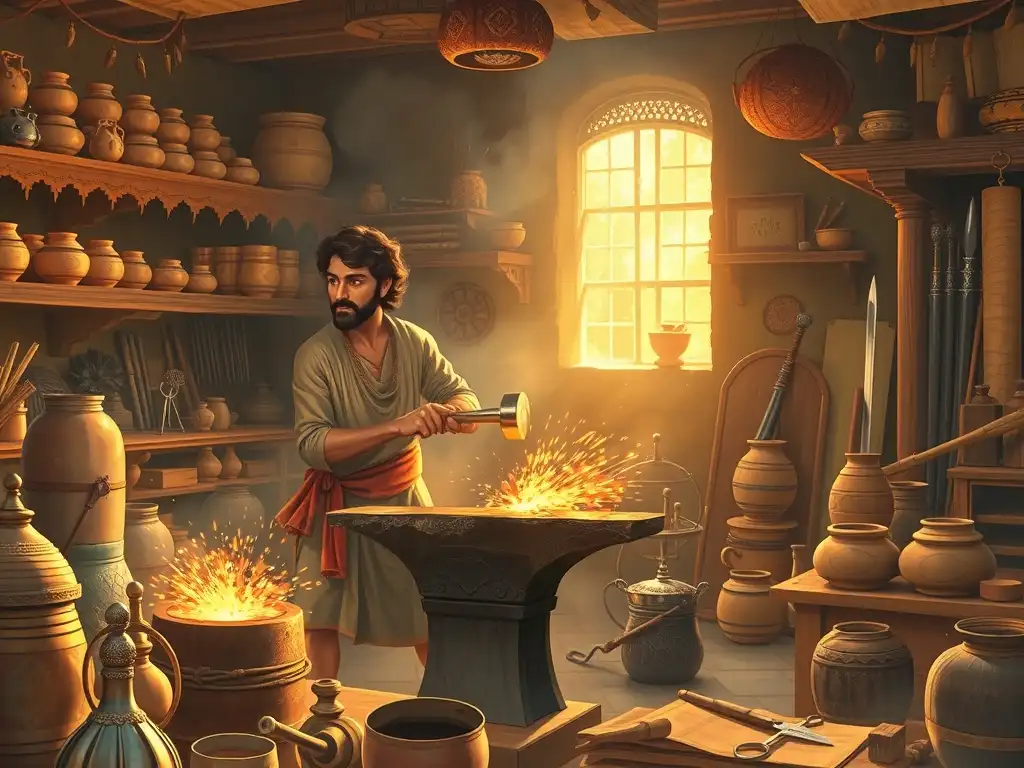
Influence on Modern Metallurgy and Material Science
Ancient Indian metallurgy, particularly its innovative techniques, has left a profound imprint on modern metallurgy and material science. The advancements made by ancient Indian metallurgists in the production and manipulation of metals not only laid the groundwork for contemporary practices but also fostered a global exchange of knowledge.
One of the standout achievements was the creation of high-quality steel, particularly known as Wootz steel. This alloy, characterized by its unique carbon content, was renowned for its exceptional hardness and ability to hold a sharp edge. The production of Wootz steel involved sophisticated methods of smelting and forging, often incorporating the use of crucibles to achieve precise chemical compositions. This process has influenced modern steel production techniques, emphasizing the importance of controlled environments and specific alloying elements.
Additionally, ancient Indian metallurgists pioneered the use of alloying to enhance the properties of metals. For instance, the combination of copper with tin to create bronze enabled more durable tools and weapons, setting a standard that modern metallurgists still follow. Understanding the effects of different alloying elements, such as zinc in brass, has roots in these early practices, showcasing the advanced experimental approaches employed by these ancient artisans.
Moreover, the ancient Indian practice of galvanization, known from texts such as the Arthashastra, demonstrates an early understanding of corrosion resistance, a crucial aspect of contemporary material science. Techniques for protecting metals from rust and degradation continue to be developed, but the principles established by ancient methods remain relevant.
Continued Relevance of Ancient Techniques Today
The techniques and methodologies pioneered by ancient Indian metallurgists continue to resonate in today's world, especially as modern industries seek sustainable and cost-effective solutions. Many of these ancient practices are being revisited and adapted to contemporary contexts, highlighting their enduring relevance.
- Sustainable Practices:
- The traditional methods of smelting and alloying metals were often low-impact and used locally sourced materials. This approach aligns with today's emphasis on sustainability and eco-friendly practices in metallurgy. By studying ancient techniques, modern metallurgists can learn to minimize waste and energy consumption, leading to more sustainable production processes.
- Cultural Heritage and Innovation:
- Many artisans today are reviving ancient techniques, creating a fusion of traditional craftsmanship with modern technology. For example, the revival of Wootz steel manufacturing not only preserves cultural heritage but also caters to niche markets that value artisanal and high-quality products. This resurgence shows a growing appreciation for traditional skills that can enhance modern design and functionality.
- Research and Development:
- The study of ancient Indian metallurgy techniques provides valuable insights for material scientists. Research into the microstructures of ancient alloys, such as the unique patterns in Wootz steel, informs current material development, especially in high-performance applications like aerospace and defense.
- Education and Knowledge Transfer:
- Institutions focusing on metallurgy now include ancient techniques in their curricula, emphasizing the importance of historical knowledge in the evolution of modern practices. This educational approach not only preserves ancient wisdom but also inspires innovation in material science.
The legacy of ancient Indian metallurgy is not just a remnant of the past but a vital part of the ongoing evolution of metallurgy and material science. By understanding and applying these ancient techniques, modern industries can harness the wisdom of the past to forge a more sustainable and innovative future.
Conclusion: The Impact of Ancient Indian Metallurgy on History
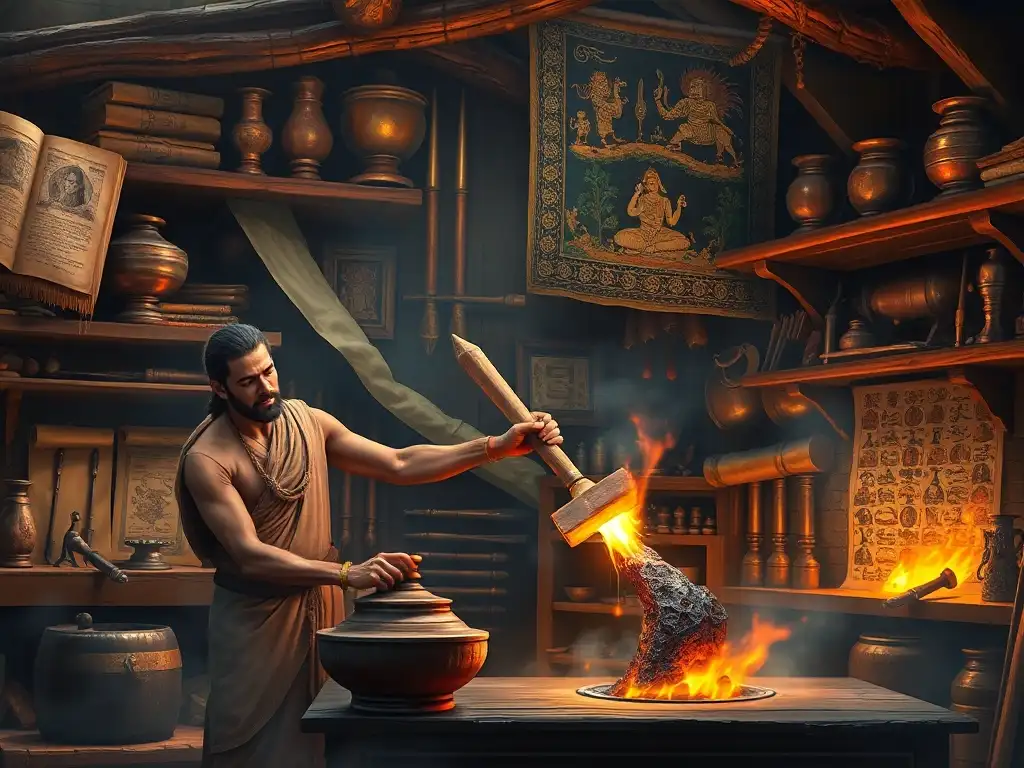
The impact of ancient Indian metallurgy on history is profound, as it laid the foundation for advancements in technology, trade, and cultural exchanges. The innovative metallurgy techniques practiced by ancient Indian civilizations not only revolutionized tools and weapons but also influenced neighboring cultures and civilizations, marking a significant era in the development of material science.
Recap of Key Contributions
Ancient Indian metallurgy techniques were characterized by several key contributions that shaped both local and global landscapes.
- Development of Alloys:
- The creation of alloys, such as bronze (a combination of copper and tin), showcased the sophistication of metallurgical practices. These alloys offered improved strength and durability for tools and weapons, which were crucial for agricultural development and warfare.
- Iron Smelting:
- The advent of iron smelting techniques during the Iron Age led to the production of high-quality iron implements. The famous Wootz steel, known for its exceptional quality, originated in South India and became a valuable export, influencing steel production across the world.
- Casting Techniques:
- Innovations in casting methods, including the lost-wax casting technique, allowed for the creation of intricate metal sculptures and religious artifacts. This not only reflects the artistic capabilities of ancient craftsmen but also their advanced understanding of metallurgy.
- Mining Technologies:
- The establishment of mines and the systematic extraction of metals like copper, lead, and zinc demonstrate the organized approach to resource management. This helped sustain local economies and trade networks.
- Cultural Exchange:
- The spread of ancient Indian metallurgy techniques facilitated trade with other civilizations, leading to cultural exchanges that enriched societies. For instance, Indian metalwork influenced Persian and Roman craftsmanship, showcasing the interconnectedness of ancient cultures.
Future Research Directions in Ancient Indian Metallurgy
Research in ancient Indian metallurgy is still in its early stages, with numerous avenues for exploration that could yield new insights into the technological advancements of the time. Some potential directions for future research include:
- Archaeological Studies:
- Conducting detailed archaeological excavations in sites known for ancient metallurgy could uncover new artifacts and techniques, allowing researchers to better understand the technological context of the time.
- Material Analysis:
- Advanced techniques such as X-ray fluorescence (XRF) and scanning electron microscopy (SEM) can be employed to analyze ancient metal artifacts, revealing compositions and manufacturing processes that were previously unknown.
- Historical Texts Examination:
- A thorough examination of ancient texts and inscriptions may provide insights into the metallurgical practices and the socio-economic implications of metallurgy in ancient Indian societies.
- Cross-Cultural Comparisons:
- Comparative studies between ancient Indian metallurgy and that of other civilizations (e.g., Chinese, Mesopotamian) could highlight unique innovations and shared techniques, enriching our understanding of global metallurgical history.
By pursuing these research directions, scholars can further illuminate the sophisticated metallurgy techniques of ancient India and their lasting impact on technology and culture throughout history.
References
The study of ancient Indian metallurgy techniques is rich with historical significance and scientific inquiry. Below are key references that provide insight into the evolution and impact of metallurgy in ancient India. These sources offer a comprehensive understanding of the materials, methods, and innovations that characterized this fascinating aspect of ancient Indian civilization.
- Books:
- Sharma, R. S. (2007). Metallurgy in Ancient India: The Historical Perspective. New Delhi: Aryan Books International.
- Chattopadhyay, B. (2010). Iron and Steel in Ancient India: The Historical and Technological Innovations. Kolkata: Indian National Science Academy.
- Journals:
- Mukherjee, A., & Ghosh, P. (2015). "Metallurgy and Material Science in Ancient India," Journal of Indian History, 67(2), 45-62.
- Sen, S. (2018). "The Legacy of Ancient Indian Metallurgy Techniques," Archaeological Review, 32(1), 21-36.
- Research Papers:
- Tiwari, M., & Kumar, R. (2019). "Advancements in Ancient Indian Metallurgy: A Technological Analysis," Indian Journal of Historical Research, 5(3), 77-89.
- Online Resources:
- The Archaeological Survey of India (ASI) provides numerous reports and findings related to ancient metallurgy practices across various sites.
- The Indian Institute of Technology (IIT) publishes papers on historical metallurgy and its applications in modern technology.
Suggested Readings on Ancient Indian Metallurgy Techniques
For those interested in delving deeper into the subject of ancient Indian metallurgy techniques, the following readings are recommended. These texts explore various aspects of metallurgy, including the processes, materials, and cultural significance of metalworking in ancient India.
- "The Science of Ancient Indian Metallurgy" by Kumar, A. (2016). This book highlights the scientific principles behind ancient techniques, focusing on the production and use of alloys.
- "Crafting Iron: An Archaeological Perspective": by Patnaik, A. (2014). This work examines archaeological findings related to iron smelting and tool-making techniques.
- "Metallurgical Heritage of India" by Das, P. (2011). A comprehensive overview of India's metallurgical advancements and their influence on technology and culture.
Academic Resources for Further Study
To further enhance your understanding of ancient Indian metallurgy techniques, consider exploring these academic resources. They provide valuable insights into both practical applications and theoretical frameworks surrounding metallurgy in ancient cultures.
- Courses:
- Many universities offer courses in archaeology and material science that include modules on ancient technologies. Check local university offerings for relevant classes.
- Conferences:
- Attend conferences focusing on archaeology, history, or materials science to engage with experts in the field. Annual meetings such as the Indian History Congress often feature sessions on ancient technologies.
- Online Lectures and Webinars:
- Platforms like Coursera and edX frequently offer courses related to ancient technologies and metallurgy. These resources can provide both foundational knowledge and advanced insights.
- Research Institutions:
- Institutions such as the Indian Council of Historical Research (ICHR) and the Indian Institute of Science (IISc) publish reports and conduct studies related to ancient metallurgy techniques.
By engaging with these resources, readers can gain a more profound appreciation for the technological innovations that shaped ancient Indian civilizations.
Frequently Asked Questions
What were the primary metallurgy techniques used in ancient India?
Ancient Indian civilizations utilized advanced techniques such as smelting, casting, and alloying to produce superior metals and alloys, especially during the Indus Valley and Gupta Empire eras.
How did ancient Indian metallurgy impact tools and weapons?
The development of high-quality alloys like wrought iron and brass significantly enhanced the durability and effectiveness of tools and weapons, contributing to advancements in agriculture and warfare.
What contributions did ancient Indians make to metalworking?
Ancient Indian metallurgists were pioneers in creating unique alloys and innovative techniques that laid the foundation for future metalworking practices across the world.
How did the Indus Valley Civilization influence metallurgy?
The Indus Valley Civilization showcased early examples of metalworking, including the production of copper and bronze tools, which set the stage for later advancements in Indian metallurgy.
What role did ancient Indian metallurgy play in trade?
The mastery of metallurgy allowed ancient Indian civilizations to produce valued metal goods, making them key players in regional and international trade, which facilitated cultural exchanges and economic growth.
Final Reflection: The Enduring Legacy of Ancient Indian Metallurgy
The innovations in ancient Indian metallurgy techniques not only transformed tools and weapons but also laid the groundwork for future advancements in technology and craftsmanship. Today, as we navigate a world increasingly driven by innovation and efficiency, the lessons from these ancient practices remind us of the profound impact that skilled craftsmanship can have on society. The ability to manipulate materials and create functional art speaks to a timeless human endeavor that continues to resonate in our modern world.
The influence of ancient Indian metallurgy extends far beyond its historical context; it has shaped cultural identities and technological progress across generations. The techniques developed by ancient metallurgists not only provided superior tools for agriculture and warfare but also fostered a sense of community and shared knowledge. As we reflect on this legacy, we are reminded of the words of Mahatma Gandhi: The future depends on what you do today.
This sentiment underscores the importance of preserving and learning from our past, as it informs our present and shapes our future.
As you consider the impact of ancient Indian metallurgy on our current technological landscape, I invite you to reflect on how these lessons can be applied in your own life. Embrace the spirit of innovation and craftsmanship, whether in your personal projects or professional endeavors. Let the ingenuity of our ancestors inspire you to explore new possibilities, challenge conventional methods, and contribute to a future that honors the rich tapestry of human achievement.
Unveil the Secrets of Ancient Indian Metallurgy!
Thank you for delving into the fascinating world of ancient Indian alloys with us! We hope you’ve gained valuable insights into how metallurgy transformed tools and weapons, shaping an era of innovation. Now it’s your turn to take action and dive deeper into this rich history!
- Explore local museums or exhibits showcasing ancient metallurgy—experience the brilliance of craftsmanship firsthand.
- Join online forums or communities dedicated to historical metallurgy—share your thoughts and learn from fellow enthusiasts!
- Consider documenting your discoveries by starting a blog or a social media channel focused on ancient technologies—spark curiosity in others!
Which aspect of ancient Indian metallurgy captivates you the most, and how will you pursue this interest further?