
How the Indus Valley Civilization Excelled in Architectural Mastery

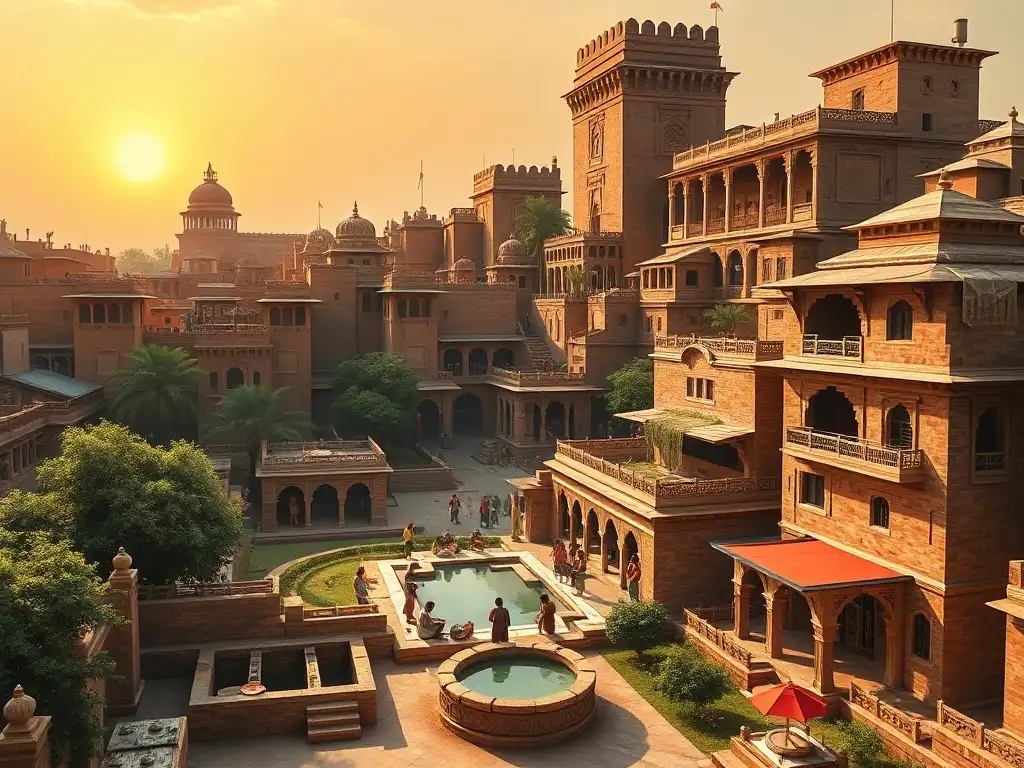
Welcome to Ancient India History, where we embark on a fascinating journey through the rich tapestry of ancient Indian civilizations. Delve into the remarkable architectural achievements of the Indus Valley, a testament to human ingenuity and creativity that shaped the very foundations of urban planning. From intricately designed cities to advanced drainage systems, the legacy of this civilization beckons you to explore the brilliance of its architectural mastery. Are you ready to uncover the secrets of the past? Join us as we reveal the extraordinary contributions that continue to inspire generations today!
- Introduction to the Indus Valley Civilization's Architectural Achievements
- Key Features of Indus Valley Architectural Achievements
- Notable Structures and Sites in the Indus Valley
- Techniques and Materials Used in Indus Valley Architecture
- Comparison of Indus Valley Architecture with Contemporary Civilizations
- Influence of Indus Valley Architectural Achievements on Future Cultures
- Conclusion: The Enduring Significance of Indus Valley Architectural Mastery
-
Frequently Asked Questions
- What were the key features of Indus Valley architecture?
- How did the drainage system in the Indus Valley contribute to its architecture?
- What materials were primarily used in Indus Valley construction?
- How did the Indus Valley Civilization influence later architectural styles?
- What is the significance of the Granary found in the Indus Valley?
- Final Reflection: Celebrating the Architectural Brilliance of the Indus Valley Civilization
- Unveil the Secrets of Ancient Architecture!
Introduction to the Indus Valley Civilization's Architectural Achievements
The Indus Valley Civilization (IVC), one of the world's earliest urban cultures, flourished around 2500 BCE in the northwestern regions of South Asia, encompassing parts of modern-day Pakistan and northwest India. Renowned for its advanced urban planning, sophisticated drainage systems, and innovative architectural designs, the IVC stands as a testament to the ingenuity and craftsmanship of ancient Indian civilizations.
This article delves into the remarkable architectural achievements of the Indus Valley, exploring how its cities were meticulously designed and constructed to enhance the quality of life for their inhabitants. Through a closer examination of their techniques and structures, we aim to uncover the significance of these accomplishments within the broader context of ancient cultures and their enduring influence on subsequent architectural practices.
Overview of the Indus Valley Civilization
The Indus Valley Civilization emerged around 3300 BCE and reached its zenith by 2500 BCE, making significant contributions to early urban society. Notable cities like Harappa and Mohenjo-Daro showcased a high degree of planning and organization.
- City Layout:
- Grid Pattern: Cities were laid out in a grid pattern, reflecting a high level of urban planning.
- Fortifications: Many cities were fortified with walls, indicating a focus on security and defense.
- Innovative Infrastructure:
- Drainage Systems: One of the most advanced drainage systems of the ancient world, featuring covered drains along streets and private homes.
- Water Supply: Wells were strategically placed to ensure a steady supply of water, demonstrating advanced hydraulic engineering.
- Building Materials:
- Baked Brick: The use of standardized baked bricks for construction not only provided durability but also facilitated uniform building practices.
As we explore these aspects, it becomes clear that the architectural advancements of the Indus Valley Civilization laid foundational principles that would influence future generations in both India and beyond.
Importance of Architectural Mastery in Ancient Cultures
Architectural mastery in ancient cultures, particularly in the context of the Indus Valley Civilization, serves multiple critical functions:
- Cultural Identity:
- The design and layout of cities often reflect the cultural and religious values of a civilization, providing a sense of identity and continuity.
- Social Organization:
- Architectural features, such as public buildings, granaries, and baths, indicate a highly organized society capable of large-scale projects, which fostered social interaction and communal activities.
- Technological Innovation:
- The advancements in construction techniques and materials showcase the technological prowess of ancient builders, contributing to the evolution of architectural practices.
- Environmental Adaptation:
- The ability to create sustainable living spaces in response to environmental challenges speaks to the ingenuity of these civilizations, ensuring their survival and prosperity.
The architectural achievements of the Indus Valley Civilization are not just a reflection of aesthetic values but also represent a complex interplay of technology, society, and culture that continues to inspire modern architectural thought.
Key Features of Indus Valley Architectural Achievements
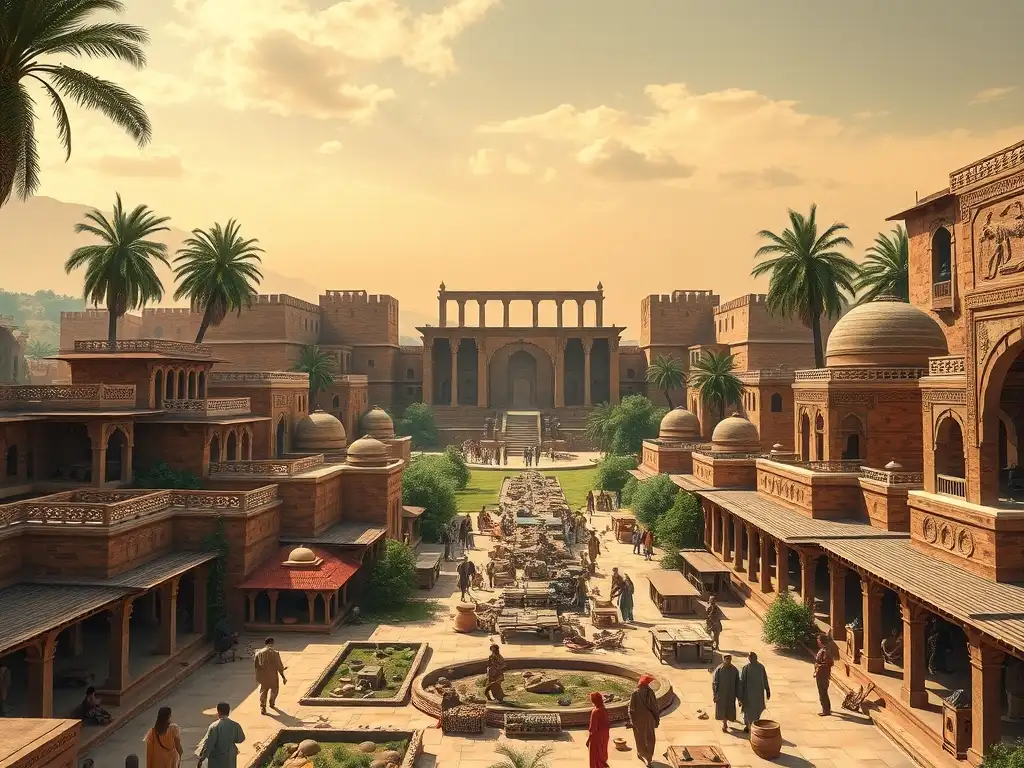
The Indus Valley Civilization (IVC) is renowned for its remarkable architectural achievements that set a benchmark for urban development in ancient times. The urban planning, advanced drainage systems, and the use of standardized materials showcase a level of sophistication that influenced future civilizations. This section delves into these key features, highlighting how they contributed to the overall success and sustainability of the IVC.
Urban Planning and City Layout
The cities of the Indus Valley Civilization, such as Harappa and Mohenjo-Daro, are celebrated for their meticulous urban planning. The layout of these cities reflects a high degree of organization and foresight:
- Grid Pattern: The cities were typically laid out in a grid pattern, with streets running parallel and perpendicular to each other. This strategic design facilitated efficient movement and accessibility.
- Zoning: The urban areas were divided into zones for residential, commercial, and industrial purposes. This separation helped in managing daily activities effectively and promoting trade.
- Public Structures: The presence of large public buildings, such as the Great Bath in Mohenjo-Daro, indicates the importance of communal spaces. These structures likely served both religious and social functions, reinforcing the community's cohesion.
The planning of these cities not only reflects aesthetic considerations but also emphasizes functionality, which is essential for any thriving civilization.
Advanced Drainage and Sanitation Systems
One of the most impressive aspects of Indus Valley architectural achievements is their advanced drainage and sanitation systems. These innovations played a crucial role in maintaining public health and urban cleanliness:
- Complex Drainage Systems: The cities were equipped with extensive drainage networks that included covered drains running along the streets. Wastewater and storm water were efficiently drained away, preventing flooding and contamination.
- Private Toilets: Many houses featured private toilets connected to the drainage system. This level of sanitation was unprecedented for the time and demonstrates a sophisticated understanding of hygiene.
- Water Management: The construction of wells and water reservoirs indicates that the IVC people prioritized water management. These features ensured a reliable water supply for domestic and agricultural use.
The effectiveness of these systems is evident in the archaeological findings, which reveal that the Indus Valley cities were remarkably clean and well-maintained.
Use of Uniform Fired Bricks
Another hallmark of Indus Valley architectural achievements is the widespread use of uniform fired bricks. This choice of material had several implications for construction and design:
- Standardization: The bricks used in IVC constructions were standardized in size, approximately 7:1:3 ratios. This uniformity facilitated easier construction and ensured structural integrity across various buildings.
- Durability: Fired bricks were more durable than sundried bricks, allowing structures to withstand the test of time. This resilience is evident in the well-preserved ruins of Indus Valley sites.
- Versatility in Design: The uniform bricks allowed for diverse architectural styles, enabling builders to create intricate designs and layouts. This adaptability is seen in the multi-story buildings and sophisticated drainage systems.
The use of uniform fired bricks not only enhanced the aesthetic appeal of the cities but also laid a foundation for future architectural practices in the region.
The architectural achievements of the Indus Valley Civilization epitomize a rich tradition of urban planning, advanced sanitation, and innovative use of materials. These features collectively highlight the civilization's remarkable ability to create sustainable and organized urban environments, influencing subsequent cultures in the Indian subcontinent and beyond.
Notable Structures and Sites in the Indus Valley
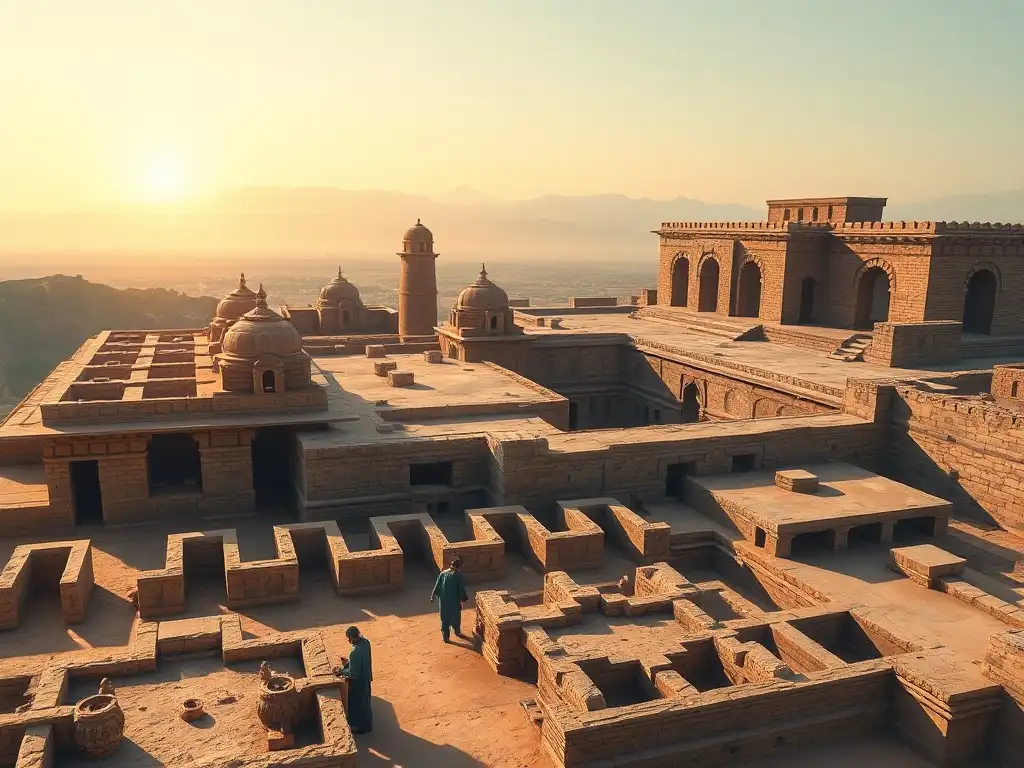
The Great Bath of Mohenjo-Daro
The Great Bath of Mohenjo-Daro stands as one of the most iconic symbols of the Indus Valley Civilization's architectural achievements. This remarkable structure, believed to date back to around 2500 BCE, showcases the civilization's advanced engineering techniques and urban planning.
Design and Structure
- The Great Bath measures approximately 12 meters by 7 meters and is about 2.4 meters deep.
- Constructed with burnt bricks, the pool is lined with a waterproof layer, indicating an understanding of hydraulic engineering.
- The design includes steps leading down to the water, allowing for easy access, and is surrounded by a series of rooms that may have served as changing areas.
Cultural Significance
- Scholars suggest that the Great Bath was not merely a reservoir for water but likely served as a site for ritualistic bathing or public ceremonies, emphasizing the importance of water in the spiritual and social practices of the time.
- Its central location within Mohenjo-Daro illustrates the significance of communal spaces in Indus Valley society, promoting social cohesion.
The Citadel of Harappa
The Citadel of Harappa is another significant architectural feat, reflecting the strategic planning and organizational skills of the Indus Valley civilization.
Architectural Features
- The citadel was built on a raised platform, providing a defensive advantage and a commanding view of the surrounding area.
- It features massive walls made from baked bricks, some of which reach up to 3 meters in height.
- The complex includes a variety of structures, such as granaries, public baths, and administrative buildings.
Function and Purpose
- The citadel likely served as the administrative and religious center of Harappa, indicating a well-organized governance system.
- The layout suggests that it played a crucial role in trade and economic activities, with its proximity to the river facilitating transport and resource management.
Residential Complexes and Granaries
The residential complexes and granaries of the Indus Valley Civilization further exemplify their architectural mastery and understanding of urban design.
Residential Complexes
- Homes in the Indus Valley were typically constructed from baked bricks, featuring flat roofs and multiple rooms, indicative of a sophisticated approach to residential architecture.
- Many homes had internal courtyards, enhancing natural ventilation and light, while bathrooms with drainage systems reflect advanced sanitation practices.
Granaries
- Granaries were strategically located within cities and were built to store surplus grains, showcasing an understanding of agricultural practices and food storage.
- The design often included ventilation systems to keep stored grains dry and prevent spoilage, highlighting the civilization's attention to detail and resource management.
Summary
The architectural achievements of the Indus Valley Civilization, exemplified by structures such as the Great Bath, the Citadel of Harappa, and the residential complexes, underscore their profound understanding of engineering, urban planning, and social organization. These remarkable sites not only reflect the technological advancements of the time but also provide insight into the cultural and communal life of one of the world's earliest urban societies.
Techniques and Materials Used in Indus Valley Architecture
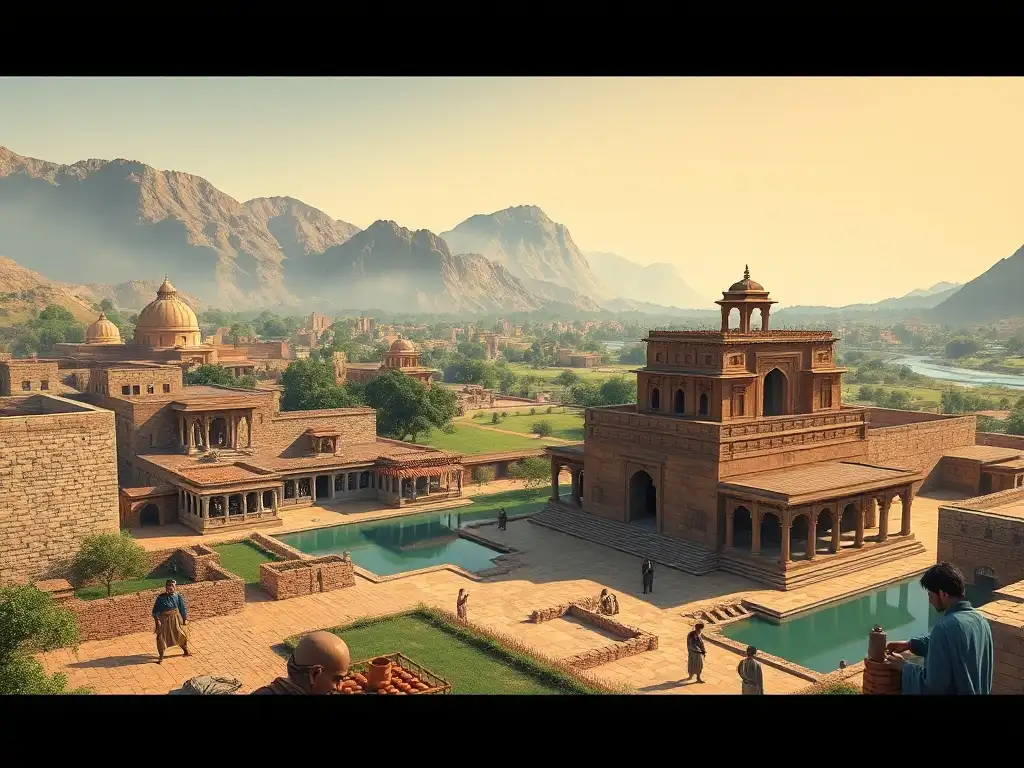
Innovations in Construction Techniques
The Indus Valley Civilization (IVC) is renowned for its advanced architectural techniques, which were pivotal in shaping their urban landscapes. One of the cornerstone innovations was the use of standardized baked bricks, which offered superior durability compared to sun-dried bricks. The dimensions of these bricks were remarkably consistent, typically measuring around 7.5 x 15 x 30 cm, allowing for uniformity in construction and aiding in the creation of well-planned structures.
Additionally, the Indus builders employed a sophisticated understanding of urban planning, as seen in cities like Mohenjo-Daro and Harappa. They implemented grid layouts, which facilitated efficient drainage systems, advanced road networks, and organized residential areas. Streets were often lined with houses constructed in a modular fashion, indicating a mastery in spatial organization and community living.
Another notable innovation was the use of the corbel arch in structural design. While the true arch was not commonly utilized, corbel arches allowed for the construction of larger rooms and public spaces, enhancing the overall aesthetic and functional aspects of their architecture. The Great Bath at Mohenjo-Daro exemplifies this technique, showcasing not only architectural ingenuity but also the significance of water management in their society.
Materials Utilized in Building Structures
The choice of materials in the Indus Valley architectural achievements played a crucial role in their durability and functionality. In addition to the standardized bricks mentioned earlier, the civilization extensively used mortar made from gypsum and lime, which contributed to the structural integrity of buildings. This composite material was particularly effective in binding bricks together, creating resilient walls capable of withstanding the test of time.
Wood was also a significant component, primarily used for roofing and door frames. Despite the scarcity of timber in some areas, the IVC utilized local resources effectively, integrating wooden beams into their constructions. This approach not only provided support but also added an aesthetic element to their architecture.
Moreover, the use of local stone, such as limestone and sandstone, was common for constructing public buildings and fortifications. The fortified walls of cities like Harappa are evidence of this practice, showcasing an understanding of both defensive architecture and material selection based on availability.
The Role of Geography in Architectural Design
The geographical context of the Indus Valley significantly influenced its architectural development. The region's fertile plains, nourished by the Indus River and its tributaries, facilitated agricultural prosperity, which in turn supported urbanization. The availability of resources, such as clay for brick-making and nearby quarries for stone extraction, allowed for the construction of extensive urban centers.
Additionally, the climatic conditions of the region informed architectural choices. The Indus Valley experiences hot summers and cooler winters, necessitating designs that provided shelter from extreme weather. The thick walls of their homes, often built with insulating materials, helped regulate indoor temperatures, creating comfortable living spaces despite the external climate.
Urban planning was also shaped by the need for effective drainage systems, which took into account the seasonal monsoons. The cities featured sophisticated drainage networks with covered drains, allowing for the efficient disposal of wastewater, showcasing a remarkable understanding of sanitation and public health.
The architectural mastery of the Indus Valley Civilization was a product of innovative construction techniques, strategic material usage, and a profound understanding of the geographical context. These elements combined to create a legacy of architectural achievements that continue to fascinate historians and archaeologists today.
Comparison of Indus Valley Architecture with Contemporary Civilizations
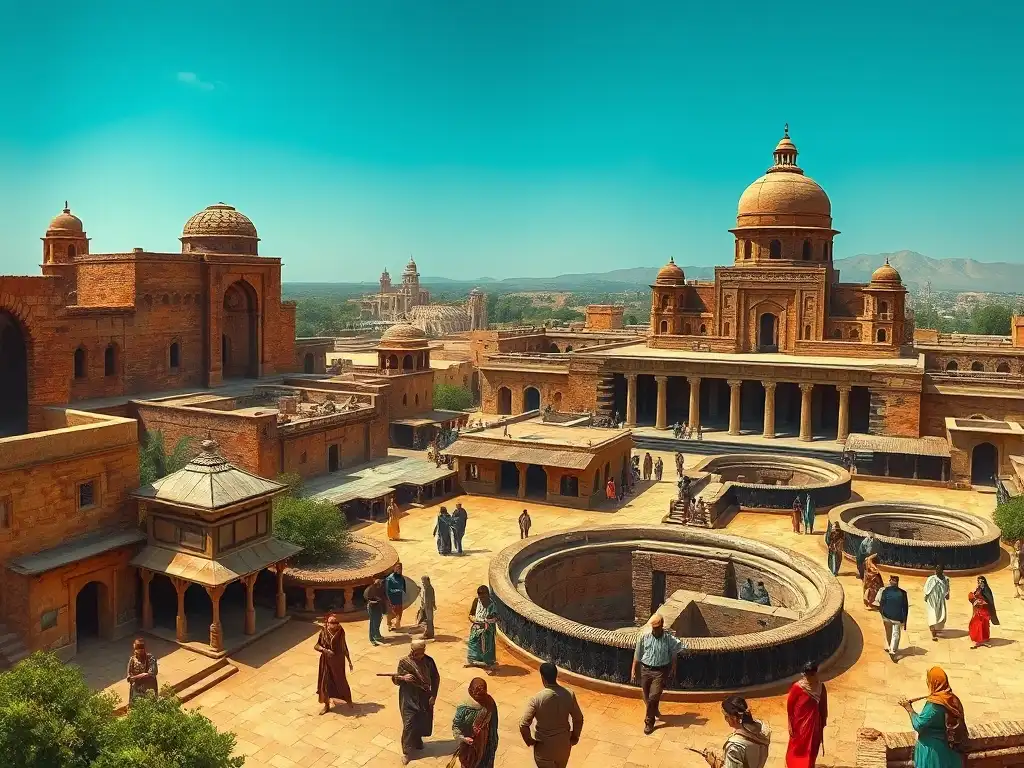
The architectural achievements of the Indus Valley Civilization stand out not only for their sophistication but also for their unique characteristics that differentiate them from contemporary civilizations such as Mesopotamia and Egypt. This section delves into both the similarities and differences, highlighting how these ancient societies approached architecture and urban planning.
Similarities with Mesopotamian Architecture
The Indus Valley Civilization shares several architectural features with Mesopotamian architecture, reflecting a mutual influence of environmental and cultural factors.
- Urban Planning: Both civilizations exhibited advanced urban planning. Cities like Mohenjo-Daro and Harappa were meticulously laid out with grid patterns, similar to urban centers in Mesopotamia. This planning facilitated efficient movement and organization within the cities.
- Drainage Systems: An impressive feat shared by both cultures is their sophisticated drainage systems. The Indus Valley cities featured covered drains along major streets, paralleling the covered sewer systems of cities like Uruk in Mesopotamia. This emphasis on sanitation underscores a shared priority for public health.
- Use of Baked Brick: The use of baked bricks in construction was a prominent feature in both civilizations. The Indus Valley architects employed standardized, high-fired bricks to construct buildings, similar to those used in Mesopotamian ziggurats and residential structures.
- Religious Structures: Temples and other religious buildings in both cultures were central to urban life. The Indus Valley featured large public baths, possibly linked to religious practices, akin to the ziggurats and temples of Mesopotamia, which served as focal points for community and worship.
Differences from Egyptian Architectural Styles
While the Indus Valley Civilization shares some architectural traits with Mesopotamia, it diverges significantly from the architectural styles of ancient Egypt.
- Material Choices: One of the most notable differences lies in the materials used. The Egyptians predominantly utilized stone, such as limestone and sandstone, to construct monumental structures like the pyramids. In contrast, the Indus Valley Civilization relied on baked brick and mud for most of their constructions, leading to different structural aesthetics and durability.
- Architectural Scale: Egyptian architecture is characterized by its monumental scale, exemplified by the Great Pyramids and large temples. In contrast, the Indus Valley architectural achievements focused more on urban dwellings, public baths, and granaries, which were functional rather than monumental. The absence of grandiose tombs suggests a different cultural approach to death and the afterlife.
- Symbolism and Decoration: Egyptian architecture often incorporated extensive symbolic and decorative elements, including hieroglyphics and elaborate carvings. In contrast, Indus Valley architecture is noted for its relatively plain surface without extensive carvings or ornamental features. This simplicity may reflect different cultural values or aesthetic preferences.
- Urban vs. Rural Focus: The emphasis on monumental architecture in Egypt often served to reinforce the power of pharaohs and the state. In the Indus Valley, however, the architecture seemed to focus more on communal living and practicality, suggesting a society oriented towards urban functionality rather than the glorification of rulers.
The architectural achievements of the Indus Valley Civilization demonstrate both similarities and differences with contemporary civilizations. While they align closely with Mesopotamian practices in urban planning and drainage systems, they diverge significantly from the monumental and symbolic styles of Egyptian architecture, highlighting the unique cultural identity of the Indus Valley.
Influence of Indus Valley Architectural Achievements on Future Cultures
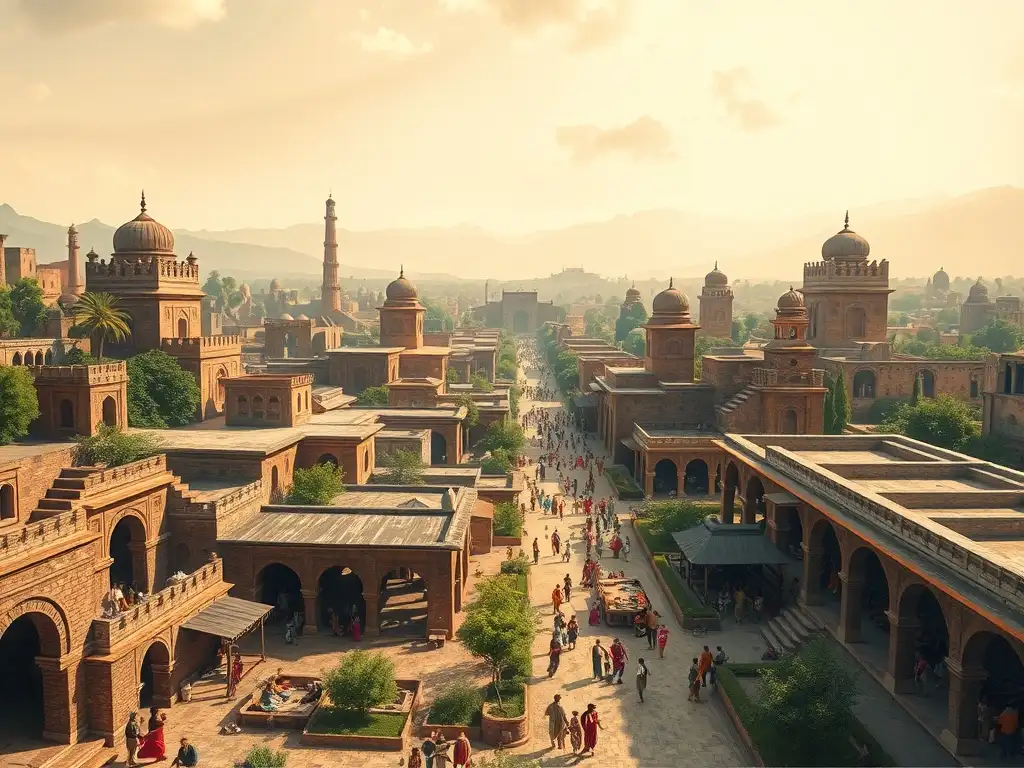
Legacy in South Asian Architecture
The Indus Valley Civilization (IVC), flourishing from approximately 3300 to 1300 BCE, is renowned for its remarkable architectural achievements that laid foundational principles for future South Asian constructions. The cities of Harappa and Mohenjo-Daro exhibited advanced planning and building techniques that influenced subsequent cultures in the region.
- Urban Planning:
- The grid layout of IVC cities showcased a sophisticated understanding of spatial organization. Streets were laid out in a north-south and east-west orientation, a concept that became integral to urban design in later South Asian cities.
- The use of standardized brick sizes (approximately 28x14x7 cm) facilitated uniformity in construction, influencing architectural practices in later periods.
- Drainage Systems:
- The sophisticated drainage systems of the IVC, featuring covered drains and soak pits, set a precedent for sanitation and plumbing that can be seen in later urban developments, such as those in the Mauryan Empire.
- Modern cities in South Asia continue to grapple with similar urban drainage challenges, echoing the need for effective waste management solutions first exemplified by the IVC.
- Residential Architecture:
- Houses in the IVC were constructed with baked bricks and were often two stories high, incorporating features like flat roofs and courtyards. This architectural style influenced the design of homes in subsequent cultures, particularly during the Maurya and Gupta periods.
- The principles of ventilation and natural lighting evident in IVC homes are still relevant in contemporary South Asian architecture.
Impact on Urban Planning in Later Civilizations
The urban planning methodologies established by the Indus Valley Civilization had a profound impact on the development of urban centers in later civilizations across the Indian subcontinent.
- Influence on Subsequent Empires:
- The Mauryan Empire (circa 322-185 BCE) adopted and expanded upon the IVC's principles of urban planning. Cities like Pataliputra reflected a blend of IVC planning and local adaptations, featuring wide roads and organized residential areas.
- Integration of Public Spaces:
- The IVC’s emphasis on public baths, granaries, and assembly halls set a precedent for communal spaces in future urban centers. The presence of large public areas became a hallmark of later Indian cities, facilitating social interaction and cultural exchanges.
- Military and Administrative Planning:
- The strategic layout of IVC cities allowed for efficient movement and organization, aspects that were mirrored in the planning of fortifications and administrative centers in later periods. This foresight in urban design contributed to the effectiveness of military campaigns and governance.
Conclusion
The architectural achievements of the Indus Valley Civilization have left an indelible mark on the development of urban planning and architecture in South Asia. Their legacy continues to resonate in modern architectural practices and urban development, highlighting the enduring influence of this ancient civilization on future cultures. The integration of advanced drainage systems, grid planning, and residential design principles not only showcases the ingenuity of the IVC but also serves as a testament to their lasting impact on the architectural landscape of the region.
Conclusion: The Enduring Significance of Indus Valley Architectural Mastery
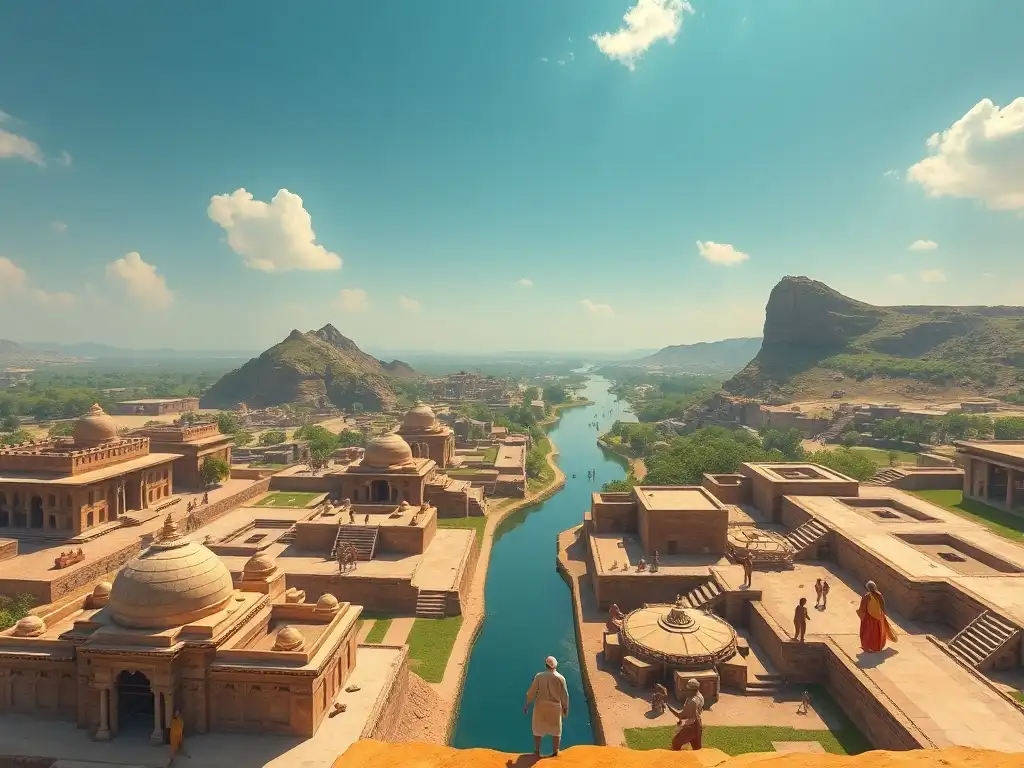
Summary of Key Points
The Indus Valley Civilization, flourishing from approximately 3300 to 1300 BCE, stands as a testament to the architectural ingenuity of ancient India. Here are the key points that highlight the Indus Valley architectural achievements:
- Urban Planning: The cities of Harappa and Mohenjo-Daro exemplified advanced urban planning, featuring well-organized layouts with grid patterns. Streets were aligned with remarkable precision, showcasing a sophisticated understanding of spatial arrangement.
- Drainage Systems: One of the most significant achievements was the extensive drainage system. Houses were equipped with private bathrooms and toilets, connected to a network of drainage channels, demonstrating a high level of sanitation and civil engineering.
- Brick Technology: The uniformity of fired bricks used in construction (measuring 4:2:1) indicates a standardization that speaks to advanced manufacturing techniques. This consistent brick size facilitated the construction of robust structures.
- Structures and Public Buildings: The Great Bath of Mohenjo-Daro is a prime example of public architecture, possibly serving a ritualistic purpose. Its impressive size and sophisticated water management system reflect the civilization's architectural prowess.
- Granaries and Warehouses: Large granaries discovered at various sites suggest an organized system of food storage and distribution, highlighting architectural utility in agricultural management.
Reflection on the Importance of Preserving Ancient Architectural Heritage
Preserving the architectural heritage of the Indus Valley Civilization is crucial for several reasons:
- Cultural Identity: Ancient structures offer insights into the cultural practices, social organization, and daily lives of the people who inhabited these cities. They are foundational to understanding the identity of India's ancient civilizations.
- Architectural Innovation: The techniques and designs developed during this period continue to influence contemporary architecture. Studying these achievements can inspire modern architects to integrate sustainable practices and innovative urban planning in today's context.
- Educational Value: Archaeological sites provide a rich resource for education, encouraging further research and exploration. They serve as living laboratories for historians, archaeologists, and students alike.
- Tourism and Economy: Preserved sites attract tourists, contributing to local economies. Sustainable tourism can promote awareness of the significance of these ancient structures and encourage efforts to maintain them.
- Global Heritage: The Indus Valley Civilization is part of the shared heritage of humanity. Its preservation contributes to global diversity and cultural richness, fostering a sense of connectedness among different civilizations.
The Indus Valley architectural achievements not only reflect the ingenuity of ancient Indian engineers but also embody a legacy that informs and inspires modern society. The commitment to preserving this heritage is essential for future generations to appreciate and learn from the remarkable accomplishments of the past.
Frequently Asked Questions
What were the key features of Indus Valley architecture?
Indus Valley architecture is characterized by well-planned cities, advanced drainage systems, and uniform brick sizes. These features illustrate their sophisticated urban planning and engineering skills.
How did the drainage system in the Indus Valley contribute to its architecture?
The drainage system was a significant architectural achievement, showcasing the civilization's understanding of sanitation and urban infrastructure. It facilitated efficient waste management and improved public health.
What materials were primarily used in Indus Valley construction?
The primary materials included baked bricks, mud, and wood. The use of baked bricks allowed for sturdy and long-lasting structures, which is a hallmark of their architectural style.
How did the Indus Valley Civilization influence later architectural styles?
The architectural principles of the Indus Valley, such as urban planning and drainage, set a precedent for later civilizations in India. Their innovations were foundational for subsequent architectural developments in the region.
What is the significance of the Granary found in the Indus Valley?
The Granary symbolizes the economic strength and agricultural proficiency of the civilization. Its large size and design reflect the importance of food storage and management in urban life during that era.
Final Reflection: Celebrating the Architectural Brilliance of the Indus Valley Civilization
The architectural achievements of the Indus Valley Civilization remain a testament to human ingenuity and creativity, showcasing a level of sophistication that resonates with our modern world. As we navigate through contemporary challenges, the innovative designs and urban planning strategies of this ancient civilization remind us of the timeless principles of sustainability, functionality, and aesthetic beauty that continue to influence architecture today. The Indus Valley's ability to harmonize with its environment serves as a powerful reminder of the importance of thoughtful design in our built environments.
The legacy of the Indus Valley Civilization is not just confined to history; it actively shapes our cultural and social landscape. From urban planning to water management, the principles established by these ancient architects have inspired generations of builders and planners. Their achievements encourage us to rethink our approach to modern architecture, emphasizing the need for sustainable practices that respect both nature and community. Architecture is a visual art, and the buildings speak for themselves.
— Julia Morgan. This quote encapsulates the essence of how the Indus Valley's architectural mastery continues to communicate its values and innovations through the ages.
As you reflect on the remarkable achievements of the Indus Valley Civilization, consider how these lessons can be applied in your own life and community. Embrace the spirit of innovation and sustainability in your surroundings, whether through supporting eco-friendly practices or advocating for thoughtful urban development. Let the brilliance of the Indus Valley inspire you to create spaces that not only serve their purpose but also enrich the lives of those who inhabit them. The past holds invaluable wisdom; it is our responsibility to carry it forward into the future.
Unveil the Secrets of Ancient Architecture!
Thank you for diving into the wonders of the Indus Valley Civilization with us! We hope you’ve gained valuable insights into their extraordinary architectural achievements. Now, it’s time to turn that curiosity into action!
Here’s how you can explore even further and deepen your understanding:
- Visit a local museum or historical site that showcases ancient architecture. Take notes on what inspires you!
- Join a historical discussion group or online forum to share your thoughts and learn from others who are fascinated by ancient civilizations.
- Try sketching your favorite architectural feature from the Indus Valley and imagine how it would look in a modern context.
What aspect of Indus Valley architecture fascinates you the most, and how do you think it influences today’s architectural designs?