
The Role of Language and Communication in the Maurya Empire: Key Linguists


Welcome to Ancient India History—your gateway to the rich tapestry of civilizations that shaped one of the world's oldest cultures. Here, we delve into the remarkable legacies of ancient Indian societies, from the sophisticated urban planning of the Indus Valley to the intellectual achievements of the Gupta Empire. In our featured article, we unravel the intricate language influence in the Maurya Empire and examine the pivotal role of communication in uniting diverse communities.
Prepare to be captivated as we explore the lives of key linguists whose contributions resonate through time, inviting you to discover the profound impact of language on culture and governance. Join us on this enlightening journey through history!
Introduction to Language Influence in the Maurya Empire
The Maurya Empire, which flourished from 322 to 185 BCE, stands as one of the most significant and expansive empires in ancient Indian history. Spanning a vast territory across the Indian subcontinent, the empire was not only known for its political and military prowess but also for its profound contributions to culture, philosophy, and particularly, language. Language served as a vital tool for communication, administration, and the dissemination of ideas during this critical period. The influence of language in the Maurya Empire extended beyond mere communication; it played a crucial role in unifying diverse populations and fostering intellectual exchange.
Understanding the interplay between language and society during the Maurya Empire involves exploring the various linguistic practices and the key figures who shaped them. This exploration reveals how language influenced governance, trade, and cultural expression, facilitating a rich tapestry of interactions among different communities. As we delve deeper into this topic, we will uncover the pivotal role that language and its key linguists played in the empire's development and legacy.
Importance of Language in Ancient Indian Civilizations
Language has always been a cornerstone of civilization, acting as the medium through which cultures express their beliefs, values, and traditions. In the context of ancient Indian civilizations, including the Maurya Empire, language was integral to several aspects of life:
- Administration and Governance: Effective communication was essential for the administration of such a vast empire. The use of languages like Prakrit and Sanskrit allowed for efficient governance, ensuring that edicts and policies reached all corners of the empire.
- Cultural Exchange: The Maurya Empire was a melting pot of diverse cultures and languages. This diversity enriched cultural expressions, including literature, art, and philosophy, making language a vital conduit for sharing ideas and practices.
- Trade and Commerce: Language facilitated trade relations not only within the empire but also with neighboring regions. The ability to communicate in multiple languages helped merchants and traders engage with various communities, thus enhancing economic growth and cultural exchange.
The role of language in the Maurya Empire was multifaceted, influencing various domains of life and contributing to the empire's enduring legacy in the annals of ancient Indian history. Understanding this influence offers valuable insights into the complexity and richness of the Maurya Empire's cultural fabric.
- Introduction to Language Influence in the Maurya Empire
- Importance of Language in Ancient Indian Civilizations
- What was the significance of language in the Maurya Empire?
- Who were the key linguists during the Maurya Empire?
- How did the Maurya Empire influence language development in India?
- What role did language play in trade during the Maurya Empire?
- How did communication methods evolve during the Maurya Empire?
Historical Context of the Maurya Empire

Overview of the Maurya Empire
The Maurya Empire, established in 322 BCE by Chandragupta Maurya, marked a significant period in ancient Indian history, characterized by its expansive territory and sophisticated governance. At its zenith, the empire encompassed vast regions of the Indian subcontinent, including present-day India, Pakistan, and parts of Afghanistan. This formidable empire laid the foundation for political unity in India and played a crucial role in shaping its cultural and linguistic landscape.
The Maurya Empire is particularly noted for its strategic administration, which was instrumental in maintaining control over its vast territories. Chandragupta's reign was succeeded by his grandson, Ashoka the Great, who further expanded the empire and is often celebrated for his patronage of Buddhism and promotion of moral governance. During this period, the empire experienced remarkable advancements in arts, science, and communication, influencing the socio-political fabric of the time.
The Mauryan governance system relied heavily on a well-structured bureaucracy, with various officials overseeing different regions. The use of language was pivotal in ensuring effective communication across the empire, facilitating administration, trade, and cultural exchanges among its diverse populace. The multilingual nature of the empire necessitated a robust linguistic framework to unify the various ethnic and cultural groups under its domain.
The Role of Language in Governance and Administration
Language played a critical role in the governance and administration of the Maurya Empire, serving as a medium for communication, legislation, and cultural integration. The empire's vast expanse comprised numerous linguistic groups, making it essential for the central authority to establish a common language for administrative purposes.
- Prakrit as the Administrative Language:
- The primary language used in administration was Prakrit, a vernacular language that facilitated communication among the diverse population. Prakrit was chosen for its accessibility, enabling officials to engage with the local populace effectively.
- Kharosthi, another script, was used extensively in the northwestern regions, particularly for inscriptions and official documents, highlighting the importance of written communication in governance.
- Ashoka's Edicts:
- One of the most significant contributions to language during the Maurya Empire was Ashoka's Edicts, inscribed on pillars and rocks throughout the empire. These edicts were written in multiple languages, including Prakrit and Greek, showcasing the empire's linguistic diversity and Ashoka's commitment to spreading his policies and Buddhist teachings.
- The edicts emphasized moral governance, social welfare, and religious tolerance, demonstrating how language was wielded as a tool for political communication and public engagement.
- Cultural Integration through Language:
- The use of a common administrative language fostered cultural integration across different regions, allowing for the exchange of ideas, trade, and religious beliefs. The linguistic framework established during this time contributed significantly to the development of Indian literature, philosophy, and arts.
- Sanskrit, while primarily associated with religious texts and scholarly discourse, also began to flourish during the Mauryan period, further enriching the cultural tapestry of the empire.
The influence of language in the Maurya Empire was multifaceted, impacting governance, administration, and cultural exchange. The strategic use of Prakrit and the promotion of written edicts underlined the importance of communication in unifying a diverse empire, ultimately shaping the historical narrative of ancient India.
Key Linguists of the Maurya Empire
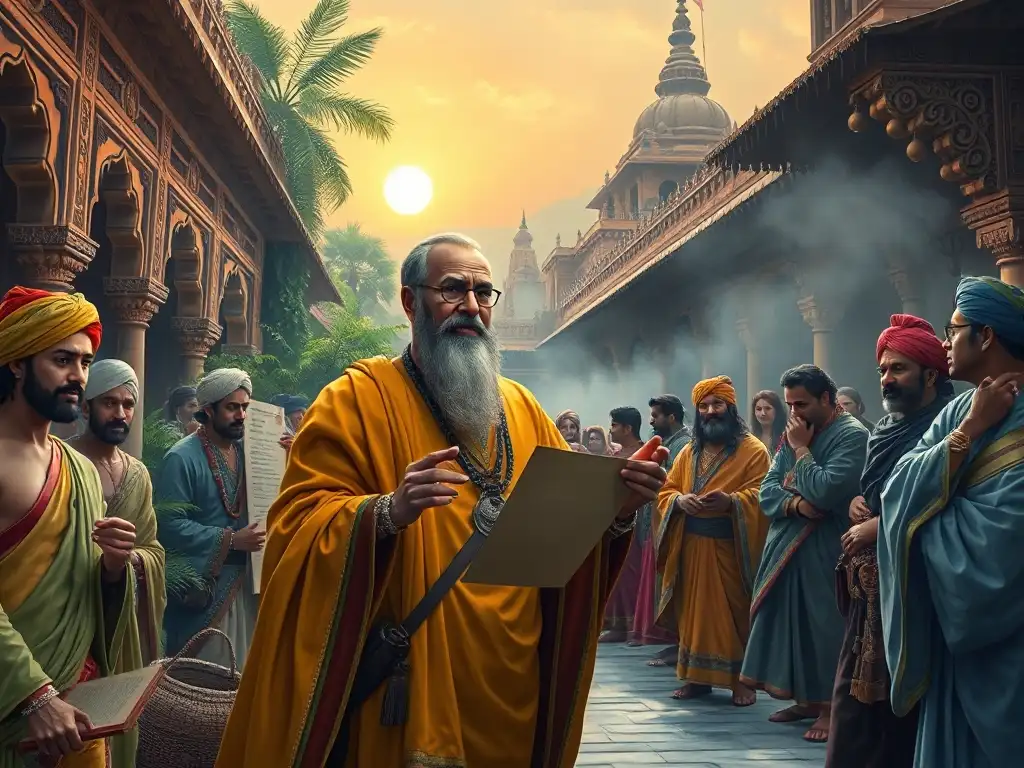
The Maurya Empire, which flourished from 322 to 185 BCE, is renowned not only for its political and military achievements but also for its significant contributions to language and communication. The empire was characterized by a rich tapestry of linguistic diversity and intellectual thought, with key figures who shaped the way language was used in administration, strategy, and education. Understanding the role of these linguists reveals the profound influence of language in the Maurya Empire, setting standards that would resonate throughout Indian history.
Chandragupta Maurya: The Establishment of Language Norms
Chandragupta Maurya, the founder of the Maurya Empire, played a critical role in establishing the linguistic framework that facilitated governance and communication across his vast territory. His reign marked a transition from a myriad of regional dialects to a more standardized form of communication, which was essential for effective administration.
- Standardization of Prakrit: Chandragupta promoted the use of Prakrit, a language that was more accessible to the common people compared to the elite Sanskrit. This decision was pivotal in ensuring that administrative edicts and communication were understandable to a broader audience, fostering unity within the diverse empire.
- Official Edicts: The Edicts of Ashoka, inscribed during the reign of his grandson Ashoka, reflect this linguistic transition. They were primarily written in Prakrit, often using the Brahmi script, which significantly impacted how messages were conveyed to the populace. This emphasis on clarity in communication can be traced back to Chandragupta’s initiatives.
- Cultural Integration: By promoting a common language, Chandragupta not only facilitated governance but also encouraged cultural exchange and integration among various tribes and regions within the empire. This laid the groundwork for the rich cultural tapestry that characterized the Maurya Empire.
Kautilya (Chanakya): Language as a Tool for Strategy
Kautilya, also known as Chanakya, was a prominent philosopher and strategist during the Maurya Empire. His work, the Arthashastra, is a seminal text that emphasizes the strategic use of language in politics and governance.
- Persuasion and Rhetoric: Kautilya understood the power of language in persuasion and manipulation. His teachings emphasized that effective communication could influence allies and enemies alike. The strategic use of rhetoric was a cornerstone of his political philosophy, where he advocated for clarity, eloquence, and precision in language.
- Diplomatic Communication: Kautilya’s insights extended to diplomacy, where he advised on the use of language to negotiate treaties and alliances. His understanding of the subtleties of communication enabled the Maurya Empire to navigate complex political landscapes, ensuring stability and expansion.
- Linguistic Intelligence: Kautilya's approach to language went beyond mere words; it included understanding the socio-political context of communication. His emphasis on linguistic intelligence contributed to the development of a bureaucratic system that could effectively manage the empire's diverse population.
Panini: The Influence of Grammar on Communication
Panini, an ancient grammarian, is often regarded as one of the most influential figures in the realm of linguistics. His work on Sanskrit grammar laid foundational principles that shaped language throughout the Indian subcontinent, including during the time of the Maurya Empire.
- Ashtadhyayi and Linguistic Precision: Panini's Ashtadhyayi is a comprehensive treatise that codifies the rules of Sanskrit grammar. This work not only elevated the status of Sanskrit but also provided a framework for linguistic precision that was crucial for administration and scholarly discourse during the Maurya Empire.
- Impact on Administration: The establishment of grammatical norms facilitated clearer communication in official documents and literature. This standardization was vital for maintaining records, laws, and cultural texts, ensuring that they were preserved for future generations.
- Cultural Legacy: Panini’s influence extended beyond the Maurya Empire, as his grammatical rules became integral to the study of language in India. His work inspired generations of linguists and scholars, contributing to the rich intellectual tradition of ancient India and reinforcing the importance of language in cultural identity.
The linguistic contributions of Chandragupta Maurya, Kautilya, and Panini during the Maurya Empire reflect a profound understanding of the role of language in governance, strategy, and culture. Their legacies continue to influence the study and application of language in India, highlighting the enduring significance of effective communication throughout history.
Linguistic Diversity in the Maurya Empire

The Maurya Empire, which flourished from 322 to 185 BCE, was marked by a rich tapestry of linguistic diversity. This diversity was not just a reflection of the various ethnic groups and cultures that existed within the empire's vast territories, but also a vital component in facilitating communication, administration, and cultural exchange. The Maurya Empire encompassed regions that are today part of modern India, Pakistan, and Nepal, leading to a significant amalgamation of languages and dialects.
The linguistic environment of the Maurya Empire can be characterized by the presence of several prominent languages, each playing a unique role in the social and political fabric of the time. This multilingual setting fostered a dynamic interchange of ideas, literature, and philosophy, which ultimately influenced the development of Indian culture and identity.
Languages Spoken in the Maurya Empire
During the Maurya Empire, several languages were spoken and utilized for various purposes:
- Sanskrit:
- As the classical language of ancient India, Sanskrit was primarily used in religious and scholarly contexts. It served as the medium for many important texts, including the Vedas and later Buddhist scriptures.
- Sanskrit's grammatical structure and vocabulary influenced many regional languages and dialects, making it a cornerstone of linguistic development in ancient India.
- Prakrit:
- Prakrit languages, which included various dialects, were more commonly spoken by the general populace. These languages were pivotal in the spread of Jain and Buddhist teachings, as they were more accessible than Sanskrit.
- The use of Prakrit by notable figures such as Ashoka the Great helped in reaching a broader audience, thereby enhancing the communication of ideas and philosophy.
- Aramaic and Greek:
- Due to the Maurya Empire's interactions with neighboring cultures, particularly during the reign of Ashoka, languages such as Aramaic and Greek gained prominence. These languages were used in diplomatic and trade relations, especially after the Mauryan expansion into areas influenced by Hellenistic culture.
- Local Dialects:
- The empire was home to various local dialects, which were influenced by regional customs and practices. These dialects played a crucial role in everyday communication among the diverse population of the empire.
The coexistence of these languages and dialects not only facilitated administrative efficiency but also encouraged cultural dialogues that enriched the Maurya Empire’s heritage.
The Role of Sanskrit in Cultural Exchange
Sanskrit's status as a linguistic vehicle for high culture and intellectual discourse in the Maurya Empire cannot be overstated. It acted as a unifying force, enabling communication among the educated elite across various regions. This role can be broken down into several key aspects:
- Literary Contributions:
- The period saw a flourishing of literature in Sanskrit, including texts on philosophy, science, and arts. The Mahabharata and Ramayana, though composed before this era, were widely recited and had a profound influence on cultural narratives.
- Religious Texts:
- Sanskrit was the language of the Vedas and Upanishads, which provided a framework for spiritual and ethical discussions. The Mauryan rulers, particularly Ashoka, promoted the use of these texts to propagate Buddhist philosophy, further expanding Sanskrit's influence.
- Cultural Diffusion:
- As scholars, poets, and philosophers traveled throughout the empire, they carried the Sanskrit language with them, thereby spreading ideas and traditions. This exchange was instrumental in the development of various regional cultures.
- Administrative Use:
- Sanskrit was also employed in official inscriptions and edicts, such as those of Ashoka, which were meant to communicate governance policies and ethical guidelines to a literate audience.
The emphasis on Sanskrit during the Maurya Empire laid the groundwork for its continued importance in Indian culture and civilization, shaping linguistic and cultural exchanges for centuries to follow.
Regional Languages and Dialects of the Period
The Maurya Empire's linguistic landscape was further enriched by the presence of various regional languages and dialects, each contributing to the empire's cultural and social dynamics. Some notable regional languages and dialects of the period include:
- Magadhi:
- Often considered a precursor to modern-day Bengali, Magadhi was spoken in the region of Magadha, the heart of the Maurya Empire. It played a significant role in the development of early Buddhist texts.
- Pali:
- Closely related to Prakrit, Pali became the liturgical language of Theravada Buddhism. Its usage expanded as Buddhist monks traveled and shared teachings across the Indian subcontinent.
- Maithili and Bhojpuri:
- These languages emerged in the regions of present-day Bihar and Uttar Pradesh, reflecting local culture and traditions. They were crucial in communicating societal norms and values among the populace.
- Other Local Dialects:
- Various other dialects were prevalent in the different provinces of the Maurya Empire, showcasing the linguistic plurality and the necessity of localized communication for administrative purposes.
This rich linguistic diversity allowed the Maurya Empire to maintain cohesion across its vast territories while fostering an environment where different cultures could thrive and interact. The influence of these languages continues to be felt in modern Indian languages and dialects, highlighting the enduring legacy of linguistic diversity established during the Maurya Empire.
Language Influence on Trade and Diplomacy
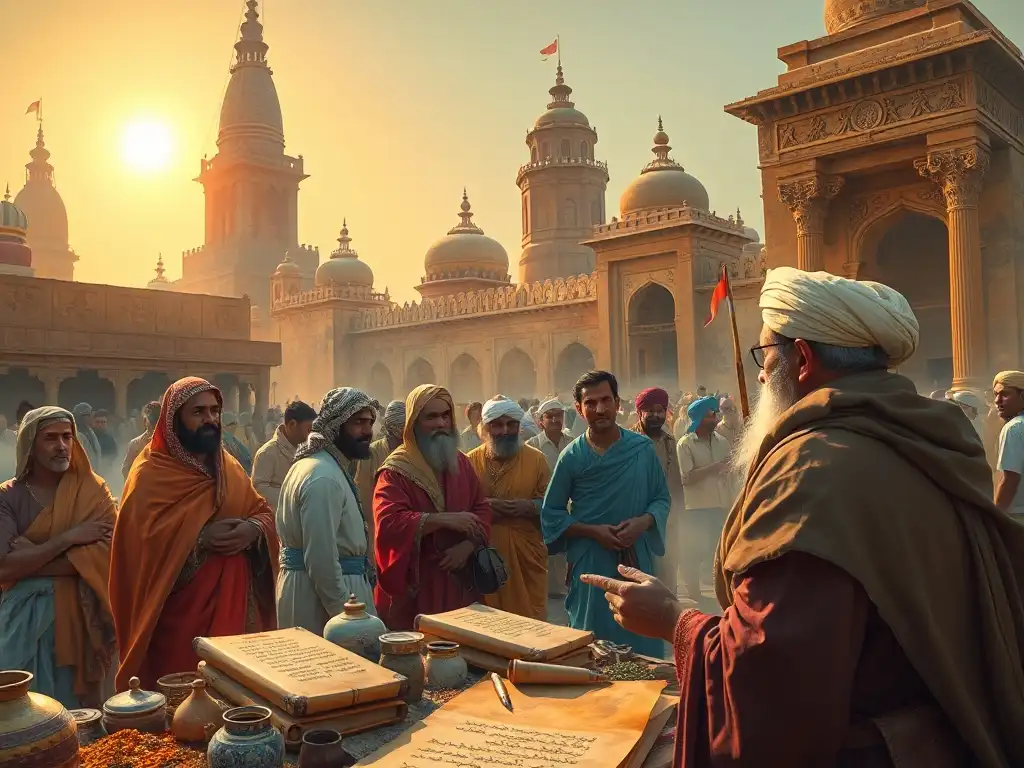
The Importance of Communication in Trade Relations
In the Maurya Empire, effective communication was paramount for facilitating trade, which was a cornerstone of the empire's economic prosperity. The extensive trade networks established during this period were not merely limited to local exchanges; they extended across vast regions, including Persia, Central Asia, and even parts of Southeast Asia. This interconnectivity necessitated a common linguistic framework that could bridge diverse cultures and facilitate smooth transactions.
Key aspects of communication in Mauryan trade include:
- Language as a Trade Tool: Merchants and traders often adopted the prevalent languages of the regions where they operated. Sanskrit, as a liturgical and scholarly language, played a significant role in formal trade agreements and documentation. At the same time, local dialects were crucial for day-to-day transactions.
- Bilingualism and Multilingualism: Many traders were bilingual, often fluent in both Sanskrit and the local languages. This multilingual capacity enabled them to negotiate better terms and foster trust with partners from different cultural backgrounds.
- Standardization of Terms: The Maurya Empire saw the development of standardized trade terminologies, which helped in minimizing misunderstandings. Trade guilds and merchant organizations often had their own lexicons that were essential for commerce.
- Cultural Exchange: The interaction between traders from different regions led to a rich exchange of not only goods but also languages and cultural practices. This linguistic exchange enriched the Mauryan society, contributing to a more cohesive economic environment.
Diplomatic Language and Its Impact on Foreign Relations
The Maurya Empire’s diplomatic efforts were significantly influenced by the use of language as a tool for negotiation and alliance-building. The emperors, particularly Ashoka, understood the importance of crafting messages that resonated with foreign powers.
Key elements of diplomatic language in the Maurya Empire include:
- Formal Correspondence: The use of formal language in letters and edicts was crucial for establishing and maintaining diplomatic relations. For instance, Ashoka’s edicts, written in multiple languages (including Greek and Aramaic), were instrumental in communicating his policies and philosophies to neighboring states.
- Cultural Sensitivity: The Mauryan diplomats exhibited linguistic and cultural sensitivity, often adapting their communication styles to align with the customs of the states they engaged with. This adaptability was key in securing alliances and peace treaties.
- Public Diplomacy: The Maurya Empire utilized inscriptions and public messages in various languages to convey political intentions and foster goodwill among different groups. These inscriptions often celebrated diplomatic achievements and served as a tool to legitimize the emperor's authority.
- Influence of Linguistic Diversity: The presence of multiple languages within the empire created a rich tapestry of communication that was advantageous in diplomatic contexts. Understanding the nuances of each language allowed for more effective and nuanced negotiations.
Language played a vital role in both trade and diplomacy during the Maurya Empire, influencing interactions across diverse cultures and supporting the empire's expansive reach. The ability to communicate effectively not only facilitated economic transactions but also established the Maurya Empire as a formidable diplomatic entity in ancient history.
Language Preservation and Literature in the Maurya Empire
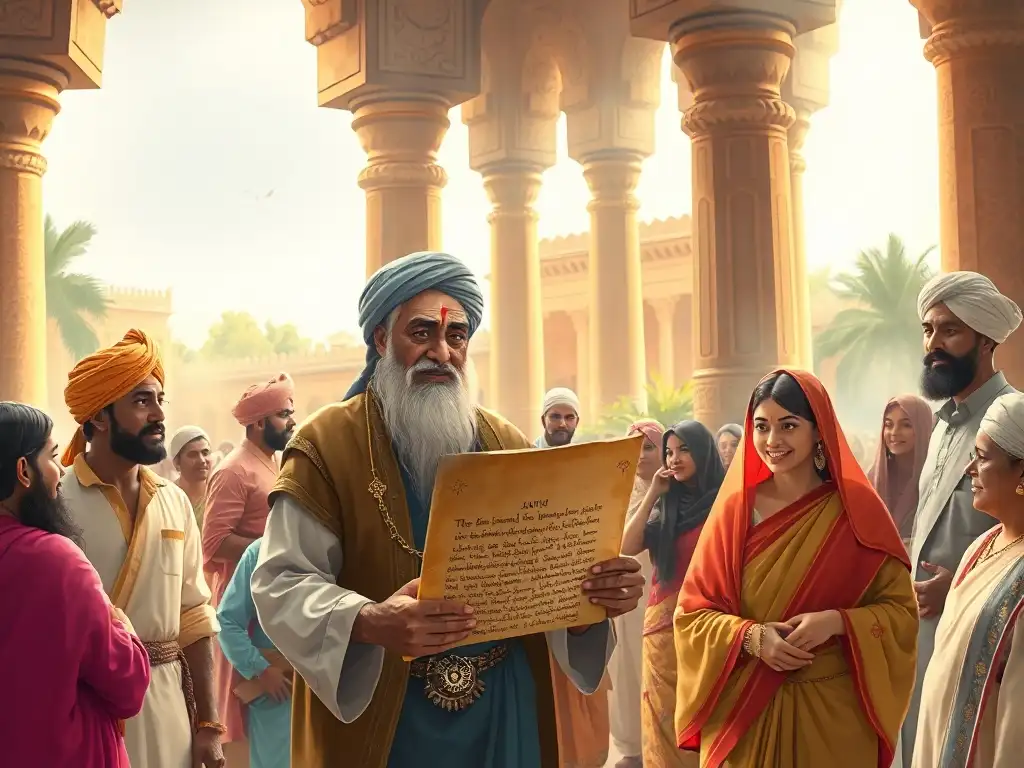
The Maurya Empire, which thrived from 322 to 185 BCE, is often celebrated for its remarkable contributions to language and literature. During this period, a variety of languages flourished, with Prakrit and Sanskrit gaining prominence as vehicles of communication and culture. The empire's extensive administrative structure necessitated a system of written communication, fostering the development of literature that reflected both the governance and the diverse cultures within its vast territories.
The Maurya period is marked by significant literary contributions that not only preserved existing languages but also enriched them. The Arthashastra by Kautilya, a treatise on statecraft and military strategy, exemplifies the sophisticated use of language to convey complex ideas. Written in Sanskrit, this work serves as a crucial historical document that offers insights into the political and economic philosophies of the time.
Literary Contributions during the Maurya Period
The Maurya Empire's literary landscape was characterized by several key works and authors that left a lasting impact on Indian literature. Among them, the following stand out:
- Kautilya's Arthashastra:
- A comprehensive manual on governance, economics, and military strategy.
- Utilizes intricate Sanskrit, showcasing the language's flexibility to express complex political ideas.
- Buddhist Texts:
- The period saw the compilation of various texts that laid the foundation for Buddhist philosophy.
- Notable texts include the Dhammapada, which, although likely composed in earlier centuries, gained prominence during the Maurya period, reflecting the linguistic richness of Prakrit.
- Jain Literature:
- The Maurya Empire also witnessed the flourishing of Jain literature, with texts like the Tattvartha Sutra contributing to the preservation of the Jain linguistic heritage.
- These texts were often composed in Ardhamagadhi, a dialect of Prakrit, emphasizing the diversity of languages in literary expression.
| Literary Work | Language | Significance |
|---|---|---|
| Arthashastra | Sanskrit | Treatise on governance and strategy |
| Dhammapada | Pali | Key Buddhist text influencing religious thought |
| Tattvartha Sutra | Ardhamagadhi | Foundational Jain scripture |
The patronage of rulers like Ashoka also played a pivotal role in the promotion of literature. Ashoka's edicts, inscribed in various languages including Brahmi and Kharosthi, underscore the importance of language in governance and public communication. These inscriptions not only served administrative purposes but also aimed to disseminate messages of moral and ethical significance across the empire.
The Role of Oral Traditions in Language Preservation
In addition to written literature, oral traditions were paramount in preserving language during the Maurya Empire. The oral transmission of stories, religious texts, and philosophical teachings allowed for the continuation of linguistic practices across generations. This practice was particularly significant in rural and marginalized communities, where literacy rates were lower.
- Storytelling and Epics:
- Oral storytelling was a vital means of cultural transmission. Epics such as the Mahabharata and Ramayana, although composed later, were rooted in earlier oral traditions that influenced the linguistic landscape of the Maurya period.
- Religious Recitations:
- The recitation of religious texts in public ceremonies helped in maintaining the use of specific languages and dialects. For instance, the chanting of Vedic hymns in Sanskrit reinforced the language's sacred status and its role in religious practices.
- Community Engagement:
- Local gatherings and festivals often featured performances that incorporated regional dialects, thus preserving linguistic diversity. These events not only entertained but also reinforced communal identities and linguistic ties.
The interplay between oral and written traditions during the Maurya Empire illustrates the multifaceted nature of language preservation. Together, these elements contributed to a rich tapestry of communication that shaped the cultural landscape of ancient India, ensuring that the legacy of the Maurya Empire endures in both language and literature.
Conclusion: The Lasting Impact of Language in the Maurya Empire

Summary of Language Influence in the Maurya Empire
The Maurya Empire, which flourished from 322 to 185 BCE, was marked by significant advancements in language and communication that played a crucial role in its administration, culture, and integration of diverse communities. One of the most notable aspects of language influence during this period was the promotion of Prakrit as a lingua franca, enabling effective communication among various ethnic groups within the empire.
Prakrit, a group of Middle Indo-Aryan languages, was instrumental for both administrative and literary purposes. It facilitated the spread of Buddhist texts and ideas, particularly under the reign of Emperor Ashoka, who used inscriptions in Prakrit to communicate his edicts across his vast empire. This strategic use of language not only unified the diverse populations but also ensured that key messages about governance, ethics, and societal norms reached a broader audience.
Additionally, the Sanskrit language continued to flourish as a medium of scholarly and religious discourse. Many texts, including the Arthashastra by Kautilya, were composed in Sanskrit, showcasing its importance in political science and strategy. The dual-language approach—Prakrit for the masses and Sanskrit for the elite—exemplified the Maurya Empire’s linguistic sophistication and its ability to cater to different strata of society.
Reflection on Linguistic Contributions to Ancient Indian Civilization
The linguistic contributions of the Maurya Empire had a profound impact on the evolution of language and communication in ancient Indian civilization. The establishment of Prakrit as a common language during the Maurya period created a foundation for subsequent regional languages that emerged in India. This adaptability of language fostered a rich tapestry of dialects and literary traditions that would continue to develop over the centuries.
Moreover, the emphasis on written communication, as evidenced by the extensive use of inscriptions and edicts, highlighted the importance of literacy in governance and public life. The inscriptions found in various locations, such as the Ashoka Pillars, reveal not only the administrative practices of the Mauryan rulers but also their commitment to ethical governance and social welfare.
In examining the legacy of language in the Maurya Empire, it becomes clear that the linguistic policies and practices implemented during this time laid the groundwork for the cultural and intellectual achievements of later Indian civilizations. The interplay between Prakrit and Sanskrit set a precedent for linguistic diversity, which continues to be a hallmark of Indian culture today.
The role of language and communication during the Maurya Empire was not merely functional; it was transformative, shaping the social, political, and cultural landscape of ancient India and influencing the development of languages that followed.
Frequently Asked Questions
What was the significance of language in the Maurya Empire?
Language played a crucial role in administration and governance, facilitating communication among diverse populations and promoting cultural unity.
Who were the key linguists during the Maurya Empire?
Key linguists included prominent scholars like Panini, who significantly contributed to the development of Sanskrit grammar, enhancing the linguistic framework of the empire.
How did the Maurya Empire influence language development in India?
The Maurya Empire established standardized languages for administration, which led to the spread of Sanskrit and other regional languages, shaping the future of Indian linguistics.
What role did language play in trade during the Maurya Empire?
Language facilitated trade relations across the empire, allowing merchants to communicate effectively with one another and with foreign traders, thus boosting the economy.
How did communication methods evolve during the Maurya Empire?
Communication methods evolved through the use of written scripts, inscriptions, and messengers, enhancing administrative efficiency and connecting various regions of the empire.
Final Reflection: The Enduring Influence of Language in the Maurya Empire
The exploration of language and communication within the Maurya Empire reveals a profound truth: language is not merely a tool for communication but a powerful vehicle for cultural identity and societal cohesion. Today, as we navigate an increasingly interconnected world, the lessons drawn from the linguistic practices of the Maurya Empire resonate deeply, reminding us that effective communication can bridge divides and foster understanding among diverse communities.
The impact of language on the cultural and social landscape of the Maurya Empire continues to be felt in contemporary society. The linguistic innovations and philosophies of key figures during this period laid the groundwork for future generations, influencing not only the region's governance but also its art, literature, and philosophy. As we reflect on this legacy, we are reminded of the words of the great linguist Noam Chomsky: Language is not only a vehicle for communication but also a means of shaping thought and culture.
This insight underscores the importance of language in shaping our identities and societal structures, both then and now.
As we conclude this exploration, I invite you to reflect on the role of language in your own life and community. Consider how your words and communication styles can foster connection and understanding in an increasingly complex world. Embrace the lessons from the Maurya Empire, and let them inspire you to engage thoughtfully with others, recognizing that every conversation is an opportunity to build bridges and cultivate a shared cultural narrative. The power of language is in your hands—use it wisely and compassionately.
Unleash the Power of Communication in Ancient India!
Thank you for diving deep into the fascinating world of the Maurya Empire and the pivotal role that language and communication played within it! Your exploration of influential linguists has surely revealed how essential these elements were in shaping a powerful civilization. Now, let's take your newfound knowledge to the next level!
Here are a few actionable steps you can take to further engage with this remarkable topic:
- Delve Deeper: Research a notable linguist from the Maurya period that captured your interest. Share your findings in a short blog post or social media update to enlighten others!
- Join the Conversation: Connect with a community of history enthusiasts. Participate in online forums or groups focused on Indian history and share insights about the linguistic advancements during the Maurya Empire.
- Create a Visual: Design an infographic that summarizes the impact of language and communication on governance in the Maurya Empire. Visuals can engage new audiences and provide a unique perspective!
What insights about language from the Maurya Empire do you think remain relevant in today’s world of communication? We can’t wait to hear your thoughts!